Nature - Animal - online puzzles
chickens, goose ducks and turkeys online puzzle
252chickens, goose ducks and turkeyssolved 198 times
Solve puzzle
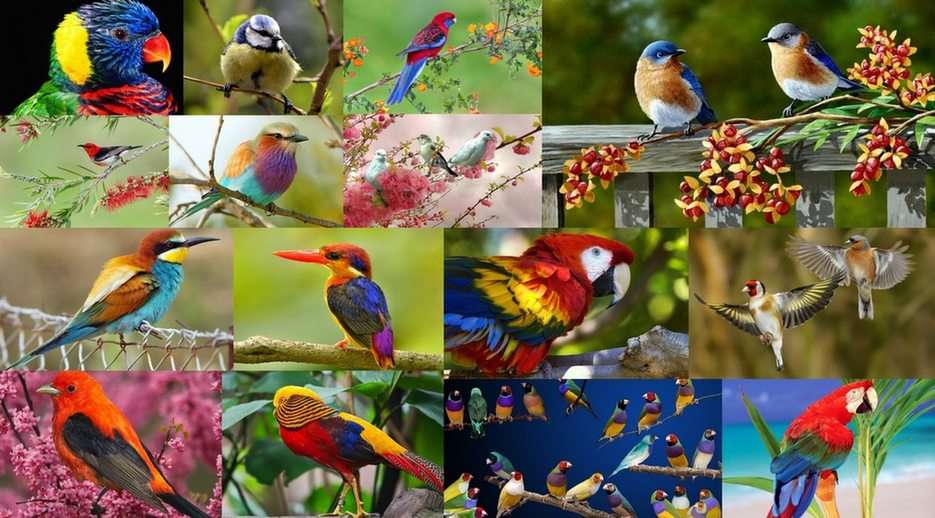
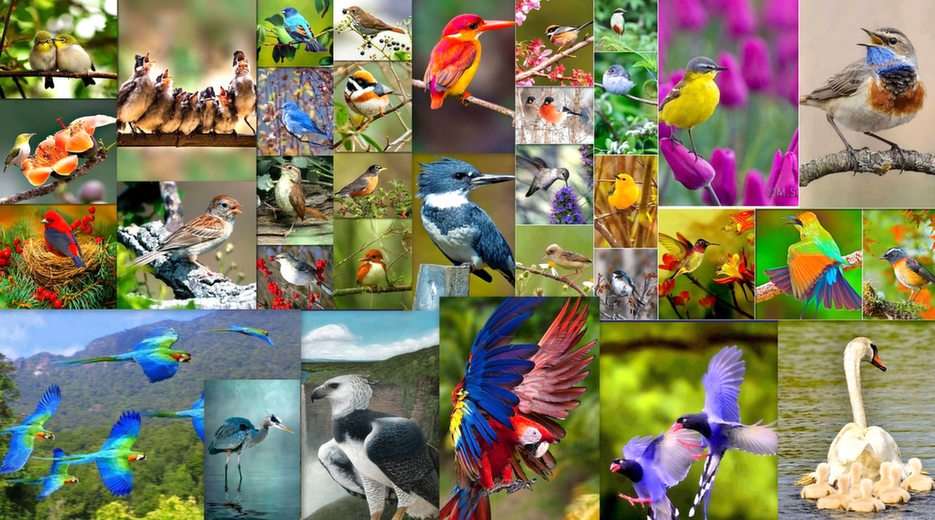
birds, birds online puzzle
252birds, birdssolved 198 times
Solve puzzle
Forest treecreeper puzzle online from photo
60Forest treecreepersolved 197 times
Solve puzzle
Sofel puzzle online from photo
49Sofelsolved 197 times
Solve puzzle
a swan with a toddler puzzle online from photo
20a swan with a toddlersolved 197 times
Solve puzzle
end 2 puzzle online from photo
64end 2solved 197 times
Solve puzzle
storks online puzzle
20storkssolved 197 times
Solve puzzle
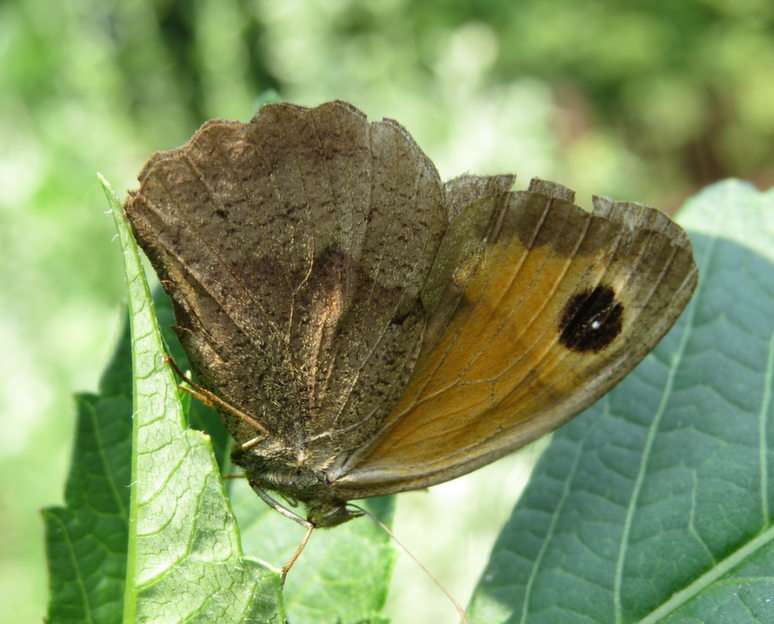
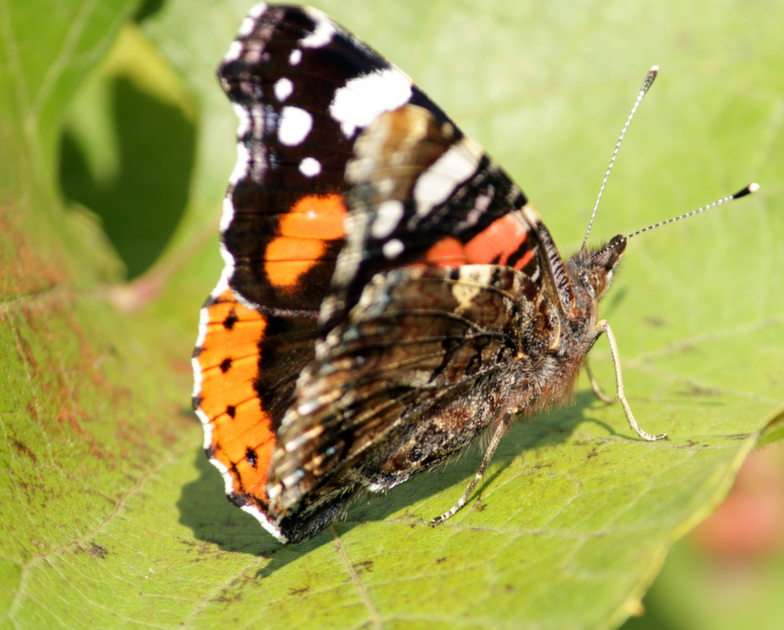
butterfly online puzzle
72butterflysolved 196 times
Solve puzzle
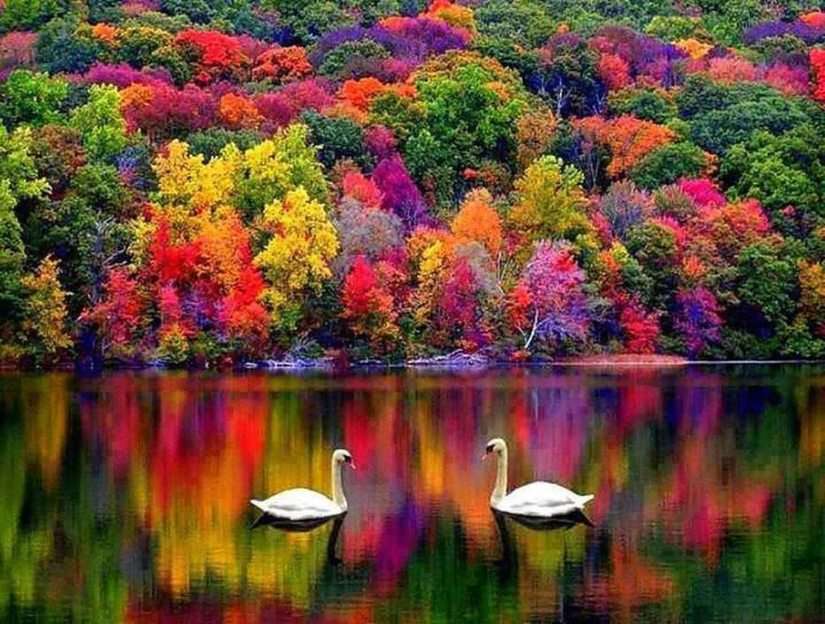
autumn online puzzle
195autumnsolved 196 times
Solve puzzle
Nelson animals puzzle online from photo
48Nelson animalssolved 196 times
Solve puzzle
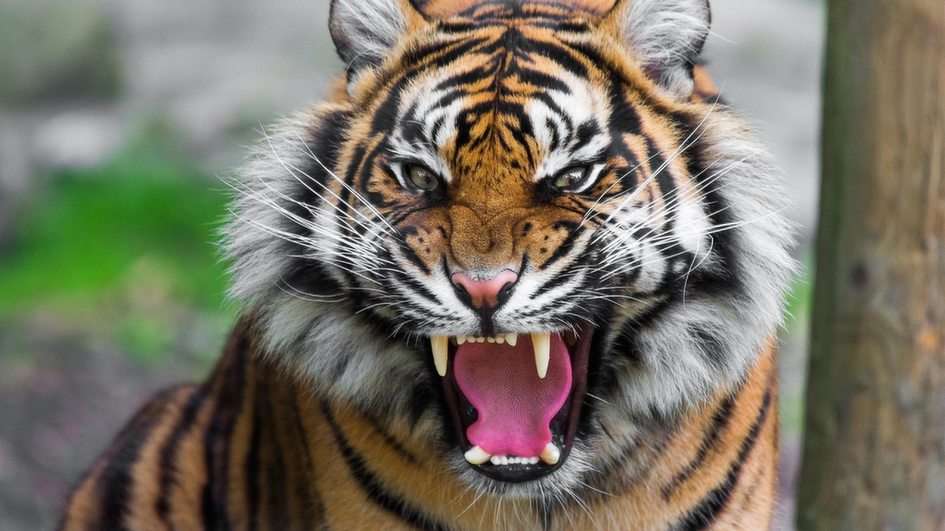
tiger online puzzle
15tigersolved 196 times
Solve puzzle
Mela puzzle online from photo
48Melasolved 195 times
Solve puzzle
Miecio online puzzle
108Mieciosolved 195 times
Solve puzzle
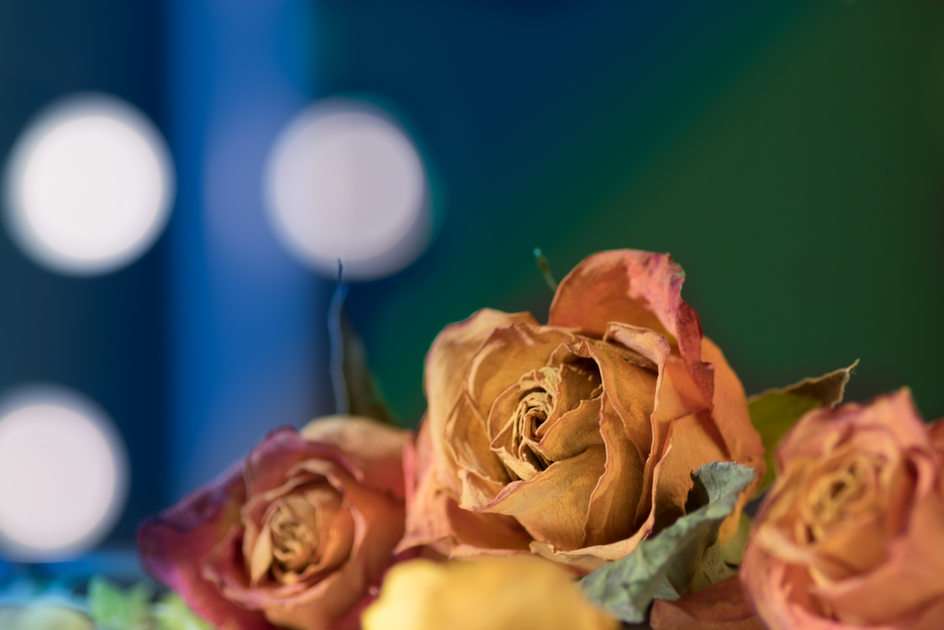
roses online puzzle
48rosessolved 195 times
Solve puzzle
in the countryside online puzzle
63in the countrysidesolved 195 times
Solve puzzle
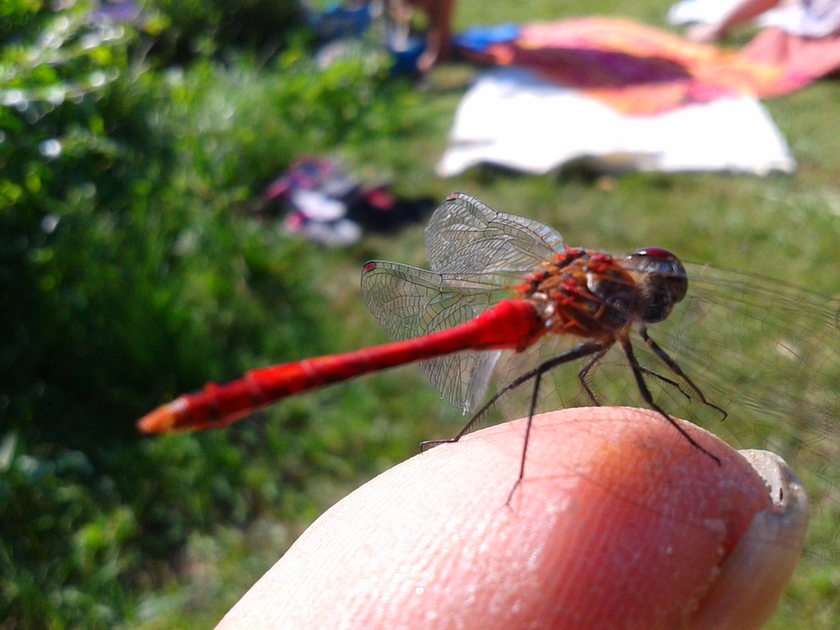
Insect puzzle online from photo
48Insectsolved 194 times
Solve puzzle
Little birds online puzzle
112Little birdssolved 194 times
Solve puzzle
Time for tea puzzle online from photo
48Time for teasolved 194 times
Solve puzzle
Benio puzzle online from photo
63Beniosolved 194 times
Solve puzzle
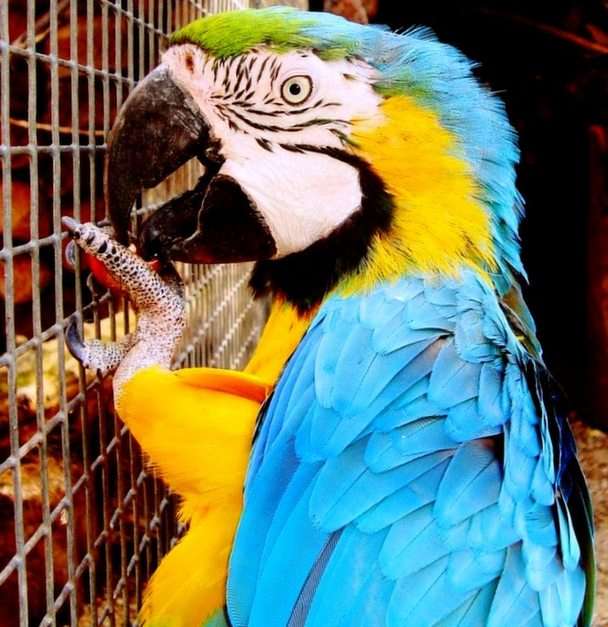
Parrot online puzzle
88Parrotsolved 193 times
Solve puzzle
Smoko online puzzle
56Smokosolved 193 times
Solve puzzle
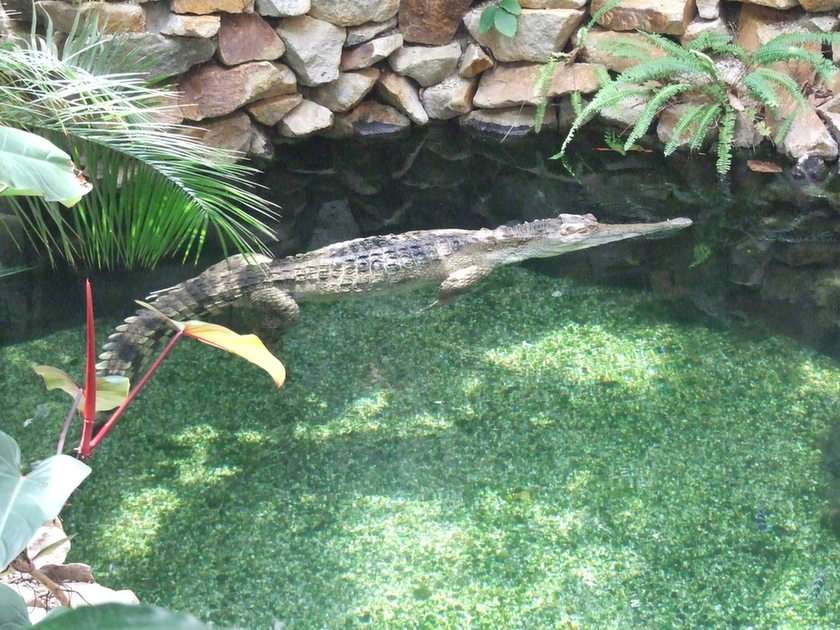
crocodile puzzle online from photo
30crocodilesolved 193 times
Solve puzzle
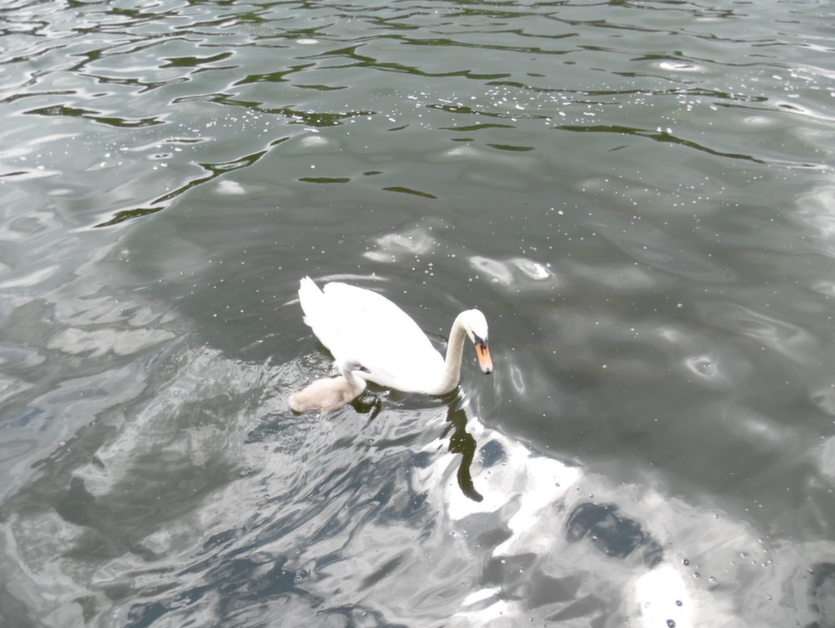
swan with cub puzzle online from photo
20swan with cubsolved 193 times
Solve puzzle
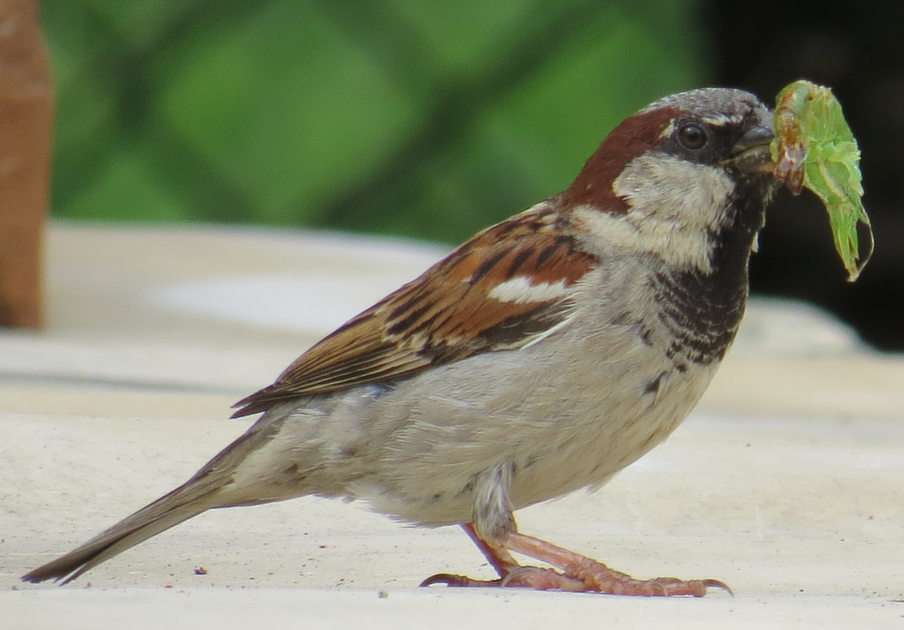
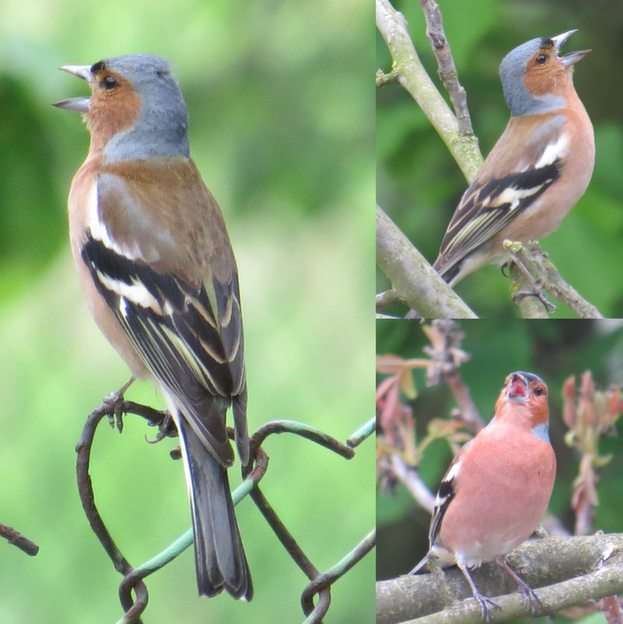
Finch online puzzle
56Finchsolved 193 times
Solve puzzle
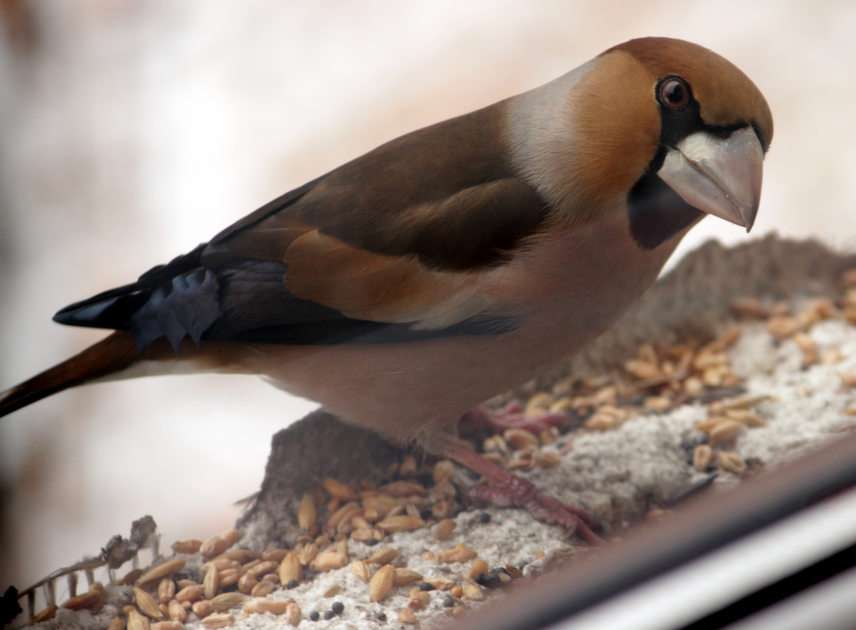
hawfinch puzzle online from photo
48hawfinchsolved 193 times
Solve puzzle
Sleeping Beauty puzzle online from photo
48Sleeping Beautysolved 193 times
Solve puzzle
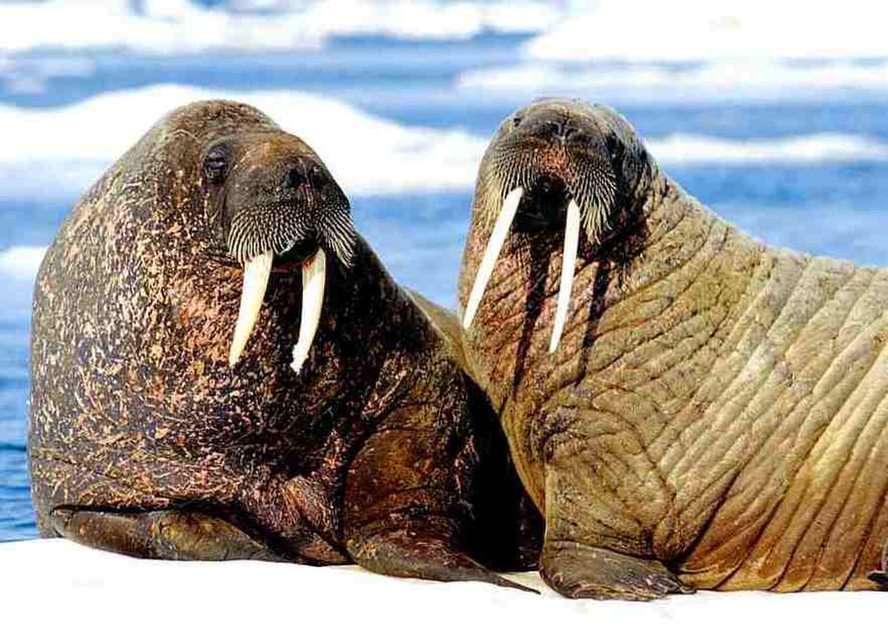
walrus online puzzle
48walrussolved 193 times
Solve puzzle
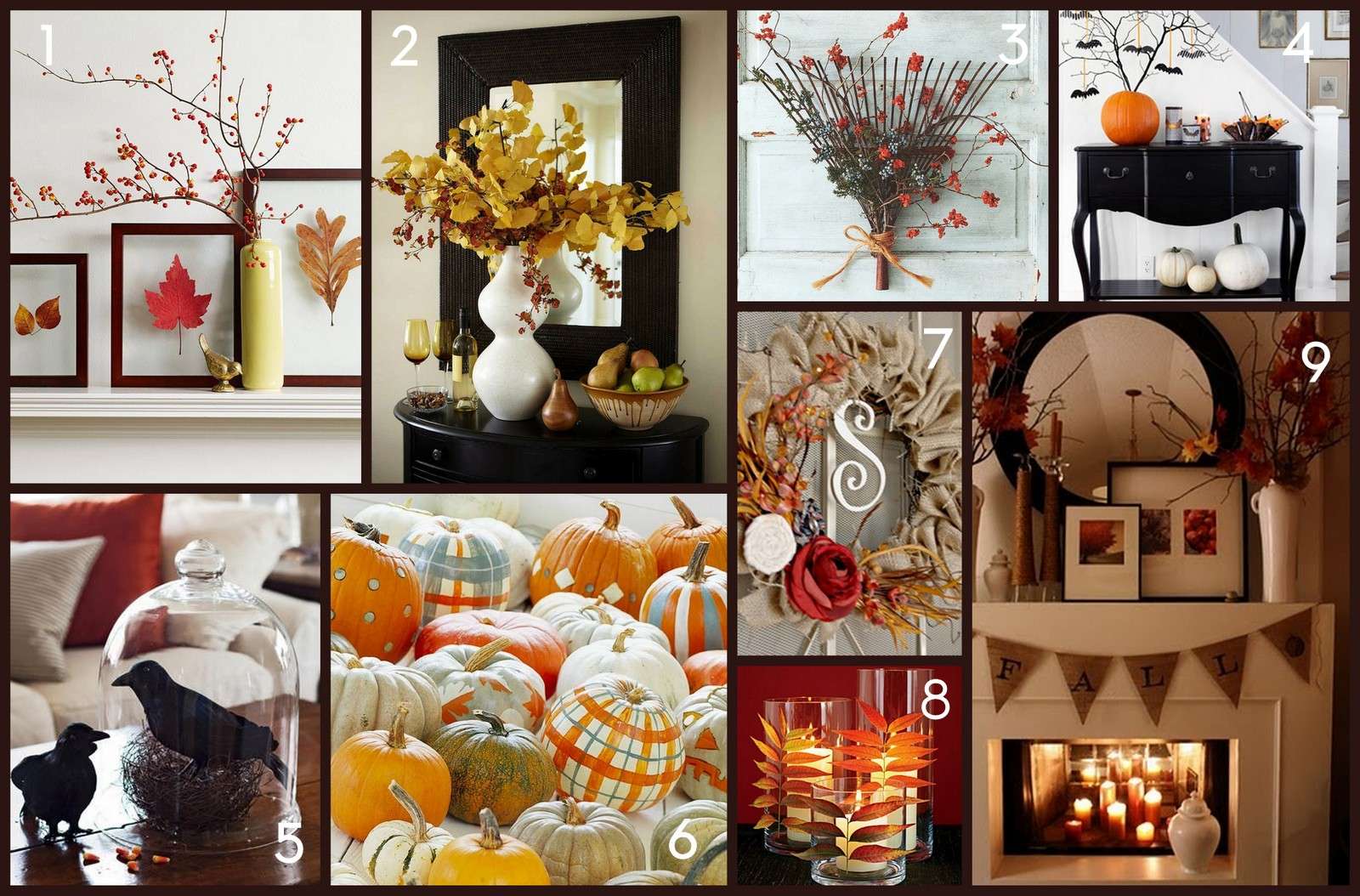
Autumn Decor online puzzle
150Autumn Decorsolved 193 times
Solve puzzle
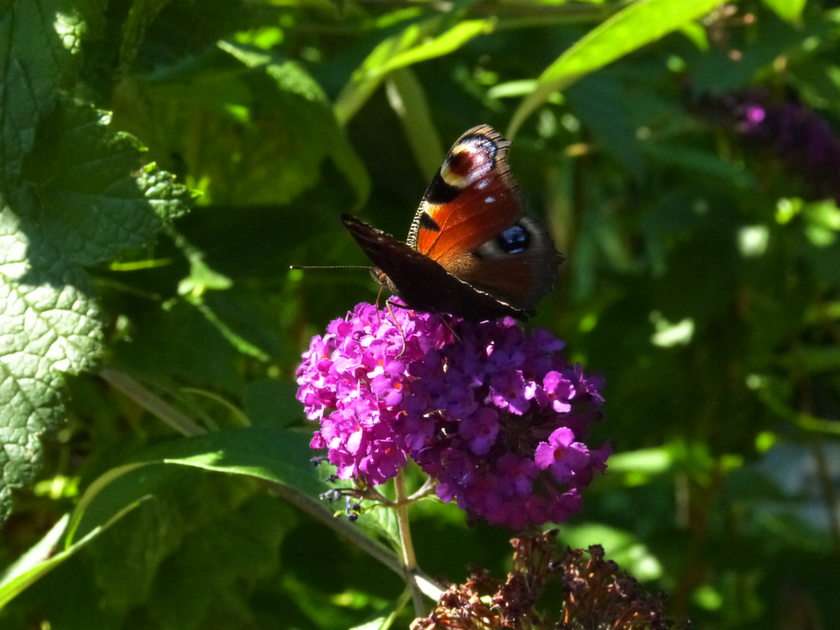
another butterfly puzzle online from photo
48another butterflysolved 192 times
Solve puzzle
butterfly puzzle online from photo
48butterflysolved 192 times
Solve puzzle
KAZIK puzzle online from photo
63KAZIKsolved 192 times
Solve puzzle
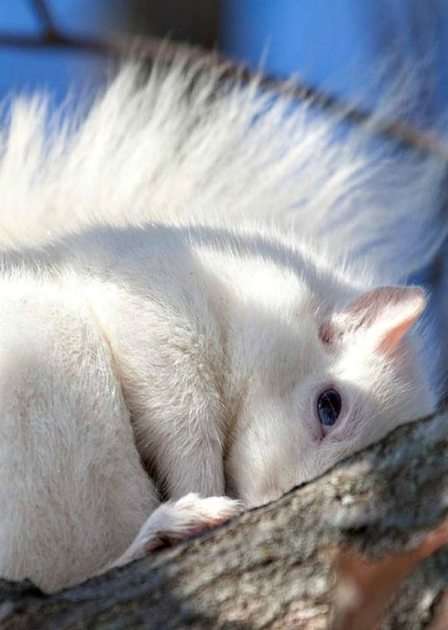
white squirrel puzzle online from photo
24white squirrelsolved 192 times
Solve puzzle
The birds puzzle online from photo
221The birdssolved 192 times
Solve puzzle
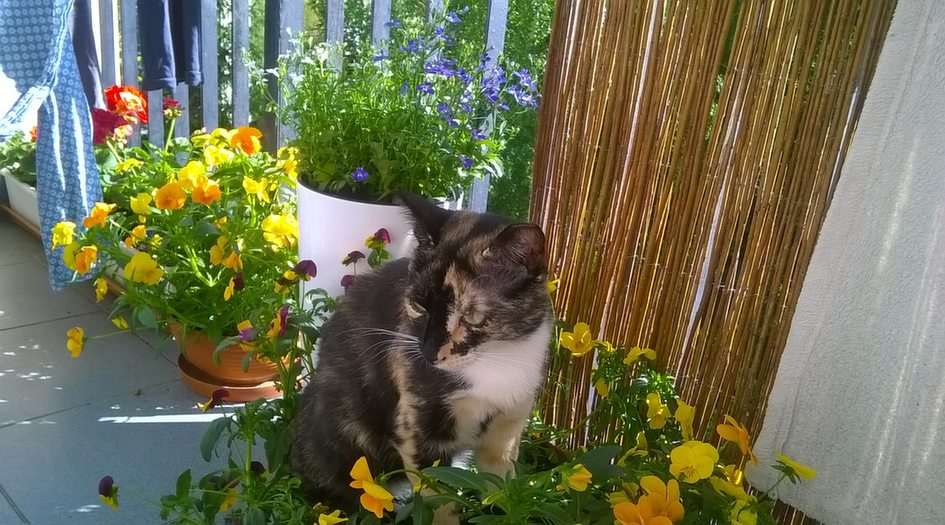
Cat in the room. puzzle online from photo
48Cat in the room.solved 192 times
Solve puzzle
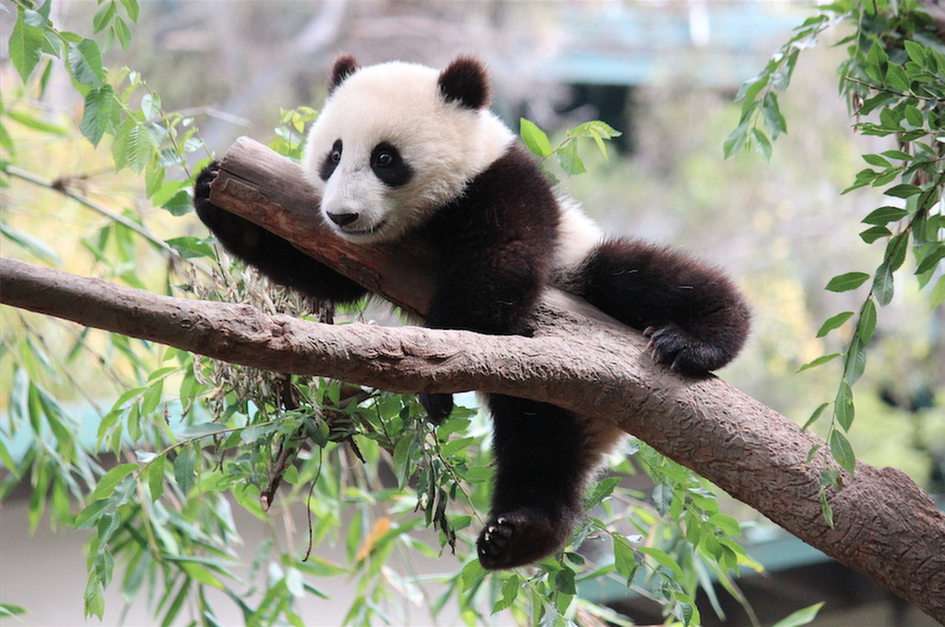
Panda online puzzle
15Pandasolved 191 times
Solve puzzle
Fig after bathing online puzzle
48Fig after bathingsolved 191 times
Solve puzzle
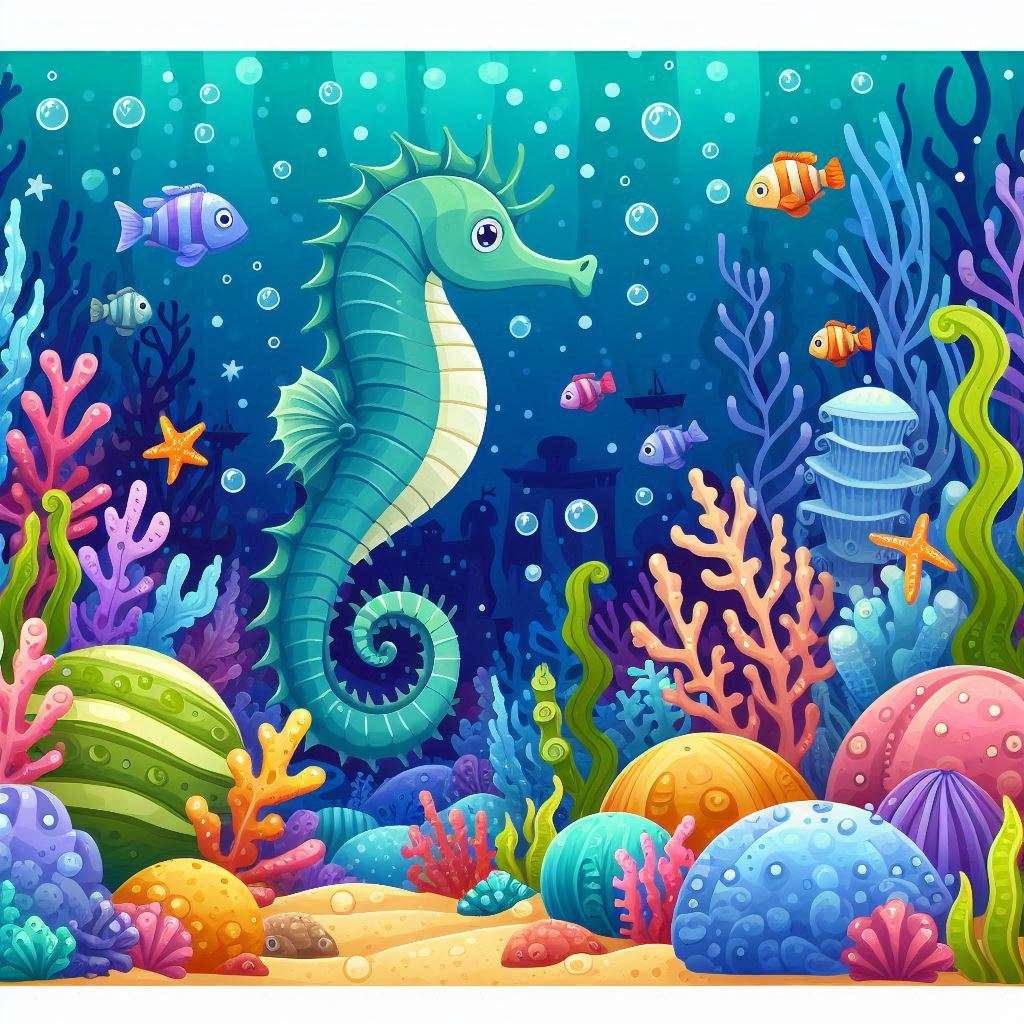
sea horse online puzzle
169sea horsesolved 191 times
Solve puzzle
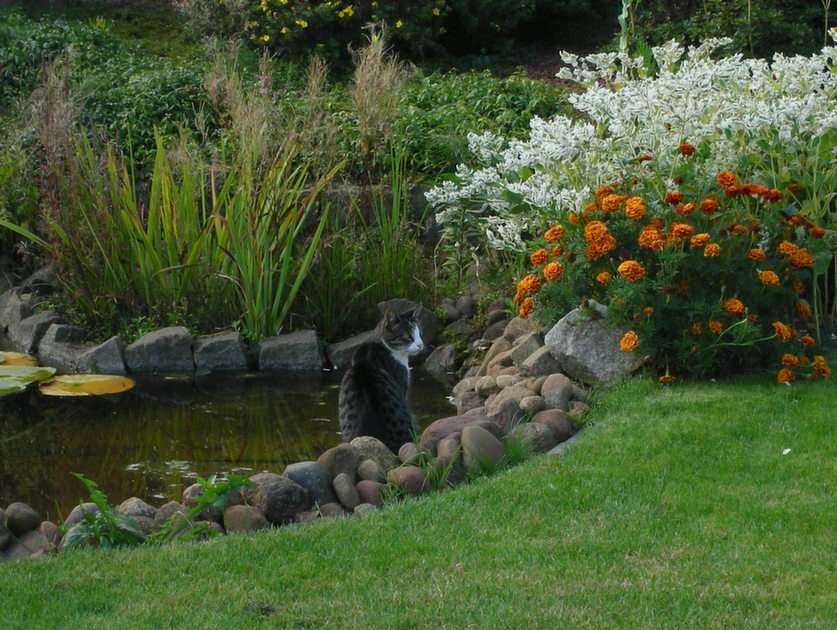
Cat online puzzle
56Catsolved 190 times
Solve puzzle
water 1 online puzzle
35water 1solved 190 times
Solve puzzle
Marcysia online puzzle
48Marcysiasolved 190 times
Solve puzzle
Natural online puzzle
20Naturalsolved 190 times
Solve puzzle
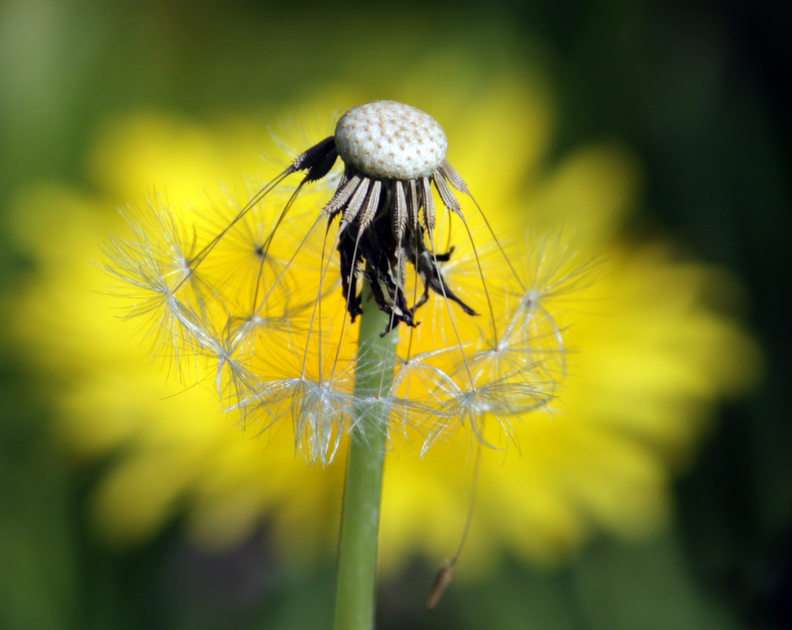
dandelion puzzle online from photo
48dandelionsolved 189 times
Solve puzzle
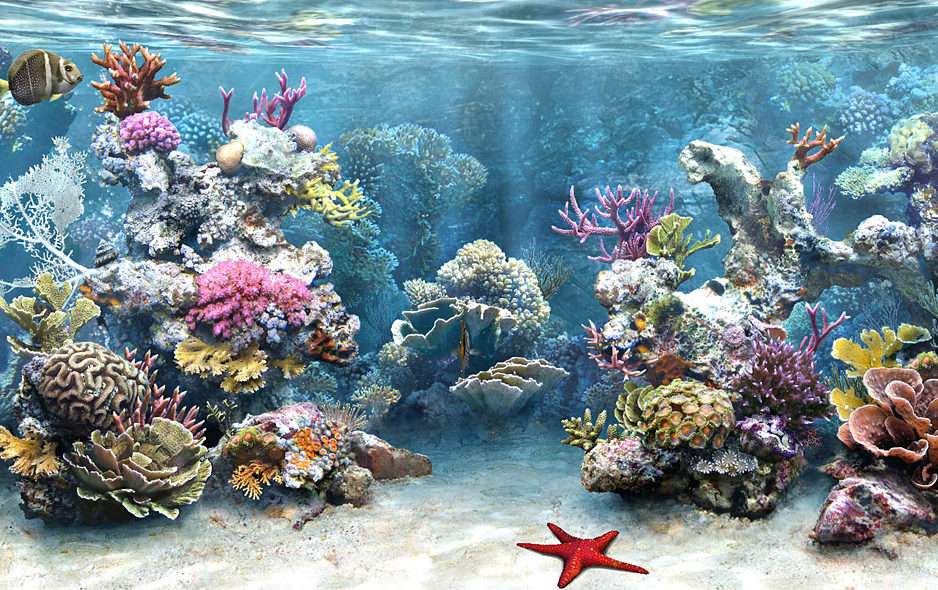
Coral reef puzzle online from photo
140Coral reefsolved 188 times
Solve puzzle
Niuniuś on a flower puzzle online from photo
63Niuniuś on a flowersolved 188 times
Solve puzzle
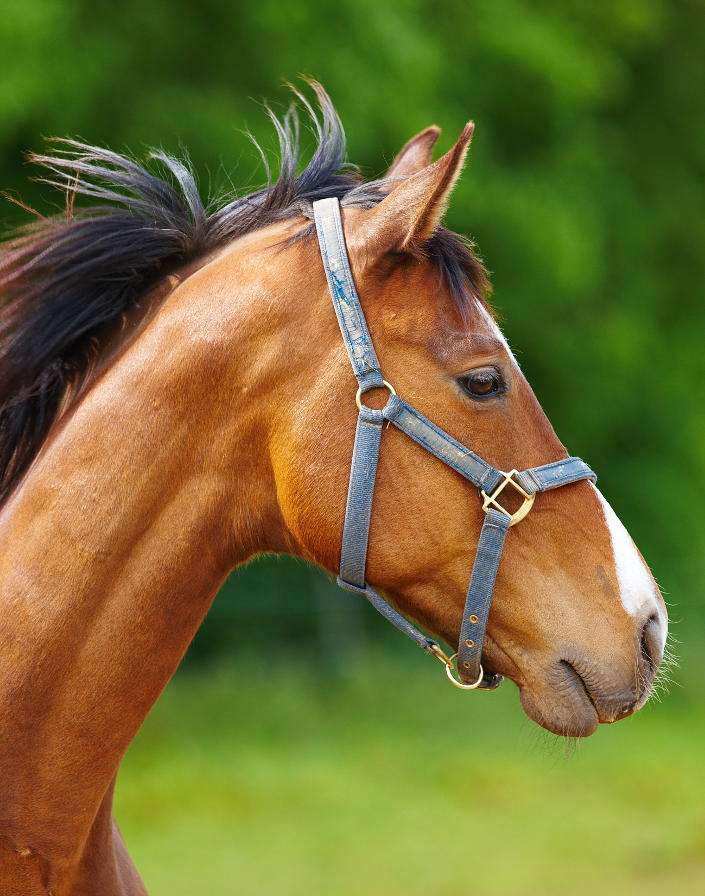
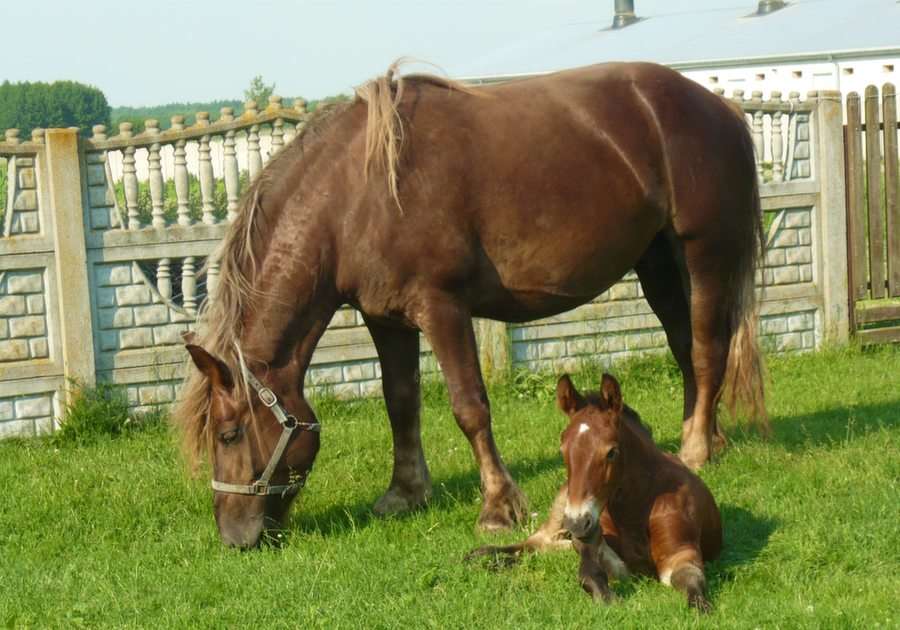
The horses online puzzle
100The horsessolved 188 times
Solve puzzle
Bernardine Badisio online puzzle
48Bernardine Badisiosolved 188 times
Solve puzzle
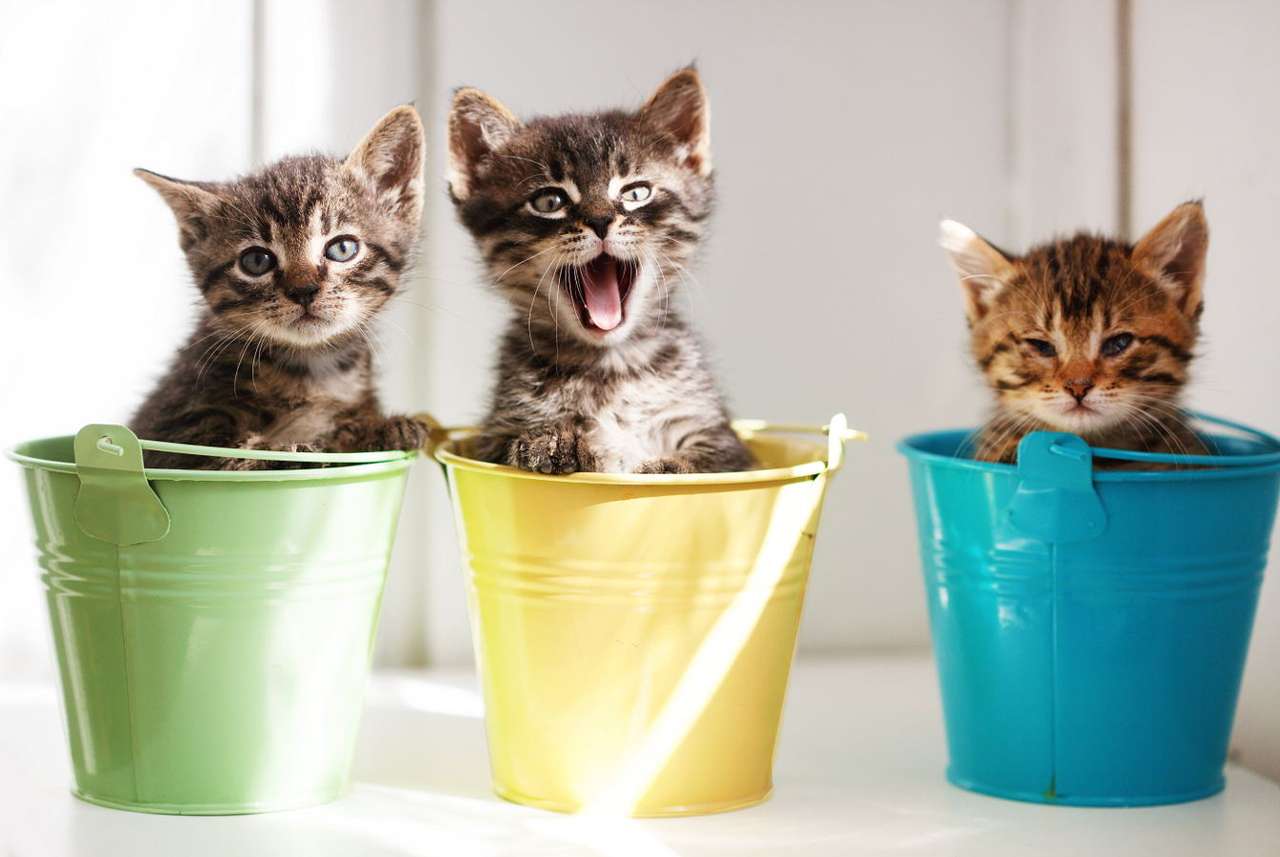
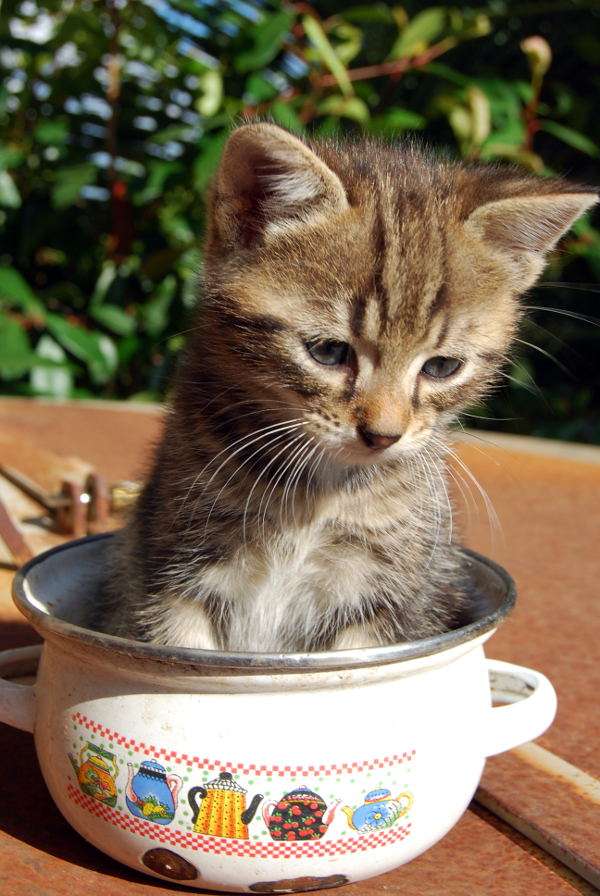
Kitten puzzle online from photo
42Kittensolved 188 times
Solve puzzle
Mazurka online puzzle
49Mazurkasolved 188 times
Solve puzzle

Online puzzle Animal

Animal

Animals are multicellular, eukaryotic organisms in the biological kingdom Animalia. With few exceptions, animals consume organic material, breathe oxygen, are able to move, can reproduce sexually, and grow from a hollow sphere of cells, the blastula, during embryonic development. As of 2022, 2.16 million living animal species have been described—of which around 1.05 million are insects, over 85,000 are molluscs, and around 65,000 are vertebrates—but it has been estimated there are around 7.77 million animal species in total. Animals range in length from 8.5 micrometres (0.00033 in) to 33.6 metres (110 ft). They have complex interactions with each other and their environments, forming intricate food webs. The scientific study of animals is known as zoology.

Most living animal species are in Bilateria, a clade whose members have a bilaterally symmetric body plan. The Bilateria include the protostomes, containing animals such as nematodes, arthropods, flatworms, annelids and molluscs, and the deuterostomes, containing the echinoderms and the chordates, the latter including the vertebrates. Life forms interpreted as early animals were present in the Ediacaran biota of the late Precambrian. Many modern animal phyla became clearly established in the fossil record as marine species during the Cambrian explosion, which began around 539 million years ago. 6,331 groups of genes common to all living animals have been identified; these may have arisen from a single common ancestor that lived 650 million years ago.

Historically, Aristotle divided animals into those with blood and those without. Carl Linnaeus created the first hierarchical biological classification for animals in 1758 with his Systema Naturae, which Jean-Baptiste Lamarck expanded into 14 phyla by 1809. In 1874, Ernst Haeckel divided the animal kingdom into the multicellular Metazoa (now synonymous with Animalia) and the Protozoa, single-celled organisms no longer considered animals. In modern times, the biological classification of animals relies on advanced techniques, such as molecular phylogenetics, which are effective at demonstrating the evolutionary relationships between taxa.

Humans make use of many animal species, such as for food (including meat, milk, and eggs), for materials (such as leather and wool), as pets, and as working animals including for transport. Dogs have been used in hunting, as have birds of prey, while many terrestrial and aquatic animals were hunted for sports. Nonhuman animals have appeared in art from the earliest times and are featured in mythology and religion.