Nature - Animal - online puzzles
Lizard online puzzle
48Lizardsolved 34 times
Solve puzzle
Malard Puzzle online puzzle
64Malard Puzzlesolved 34 times
Solve puzzle
Piacere ! puzzle online from photo
252Piacere !solved 34 times
Solve puzzle
Kaya dog online puzzle
196Kaya dogsolved 34 times
Solve puzzle
brabultas puzzle online from photo
132brabultassolved 34 times
Solve puzzle
Horse online puzzle
48Horsesolved 34 times
Solve puzzle
Help Each Other puzzle online from photo
48Help Each Othersolved 34 times
Solve puzzle
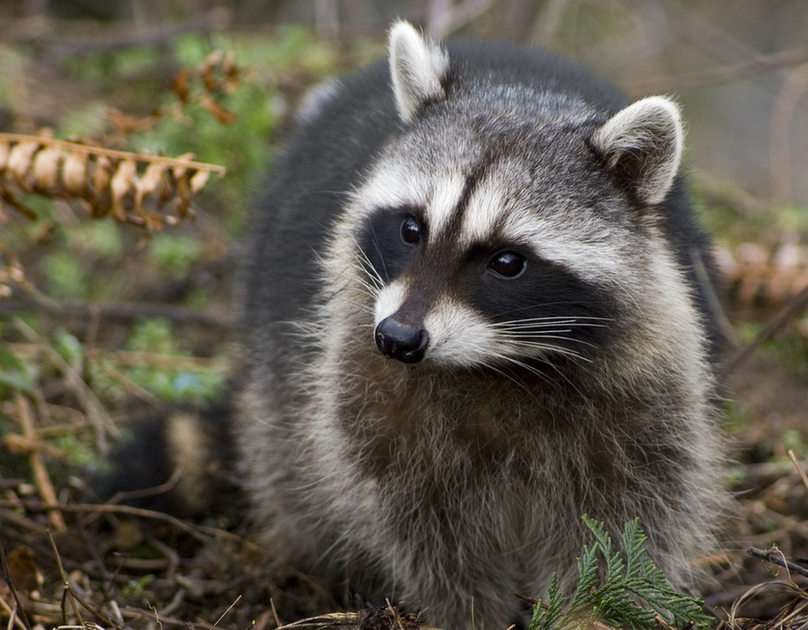
racc puzzle online from photo
48raccsolved 34 times
Solve puzzle
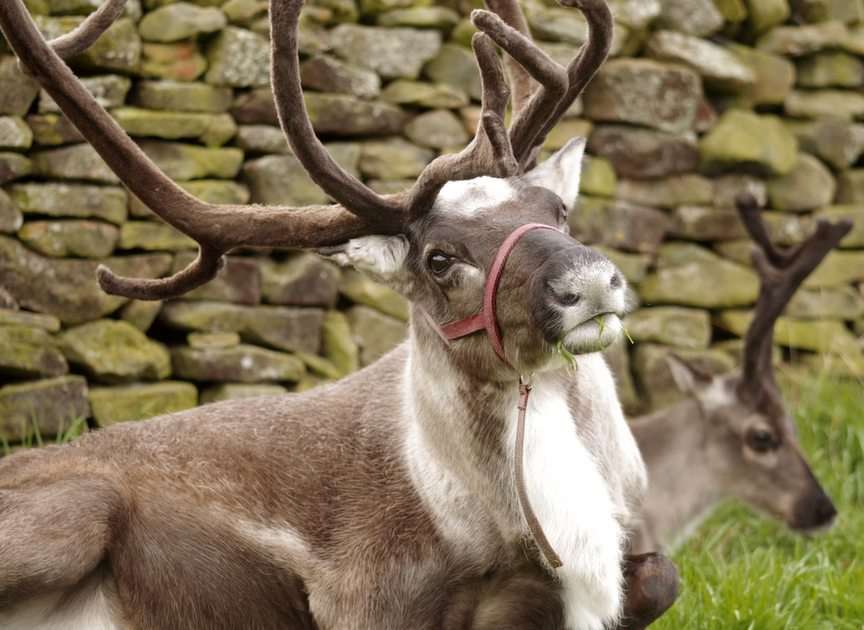
Reindeer jigsaw online puzzle
63Reindeer jigsawsolved 34 times
Solve puzzle
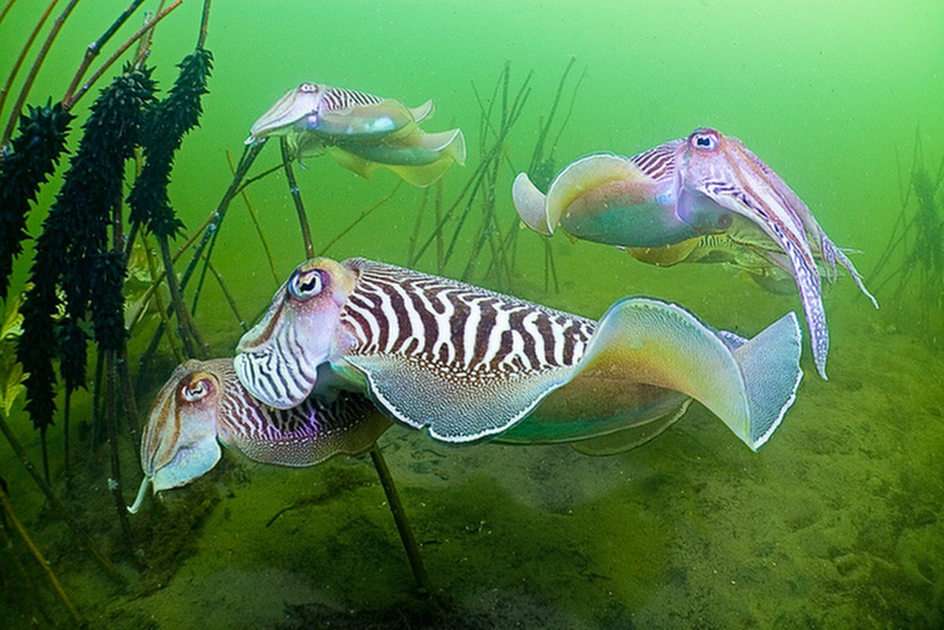
sepia online puzzle
48sepiasolved 34 times
Solve puzzle
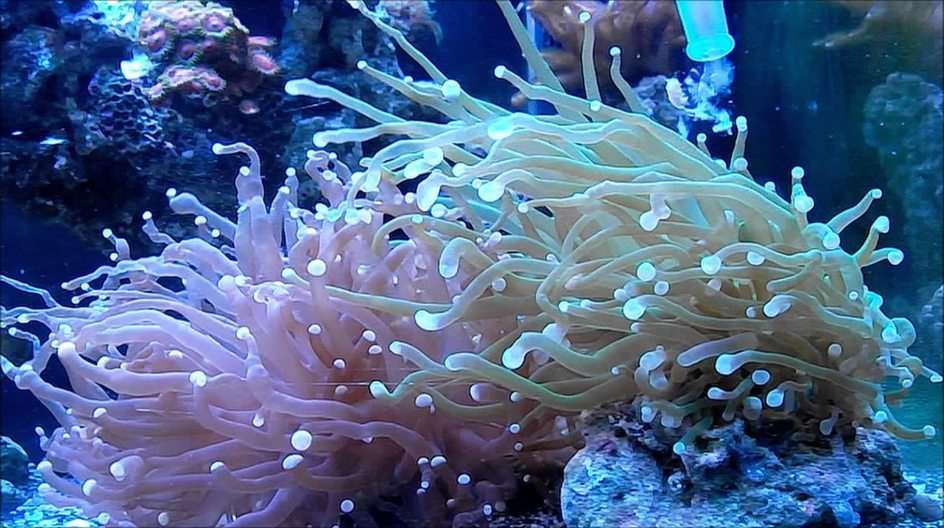
coral puzzle online from photo
48coralsolved 34 times
Solve puzzle
animal online puzzle
25animalsolved 34 times
Solve puzzle
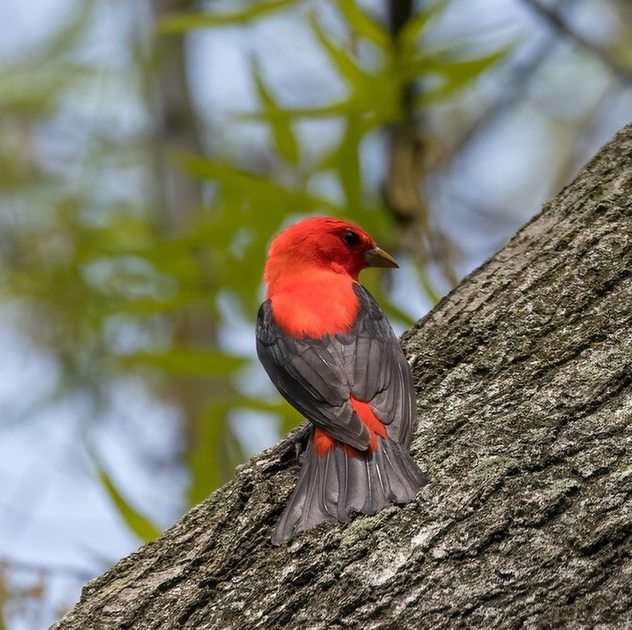
Male Scarlet Tanager puzzle online from photo
48Male Scarlet Tanagersolved 34 times
Solve puzzle
sdc wer online puzzle
48sdc wersolved 34 times
Solve puzzle
Mr Rex Shaw puzzle online from photo
48Mr Rex Shawsolved 34 times
Solve puzzle
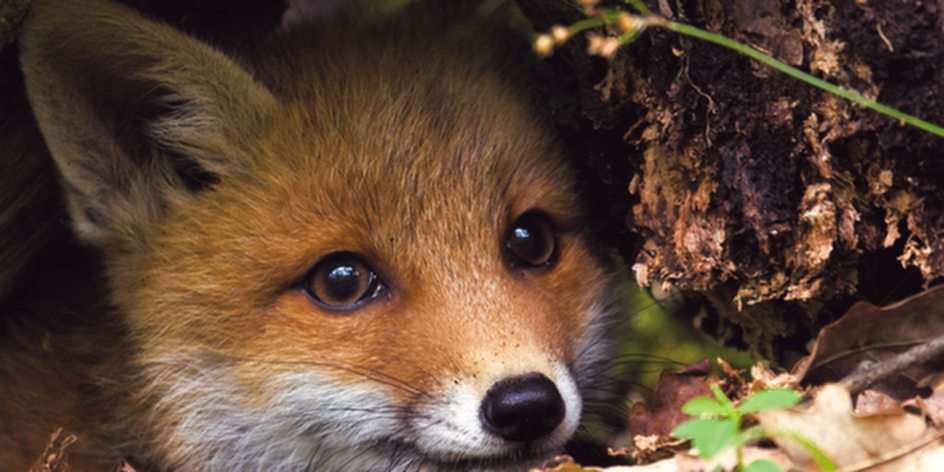
Baby Fox Puzzle online puzzle
32Baby Fox Puzzlesolved 34 times
Solve puzzle
A bird online puzzle
48A birdsolved 34 times
Solve puzzle
dog wpoka online puzzle
28dog wpokasolved 34 times
Solve puzzle
Mountain goriles online puzzle
54Mountain gorilessolved 34 times

Solve puzzle
Wilk polujący online puzzle
24Wilk polującysolved 34 times

Solve puzzle
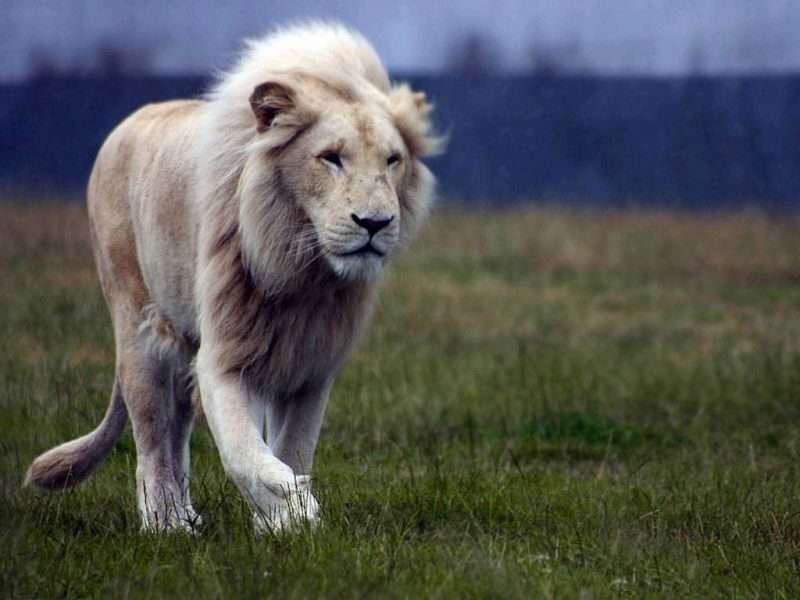
White Lion puzzle online from photo
130White Lionsolved 34 times
Solve puzzle
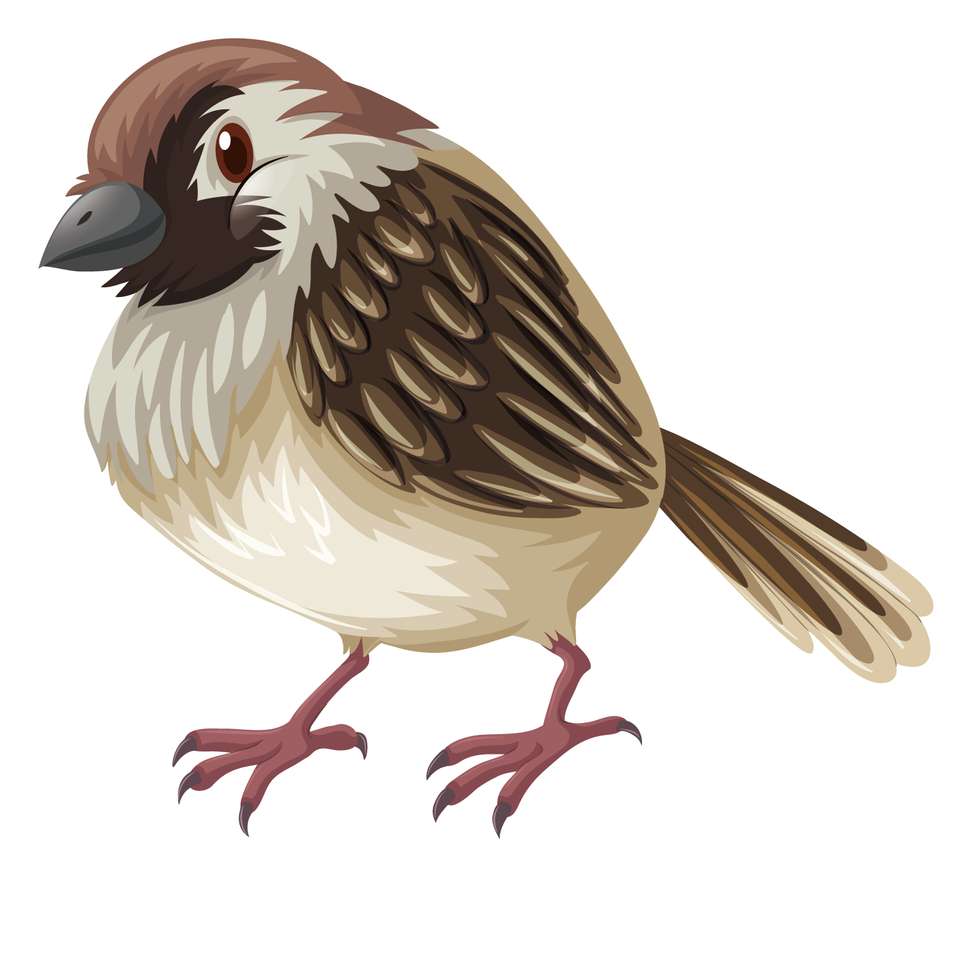
sparrow puzzle puzzle online from photo
25sparrow puzzlesolved 34 times
Solve puzzle
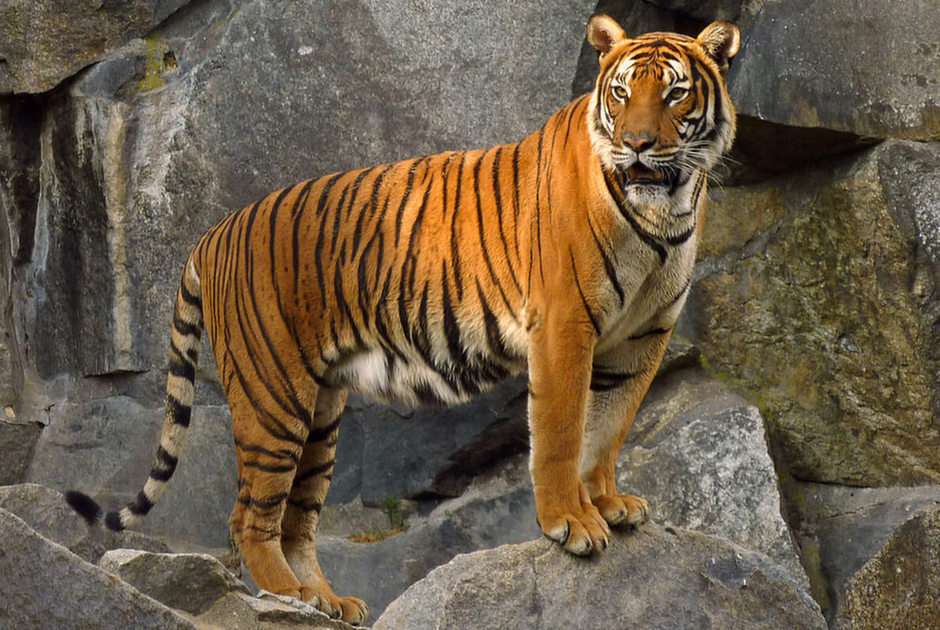
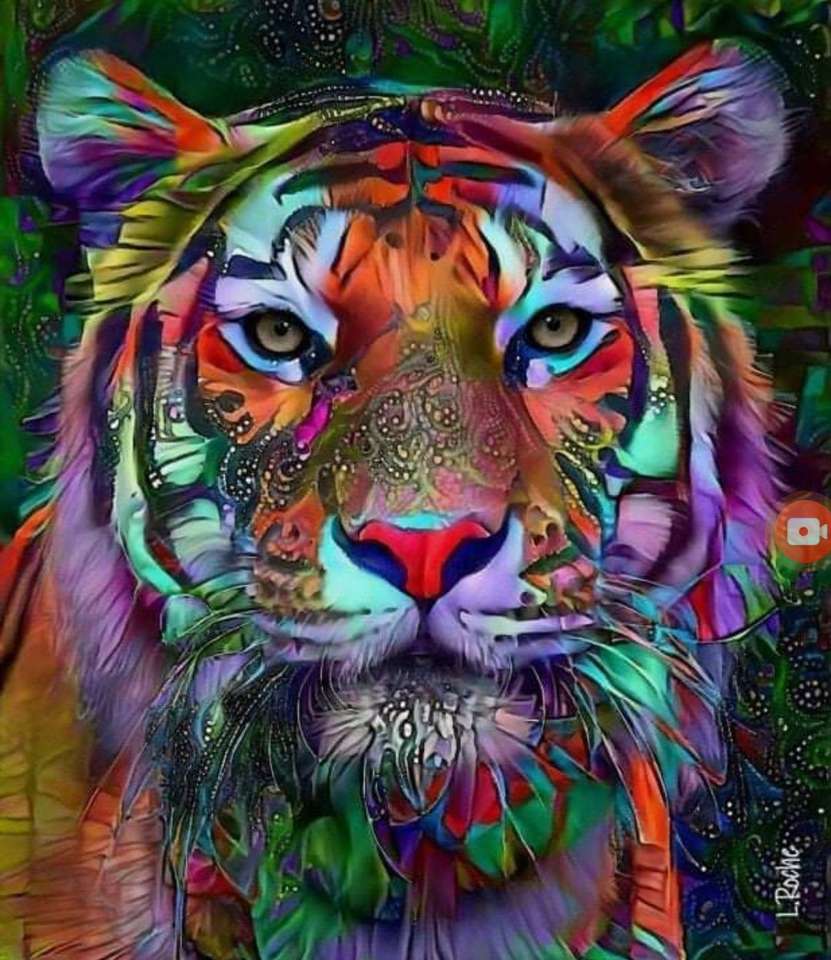
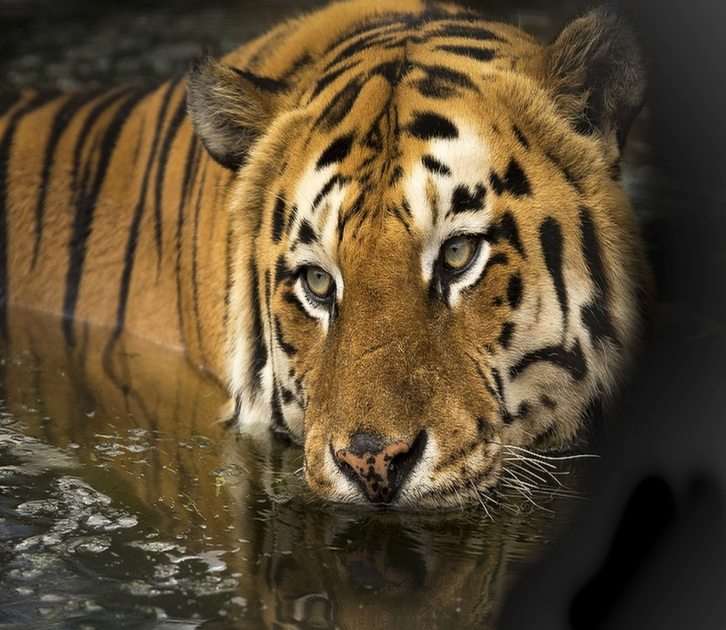
Indian Tiger online puzzle
168Indian Tigersolved 34 times
Solve puzzle
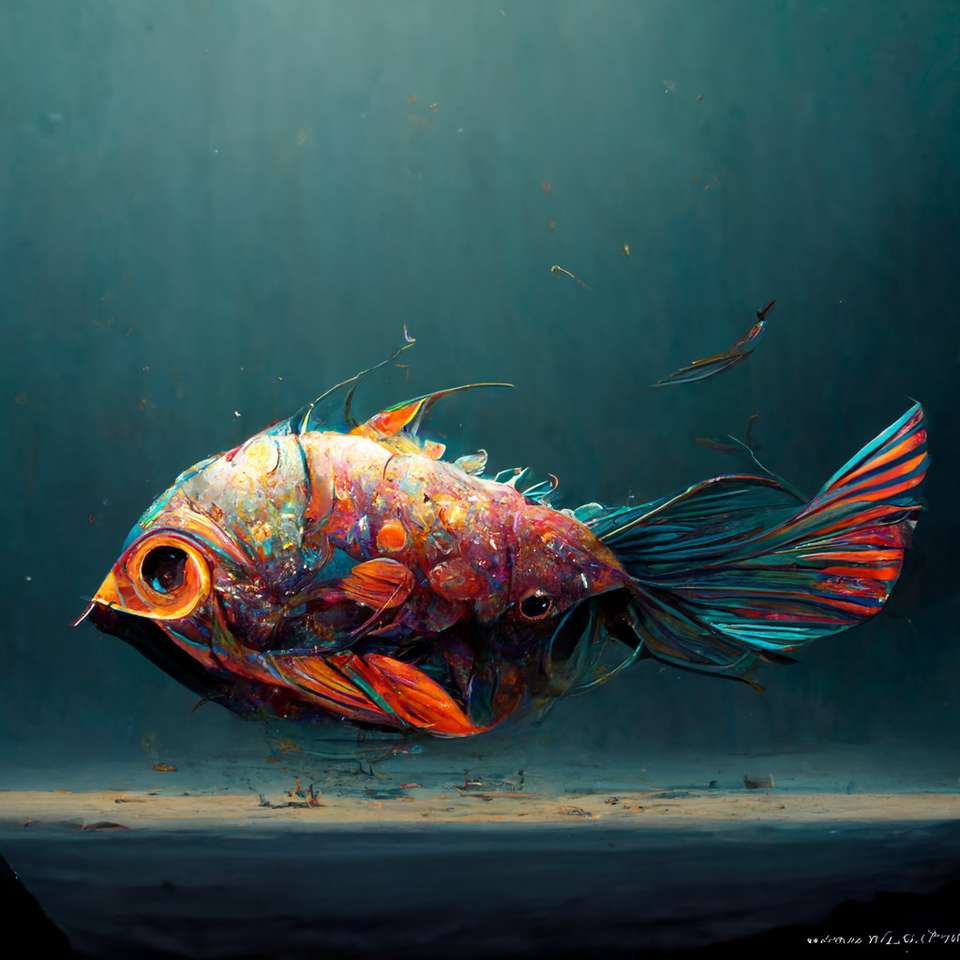
swimming fish puzzle online from photo
16swimming fishsolved 34 times
Solve puzzle
Why do i have to have 8 words online puzzle
25Why do i have to have 8 wordssolved 34 times
Solve puzzle
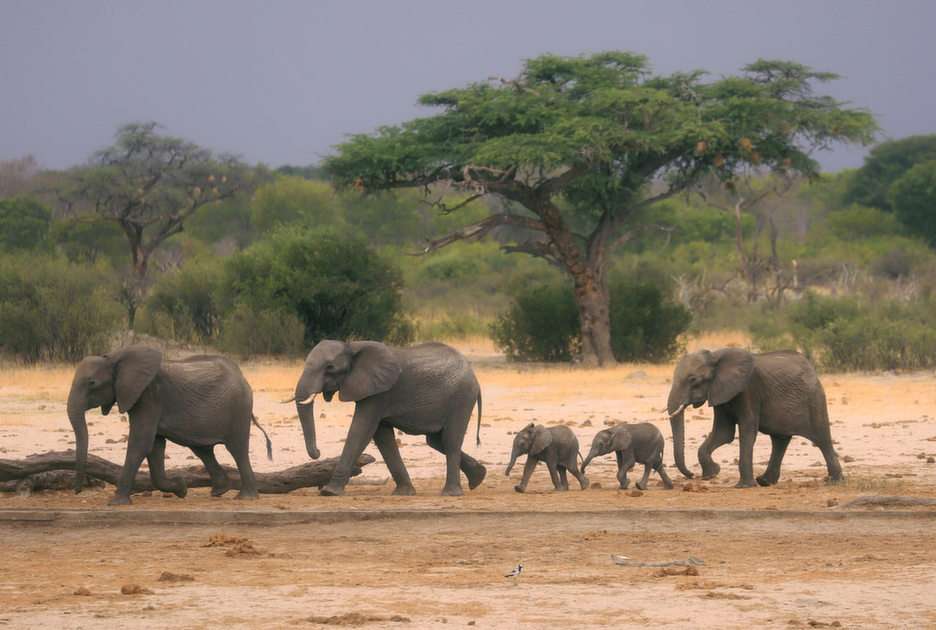
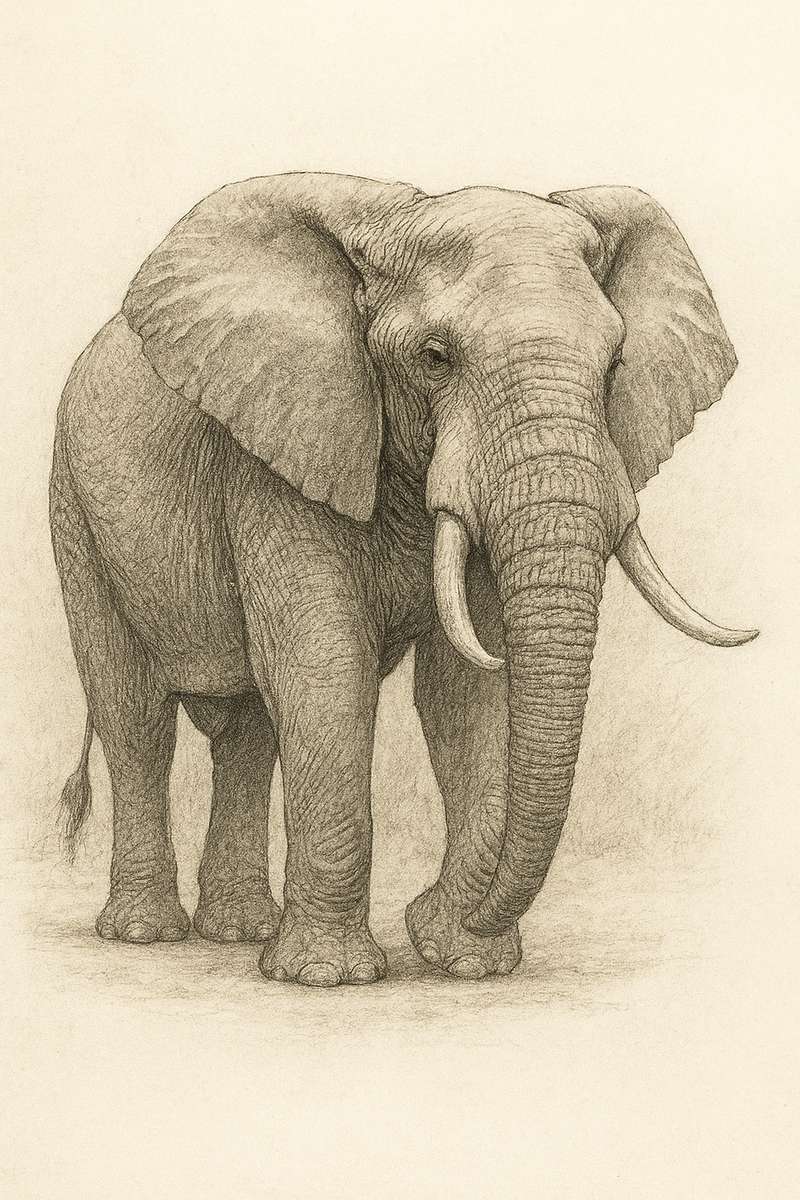
A majestic creature with a massive body - an elephant online puzzle
24A majestic creature with a massive body - an elephantsolved 34 times
Solve puzzle
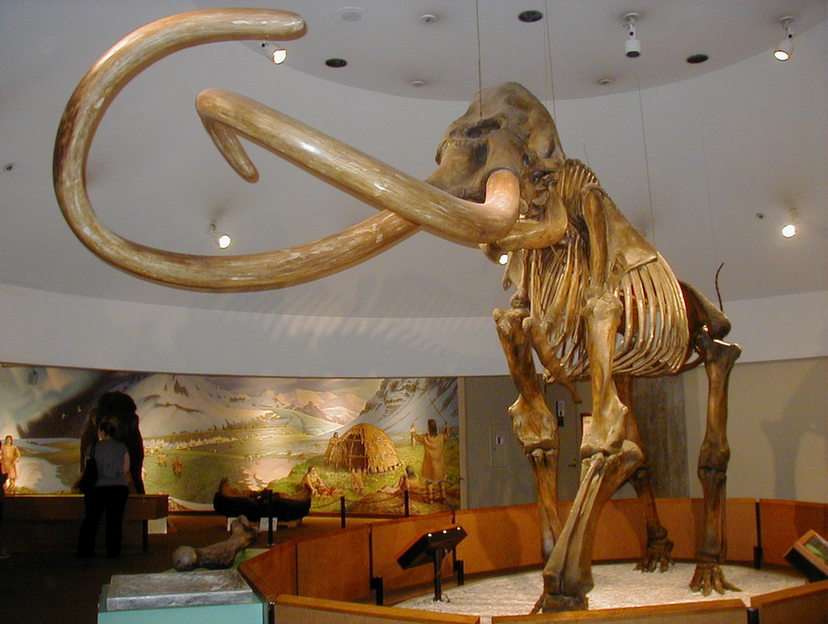
Columbian mammoth puzzle online from photo
144Columbian mammothsolved 33 times
Solve puzzle
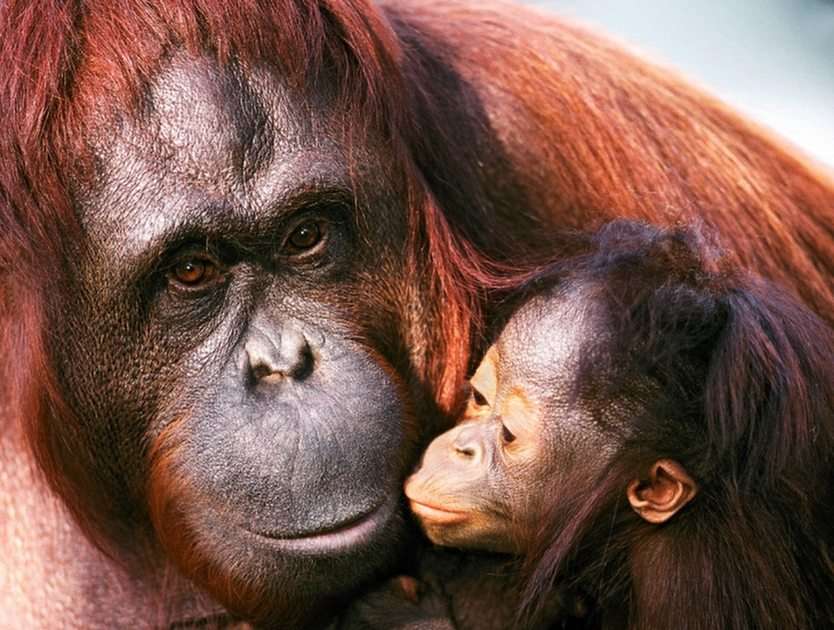
Orangutan Puzzle online puzzle
36Orangutan Puzzlesolved 33 times
Solve puzzle
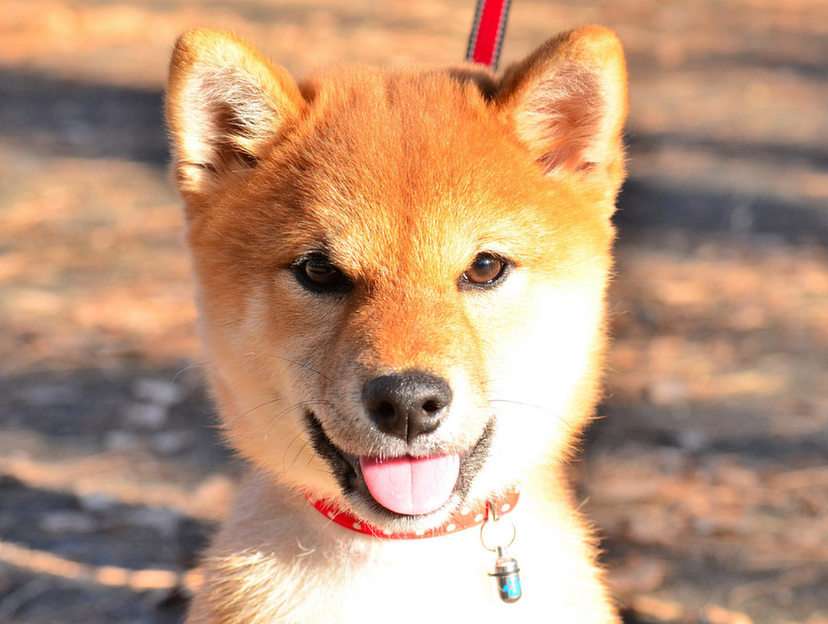
Shiba Inu Puppy puzzle online from photo
72Shiba Inu Puppysolved 33 times
Solve puzzle
memo online puzzle
48memosolved 33 times
Solve puzzle
Jake The PitBull puzzle online from photo
48Jake The PitBullsolved 33 times
Solve puzzle
pupper online puzzle
36puppersolved 33 times
Solve puzzle
Livelife online puzzle
48Livelifesolved 33 times
Solve puzzle
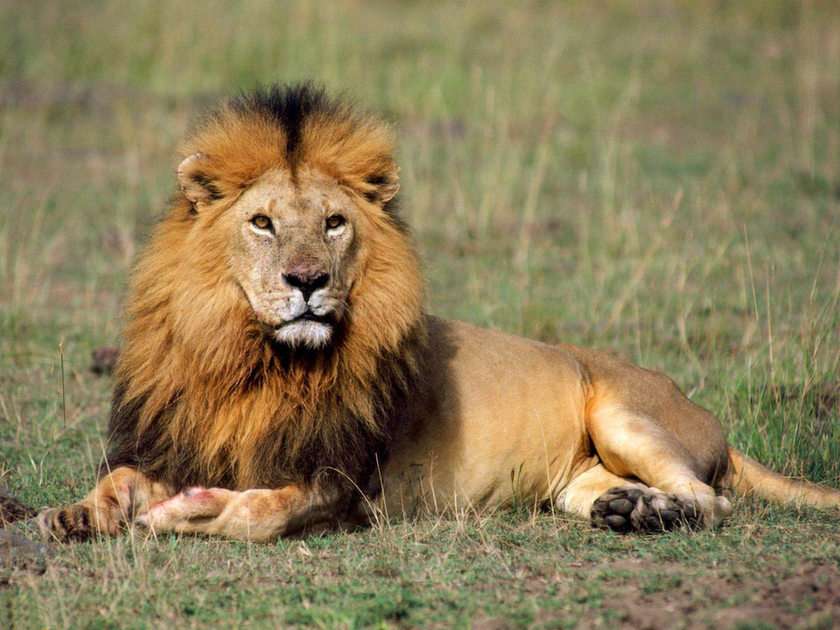
LION puzzle online from photo
48LIONsolved 33 times
Solve puzzle
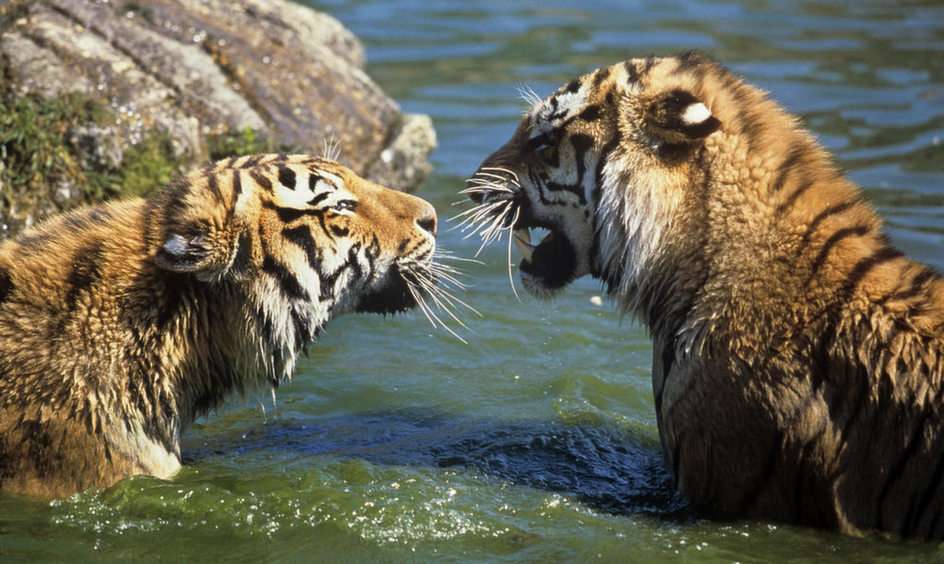
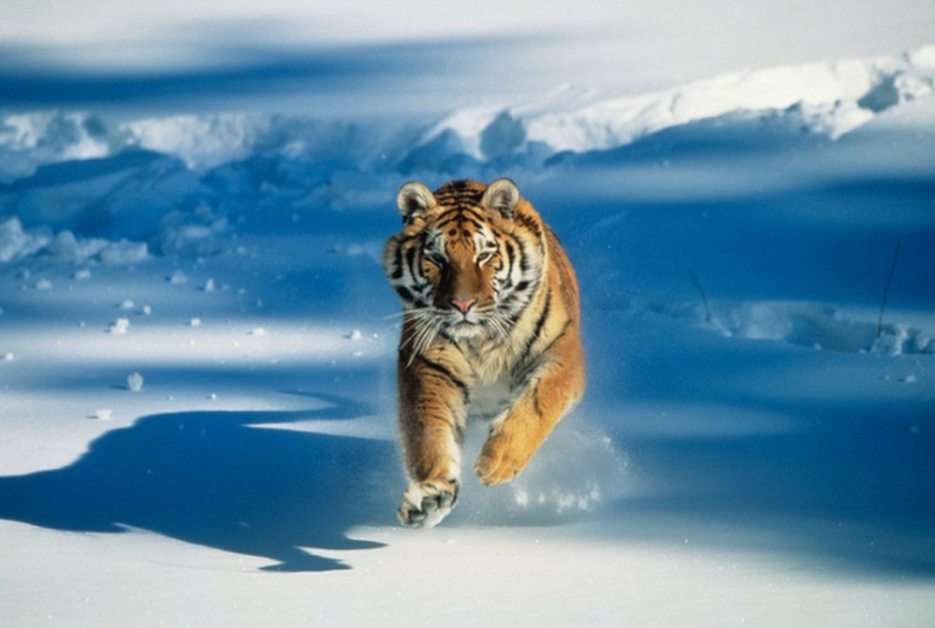
Amur Tiger online puzzle
48Amur Tigersolved 33 times
Solve puzzle
Bella online puzzle
48Bellasolved 33 times
Solve puzzle
Tiger puzzle online from photo
110Tigersolved 33 times
Solve puzzle
Pups online puzzle
48Pupssolved 33 times
Solve puzzle
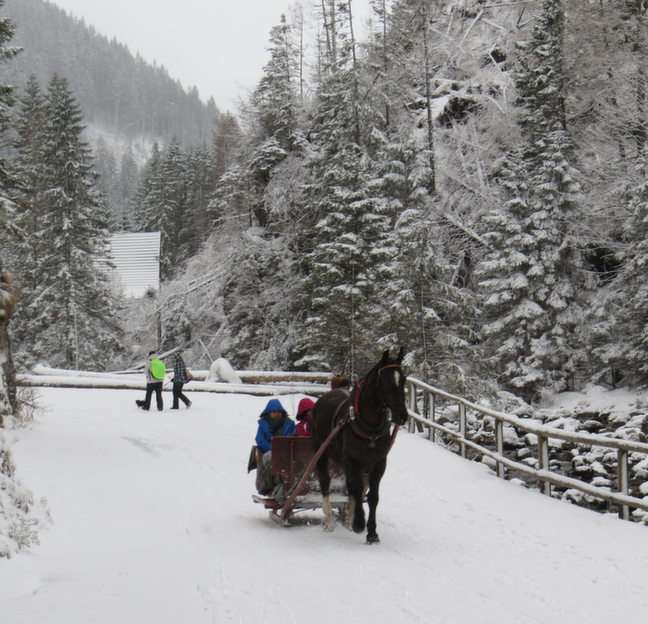
Chochołowska Valley puzzle online from photo
64Chochołowska Valleysolved 33 times
Solve puzzle
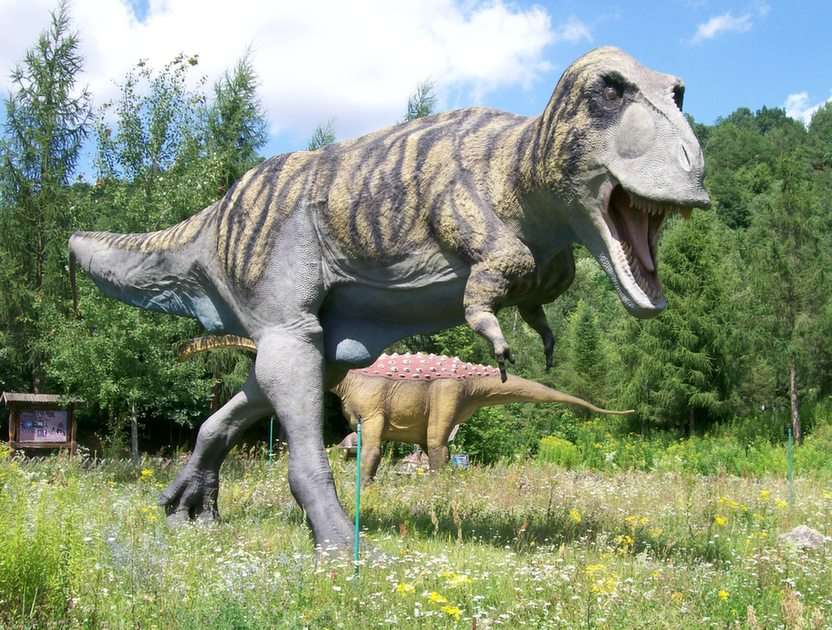
Tirex online puzzle
130Tirexsolved 33 times
Solve puzzle
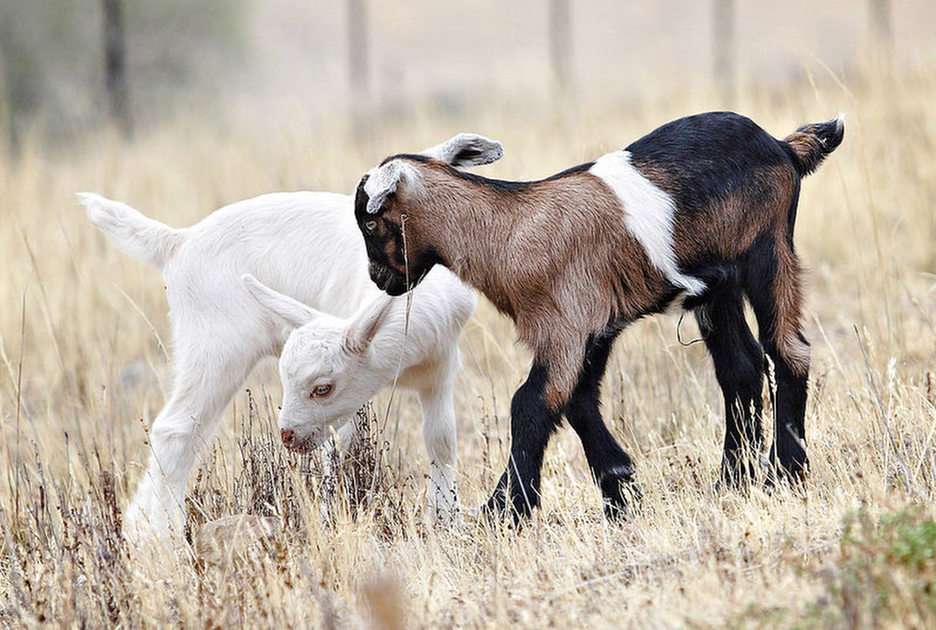
Goat online puzzle
48Goatsolved 33 times
Solve puzzle
tiger puzzle online from photo
20tigersolved 33 times
Solve puzzle
Guess the Animal online puzzle
25Guess the Animalsolved 33 times
Solve puzzle
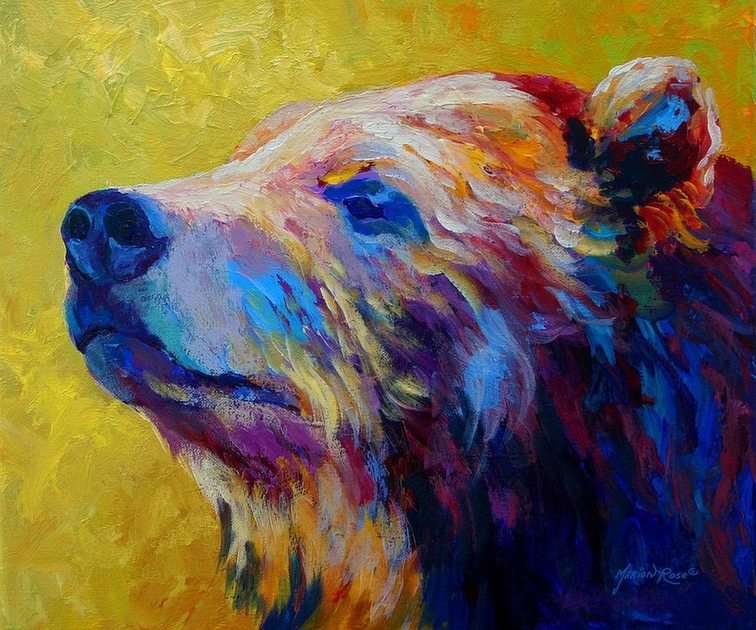
Bear Painting online puzzle
30Bear Paintingsolved 33 times
Solve puzzle
AEEEA puzzle online from photo
48AEEEAsolved 33 times
Solve puzzle
it' a cat online puzzle
48it' a catsolved 33 times
Solve puzzle
Trilby Hunter online puzzle
99Trilby Huntersolved 33 times
Solve puzzle
elvis puzzle online from photo
48elvissolved 33 times
Solve puzzle

Online puzzle Animal

Animal

Animals are multicellular, eukaryotic organisms in the biological kingdom Animalia. With few exceptions, animals consume organic material, breathe oxygen, are able to move, can reproduce sexually, and grow from a hollow sphere of cells, the blastula, during embryonic development. As of 2022, 2.16 million living animal species have been described—of which around 1.05 million are insects, over 85,000 are molluscs, and around 65,000 are vertebrates—but it has been estimated there are around 7.77 million animal species in total. Animals range in length from 8.5 micrometres (0.00033 in) to 33.6 metres (110 ft). They have complex interactions with each other and their environments, forming intricate food webs. The scientific study of animals is known as zoology.

Most living animal species are in Bilateria, a clade whose members have a bilaterally symmetric body plan. The Bilateria include the protostomes, containing animals such as nematodes, arthropods, flatworms, annelids and molluscs, and the deuterostomes, containing the echinoderms and the chordates, the latter including the vertebrates. Life forms interpreted as early animals were present in the Ediacaran biota of the late Precambrian. Many modern animal phyla became clearly established in the fossil record as marine species during the Cambrian explosion, which began around 539 million years ago. 6,331 groups of genes common to all living animals have been identified; these may have arisen from a single common ancestor that lived 650 million years ago.

Historically, Aristotle divided animals into those with blood and those without. Carl Linnaeus created the first hierarchical biological classification for animals in 1758 with his Systema Naturae, which Jean-Baptiste Lamarck expanded into 14 phyla by 1809. In 1874, Ernst Haeckel divided the animal kingdom into the multicellular Metazoa (now synonymous with Animalia) and the Protozoa, single-celled organisms no longer considered animals. In modern times, the biological classification of animals relies on advanced techniques, such as molecular phylogenetics, which are effective at demonstrating the evolutionary relationships between taxa.

Humans make use of many animal species, such as for food (including meat, milk, and eggs), for materials (such as leather and wool), as pets, and as working animals including for transport. Dogs have been used in hunting, as have birds of prey, while many terrestrial and aquatic animals were hunted for sports. Nonhuman animals have appeared in art from the earliest times and are featured in mythology and religion.