Clock - online puzzles
Puzzle competition online puzzle
35Puzzle competitionsolved 55 times

Solve puzzle
Clue Scavenger puzzle online from photo
30Clue Scavengersolved 55 times
Solve puzzle
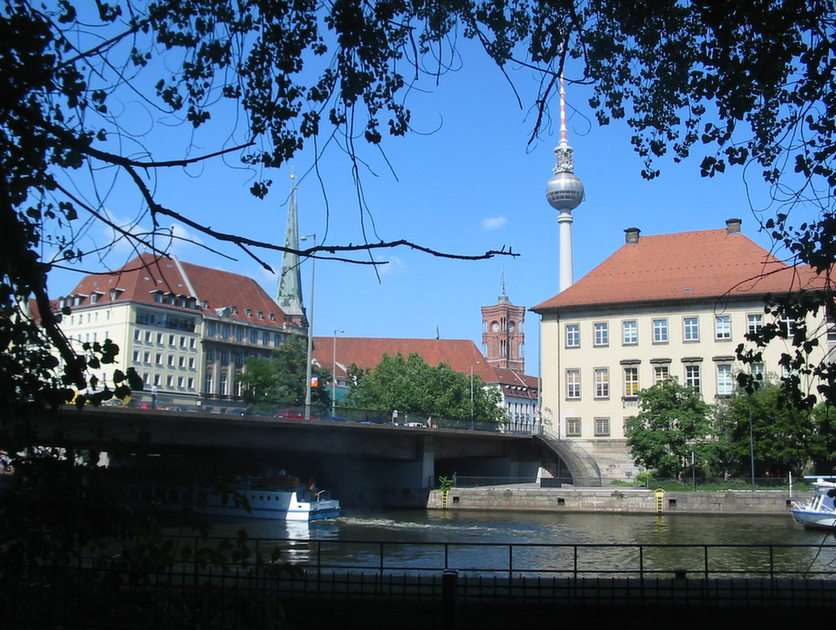
Berlin online puzzle
99Berlinsolved 55 times
Solve puzzle
the louvre puzzle online from photo
25the louvresolved 55 times
Solve puzzle
China 2013 online puzzle
84China 2013solved 55 times
Solve puzzle
Umbrellas in the air online puzzle
63Umbrellas in the airsolved 55 times
Solve puzzle
wkfnwklefmwef puzzle online from photo
28wkfnwklefmwefsolved 55 times
Solve puzzle
Edinburgh online puzzle
135Edinburghsolved 55 times
Solve puzzle
Hunter X Hunter online puzzle
135Hunter X Huntersolved 55 times
Solve puzzle
crosswrod online puzzle
16crosswrodsolved 55 times
Solve puzzle
town no man puzzle online from photo
176town no mansolved 56 times
Solve puzzle
Hook and Wendy online puzzle
154Hook and Wendysolved 54 times
Solve puzzle
WOOD puzzle online from photo
130WOODsolved 54 times
Solve puzzle
England puzzle online from photo
81Englandsolved 54 times
Solve puzzle
bae57516 online puzzle
48bae57516solved 54 times
Solve puzzle
BYTOM puzzle online from photo
64BYTOMsolved 54 times
Solve puzzle
London collage online puzzle
192London collagesolved 54 times
Solve puzzle
London Eye puzzle online from photo
56London Eyesolved 54 times
Solve puzzle
herentals puzzle online from photo
48herentalssolved 54 times
Solve puzzle
PUZZLE puzzle online from photo
48PUZZLEsolved 54 times
Solve puzzle
Padua 10 puzzle online from photo
48Padua 10solved 54 times
Solve puzzle
Zwinger (Dresden) online puzzle
120Zwinger (Dresden)solved 54 times
Solve puzzle
Forbidden City Throne puzzle online from photo
25Forbidden City Thronesolved 54 times
Solve puzzle
Vault of the mosque online puzzle
221Vault of the mosquesolved 54 times
Solve puzzle
Gate to the Zoo in Park Śląski puzzle online from photo
216Gate to the Zoo in Park Śląskisolved 54 times
Solve puzzle
Warranty puzzle online from photo
60Warrantysolved 54 times
Solve puzzle
baltic school online puzzle
28baltic schoolsolved 54 times
Solve puzzle
URSE BACHILERATO. puzzle online from photo
140URSE BACHILERATO.solved 54 times
Solve puzzle
Temple, India online puzzle
24Temple, Indiasolved 54 times
Solve puzzle
Puzzle time! puzzle online from photo
169Puzzle time!solved 54 times
Solve puzzle
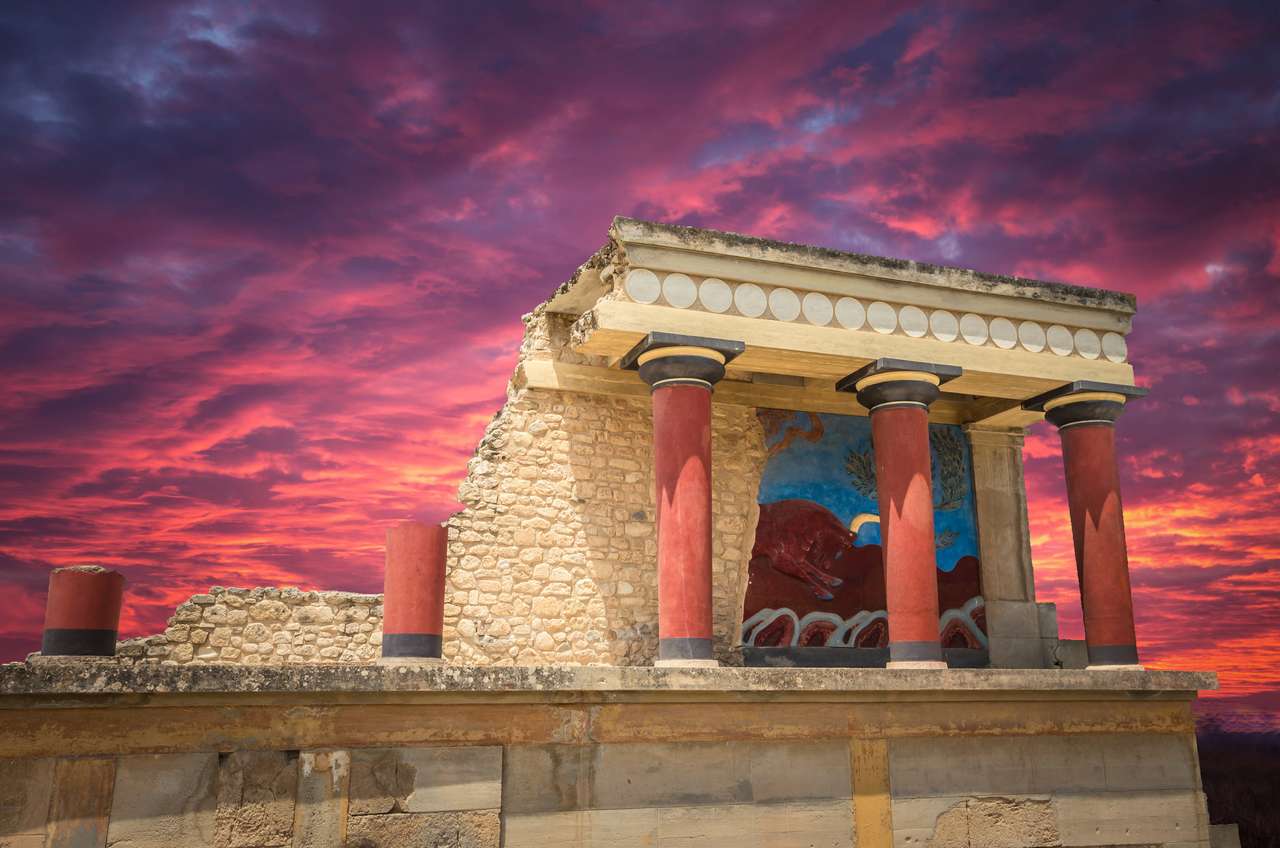
Stunning sunset over Knossos palace puzzle online from photo
150Stunning sunset over Knossos palacesolved 54 times
Solve puzzle
technology puzzle online from photo
154technologysolved 54 times
Solve puzzle
Time travel puzzle online from photo
25Time travelsolved 54 times
Solve puzzle
Jesus puzzle online from photo
35Jesussolved 53 times
Solve puzzle
Instituto de Arte de Chicago puzzle online from photo
130Instituto de Arte de Chicagosolved 53 times
Solve puzzle
Poniatowski online puzzle
63Poniatowskisolved 53 times
Solve puzzle
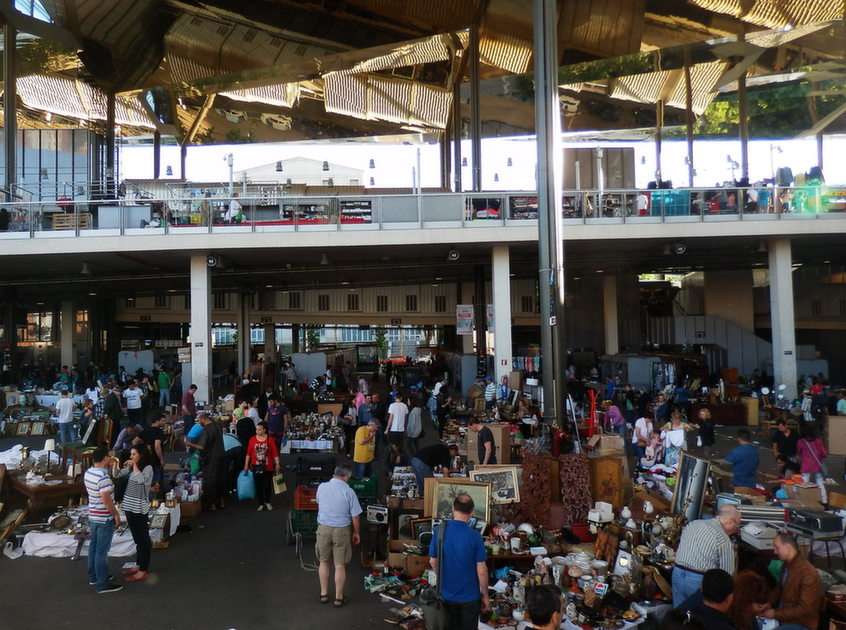
Barcelona, ​​flea market online puzzle
252Barcelona, ​​flea marketsolved 53 times
Solve puzzle
mappa puzzle online from photo
48mappasolved 53 times
Solve puzzle
Churches-interiors online puzzle
192Churches-interiorssolved 53 times
Solve puzzle
COLESBERG puzzle online from photo
88COLESBERGsolved 53 times
Solve puzzle
adsd online puzzle
15adsdsolved 53 times
Solve puzzle
Mexico puzzle online from photo
108Mexicosolved 53 times
Solve puzzle
Stanford University puzzle online from photo
190Stanford Universitysolved 155 times
Solve puzzle
General Office puzzle online from photo
165General Officesolved 53 times
Solve puzzle
Overnight stay online puzzle
150Overnight staysolved 53 times
Solve puzzle
Clock Jigsaw puzzle online from photo
100Clock Jigsawsolved 53 times
Solve puzzle
Cat puzzle online puzzle
28Cat puzzlesolved 53 times
Solve puzzle
Palace of Culture and Science online puzzle
48Palace of Culture and Sciencesolved 53 times
Solve puzzle

Online puzzle Clock

Clock

A clock, or a timepiece, is a device used to measure and indicate time. The clock is one of the oldest human inventions, meeting the need to measure intervals of time shorter than the natural units such as the day, the lunar month, and the year. Devices operating on several physical processes have been used over the millennia.

Some predecessors to the modern clock may be considered "clocks" that are based on movement in nature: A sundial shows the time by displaying the position of a shadow on a flat surface. There is a range of duration timers, a well-known example being the hourglass. Water clocks, along with sundials, are possibly the oldest time-measuring instruments. A major advance occurred with the invention of the verge escapement, which made possible the first mechanical clocks around 1300 in Europe, which kept time with oscillating timekeepers like balance wheels.Traditionally, in horology (the study of timekeeping), the term clock was used for a striking clock, while a clock that did not strike the hours audibly was called a timepiece. This distinction is no longer made. Watches and other timepieces that can be carried on one's person are usually not referred to as clocks. Spring-driven clocks appeared during the 15th century. During the 15th and 16th centuries, clockmaking flourished. The next development in accuracy occurred after 1656 with the invention of the pendulum clock by Christiaan Huygens. A major stimulus to improving the accuracy and reliability of clocks was the importance of precise time-keeping for navigation. The mechanism of a timepiece with a series of gears driven by a spring or weights is referred to as clockwork; the term is used by extension for a similar mechanism not used in a timepiece. The electric clock was patented in 1840, and electronic clocks were introduced in the 20th century, becoming widespread with the development of small battery-powered semiconductor devices.

The timekeeping element in every modern clock is a harmonic oscillator, a physical object (resonator) that vibrates or oscillates at a particular frequency.

This object can be a pendulum, a tuning fork, a quartz crystal, or the vibration of electrons in atoms as they emit microwaves, the last of which is so precise that it serves as the definition of the second.

Clocks have different ways of displaying the time. Analog clocks indicate time with a traditional clock face and moving hands. Digital clocks display a numeric representation of time. Two numbering systems are in use: 12-hour time notation and 24-hour notation. Most digital clocks use electronic mechanisms and LCD, LED, or VFD displays. For the blind and for use over telephones, speaking clocks state the time audibly in words. There are also clocks for the blind that have displays that can be read by touch.