Cloud - online puzzles

Bari puzzle online from photo
20Barisolved 245 times
Solve puzzle
Bari puzzle online from photo
20Barisolved 245 times
Solve puzzle
Unser neues Sachunterrichtsthema puzzle online from photo
560Unser neues Sachunterrichtsthemasolved 245 times
Solve puzzle
Minersville Mansion puzzle online from photo
54Minersville Mansionsolved 245 times
Solve puzzle
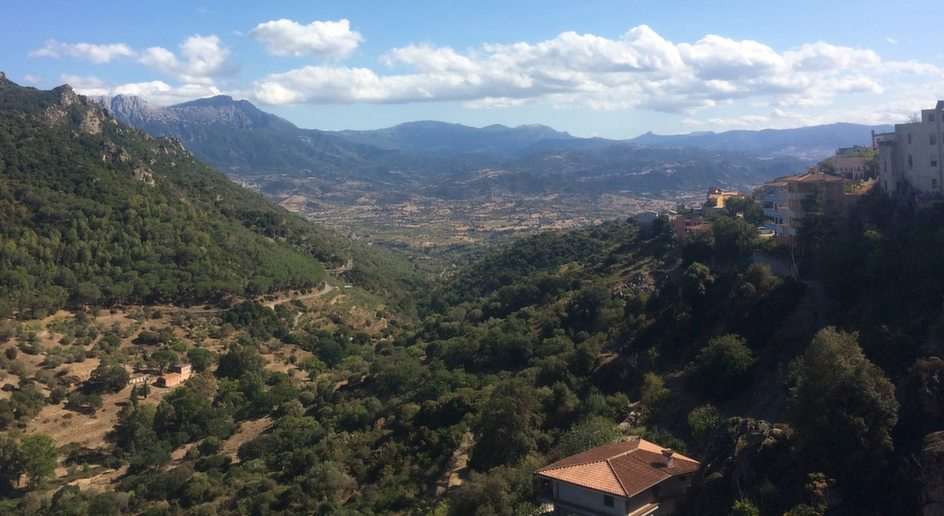
Cagliari online puzzle
28Cagliarisolved 244 times
Solve puzzle
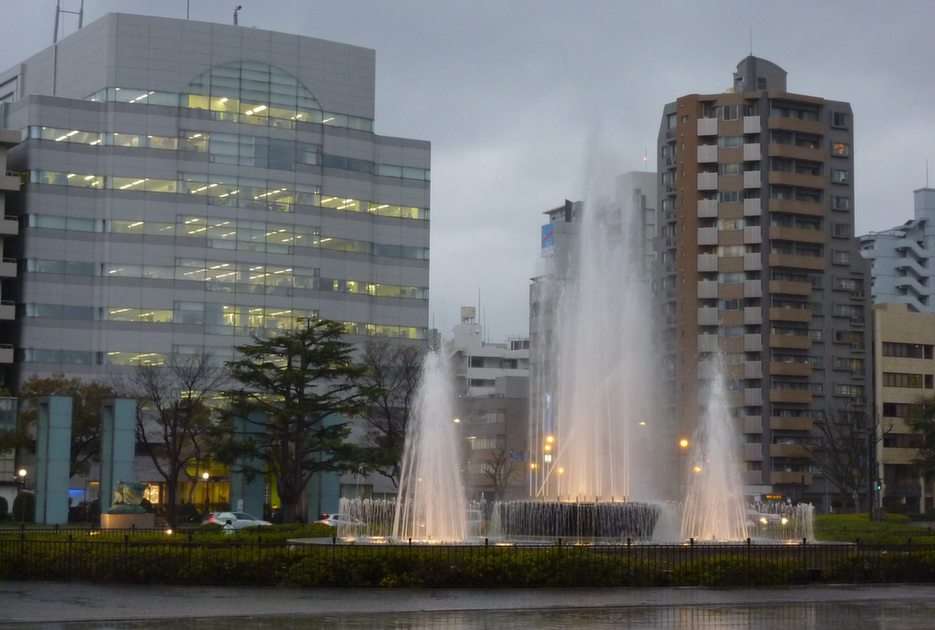
HIROSZIMA online puzzle
20HIROSZIMAsolved 244 times
Solve puzzle
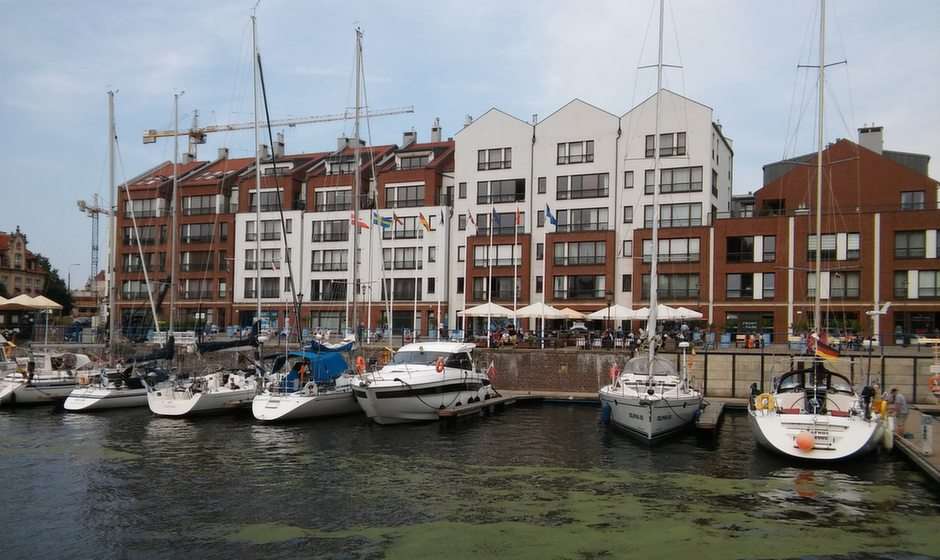
Gdansk online puzzle
16Gdansksolved 244 times
Solve puzzle
CATALONY online puzzle
24CATALONYsolved 244 times
Solve puzzle
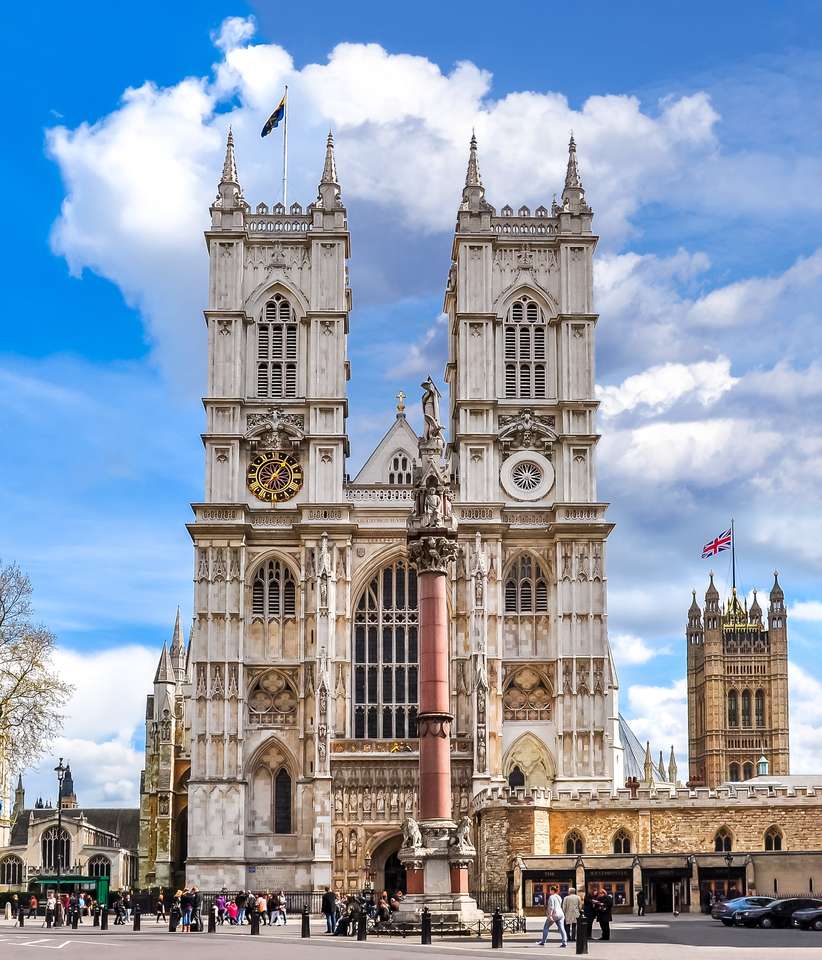
Westminster Abbey, London online puzzle
63Westminster Abbey, Londonsolved 244 times
Solve puzzle
cottage in woods puzzle online from photo
170cottage in woodssolved 244 times
Solve puzzle
A city in Scotland. puzzle online from photo
48A city in Scotland.solved 243 times
Solve puzzle
St. Peter's Square puzzle online from photo
20St. Peter's Squaresolved 243 times
Solve puzzle
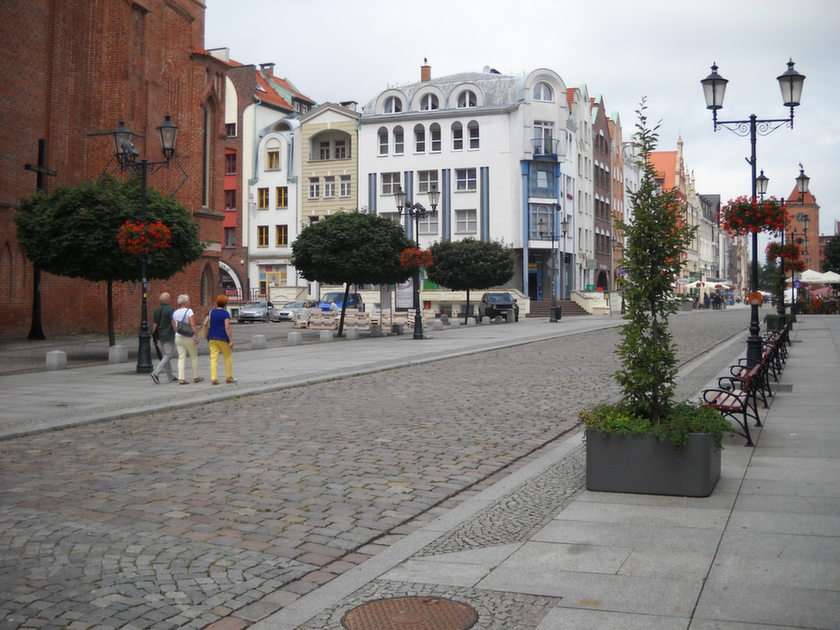
Elblag online puzzle
20Elblagsolved 243 times
Solve puzzle
Sardinia puzzle online from photo
28Sardiniasolved 243 times
Solve puzzle
Dam puzzle online from photo
20Damsolved 243 times
Solve puzzle
Bergamo puzzle online from photo
28Bergamosolved 243 times
Solve puzzle
Bergamo puzzle online from photo
100Bergamosolved 243 times
Solve puzzle
Barcelona online puzzle
20Barcelonasolved 243 times
Solve puzzle
Rome online puzzle
48Romesolved 243 times
Solve puzzle
Otranto puzzle online from photo
32Otrantosolved 243 times
Solve puzzle
Over the Adratic puzzle online from photo
16Over the Adraticsolved 243 times
Solve puzzle
Sand castle puzzle online from photo
144Sand castlesolved 243 times
Solve puzzle
View of the Gdańsk fragment online puzzle
20View of the Gdańsk fragmentsolved 242 times
Solve puzzle
At the parade puzzle online from photo
56At the paradesolved 242 times
Solve puzzle
Alley online puzzle
20Alleysolved 242 times
Solve puzzle
KURASHIKI online puzzle
20KURASHIKIsolved 242 times
Solve puzzle
San Francisco online puzzle
24San Franciscosolved 242 times
Solve puzzle
Beverly Hills puzzle online from photo
16Beverly Hillssolved 242 times
Solve puzzle
Family puzzle online from photo
28Familysolved 242 times
Solve puzzle
Wroclaw puzzle online from photo
16Wroclawsolved 242 times
Solve puzzle
Pigs online puzzle
28Pigssolved 242 times
Solve puzzle
Bergamo puzzle online from photo
16Bergamosolved 242 times
Solve puzzle
New York puzzle online from photo
24New Yorksolved 242 times
Solve puzzle
Rocks and ocean online puzzle
20Rocks and oceansolved 242 times
Solve puzzle
Barbican online puzzle
140Barbicansolved 241 times
Solve puzzle
Hurricane online puzzle
15Hurricanesolved 241 times
Solve puzzle
over Behind the Koronowski lion puzzle online from photo
25over Behind the Koronowski lionsolved 241 times
Solve puzzle
Gdansk online puzzle
81Gdansksolved 241 times
Solve puzzle
masuria online puzzle
20masuriasolved 241 times
Solve puzzle
enough puzzle online from photo
30enoughsolved 241 times
Solve puzzle
New York puzzle online from photo
28New Yorksolved 241 times
Solve puzzle
Tokyo online puzzle
32Tokyosolved 241 times
Solve puzzle
New York online puzzle
16New Yorksolved 241 times
Solve puzzle
Rome puzzle online from photo
45Romesolved 241 times
Solve puzzle
Matera online puzzle
24Materasolved 241 times
Solve puzzle
Otranto puzzle online from photo
24Otrantosolved 241 times
Solve puzzle
Cetatea Sucevei online puzzle
60Cetatea Suceveisolved 241 times
Solve puzzle
Snow Day on the Farm online puzzle
24Snow Day on the Farmsolved 241 times
Solve puzzle

Online puzzle Cloud

Cloud

In meteorology, a cloud is an aerosol consisting of a visible mass of miniature liquid droplets, frozen crystals, or other particles suspended in the atmosphere of a planetary body or similar space. Water or various other chemicals may compose the droplets and crystals. On Earth, clouds are formed as a result of saturation of the air when it is cooled to its dew point, or when it gains sufficient moisture (usually in the form of water vapor) from an adjacent source to raise the dew point to the ambient temperature.
Clouds are seen in the Earth's homosphere, which includes the troposphere, stratosphere, and mesosphere. Nephology is the science of clouds, which is undertaken in the cloud physics branch of meteorology. There are two methods of naming clouds in their respective layers of the homosphere, Latin and common name.

Genus types in the troposphere, the atmospheric layer closest to Earth's surface, have Latin names because of the universal adoption of Luke Howard's nomenclature that was formally proposed in 1802. It became the basis of a modern international system that divides clouds into five physical forms which can be further divided or classified into altitude levels to derive ten basic genera. The main representative cloud types for each of these forms are stratiform, cumuliform, stratocumuliform, cumulonimbiform, and cirriform. Low-level clouds do not have any altitude-related prefixes. However mid-level stratiform and stratocumuliform types are given the prefix alto- while high-level variants of these same two forms carry the prefix cirro-. In both cases, strato- is dropped from the latter form to avoid double-prefixing. Genus types with sufficient vertical extent to occupy more than one level do not carry any altitude related prefixes. They are classified formally as low- or mid-level depending on the altitude at which each initially forms, and are also more informally characterized as multi-level or vertical. Most of the ten genera derived by this method of classification can be subdivided into species and further subdivided into varieties. Very low stratiform clouds that extend down to the Earth's surface are given the common names fog and mist, but have no Latin names.

In the stratosphere and mesosphere, clouds have common names for their main types. They may have the appearance of stratiform veils or sheets, cirriform wisps, or stratocumuliform bands or ripples. They are seen infrequently, mostly in the polar regions of Earth. Clouds have been observed in the atmospheres of other planets and moons in the Solar System and beyond. However, due to their different temperature characteristics, they are often composed of other substances such as methane, ammonia, and sulfuric acid, as well as water.

Tropospheric clouds can have a direct effect on climate change on Earth. They may reflect incoming rays from the sun which can contribute to a cooling effect where and when these clouds occur, or trap longer wave radiation that reflects back up from the Earth's surface which can cause a warming effect. The altitude, form, and thickness of the clouds are the main factors that affect the local heating or cooling of Earth and the atmosphere. Clouds that form above the troposphere are too scarce and too thin to have any influence on climate change. Clouds are the main uncertainty in climate sensitivity.