Moon - online puzzles

















Online puzzle Moon
Moon
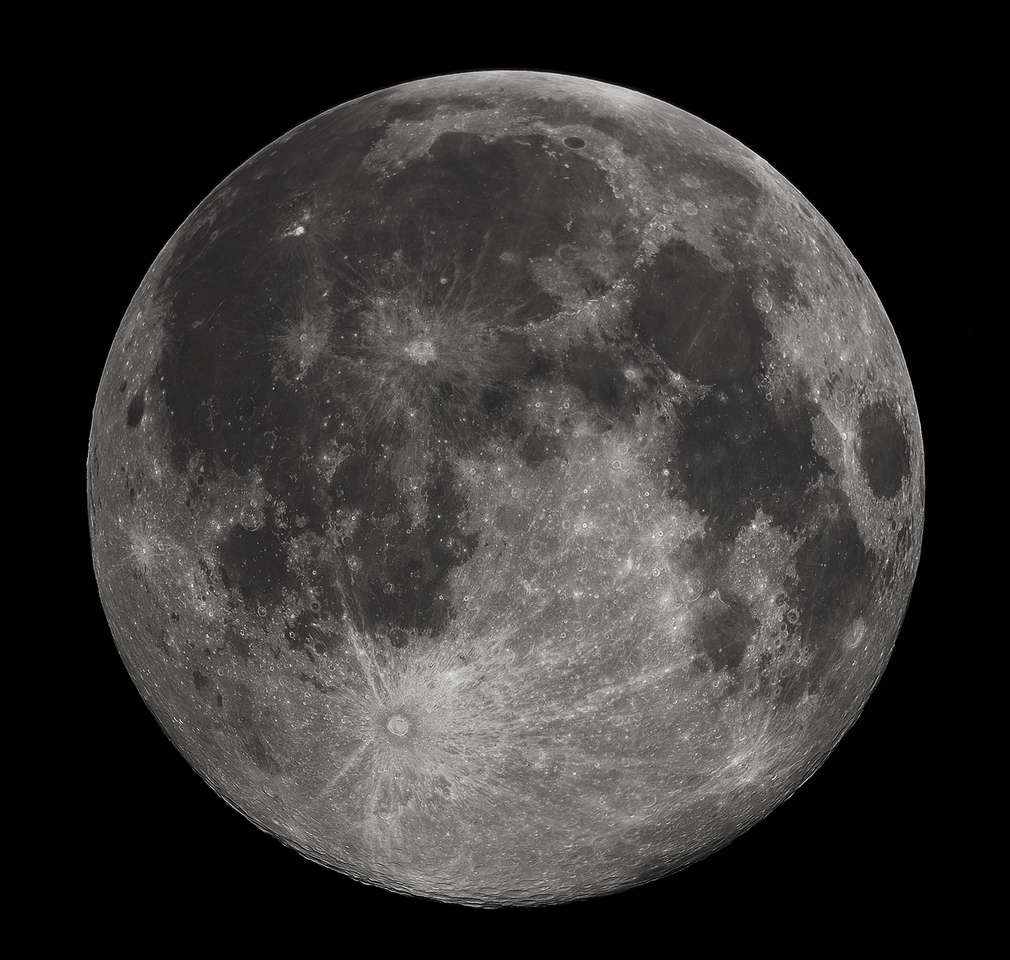
The Moon is Earth's only natural satellite. Its diameter is about one-quarter of Earth's (comparable to the width of Australia), making it the fifth largest satellite in the Solar System and the largest and most massive relative to its parent planet. It is larger than all known dwarf planets in the Solar System. The Moon is a planetary-mass object with a differentiated rocky body, making it a satellite planet under the geophysical definitions of the term. It lacks any significant atmosphere, hydrosphere, or magnetic field. Its surface gravity is about one-sixth of Earth's at 0.1654 g—Jupiter's moon Io is the only satellite in the Solar System known to have a higher surface gravity and density.
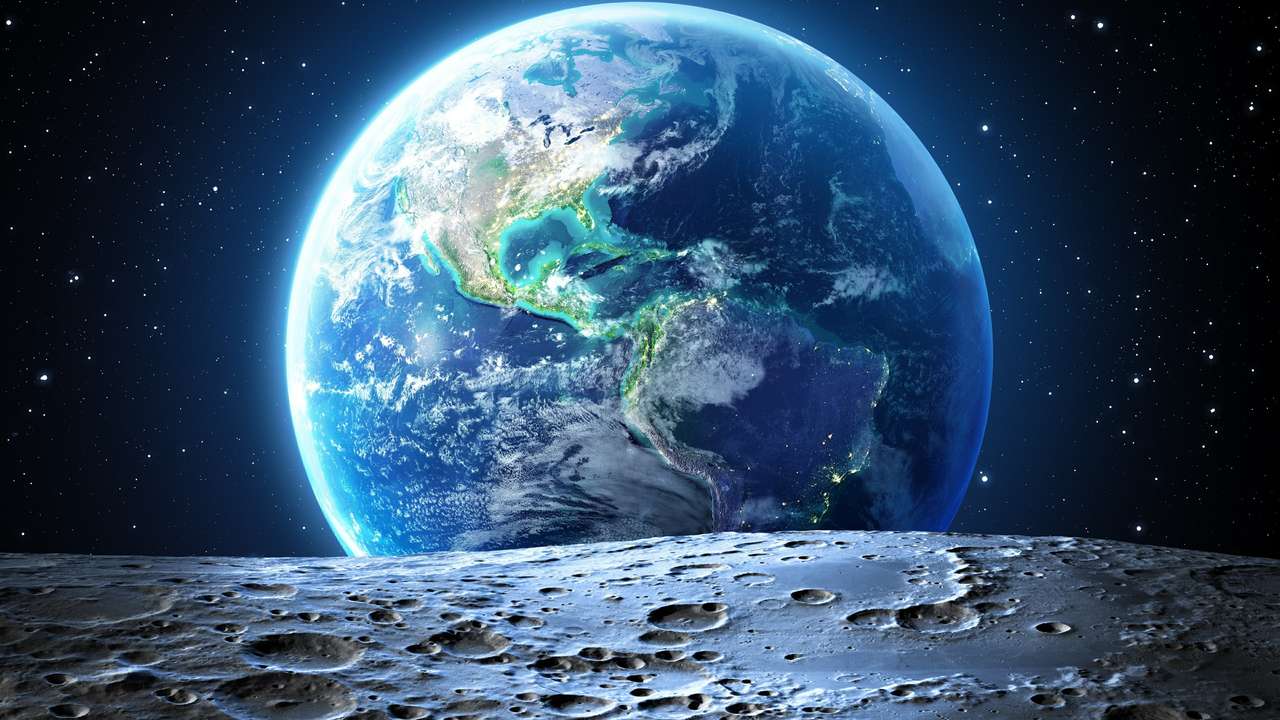
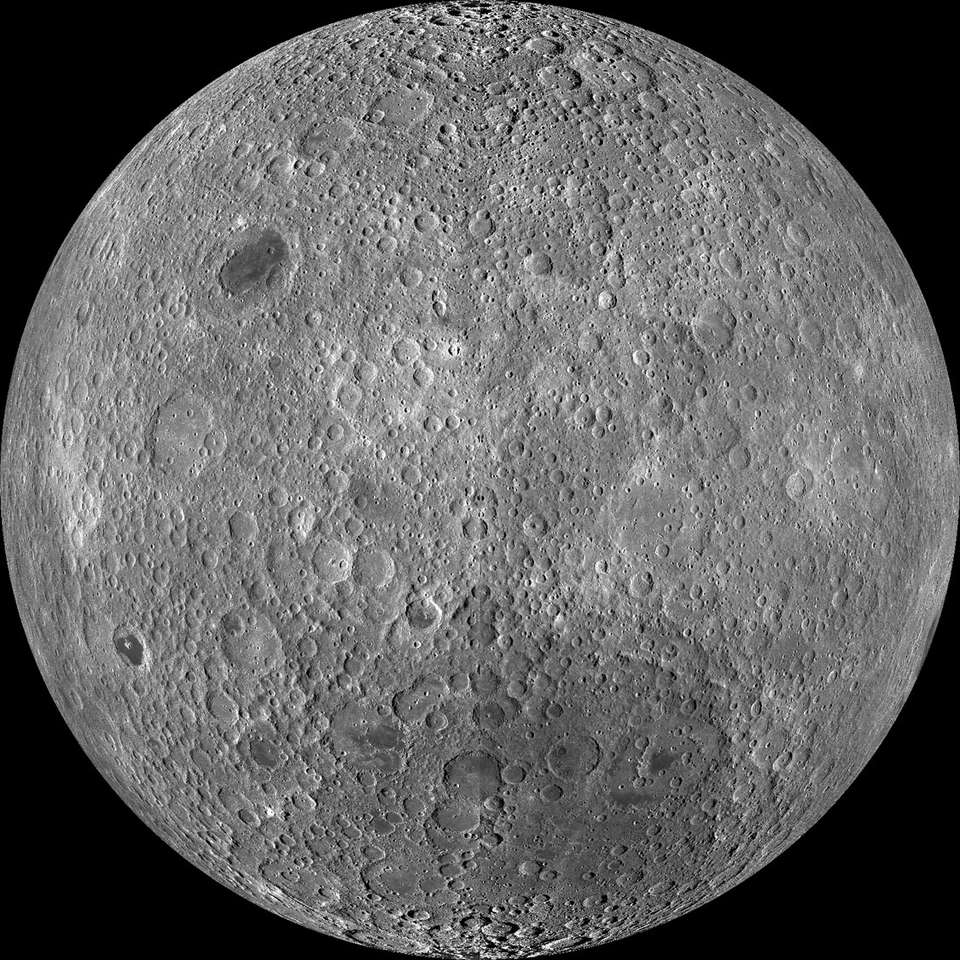
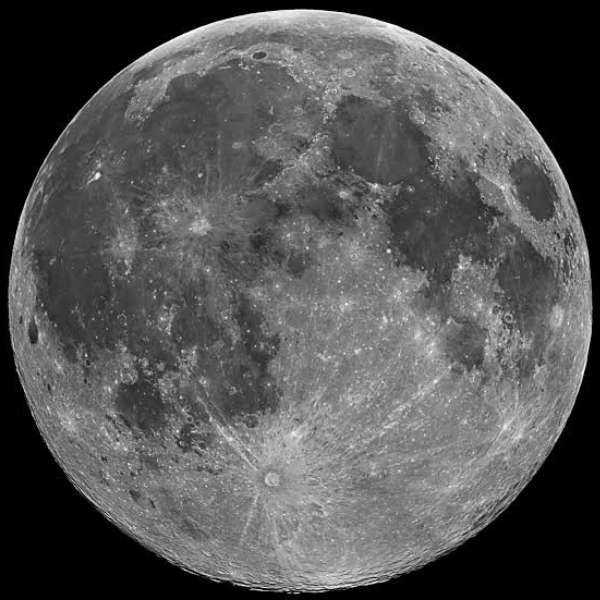
The Moon orbits Earth at an average distance of 384,400 km (238,900 mi), or about 30 times Earth's diameter. Its gravitational influence is the main driver of Earth's tides and very slowly lengthens Earth's day. The Moon's orbit around Earth has a sidereal period of 27.3 days. During each synodic period of 29.5 days, the amount of the Moon's Earth-facing surface that is illuminated by the Sun varies from none up to nearly 100%, resulting in lunar phases that form the basis for the months of a lunar calendar. The Moon is tidally locked to Earth, which means that the length of a full rotation of the Moon on its own axis causes its same side (the near side) to always face Earth, and the somewhat longer lunar day is the same as the synodic period. Due to cyclical shifts in perspective (libration), 59% of the lunar surface is visible from Earth.
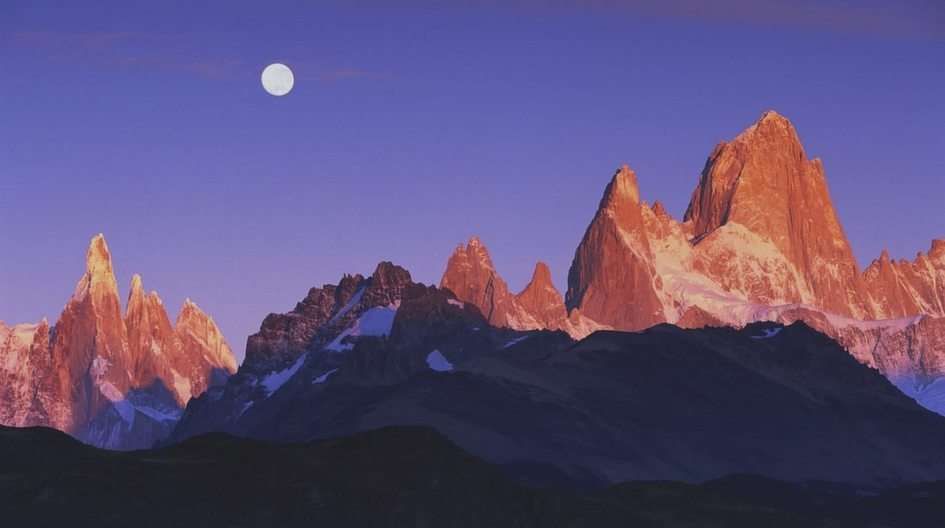
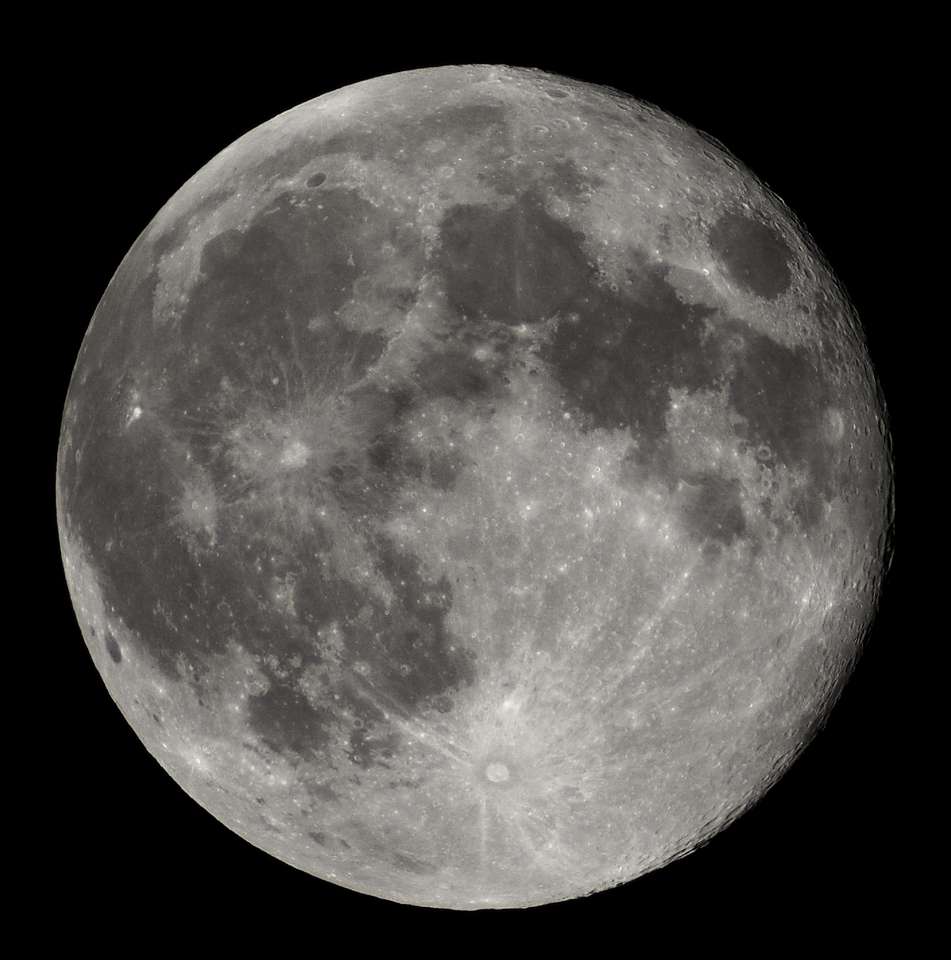
The most widely accepted origin explanation posits that the Moon formed 4.51 billion years ago, not long after Earth's formation, out of the debris from a giant impact between Earth and a hypothesized Mars-sized body called Theia. It receded to a wider orbit because of tidal interaction with the Earth. The near side of the Moon is marked by dark volcanic maria ("seas"), which fill the spaces between bright ancient crustal highlands and prominent impact craters. Most of the large impact basins and mare surfaces were in place by the end of the Imbrian period, some three billion years ago. Although the reflectance of the lunar surface is low (comparable to that of asphalt), its large angular diameter makes the full moon the brightest celestial object in the night sky. The Moon's apparent size is nearly the same as that of the Sun, allowing it to cover the Sun almost completely during a total solar eclipse.
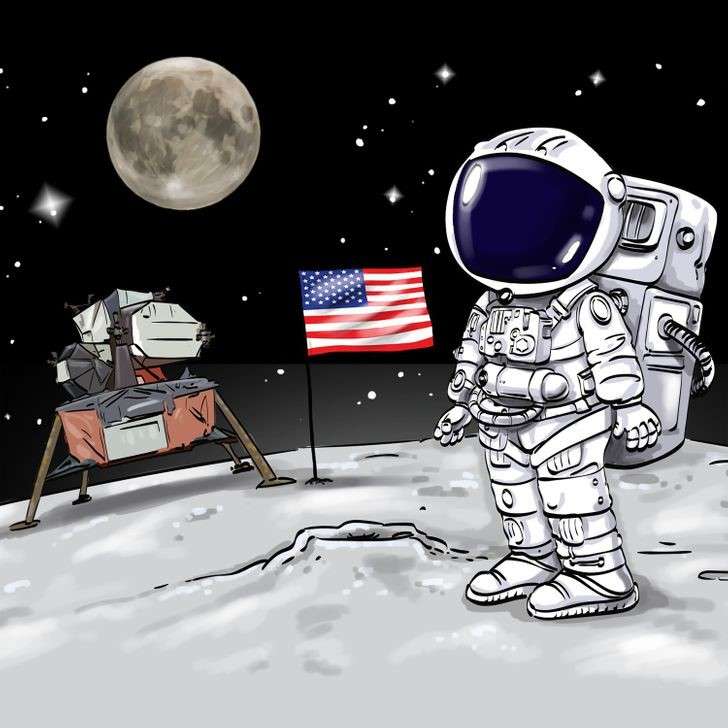
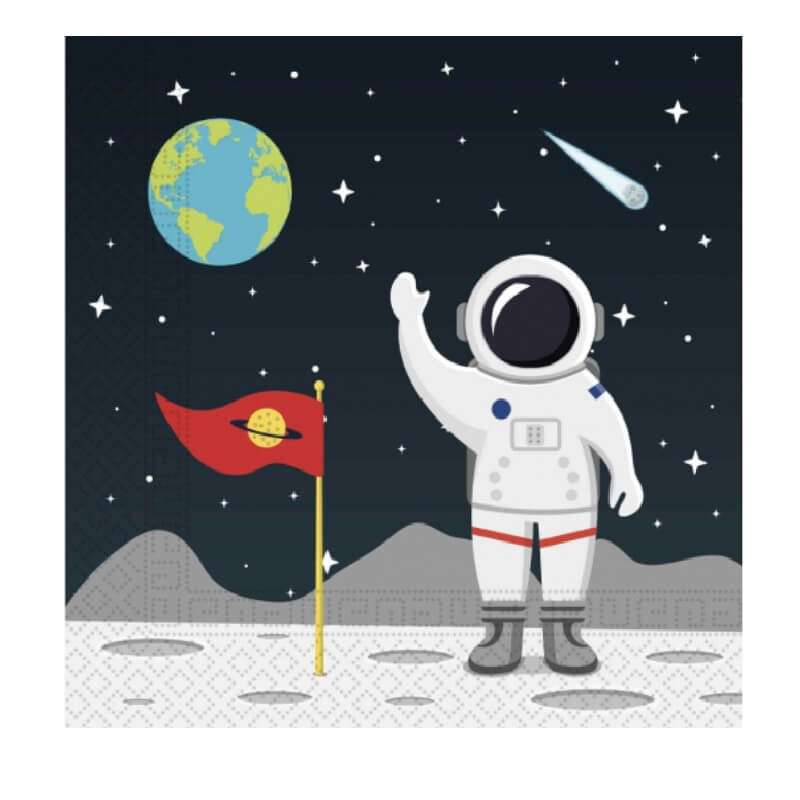
Both the Moon's prominence in Earth's sky and its regular cycle of phases have provided cultural references and influences for human societies throughout history. Such influences can be found in language, calendar systems, art, and mythology. The first artificial object to reach the Moon was the Soviet Union's uncrewed Luna 2 spacecraft in 1959; this was followed by the first successful soft landing by Luna 9 in 1966. The only human lunar missions to date have been those of the United States' Apollo program, which landed twelve men on the surface between 1969 and 1972. These and later uncrewed missions returned lunar rocks that have been used to develop a detailed geological understanding of the Moon's origins, internal structure, and subsequent history. The Moon is the only celestial body visited by humans.