Nebula - online puzzles
Space Jigsaw puzzle puzzle online from photo
48Space Jigsaw puzzlesolved 87 times
Solve puzzle
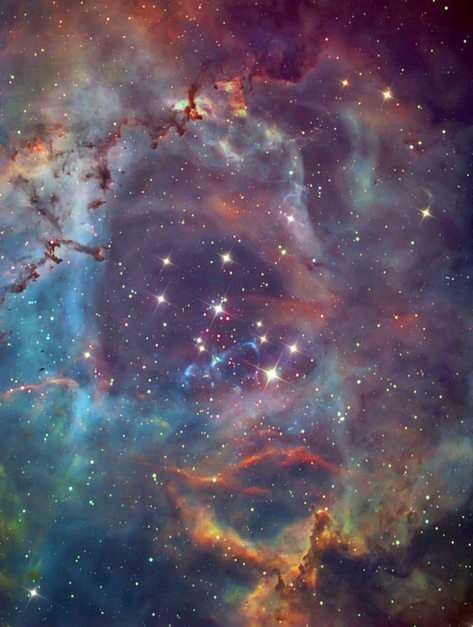
Nebula puzzle online puzzle
72Nebula puzzlesolved 83 times
Solve puzzle
Full of Planets online puzzle
165Full of Planetssolved 80 times
Solve puzzle
cosmos puzzle online from photo
48cosmossolved 66 times
Solve puzzle
Infrared Orion online puzzle
25Infrared Orionsolved 63 times
Solve puzzle
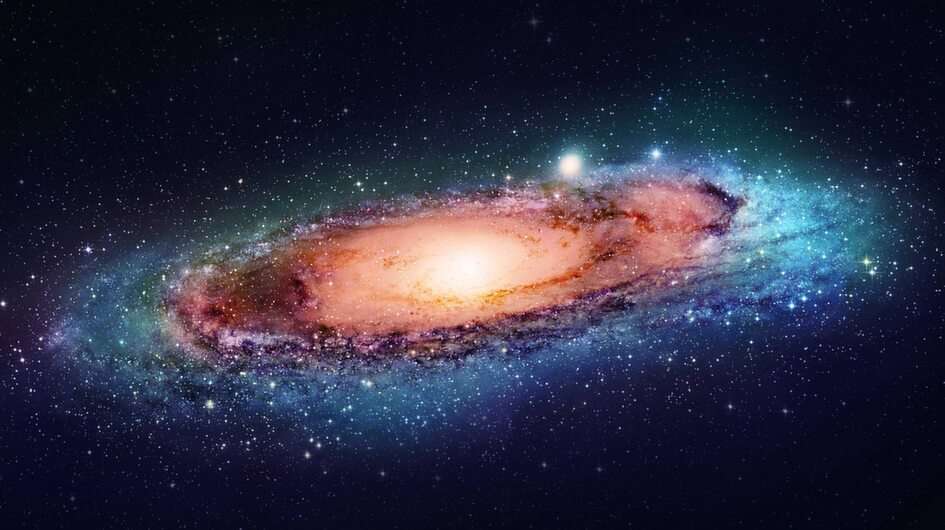
Galaxy online puzzle
25Galaxysolved 48 times
Solve puzzle
[AMS] Train Competition - 1 puzzle online from photo
144[AMS] Train Competition - 1solved 46 times
Solve puzzle
StarPuzzle puzzle online from photo
48StarPuzzlesolved 45 times
Solve puzzle
Explosion of Colors online puzzle
135Explosion of Colorssolved 44 times
Solve puzzle
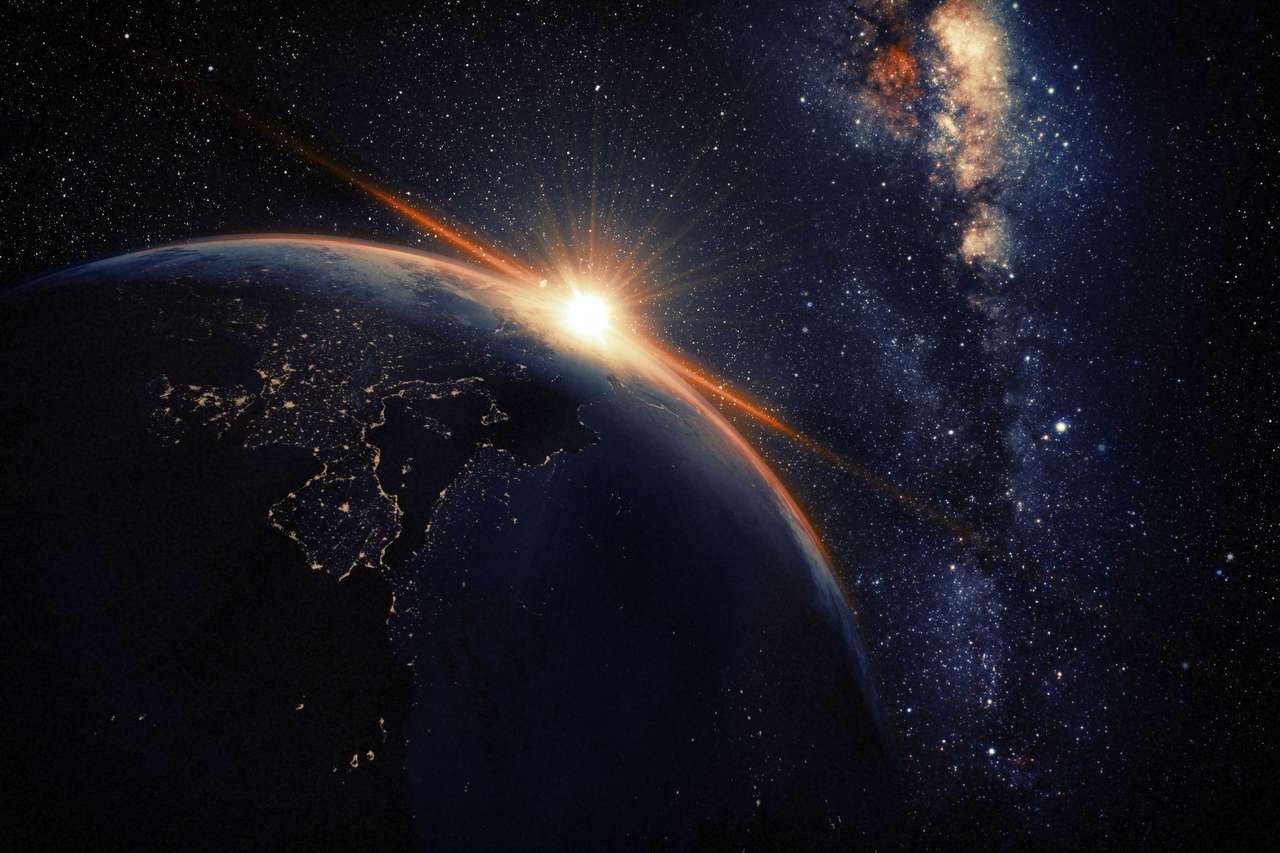
Earth in the Space online puzzle
105Earth in the Spacesolved 43 times
Solve puzzle
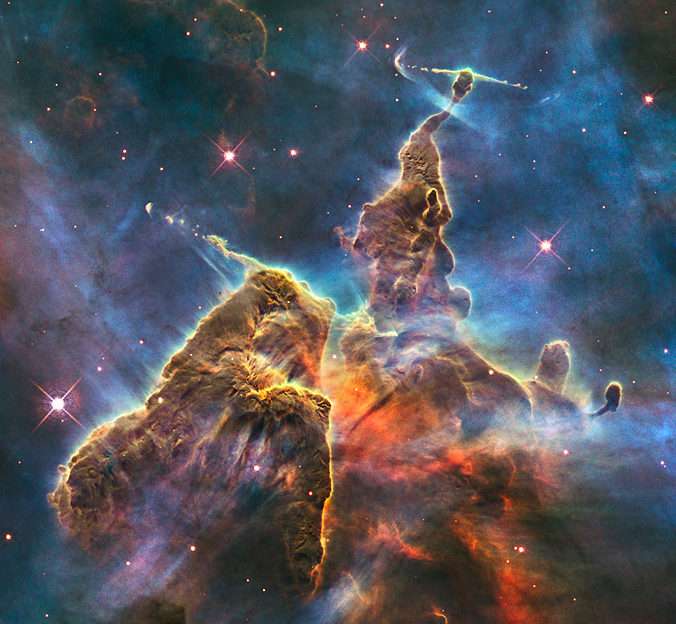
Pillars of Creation online puzzle
169Pillars of Creationsolved 40 times
Solve puzzle
The Big Picture puzzle online from photo
15The Big Picturesolved 40 times
Solve puzzle
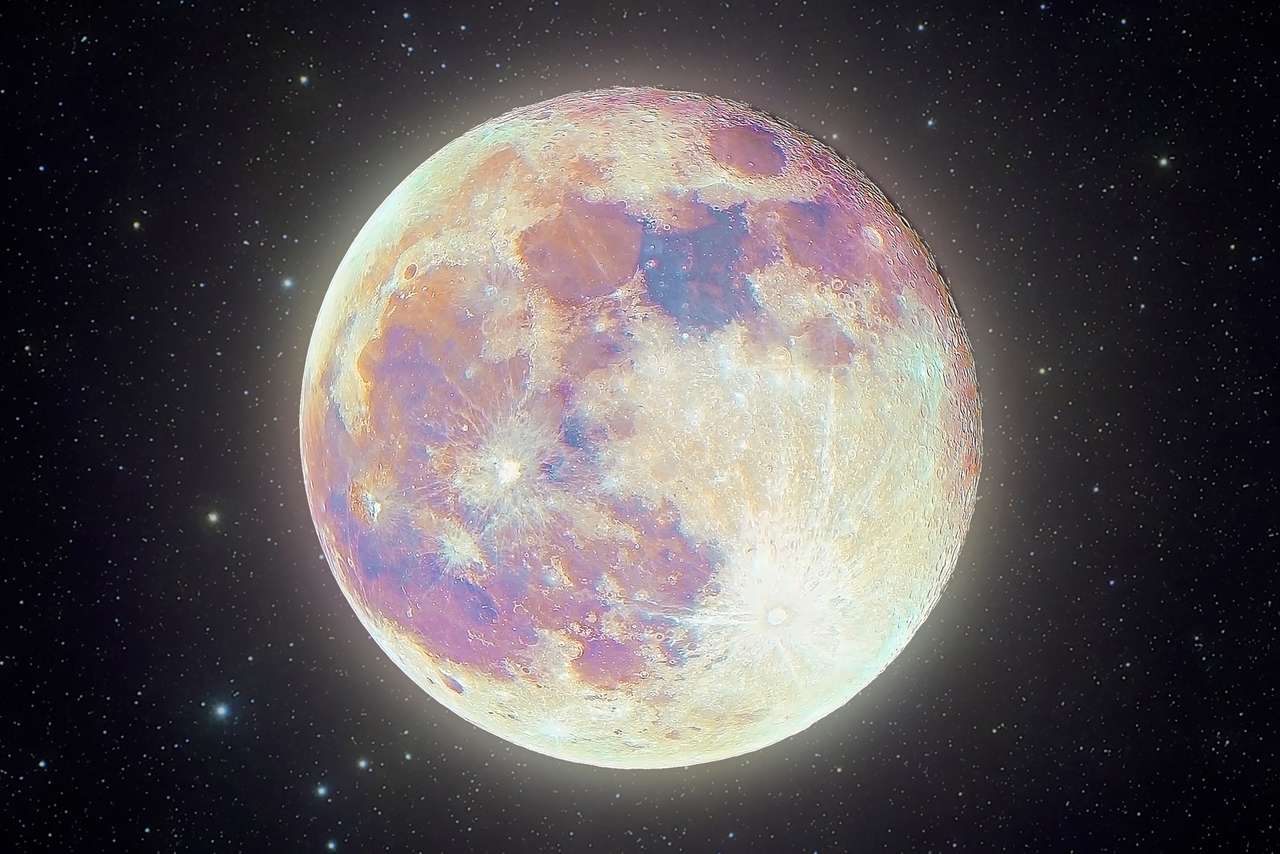
Moon Jigsaw Puzzle puzzle online from photo
176Moon Jigsaw Puzzlesolved 39 times
Solve puzzle
Planets and Space online puzzle
190Planets and Spacesolved 36 times
Solve puzzle
Hello online puzzle
48Hellosolved 35 times
Solve puzzle
Tata Surya puzzle online from photo
48Tata Suryasolved 35 times
Solve puzzle
universe puzzle online from photo
36universesolved 33 times
Solve puzzle
Earth and the Galaxy by Vision puzzle online from photo
154Earth and the Galaxy by Visionsolved 28 times
Solve puzzle
MISSION OMGU VOL 7 online puzzle
120MISSION OMGU VOL 7solved 28 times
Solve puzzle
Astro puzzle online from photo
54Astrosolved 27 times
Solve puzzle
A view from the cosmos puzzle online from photo
35A view from the cosmossolved 23 times
Solve puzzle
Galaxy online puzzle
156Galaxysolved 21 times
Solve puzzle
Space puzzle online from photo
135Spacesolved 21 times
Solve puzzle
Kanna❤ Ammadi online puzzle
196Kanna❤ Ammadisolved 19 times
Solve puzzle
Component of Things online puzzle
144Component of Thingssolved 18 times
Solve puzzle
Big brother puzzle online from photo
24Big brothersolved 17 times
Solve puzzle
Challenge Divizia Galbena online puzzle
15Challenge Divizia Galbenasolved 16 times
Solve puzzle
"The cosmos lady and its light reflection" online puzzle
190"The cosmos lady and its light reflection"solved 15 times
Solve puzzle
Nebula online puzzle
121Nebulasolved 13 times
Solve puzzle
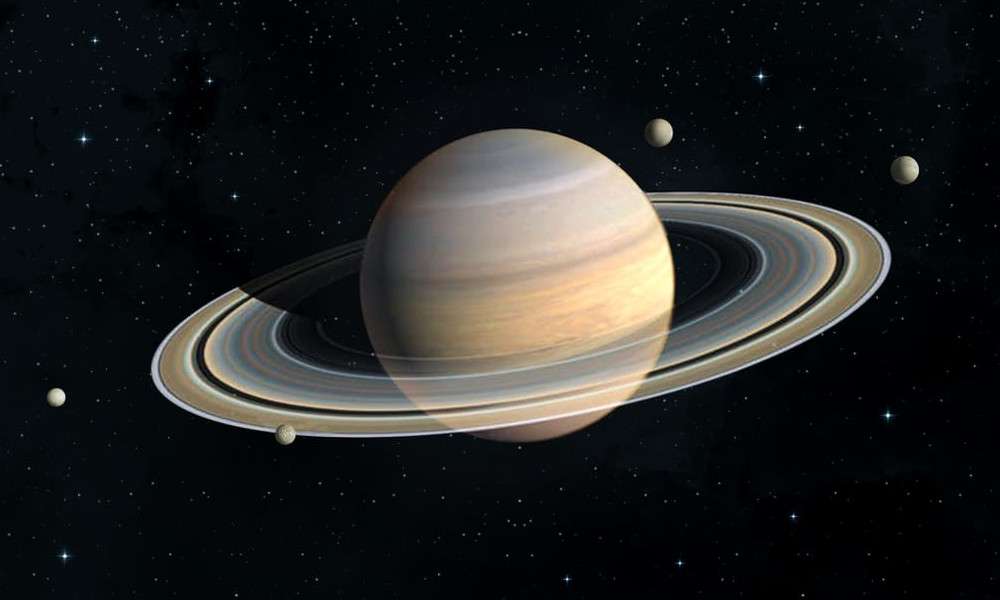
Saturn and Satellites puzzle online from photo
60Saturn and Satellitessolved 13 times
Solve puzzle
Weltallstaub online puzzle
209Weltallstaubsolved 12 times
Solve puzzle
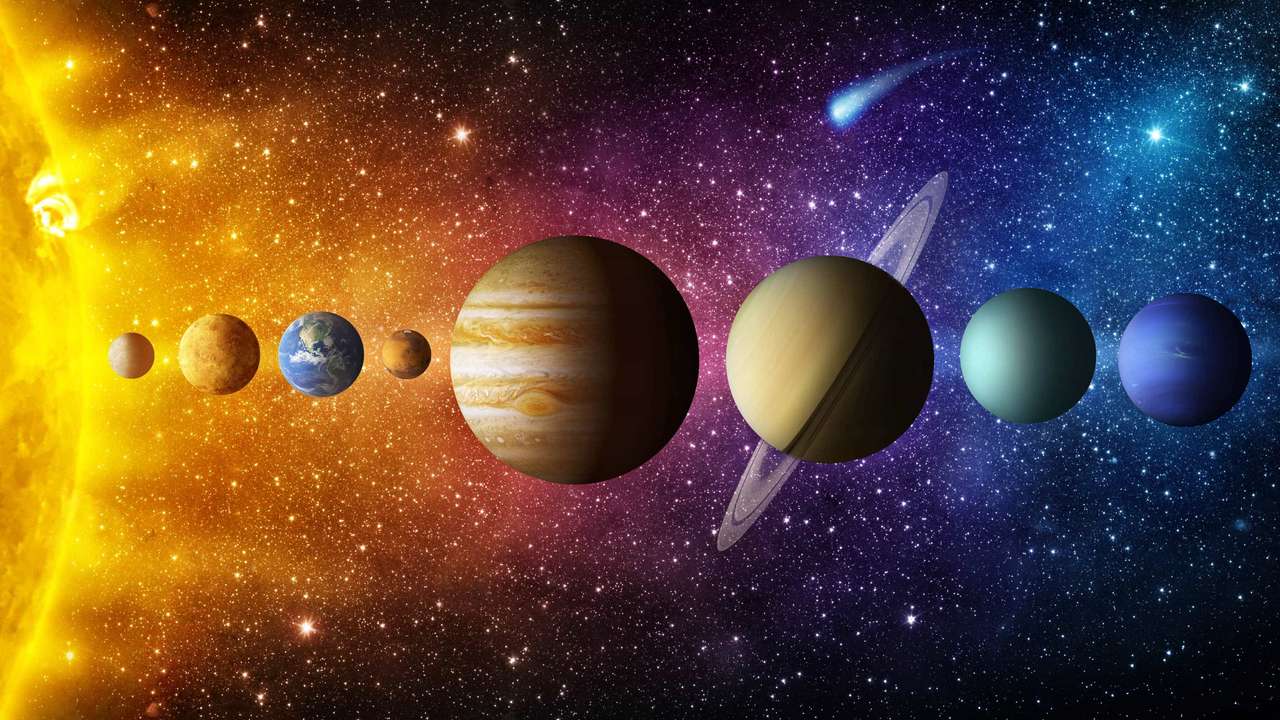
The Solar System online puzzle
390The Solar Systemsolved 12 times
Solve puzzle

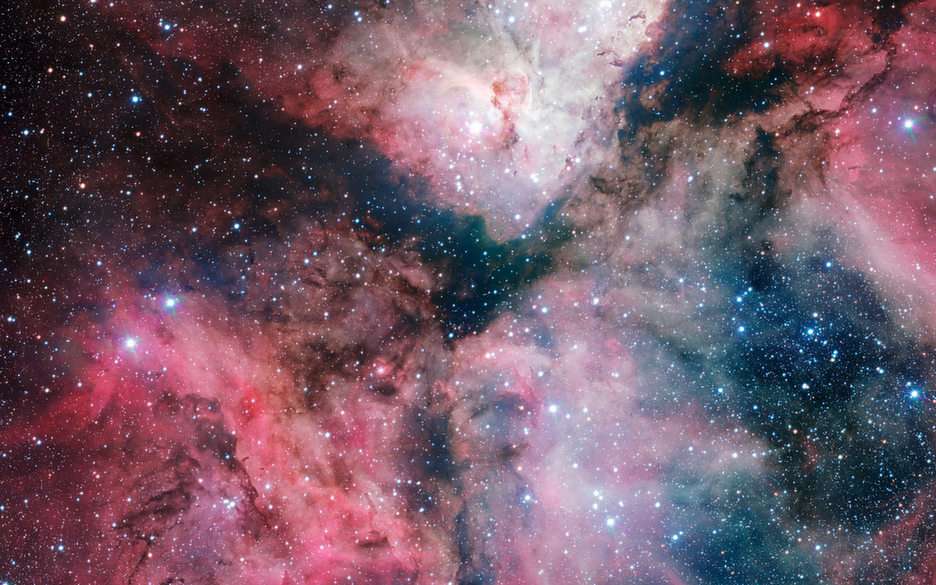
Online puzzle Nebula

Nebula

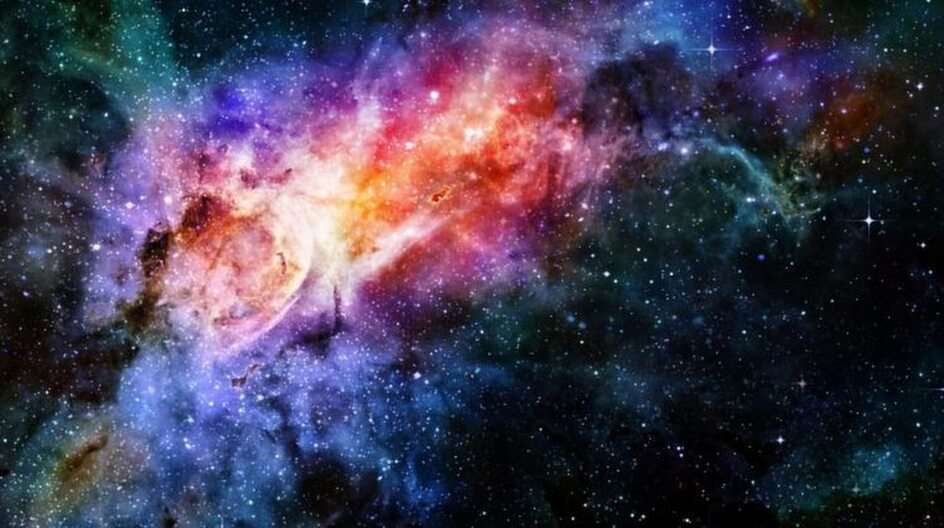
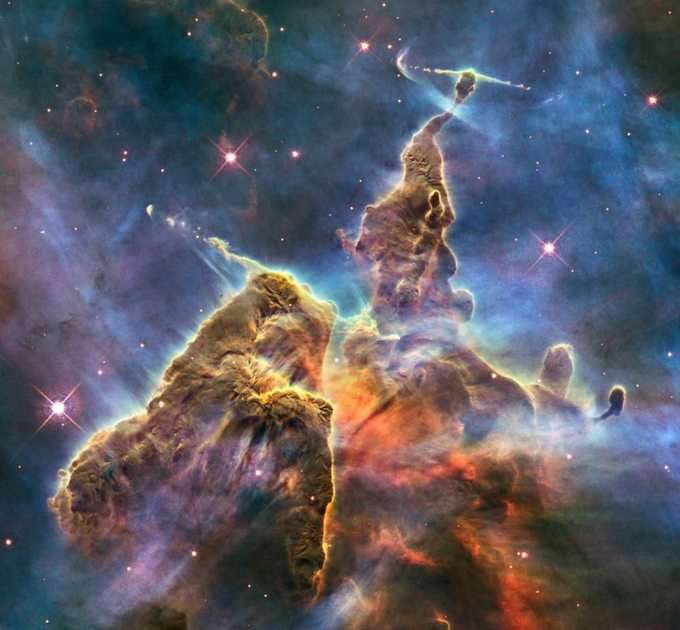
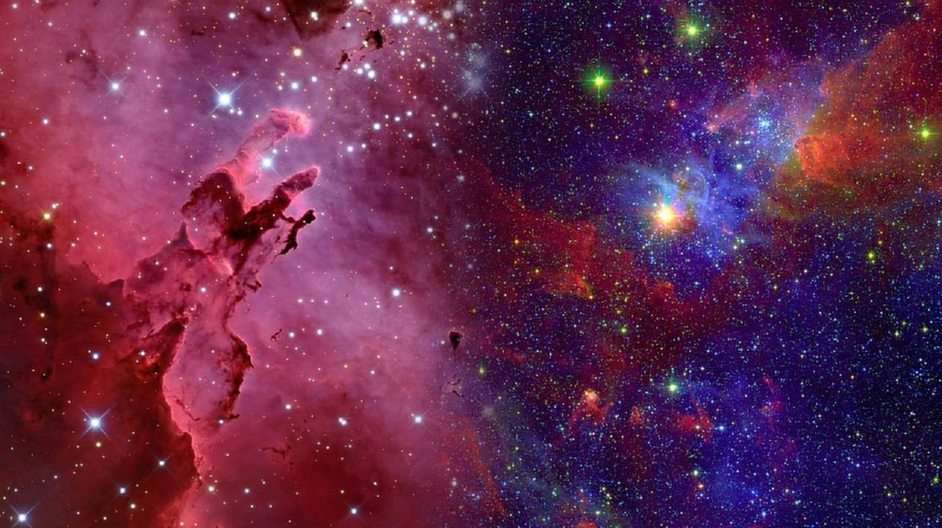
A nebula ('cloud' or 'fog' in Latin; pl. nebulae, nebulæ or nebulas) is a distinct luminescent part of interstellar medium, which can consist of ionized, neutral, or molecular hydrogen and also cosmic dust. Nebulae are often star-forming regions, such as in the "Pillars of Creation" in the Eagle Nebula. In these regions, the formations of gas, dust, and other materials "clump" together to form denser regions, which attract further matter and eventually become dense enough to form stars. The remaining material is then thought to form planets and other planetary system objects.

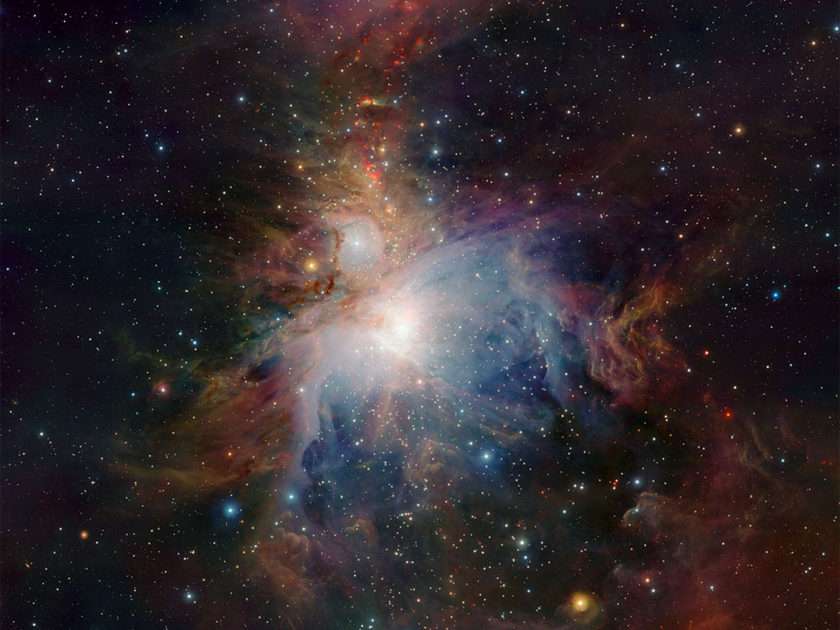
Most nebulae are of vast size; some are hundreds of light-years in diameter. A nebula that is visible to the human eye from Earth would appear larger, but no brighter, from close by. The Orion Nebula, the brightest nebula in the sky and occupying an area twice the angular diameter of the full Moon, can be viewed with the naked eye but was missed by early astronomers. Although denser than the space surrounding them, most nebulae are far less dense than any vacuum created on Earth – a nebular cloud the size of the Earth would have a total mass of only a few kilograms. Earth's air has a density of approximately 1019 molecules per cubic centimeter; by contrast, the densest nebulae can have densities of 10,000 molecules per cubic centimeter. Many nebulae are visible due to fluorescence caused by embedded hot stars, while others are so diffused that they can be detected only with long exposures and special filters. Some nebulae are variably illuminated by T Tauri variable stars.

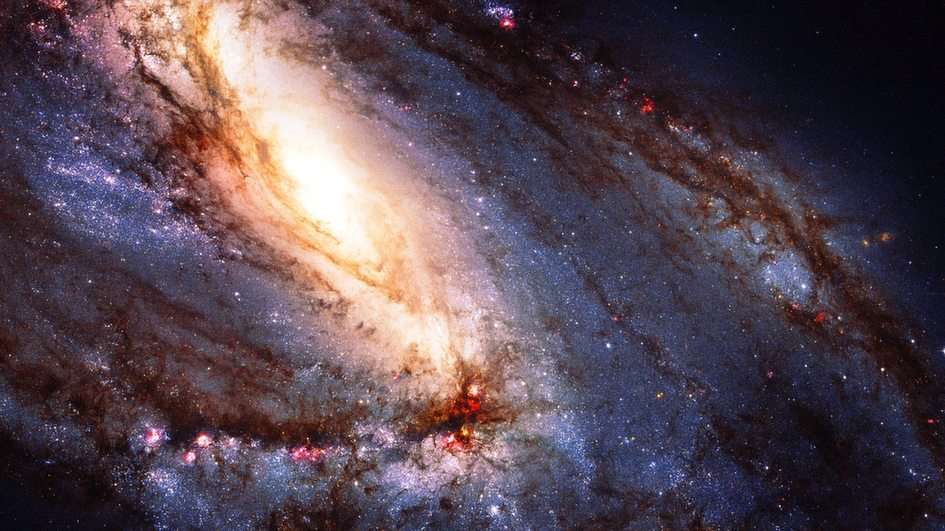
Originally, the term "nebula" was used to describe any diffused astronomical object, including galaxies beyond the Milky Way. The Andromeda Galaxy, for instance, was once referred to as the Andromeda Nebula (and spiral galaxies in general as "spiral nebulae") before the true nature of galaxies was confirmed in the early 20th century by Vesto Slipher, Edwin Hubble, and others. Edwin Hubble discovered that most nebulae are associated with stars and illuminated by starlight. He also helped categorize nebulae based on the type of light spectra they produced.