Planet - online puzzles







Online puzzle Planet
Planet
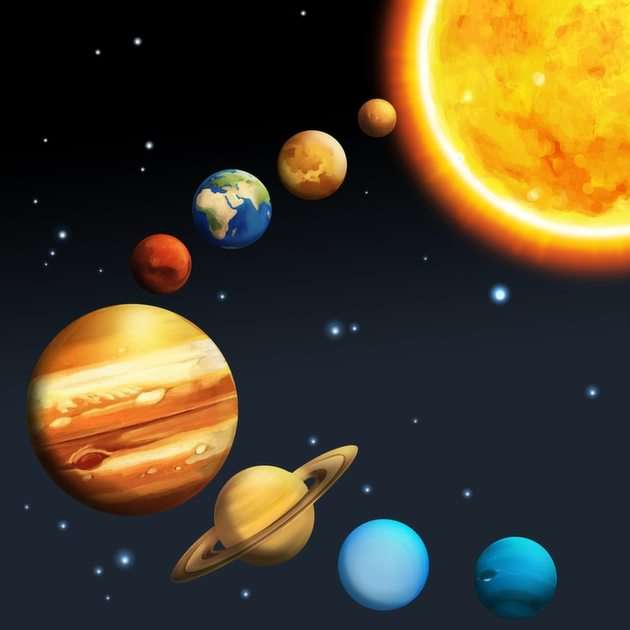
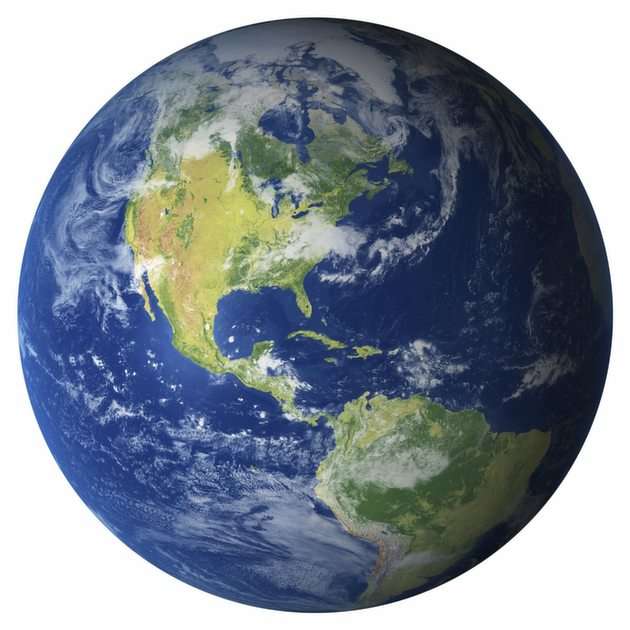
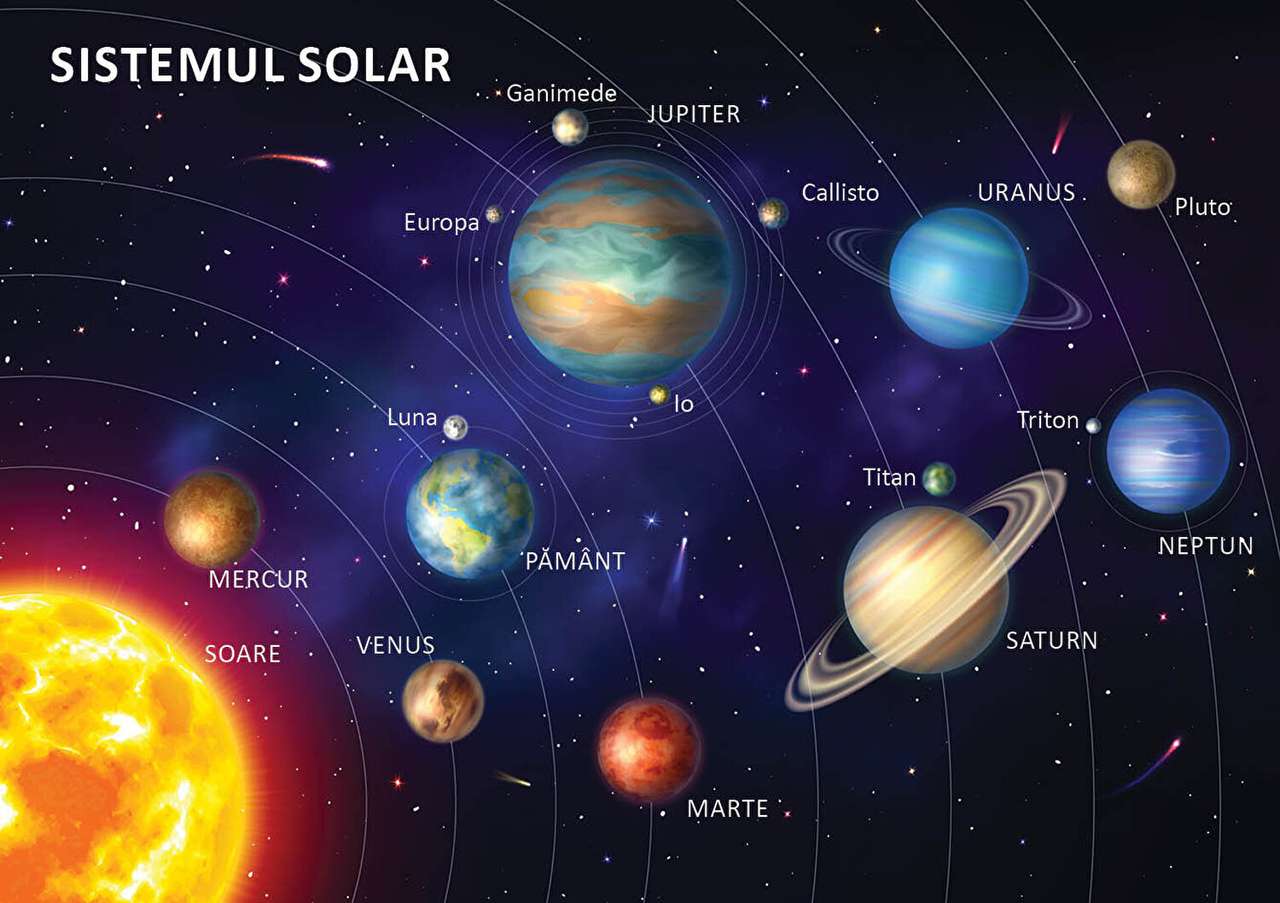
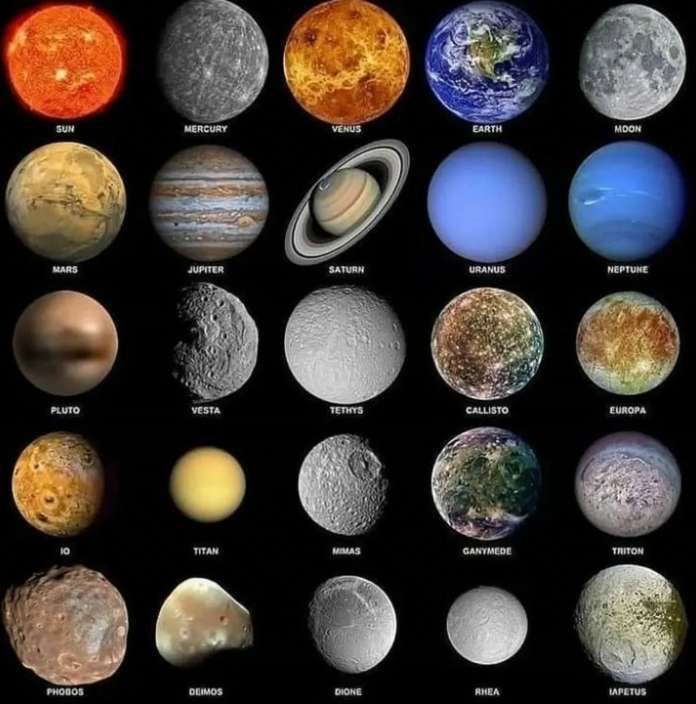
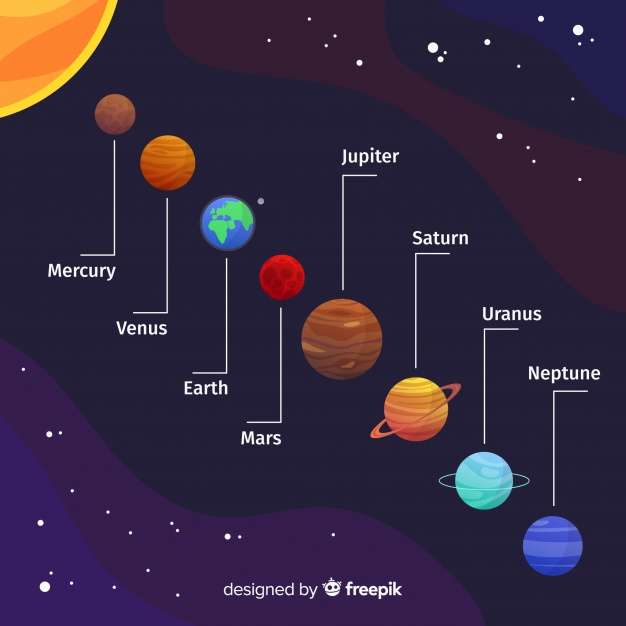
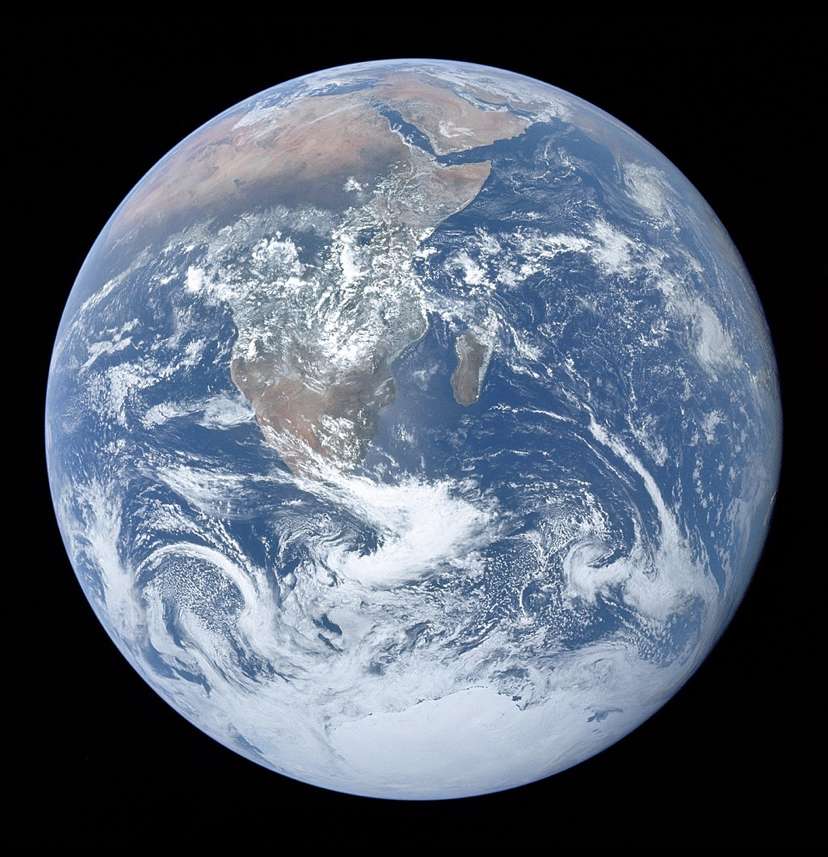
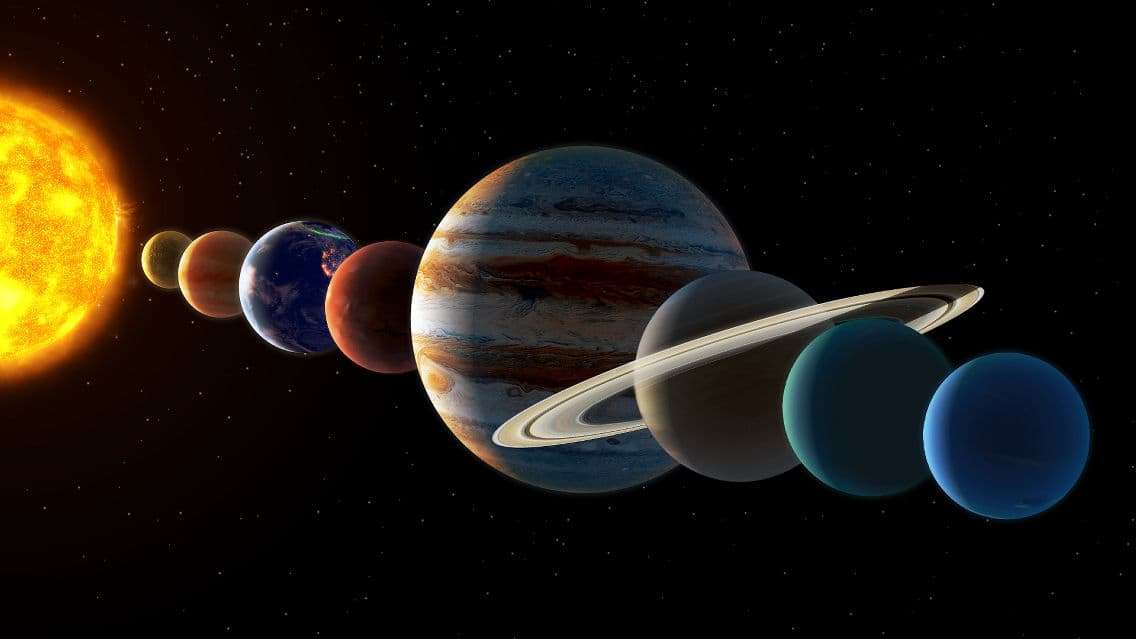
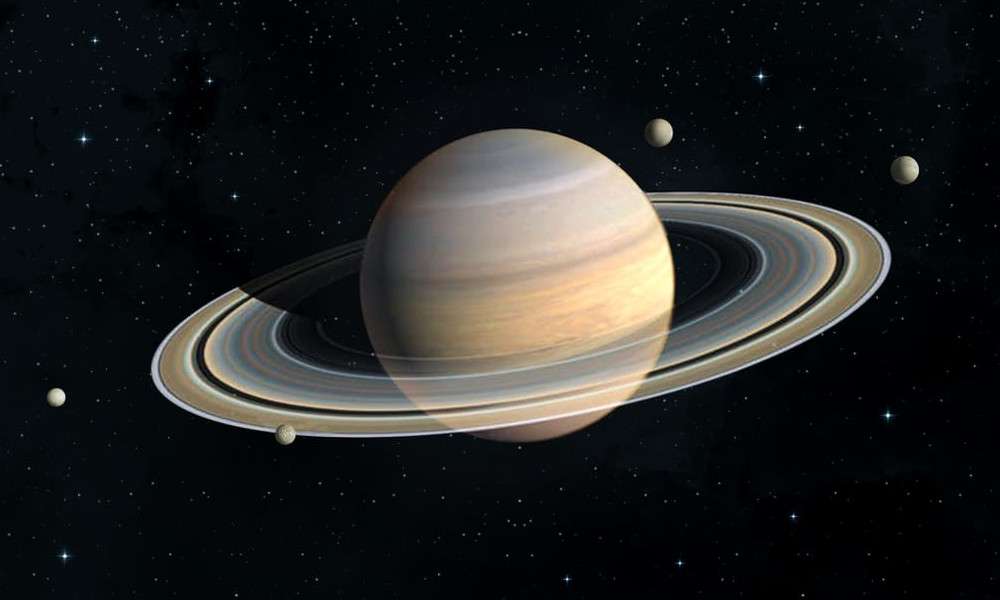
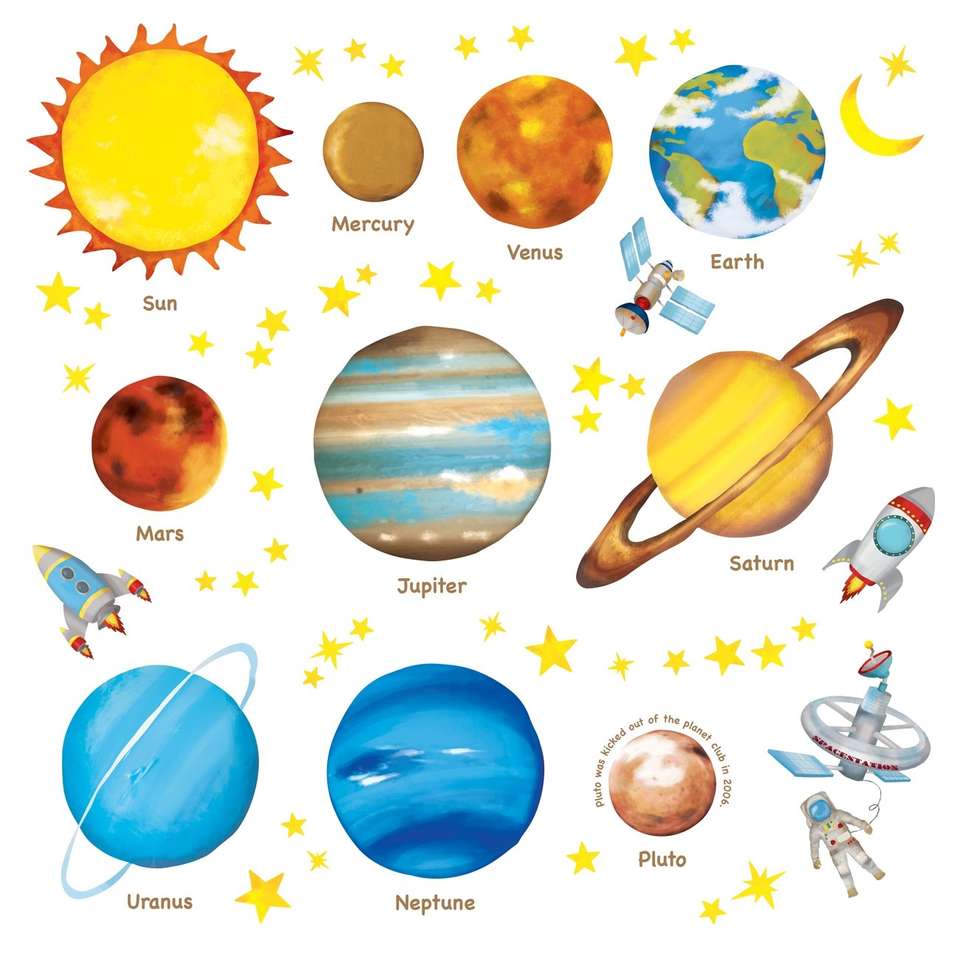
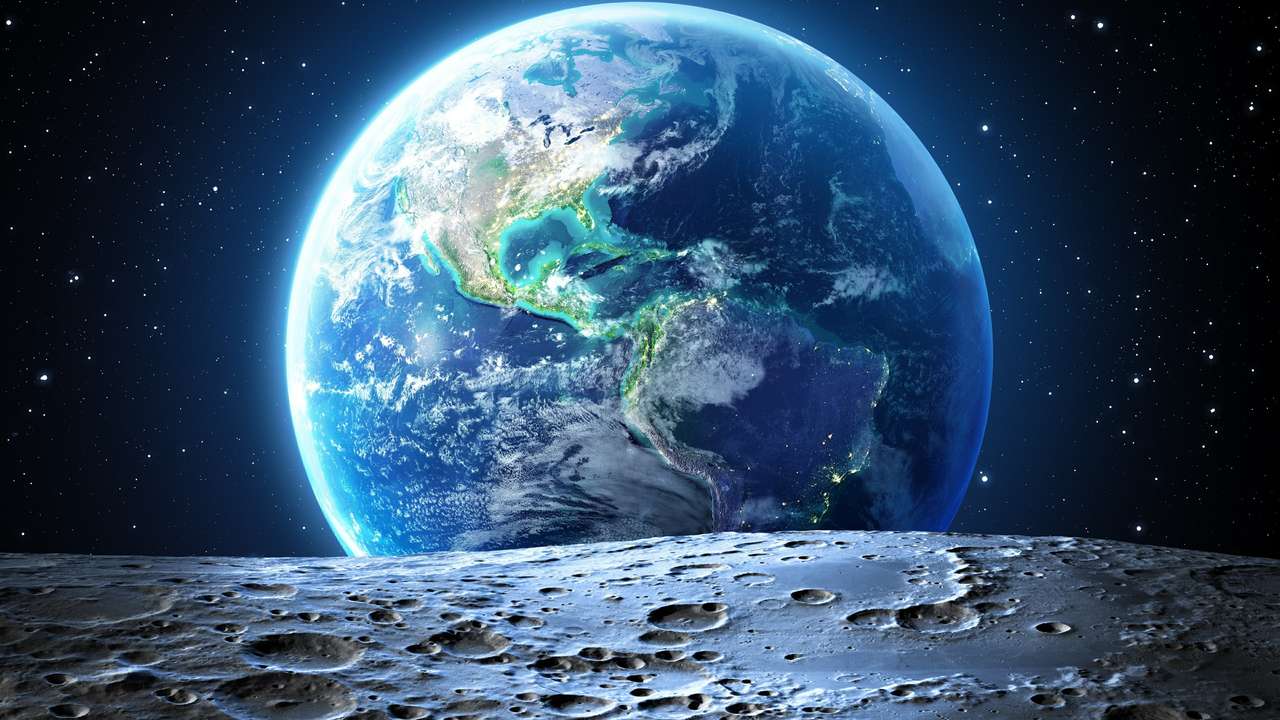
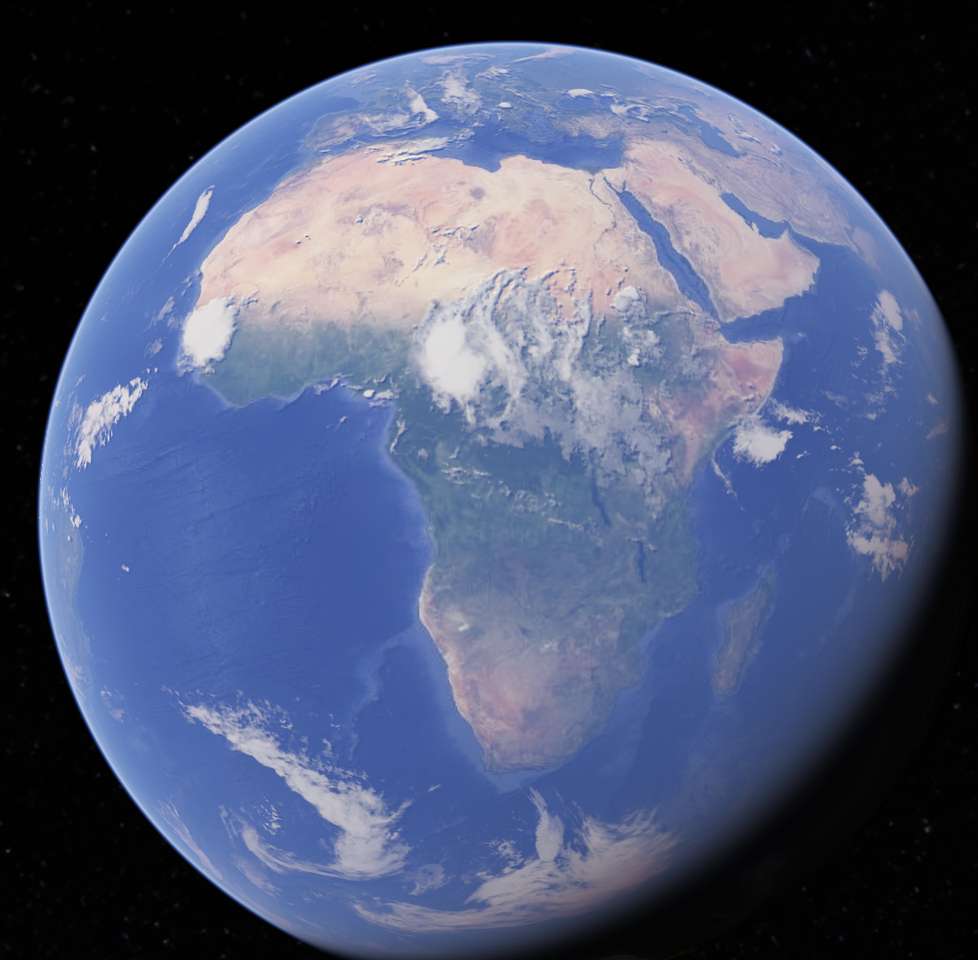
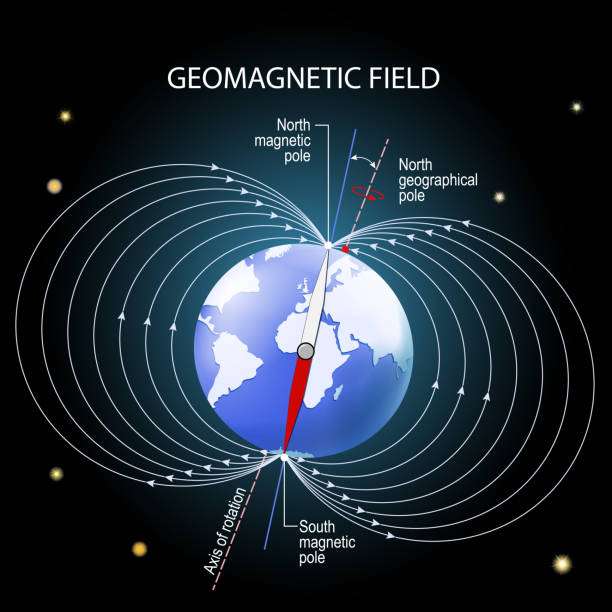
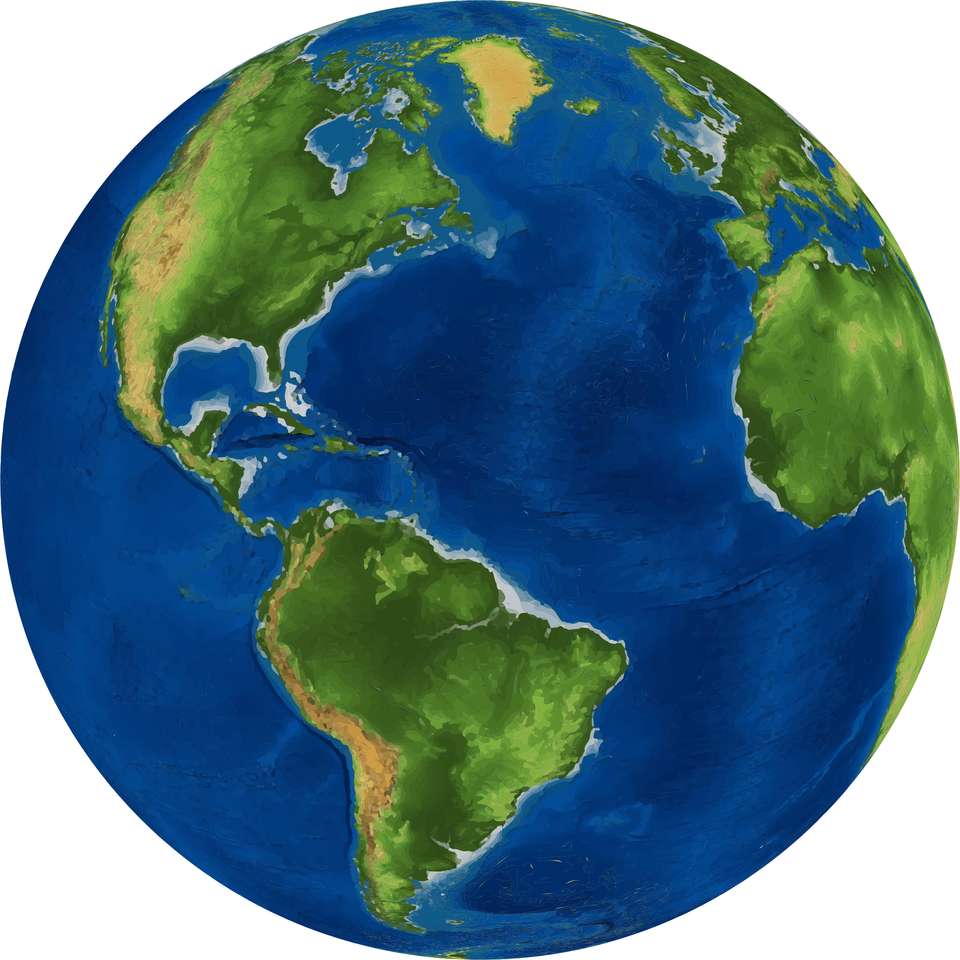
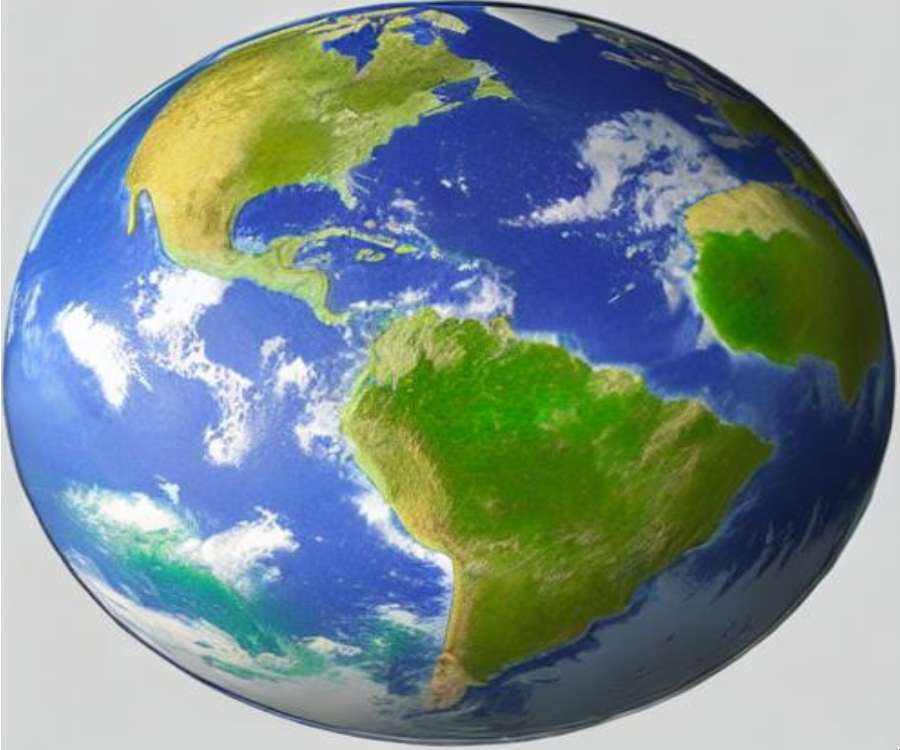
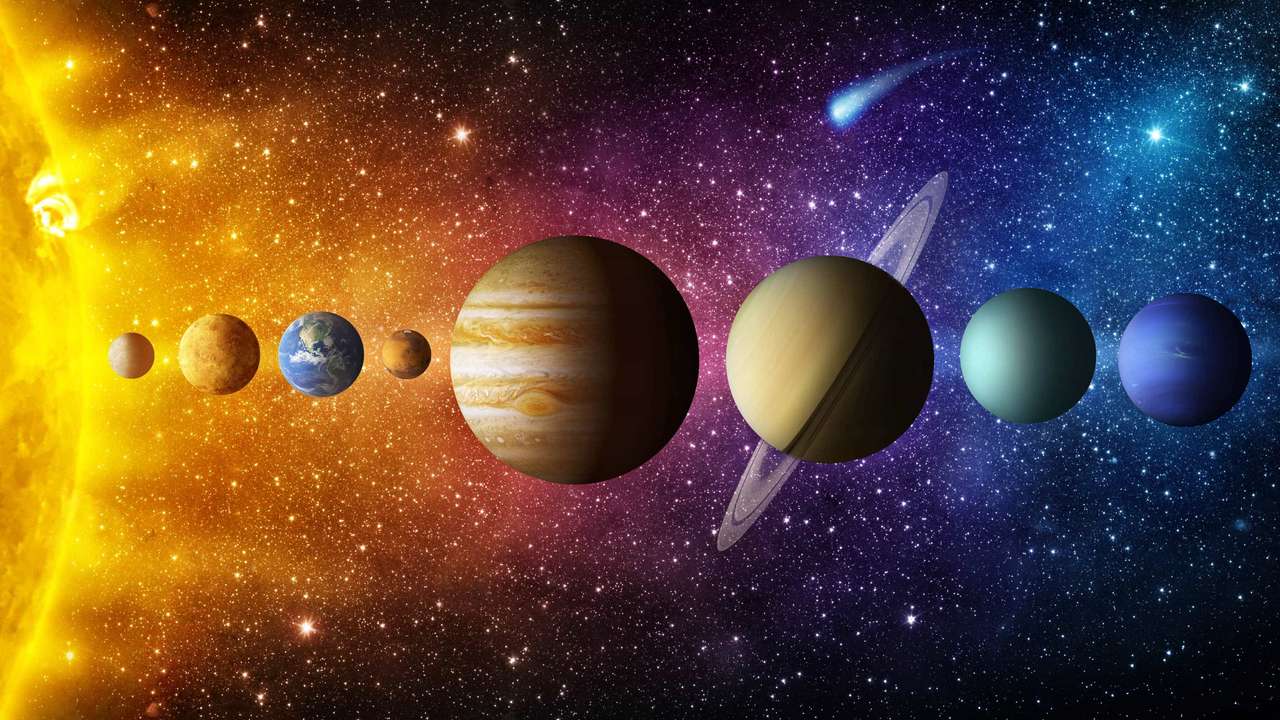
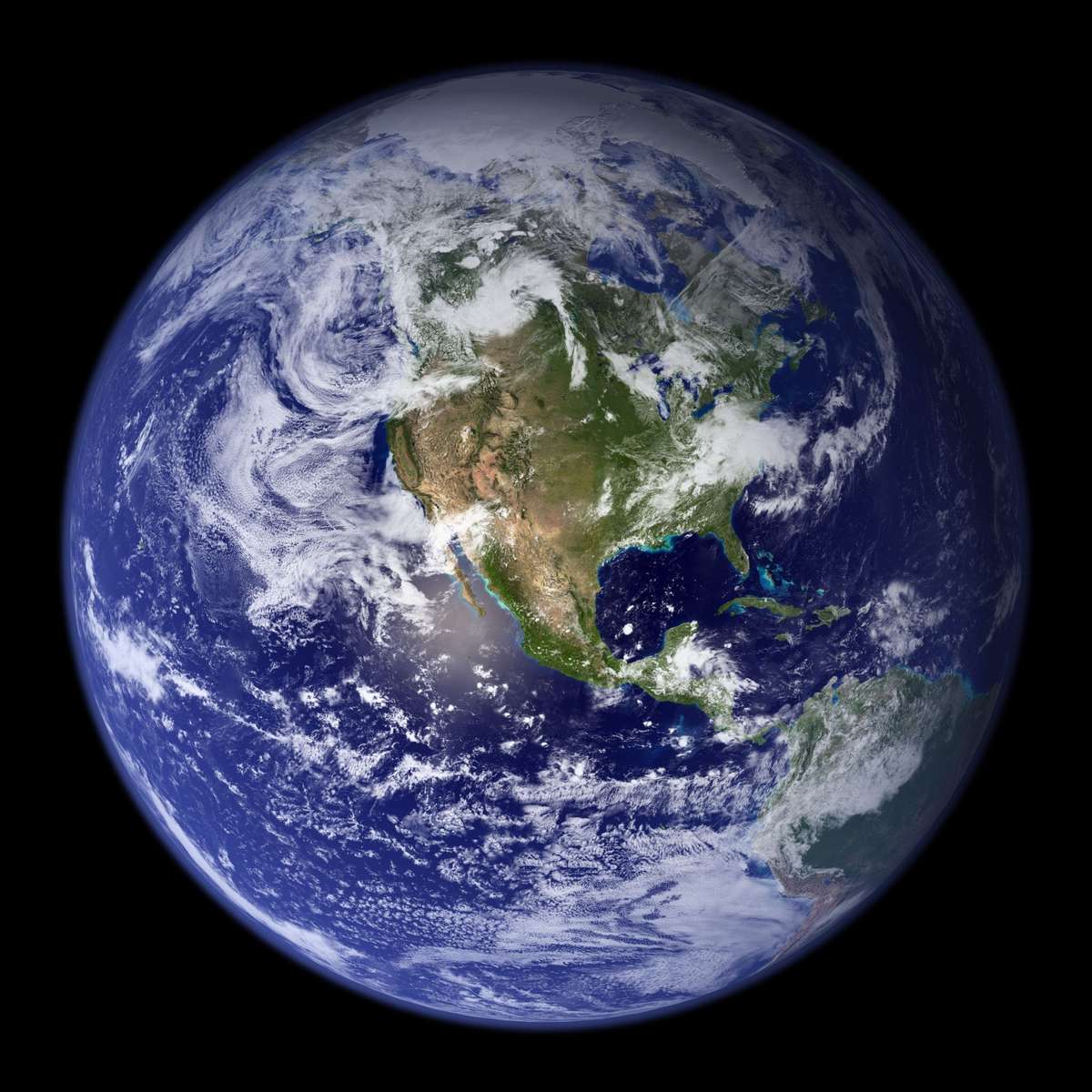
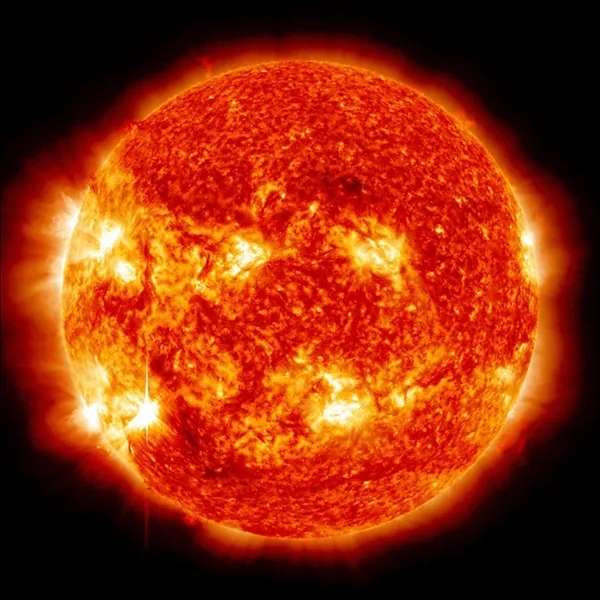
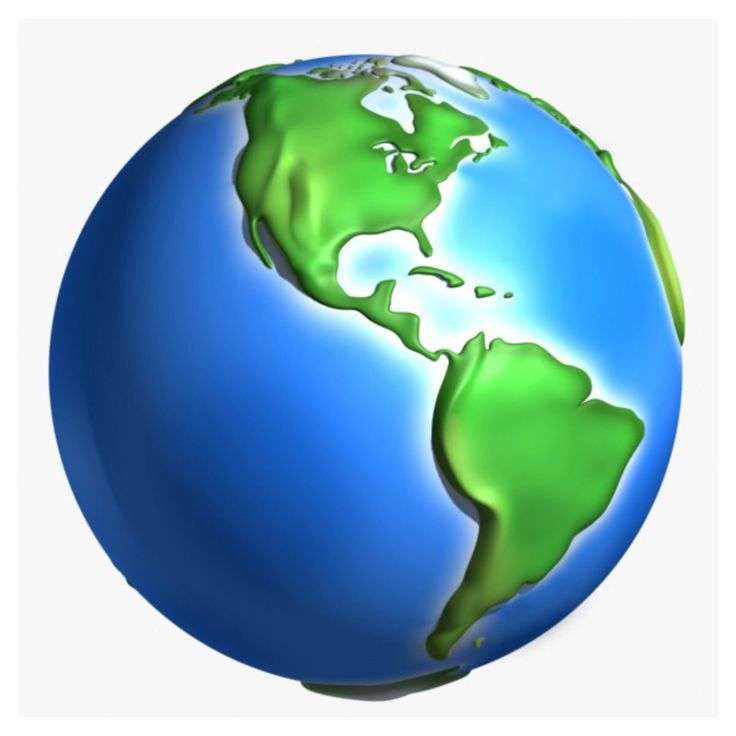
A planet is a large, rounded astronomical body that is neither a star nor its remnant. The best available theory of planet formation is the nebular hypothesis, which posits that an interstellar cloud collapses out of a nebula to create a young protostar orbited by a protoplanetary disk. Planets grow in this disk by the gradual accumulation of material driven by gravity, a process called accretion. The Solar System has at least eight planets: the terrestrial planets Mercury, Venus, Earth and Mars, and the giant planets Jupiter, Saturn, Uranus and Neptune. These planets each rotate around an axis tilted with respect to its orbital pole. All planets of the Solar System other than Mercury possess a considerable atmosphere, and some share such features as ice caps, seasons, volcanism, hurricanes, tectonics, and even hydrology. Apart from Venus and Mars, the Solar System planets generate magnetic fields, and all except Venus and Mercury have natural satellites. The giant planets bear planetary rings, the most prominent being those of Saturn.
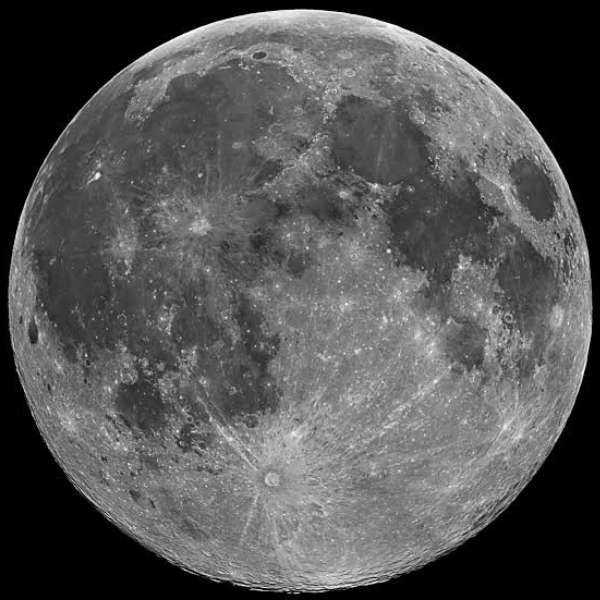
The word planet probably comes from the Greek planḗtai, meaning "wanderers". In antiquity, this word referred to the Sun, Moon, and five points of light visible by the naked eye that moved across the background of the stars—namely, Mercury, Venus, Mars, Jupiter and Saturn. Planets have historically had religious associations: multiple cultures identified celestial bodies with gods, and these connections with mythology and folklore persist in the schemes for naming newly discovered Solar System bodies. Earth itself was recognized as a planet when heliocentrism supplanted geocentrism during the 16th and 17th centuries.
With the development of the telescope, the meaning of planet broadened to include objects only visible with assistance: the moons of the planets beyond Earth; the ice giants Uranus and Neptune; Ceres and other bodies later recognized to be part of the asteroid belt; and Pluto, later found to be the largest member of the collection of icy bodies known as the Kuiper belt. The discovery of other large objects in the Kuiper belt, particularly Eris, spurred debate about how exactly to define a planet. The International Astronomical Union (IAU) adopted a standard by which the four terrestrials and four giants qualify, placing Ceres, Pluto and Eris in the category of dwarf planet, although many planetary scientists have continued to apply the term planet more broadly.Further advances in astronomy led to the discovery of over five thousand planets outside the Solar System, termed exoplanets. These include hot Jupiters—giant planets that orbit close to their parent stars—like 51 Pegasi b, super-Earths like Gliese 581c that have masses in between that of Earth and Neptune; and planets smaller than Earth, like Kepler-20e. Multiple exoplanets have been found to orbit in the habitable zones of their stars, but Earth remains the only planet known to support life.