Science - online puzzles
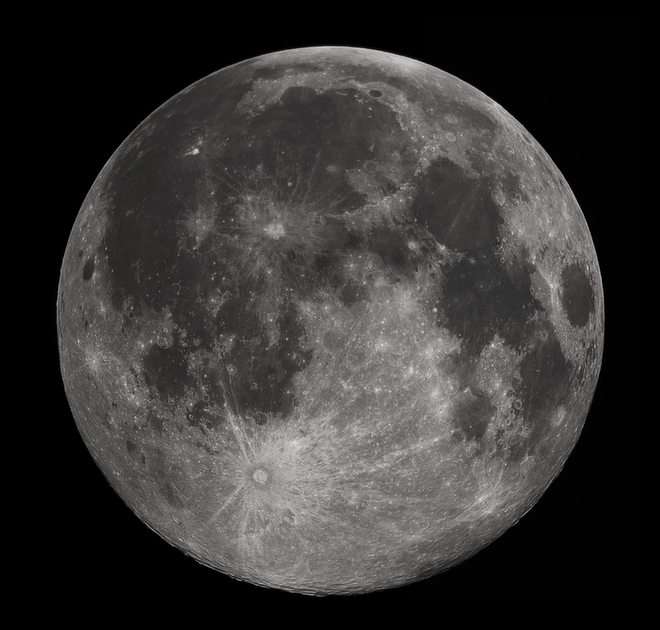
moon online puzzle
15moonsolved 291 times
Solve puzzle
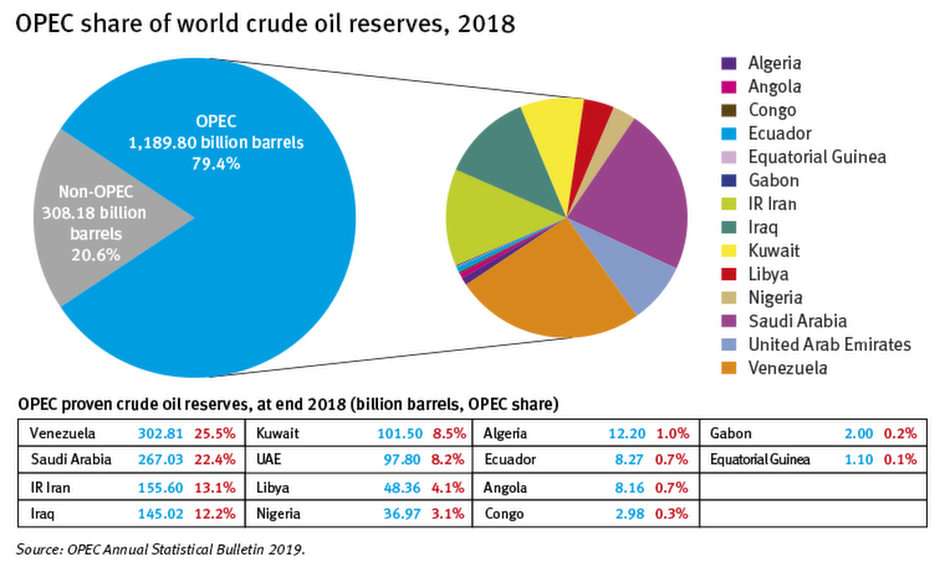
OPEC online puzzle
20OPECsolved 288 times
Solve puzzle
Bunting with dinner puzzle online from photo
56Bunting with dinnersolved 278 times
Solve puzzle
aquarium online puzzle
15aquariumsolved 278 times
Solve puzzle
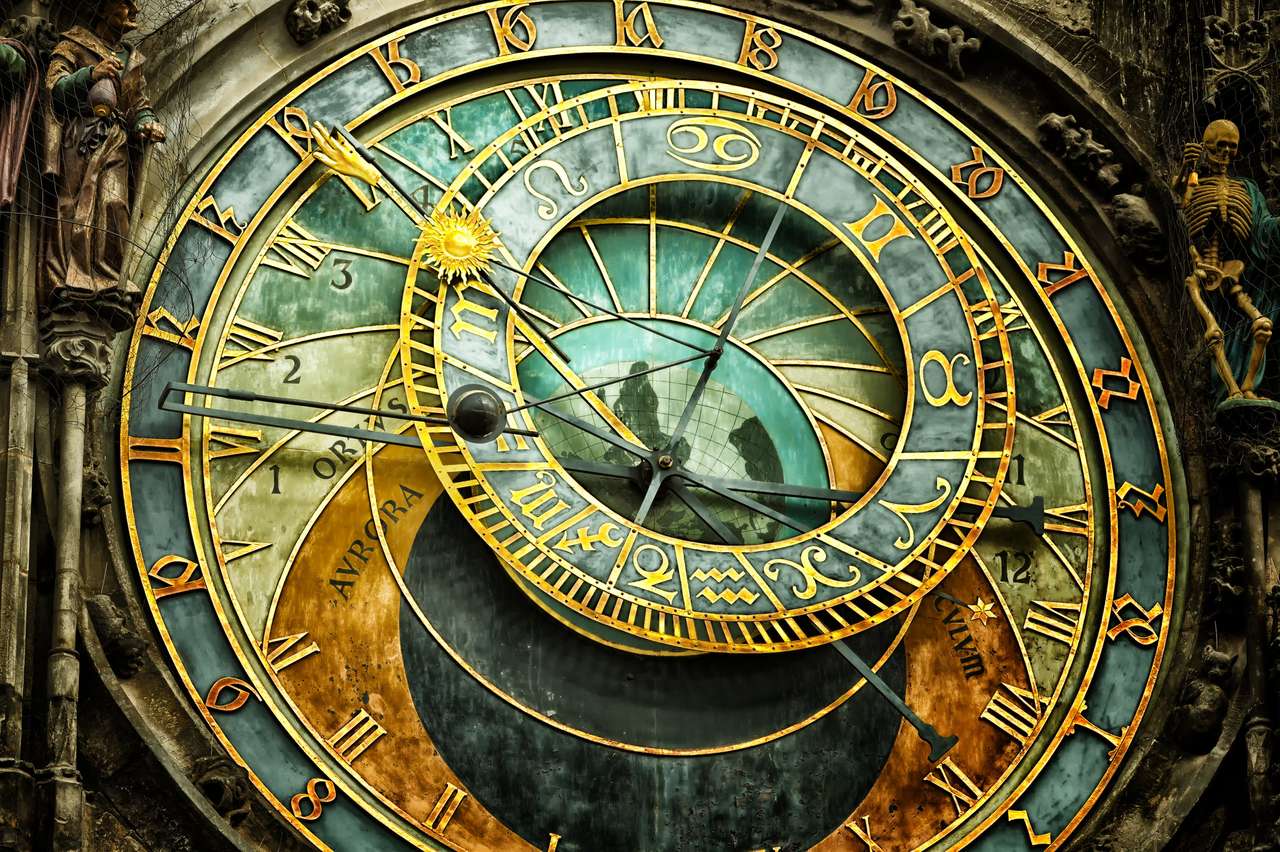
astronomical clock in the Old Town in Prague puzzle online from photo
247astronomical clock in the Old Town in Praguesolved 276 times
Solve puzzle
threads puzzle online from photo
100threadssolved 275 times
Solve puzzle
Space Planet puzzle online from photo
48Space Planetsolved 274 times
Solve puzzle
missingpiece puzzle online from photo
750missingpiecesolved 271 times
Solve puzzle
rhrhdbddbb puzzle online from photo
121rhrhdbddbbsolved 270 times
Solve puzzle
plates online puzzle
196platessolved 264 times
Solve puzzle
hyjreessf online puzzle
48hyjreessfsolved 262 times
Solve puzzle
Zodiac puzzle online from photo
108Zodiacsolved 255 times
Solve puzzle
Peintures online puzzle
99Peinturessolved 248 times
Solve puzzle
Prova puzzle online from photo
15Provasolved 248 times
Solve puzzle
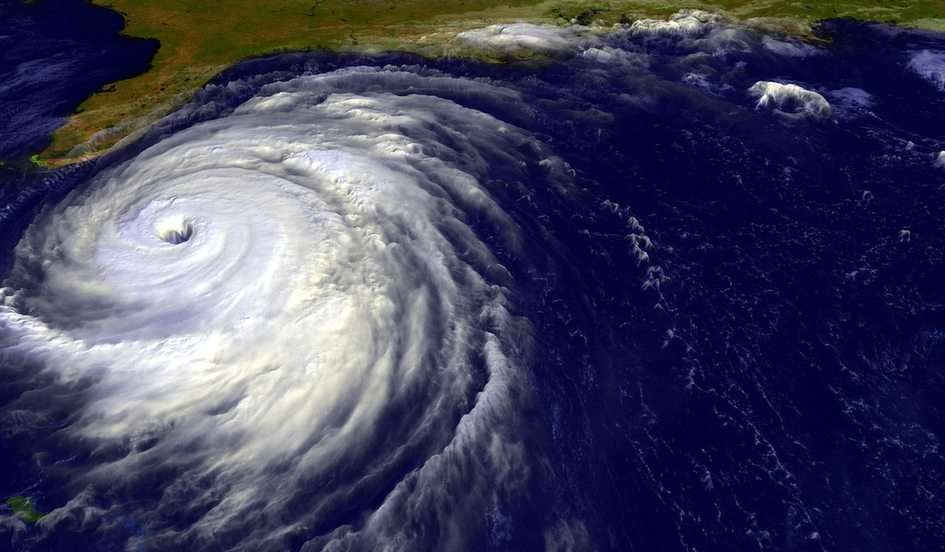
Hurricane online puzzle
15Hurricanesolved 241 times
Solve puzzle
In the aquarium puzzle online from photo
20In the aquariumsolved 240 times
Solve puzzle
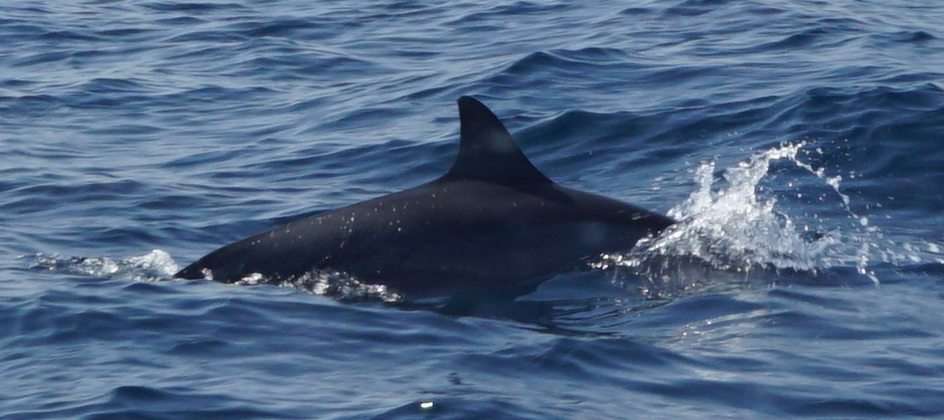
Dolphin online puzzle
32Dolphinsolved 235 times
Solve puzzle
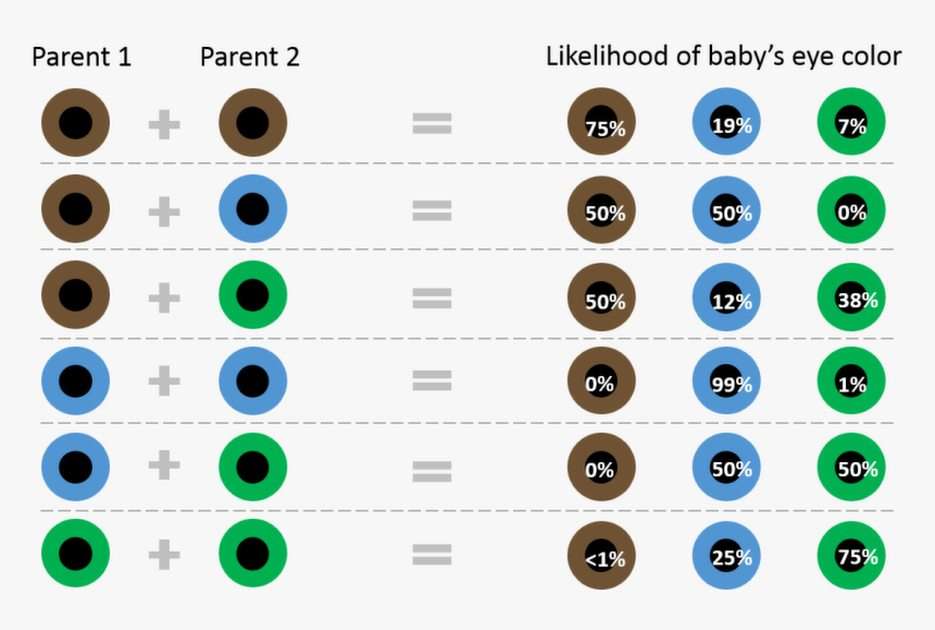
Eye Color Chart online puzzle
15Eye Color Chartsolved 231 times
Solve puzzle
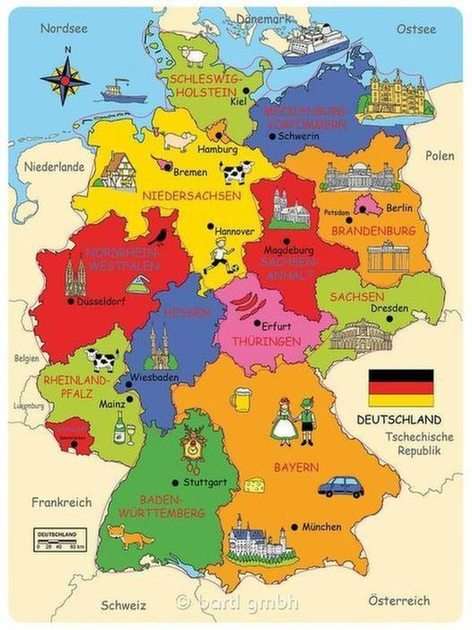
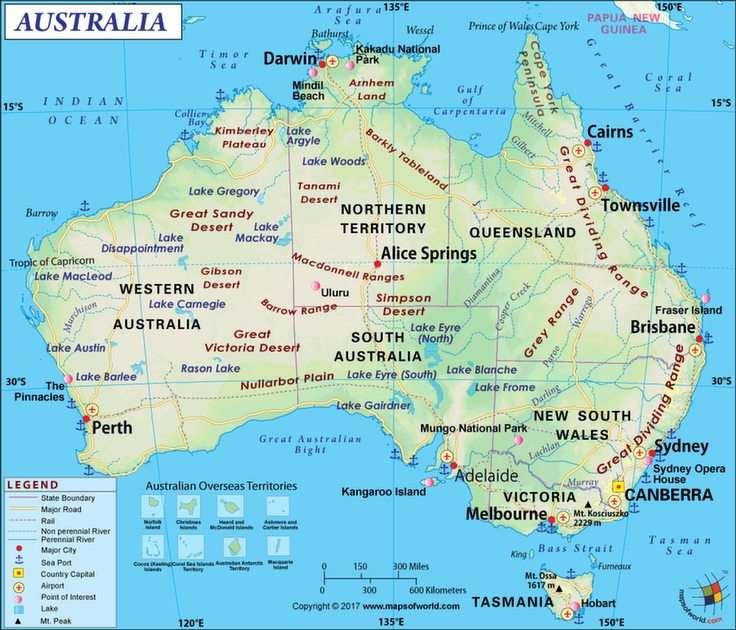
Deutschland - Karte online puzzle
48Deutschland - Kartesolved 227 times
Solve puzzle
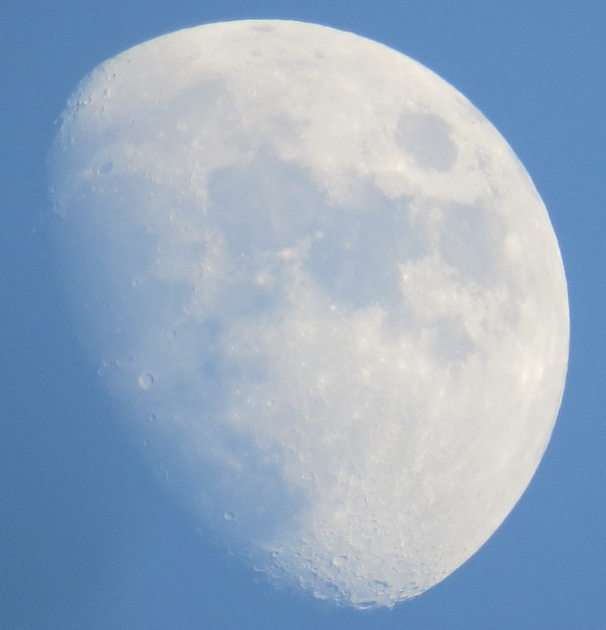
Moon puzzle online from photo
36Moonsolved 226 times
Solve puzzle
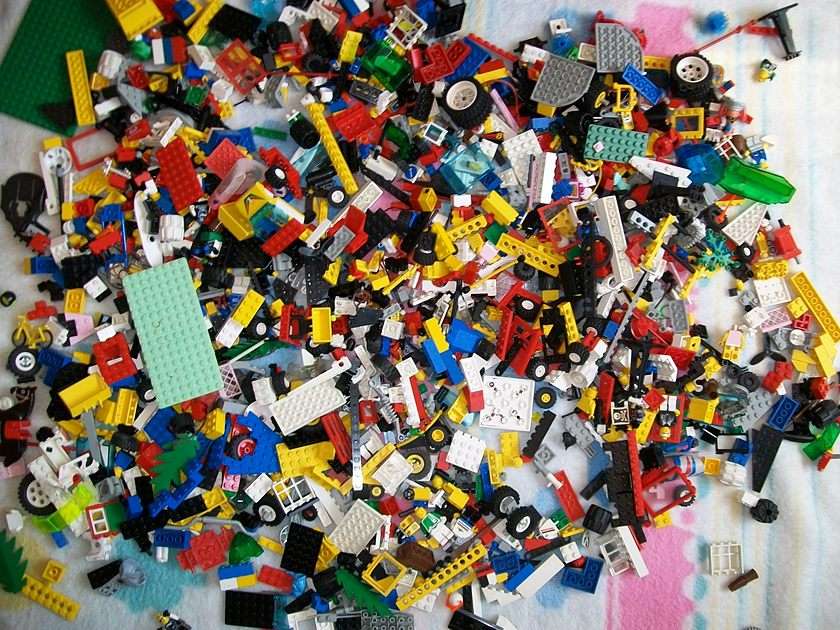
LEGO BRICKS puzzle online from photo
225LEGO BRICKSsolved 224 times
Solve puzzle
fairytale night online puzzle
112fairytale nightsolved 223 times
Solve puzzle
Aquarium online puzzle
35Aquariumsolved 214 times
Solve puzzle
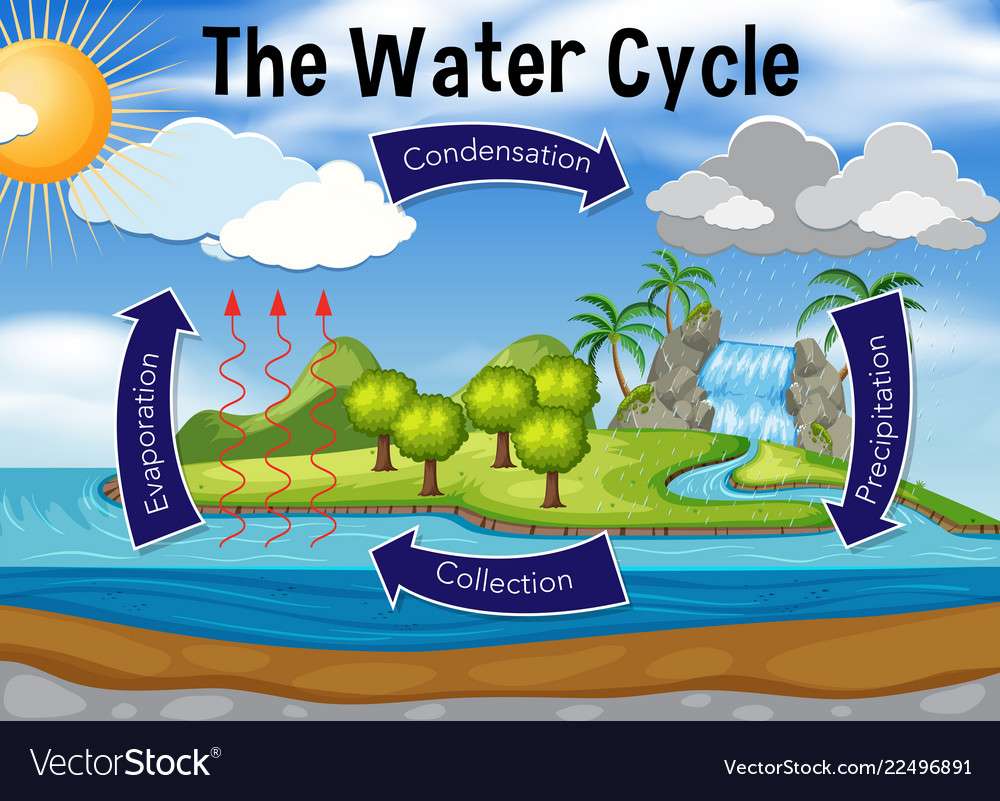
Water Cycle online puzzle
16Water Cyclesolved 214 times
Solve puzzle
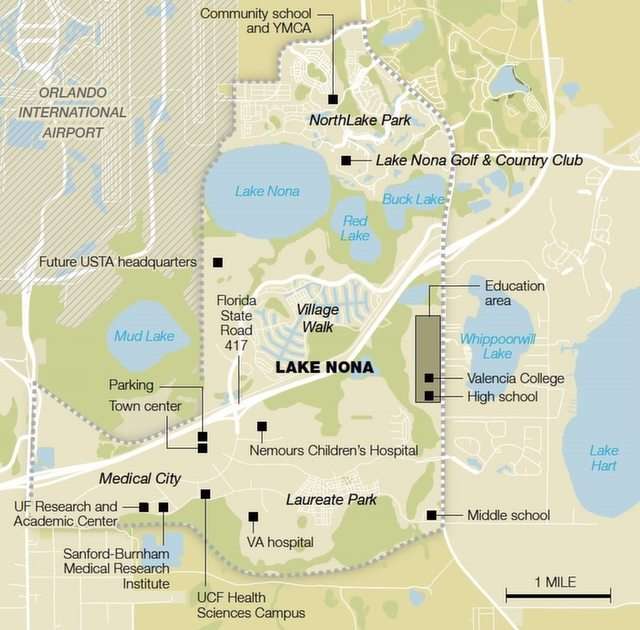
Map of Lake Nona Area online puzzle
48Map of Lake Nona Areasolved 211 times
Solve puzzle
spring6 online puzzle
15spring6solved 211 times
Solve puzzle
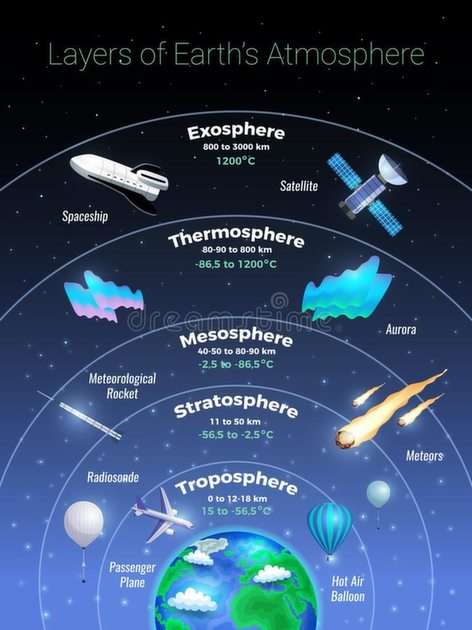
Layers of the Atmosphere online puzzle
48Layers of the Atmospheresolved 211 times
Solve puzzle
laboratory online puzzle
15laboratorysolved 205 times
Solve puzzle
Digikids - Digi and Space Adventure online puzzle
60Digikids - Digi and Space Adventuresolved 198 times
Solve puzzle
solar system puzzle online from photo
15solar systemsolved 197 times
Solve puzzle
Earth puzzle online from photo
15Earthsolved 194 times
Solve puzzle
water 1 online puzzle
35water 1solved 190 times
Solve puzzle
In the aquarium online puzzle
20In the aquariumsolved 186 times
Solve puzzle
Aquarium fish online puzzle
252Aquarium fishsolved 186 times
Solve puzzle
Ggwp end online puzzle
48Ggwp endsolved 184 times
Solve puzzle
Moon online puzzle
15Moonsolved 184 times
Solve puzzle
The Atom puzzle online from photo
48The Atomsolved 183 times
Solve puzzle
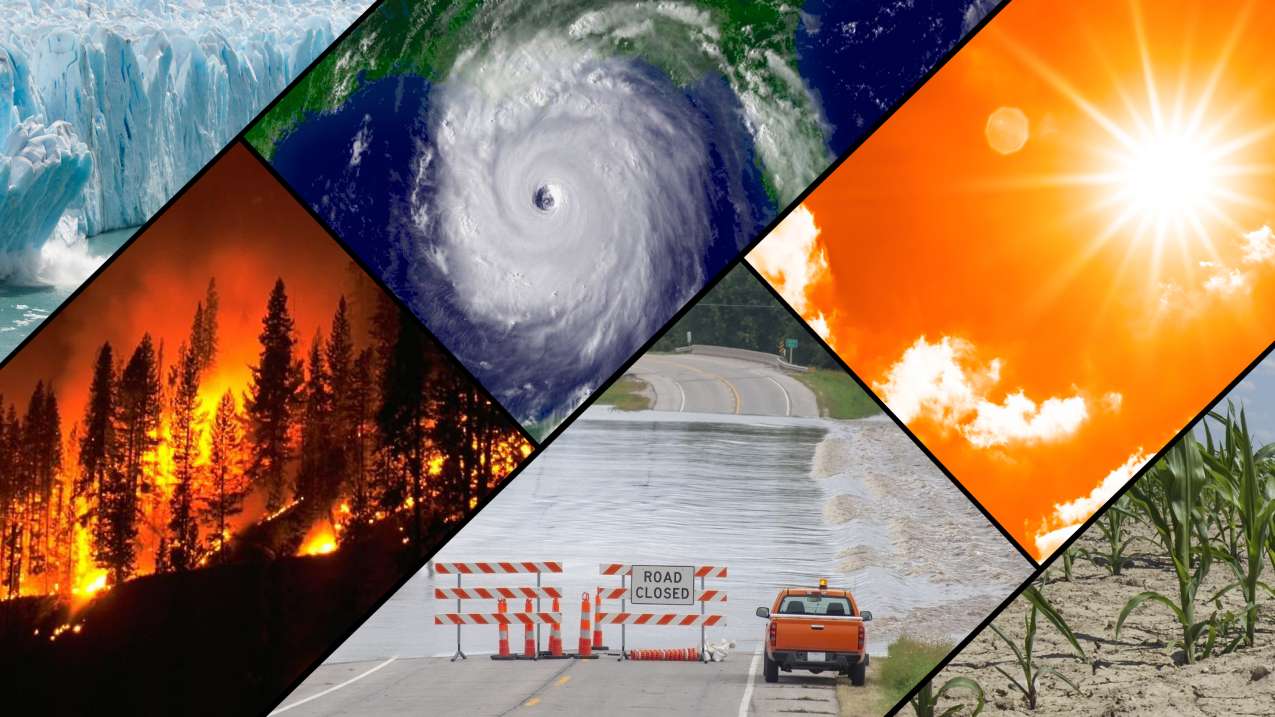
climate change puzzle online from photo
144climate changesolved 182 times
Solve puzzle
Bottles puzzle online from photo
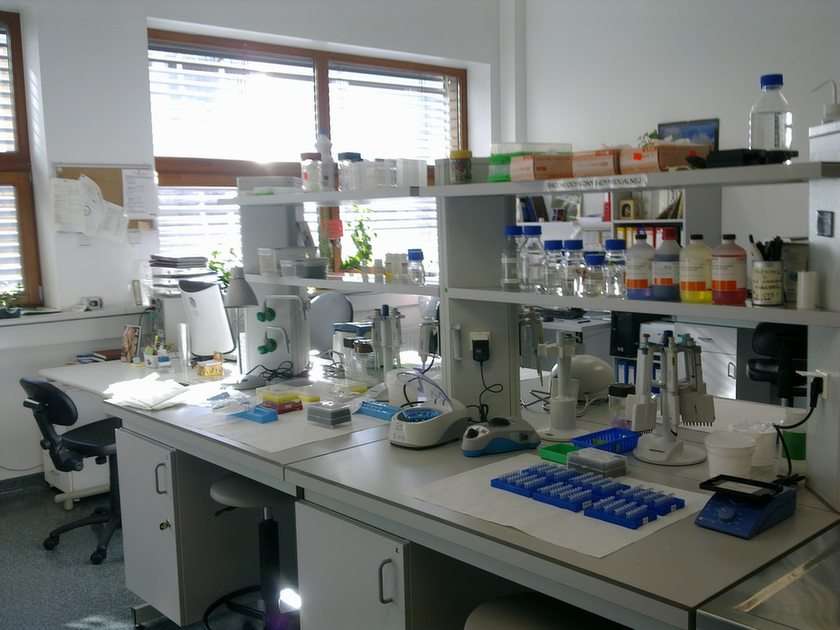
35Bottlessolved 181 times
Solve puzzle
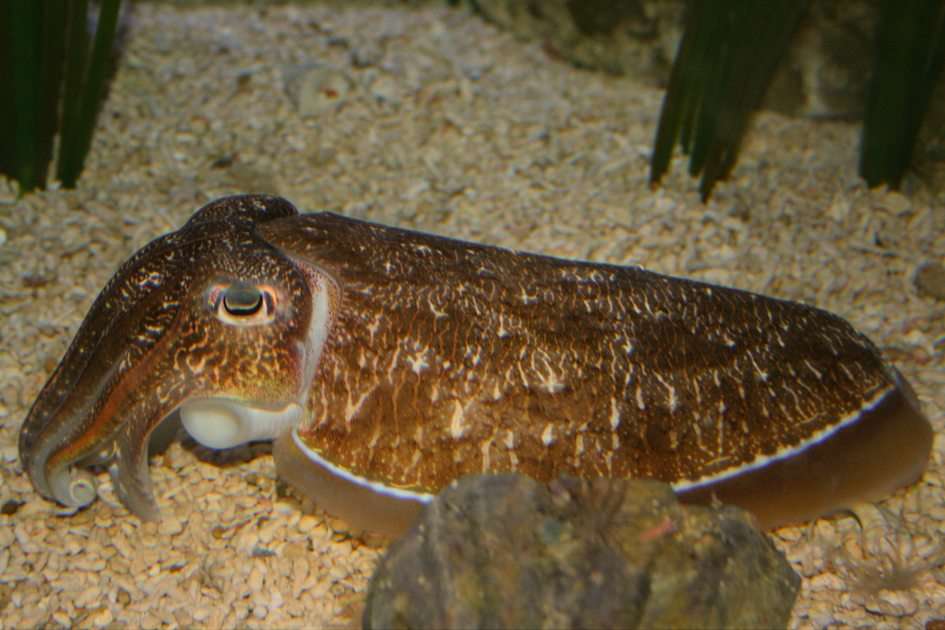
cuttlefish online puzzle
15cuttlefishsolved 177 times
Solve puzzle
Scilit online puzzle
20Scilitsolved 177 times
Solve puzzle
Sonar & Rêver & Dreaming puzzle online from photo
16Sonar & Rêver & Dreamingsolved 176 times
Solve puzzle
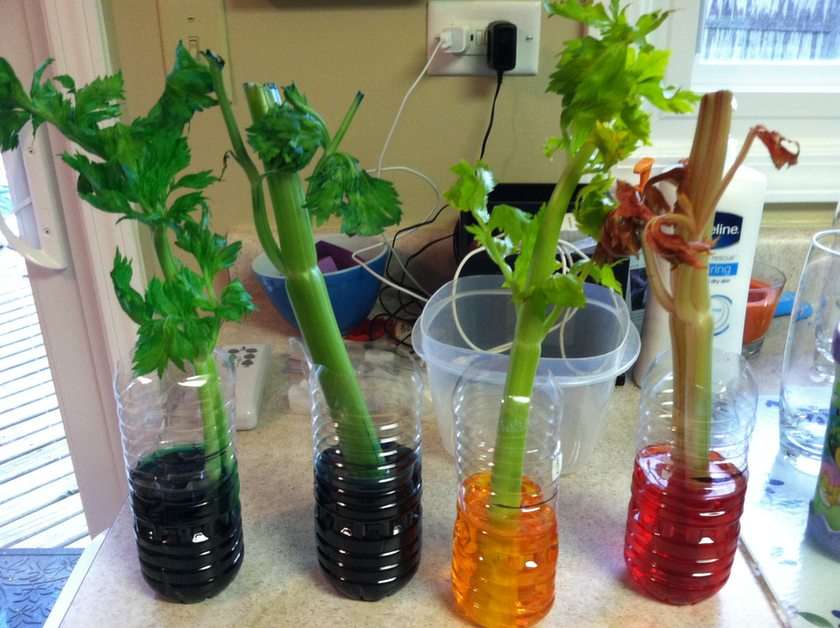
Science project photo online puzzle
24Science project photosolved 175 times
Solve puzzle
abstract colorful organic bubbles puzzle online from photo
96abstract colorful organic bubblessolved 173 times
Solve puzzle
Raimivisefed puzzle online from photo
16Raimivisefedsolved 170 times
Solve puzzle
my fish online puzzle
60my fishsolved 167 times
Solve puzzle
Sous la mer puzzle online from photo
35Sous la mersolved 167 times
Solve puzzle
Biotechnology online puzzle
20Biotechnologysolved 166 times
Solve puzzle

Online puzzle Science

Science

Science is a neutral, rigorous, systematic endeavor that builds and organizes knowledge in the form of testable explanations and predictions about the universe. Modern science is typically divided into three major branches: natural sciences (e.g., biology, chemistry, and physics), which study the physical world; the social sciences (e.g., economics, psychology, and sociology), which study individuals and societies; and the formal sciences (e.g., logic, mathematics, and theoretical computer science), which study formal systems, governed by axioms and rules. There is disagreement whether the formal sciences are science disciplines, because they do not rely on empirical evidence. Applied sciences are disciplines that use scientific knowledge for practical purposes, such as in engineering and medicine.The history of scientific discipline spans the majority of the historical record, with the earliest written records of identifiable predecessors to modern science dating to Bronze Age Egypt and Mesopotamia from around 3000 to 1200 BCE. Their contributions to mathematics, astronomy, and medicine entered and shaped the Greek natural philosophy of classical antiquity, whereby formal attempts were made to provide explanations of events in the physical world based on natural causes, while further advancements, including the introduction of the Hindu–Arabic numeral system, were made during the Golden Age of India.: 12  Scientific research deteriorated in these regions after the fall of the Western Roman Empire and Gupta empire during the early middle ages (400 to 1000 CE,) but was preserved and expanded upon in the Middle East during the Islamic Golden Age and later by the efforts of Byzantine Greek scholars who brought Greek manuscripts from the dying Byzantine Empire to Western Europe in the Renaissance.

The recovery and assimilation of Greek works and Islamic inquiries into Western Europe from the 10th to 13th century revived "natural philosophy", which was later transformed by the Scientific Revolution that began in the 16th century as new ideas and discoveries departed from previous Greek conceptions and traditions. The scientific method soon played a greater role in knowledge creation and it was not until the 19th century that many of the institutional and professional features of science began to take shape, along with the changing of "natural philosophy" to "natural science".New knowledge in science is advanced by research from scientists who are motivated by curiosity about the world and a desire to solve problems. Contemporary scientific research is highly collaborative and is usually done by teams in academic and research institutions, government agencies, and companies. The practical impact of their work has led to the emergence of science policies that seek to influence the scientific enterprise by prioritizing the ethical and moral development of commercial products, armaments, health care, public infrastructure, and environmental protection.