Train - online puzzles
Fountain puzzle online from photo
72Fountainsolved 365 times
Solve puzzle
Cologne puzzle online from photo
48Colognesolved 364 times
Solve puzzle
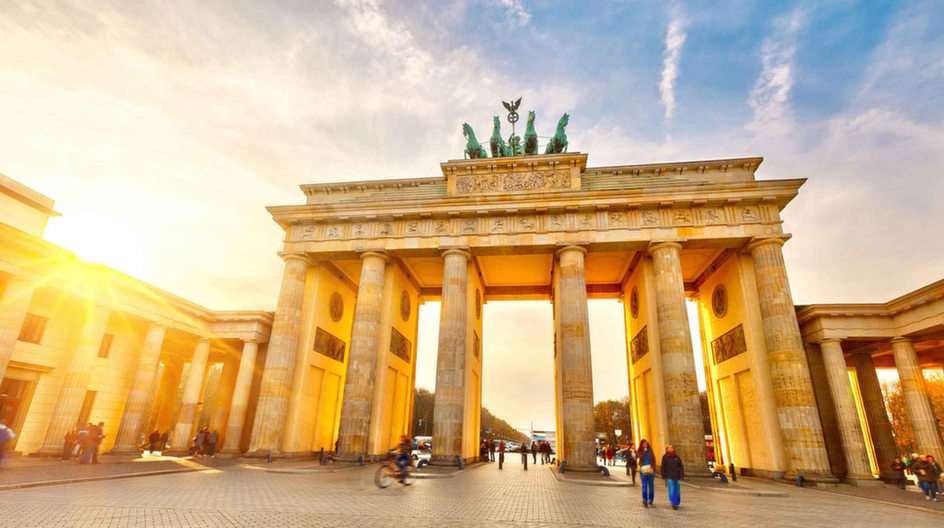
Berlin puzzle online from photo
32Berlinsolved 363 times
Solve puzzle
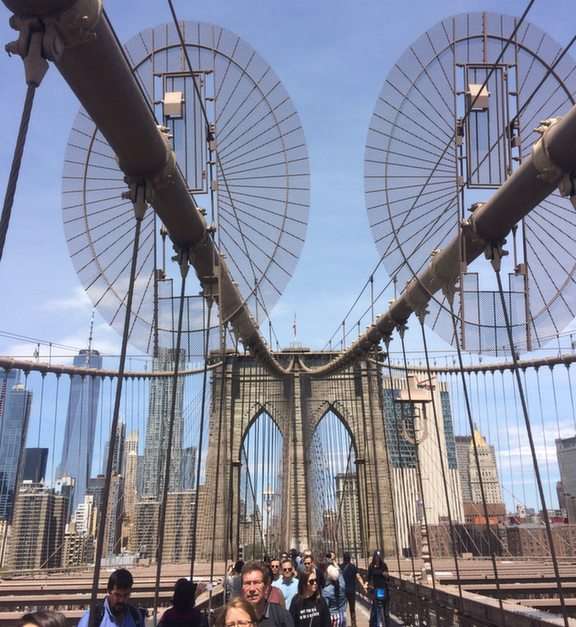
BRIDGE online puzzle
20BRIDGEsolved 363 times
Solve puzzle
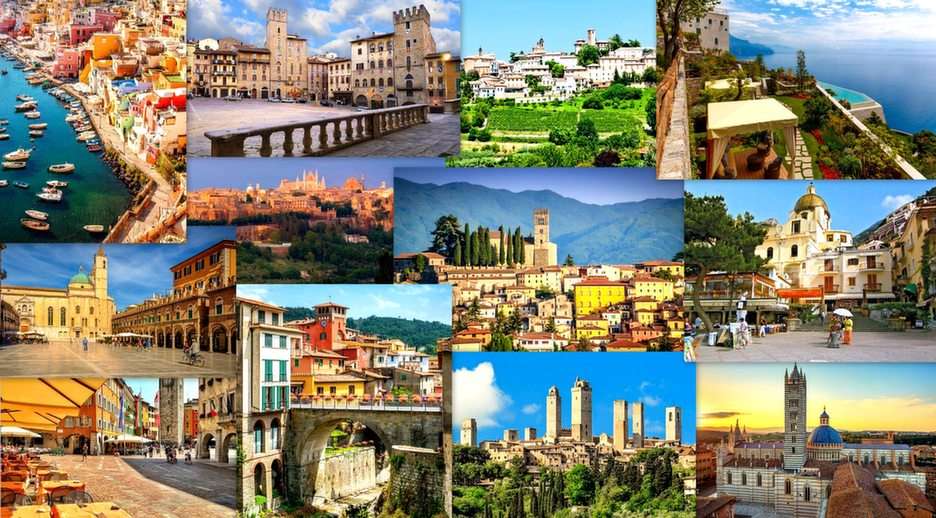
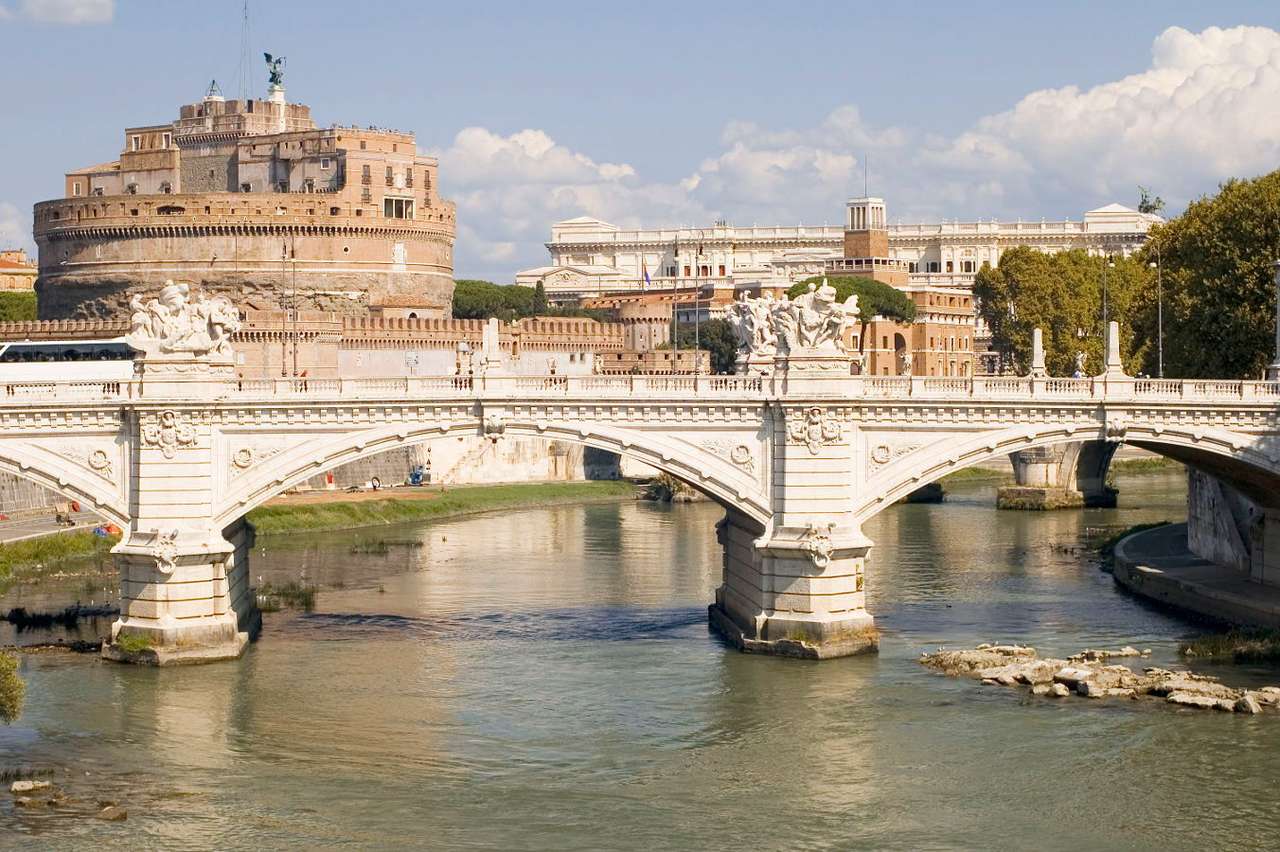
charms of Italy puzzle online from photo
180charms of Italysolved 363 times
Solve puzzle
Haut-Clocher France online puzzle
63Haut-Clocher Francesolved 362 times
Solve puzzle
locks online puzzle
45lockssolved 362 times
Solve puzzle
jom main game online puzzle
30jom main gamesolved 362 times
Solve puzzle
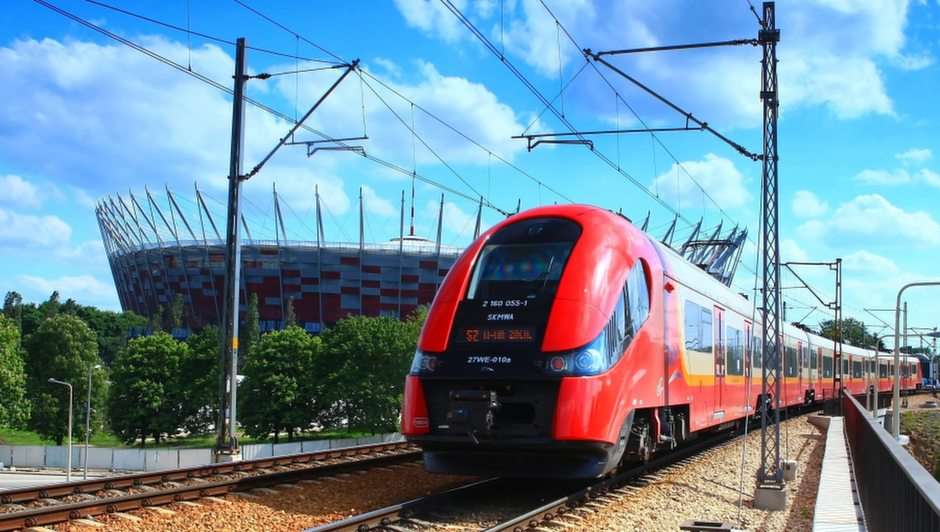
Warsaw Skm puzzle online from photo
70Warsaw Skmsolved 360 times
Solve puzzle
Winter collage puzzle online from photo
112Winter collagesolved 360 times
Solve puzzle
Festive online puzzle
24Festivesolved 360 times
Solve puzzle
mùdfkfggfmklùjglkfd online puzzle
112mùdfkfggfmklùjglkfdsolved 360 times
Solve puzzle
Rotterdam motorway A15 online puzzle
176Rotterdam motorway A15solved 359 times
Solve puzzle
stadium online puzzle
36stadiumsolved 358 times
Solve puzzle
Inn online puzzle
20Innsolved 358 times
Solve puzzle
Selyshche Zalissya online puzzle
77Selyshche Zalissyasolved 357 times
Solve puzzle
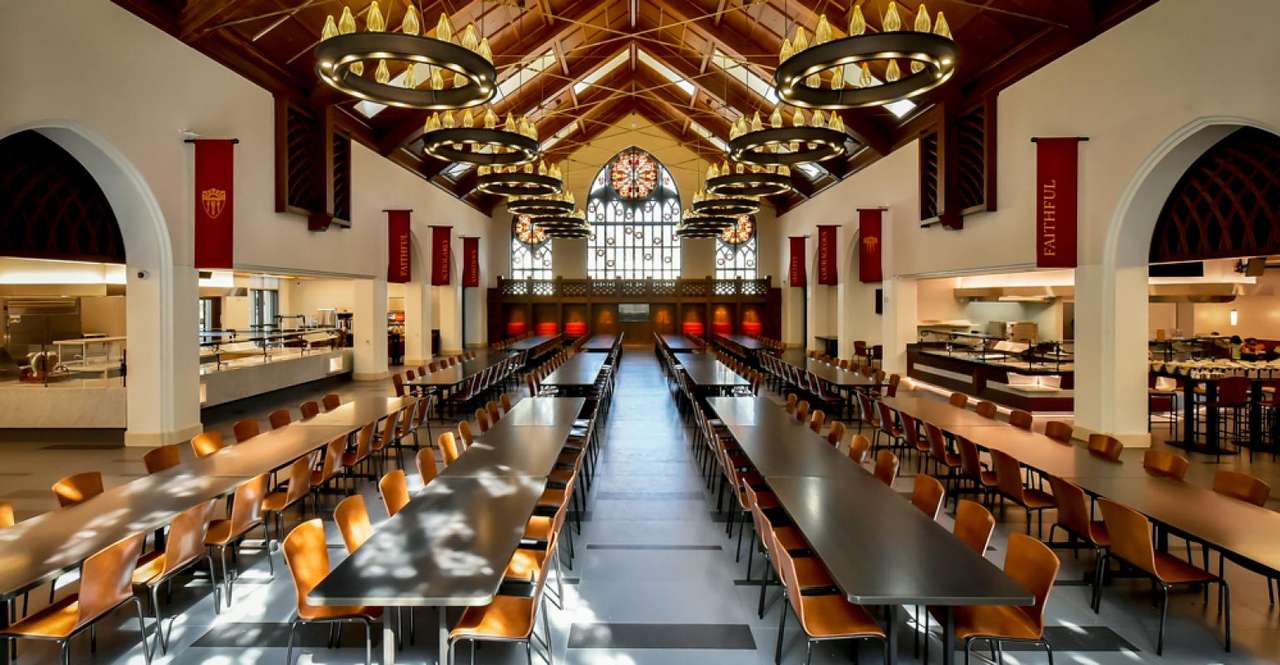
Dining Hall puzzle online from photo
28Dining Hallsolved 355 times
Solve puzzle
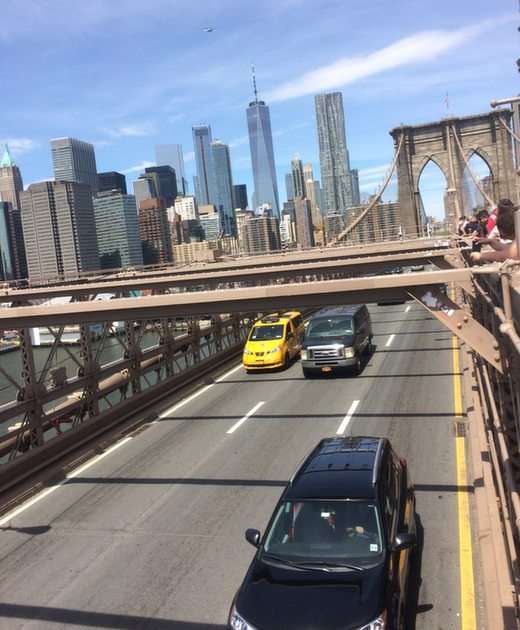
New York online puzzle
20New Yorksolved 354 times
Solve puzzle
Easter collage puzzle online from photo
252Easter collagesolved 353 times
Solve puzzle
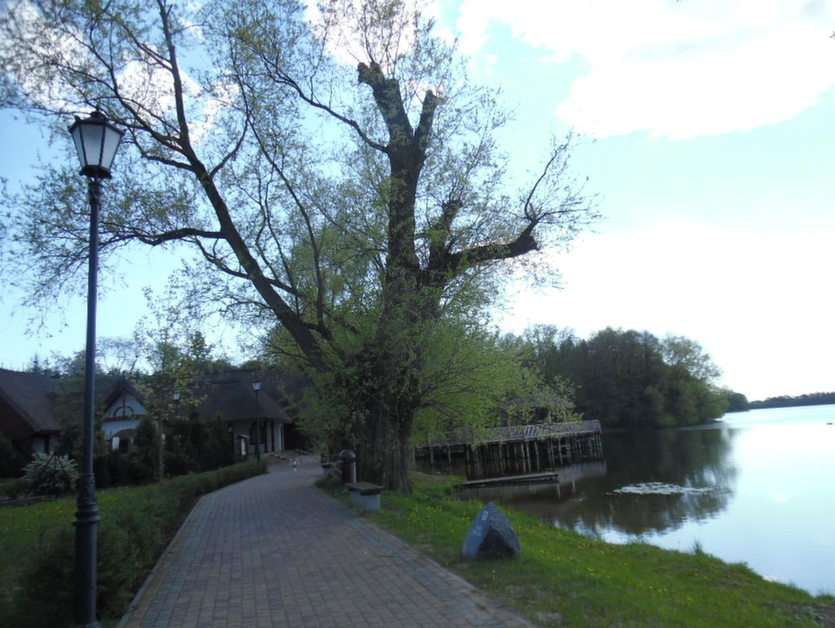
Bory Tucholskie puzzle online from photo
20Bory Tucholskiesolved 352 times
Solve puzzle
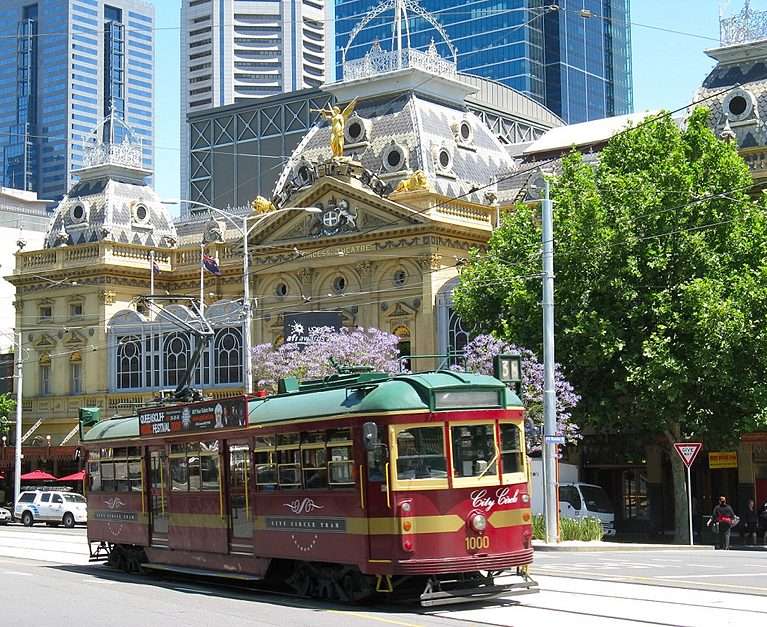
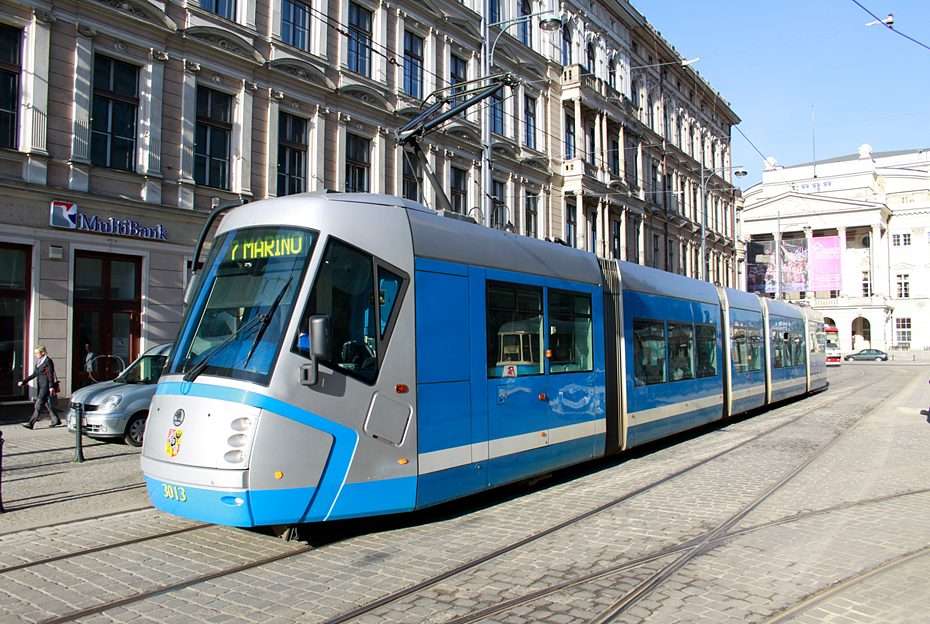
Melbourne tram puzzle online from photo
143Melbourne tramsolved 351 times
Solve puzzle
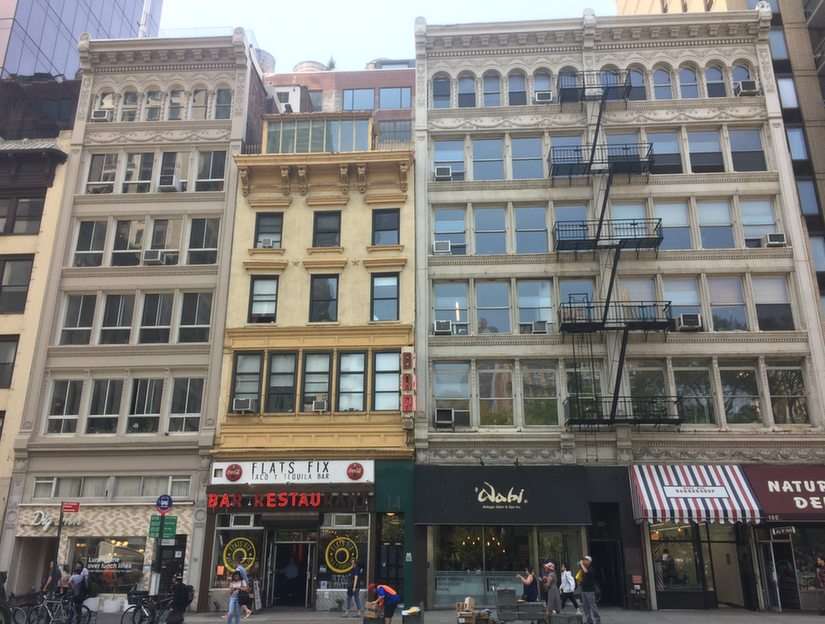
New York puzzle online from photo
20New Yorksolved 351 times
Solve puzzle
Škoda 16 T puzzle online from photo
80Škoda 16 Tsolved 350 times
Solve puzzle
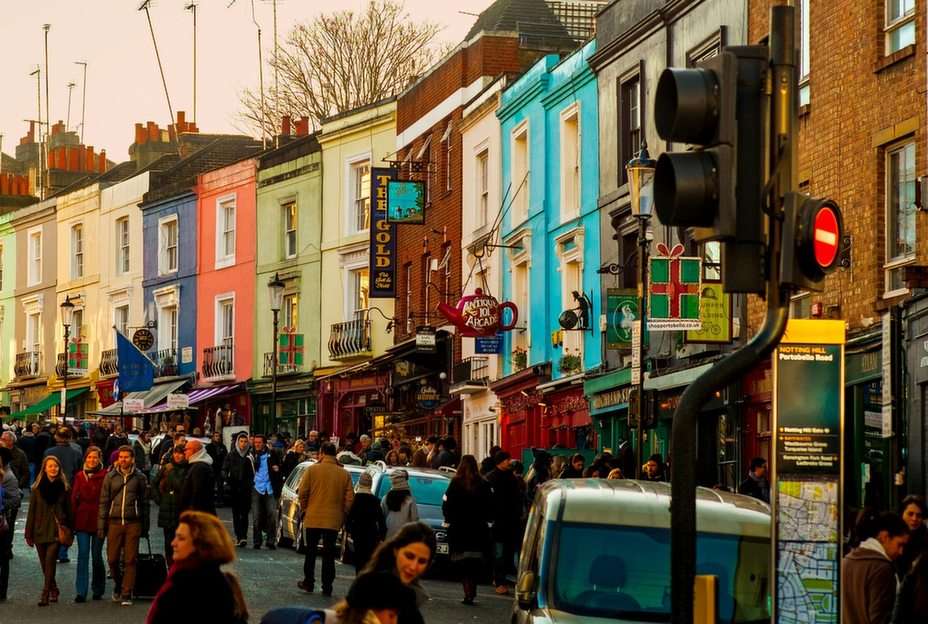
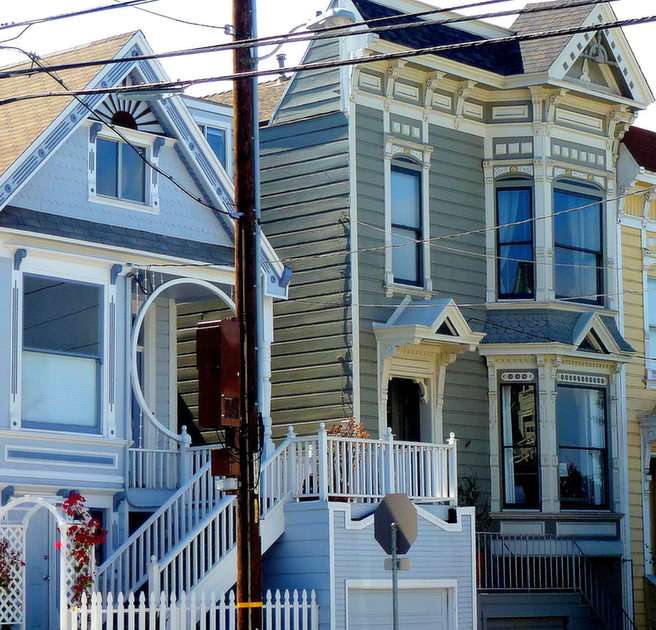
Portobello Road puzzle online from photo
192Portobello Roadsolved 350 times
Solve puzzle
Baikal online puzzle
25Baikalsolved 350 times
Solve puzzle
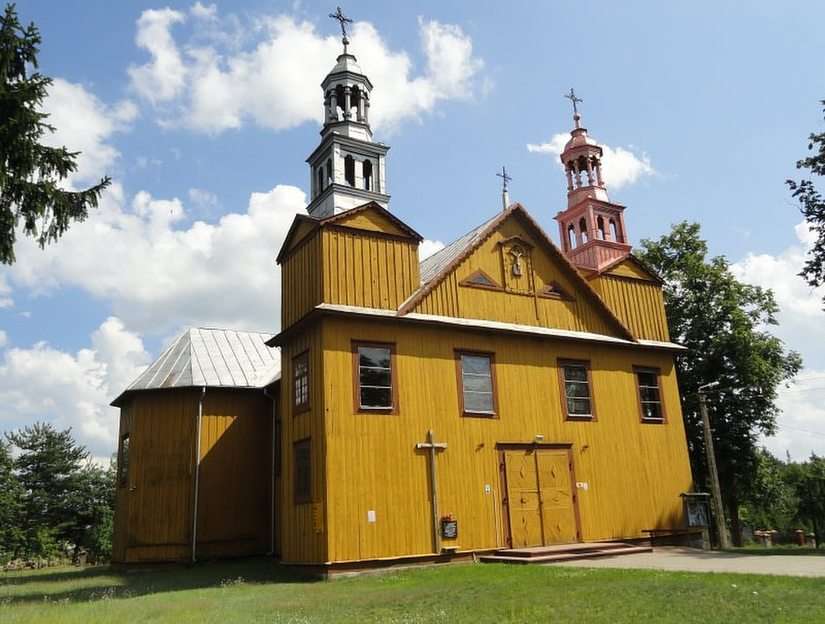
St. Anna in Dąbrówka puzzle online from photo
88St. Anna in Dąbrówkasolved 349 times
Solve puzzle
Elevation puzzle online from photo
224Elevationsolved 349 times
Solve puzzle
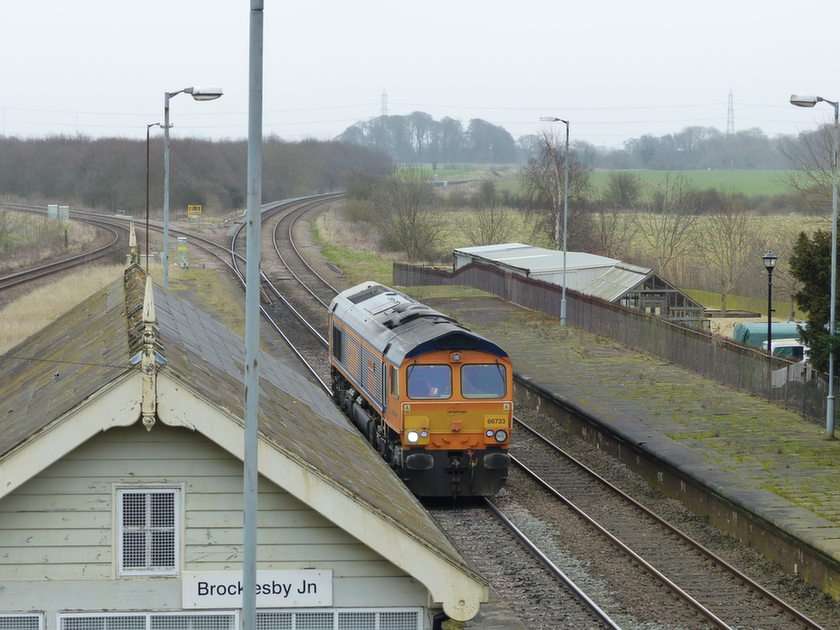
Class 66 puzzle online from photo
48Class 66solved 349 times
Solve puzzle
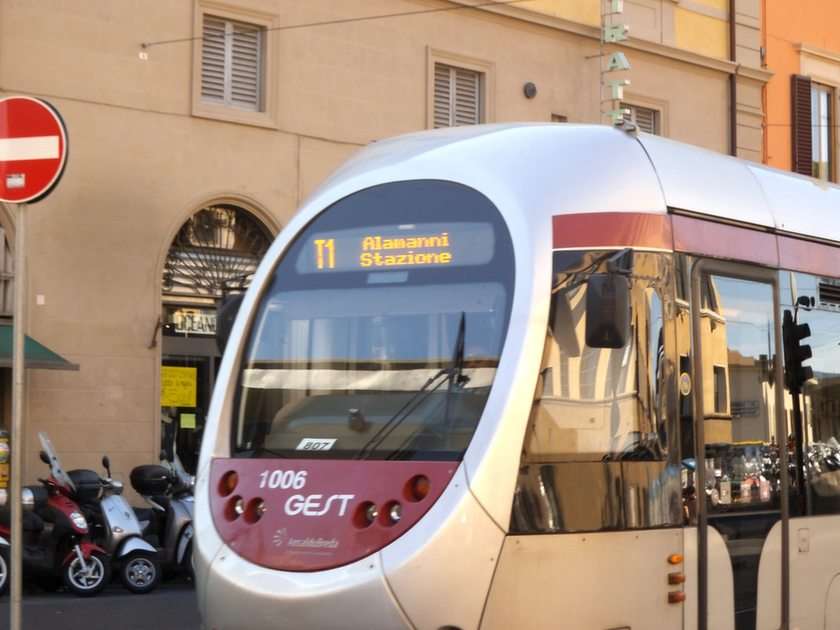
Tram -Florence puzzle online from photo
120Tram -Florencesolved 348 times
Solve puzzle
Holland Park in London online puzzle
80Holland Park in Londonsolved 348 times
Solve puzzle
PARK online puzzle
24PARKsolved 348 times
Solve puzzle
Borussia Dortmund Stadium puzzle online from photo
49Borussia Dortmund Stadiumsolved 347 times
Solve puzzle
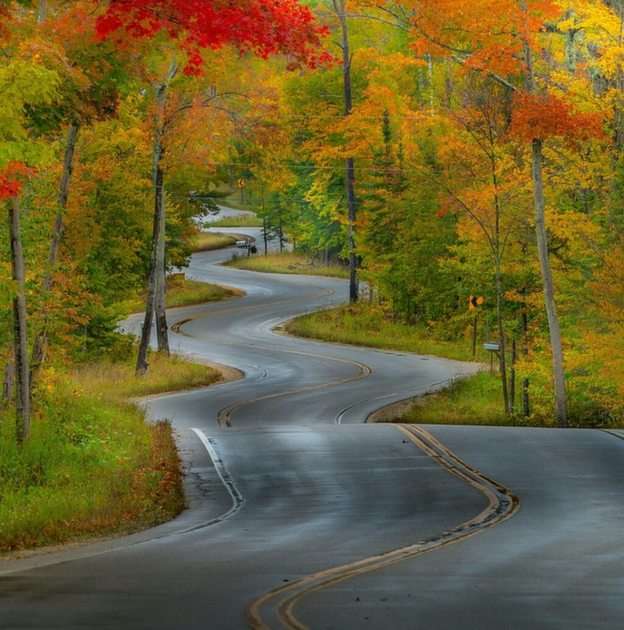
winding road puzzle online from photo
48winding roadsolved 347 times
Solve puzzle
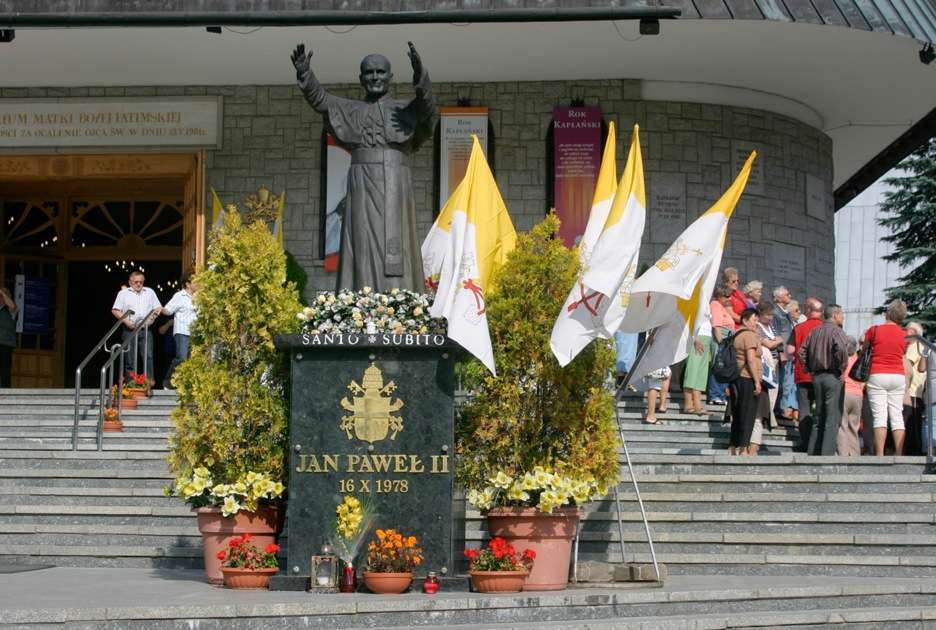
Monument to the Pope online puzzle
117Monument to the Popesolved 346 times
Solve puzzle
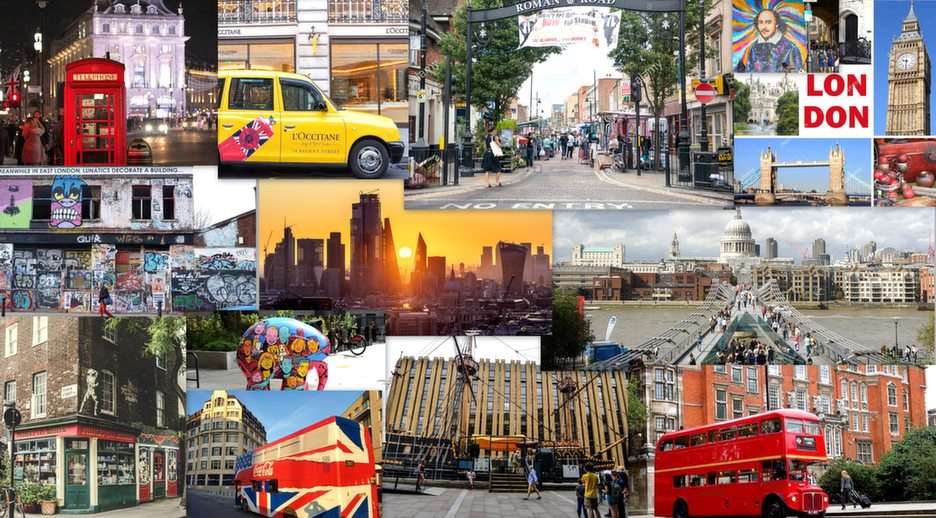
London collage online puzzle
252London collagesolved 346 times
Solve puzzle
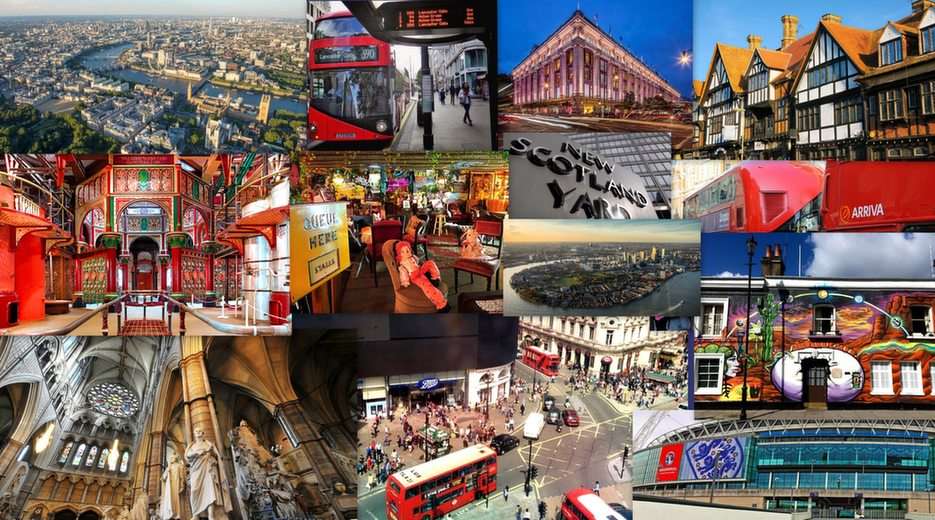
London collage puzzle online from photo
221London collagesolved 345 times
Solve puzzle
rail online puzzle
48railsolved 345 times
Solve puzzle
ferroviários puzzle online from photo
60ferroviáriossolved 344 times
Solve puzzle
Cetatea Sucevei online puzzle
60Cetatea Suceveisolved 344 times
Solve puzzle
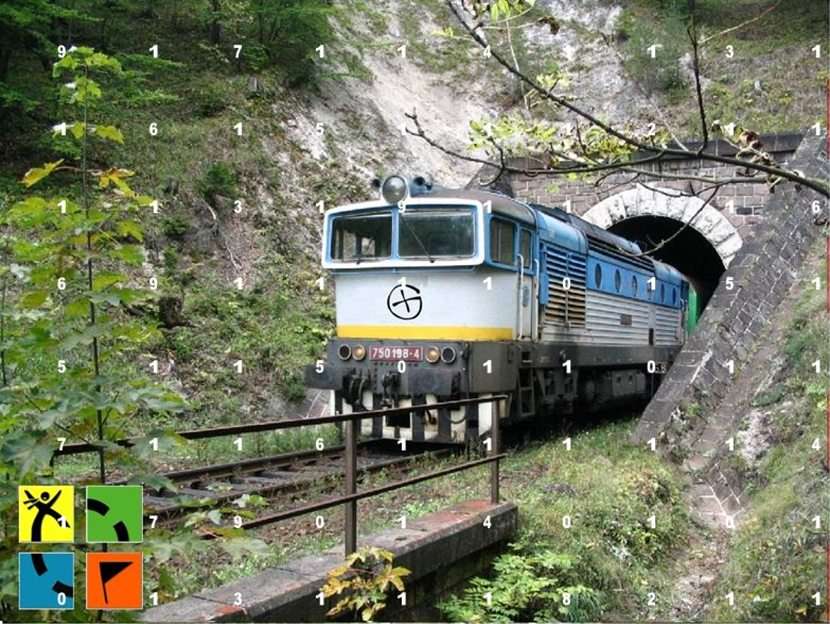
Z tunela do tunela puzzle online from photo
80Z tunela do tunelasolved 340 times
Solve puzzle
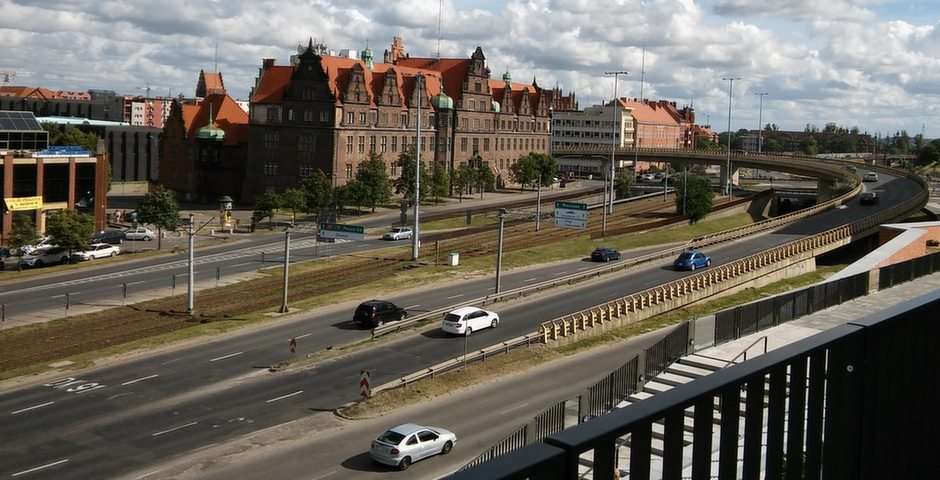
Gdansk online puzzle
28Gdansksolved 340 times
Solve puzzle
Shops online puzzle
20Shopssolved 340 times
Solve puzzle
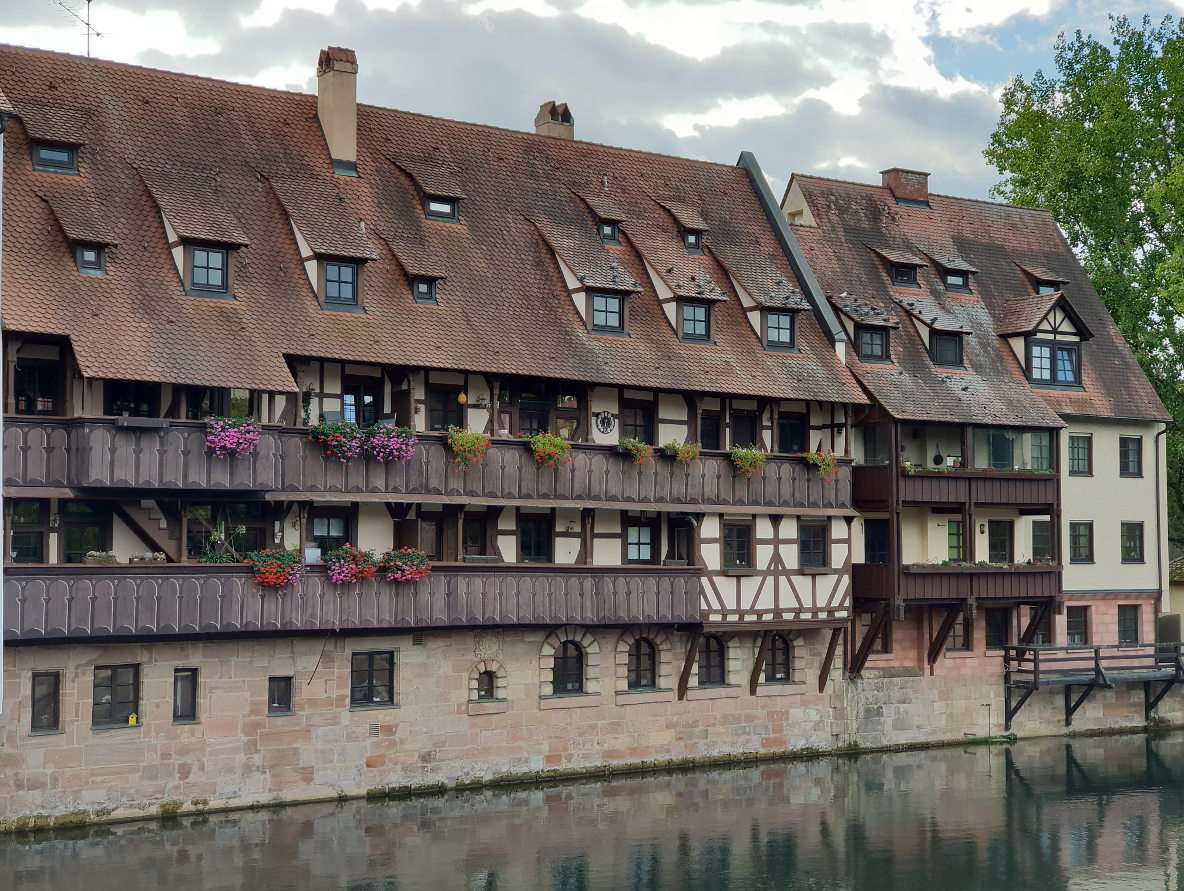
Buildings in the center of Nuremberg (Germany) puzzle online from photo
176Buildings in the center of Nuremberg (Germany)solved 339 times
Solve puzzle
train pkp online puzzle
48train pkpsolved 339 times
Solve puzzle
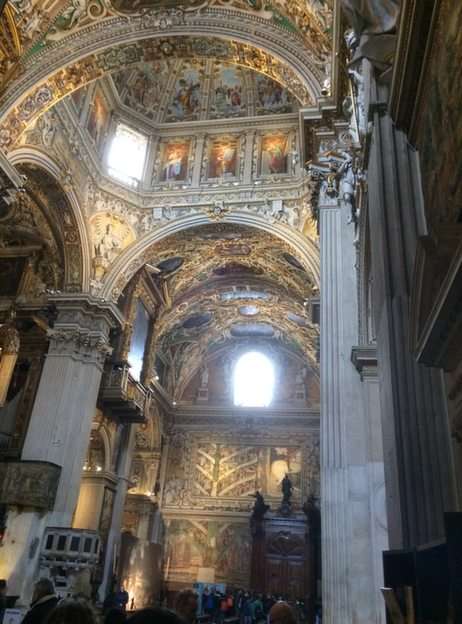
In the church online puzzle
24In the churchsolved 338 times
Solve puzzle
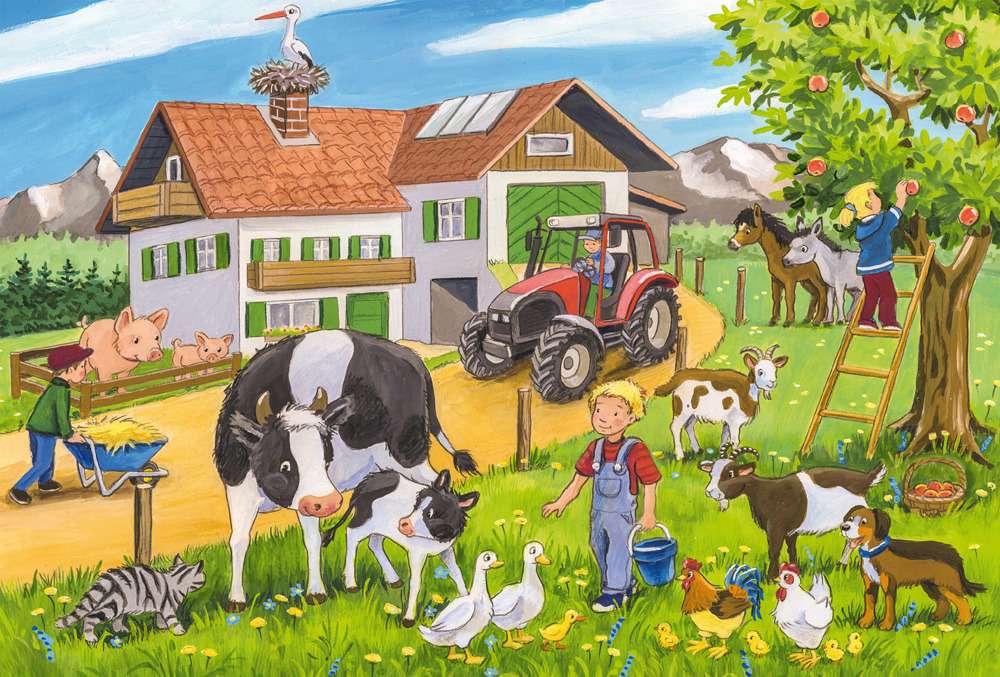
Puzzle for children puzzle online from photo
140Puzzle for childrensolved 338 times
Solve puzzle
kindycityjigsaw online puzzle
48kindycityjigsawsolved 338 times
Solve puzzle
Hot Springs puzzle online from photo
20Hot Springssolved 337 times
Solve puzzle

Online puzzle Train

Train

A train (from Old French trahiner, from Latin trahere, "to pull, to draw") is a series of connected vehicles that run along a railway track and transport people or freight. Trains are typically pulled or pushed by locomotives (often known simply as "engines"), though some are self-propelled, such as multiple units. Passengers and cargo are carried in railroad cars, also known as wagons. Trains are designed to a certain gauge, or distance between rails. Most trains operate on steel tracks with steel wheels, the low friction of which makes them more efficient than other forms of transport.
Trains have their roots in wagonways, which used railway tracks and were powered by horses or pulled by cables. Following the invention of the steam locomotive in the United Kingdom in 1804, trains rapidly spread around the world, allowing freight and passengers to move over land faster and cheaper than ever possible before. Rapid transit and trams were first built in the late 1800s to transport large numbers of people in and around cities. Beginning in the 1920s, and accelerating following World War II, diesel and electric locomotives replaced steam as the means of motive power. Following the development of cars, trucks, and extensive networks of highways which offered greater mobility, as well as faster airplanes, trains declined in importance and market share, and many rail lines were abandoned. The spread of buses led to the closure of many rapid transit and tram systems during this time as well.

Since the 1970s, governments, environmentalists, and train advocates have promoted increased use of trains due to their greater fuel efficiency and lower greenhouse gas emissions compared to other modes of land transport. High-speed rail, first built in the 1960s, has proven competitive with cars and planes over short to medium distances. Commuter rail has grown in importance since the 1970s as an alternative to congested highways and a means to promote development, as has light rail in the 21st century. Freight trains remain important for the transport of bulk commodities such as coal and grain, as well as being a means of reducing road traffic congestion by freight trucks.

While conventional trains operate on relatively flat tracks with two rails, a number of specialized trains exist which are significantly different in their mode of operation. Monorails operate on a single rail, while funiculars and rack railways are uniquely designed to traverse steep slopes. Experimental trains such as high speed maglevs, which use magnetic levitation to float above a guideway, are under development in the 2020s and offer higher speeds than even the fastest conventional trains. Trains which use alternative fuels such as natural gas and hydrogen are another 21st-century development.