Nature - Flower - online puzzles
Insect eaters puzzle online from photo
48Insect eaterssolved 169 times
Solve puzzle
Florist online puzzle
192Floristsolved 169 times
Solve puzzle
prick puzzle online from photo
48pricksolved 169 times
Solve puzzle
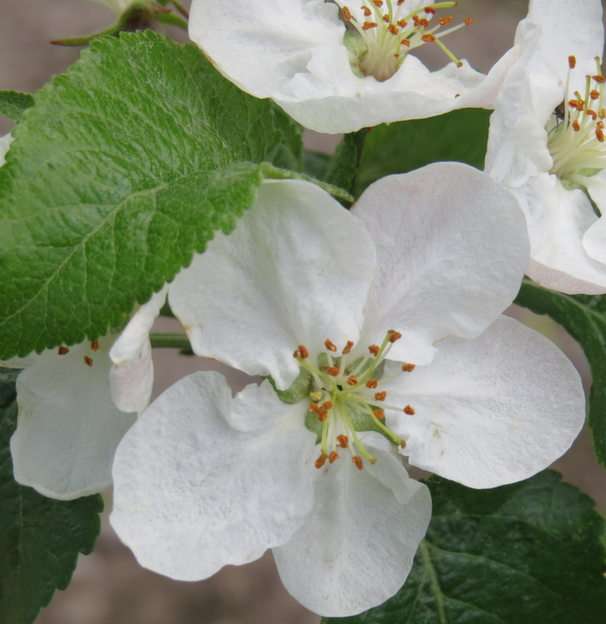
White flowers online puzzle
48White flowerssolved 169 times
Solve puzzle
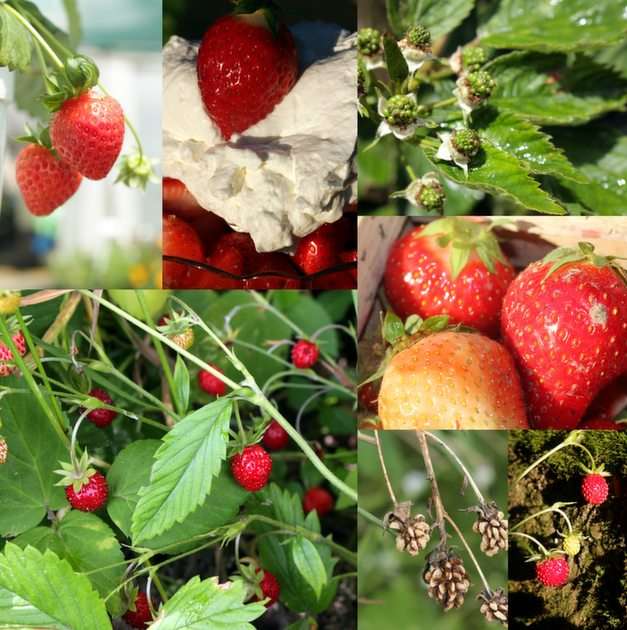
fruit online puzzle
110fruitsolved 169 times
Solve puzzle
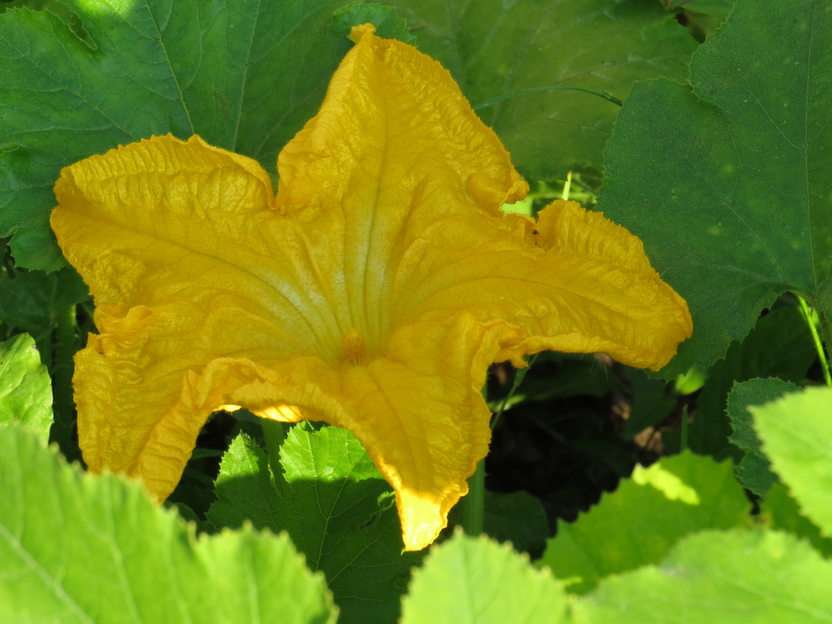
Pumpkin flower online puzzle
64Pumpkin flowersolved 169 times
Solve puzzle
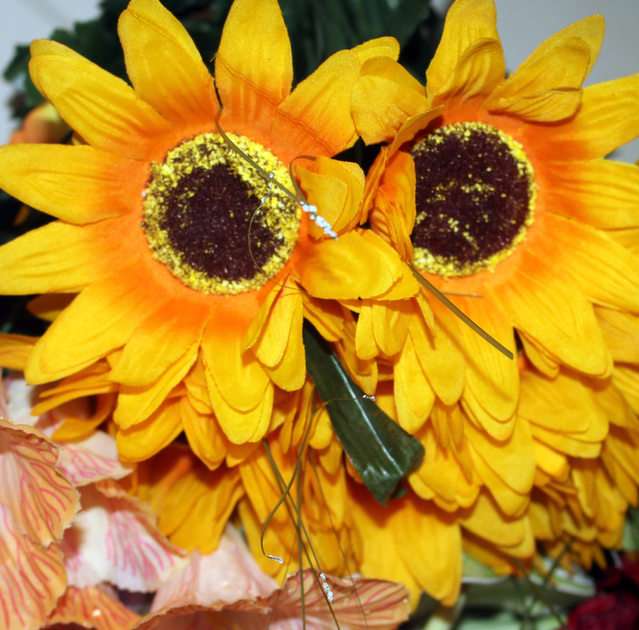
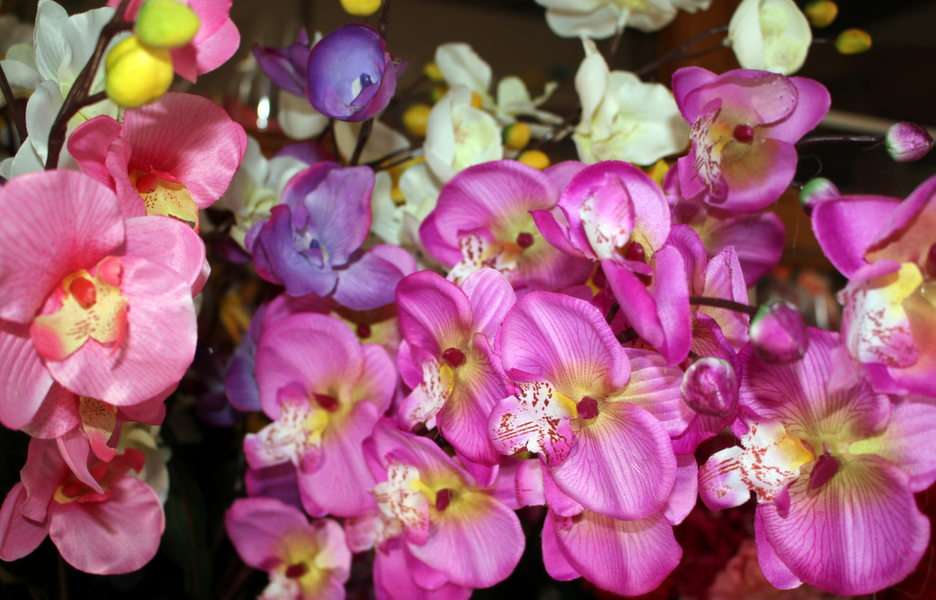
artificial flowers online puzzle
81artificial flowerssolved 169 times
Solve puzzle
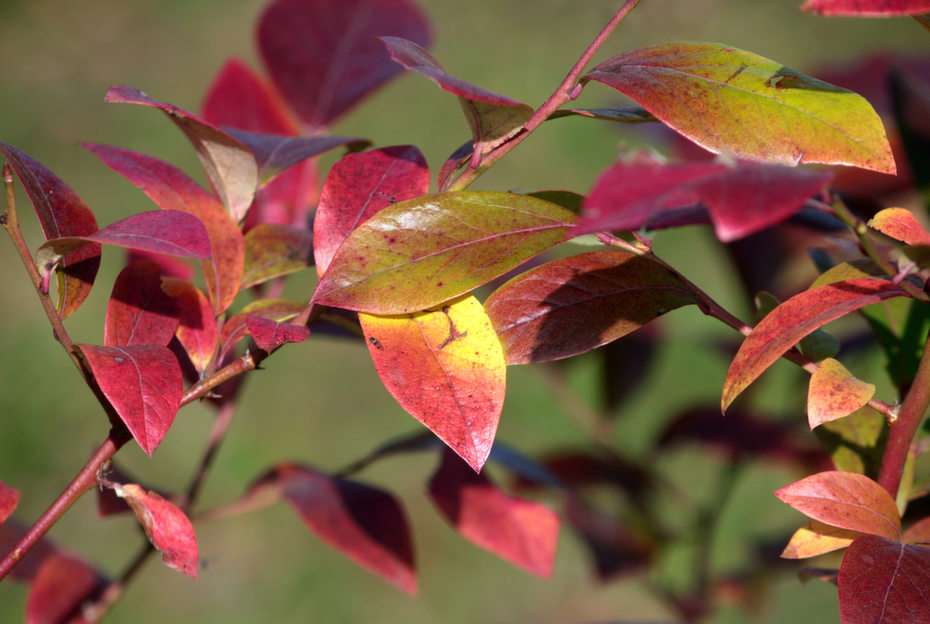
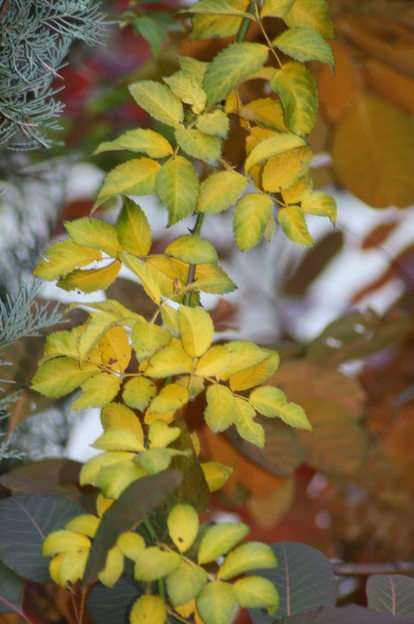
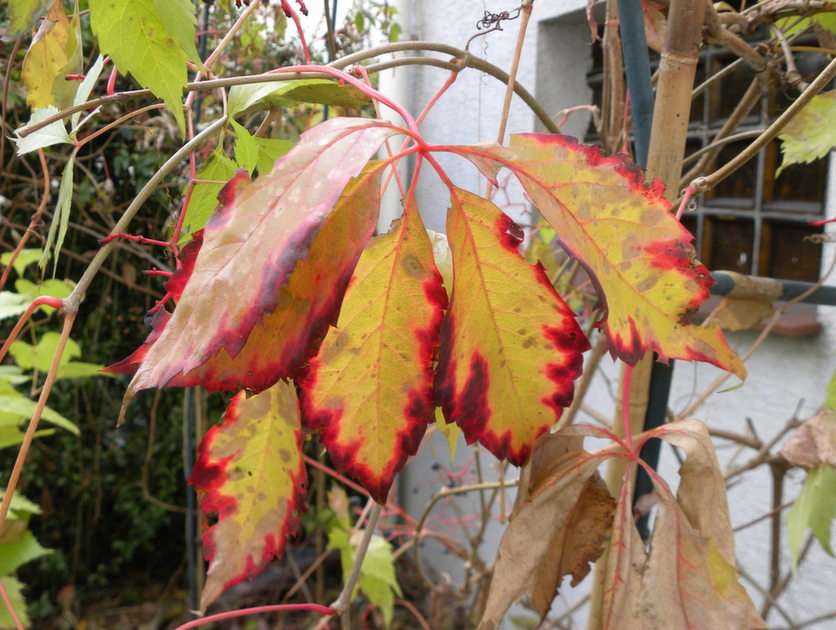
Autumn leaf online puzzle
266Autumn leafsolved 169 times
Solve puzzle
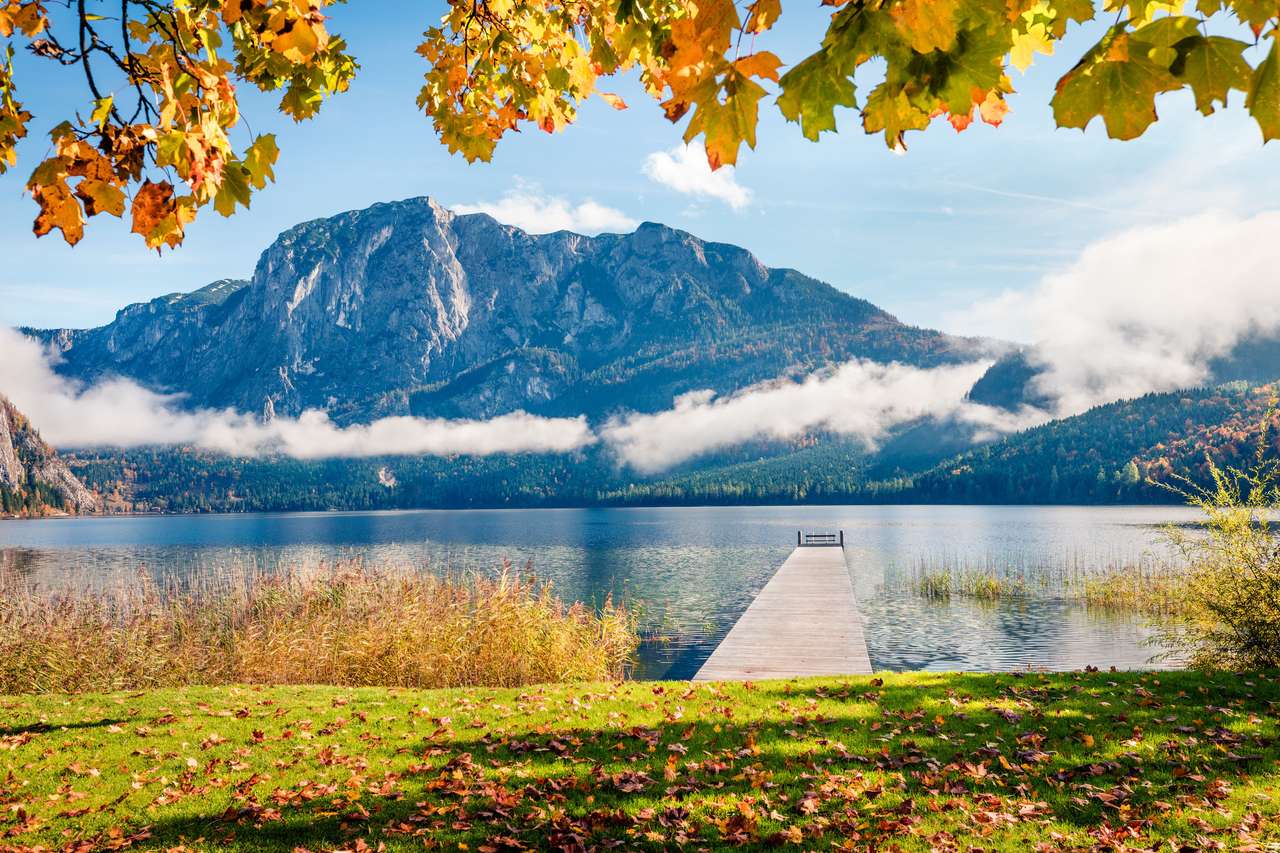
Scenary (lake, swan, bridge) puzzle online from photo
130Scenary (lake, swan, bridge)solved 169 times
Solve puzzle
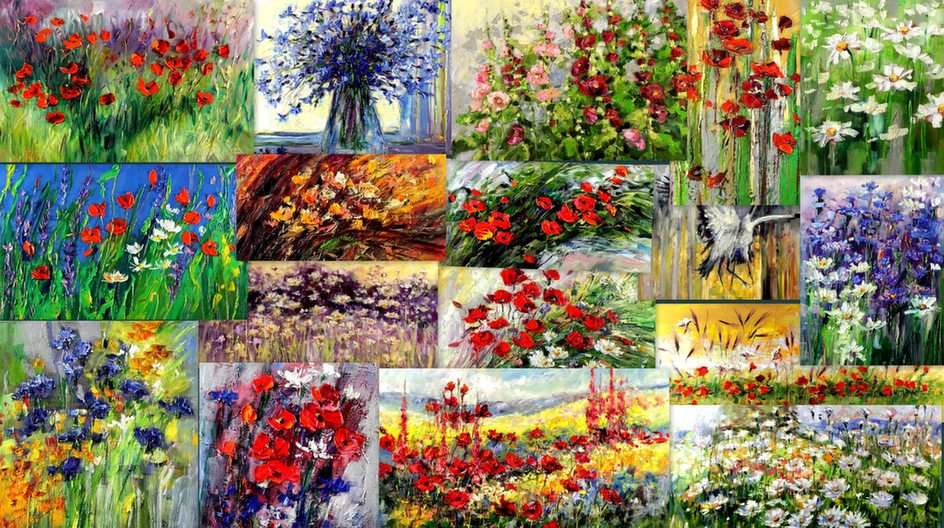
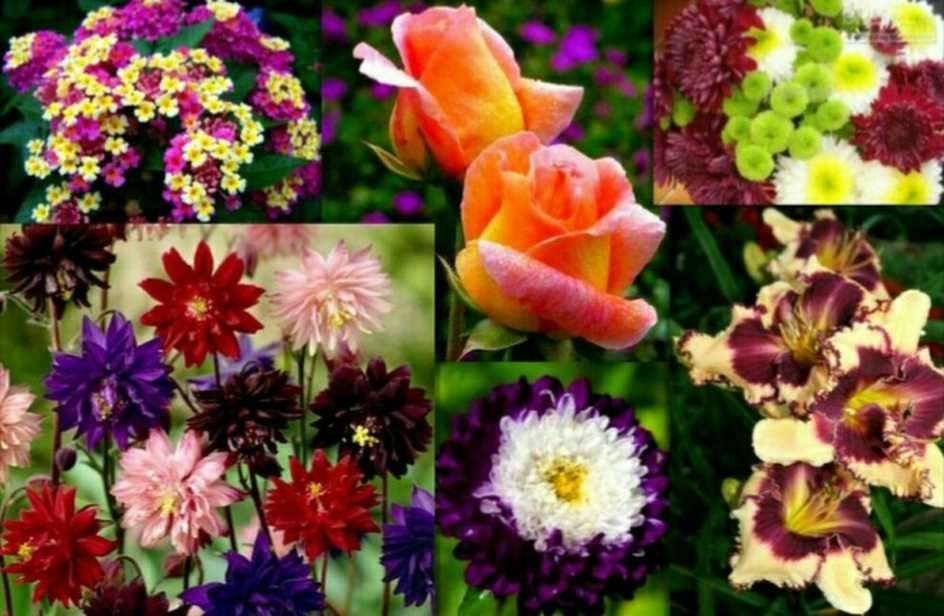
flowers collage online puzzle
154flowers collagesolved 168 times
Solve puzzle
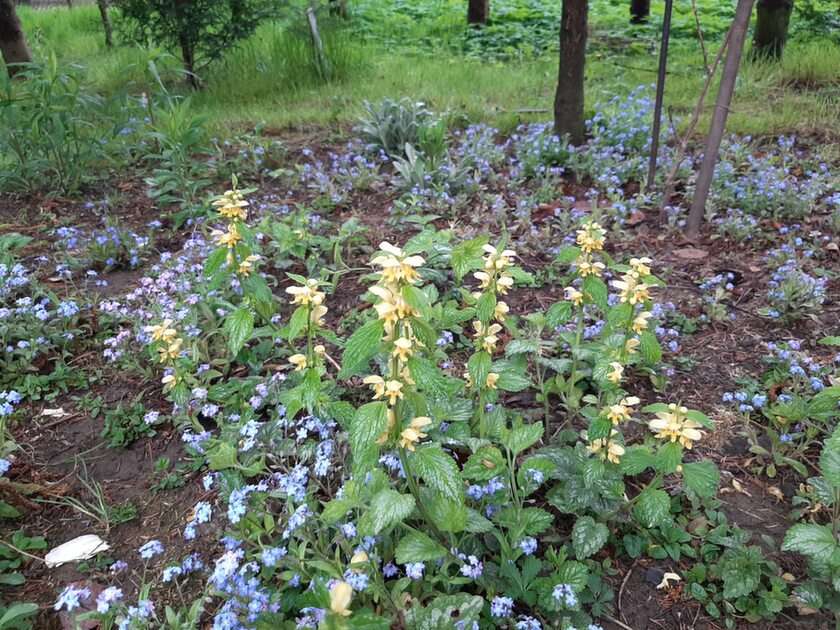
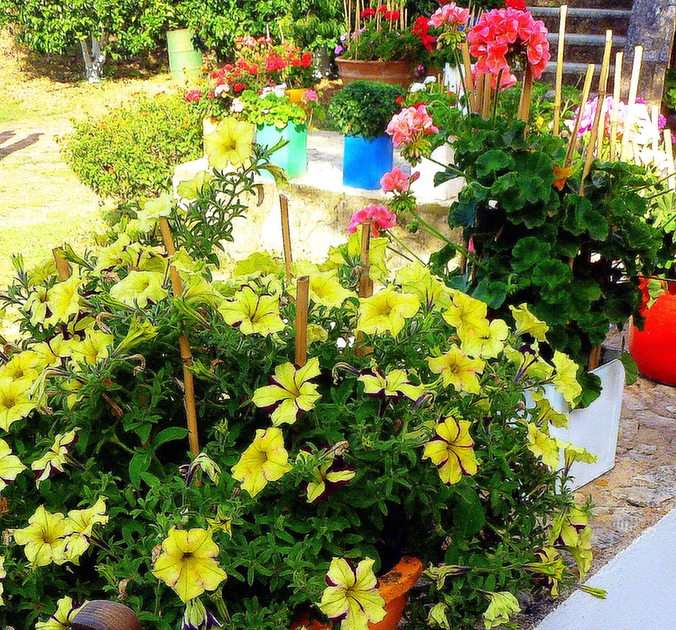
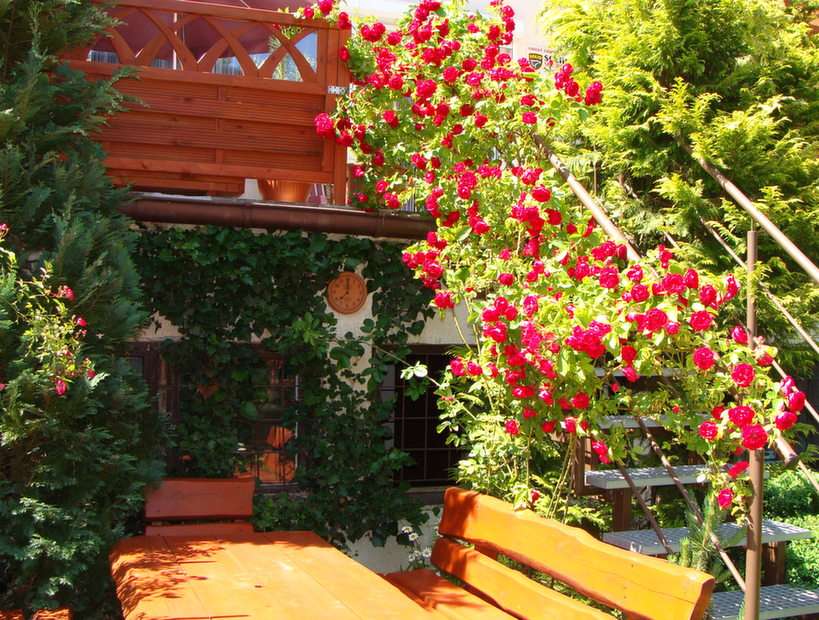
Gardens puzzle online from photo
192Gardenssolved 168 times
Solve puzzle
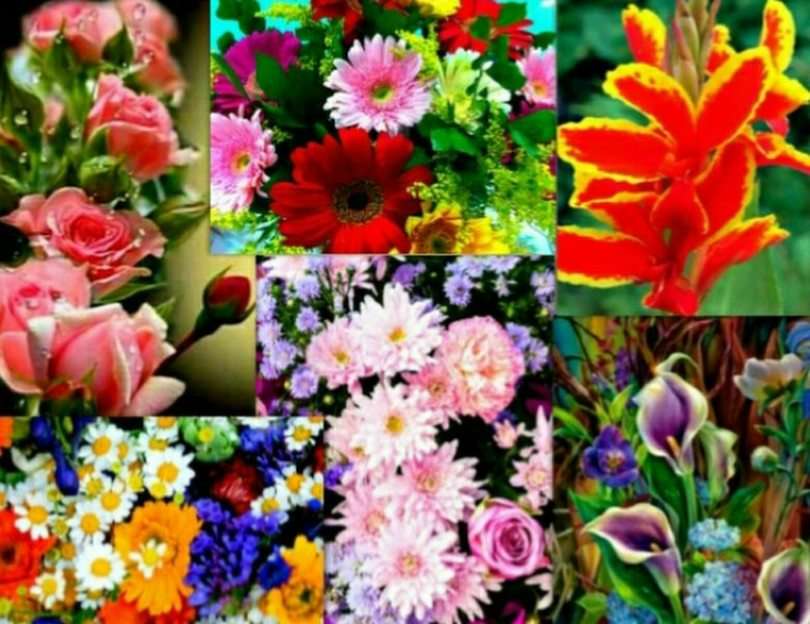
Floral collage online puzzle
192Floral collagesolved 168 times
Solve puzzle
autumn rose leaves puzzle online from photo
48autumn rose leavessolved 168 times
Solve puzzle
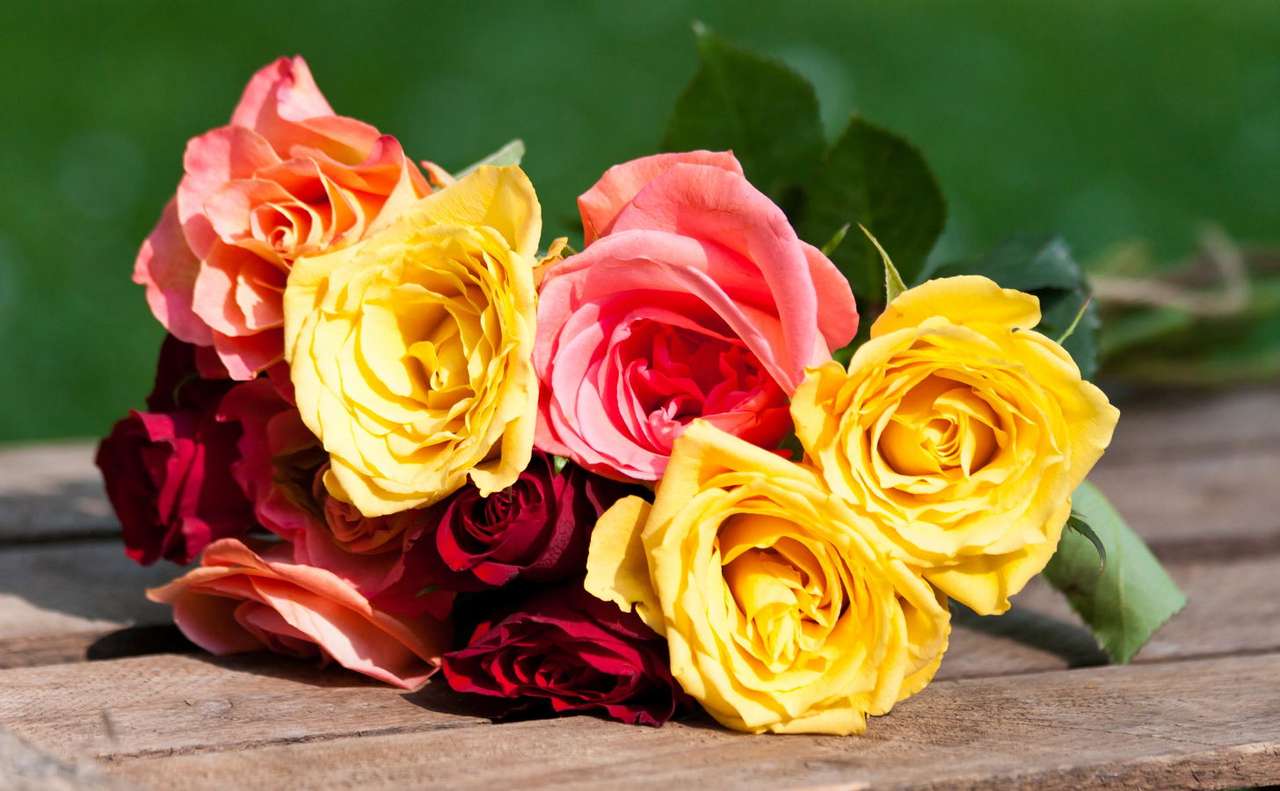
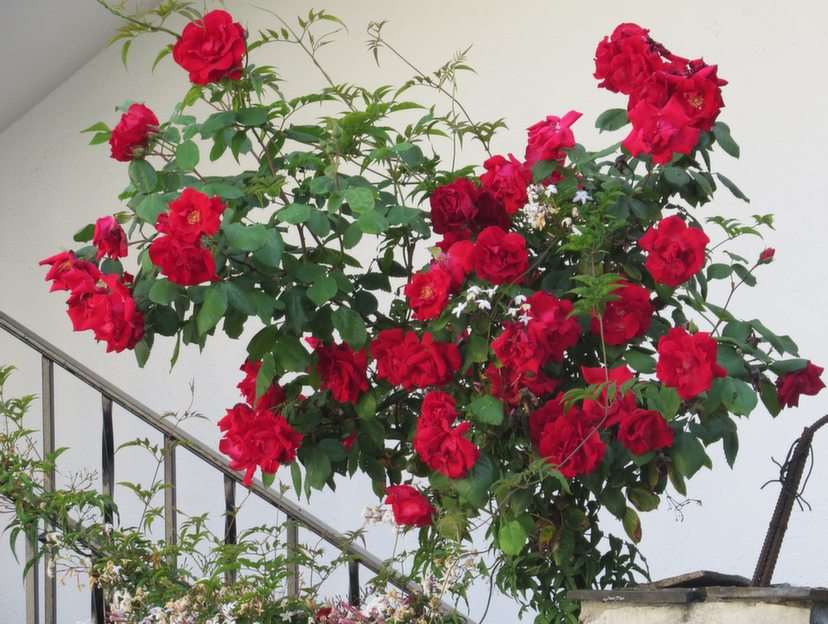
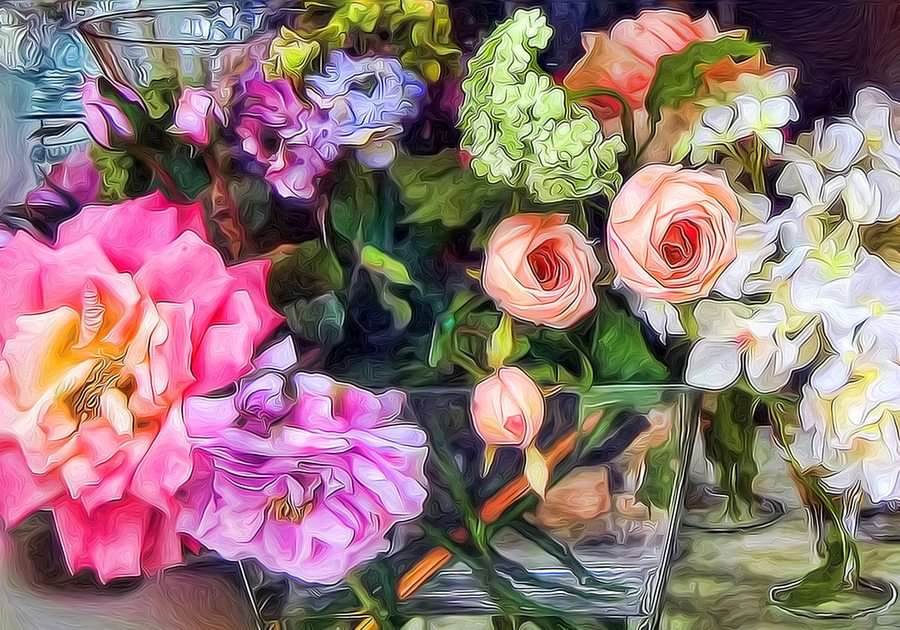
Roses online puzzle
192Rosessolved 168 times
Solve puzzle
Los Flores de Japón online puzzle
81Los Flores de Japónsolved 168 times
Solve puzzle
Valentine's Day online puzzle
48Valentine's Daysolved 168 times
Solve puzzle
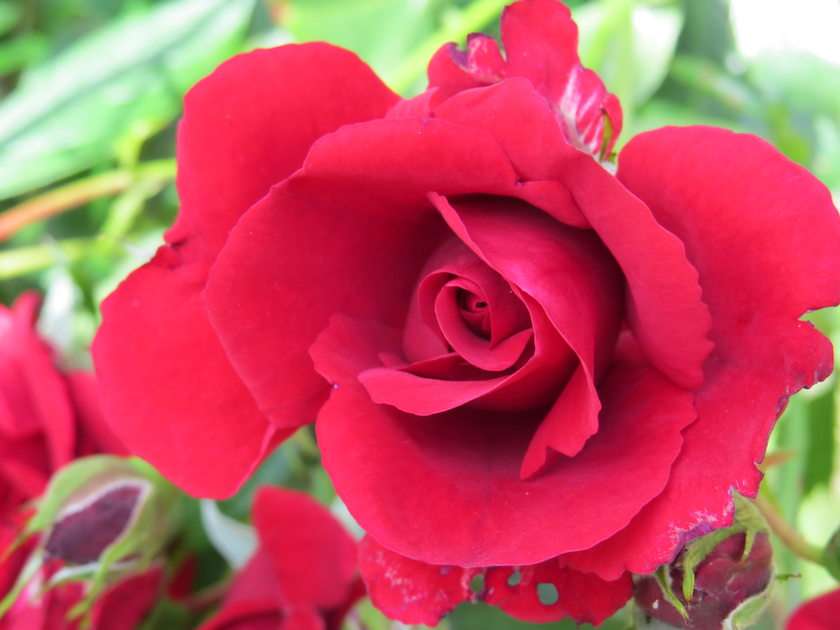
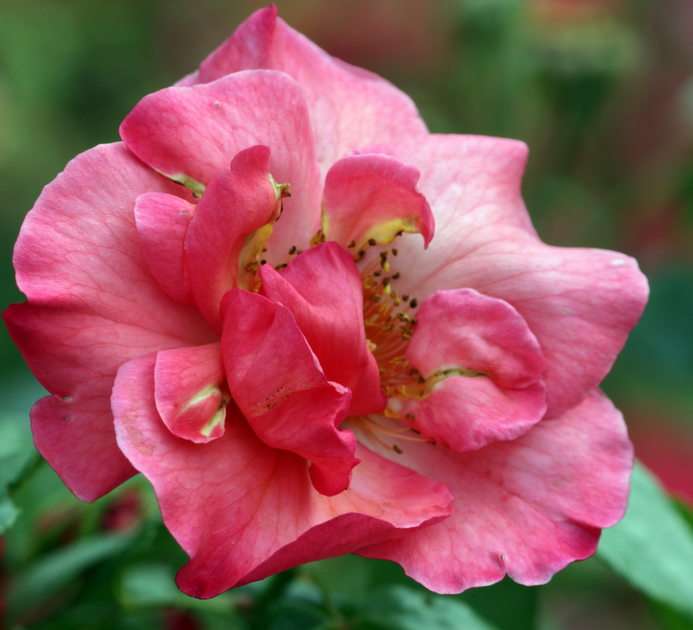
Rose online puzzle
48Rosesolved 168 times
Solve puzzle
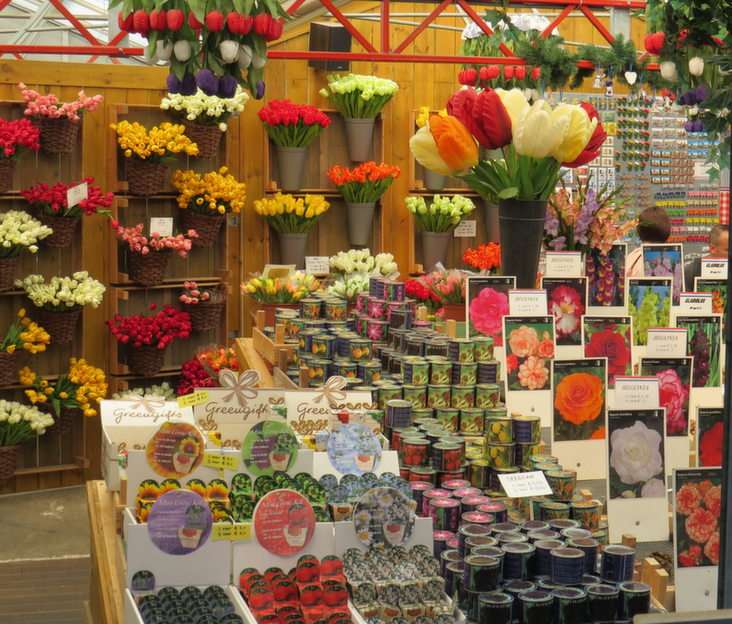
In Amsterdam puzzle online from photo
144In Amsterdamsolved 168 times
Solve puzzle
Roses online puzzle
72Rosessolved 168 times
Solve puzzle
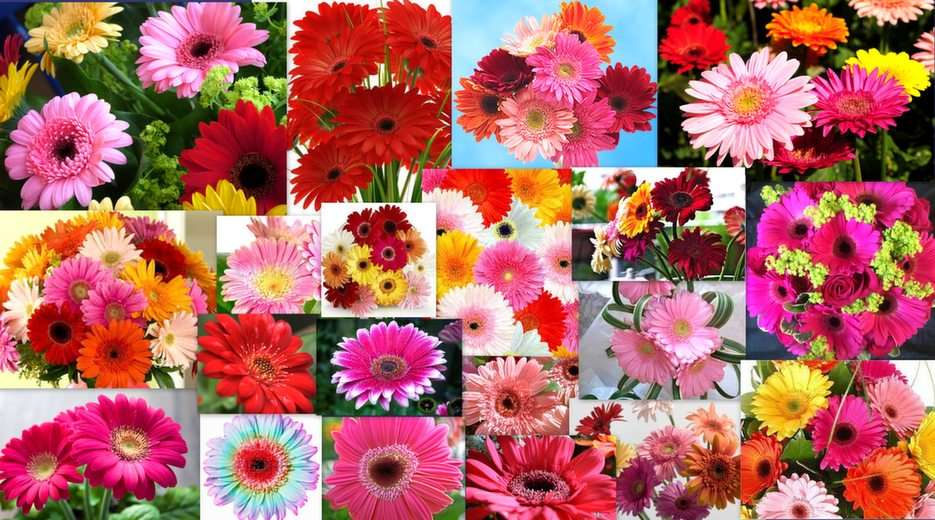
Gerbers online puzzle
221Gerberssolved 168 times
Solve puzzle
Flowers puzzle online from photo
169Flowerssolved 168 times
Solve puzzle
flowers puzzle online from photo
48flowerssolved 168 times
Solve puzzle
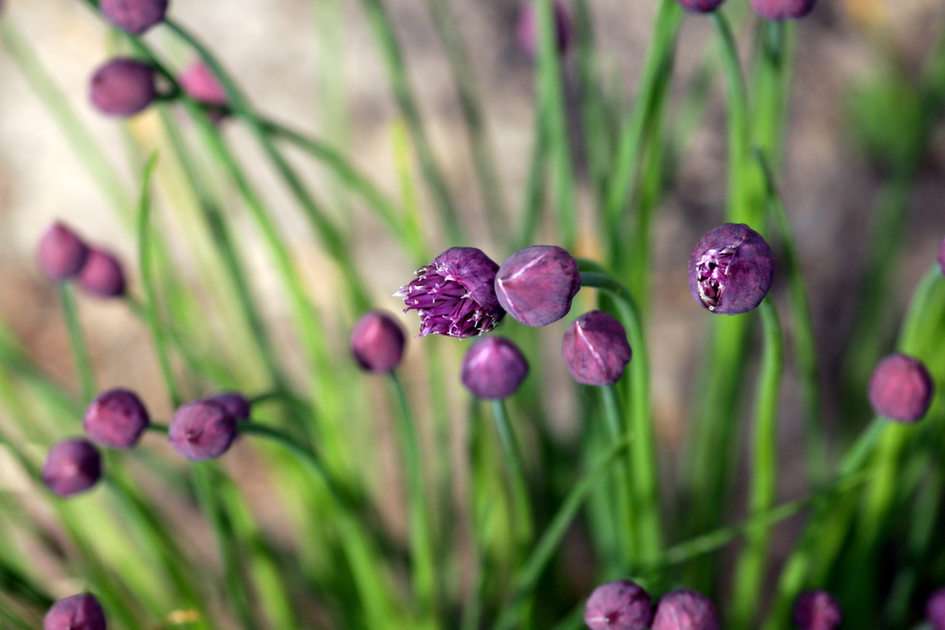
chive puzzle online from photo
63chivesolved 168 times
Solve puzzle
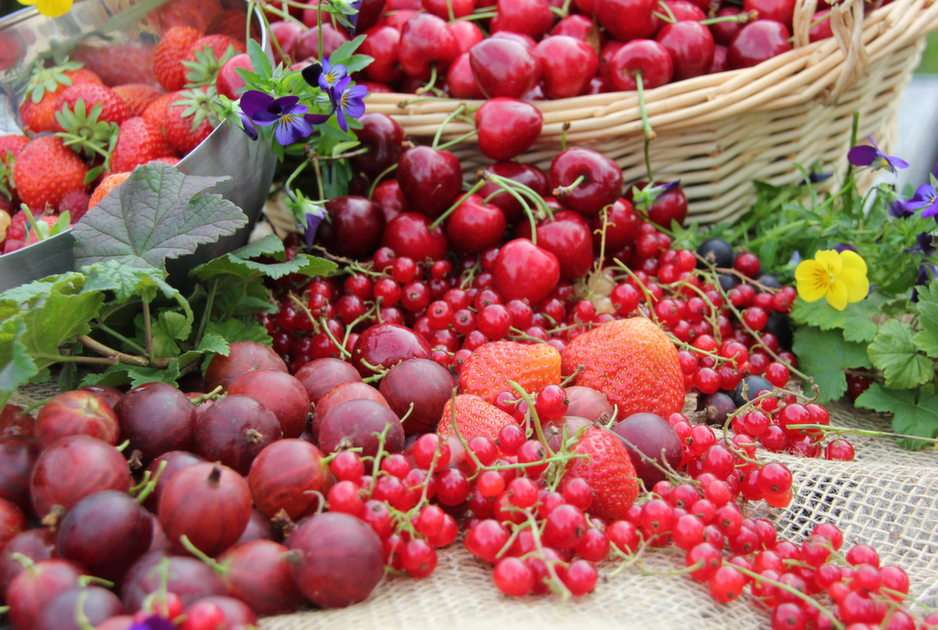
Obstarrangement online puzzle
140Obstarrangementsolved 168 times
Solve puzzle
Yellow In The Room puzzle online from photo
192Yellow In The Roomsolved 168 times
Solve puzzle
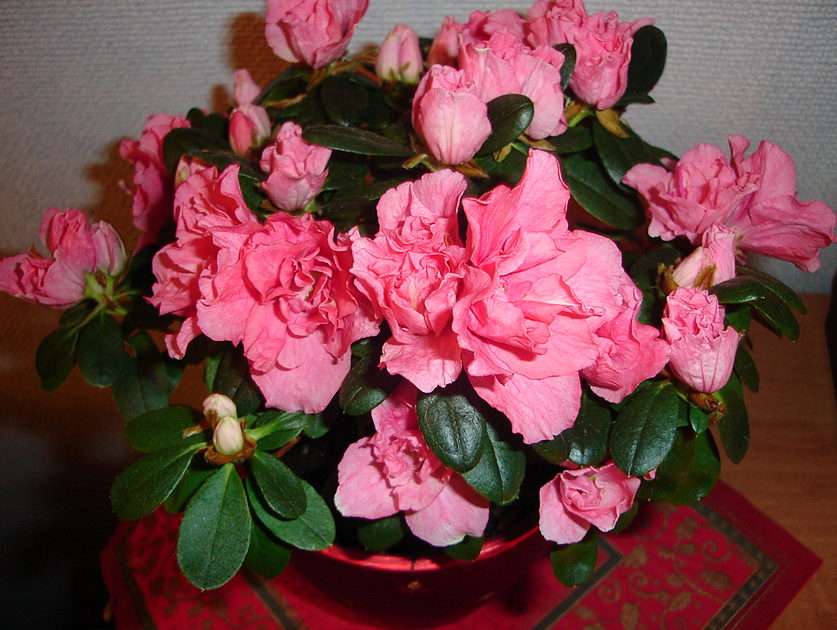
Azalea puzzle online from photo
63Azaleasolved 167 times
Solve puzzle
Fruczak Dove online puzzle
72Fruczak Dovesolved 167 times
Solve puzzle
English rose online puzzle
48English rosesolved 167 times
Solve puzzle
Garden online puzzle
182Gardensolved 167 times
Solve puzzle
Flowers puzzle online from photo
252Flowerssolved 167 times
Solve puzzle
rose puzzle online from photo
81rosesolved 167 times
Solve puzzle
memory of summer puzzle online from photo
90memory of summersolved 167 times
Solve puzzle
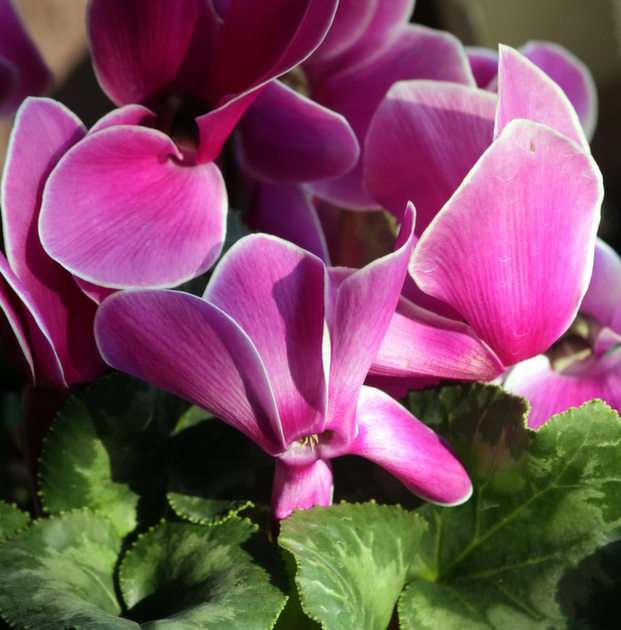
cyclamen online puzzle
90cyclamensolved 167 times
Solve puzzle
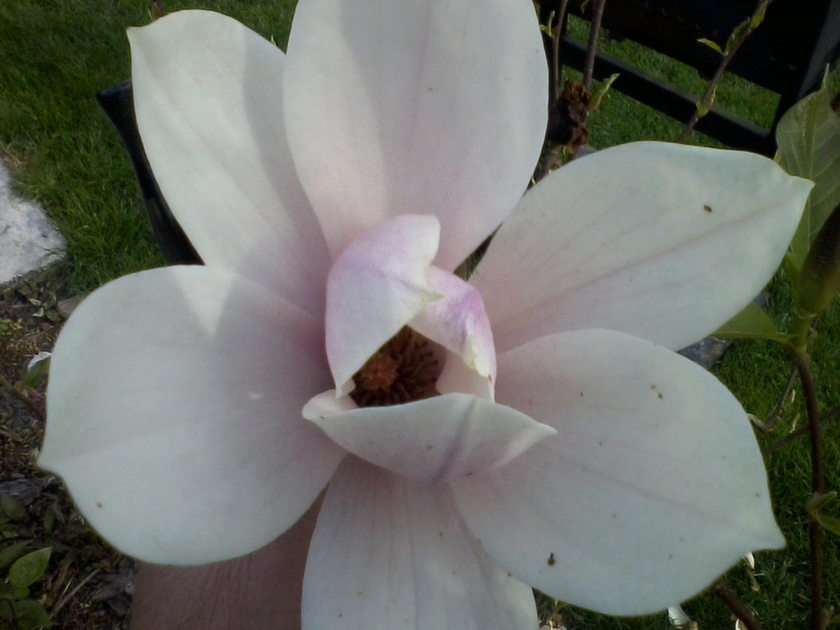
Magnolia flower online puzzle
48Magnolia flowersolved 167 times
Solve puzzle
flowers online puzzle
224flowerssolved 167 times
Solve puzzle
bouquetula puzzle online from photo
72bouquetulasolved 167 times
Solve puzzle
little flowers puzzle online from photo
143little flowerssolved 166 times
Solve puzzle
flowers online puzzle
48flowerssolved 166 times
Solve puzzle
flowers online puzzle
90flowerssolved 166 times
Solve puzzle
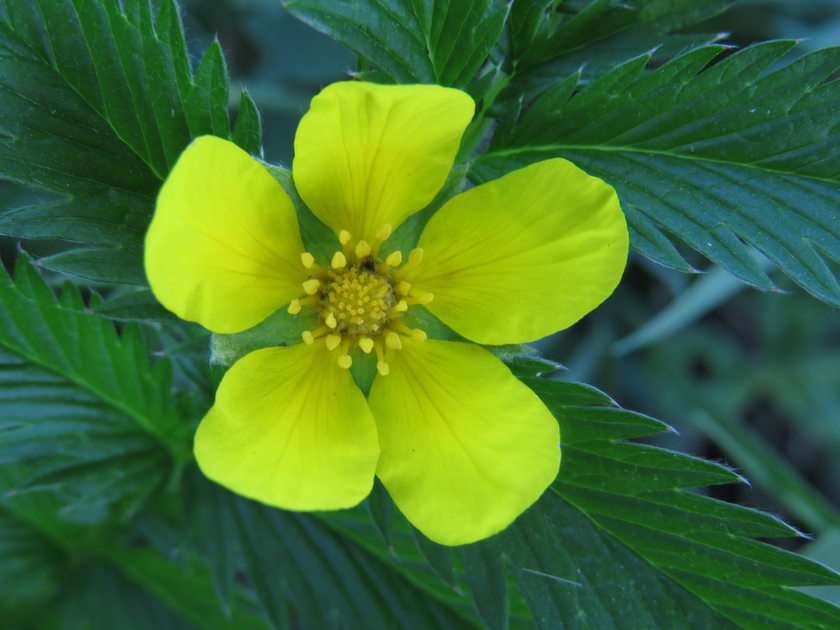
Cinquefoil puzzle online from photo
60Cinquefoilsolved 166 times
Solve puzzle
flowers online puzzle
96flowerssolved 166 times
Solve puzzle
Rose buds online puzzle
35Rose budssolved 166 times
Solve puzzle
rose puzzle online from photo
48rosesolved 166 times
Solve puzzle
Blooming shrub online puzzle
35Blooming shrubsolved 166 times
Solve puzzle
florist puzzle online from photo
96floristsolved 166 times
Solve puzzle
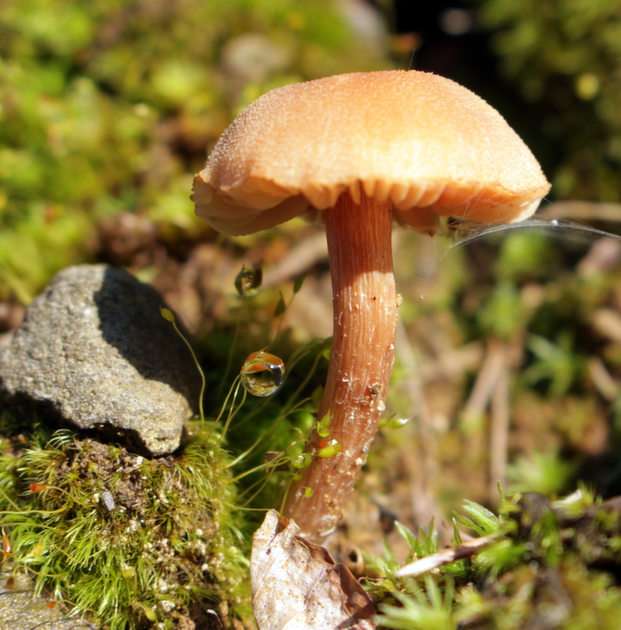
mushroom puzzle online from photo
30mushroomsolved 166 times
Solve puzzle
Rose online puzzle
35Rosesolved 166 times
Solve puzzle
Butterflies puzzle online from photo
252Butterfliessolved 166 times
Solve puzzle

Online puzzle Flower

Flower

A flower, sometimes known as a bloom or blossom, is the reproductive structure found in flowering plants (plants of the division Angiospermae). Flowers produce gametophytes, which in flowering plants consist of a few haploid cells which produce gametes. The "male" gametophyte, which produces non-motile sperm, is enclosed within pollen grains; the "female" gametophyte is contained within the ovule. When pollen from the anther of a flower is deposited on the stigma, this is called pollination. Some flowers may self-pollinate, producing seed using pollen from the same flower or a different flower of the same plant, but others have mechanisms to prevent self-pollination and rely on cross-pollination, when pollen is transferred from the anther of one flower to the stigma of another flower on a different individual of the same species.

Self-pollination happens in flowers where the stamen and carpel mature at the same time, and are positioned so that the pollen can land on the flower's stigma. This pollination does not require an investment from the plant to provide nectar and pollen as food for pollinators.Some flowers produce diaspores without fertilization (parthenocarpy). Flowers contain sporangia and are the site where gametophytes develop.

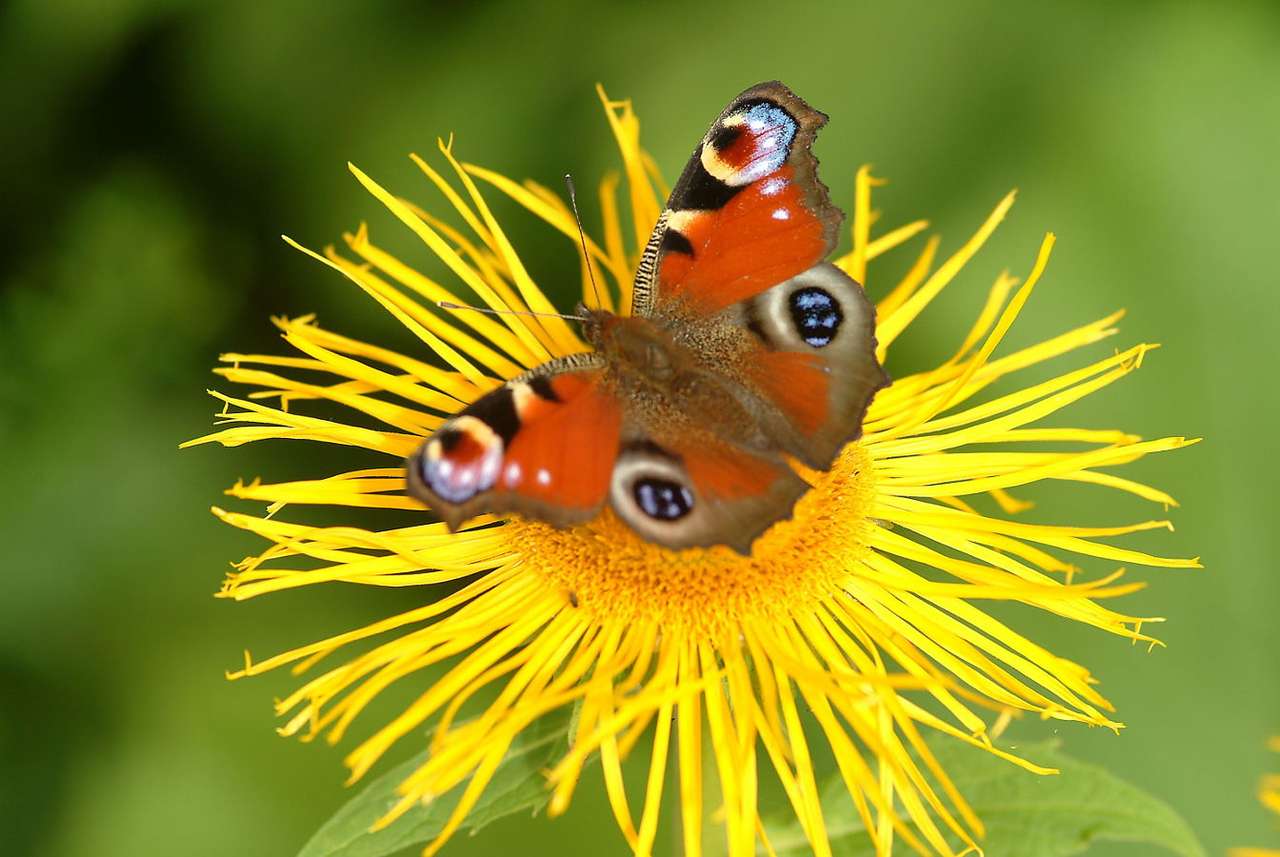
Most flowering plants depend on animals, such as bees, moths, and butterflies, to transfer their pollen between different flowers, and have evolved to attract these pollinators by various strategies, including brightly colored, conspicuous petals, attractive scents, and the production of nectar, a food source for pollinators. In this way, many flowering plants have co-evolved with pollinators be mutually dependent on services they provide to one another—in the plant's case, a means of reproduction; in the pollinator's case, a source of food. After fertilization, the ovary of the flower develops into fruit containing seeds.

Flowers have long been appreciated by humans for their beauty and pleasant scents, and also hold cultural significance as religious, ritual, or symbolic objects, or sources of medicine and food.