Antelope - online puzzles
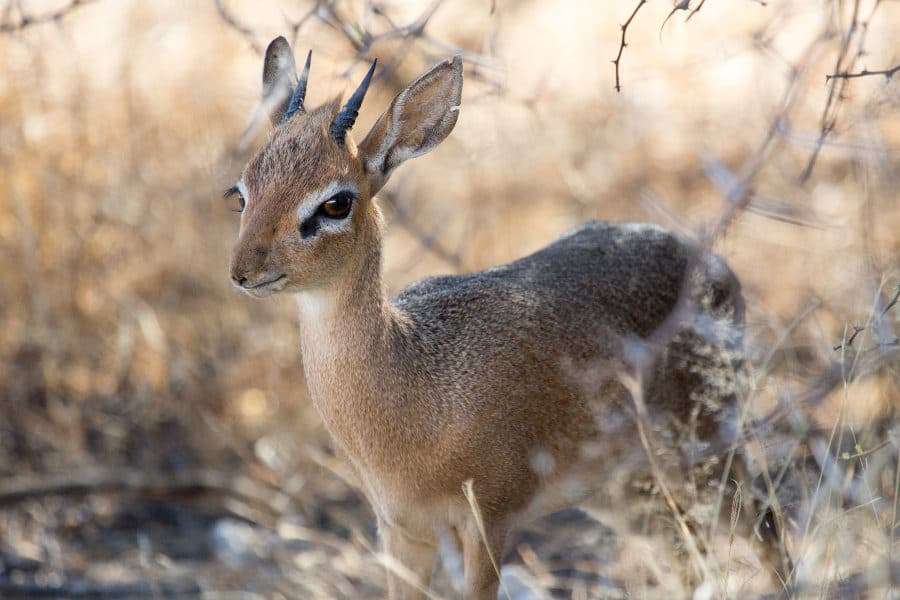
I am thinking puzzle online from photo
24I am thinkingsolved 327 times
Solve puzzle
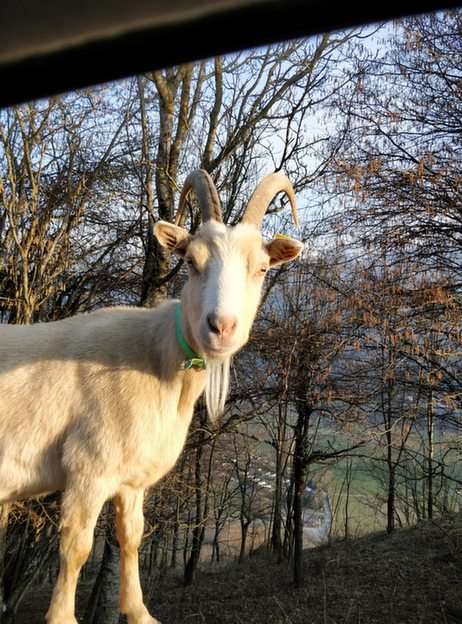
Goat Jigsaw Puzzle online puzzle
15Goat Jigsaw Puzzlesolved 285 times
Solve puzzle
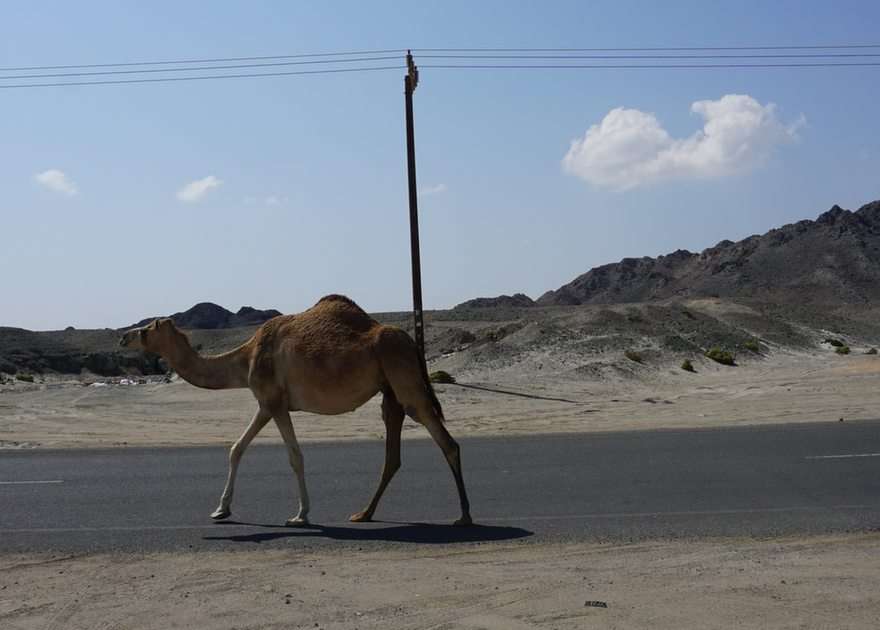
Camels puzzle online from photo
20Camelssolved 232 times
Solve puzzle
On the horizon online puzzle
36On the horizonsolved 227 times
Solve puzzle
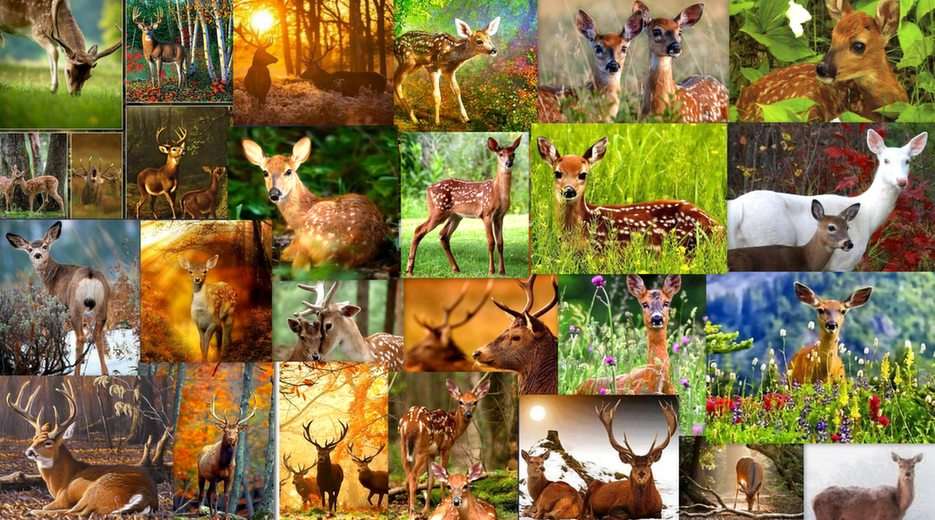
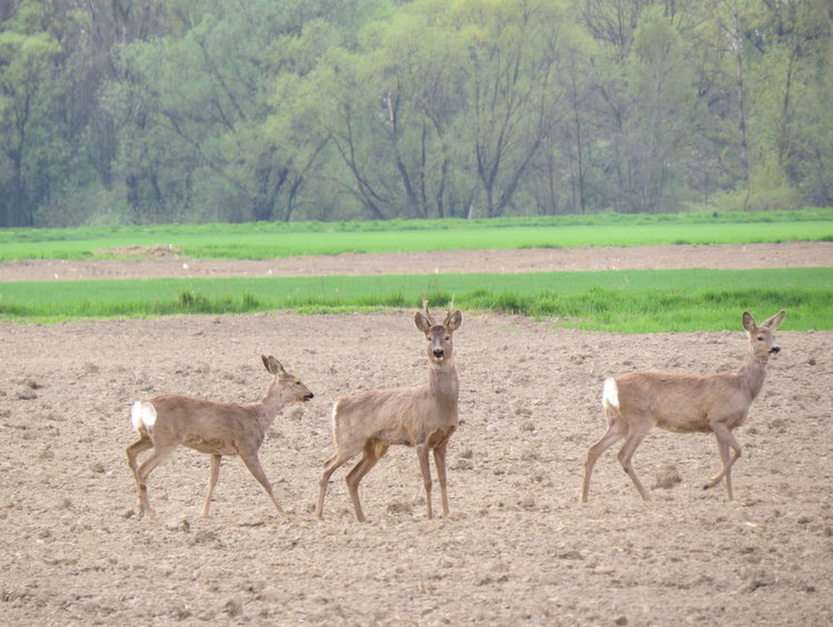
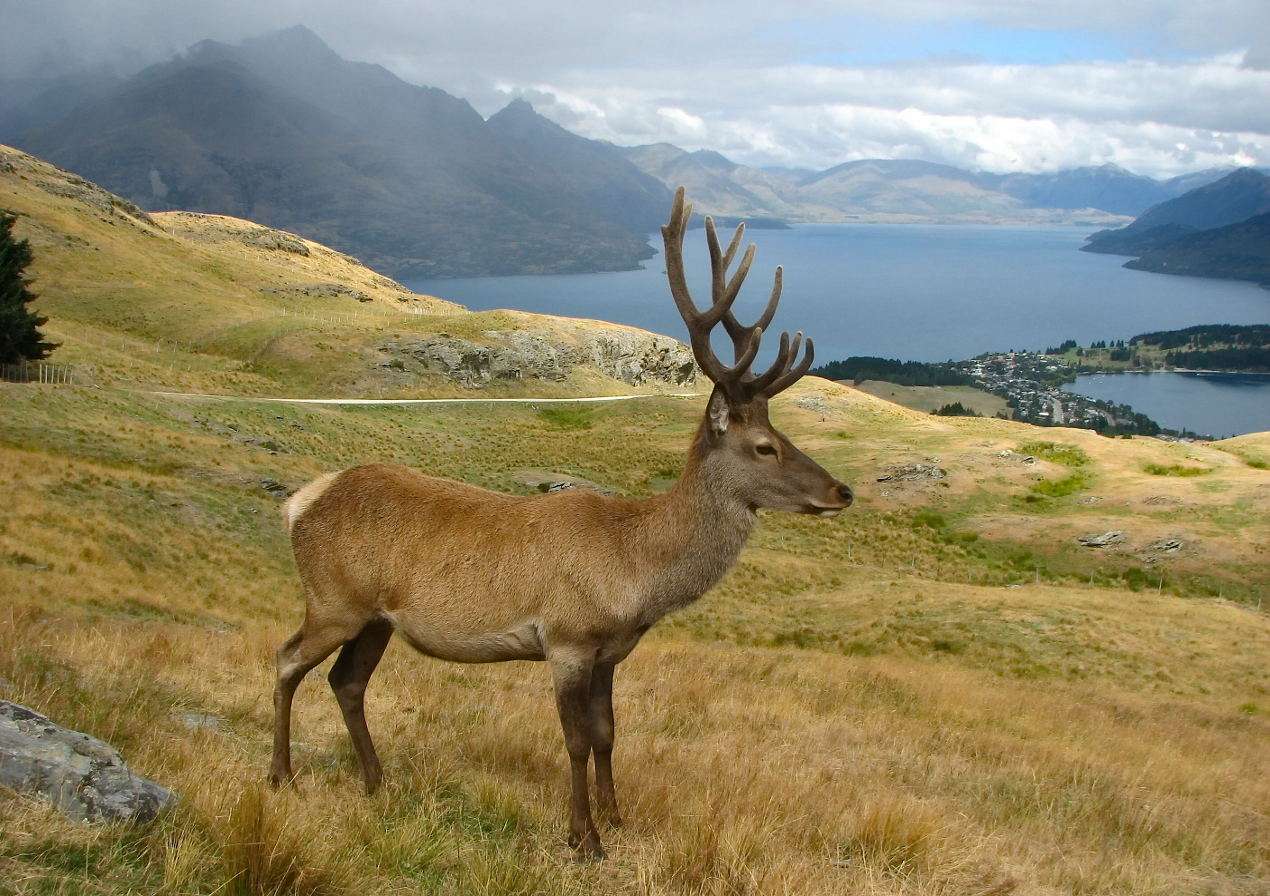
Red deer, stags, does, roe deer ... puzzle online from photo
221Red deer, stags, does, roe deer ...solved 225 times
Solve puzzle
Goat online puzzle
20Goatsolved 216 times
Solve puzzle
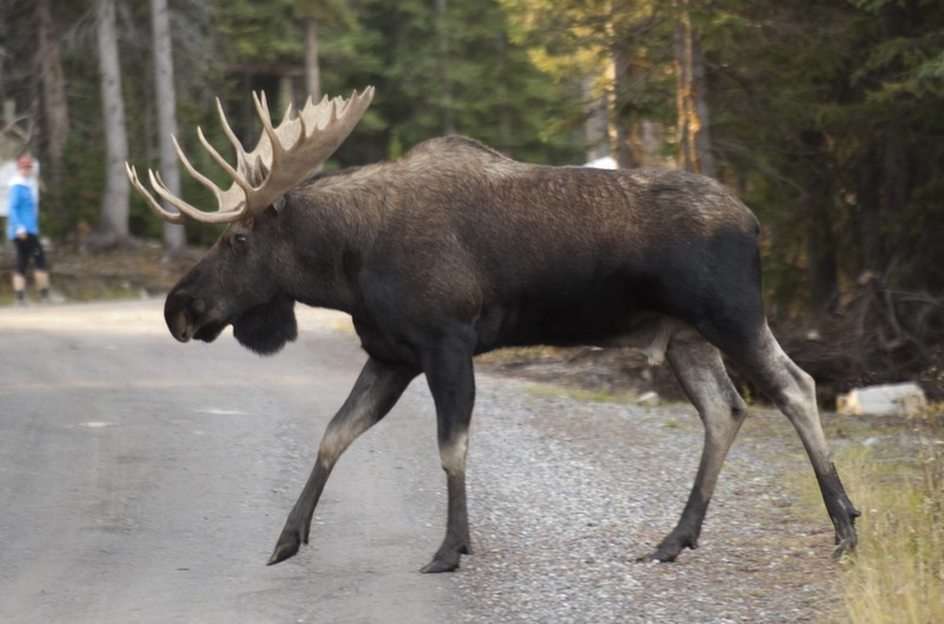
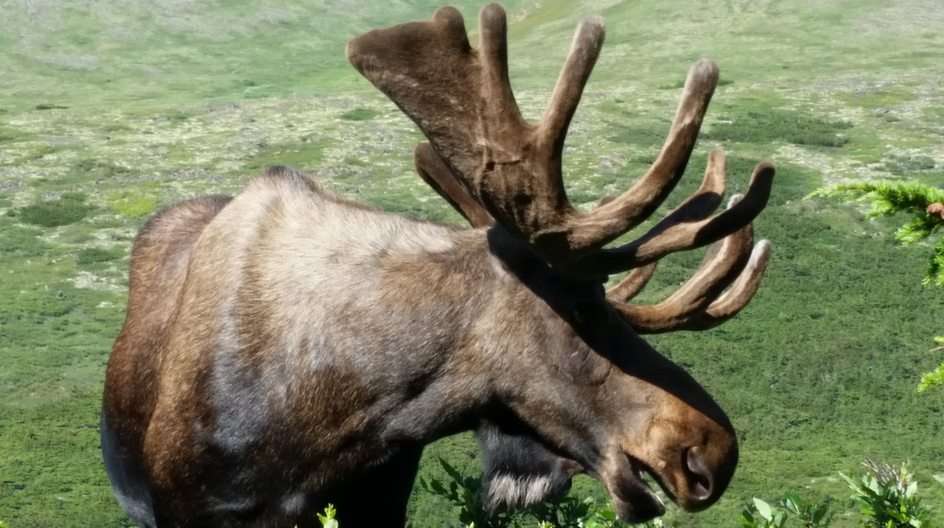
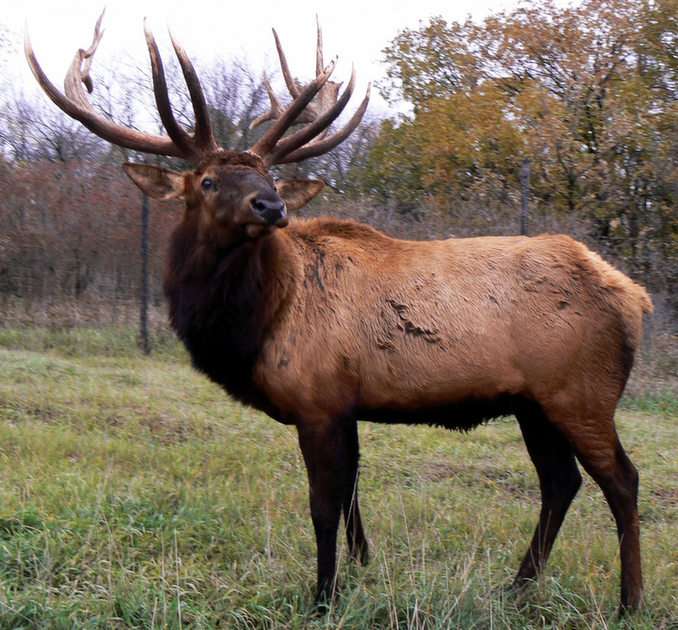
moose great someone puzzle online from photo
48moose great someonesolved 183 times
Solve puzzle
doe puzzle online from photo
48doesolved 182 times
Solve puzzle
goat online puzzle
63goatsolved 173 times
Solve puzzle
The Animals-ism the Sky online puzzle
192The Animals-ism the Skysolved 145 times
Solve puzzle
,Bunny" online puzzle
54,Bunny"solved 137 times
Solve puzzle
goat puzzle online from photo
64goatsolved 134 times
Solve puzzle
goat online puzzle
72goatsolved 127 times
Solve puzzle
German Shepherd puzzle online from photo
48German Shepherdsolved 127 times
Solve puzzle
goat online puzzle
63goatsolved 116 times
Solve puzzle
goat online puzzle
70goatsolved 113 times
Solve puzzle
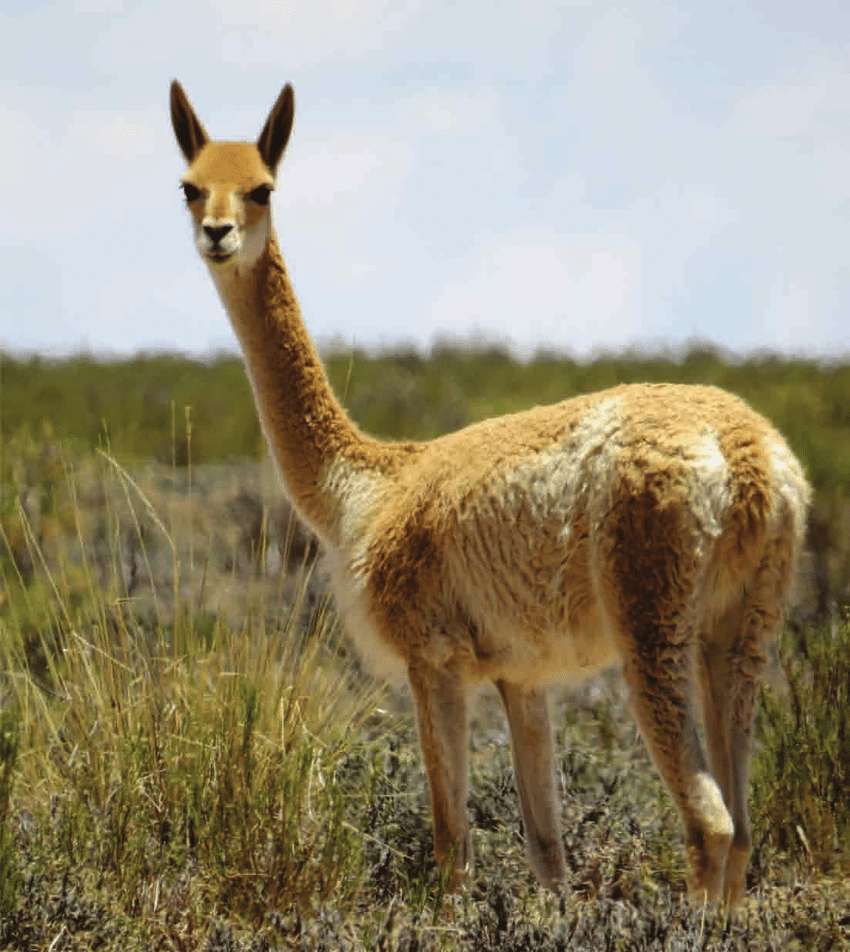
lama online puzzle
42lamasolved 107 times
Solve puzzle
Natureaaaaa online puzzle
20Natureaaaaasolved 105 times
Solve puzzle
um ... online puzzle
90um ...solved 98 times
Solve puzzle
munir online puzzle
48munirsolved 96 times
Solve puzzle
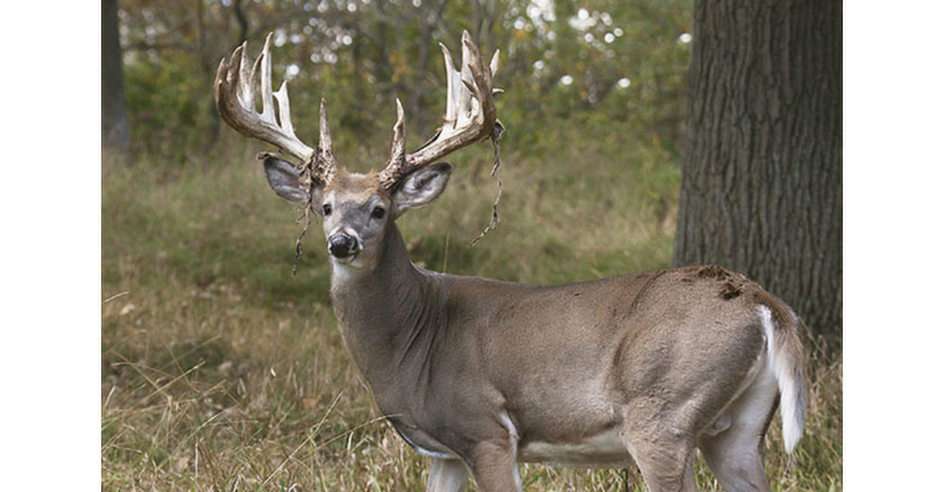
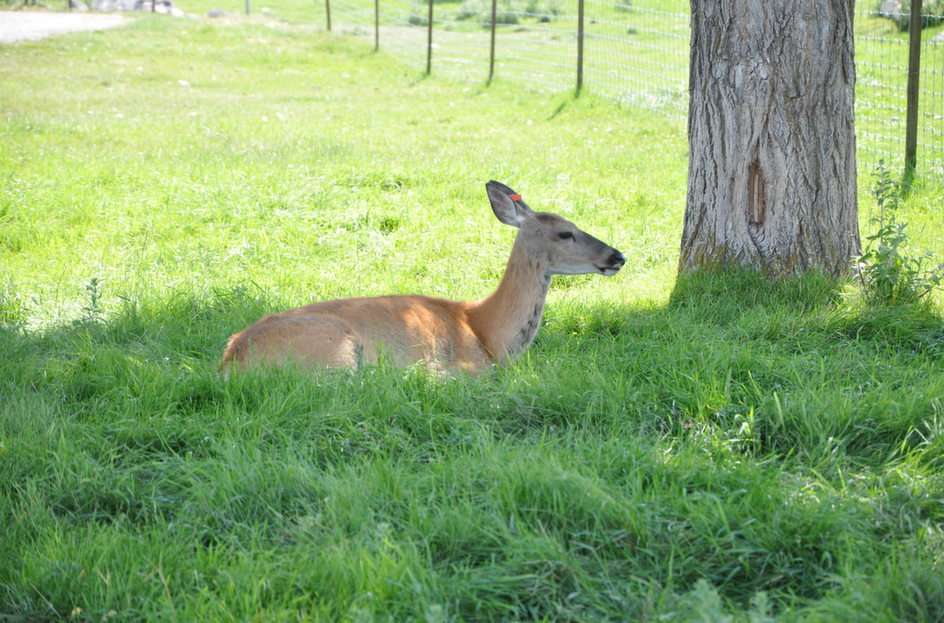
whitetail deer puzzle online from photo
48whitetail deersolved 93 times
Solve puzzle
ROE online puzzle
63ROEsolved 84 times
Solve puzzle
goat puzzle online from photo
72goatsolved 79 times
Solve puzzle
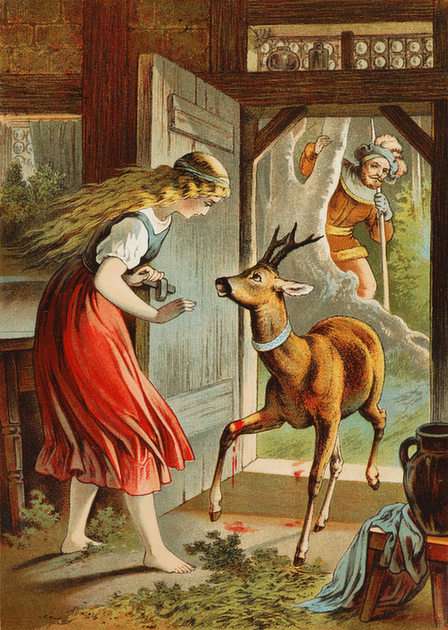
"Brother and sister" of Heinrich Leutemann online puzzle
63"Brother and sister" of Heinrich Leutemannsolved 78 times
Solve puzzle
Deer Body online puzzle
48Deer Bodysolved 64 times
Solve puzzle
Hunting Food puzzle online from photo
48Hunting Foodsolved 63 times
Solve puzzle
AKmoose online puzzle
48AKmoosesolved 58 times
Solve puzzle
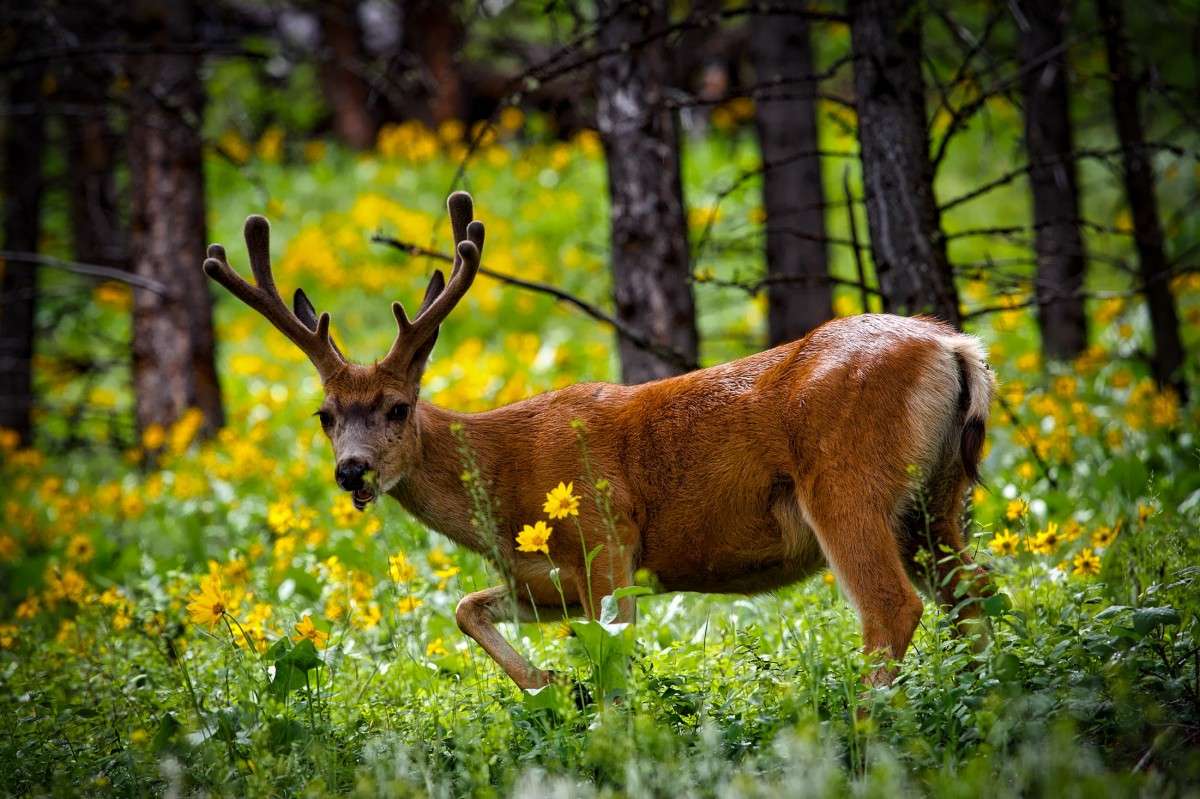
deer in woods online puzzle
56deer in woodssolved 51 times
Solve puzzle
Deer in the Woods puzzle online from photo
252Deer in the Woodssolved 50 times
Solve puzzle
Buck In A Field puzzle online from photo
150Buck In A Fieldsolved 50 times
Solve puzzle
Girafa da floresta online puzzle
24Girafa da florestasolved 42 times
Solve puzzle
Its Camel puzzle online from photo
154Its Camelsolved 41 times
Solve puzzle
Its Camel online puzzle
140Its Camelsolved 38 times
Solve puzzle
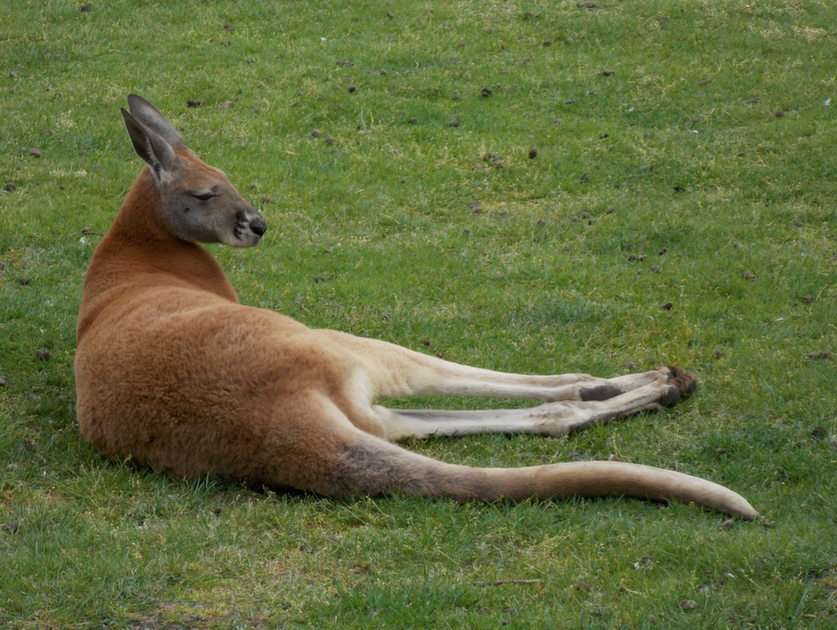
kangaroo puzzle online from photo
54kangaroosolved 35 times
Solve puzzle
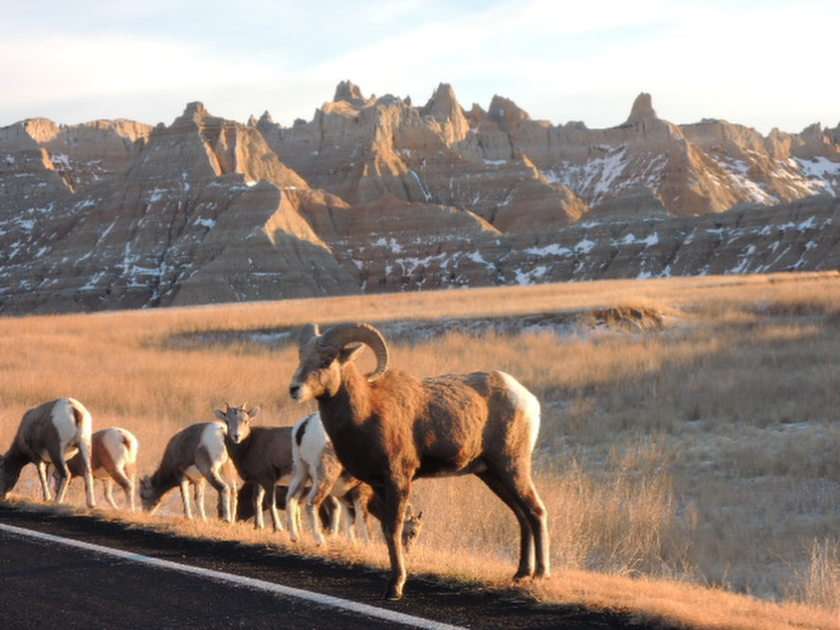
South Dakota puzzle online from photo
48South Dakotasolved 34 times
Solve puzzle
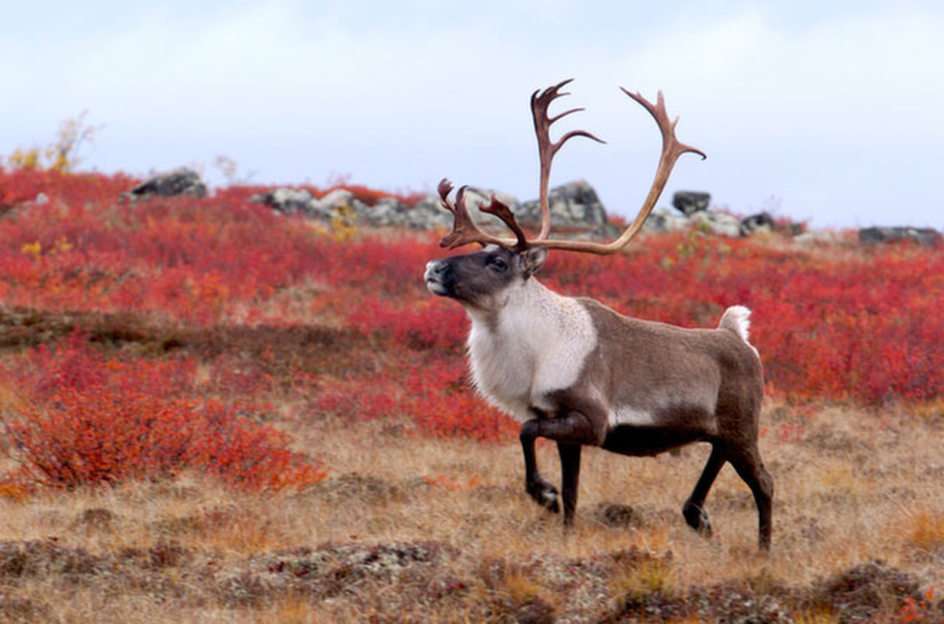
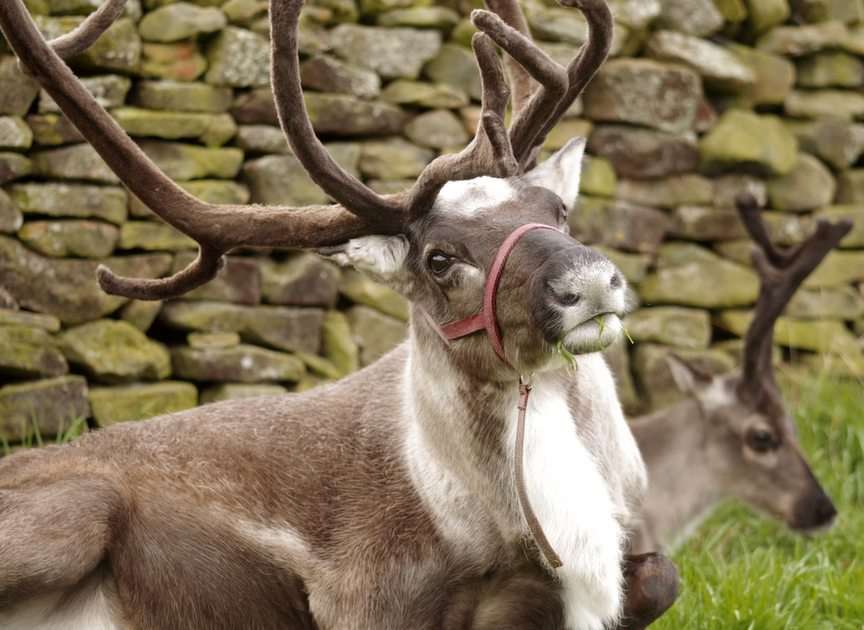
Reindeer jigsaw online puzzle
63Reindeer jigsawsolved 34 times
Solve puzzle
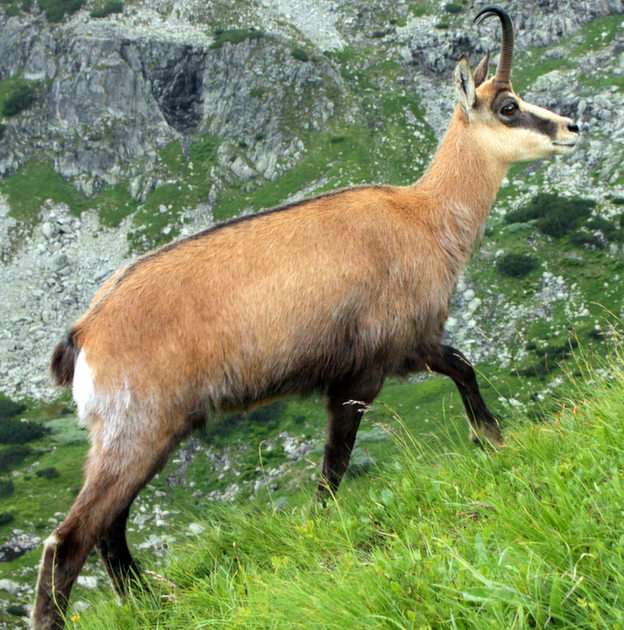
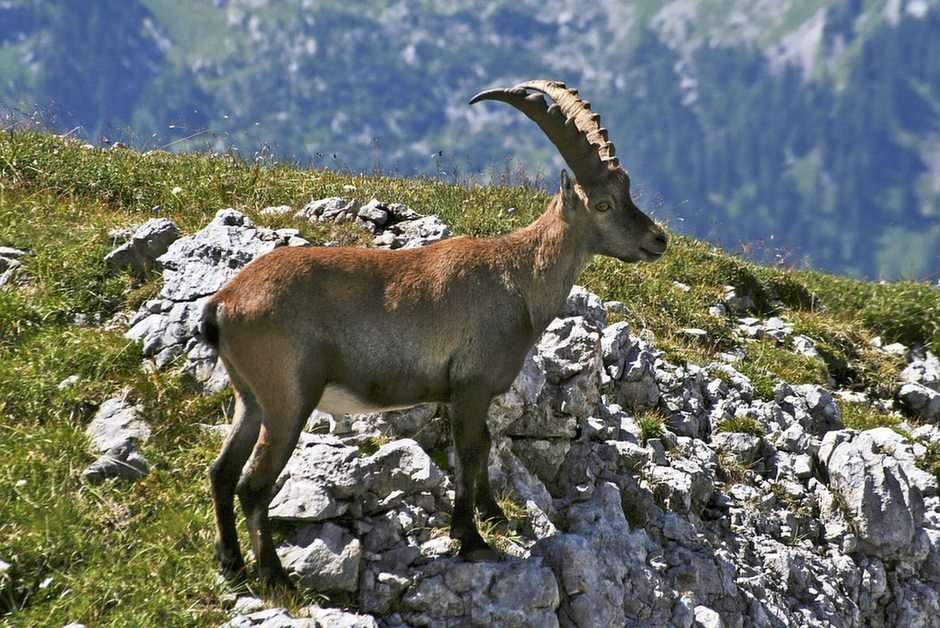
ALPS ANIMALS: THE IBEX puzzle online from photo
20ALPS ANIMALS: THE IBEXsolved 32 times
Solve puzzle
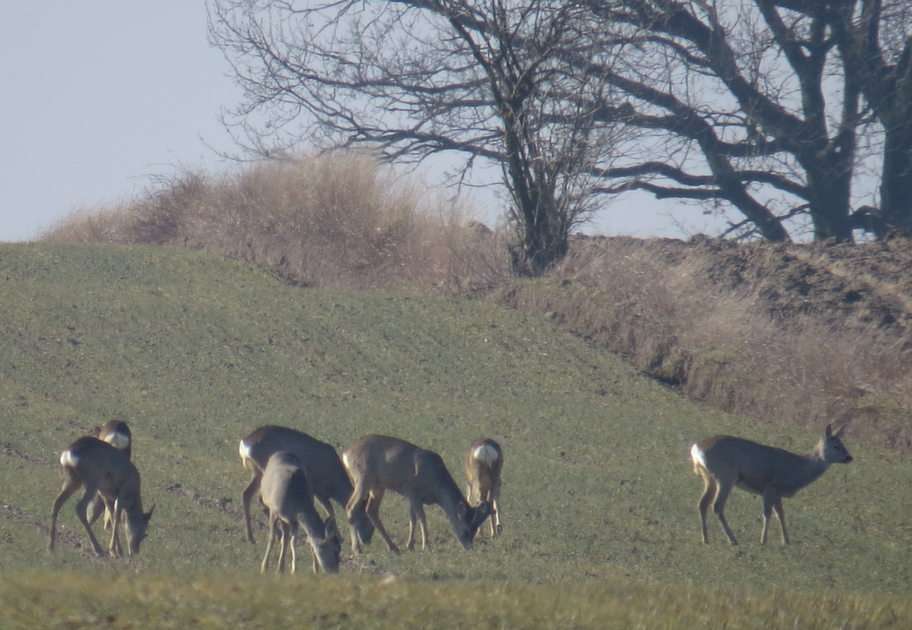
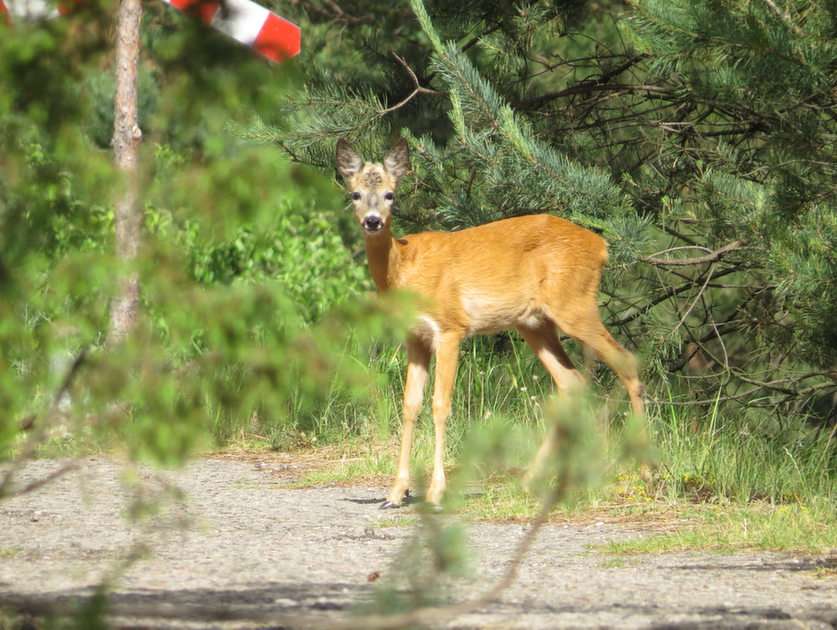
Roe deer. online puzzle
77Roe deer.solved 31 times
Solve puzzle
US history online puzzle
36US historysolved 30 times
Solve puzzle
noName2 puzzle online from photo
48noName2solved 23 times
Solve puzzle
Little Sarenka puzzle online from photo
96Little Sarenkasolved 22 times
Solve puzzle
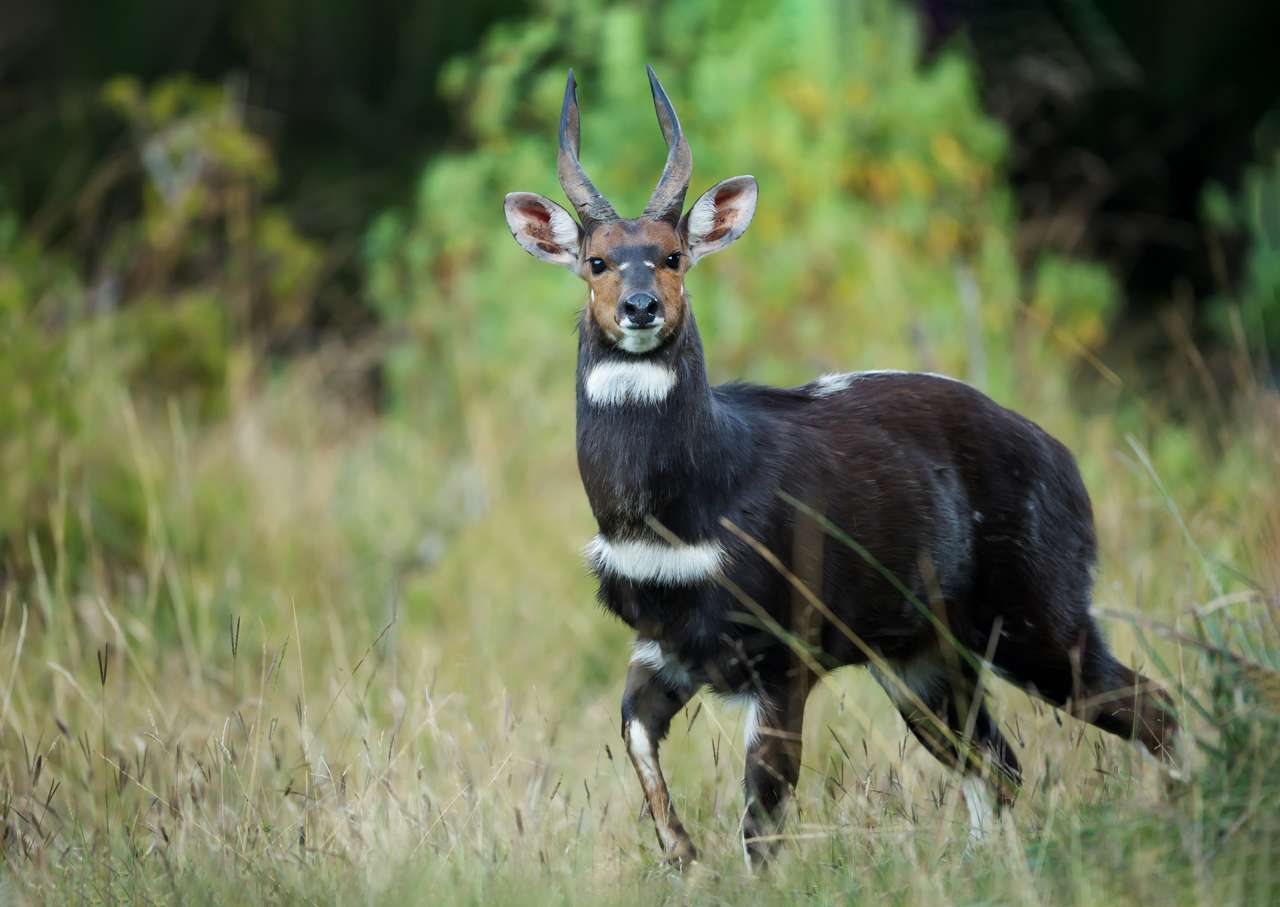
Menelik's Bushbuck puzzle online from photo
140Menelik's Bushbucksolved 19 times
Solve puzzle
Ggghjhhhv puzzle online from photo
150Ggghjhhhvsolved 18 times
Solve puzzle
Brown puzzle online from photo
70Brownsolved 17 times
Solve puzzle
AMU - Katarzyna Augustyn puzzle online from photo
28AMU - Katarzyna Augustynsolved 15 times
Solve puzzle
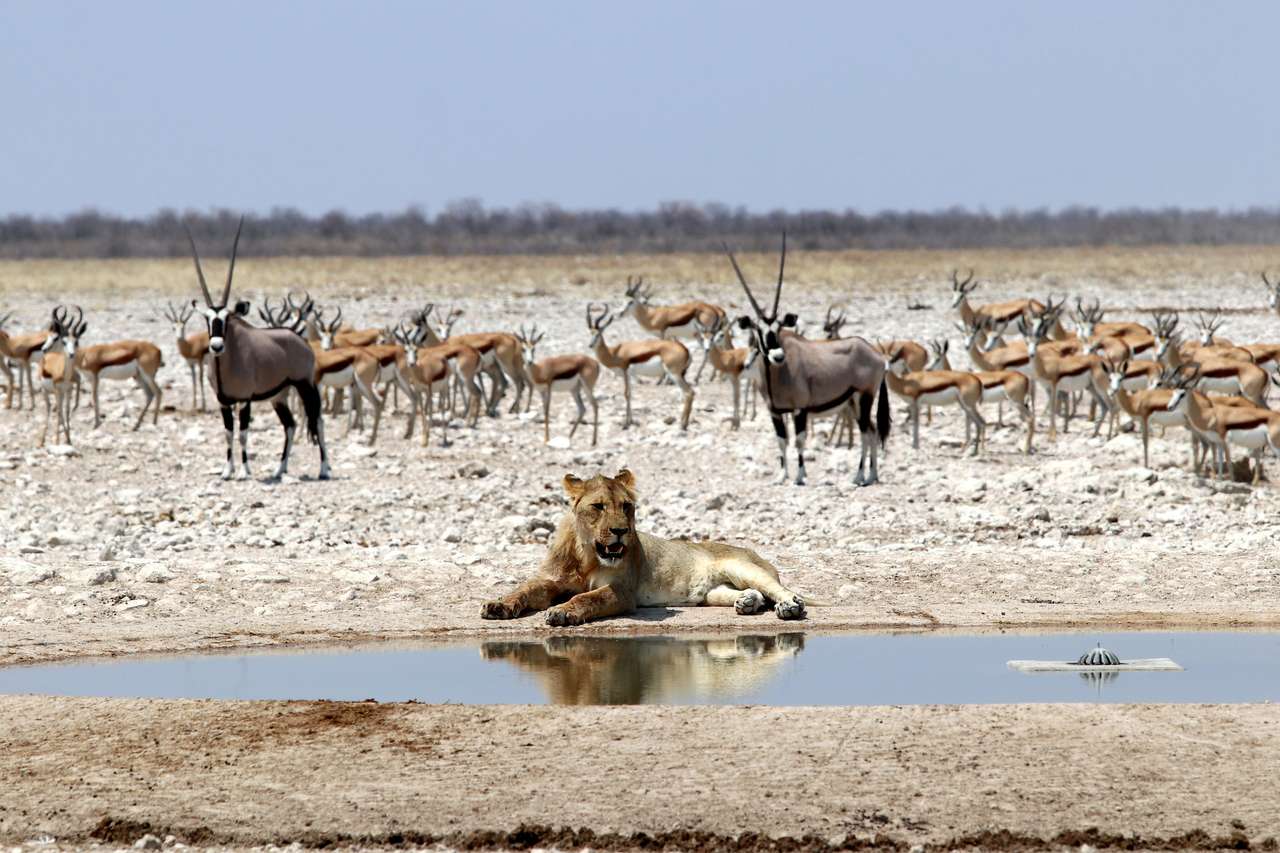
Resting young lion online puzzle
117Resting young lionsolved 15 times
Solve puzzle
Animals differences puzzle online from photo
168Animals differencessolved 14 times
Solve puzzle
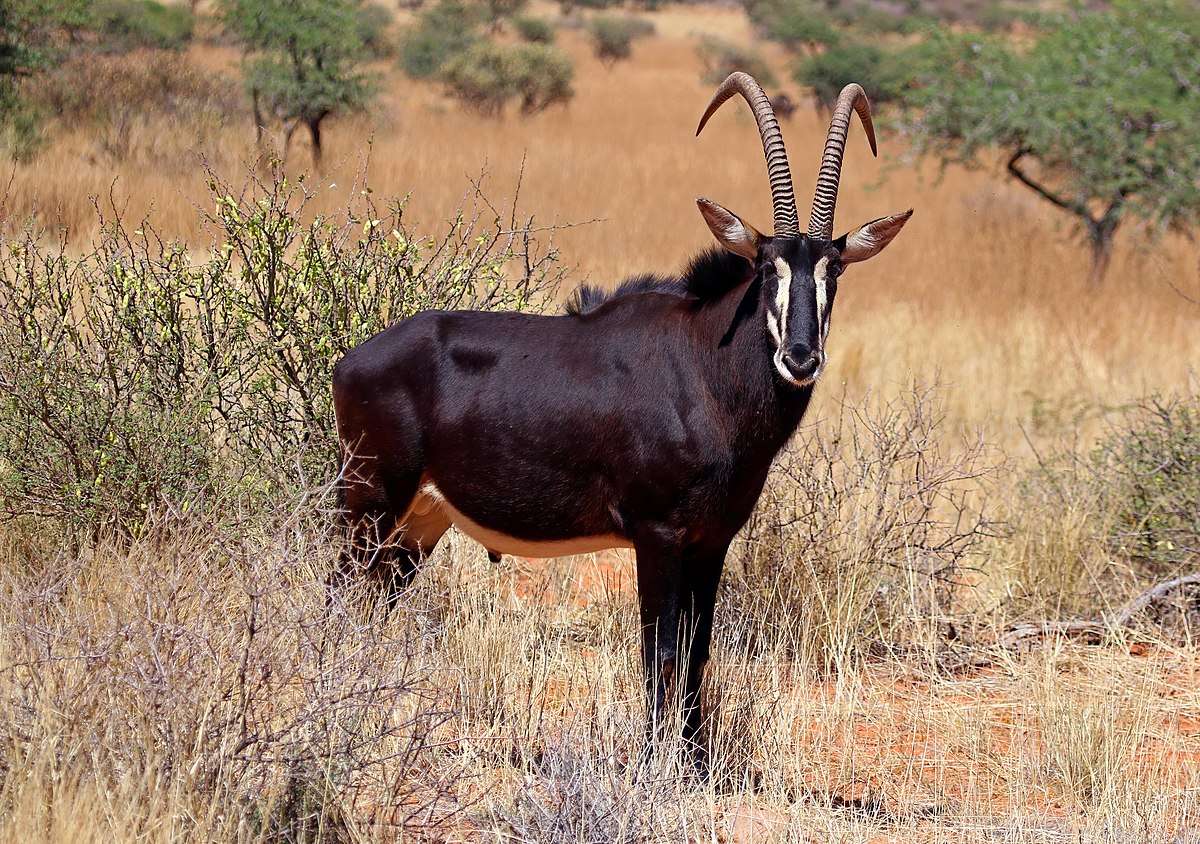
Sable Antelope online puzzle
88Sable Antelopesolved 13 times
Solve puzzle

Online puzzle Antelope

Antelope

The term antelope is used to refer to a number of species of ruminant artiodactyls—i.e., multiple-stomached, cud-chewing, even-toed hoofed mammals—that are indigenous to most of Africa, India, the Middle East, Central Asia, and a small area of Eastern Europe.

The term "antelope" is a wastebasket taxon and is defined as comprising any of numerous Old World grazing and browsing hoofed mammals belonging to the family Bovidae of the order Artiodactyla.A stricter definition, also known as the "true antelopes," includes only the genera Gazella, Nanger, Eudorcas, and Antilope. One North American mammal, the pronghorn or “pronghorn antelope”, is colloquially referred to as the "American antelope", despite the fact that it belongs to a completely different family (Antilocapridae) than the true Old-World antelopes; pronghorn are the sole extant member of an extinct prehistoric lineage that once included many unique species, some with elaborately spiraling horns, and some with shorter ossicones—hence their true connection to the giraffe and okapi.

Although antelope are sometimes referred to, and easily misidentified as, “deer” (cervids), true deer are only distantly related to antelope. While antelope are found in abundance in Africa, only one deer species is found on the continent—the Barbary red deer of Northern Africa. By comparison, numerous deer species are usually found in regions of the world with fewer or no antelope species present, such as throughout Southeast Asia, Europe and all of The Americas. This is likely due to competition over shared resources, as deer and antelope fill a virtually identical ecological niche in their respective habitats. Countries like India, however, have large populations of endemic deer and antelope, with the different species generally keeping to their own “niches” with minimal overlap.

Unlike deer, in which the males sport elaborate head antlers that are shed and regrown annually, antelope horns are bone and grow steadily, never falling off. If a horn is broken, it will either remain broken or take years to partially regenerate, depending on the species. Regarding antelope with single (or missing or damaged) horns, these animals have spawned theories surrounding the legend of the unicorn—a purportedly magical equid with a single horn growing from its forehead—with written accounts found in several literary traditions, ranging from East Asia to Western Europe. Some scholars and scientists have speculated that the legend began with an ancient group of humans, who were witnessing what was actually a species of oryx that was missing a horn, thus giving the impression of a one-horned “horse”; the theory is not so far fetched, as when an antelope such as a gemsbok or scimitar-horned oryx is viewed from the side, the two horns appear as one single horn, possibly giving rise to unicorn legends throughout history.