Cloud - online puzzles
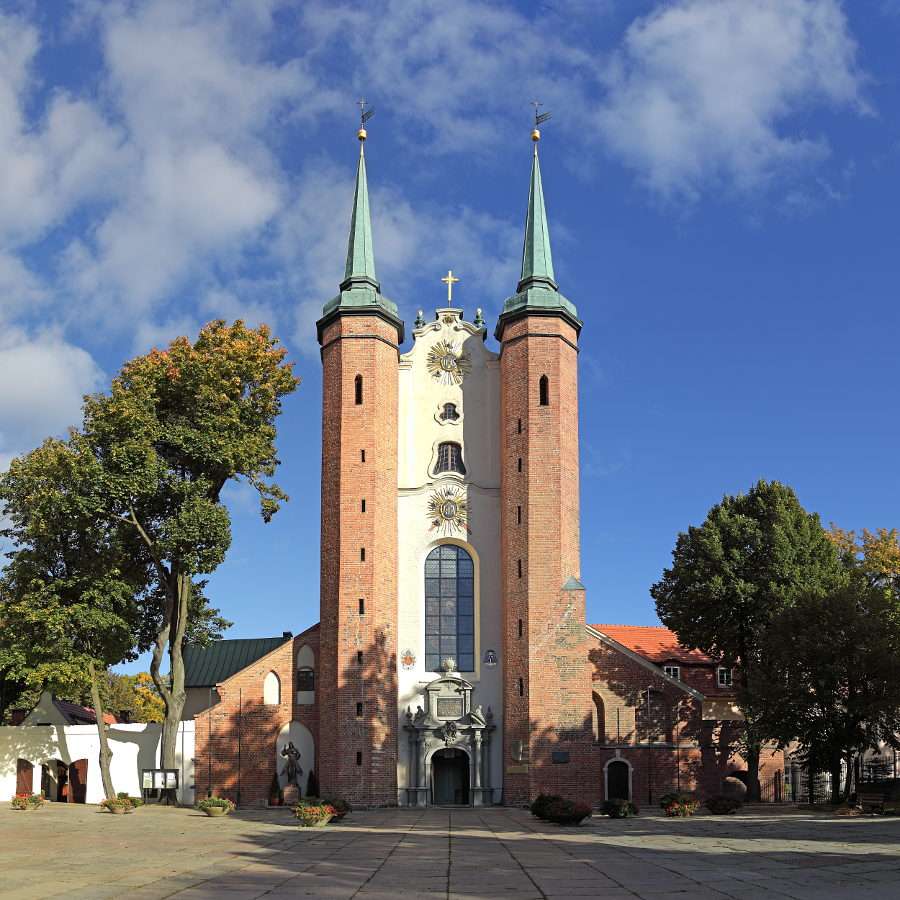

Baltic Sea puzzle online from photo
24Baltic Seasolved 38 times
Solve puzzle
view7 puzzle online from photo
48view7solved 37 times
Solve puzzle
After mountain online puzzle
48After mountainsolved 37 times
Solve puzzle
Tower bridge online puzzle
48Tower bridgesolved 37 times
Solve puzzle
milk for Ela online puzzle
48milk for Elasolved 37 times
Solve puzzle
Cambodia airport online puzzle
56Cambodia airportsolved 37 times
Solve puzzle
UMiC puzzle online from photo
35UMiCsolved 37 times
Solve puzzle
Crystal Jigsaw online puzzle
48Crystal Jigsawsolved 37 times
Solve puzzle
เจดีย์ชเวดากอง puzzle online from photo
49เจดีย์ชเวดากองsolved 37 times
Solve puzzle
Pyramides puzzle online from photo
42Pyramidessolved 37 times
Solve puzzle
Your Next Clue online puzzle
48Your Next Cluesolved 37 times
Solve puzzle
Mountains in Oman puzzle online from photo
33Mountains in Omansolved 37 times
Solve puzzle
Monumentos online puzzle
48Monumentossolved 37 times
Solve puzzle
Flower online puzzle
48Flowersolved 37 times
Solve puzzle
GAMBAR APA? online puzzle
48GAMBAR APA?solved 37 times
Solve puzzle
RH Values online puzzle
63RH Valuessolved 37 times
Solve puzzle
elepheny puzzle online from photo
15elephenysolved 37 times
Solve puzzle
Jesus puzzle online from photo
48Jesussolved 37 times
Solve puzzle
China 2012 puzzle online from photo
99China 2012solved 37 times
Solve puzzle
Barcelona puzzle online from photo
144Barcelonasolved 37 times
Solve puzzle
Falcon Mountains online puzzle
20Falcon Mountainssolved 37 times
Solve puzzle
arc de triomphe puzzle online from photo
25arc de triomphesolved 37 times
Solve puzzle
buckingham puzzle online from photo
48buckinghamsolved 37 times
Solve puzzle
Samudramanthan 2020 online puzzle
216Samudramanthan 2020solved 37 times
Solve puzzle
Genolier # 2019 online puzzle
475Genolier # 2019solved 37 times
Solve puzzle
japan crosswalk online puzzle
600japan crosswalksolved 37 times
Solve puzzle
test afdAdAd af D ffRF Fd online puzzle
20test afdAdAd af D ffRF Fdsolved 37 times
Solve puzzle
SPRING BIRDS puzzle online from photo
20SPRING BIRDSsolved 37 times
Solve puzzle
seagoed ship puzzle online from photo
600seagoed shipsolved 37 times
Solve puzzle
Sunrise in Rome puzzle online from photo
48Sunrise in Romesolved 37 times
Solve puzzle
Night, Bobas on the Moon online puzzle
196Night, Bobas on the Moonsolved 37 times
Solve puzzle
Red sky online puzzle
54Red skysolved 37 times
Solve puzzle
Winter view online puzzle
117Winter viewsolved 37 times
Solve puzzle
Heart puzzle online from photo
192Heartsolved 37 times
Solve puzzle
Denali by Reddit online puzzle
150Denali by Redditsolved 37 times
Solve puzzle
Hawaii puzzle online puzzle
24Hawaii puzzlesolved 37 times
Solve puzzle
JCP New Waterfall puzzle online from photo
70JCP New Waterfallsolved 37 times
Solve puzzle
TIKS team of 2020 online puzzle
154TIKS team of 2020solved 37 times
Solve puzzle
ACTS 4:12 online puzzle
120ACTS 4:12solved 37 times
Solve puzzle
Nusa Penida online puzzle
150Nusa Penidasolved 37 times
Solve puzzle
MoaradeVant online puzzle
20MoaradeVantsolved 37 times
Solve puzzle
Bansko, Bulgaria spring landscape puzzle online from photo
119Bansko, Bulgaria spring landscapesolved 37 times
Solve puzzle
testPuzzle online puzzle
900testPuzzlesolved 37 times
Solve puzzle
Sakrisoy port online puzzle
126Sakrisoy portsolved 37 times
Solve puzzle
GKi Kwitang puzzle online from photo
154GKi Kwitangsolved 37 times
Solve puzzle
Revolutionary Leaders online puzzle
132Revolutionary Leaderssolved 37 times
Solve puzzle
Sand In The Zen puzzle online from photo
140Sand In The Zensolved 37 times
Solve puzzle
puzzlesampv puzzle online from photo
130puzzlesampvsolved 37 times
Solve puzzle

Online puzzle Cloud

Cloud

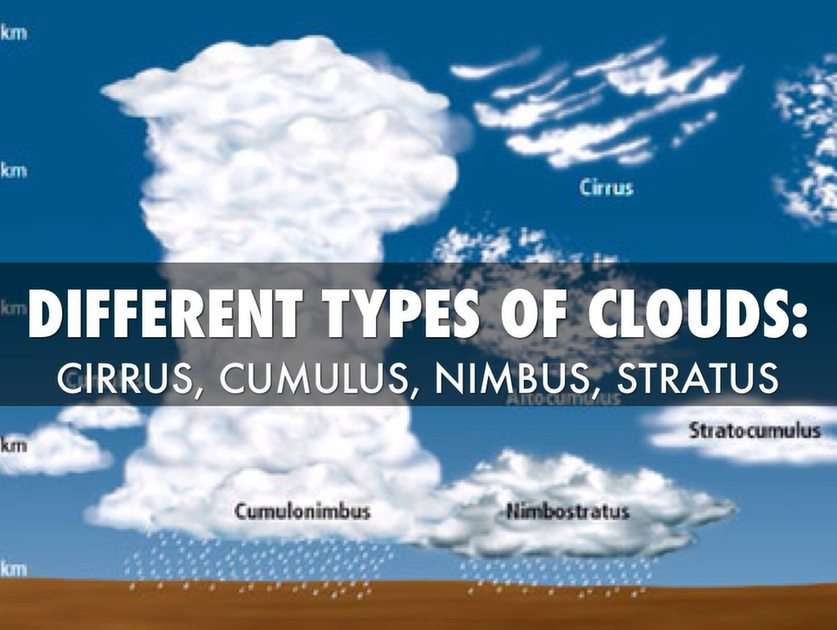
In meteorology, a cloud is an aerosol consisting of a visible mass of miniature liquid droplets, frozen crystals, or other particles suspended in the atmosphere of a planetary body or similar space. Water or various other chemicals may compose the droplets and crystals. On Earth, clouds are formed as a result of saturation of the air when it is cooled to its dew point, or when it gains sufficient moisture (usually in the form of water vapor) from an adjacent source to raise the dew point to the ambient temperature.

Clouds are seen in the Earth's homosphere, which includes the troposphere, stratosphere, and mesosphere. Nephology is the science of clouds, which is undertaken in the cloud physics branch of meteorology. There are two methods of naming clouds in their respective layers of the homosphere, Latin and common name.
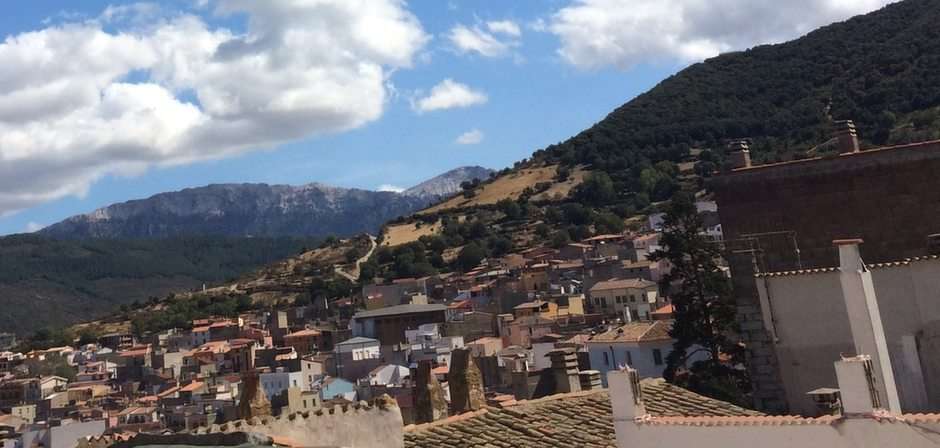

Genus types in the troposphere, the atmospheric layer closest to Earth's surface, have Latin names because of the universal adoption of Luke Howard's nomenclature that was formally proposed in 1802. It became the basis of a modern international system that divides clouds into five physical forms which can be further divided or classified into altitude levels to derive ten basic genera. The main representative cloud types for each of these forms are stratiform, cumuliform, stratocumuliform, cumulonimbiform, and cirriform. Low-level clouds do not have any altitude-related prefixes. However mid-level stratiform and stratocumuliform types are given the prefix alto- while high-level variants of these same two forms carry the prefix cirro-. In both cases, strato- is dropped from the latter form to avoid double-prefixing. Genus types with sufficient vertical extent to occupy more than one level do not carry any altitude related prefixes. They are classified formally as low- or mid-level depending on the altitude at which each initially forms, and are also more informally characterized as multi-level or vertical. Most of the ten genera derived by this method of classification can be subdivided into species and further subdivided into varieties. Very low stratiform clouds that extend down to the Earth's surface are given the common names fog and mist, but have no Latin names.

In the stratosphere and mesosphere, clouds have common names for their main types. They may have the appearance of stratiform veils or sheets, cirriform wisps, or stratocumuliform bands or ripples. They are seen infrequently, mostly in the polar regions of Earth. Clouds have been observed in the atmospheres of other planets and moons in the Solar System and beyond. However, due to their different temperature characteristics, they are often composed of other substances such as methane, ammonia, and sulfuric acid, as well as water.

Tropospheric clouds can have a direct effect on climate change on Earth. They may reflect incoming rays from the sun which can contribute to a cooling effect where and when these clouds occur, or trap longer wave radiation that reflects back up from the Earth's surface which can cause a warming effect. The altitude, form, and thickness of the clouds are the main factors that affect the local heating or cooling of Earth and the atmosphere. Clouds that form above the troposphere are too scarce and too thin to have any influence on climate change. Clouds are the main uncertainty in climate sensitivity.