Communication - online puzzles



























Online puzzle Communication
Communication
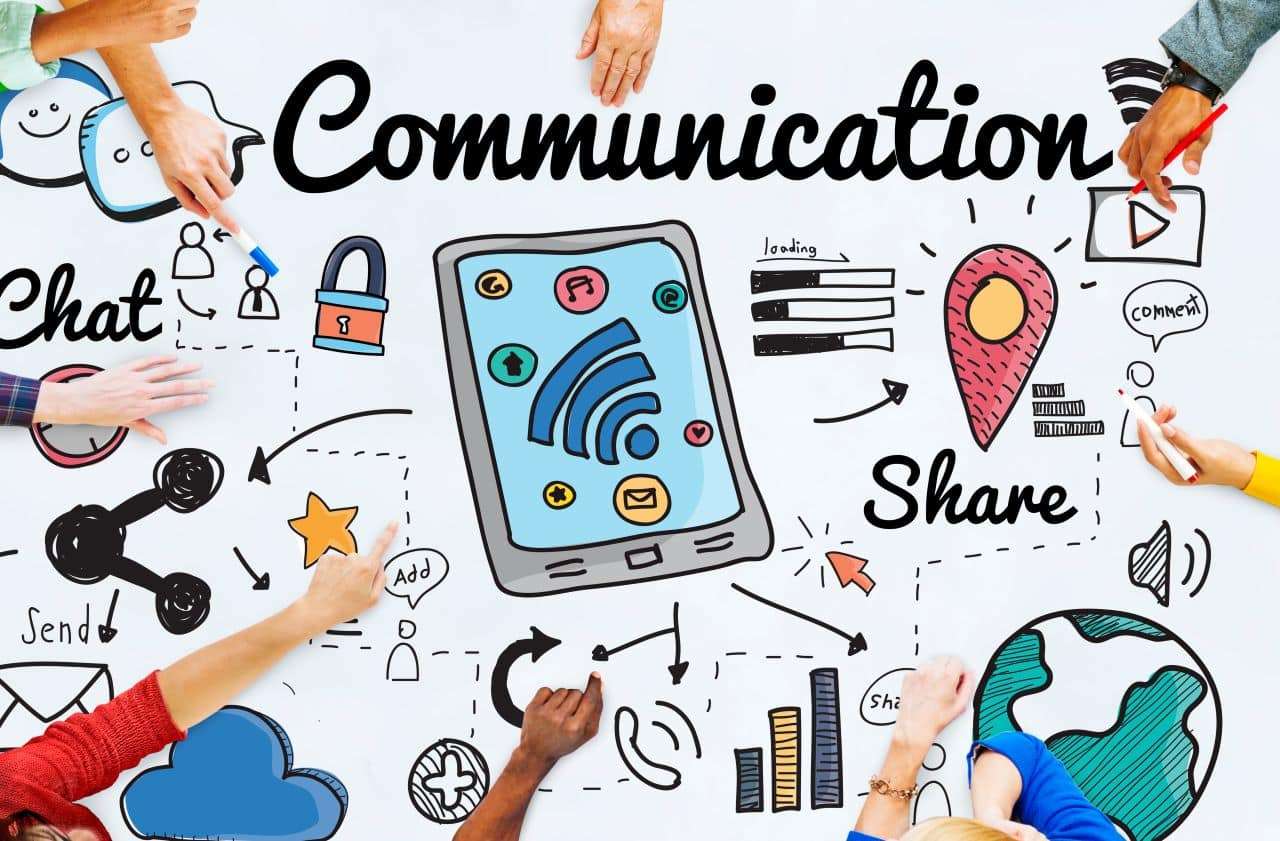
Communication is usually defined as the transmission of information. The term can also refer to the message itself, or the field of inquiry studying these transmissions, also known as communication studies. The precise definition of communication is disputed. Controversial issues are whether unintentional or failed transmissions are included and whether communication does not just transmit meaning but also create it. Models of communication aim to provide a simplified overview of its main components and their interaction. Many models include the idea that a source uses a coding system to express information in the form of a message. The source uses a channel to send the message to a receiver who has to decode it in order to understand its meaning. Channels are usually discussed in terms of the senses used to perceive the message, like hearing, sight, smell, touch, and taste.
Communication can be classified based on whether information is exchanged between humans, members of other species, or non-living entities such as computers. For human communication, a central contrast is between verbal and non-verbal communication. Verbal communication involves the exchange of messages in linguistic form. This can happen through natural languages, like English or Japanese, or through artificial languages, like Esperanto. Verbal communication includes spoken and written messages as well as the use of sign language. Non-verbal communication happens without the use of a linguistic system. There are many forms of non-verbal communication, for example, using body language, body position, touch, and intonation. Another distinction is between interpersonal and intrapersonal communication. Interpersonal communication happens between distinct persons, such as greeting someone on the street or making a phone call. Intrapersonal communication, on the other hand, is communication with oneself. This can happen internally, as a form of inner dialog or daydreaming, or externally, for example, when writing down a shopping list or engaging in a monologue.
Non-human forms of communication include animal and plant communication. Researchers in this field often formulate additional criteria for their definition of communicative behavior. Example are the requirement that the behavior serves a beneficial function for natural selection and that a response to the message is observed. Animal communication plays important roles for various species in the areas of courtship and mating, parent-offspring relations, social relations, navigation, self-defense, and territoriality. In the area of courtship and mating, for example, communication is used to identify and attract potential mates. An often-discussed example concerning navigational communication is the waggle dance used by bees to indicate to other bees where flowers are located. Due to the rigid cell walls of plants, their communication often happens through chemical means rather than movement. For example, plants like maple trees release so-called volatile organic compounds into the air to warn other plants of a herbivore attack.
Most communication takes place between members of the same species. The reason is that its purpose, as a tool, is usually some form of cooperation, which is not as common between species. However, there are also forms of interspecies communication, mainly in cases of symbiotic relationships. For example, many flowers use symmetrical shapes and colors that stand out from their surroundings in order to communicate to insects where nectar is located to attract them. Humans also practice interspecies communication, for example, when interacting with pets.
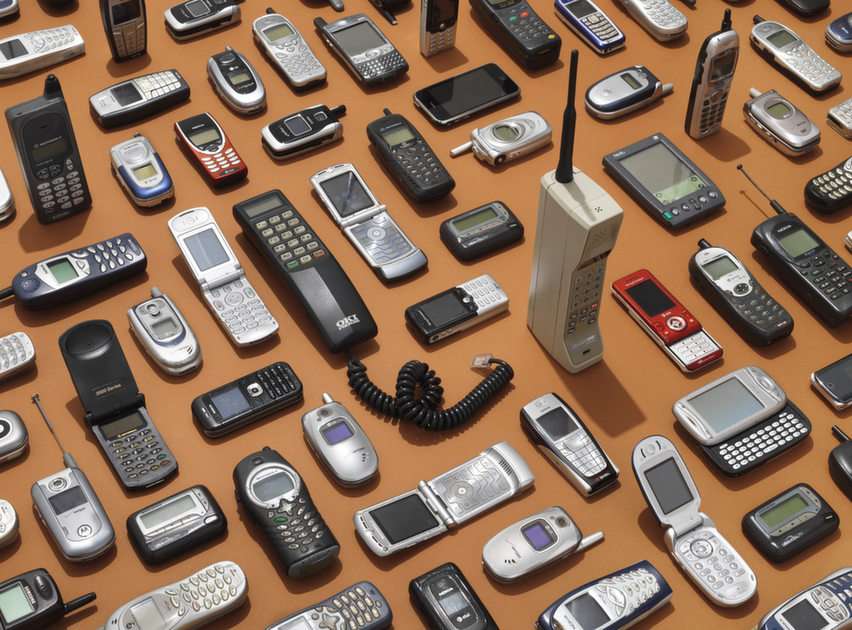
The field of communication includes various other issues, like communicative competence and the history of communication. Communicative competence is the ability to communicate well. It applies both to the capability to formulate messages and to understand them. Two central aspects are that the communicative behavior is effective, i.e. that it achieves the individual's goal, and that it is appropriate, i.e. that it follows social standards and expectations. Human communication has a long history and how people exchange information has changed over time. These changes were usually triggered by the development of new communication technologies. Examples are the invention of writing systems (first pictographic and later alphabetic), the development of mass printing, the use of radio and television, and the invention of the internet.