Japanese architecture - online puzzles




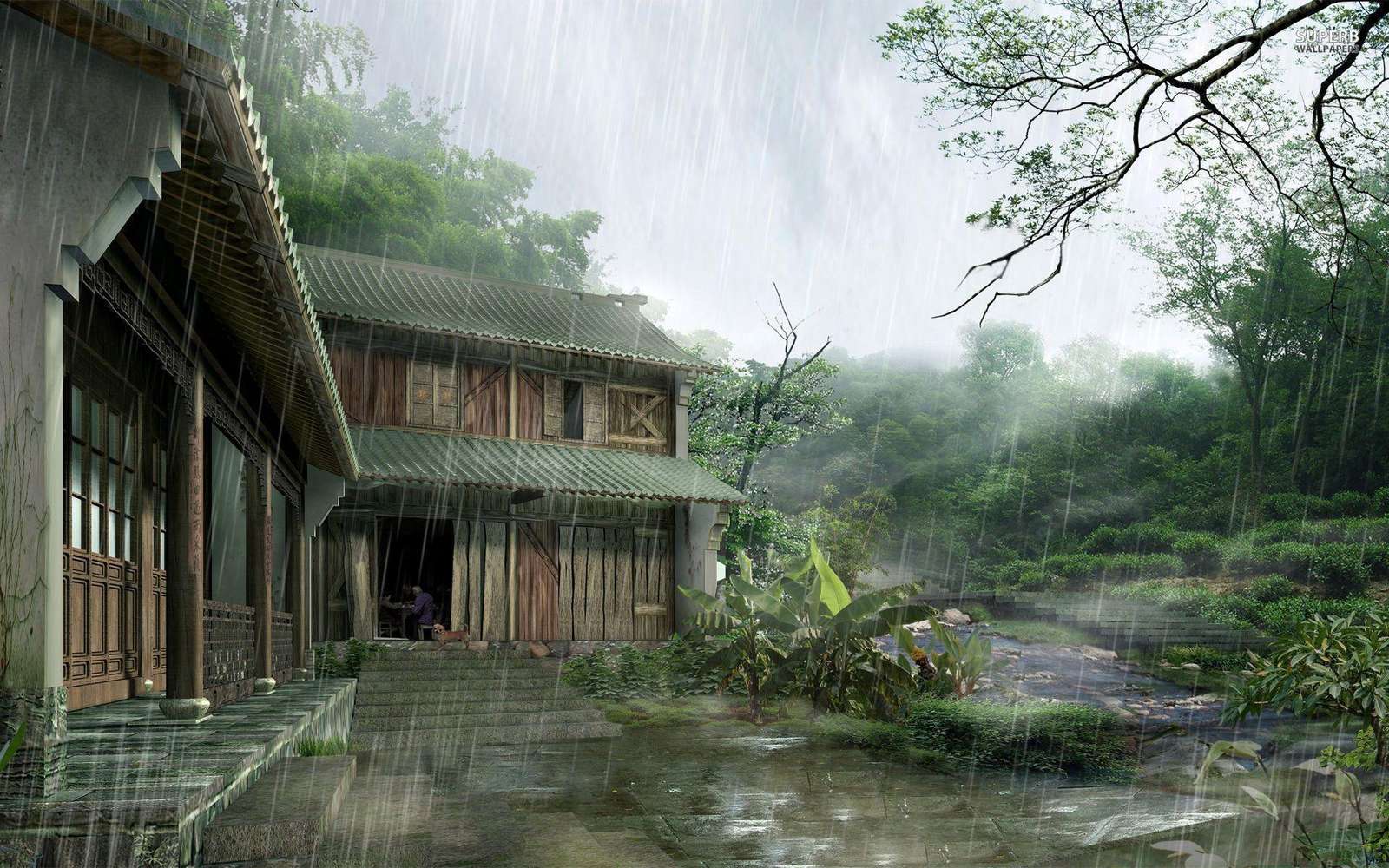
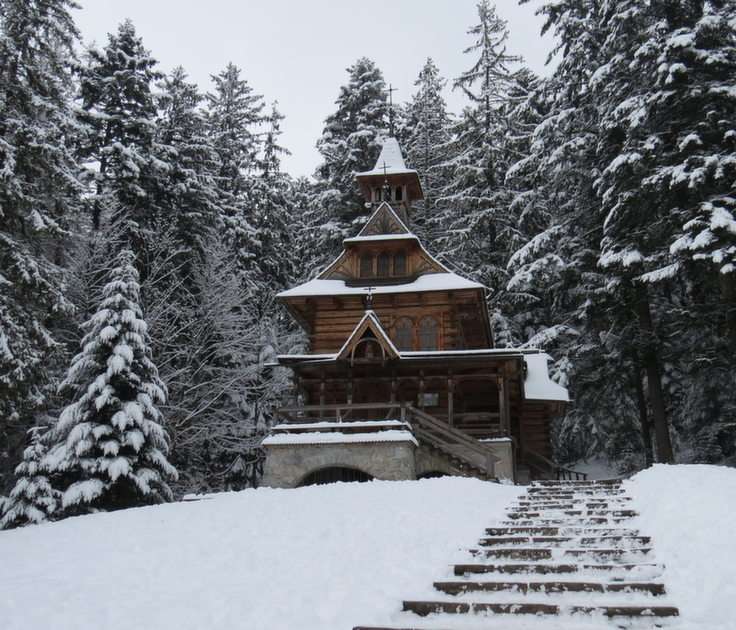
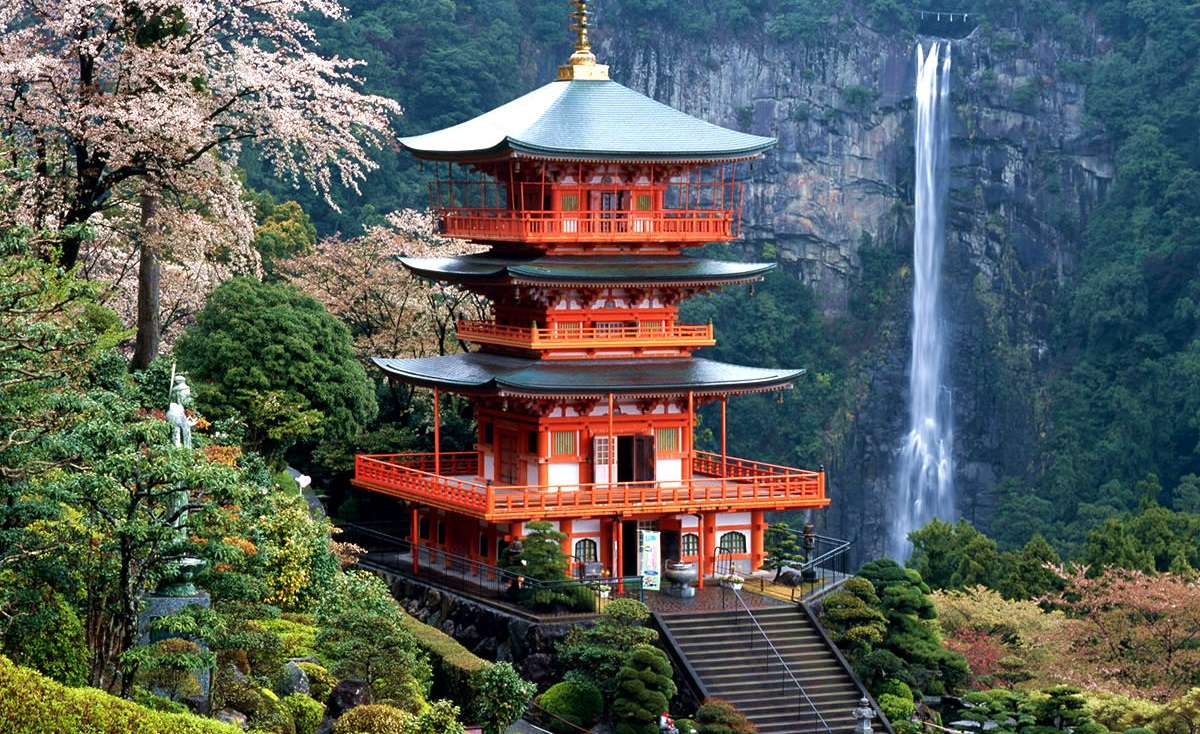

Online puzzle Japanese architecture
Japanese architecture
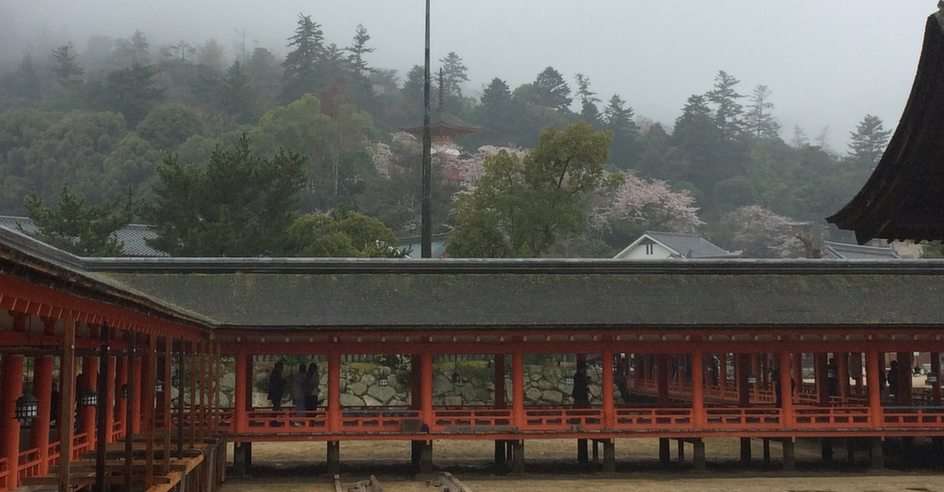
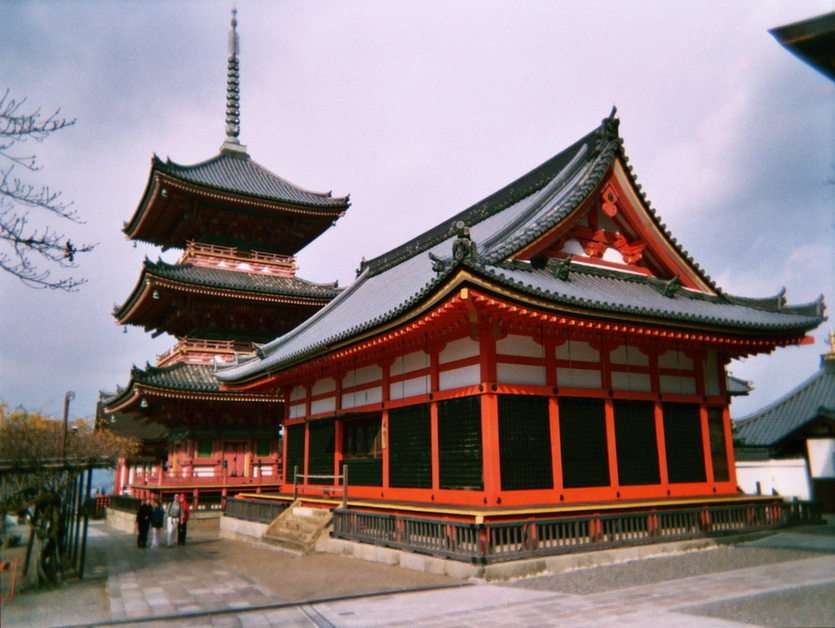
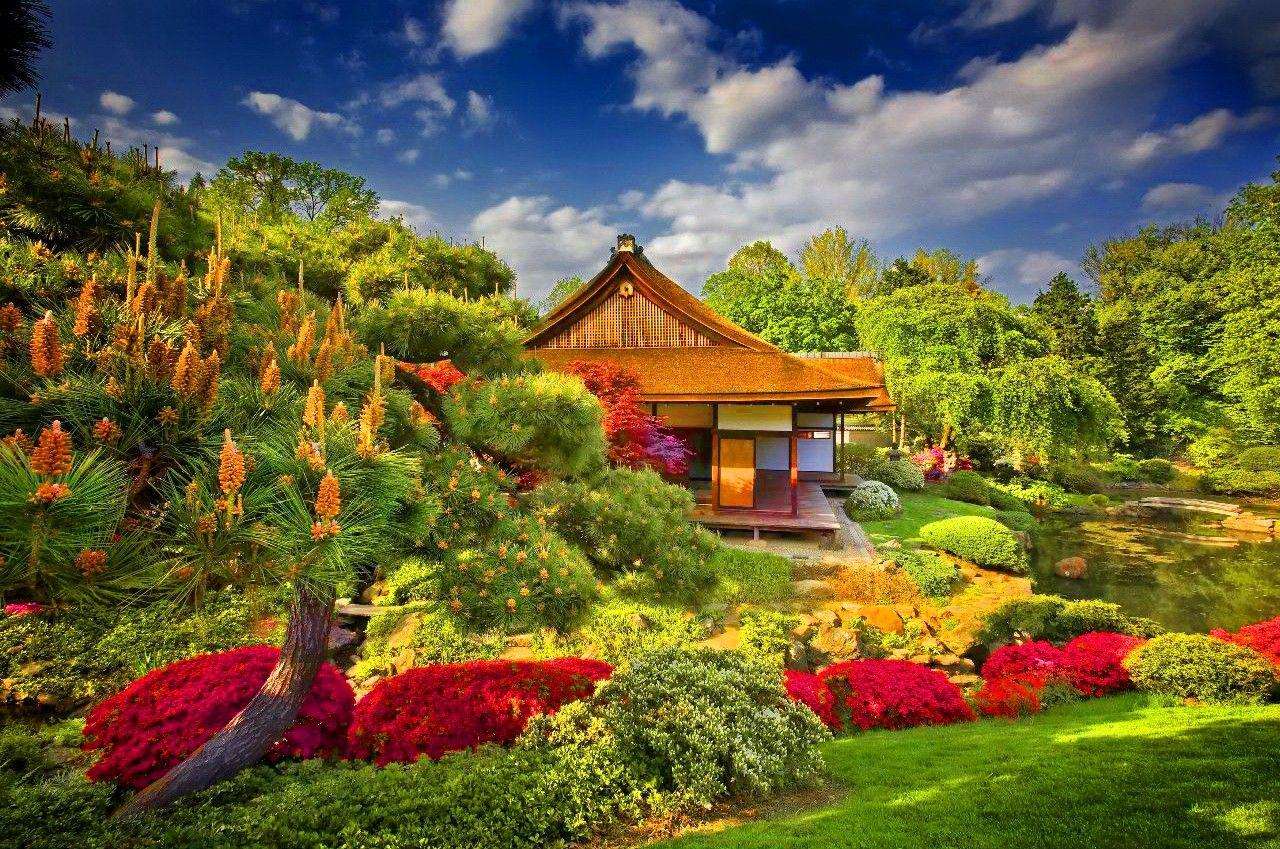
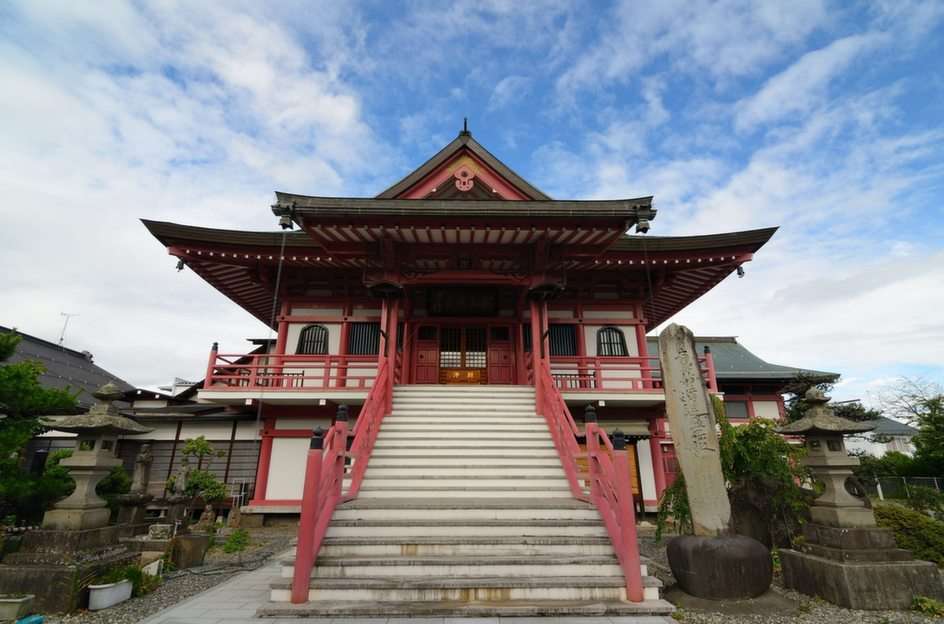
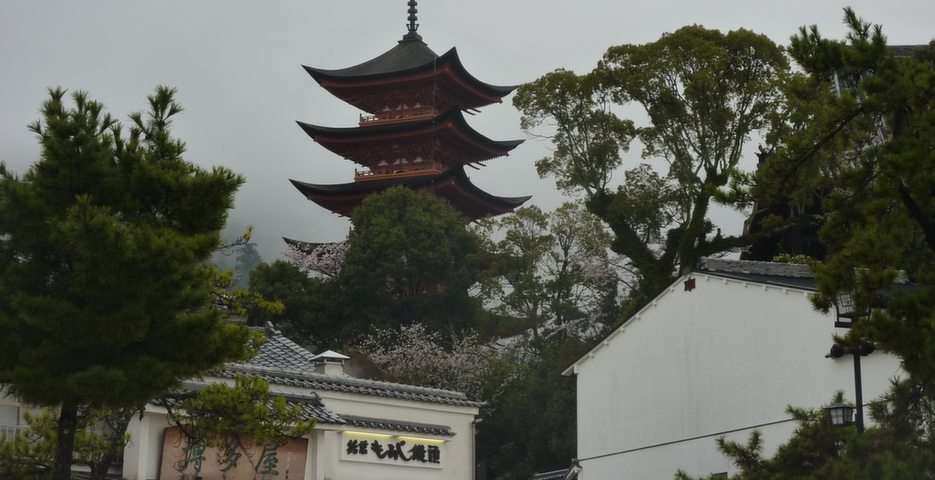
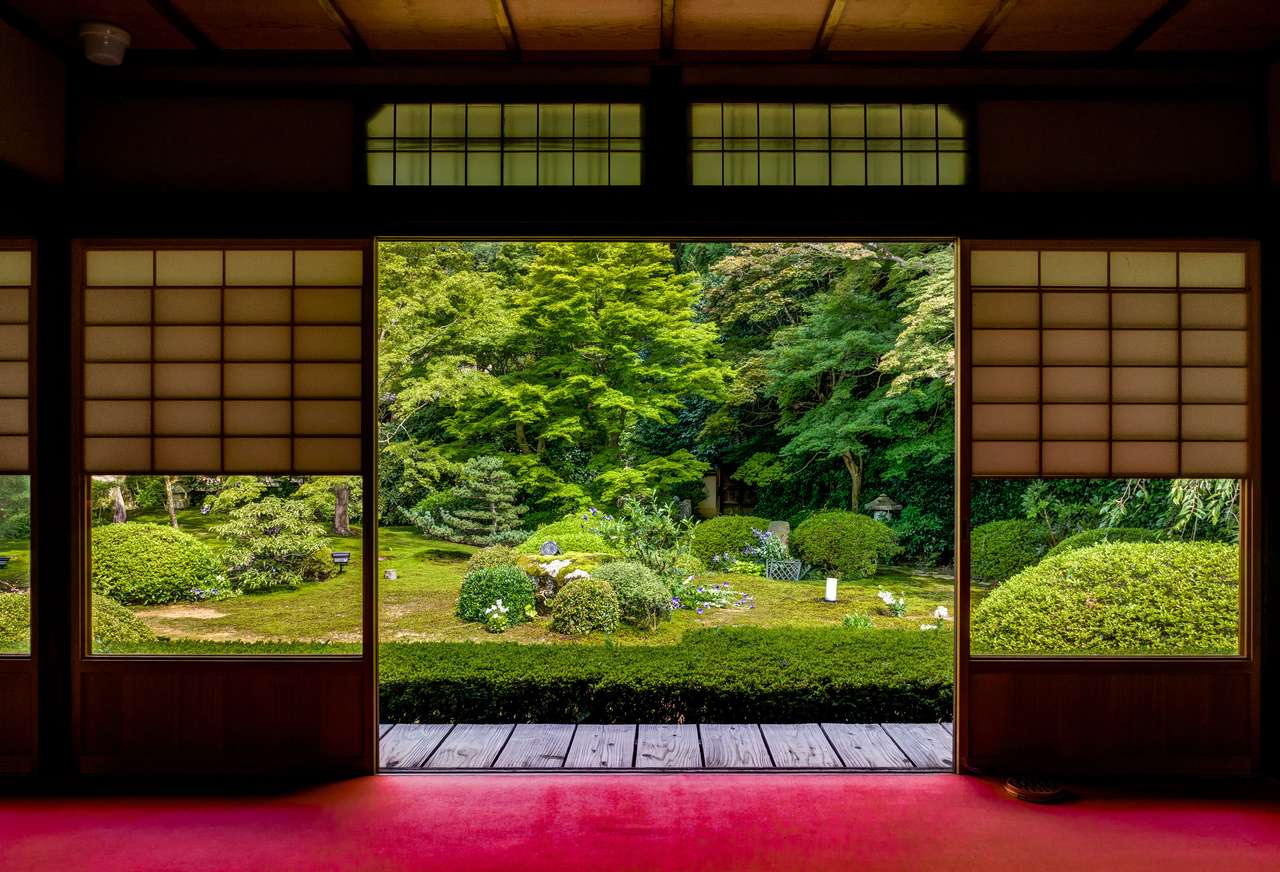
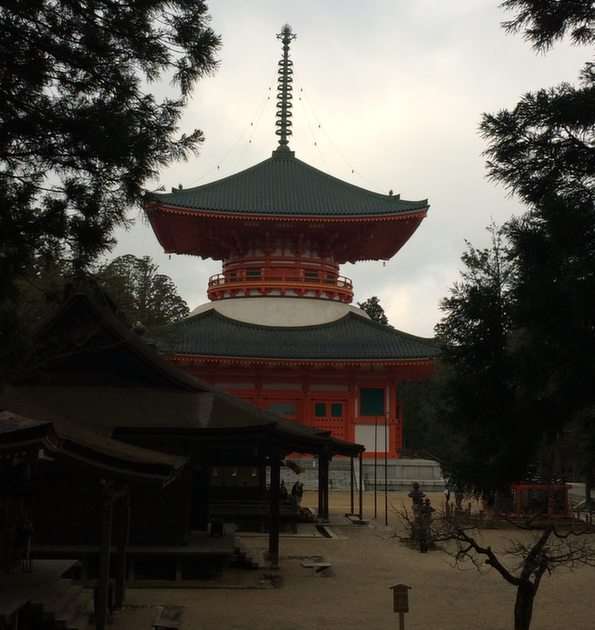
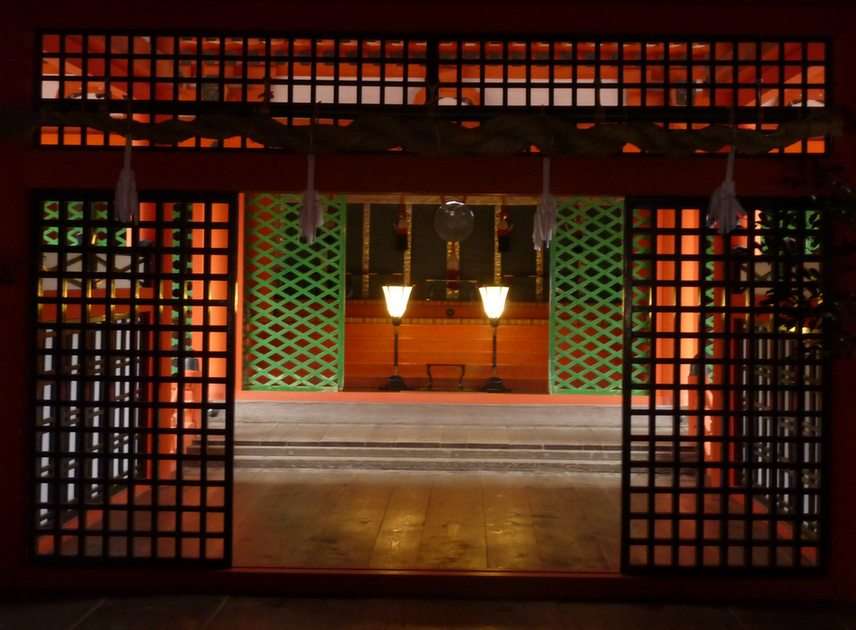
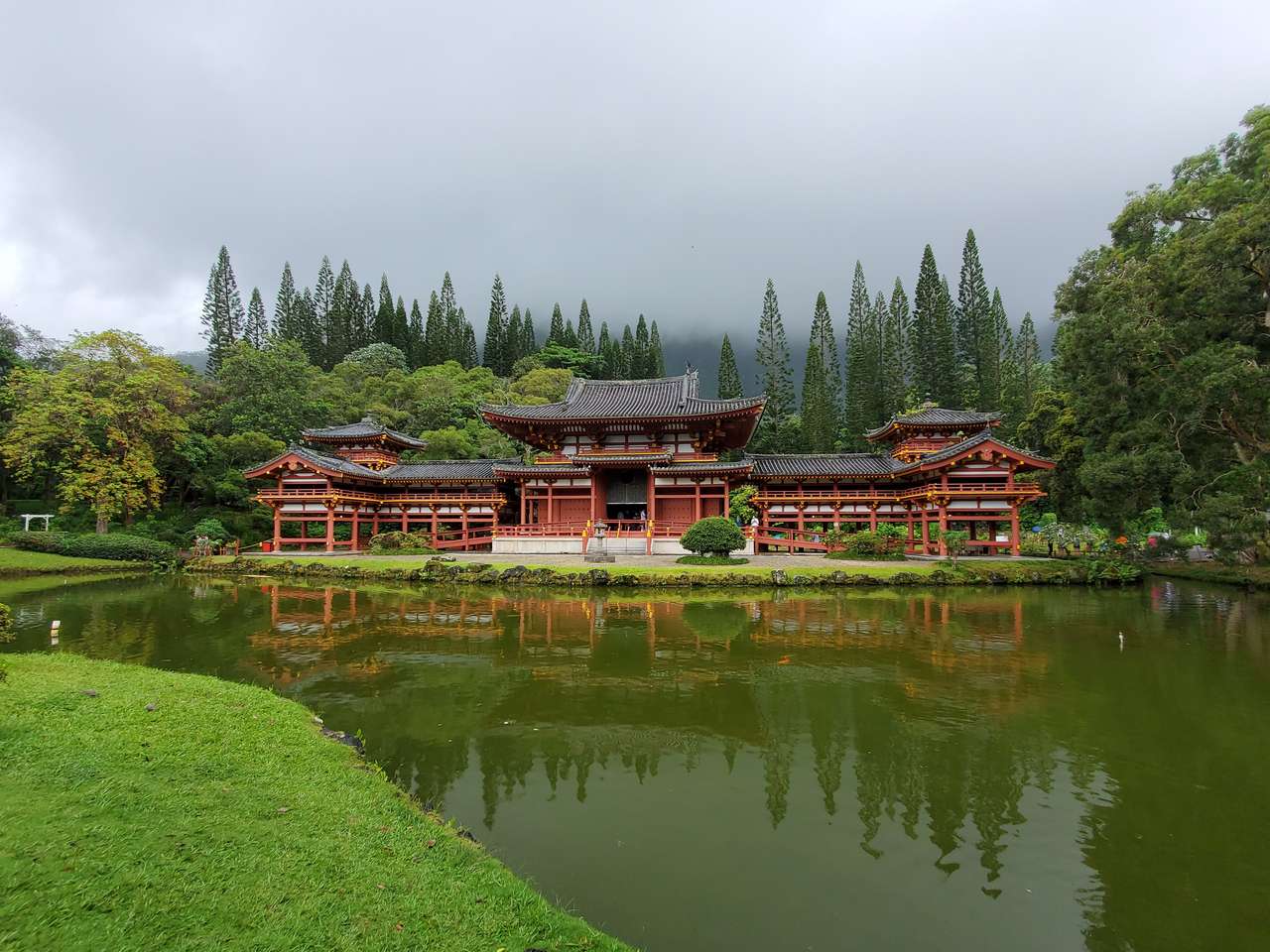
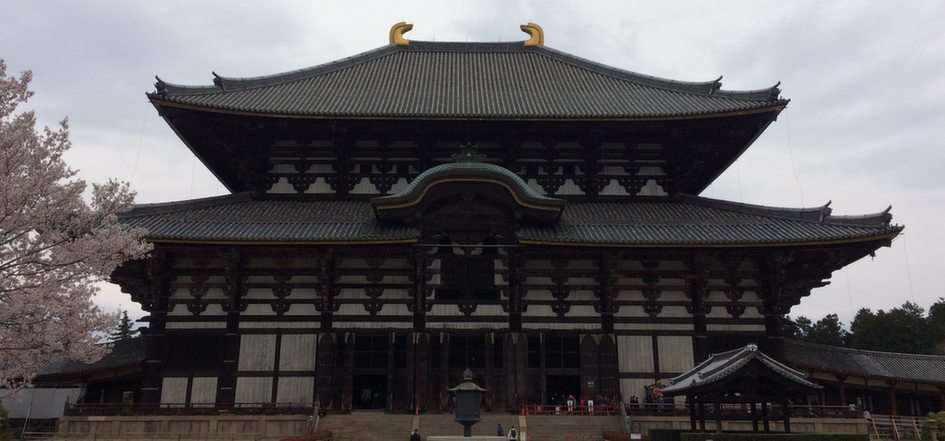
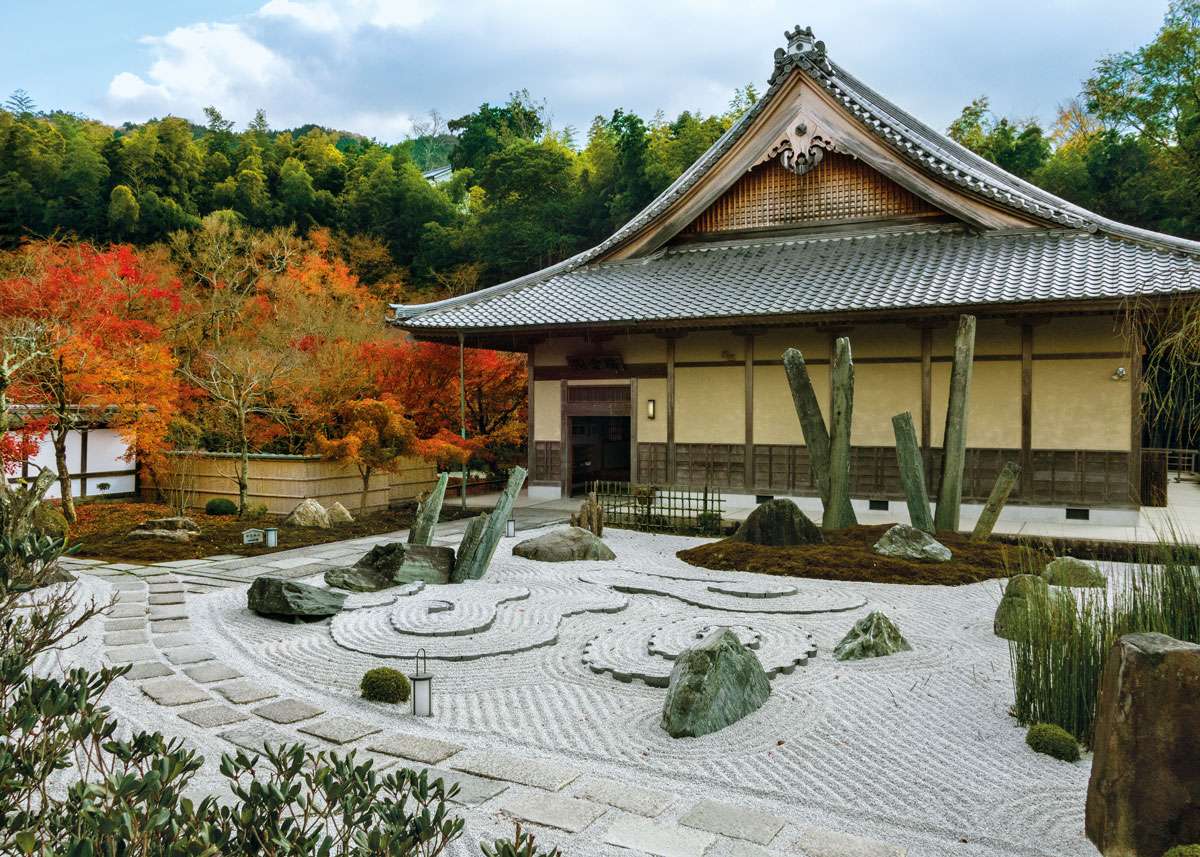
Japanese architecture (日本建築, Nihon kenchiku) has been typified by wooden structures, elevated slightly off the ground, with tiled or thatched roofs. Sliding doors (fusuma) and other traditional partitions were used in place of walls, allowing the internal configuration of a space to be customized for different occasions. People usually sat on cushions or otherwise on the floor, traditionally; chairs and high tables were not widely used until the 20th century. Since the 19th century, however, Japan has incorporated much of Western, modern, and post-modern architecture into construction and design, and is today a leader in cutting-edge architectural design and technology.
The earliest Japanese architecture was seen in prehistoric times in simple pit-houses and stores adapted to the needs of a hunter-gatherer population. Influence from Han dynasty China via Korea saw the introduction of more complex grain stores and ceremonial burial chambers.
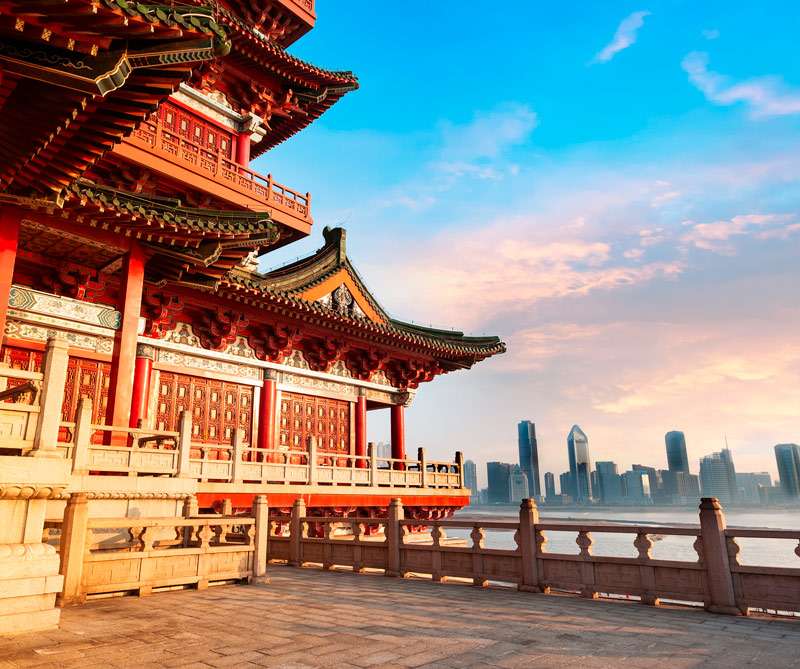
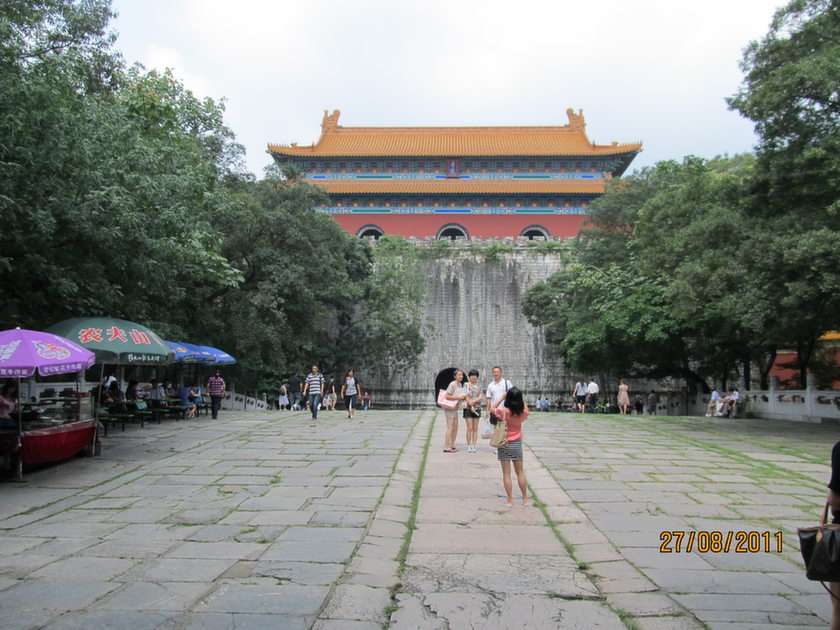
The introduction of Buddhism in Japan during the sixth century was a catalyst for large-scale temple building using complicated techniques in wood. Influence from the Chinese Sui and Tang dynasties led to the foundation of the first permanent capital in Nara. Its checkerboard street layout used the Chinese capital of Chang'an as a template for its design.
In 894 during the Heian period (794–1185), Japan abolished kentōshi (Japanese missions to Tang China) and began to distance itself from Chinese culture, and a culture called Kokufu bunka (lit., Japanese culture) which was suited to the Japanese climate and aesthetic sense flourished. The shinden-zukuri style, which was the architectural style of the residences of nobles in this period, showed the distinct uniqueness of Japanese architecture and permanently determined the characteristics of later Japanese architecture. Its features are an open structure with few walls that can be opened and closed with doors, shitomi and sudare, a structure in which shoes are taken off to enter the house on stilts, and sitting or sleeping directly on tatami mats without using chairs and beds.As the samurai class gained power in the Kamakura period (1185–1333), the shinden-zukuri style changed, and in the Muromachi period (1333–1573), the shoin-zukuri style appeared. This style had a lasting influence on later Japanese architectural styles and became the basis of modern Japanese houses. Its characteristics were that sliding doors called fusuma and paper windows called shōji were fully adopted, and tatami mats were laid all over the room.The introduction of the tea ceremony emphasised simplicity and modest design as a counterpoint to the excesses of the aristocracy. In the Azuchi–Momoyama period (1568–1600), sukiya-zukuri style villas appeared under the influence of a tea house called chashitsu. At first it was an architectural style for the villas of daimyo (Japanese feudal lords) and court nobles, but in the Edo period (1683–1807) it was applied to ryōtei (Japanese-style restaurants) and chashitsu, and later it was also applied to residences.During the Meiji Restoration of 1868 the history of Japanese architecture was radically changed by two important events. The first was the Kami and Buddhas Separation Act of 1868, which formally separated Buddhism from Shinto and Buddhist temples from Shinto shrines, breaking an association between the two which had lasted well over a thousand years. Secondly, it was then that Japan underwent a period of intense Westernization in order to compete with other developed countries. Initially, architects and styles from abroad were imported to Japan, but gradually the country taught its own architects and began to express its own style. Architects returning from study with Western architects introduced the International Style of modernism into Japan. However, it was not until after the Second World War that Japanese architects made an impression on the international scene, firstly with the work of architects like Kenzo Tange and then with theoretical movements, like Metabolism.