Japanese architecture - online puzzles
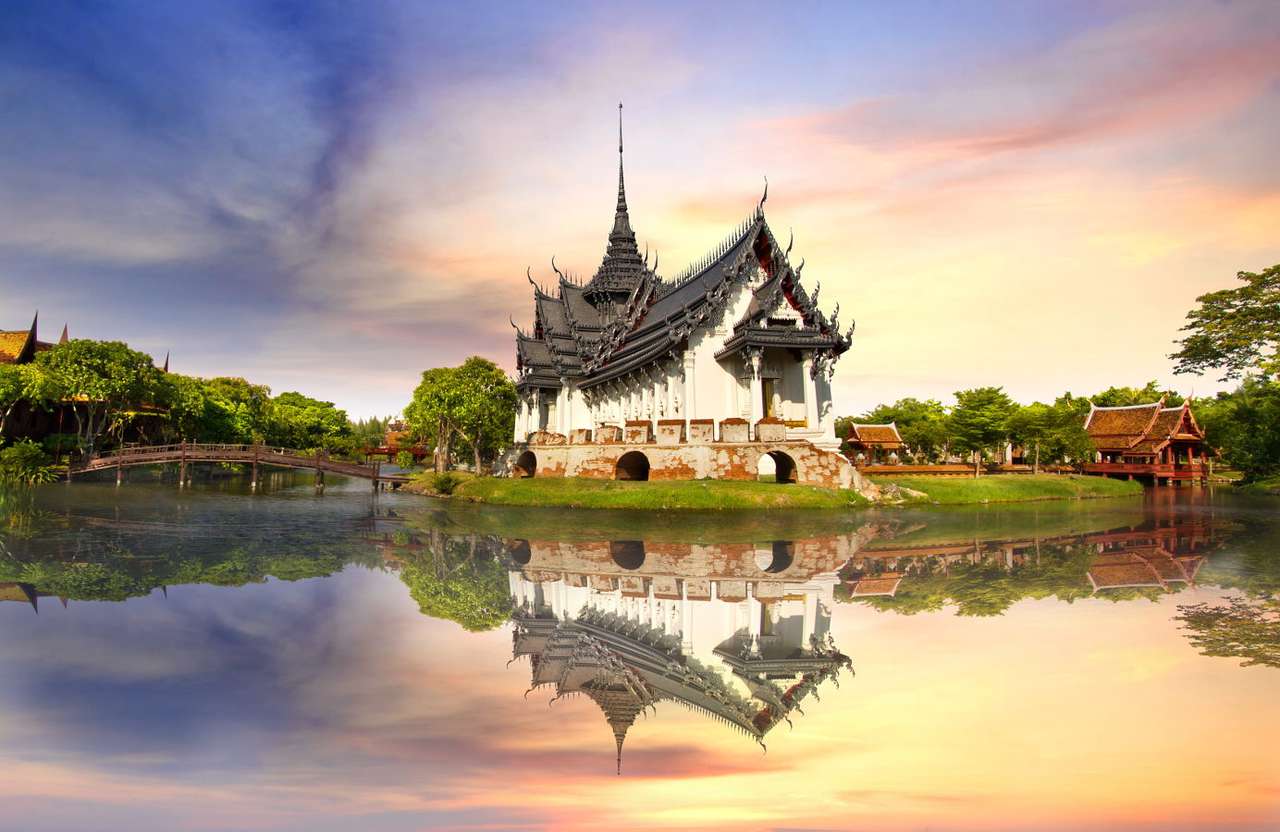
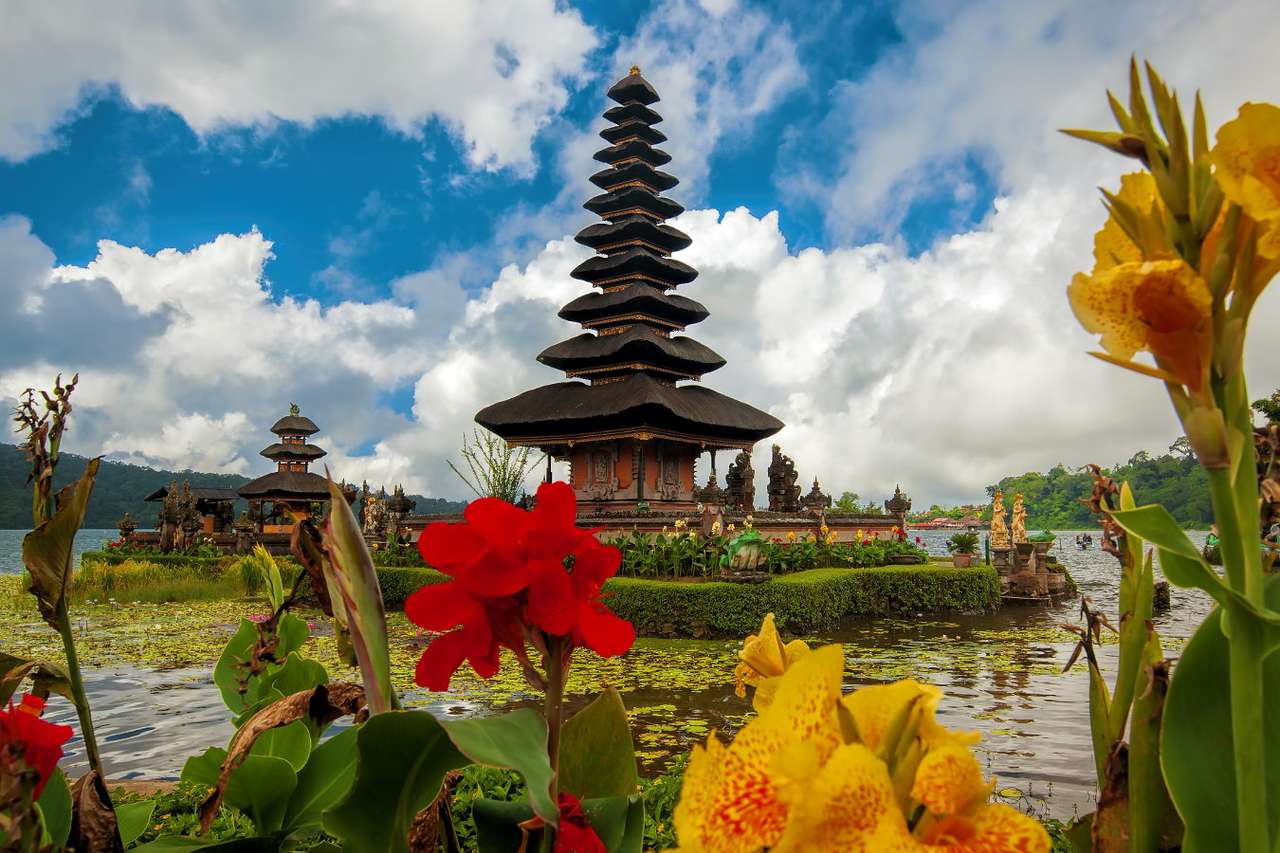
Pura Ulun Danu Bratan (Indonesia) online puzzle
60Pura Ulun Danu Bratan (Indonesia)solved 2,884 times
Solve puzzle
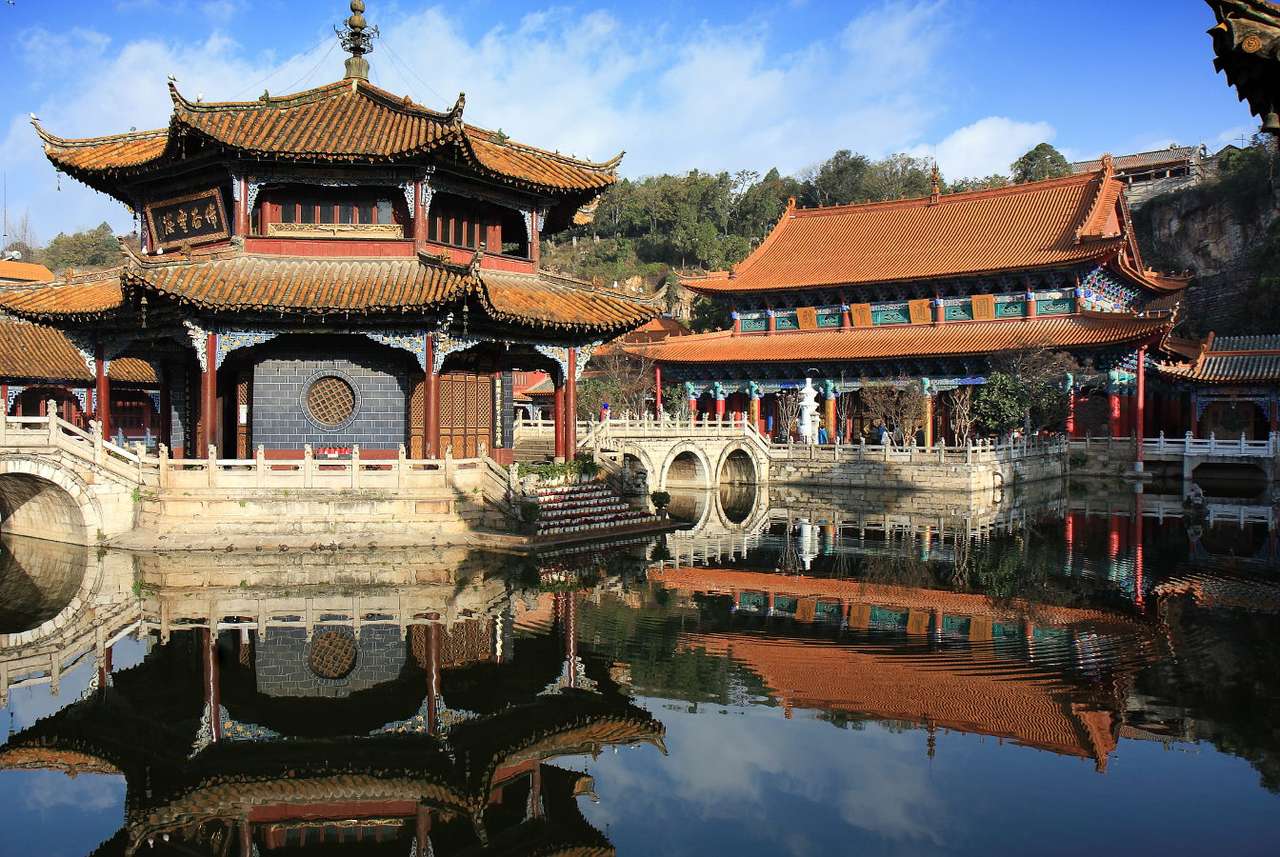
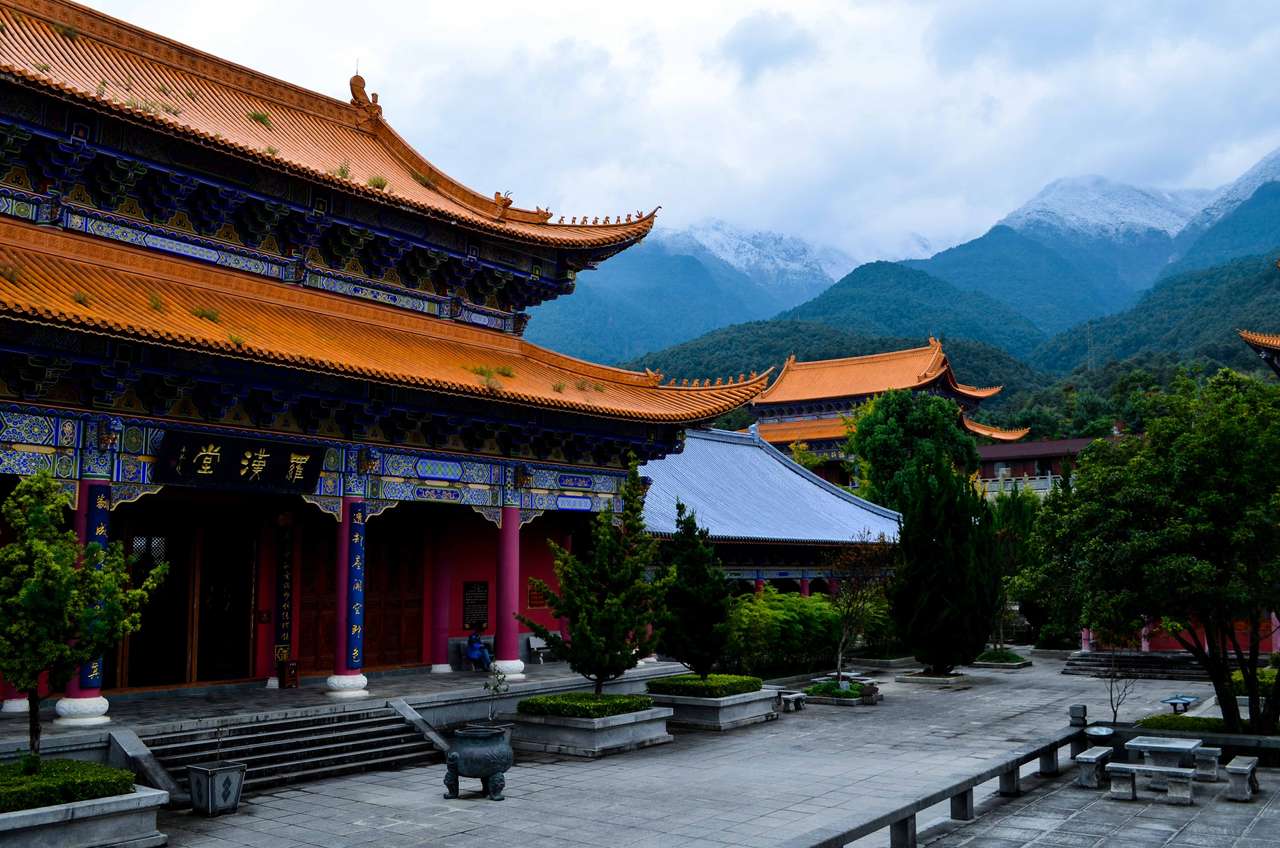
Yuantong temple (China) puzzle online from photo
126Yuantong temple (China)solved 2,646 times
Solve puzzle
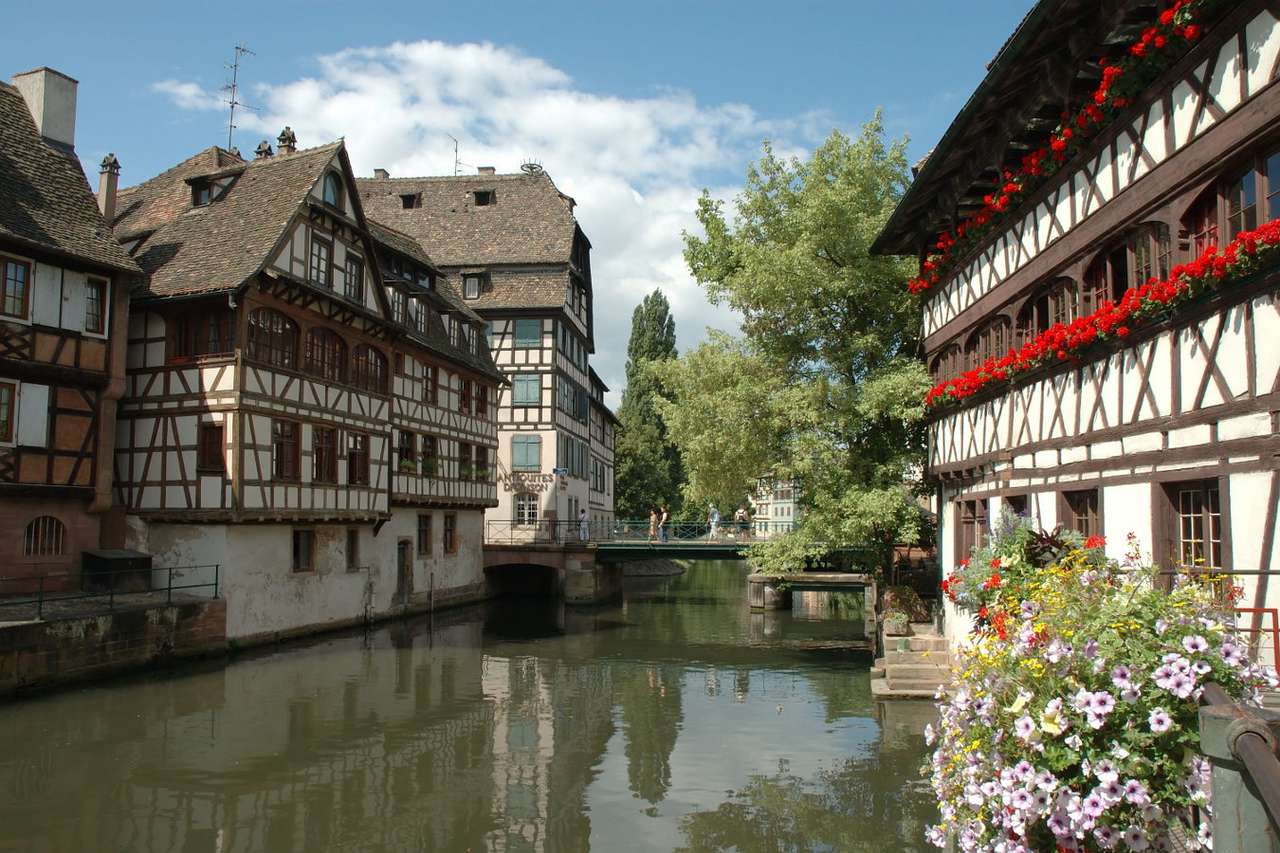
Old houses on the canal in Strasbourg (France) puzzle online from photo
54Old houses on the canal in Strasbourg (France)solved 2,491 times
Solve puzzle
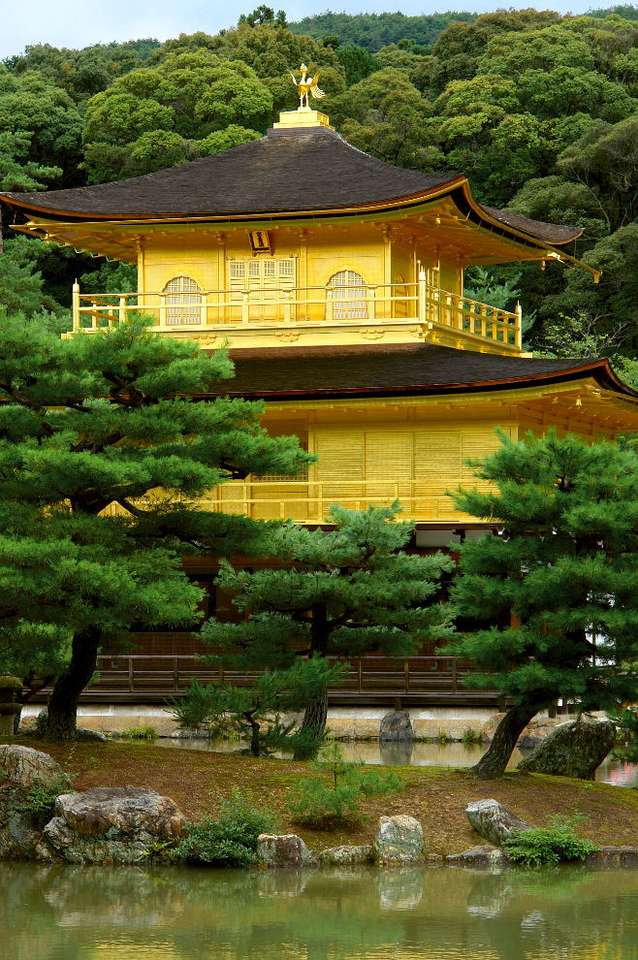
Kinkaku-ji (Japan) puzzle online from photo
77Kinkaku-ji (Japan)solved 2,456 times
Solve puzzle
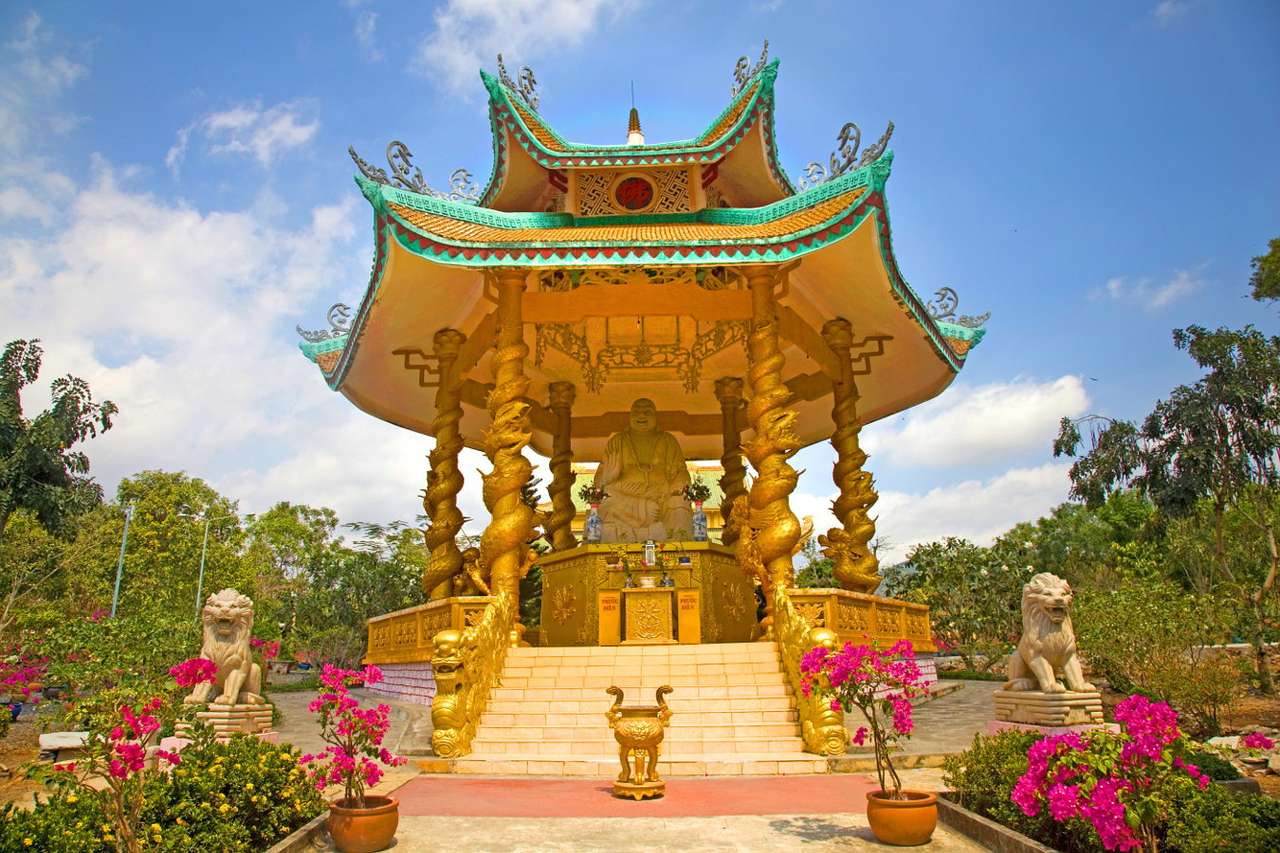
Golden statue of sitting Buddha (Vietnam) puzzle online from photo
60Golden statue of sitting Buddha (Vietnam)solved 2,357 times
Solve puzzle
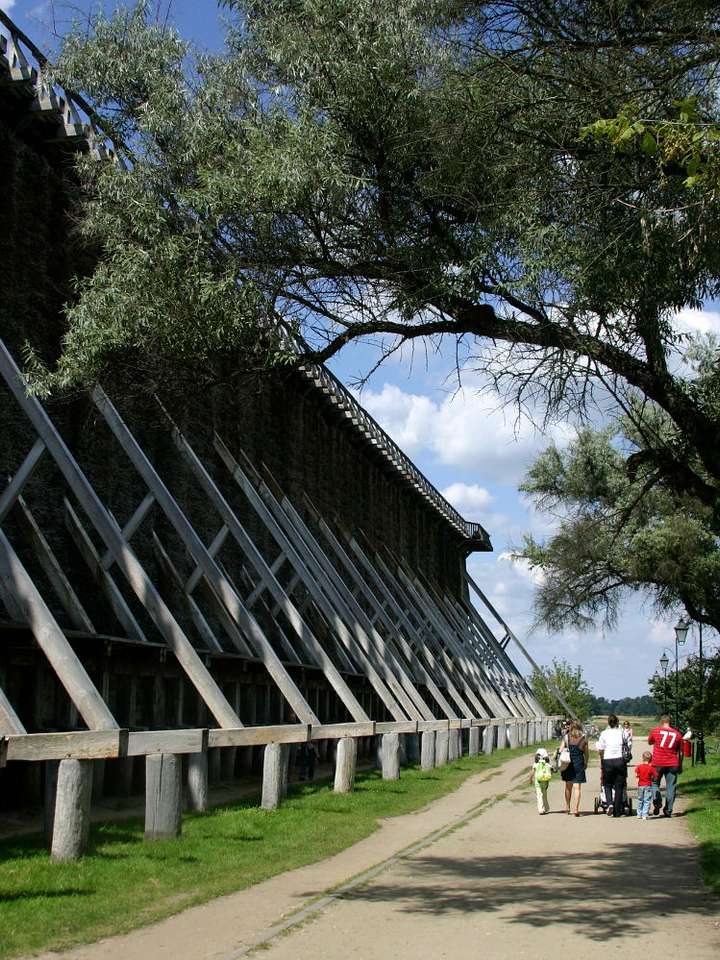
Graduation tower in Ciechocinek (Poland) puzzle online from photo
63Graduation tower in Ciechocinek (Poland)solved 2,164 times
Solve puzzle
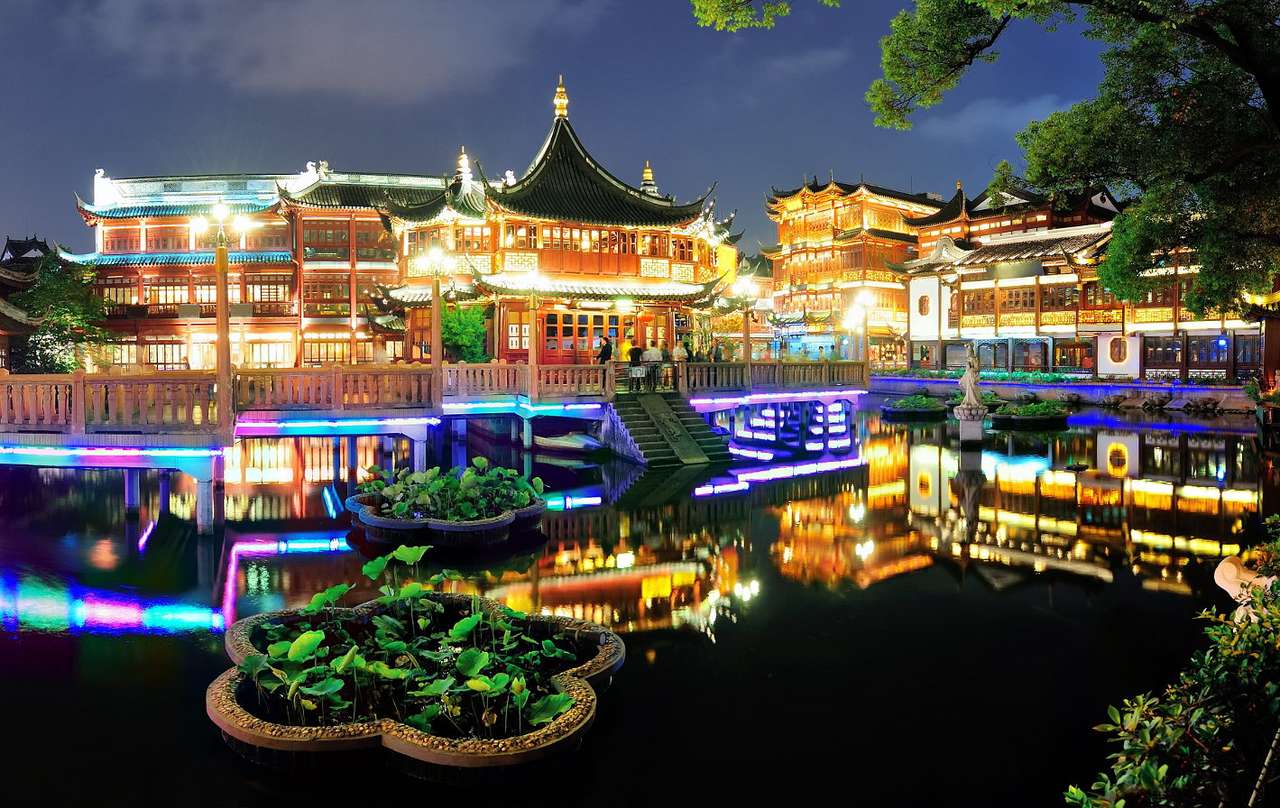
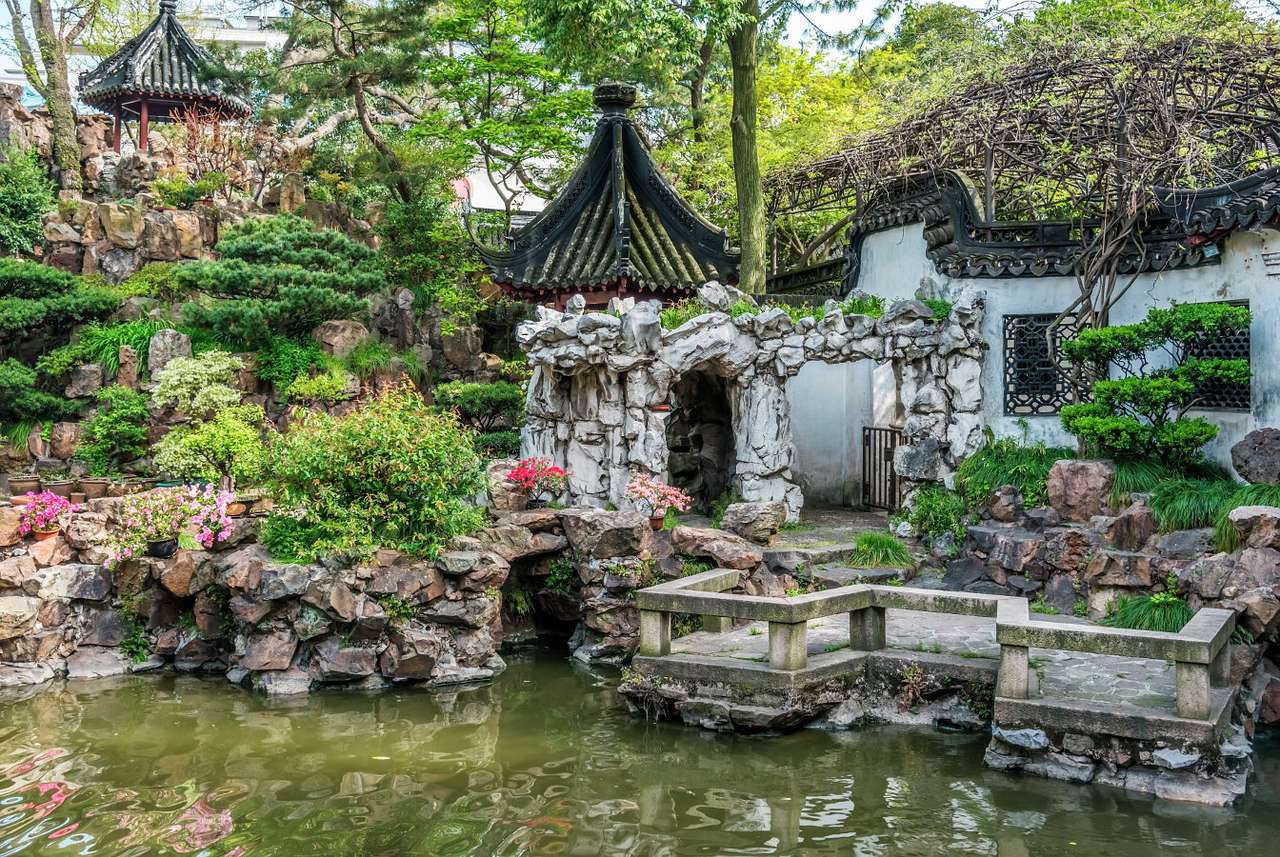
Yuyuan Garden in Shanghai (China) online puzzle
77Yuyuan Garden in Shanghai (China)solved 1,664 times
Solve puzzle
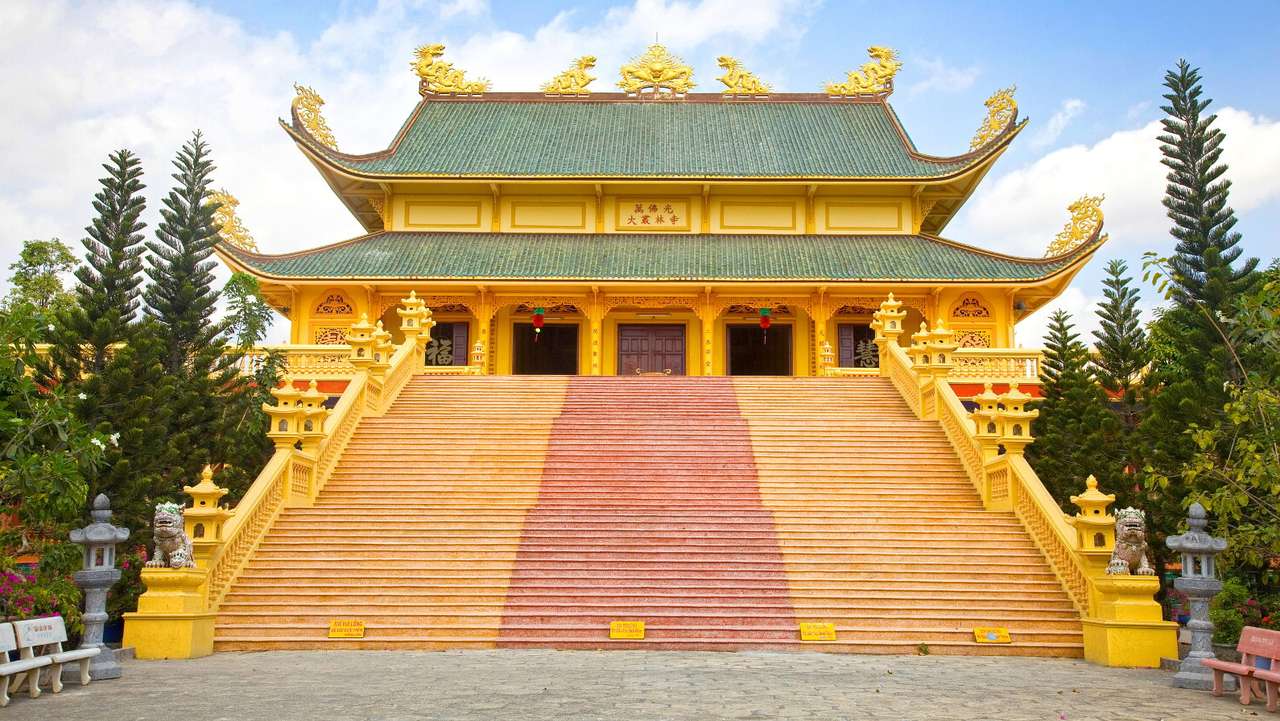
Dai Tong Lam in Phu My (Vietnam) online puzzle
105Dai Tong Lam in Phu My (Vietnam)solved 1,318 times
Solve puzzle
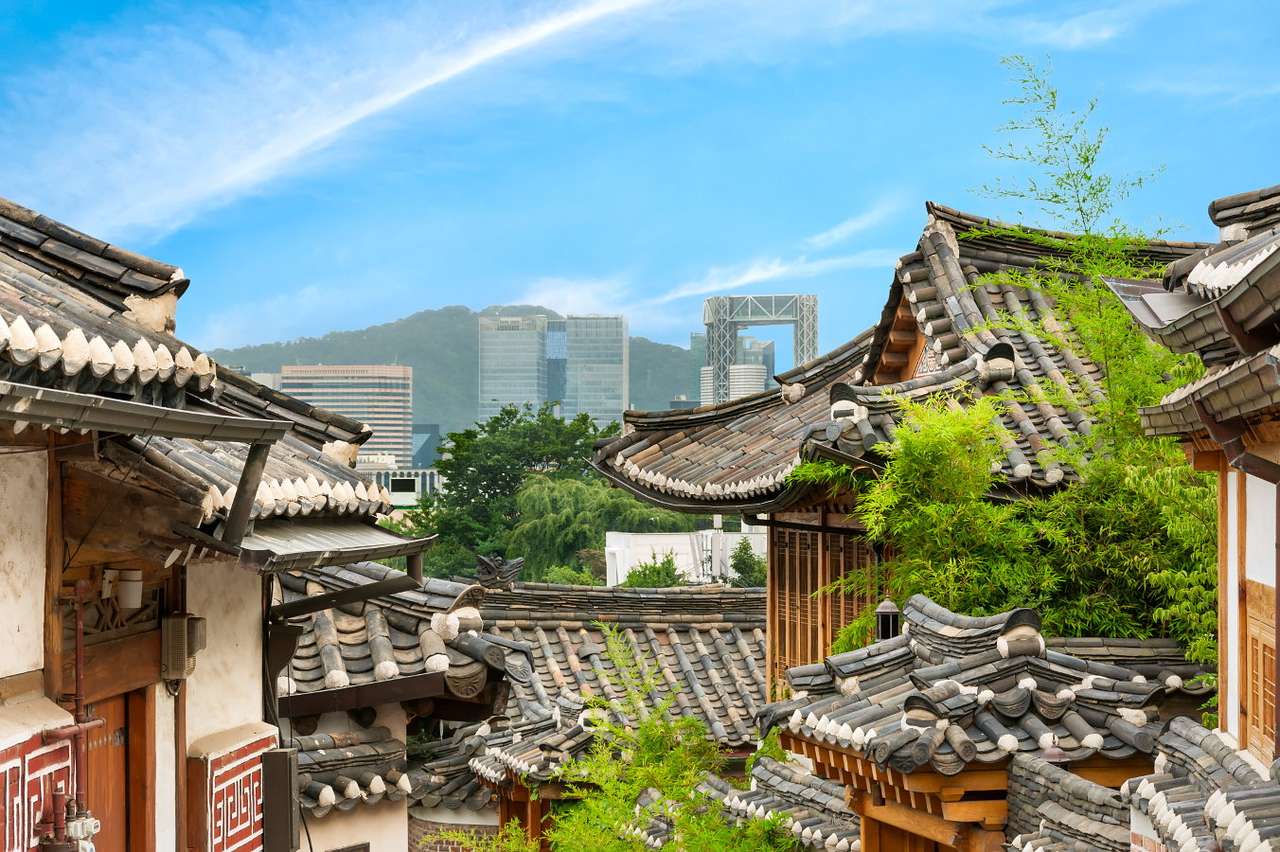
Bukchon Hanok village in Seoul (South Korea) puzzle online from photo
48Bukchon Hanok village in Seoul (South Korea)solved 1,283 times
Solve puzzle
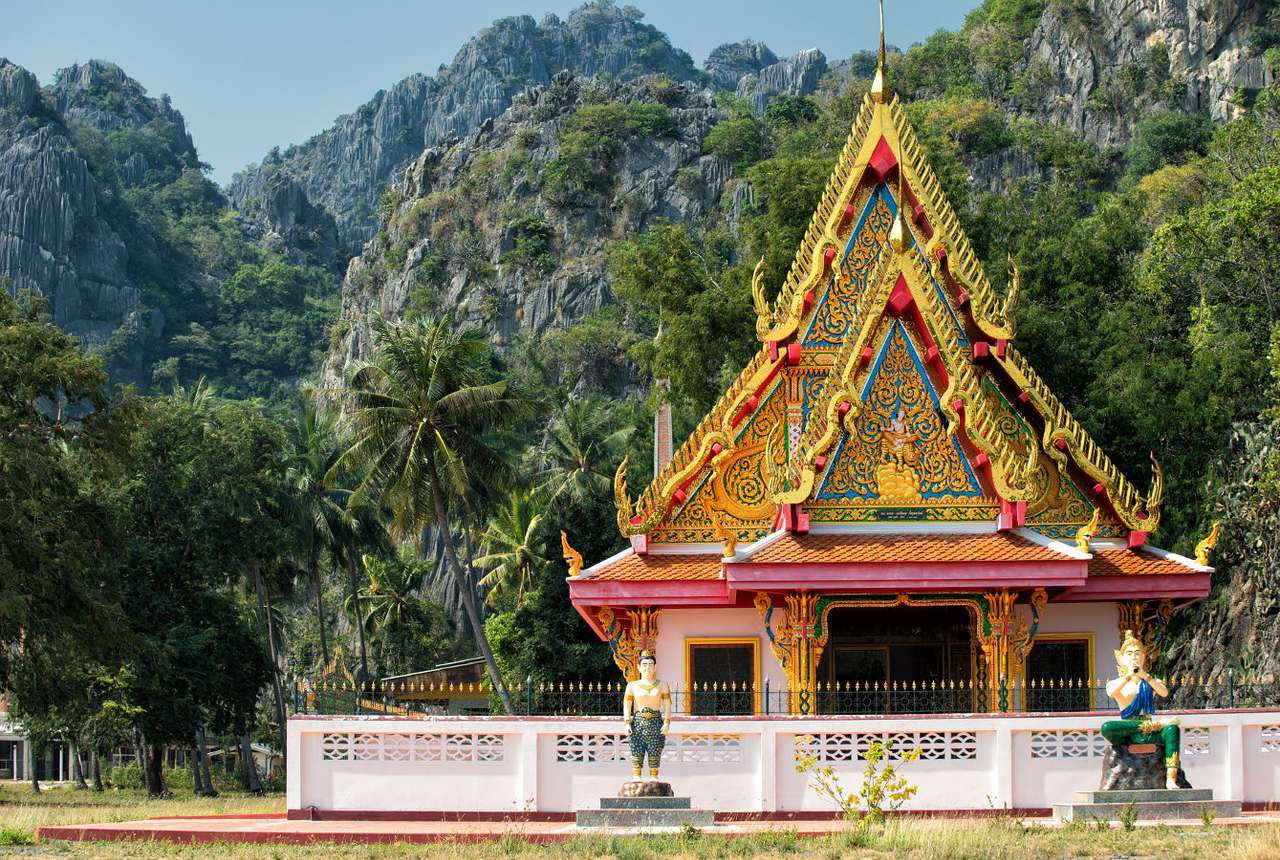
Buddhist temple in the Khao Sam Roi Yot National Park (Thailand) puzzle online from photo
117Buddhist temple in the Khao Sam Roi Yot National Park (Thailand)solved 1,215 times
Solve puzzle
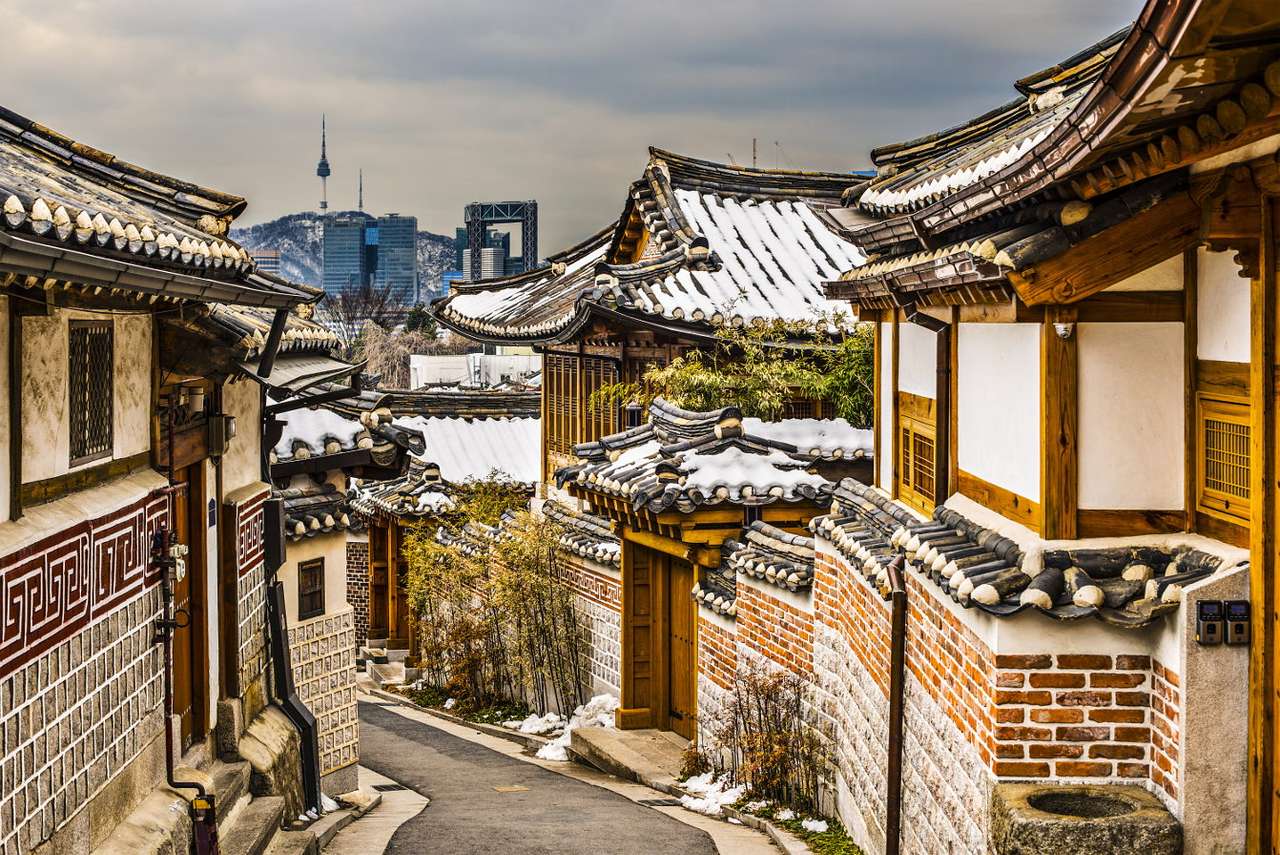
Historic buildings at Bukchon Hanok in Seoul (South Korea) online puzzle
77Historic buildings at Bukchon Hanok in Seoul (South Korea)solved 1,181 times
Solve puzzle
Yuyuan Garden in Shanghai (China) online puzzle
160Yuyuan Garden in Shanghai (China)solved 1,118 times
Solve puzzle
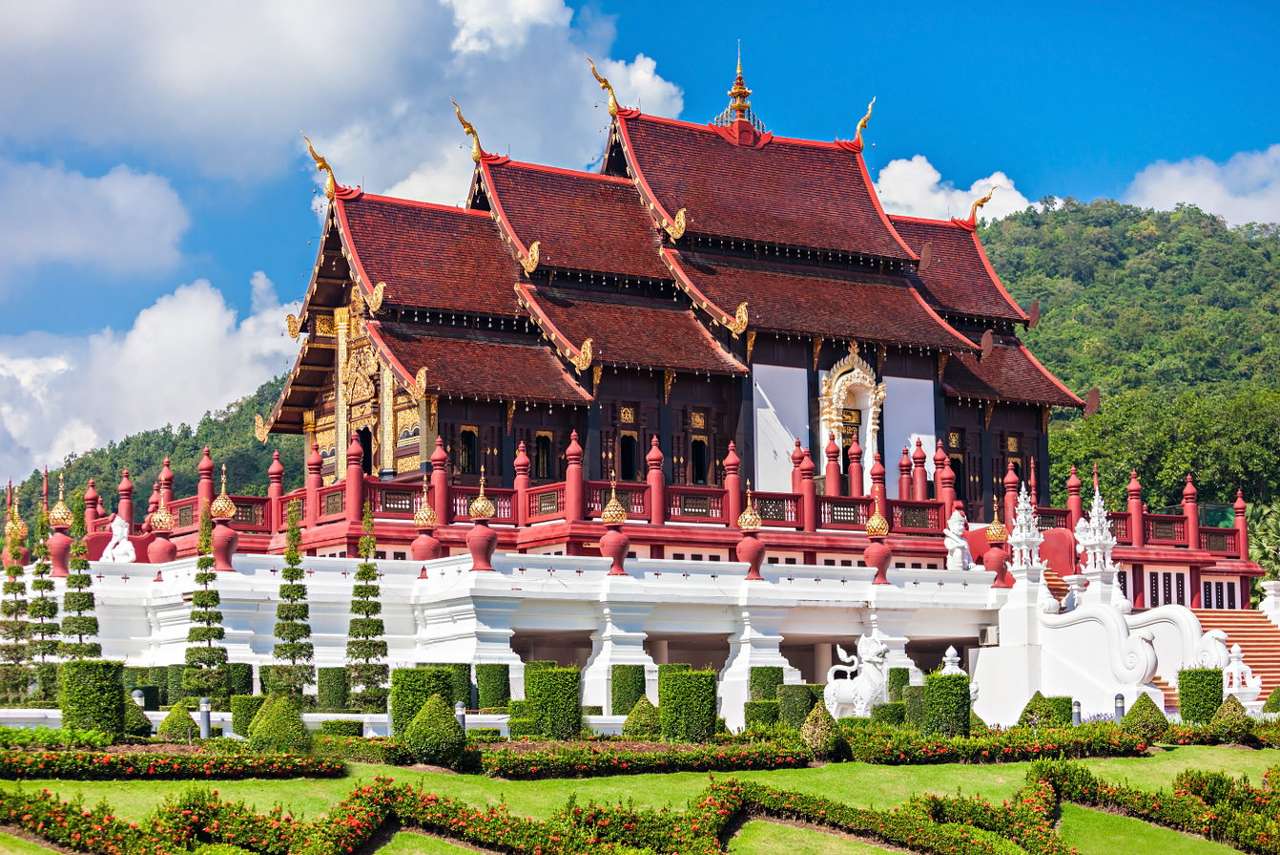
Pavilion in Rajapruek Royal Park (Thailand) puzzle online from photo
88Pavilion in Rajapruek Royal Park (Thailand)solved 1,024 times
Solve puzzle
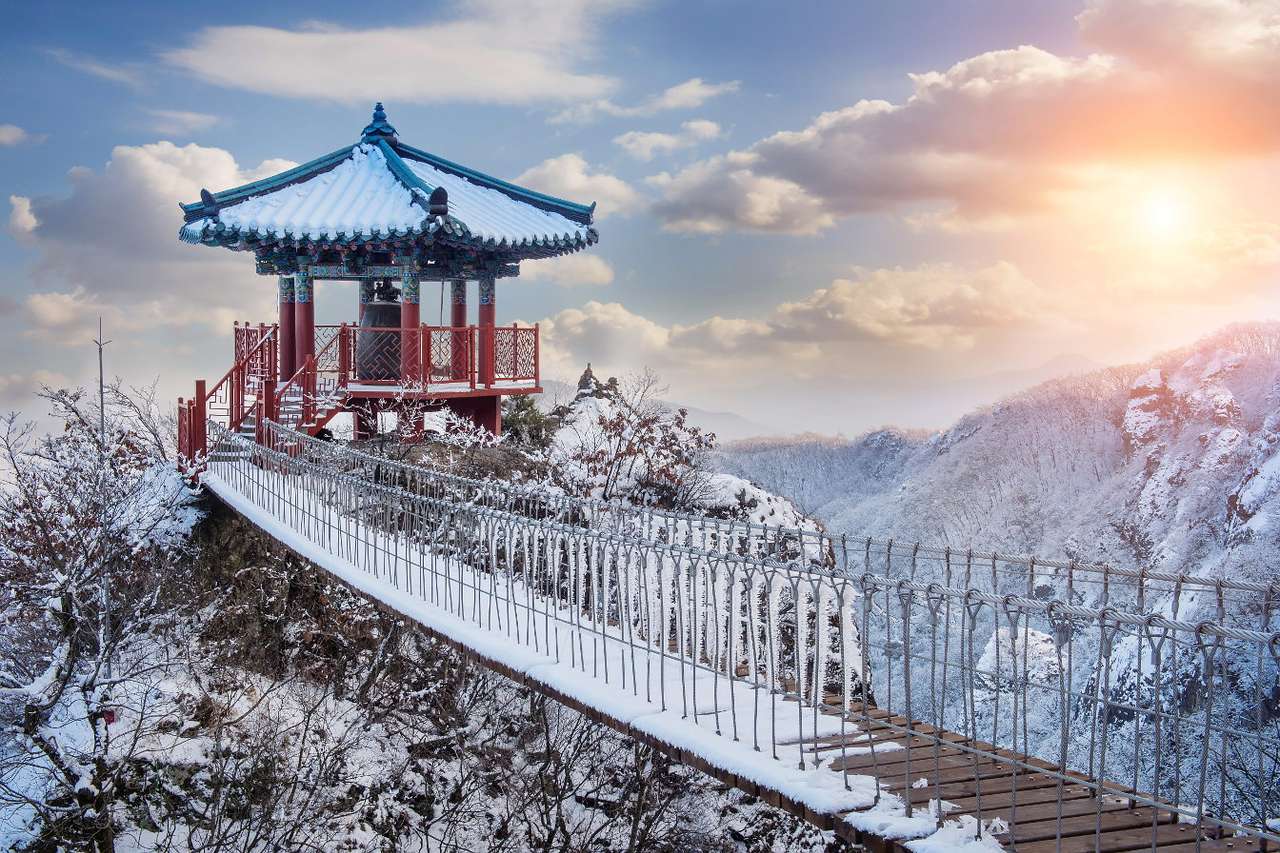
Vantage point at the top of Mount Geumosan (South Korea) online puzzle
24Vantage point at the top of Mount Geumosan (South Korea)solved 1,024 times
Solve puzzle
Podlasie online puzzle
25Podlasiesolved 948 times
Solve puzzle
Colorful Chinese-style building (China) puzzle online from photo
160Colorful Chinese-style building (China)solved 943 times
Solve puzzle
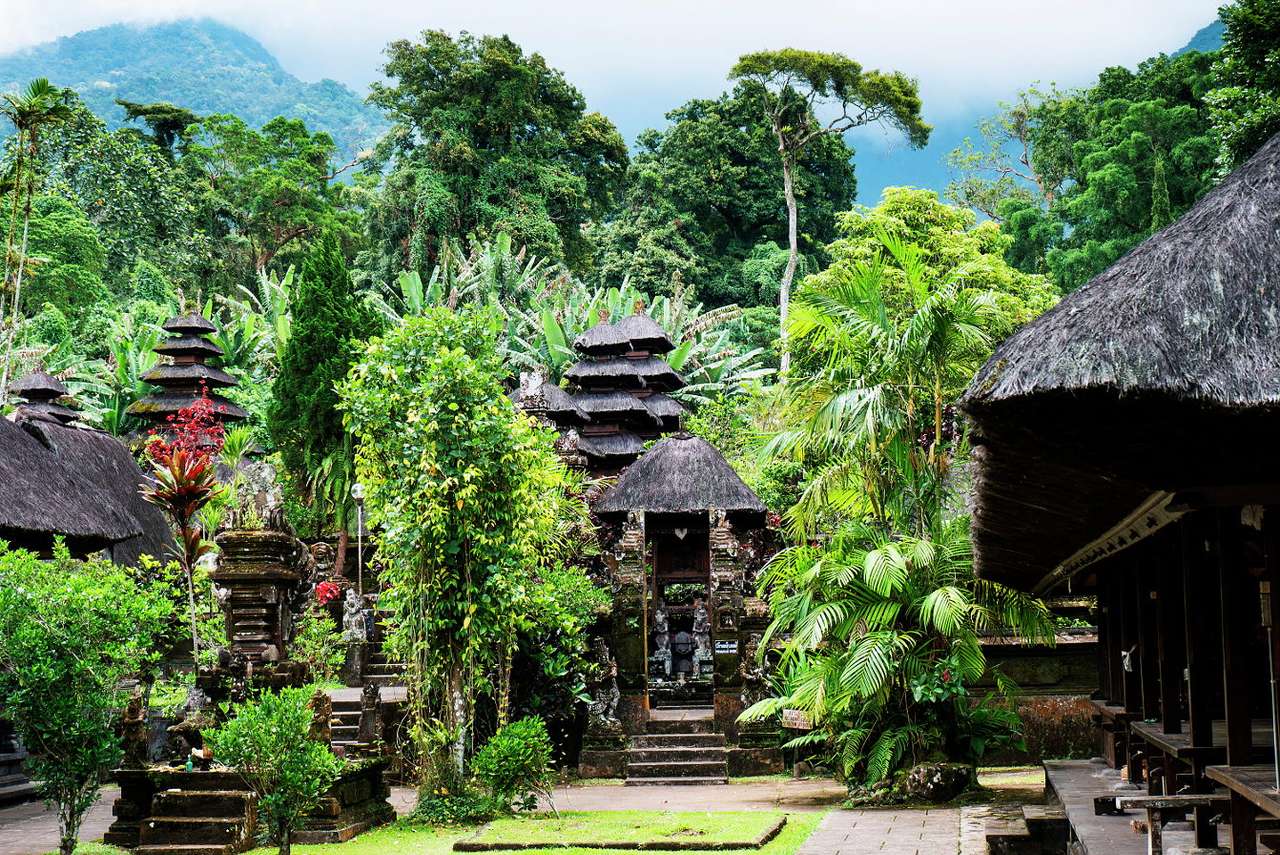
Temple Pura Luhur Batukaru in Bali (Indonesia) puzzle online from photo
88Temple Pura Luhur Batukaru in Bali (Indonesia)solved 938 times
Solve puzzle
Wutai :) puzzle online from photo
42Wutai :)solved 678 times
Solve puzzle
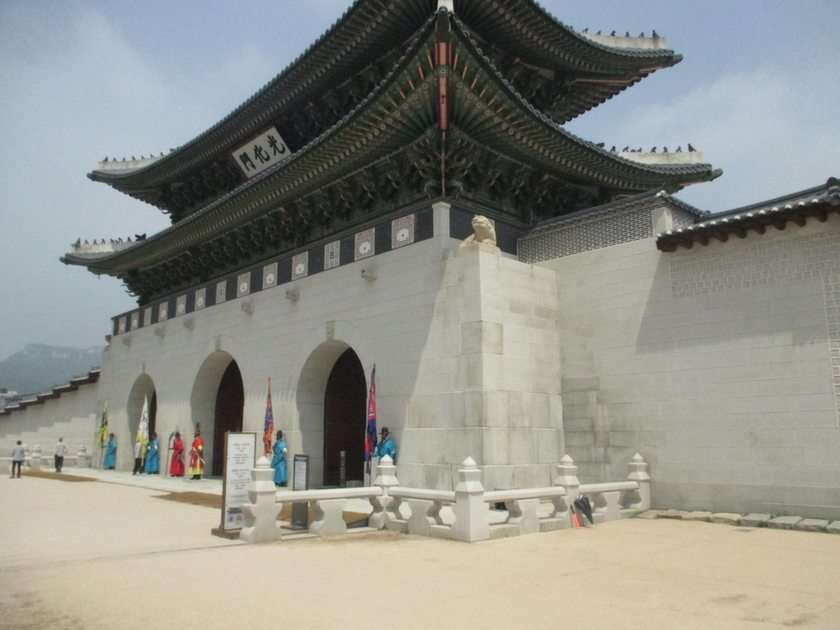
Gyeongbokgung Palace online puzzle
15Gyeongbokgung Palacesolved 626 times
Solve puzzle
Vilnius online puzzle
20Vilniussolved 496 times
Solve puzzle
temple in thailand online puzzle
28temple in thailandsolved 434 times
Solve puzzle
Podlasie puzzle online from photo
20Podlasiesolved 402 times
Solve puzzle
Shrine of Kasuga in Nara puzzle online from photo
24Shrine of Kasuga in Narasolved 374 times
Solve puzzle
India online puzzle
25Indiasolved 300 times
Solve puzzle
Thailand puzzle online from photo
30Thailandsolved 275 times
Solve puzzle
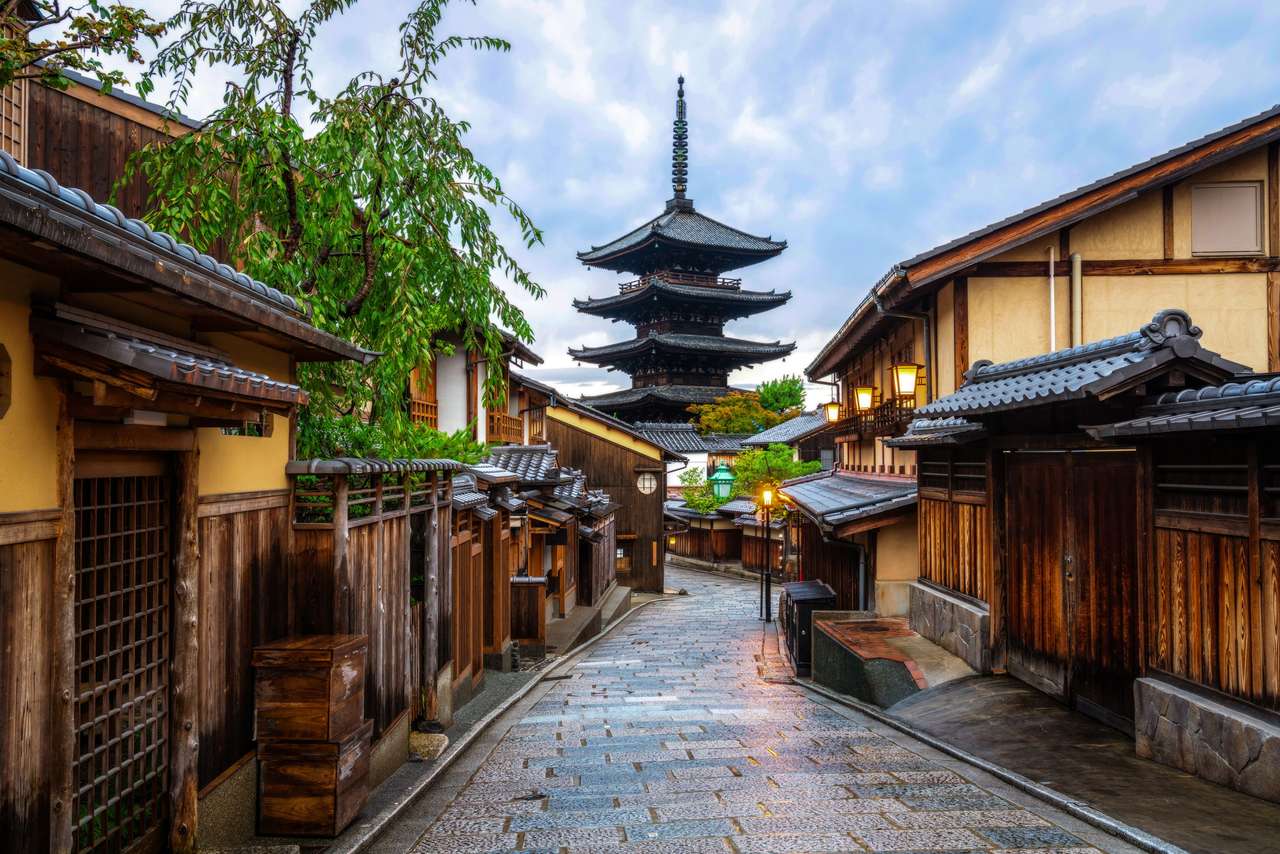
Yasaka pagoda in Kyoto puzzle online from photo
140Yasaka pagoda in Kyotosolved 273 times
Solve puzzle
Shrine of Kasuga in Nara online puzzle
24Shrine of Kasuga in Narasolved 262 times
Solve puzzle
temple in thailand puzzle online from photo
30temple in thailandsolved 261 times
Solve puzzle
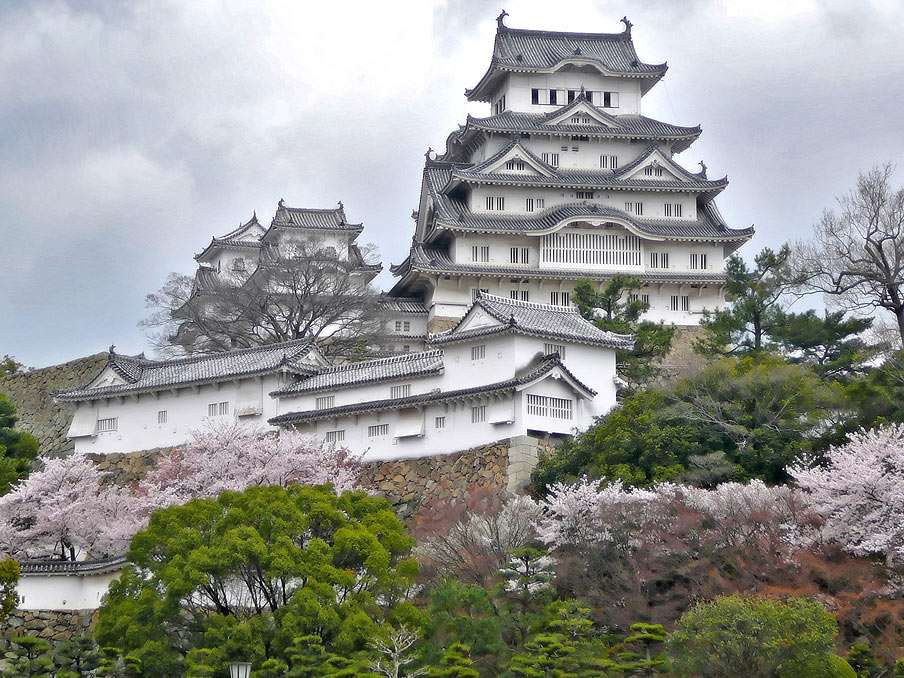
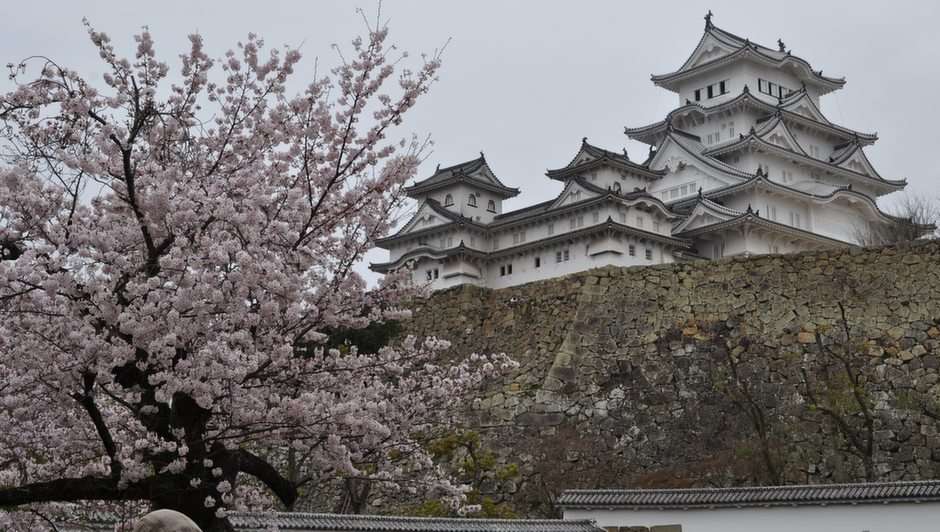
Castle of the White Heron online puzzle
28Castle of the White Heronsolved 249 times
Solve puzzle
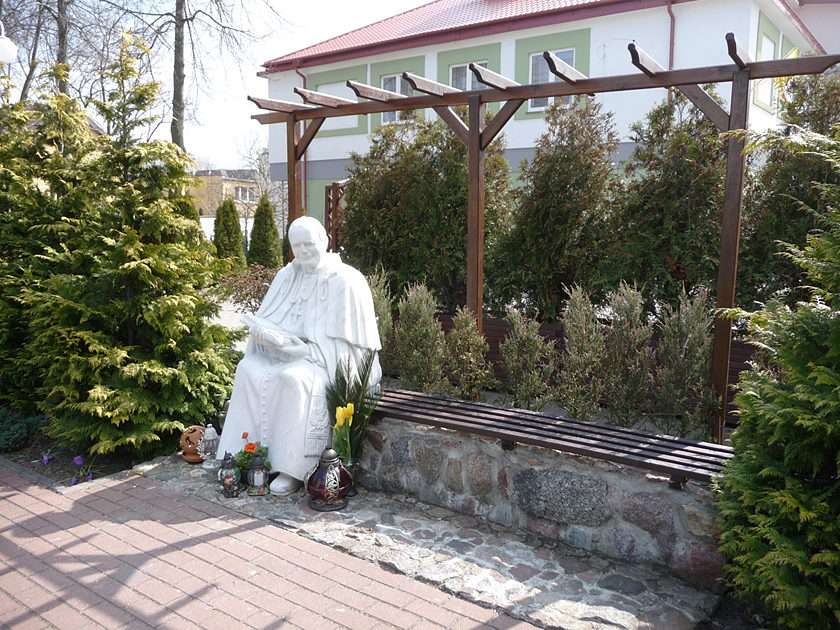
John Paul II's bench puzzle online from photo
100John Paul II's benchsolved 246 times
Solve puzzle
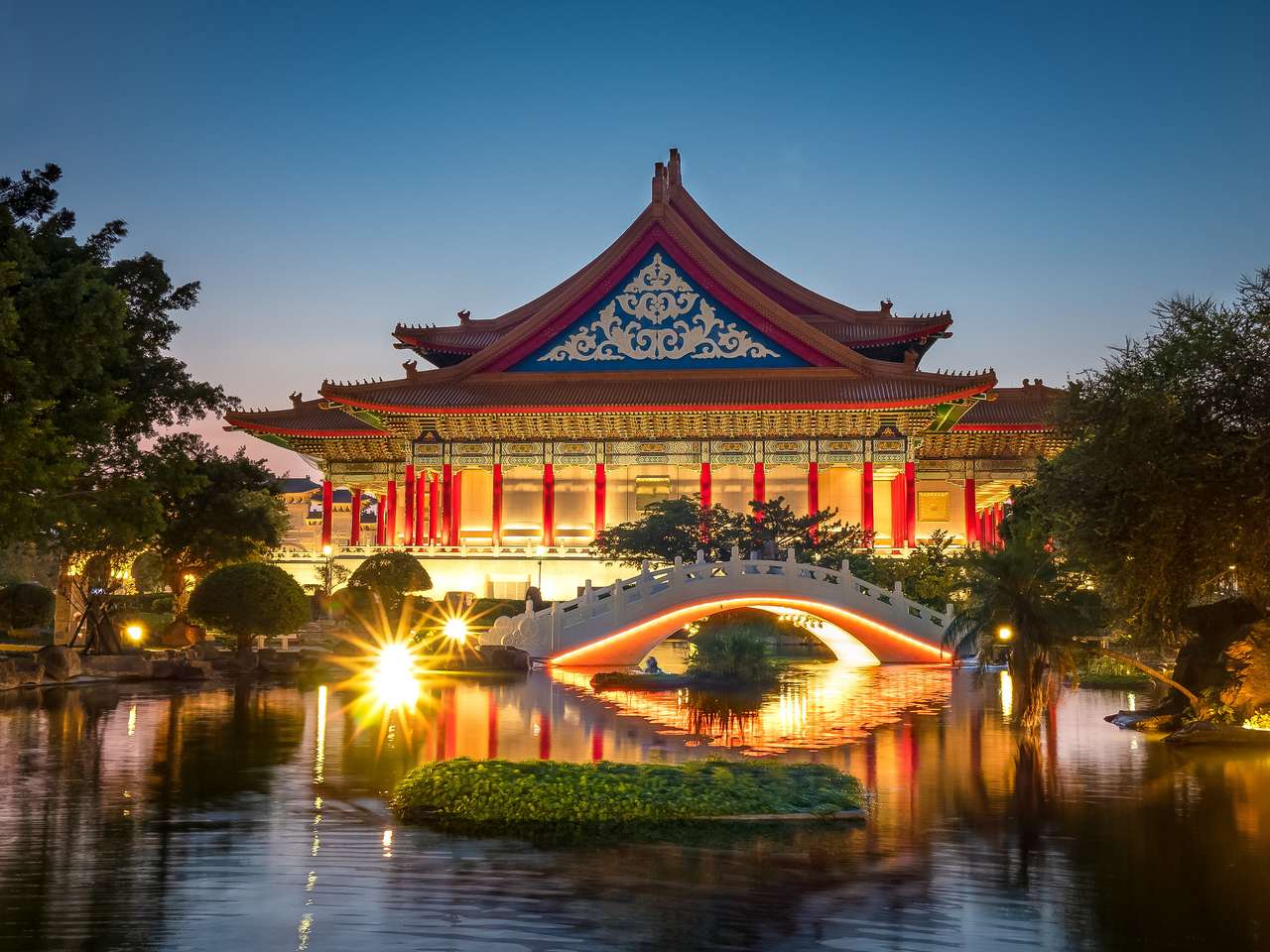
National Concert Hall in Taipei puzzle online from photo
192National Concert Hall in Taipeisolved 240 times
Solve puzzle
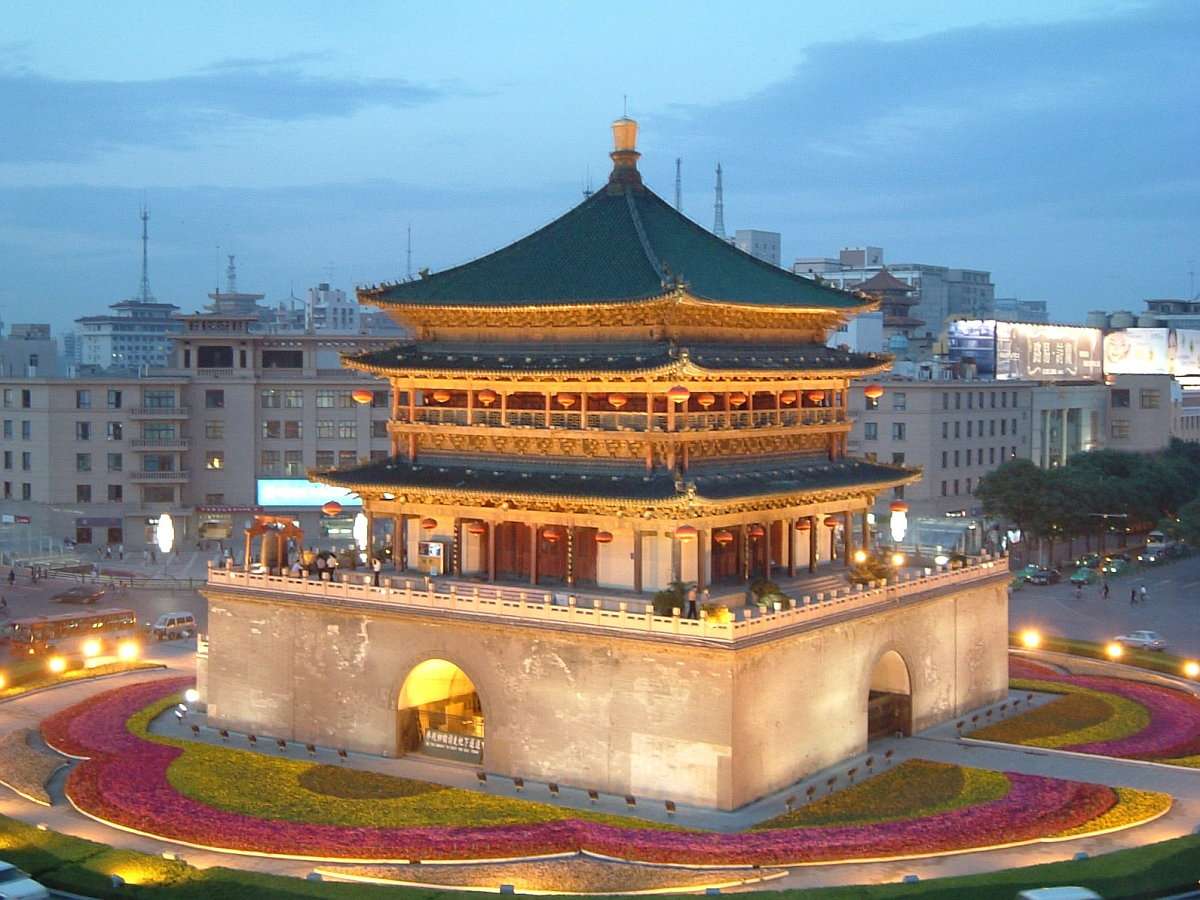
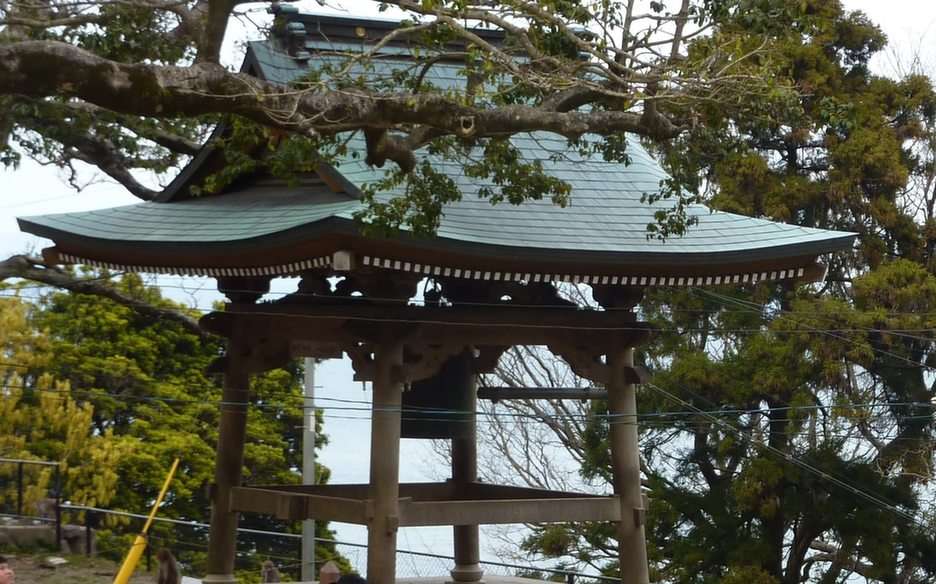
Belfry online puzzle
24Belfrysolved 232 times
Solve puzzle
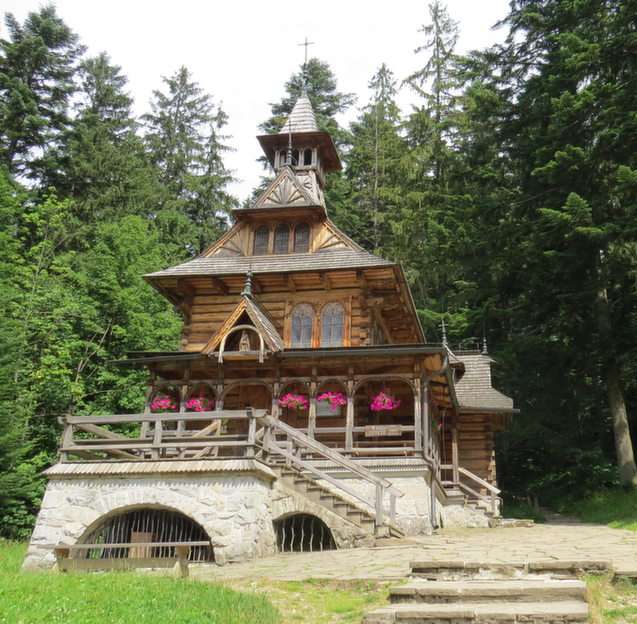
Chapel of St. Serca P. J. in Jaszczurówka puzzle online from photo
81Chapel of St. Serca P. J. in Jaszczurówkasolved 231 times
Solve puzzle
GATE online puzzle
24GATEsolved 230 times
Solve puzzle
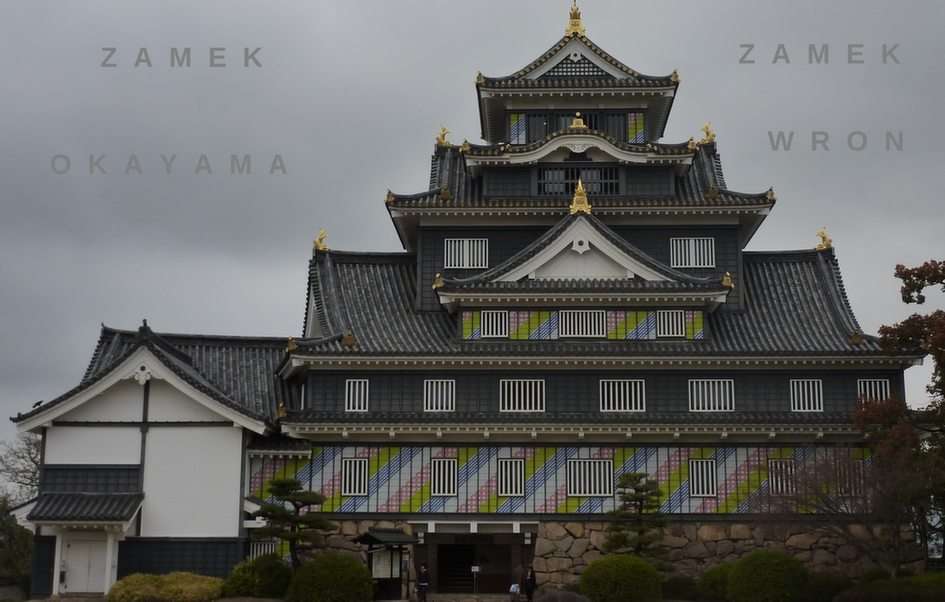
OKAYAMA puzzle online from photo
24OKAYAMAsolved 228 times
Solve puzzle
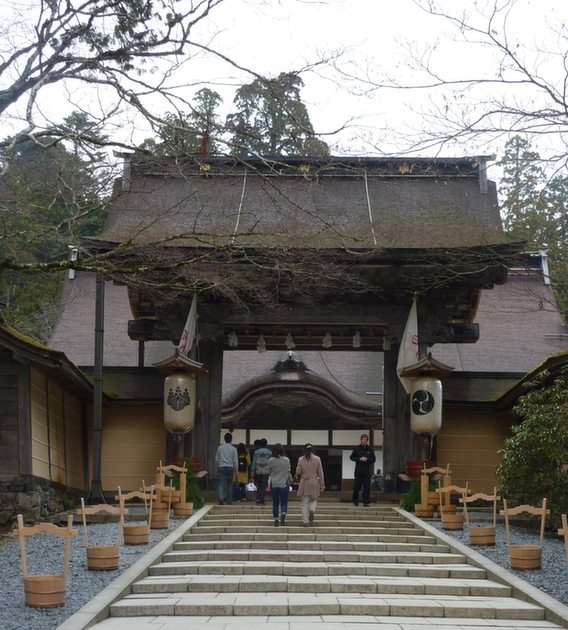
GATE online puzzle
20GATEsolved 225 times
Solve puzzle
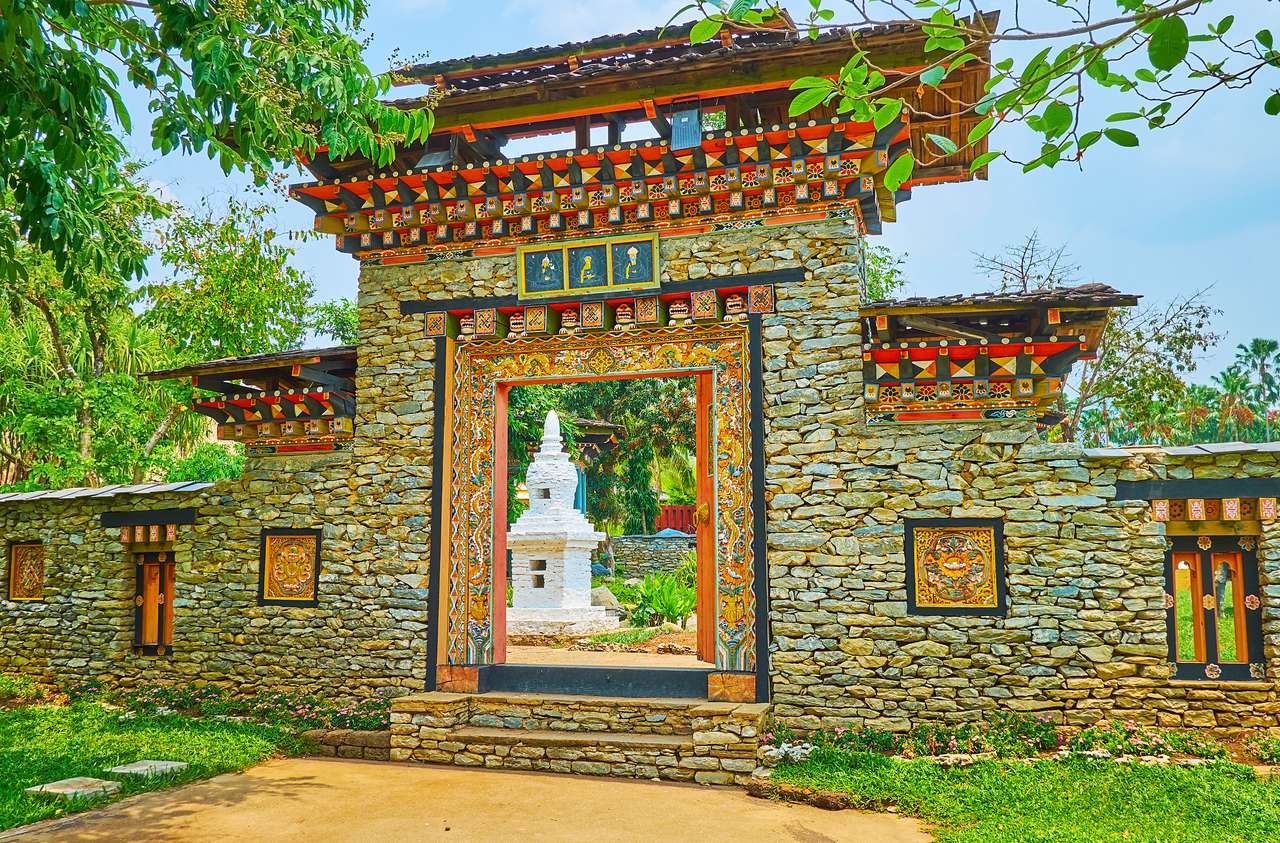
decorative stone gate puzzle online from photo
117decorative stone gatesolved 215 times
Solve puzzle
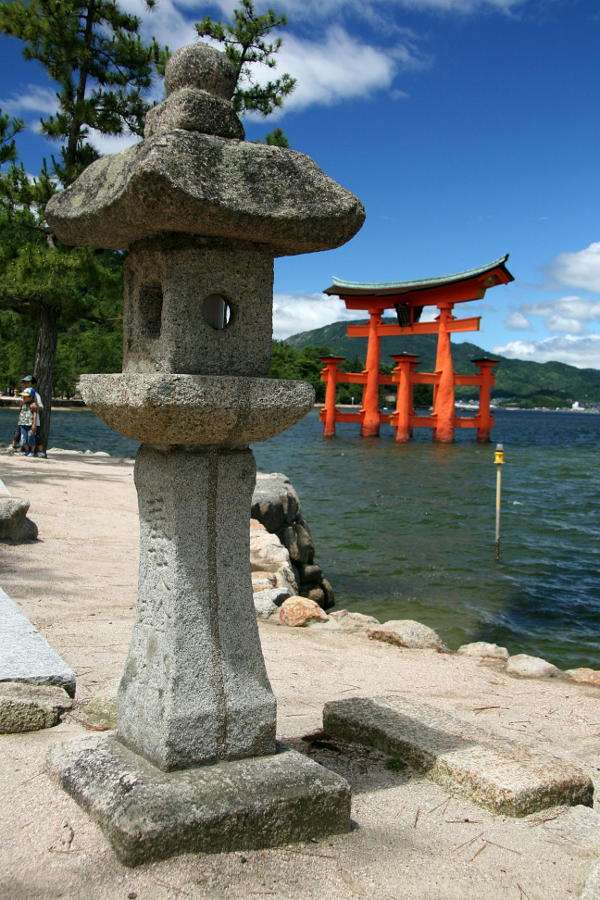
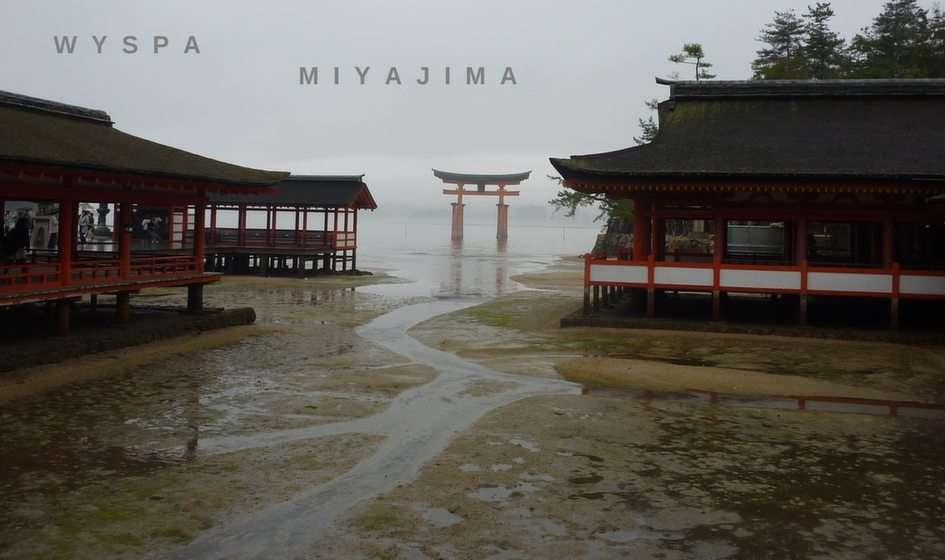
THE GATE OF TORIES puzzle online from photo
24THE GATE OF TORIESsolved 211 times
Solve puzzle
chandelier online puzzle
63chandeliersolved 210 times
Solve puzzle
123456789 puzzle online from photo
273123456789solved 206 times
Solve puzzle
fewfewffewf puzzle online from photo
140fewfewffewfsolved 203 times
Solve puzzle
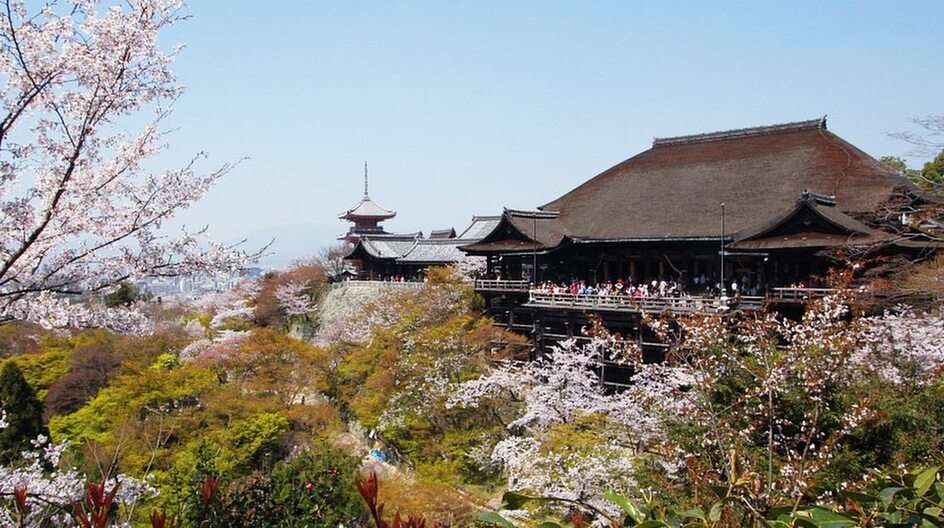
Kiyomizu online puzzle
48Kiyomizusolved 188 times
Solve puzzle
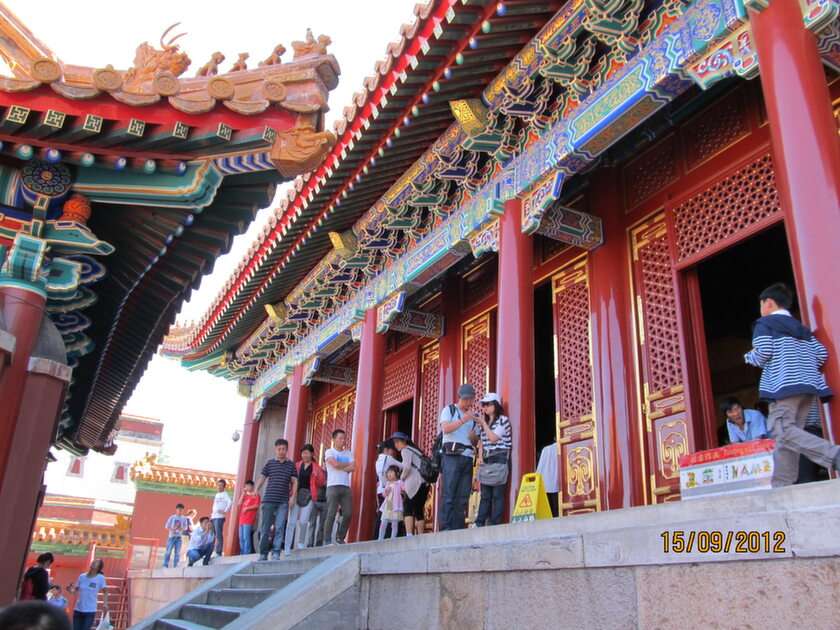
China 2012 online puzzle
120China 2012solved 186 times
Solve puzzle
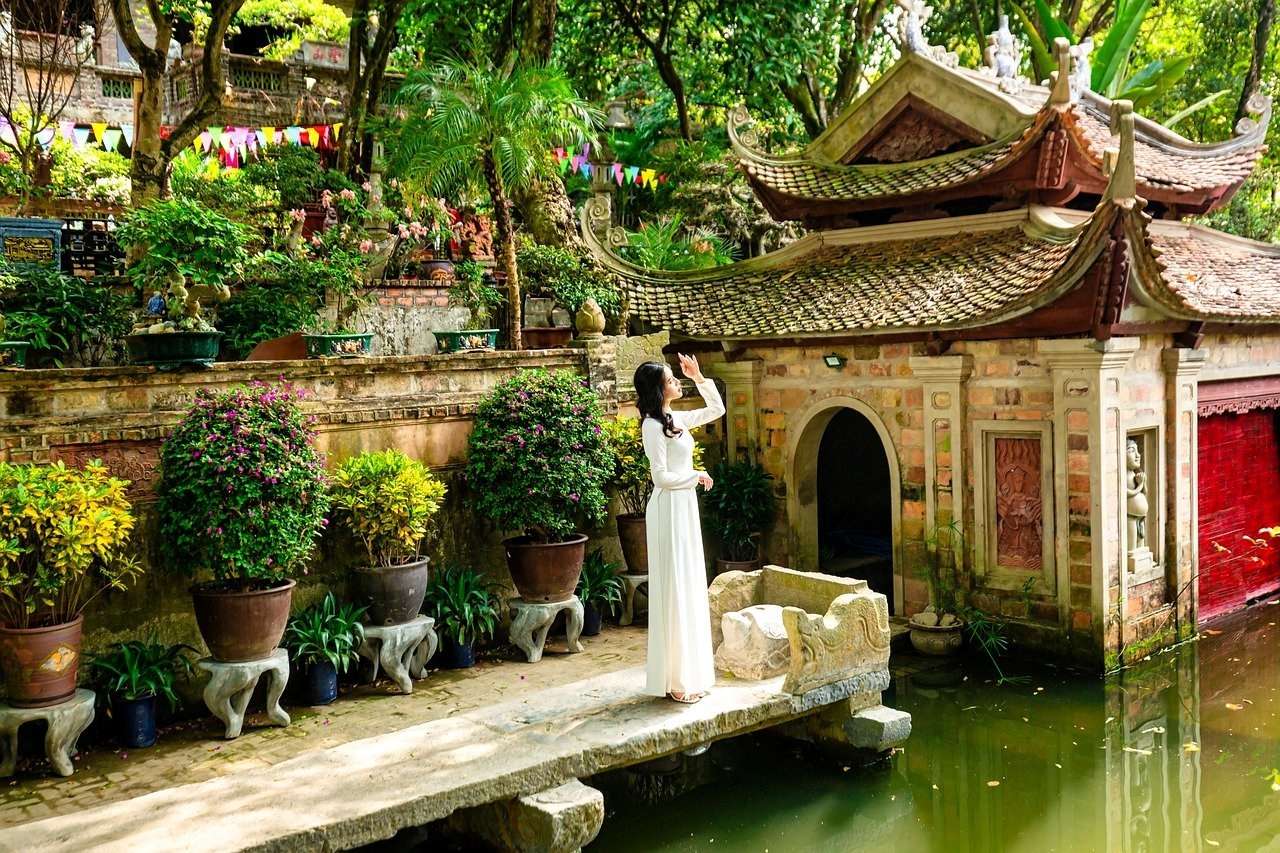
Garden in Hanoi puzzle online from photo
176Garden in Hanoisolved 184 times
Solve puzzle
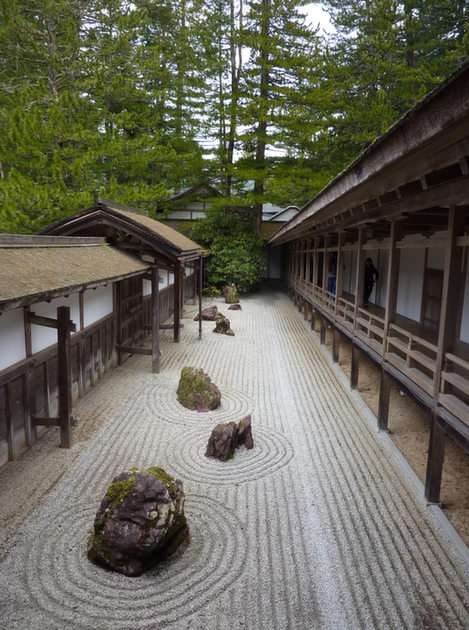
In the Monastery of the Monks online puzzle
24In the Monastery of the Monkssolved 179 times
Solve puzzle
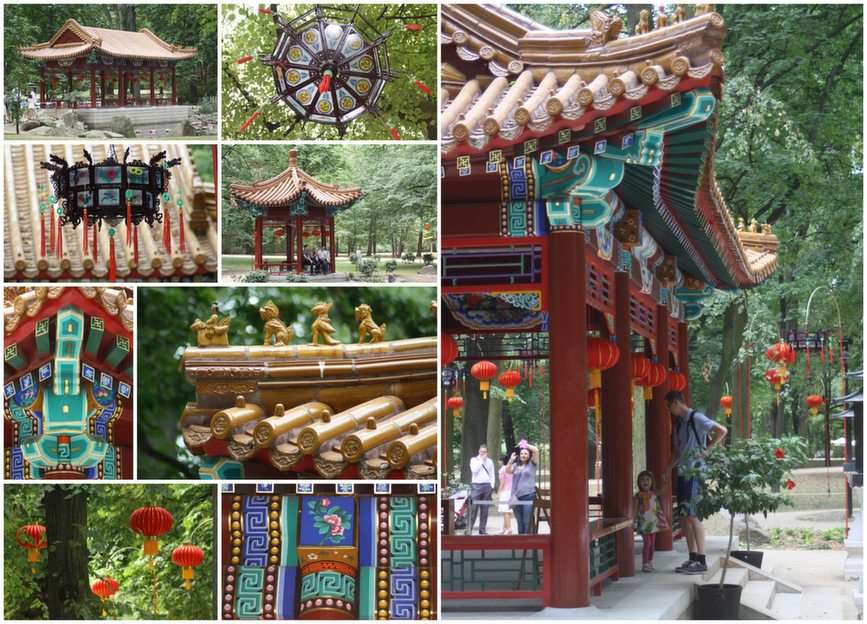
chinese accent puzzle online from photo
221chinese accentsolved 176 times
Solve puzzle
Strane Dwelling puzzle online from photo
150Strane Dwellingsolved 175 times
Solve puzzle
AMU - Time for China online puzzle
24AMU - Time for Chinasolved 174 times
Solve puzzle

Online puzzle Japanese architecture

Japanese architecture

Japanese architecture (日本建築, Nihon kenchiku) has been typified by wooden structures, elevated slightly off the ground, with tiled or thatched roofs. Sliding doors (fusuma) and other traditional partitions were used in place of walls, allowing the internal configuration of a space to be customized for different occasions. People usually sat on cushions or otherwise on the floor, traditionally; chairs and high tables were not widely used until the 20th century. Since the 19th century, however, Japan has incorporated much of Western, modern, and post-modern architecture into construction and design, and is today a leader in cutting-edge architectural design and technology.
The earliest Japanese architecture was seen in prehistoric times in simple pit-houses and stores adapted to the needs of a hunter-gatherer population. Influence from Han dynasty China via Korea saw the introduction of more complex grain stores and ceremonial burial chambers.
The introduction of Buddhism in Japan during the sixth century was a catalyst for large-scale temple building using complicated techniques in wood. Influence from the Chinese Sui and Tang dynasties led to the foundation of the first permanent capital in Nara. Its checkerboard street layout used the Chinese capital of Chang'an as a template for its design.

In 894 during the Heian period (794–1185), Japan abolished kentōshi (Japanese missions to Tang China) and began to distance itself from Chinese culture, and a culture called Kokufu bunka (lit., Japanese culture) which was suited to the Japanese climate and aesthetic sense flourished. The shinden-zukuri style, which was the architectural style of the residences of nobles in this period, showed the distinct uniqueness of Japanese architecture and permanently determined the characteristics of later Japanese architecture. Its features are an open structure with few walls that can be opened and closed with doors, shitomi and sudare, a structure in which shoes are taken off to enter the house on stilts, and sitting or sleeping directly on tatami mats without using chairs and beds.As the samurai class gained power in the Kamakura period (1185–1333), the shinden-zukuri style changed, and in the Muromachi period (1333–1573), the shoin-zukuri style appeared. This style had a lasting influence on later Japanese architectural styles and became the basis of modern Japanese houses. Its characteristics were that sliding doors called fusuma and paper windows called shōji were fully adopted, and tatami mats were laid all over the room.The introduction of the tea ceremony emphasised simplicity and modest design as a counterpoint to the excesses of the aristocracy. In the Azuchi–Momoyama period (1568–1600), sukiya-zukuri style villas appeared under the influence of a tea house called chashitsu. At first it was an architectural style for the villas of daimyo (Japanese feudal lords) and court nobles, but in the Edo period (1683–1807) it was applied to ryōtei (Japanese-style restaurants) and chashitsu, and later it was also applied to residences.During the Meiji Restoration of 1868 the history of Japanese architecture was radically changed by two important events. The first was the Kami and Buddhas Separation Act of 1868, which formally separated Buddhism from Shinto and Buddhist temples from Shinto shrines, breaking an association between the two which had lasted well over a thousand years. Secondly, it was then that Japan underwent a period of intense Westernization in order to compete with other developed countries. Initially, architects and styles from abroad were imported to Japan, but gradually the country taught its own architects and began to express its own style. Architects returning from study with Western architects introduced the International Style of modernism into Japan. However, it was not until after the Second World War that Japanese architects made an impression on the international scene, firstly with the work of architects like Kenzo Tange and then with theoretical movements, like Metabolism.