Saving - online puzzles
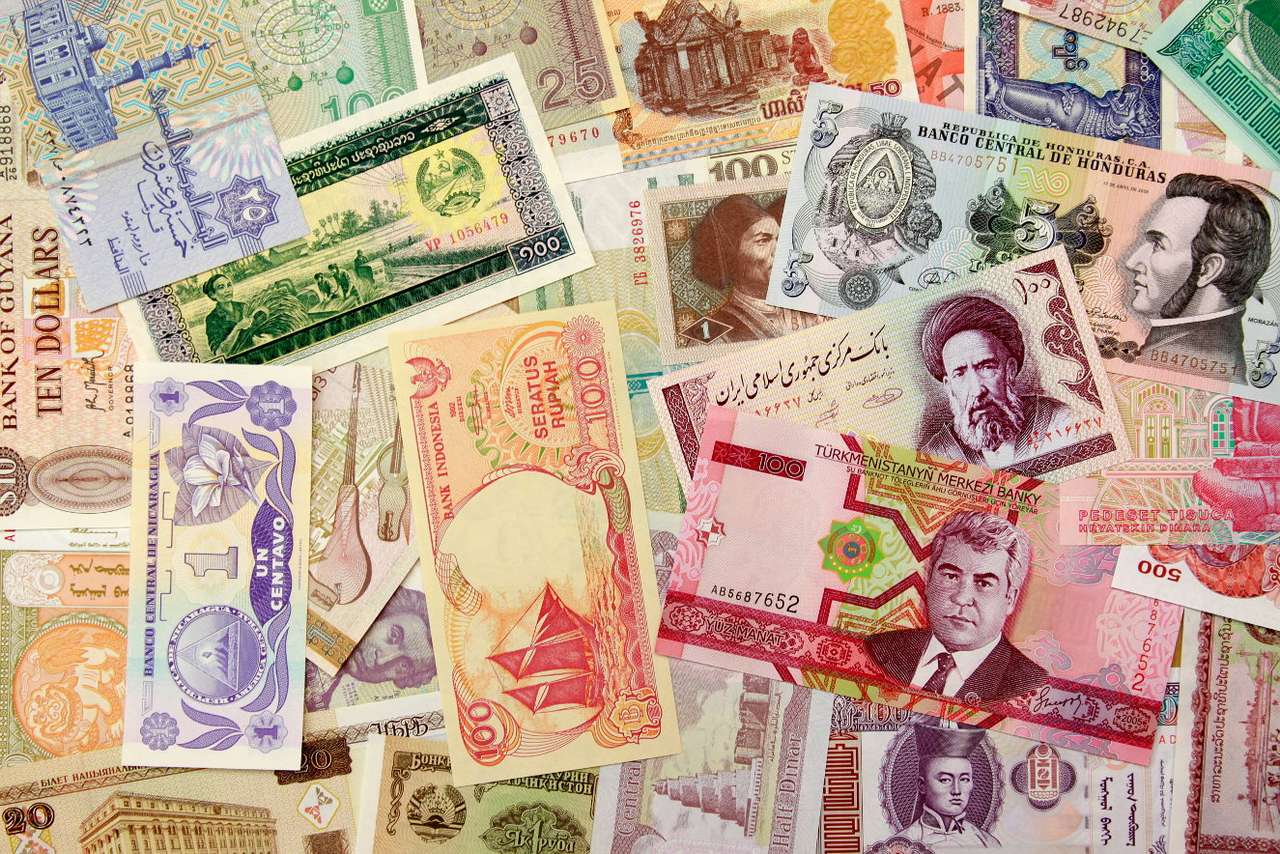
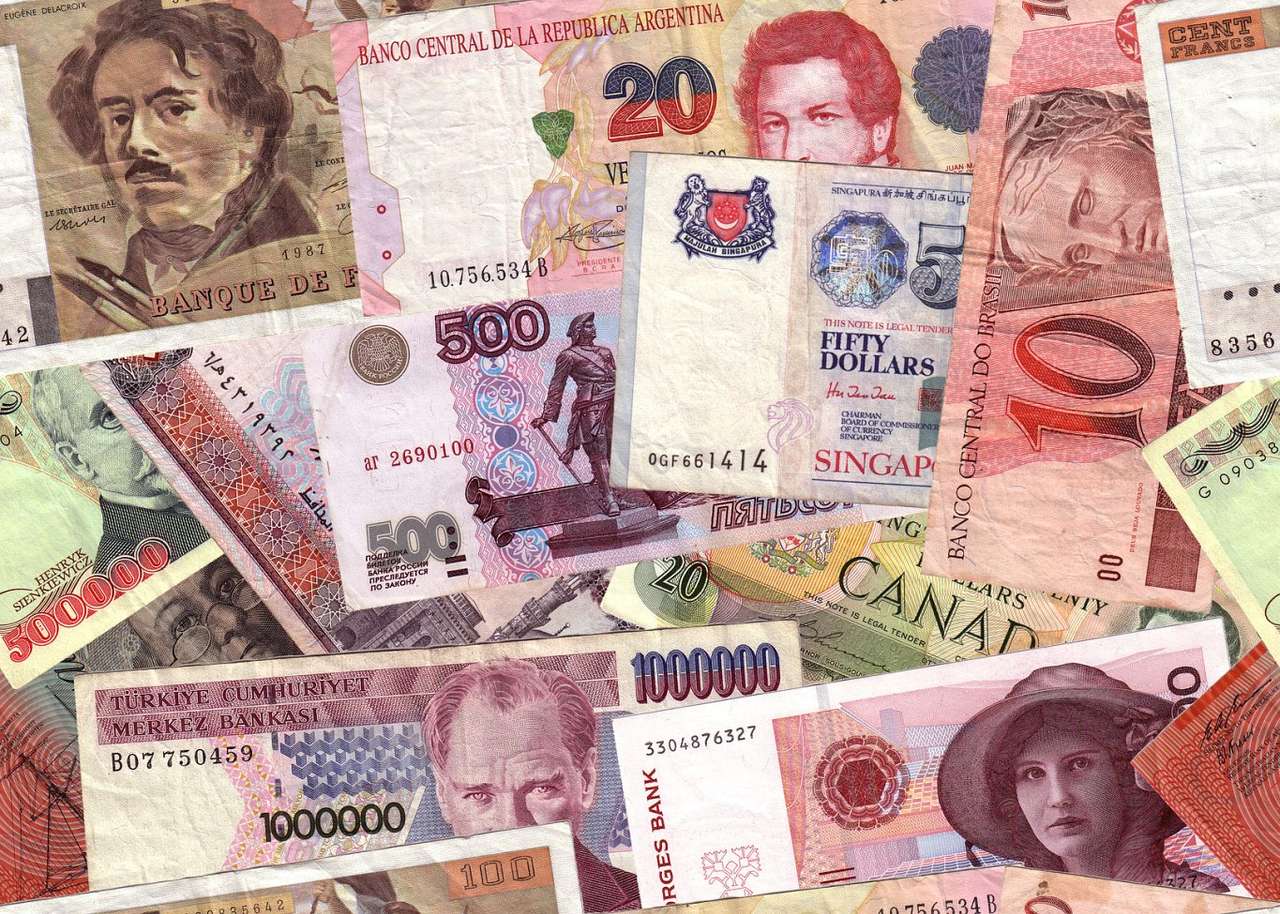
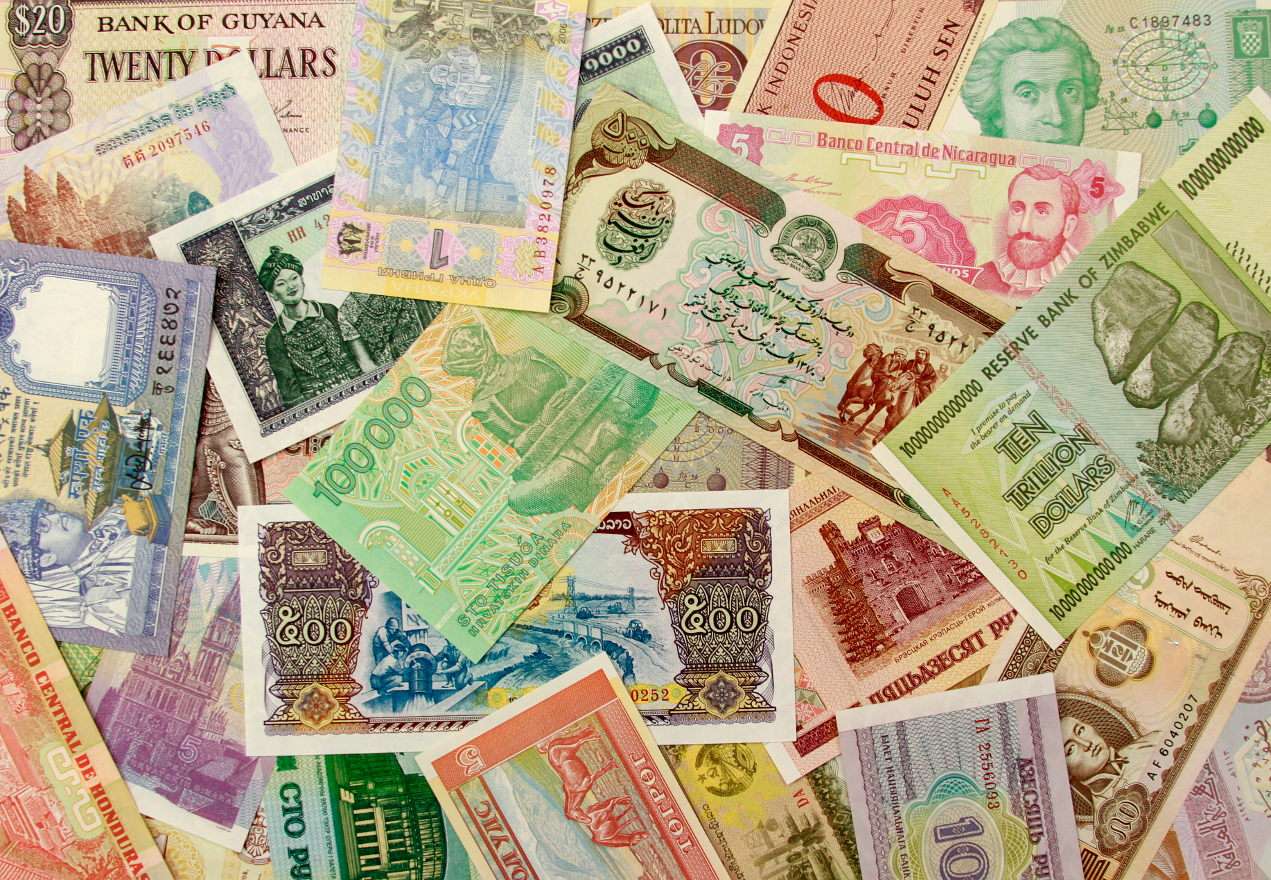
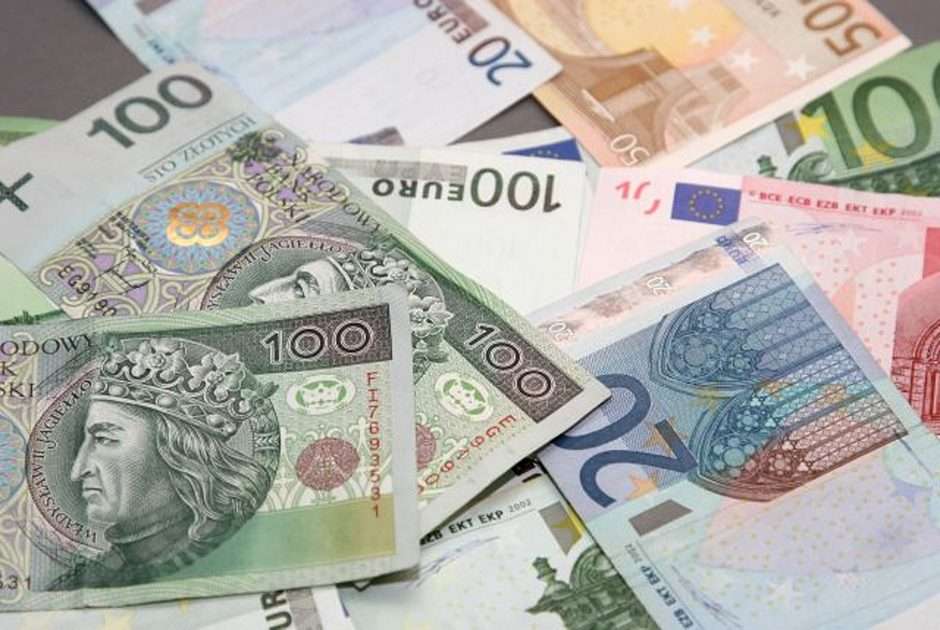
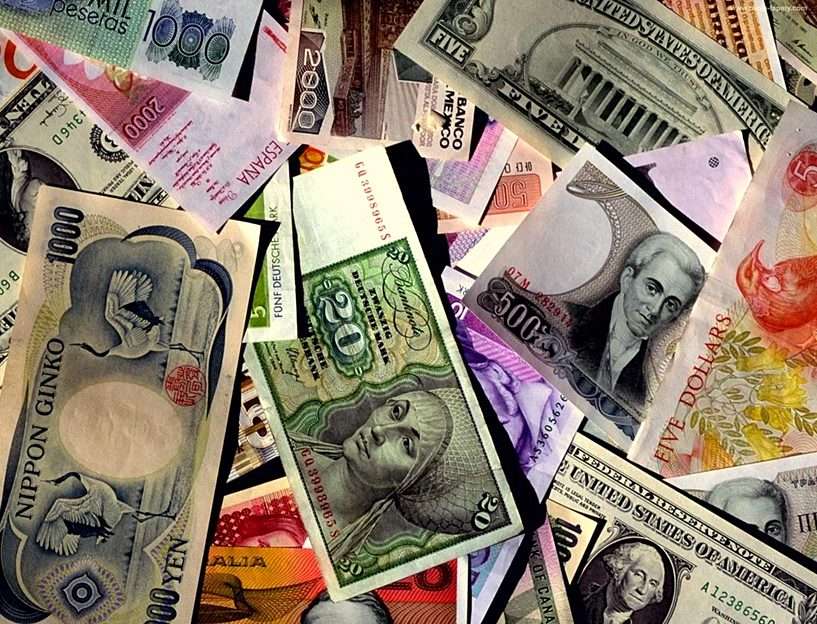
Various banknotes online puzzle
1080Various banknotessolved 3,160 times
Solve puzzle
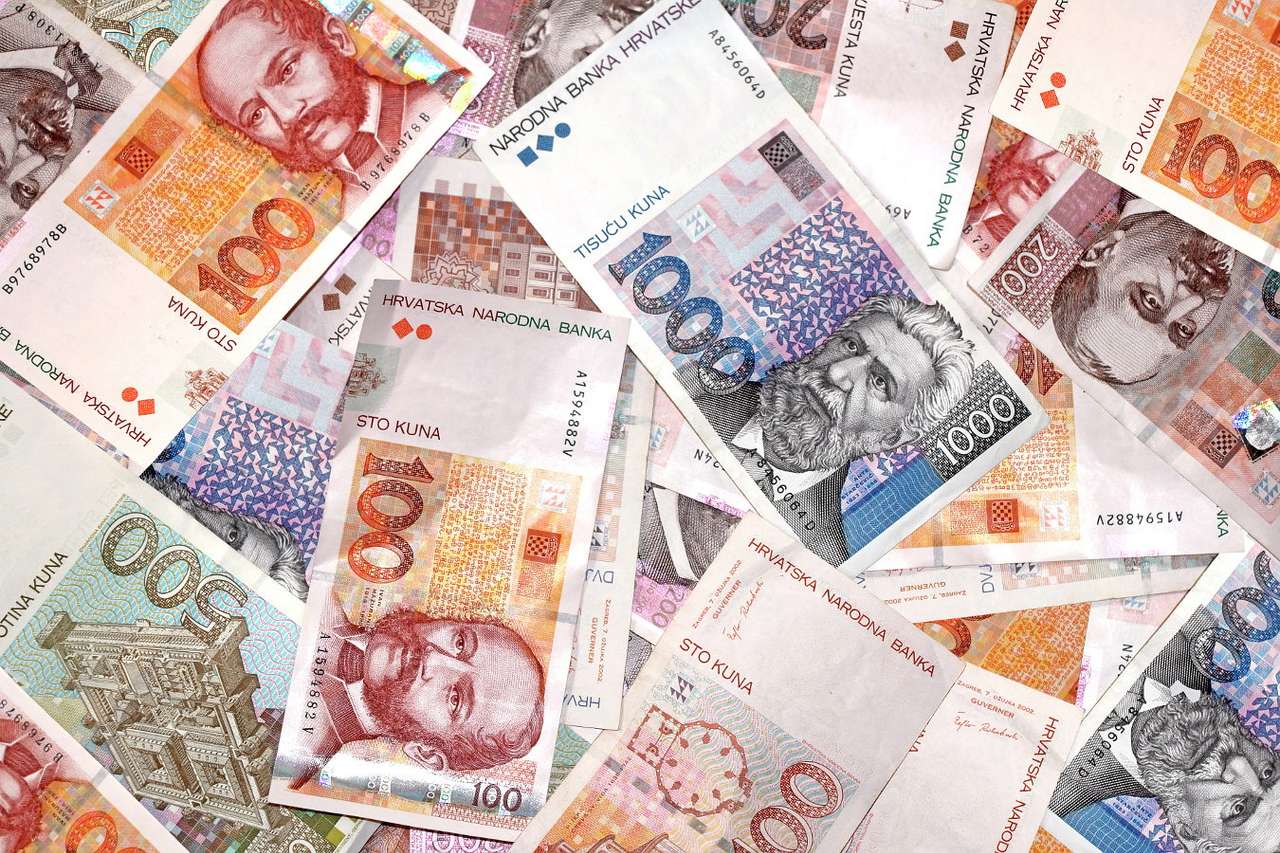
Croatian kuna online puzzle
384Croatian kunasolved 1,873 times
Solve puzzle
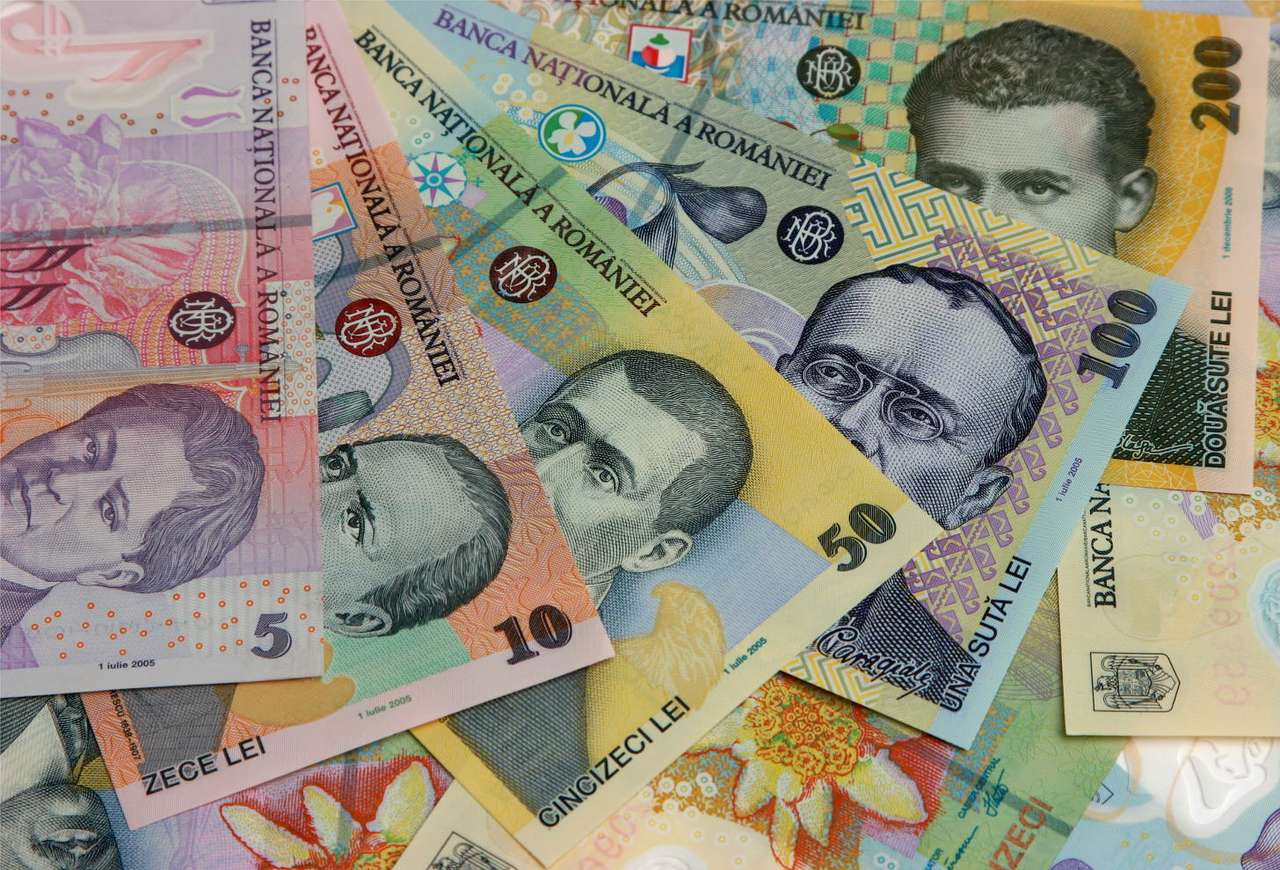
Romanian banknotes (RON) online puzzle
630Romanian banknotes (RON)solved 1,696 times
Solve puzzle
Banknotes online puzzle
682Banknotessolved 1,583 times
Solve puzzle
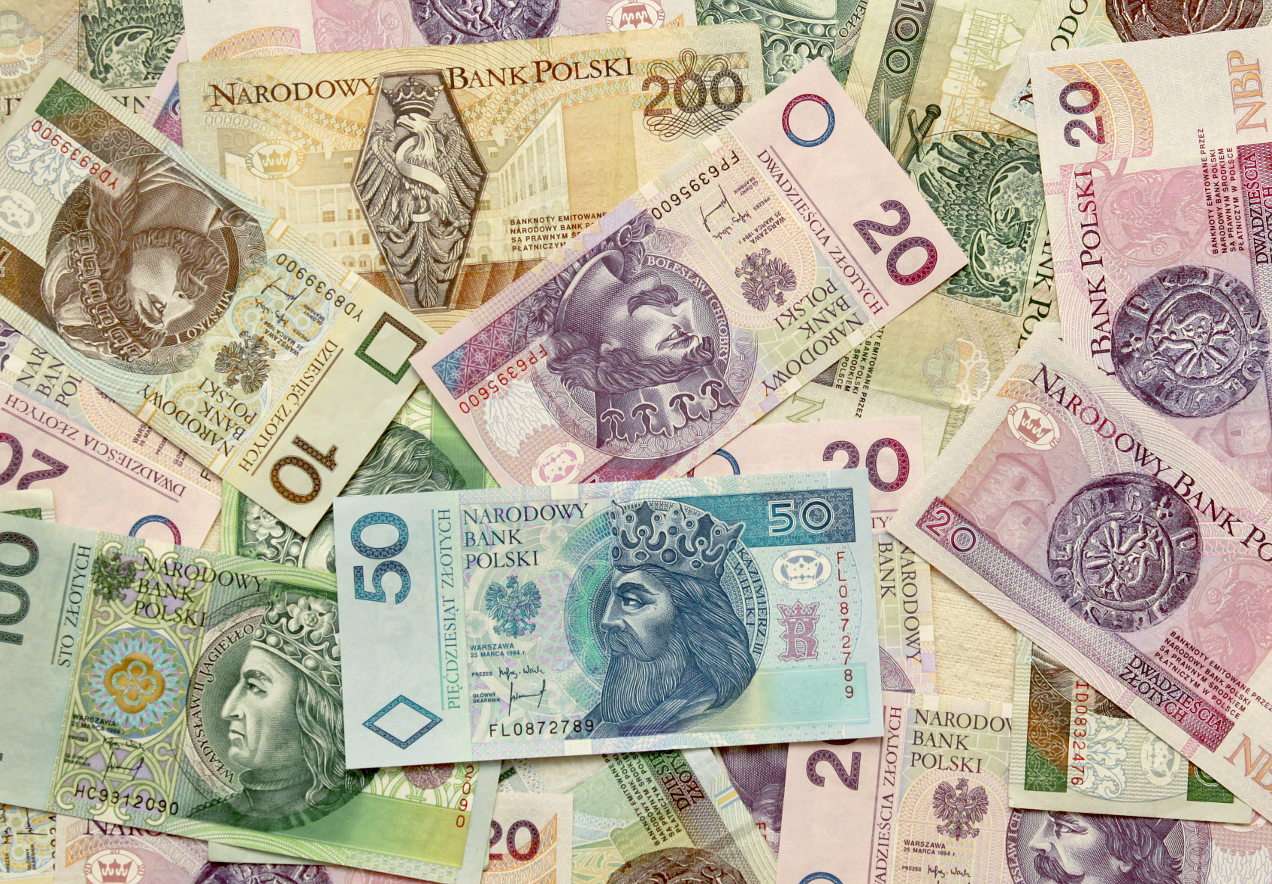
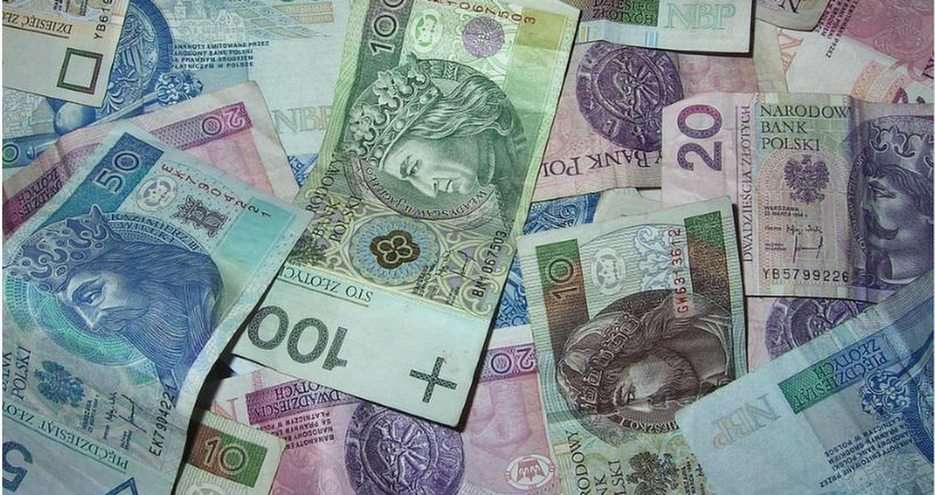
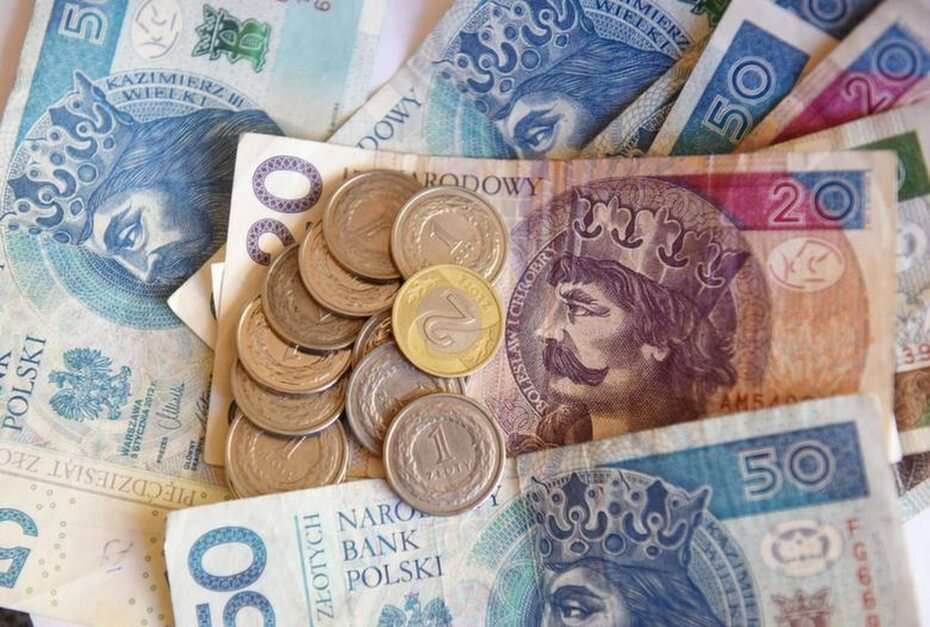
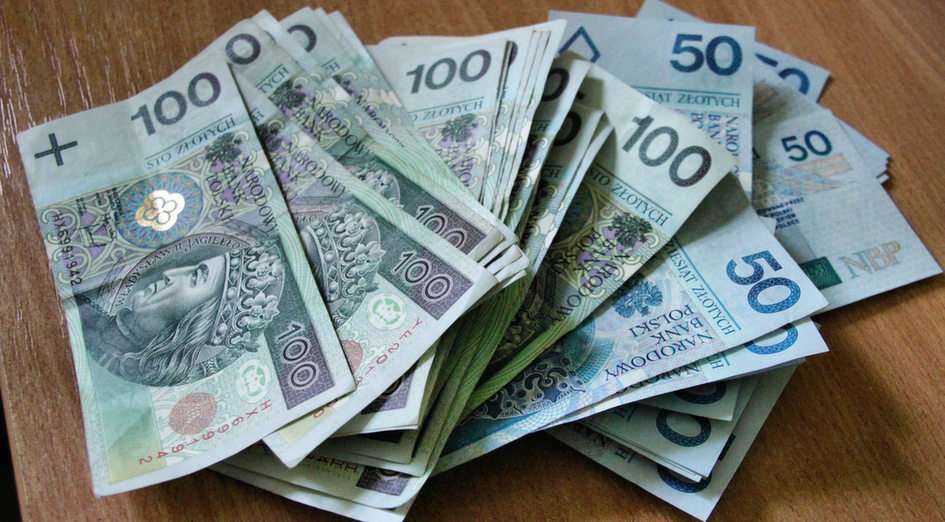
Polish banknotes online puzzle
630Polish banknotessolved 1,449 times
Solve puzzle
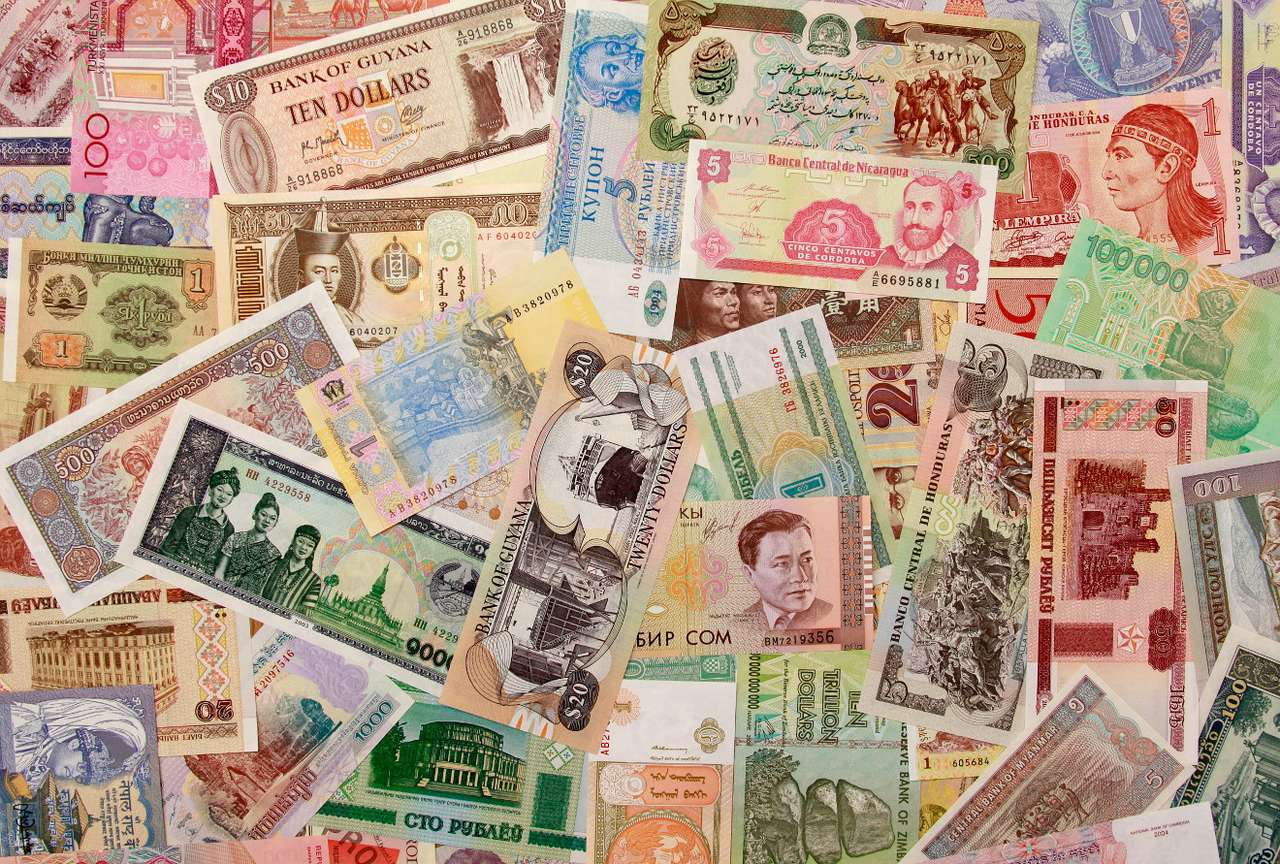
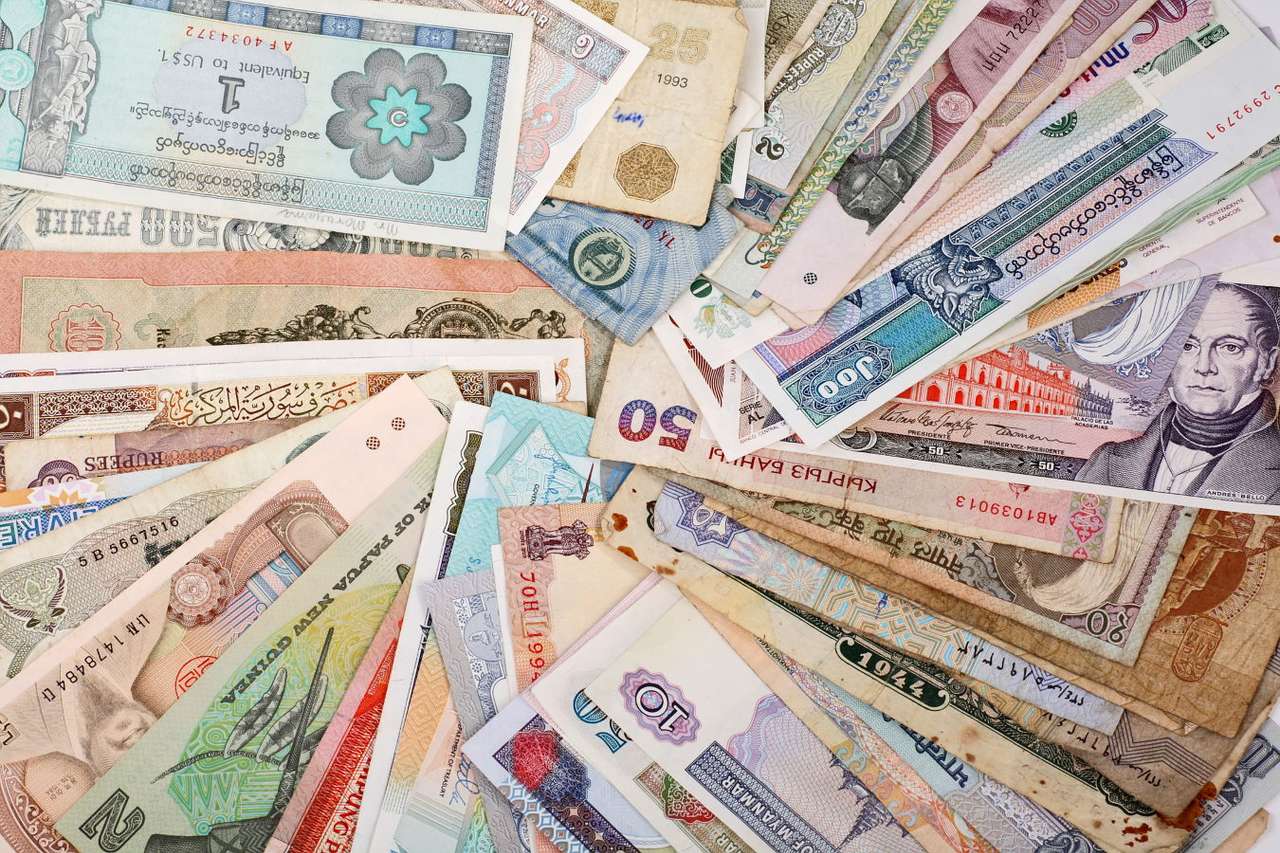
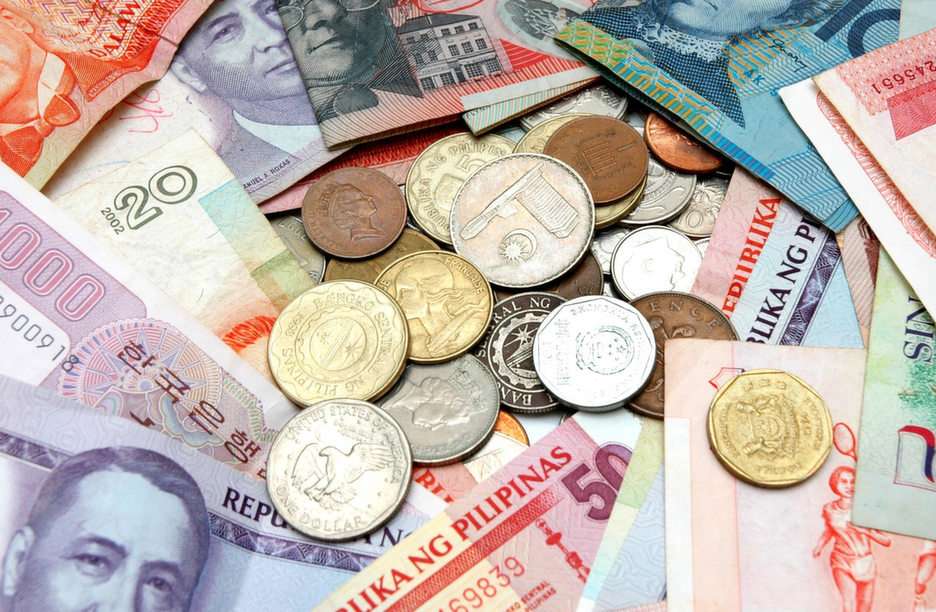
Currencies of the world online puzzle
600Currencies of the worldsolved 1,440 times
Solve puzzle
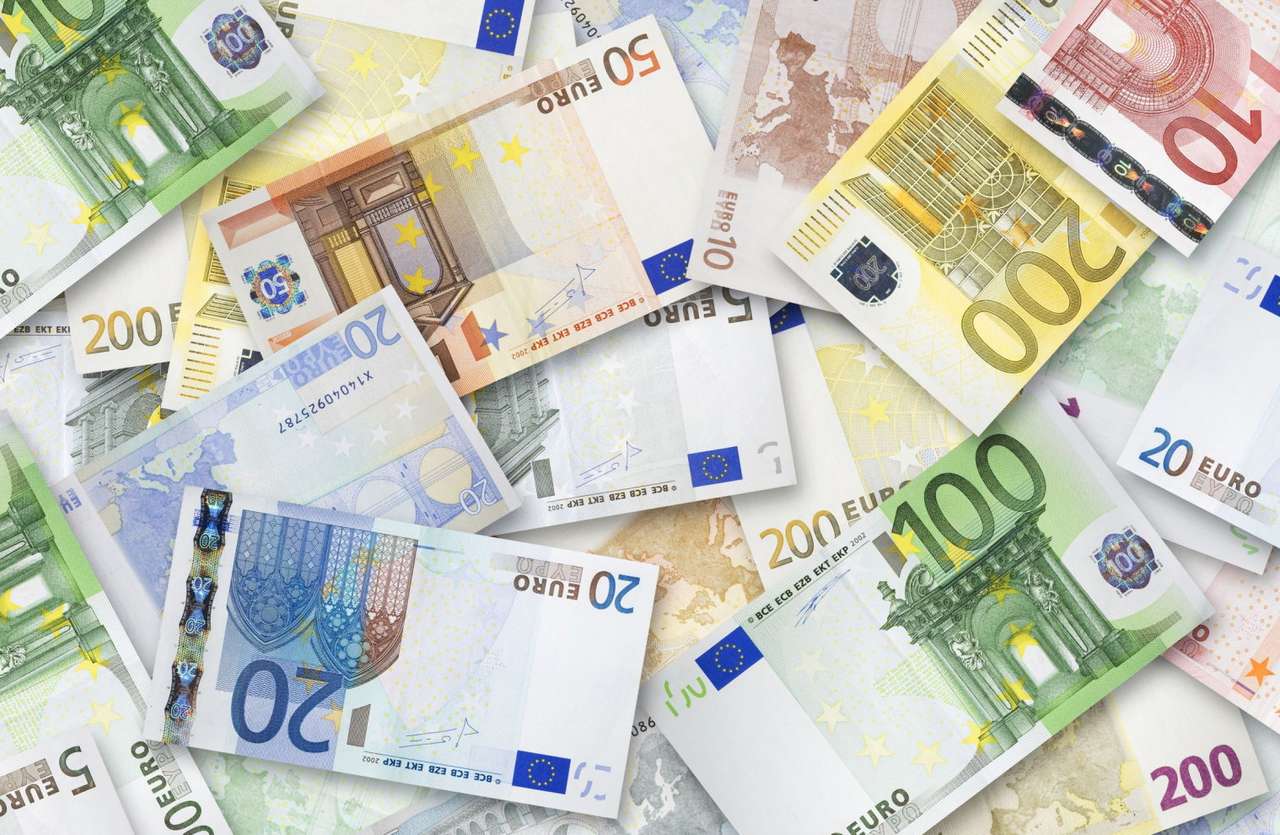
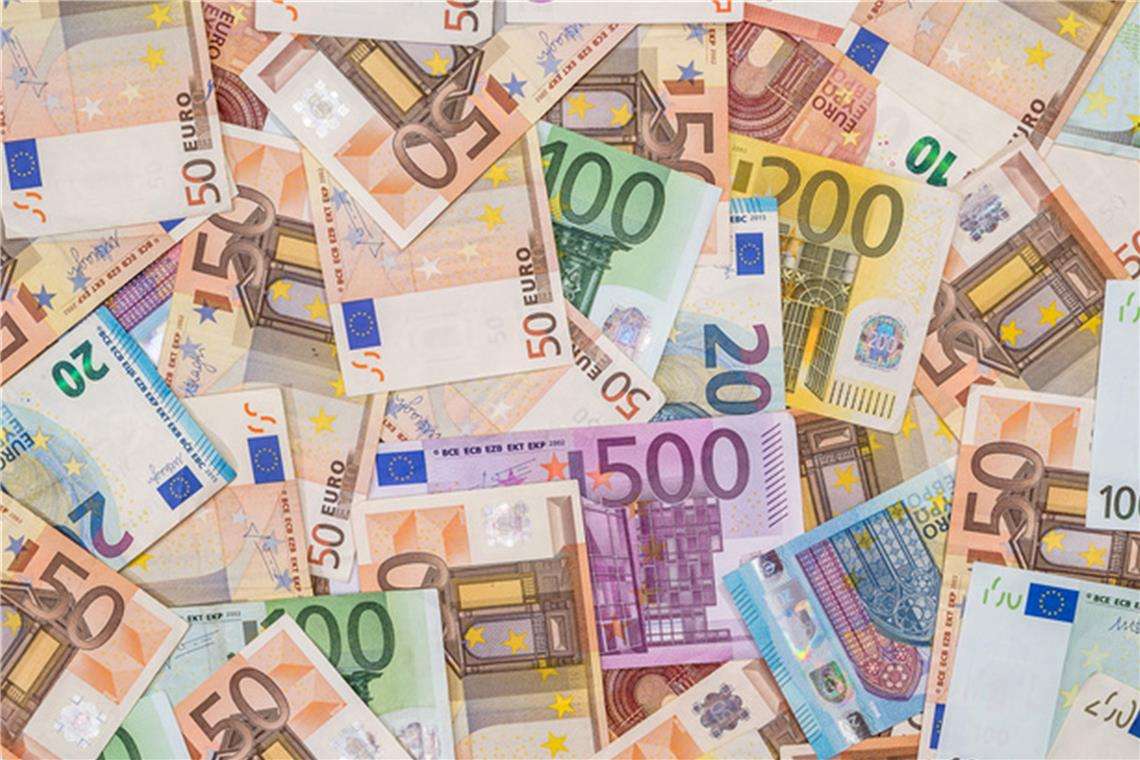
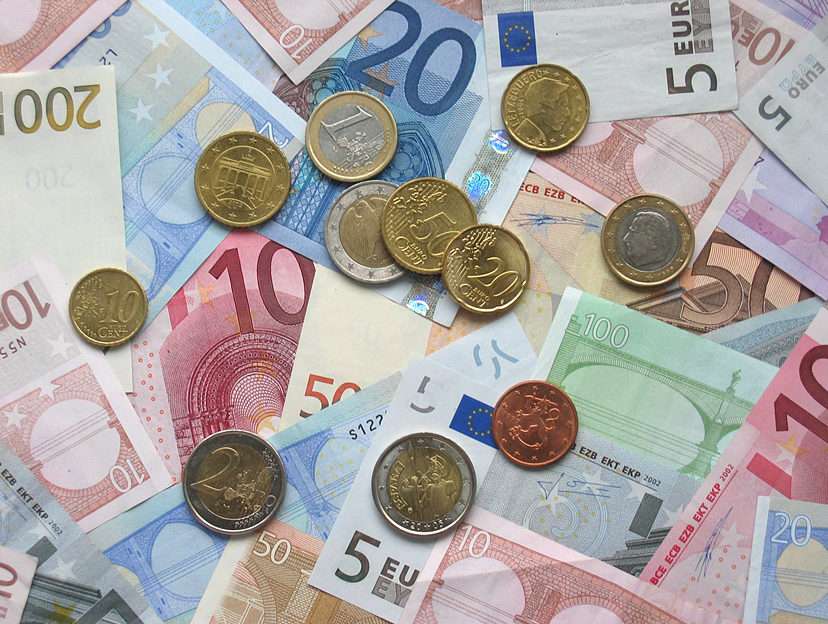
Euro Banknotes puzzle online from photo
345Euro Banknotessolved 1,345 times
Solve puzzle
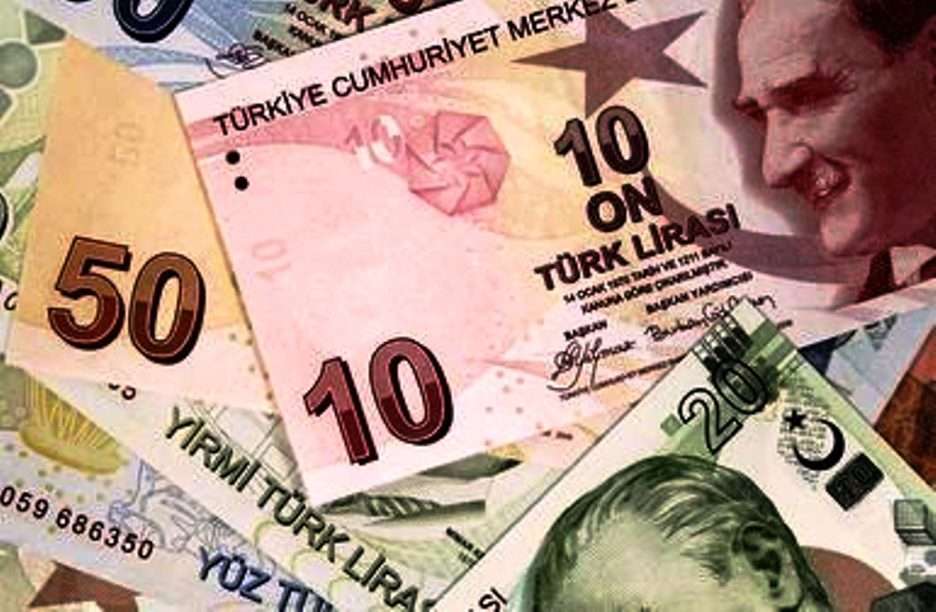
Currency online puzzle
266Currencysolved 1,336 times
Solve puzzle
Various currencies puzzle online from photo
300Various currenciessolved 1,222 times
Solve puzzle
MONEY puzzle online from photo
208MONEYsolved 817 times
Solve puzzle
world currency puzzle online from photo
50world currencysolved 817 times
Solve puzzle
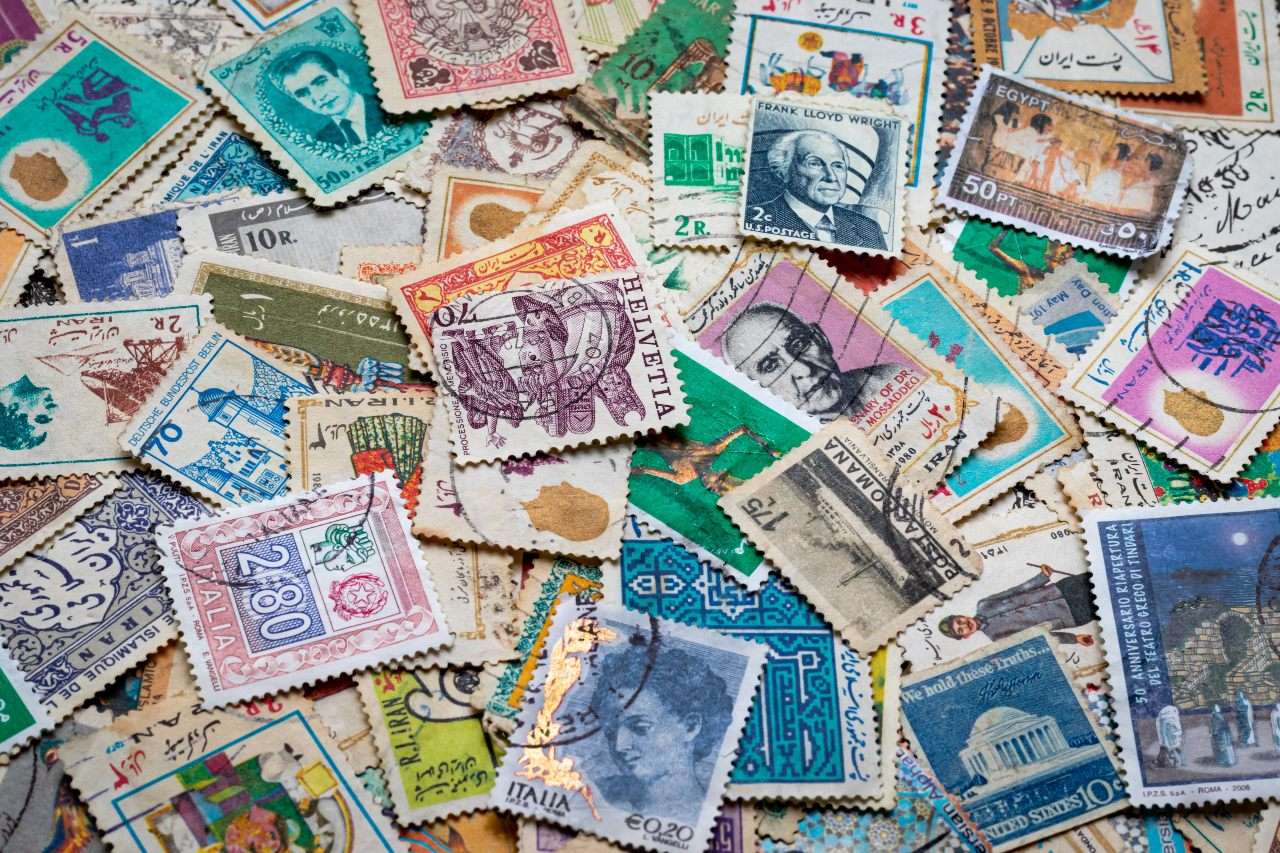
stamps puzzle online from photo
108stampssolved 723 times
Solve puzzle
banknotes puzzle online from photo
315banknotessolved 666 times
Solve puzzle
stamps online puzzle
391stampssolved 615 times
Solve puzzle
stamps online puzzle
169stampssolved 550 times
Solve puzzle
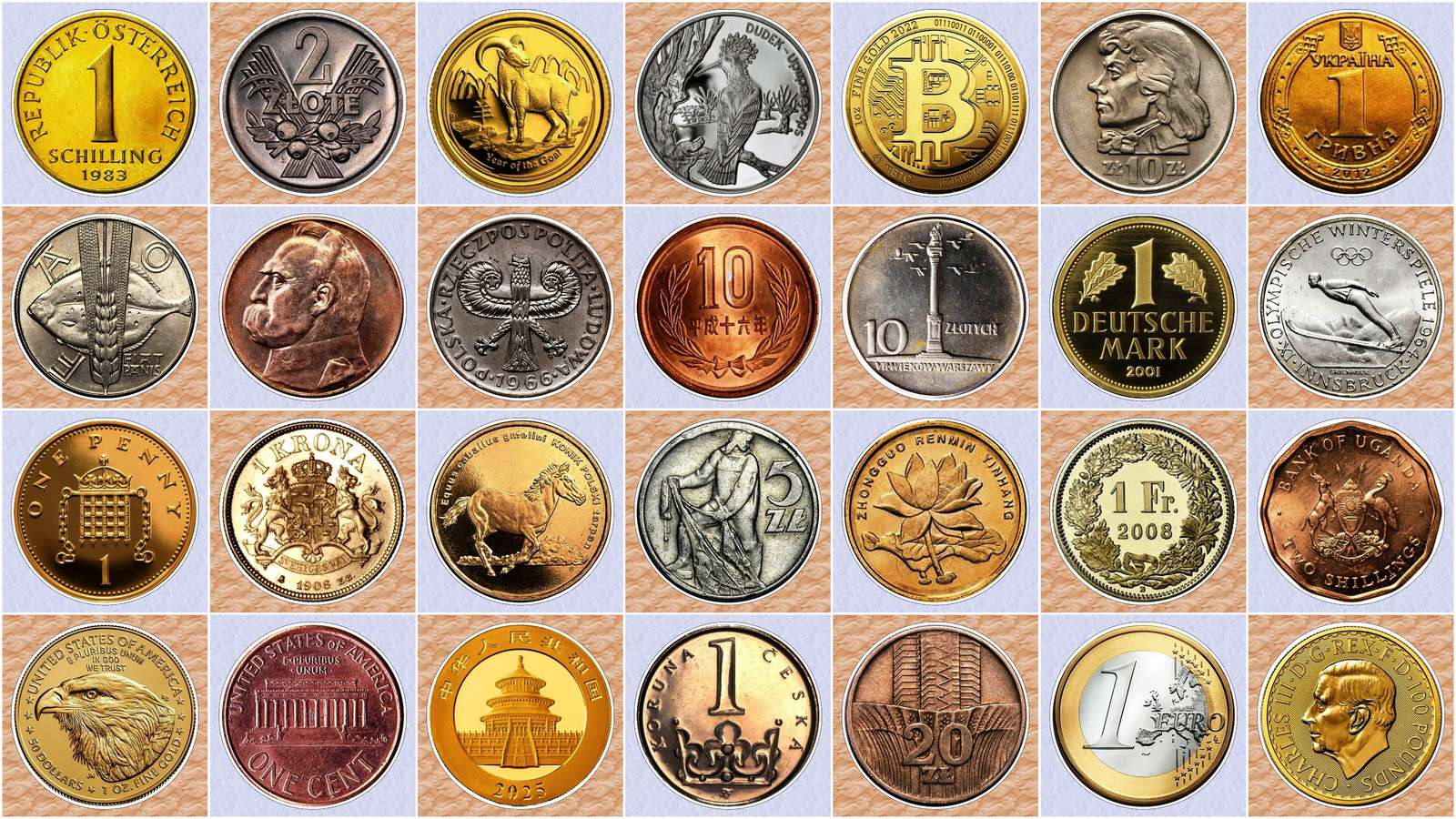
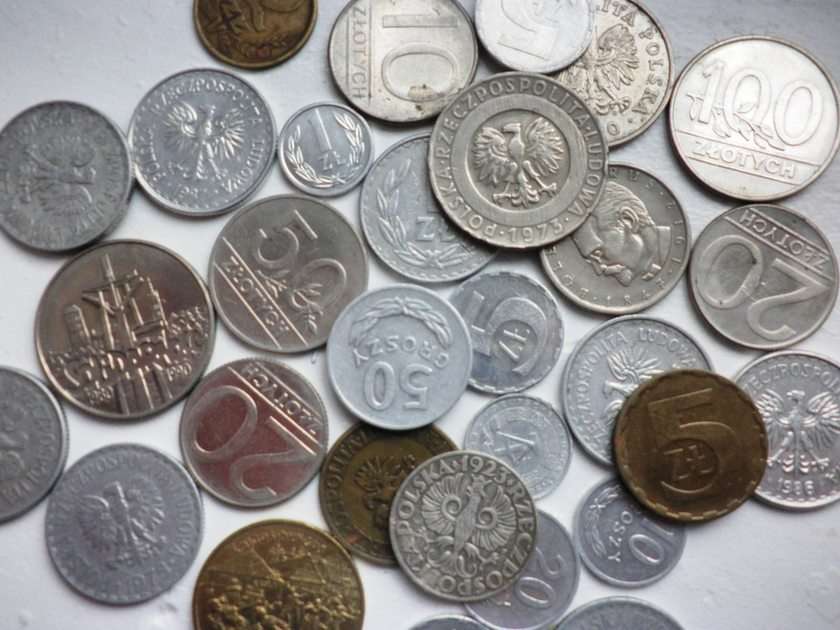
Old and new coins online puzzle
112Old and new coinssolved 536 times
Solve puzzle
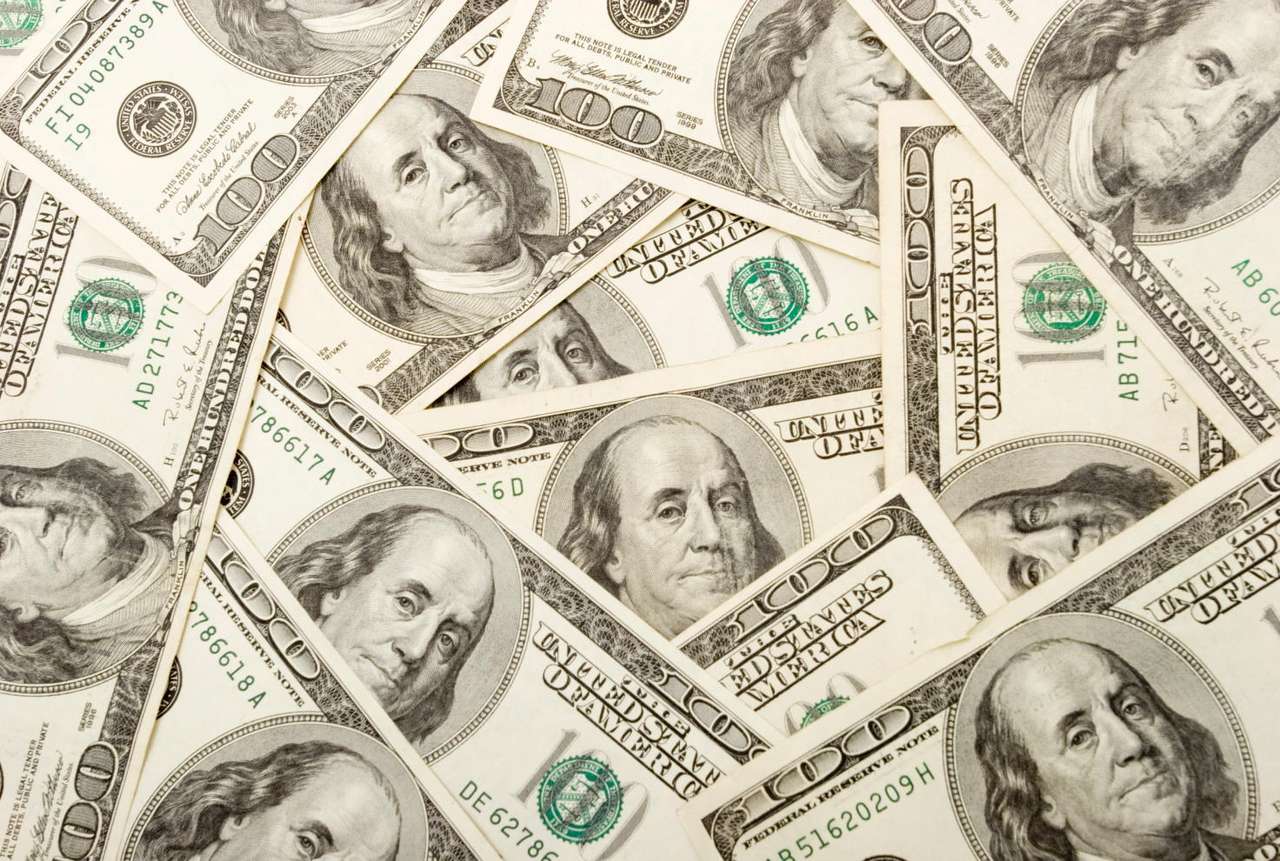
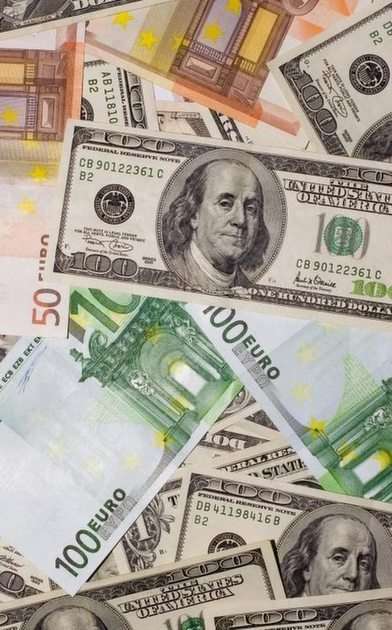
One hundred dollar bills puzzle online from photo
345One hundred dollar billssolved 486 times
Solve puzzle
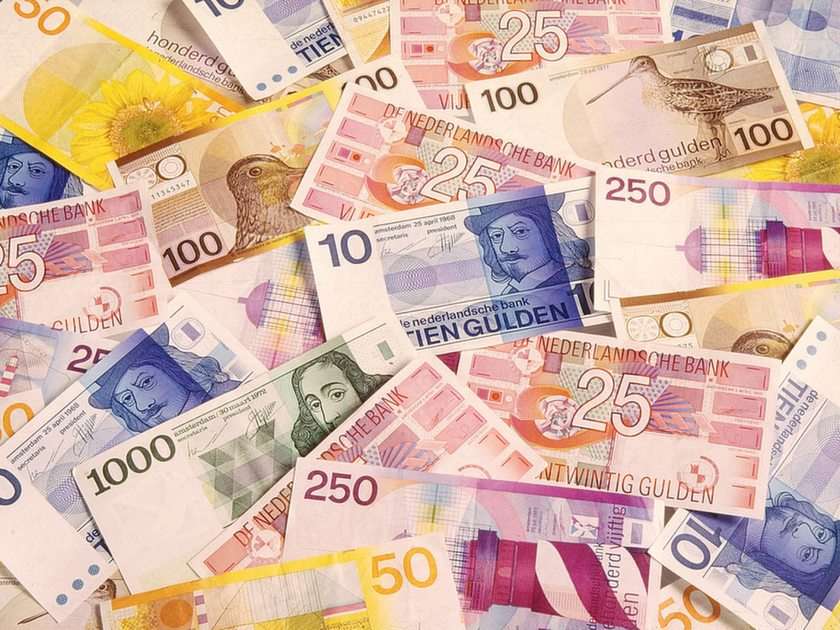
guilders puzzle online from photo
374guilderssolved 482 times
Solve puzzle
money puzzle online from photo
144moneysolved 431 times
Solve puzzle
Polish banknotes puzzle online from photo
364Polish banknotessolved 422 times
Solve puzzle
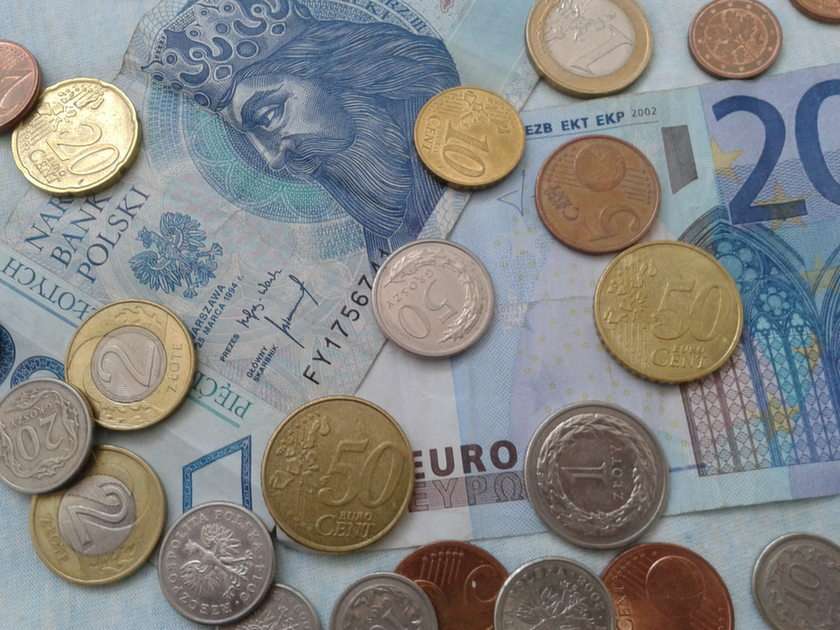
Polish-German puzzle online from photo
100Polish-Germansolved 411 times
Solve puzzle
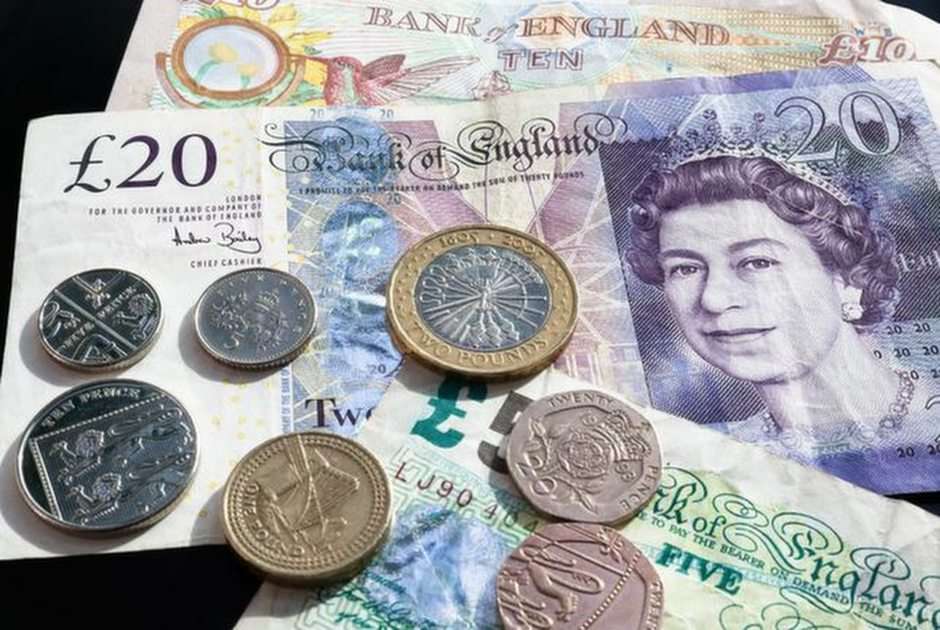
english money online puzzle
100english moneysolved 411 times
Solve puzzle
Money online puzzle
330Moneysolved 398 times
Solve puzzle
euros online puzzle
144eurossolved 391 times
Solve puzzle
Currency online puzzle
247Currencysolved 391 times
Solve puzzle
banknotes online puzzle
374banknotessolved 368 times
Solve puzzle
coins online puzzle
81coinssolved 367 times
Solve puzzle
Cash register online puzzle
100Cash registersolved 366 times
Solve puzzle
World currencies online puzzle
304World currenciessolved 361 times
Solve puzzle
Postage stamps puzzle online from photo
294Postage stampssolved 360 times
Solve puzzle
bdbrbbdrbr online puzzle
24bdbrbbdrbrsolved 344 times
Solve puzzle
Currency puzzle online from photo
192Currencysolved 343 times
Solve puzzle
Polish money online puzzle
165Polish moneysolved 330 times
Solve puzzle
kettle online puzzle
120kettlesolved 291 times
Solve puzzle
currency online puzzle
252currencysolved 287 times
Solve puzzle
Stamps Collecting puzzle online from photo
126Stamps Collectingsolved 285 times
Solve puzzle
Currency puzzle online from photo
221Currencysolved 283 times
Solve puzzle
cash register puzzle online from photo
81cash registersolved 281 times
Solve puzzle
Diğer/Diğerleri puzzle online from photo
216Diğer/Diğerlerisolved 279 times
Solve puzzle
banknotes puzzle online from photo
80banknotessolved 277 times
Solve puzzle
COINS online puzzle
120COINSsolved 272 times
Solve puzzle
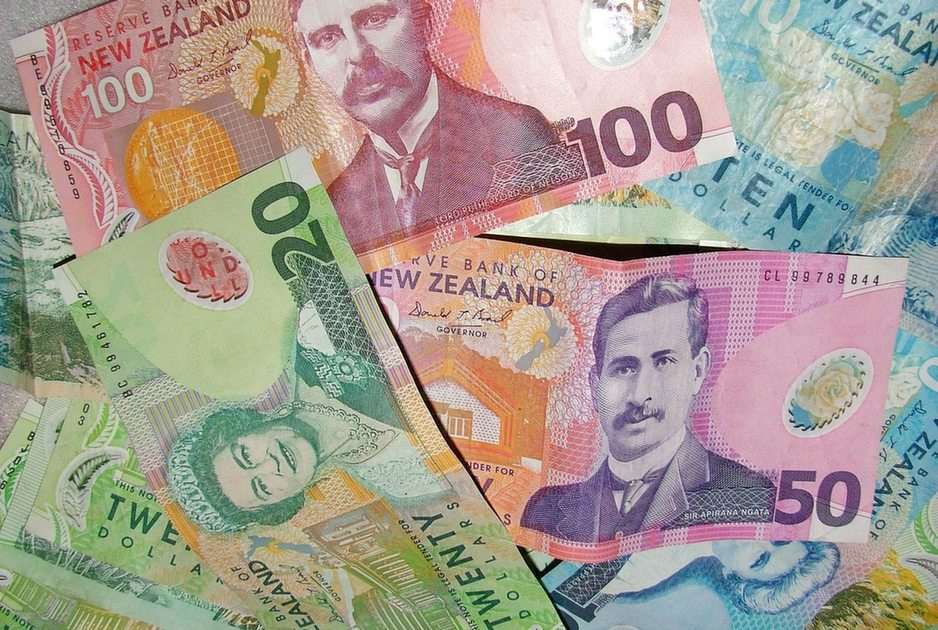
Old New Zealand Money puzzle online from photo
140Old New Zealand Moneysolved 250 times
Solve puzzle
banknotes online puzzle
169banknotessolved 233 times
Solve puzzle
Sentimental coins :) online puzzle
168Sentimental coins :)solved 229 times
Solve puzzle
World Currencies puzzle online from photo
368World Currenciessolved 218 times
Solve puzzle
various world coins online puzzle
112various world coinssolved 217 times
Solve puzzle
Working in the lesson. online puzzle
48Working in the lesson.solved 208 times
Solve puzzle
ukrainian money online puzzle
121ukrainian moneysolved 205 times
Solve puzzle

Online puzzle Saving

Saving

Saving is income not spent, or deferred consumption. Methods of saving include putting money aside in, for example, a deposit account, a pension account, an investment fund, or as cash. Saving also involves reducing expenditures, such as recurring costs. In terms of personal finance, saving generally specifies low-risk preservation of money, as in a deposit account, versus investment, wherein risk is a lot higher; in economics more broadly, it refers to any income not used for immediate consumption. Saving does not automatically include interest.

Saving differs from savings. The former refers to the act of not consuming one's assets, whereas the latter refers to either multiple opportunities to reduce costs; or one's assets in the form of cash. Saving refers to an activity occurring over time, a flow variable, whereas savings refers to something that exists at any one time, a stock variable. This distinction is often misunderstood, and even professional economists and investment professionals will often refer to "saving" as "savings".In different contexts there can be subtle differences in what counts as saving. For example, the part of a person's income that is spent on mortgage loan principal repayments is not spent on present consumption and is therefore saving by the above definition, even though people do not always think of repaying a loan as saving. However, in the U.S. measurement of the numbers behind its gross national product (i.e., the National Income and Product Accounts), personal interest payments are not treated as "saving" unless the institutions and people who receive them save them.

Saving is closely related to physical investment, in that the former provides a source of funds for the latter. By not using income to buy consumer goods and services, it is possible for resources to instead be invested by being used to produce fixed capital, such as factories and machinery. Saving can therefore be vital to increase the amount of fixed capital available, which contributes to economic growth.

However, increased saving does not always correspond to increased investment. If savings are not deposited into a financial intermediary such as a bank, there is no chance for those savings to be recycled as investment by business. This means that saving may increase without increasing investment, possibly causing a short-fall of demand (a pile-up of inventories, a cut-back of production, employment, and income, and thus a recession) rather than to economic growth. In the short term, if saving falls below investment, it can lead to a growth of aggregate demand and an economic boom. In the long term if saving falls below investment it eventually reduces investment and detracts from future growth. Future growth is made possible by foregoing present consumption to increase investment. However, savings not deposited into a financial intermediary amount to an (interest-free) loan to the government or central bank, who can recycle this loan.

In a primitive agricultural economy, savings might take the form of holding back the best of the corn harvest as seed corn for the next planting season. If the whole crop were consumed the economy would convert to hunting and gathering the next season.