Slope - online puzzles

ENERGY RESOURCES puzzle online from photo
154ENERGY RESOURCESsolved 105 times
Solve puzzle
Cherry Blossom puzzle online from photo
140Cherry Blossomsolved 105 times
Solve puzzle
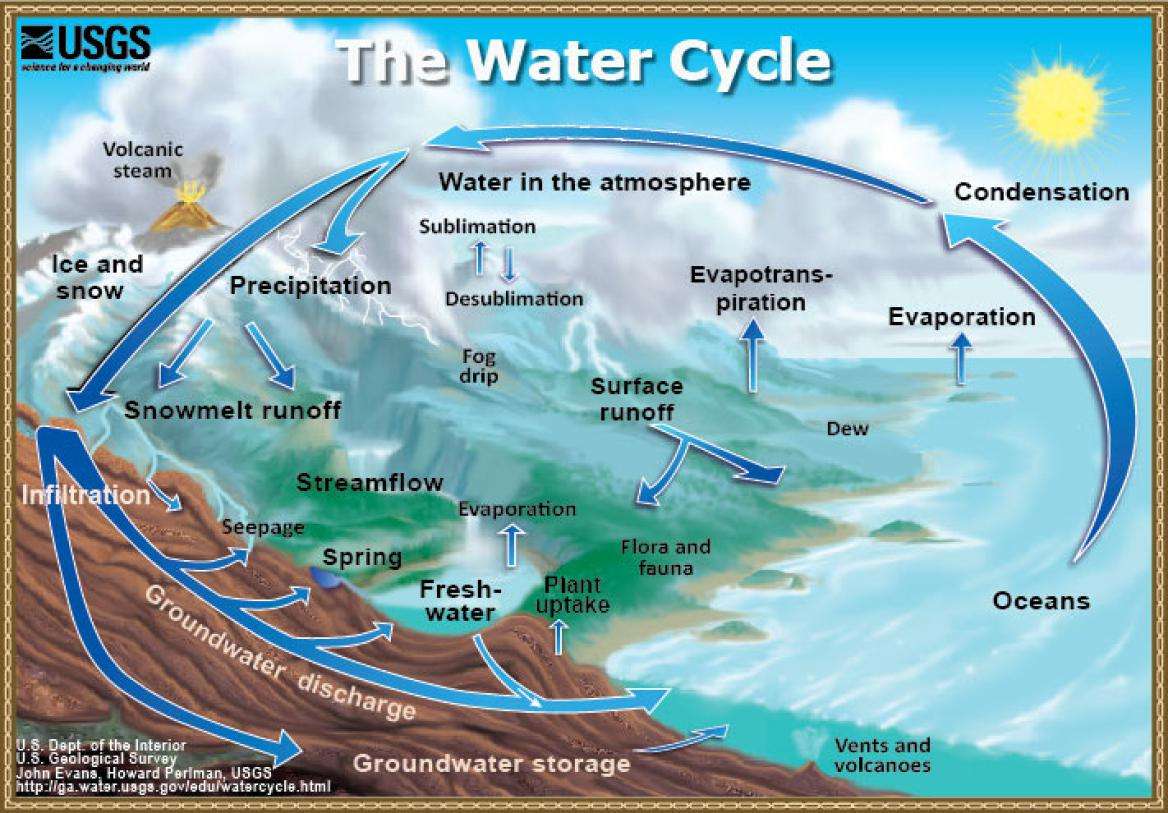
Water Cycle online puzzle
35Water Cyclesolved 105 times
Solve puzzle
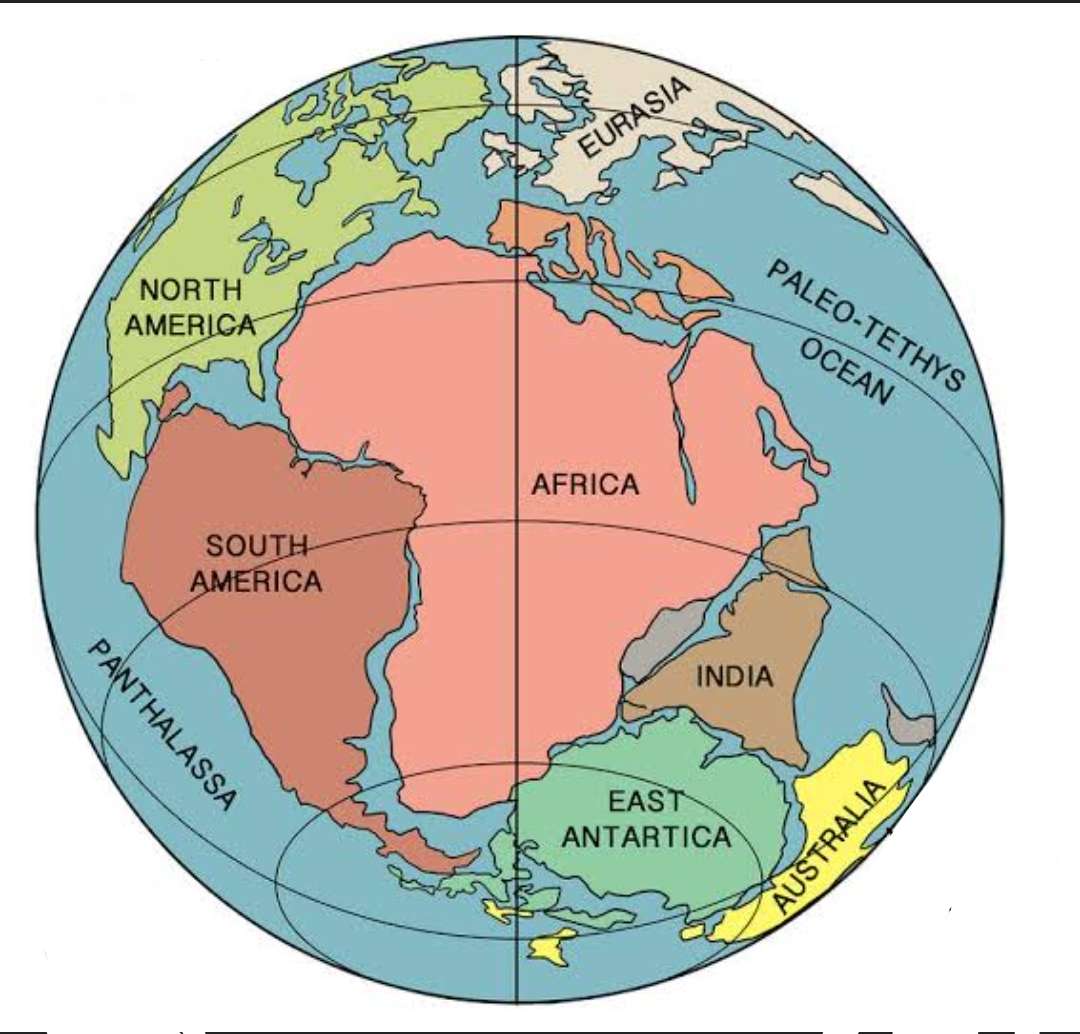
Continental Drift Hypothesis puzzle online from photo
169Continental Drift Hypothesissolved 105 times
Solve puzzle
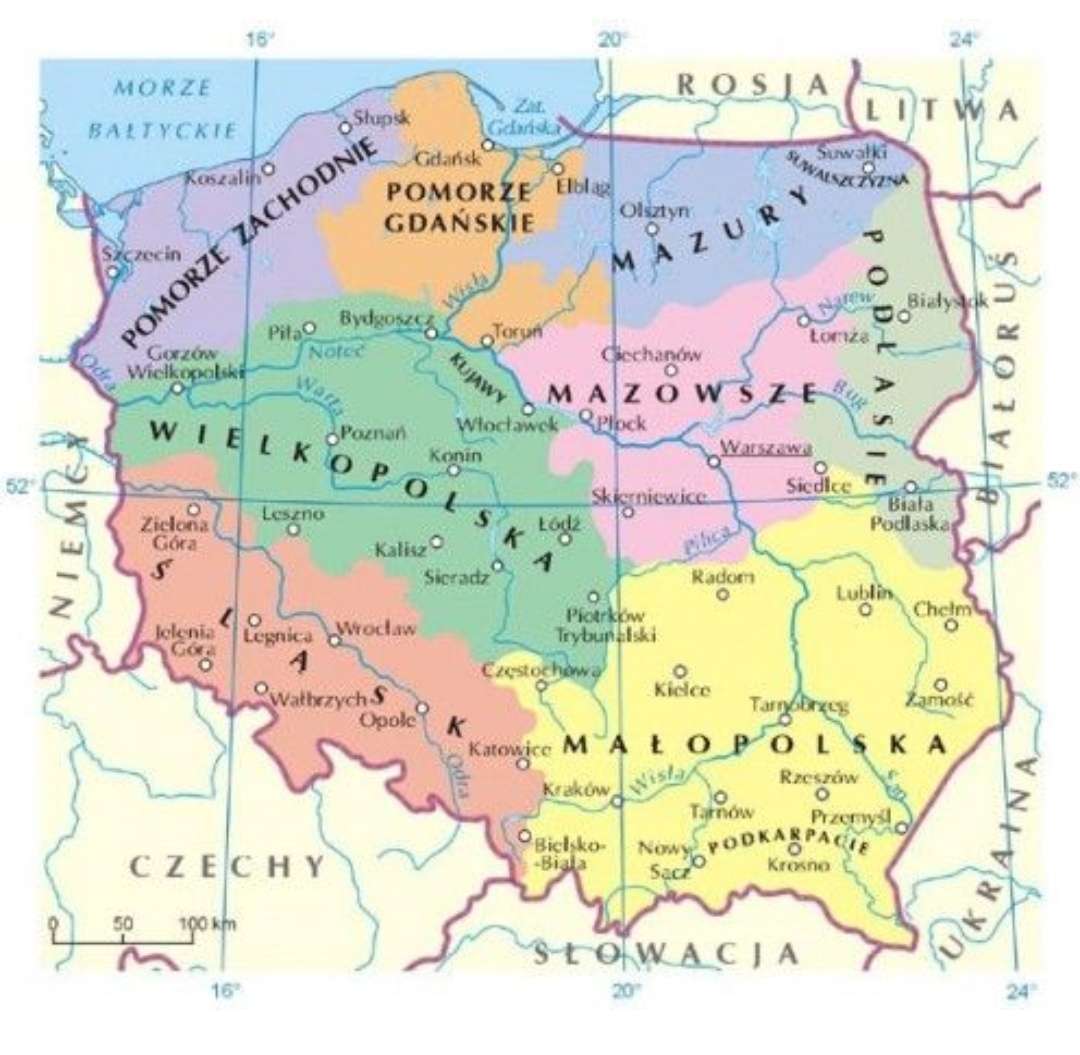
Regions of Poland online puzzle
16Regions of Polandsolved 105 times
Solve puzzle
Type of transport online puzzle
169Type of transportsolved 105 times
Solve puzzle
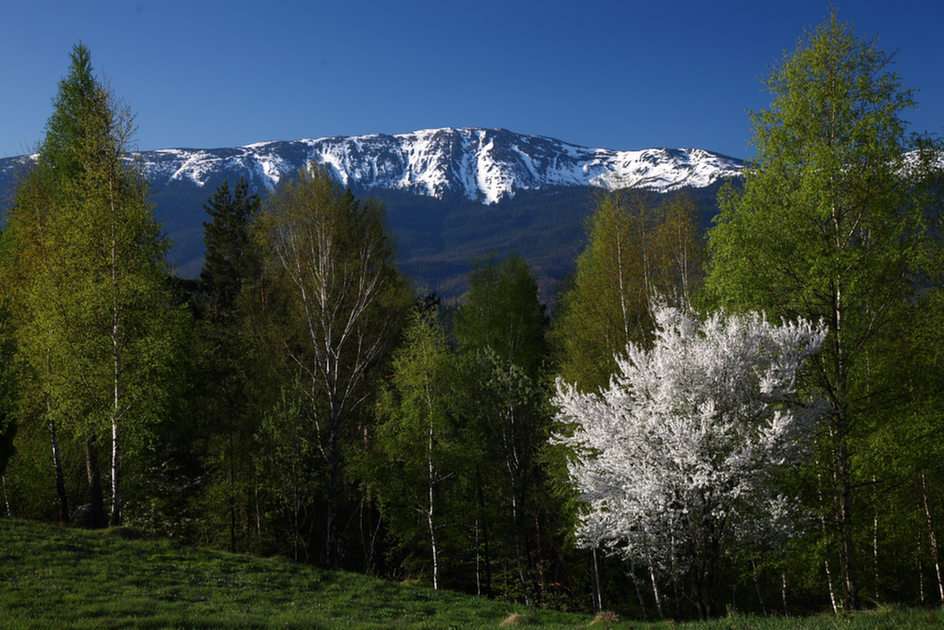
Tatra Mountains online puzzle
54Tatra Mountainssolved 104 times
Solve puzzle
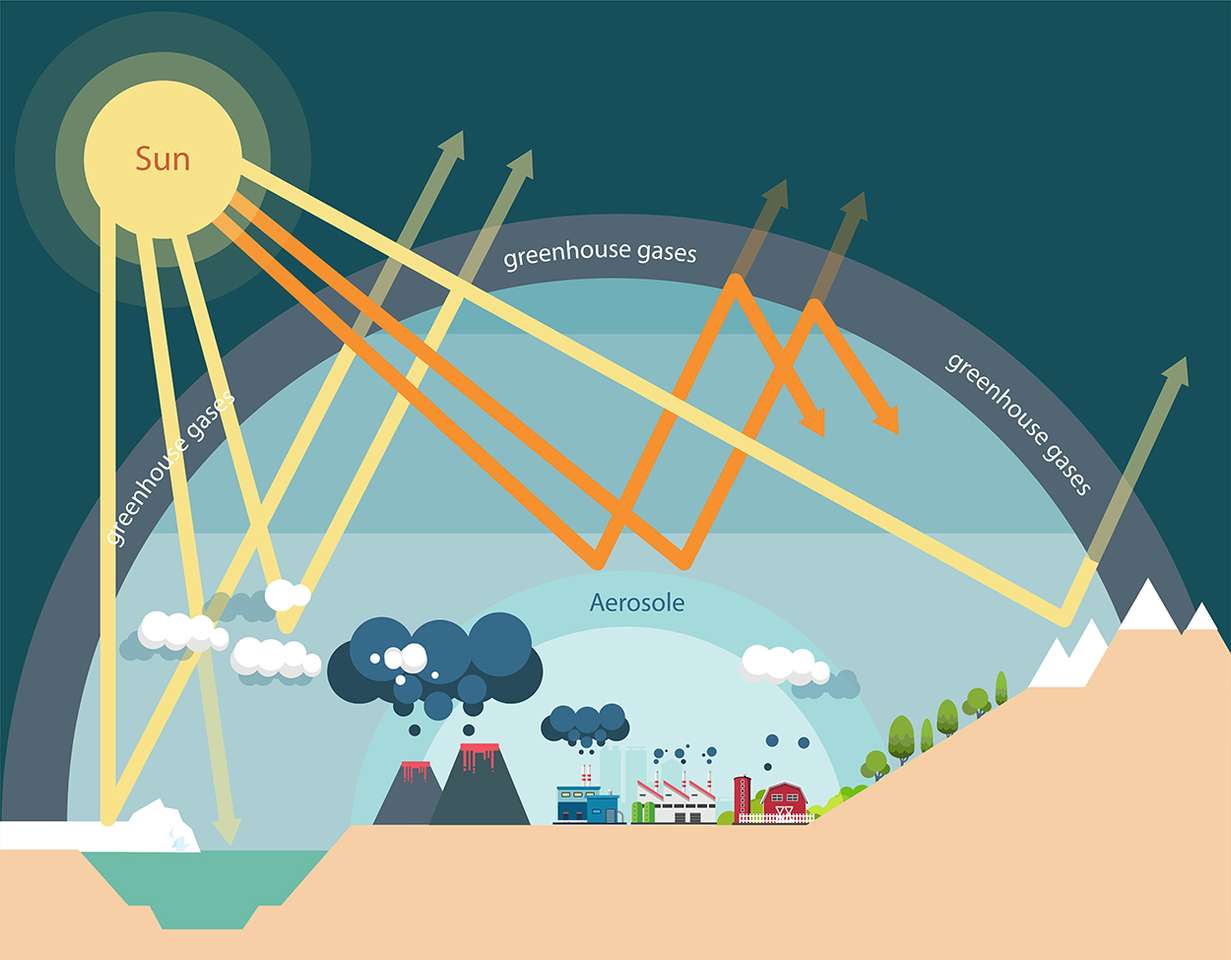
The Greenhouse World puzzle online from photo
20The Greenhouse Worldsolved 104 times
Solve puzzle
microsoft edge logo online puzzle
169microsoft edge logosolved 104 times
Solve puzzle
This is what snow looks like. online puzzle
60This is what snow looks like.solved 103 times
Solve puzzle
landscape puzzle online from photo
48landscapesolved 102 times
Solve puzzle
rice terraces puzzle online from photo
36rice terracessolved 102 times
Solve puzzle
Frozen lake puzzle online from photo
104Frozen lakesolved 102 times
Solve puzzle
gyvyvyvuygyui online puzzle
24gyvyvyvuygyuisolved 102 times
Solve puzzle
MATH TECH PUZZLE online puzzle
216MATH TECH PUZZLEsolved 102 times
Solve puzzle
tunnel puzzle online from photo
48tunnelsolved 101 times
Solve puzzle
Picnic online puzzle
48Picnicsolved 101 times
Solve puzzle
stadium online puzzle
48stadiumsolved 100 times
Solve puzzle
Majorca puzzle online from photo
56Majorcasolved 100 times
Solve puzzle
Fit Together online puzzle
30Fit Togethersolved 100 times
Solve puzzle
coloroess puzzle online from photo
195coloroesssolved 100 times
Solve puzzle
Sur la colline online puzzle
35Sur la collinesolved 99 times
Solve puzzle
bridge online puzzle
48bridgesolved 99 times
Solve puzzle
Cottage in winter puzzle online from photo
135Cottage in wintersolved 99 times
Solve puzzle
Hawk Crag online puzzle
56Hawk Cragsolved 98 times
Solve puzzle
CAMEL online puzzle
48CAMELsolved 98 times
Solve puzzle
Tall Rectangle Colorme puzzle online from photo
190Tall Rectangle Colormesolved 98 times
Solve puzzle
Harter Fell online puzzle
35Harter Fellsolved 97 times
Solve puzzle
Rrrasxxfxx puzzle online from photo
140Rrrasxxfxxsolved 97 times
Solve puzzle
The Azores online puzzle
165The Azoressolved 97 times
Solve puzzle
landscape puzzle online from photo
25landscapesolved 96 times
Solve puzzle
Continuous Integration - Continuous Delivery puzzle online from photo
15Continuous Integration - Continuous Deliverysolved 96 times
Solve puzzle
Colorado History puzzle online from photo
25Colorado Historysolved 96 times
Solve puzzle
Smeerensburg puzzle online from photo
60Smeerensburgsolved 96 times
Solve puzzle
Artwork Dancing Color online puzzle
196Artwork Dancing Colorsolved 96 times
Solve puzzle
Lomnica online puzzle
117Lomnicasolved 95 times
Solve puzzle
Nida online puzzle
48Nidasolved 95 times
Solve puzzle
The Wheel House on The Water online puzzle
135The Wheel House on The Watersolved 95 times
Solve puzzle
langkawi online puzzle
48langkawisolved 94 times
Solve puzzle
In the aquarium online puzzle
20In the aquariumsolved 93 times
Solve puzzle
Portugal puzzle online from photo
126Portugalsolved 93 times
Solve puzzle
Water color online puzzle
204Water colorsolved 93 times
Solve puzzle
Table of Elements puzzle online from photo
192Table of Elementssolved 93 times
Solve puzzle
Squares. online puzzle
169Squares.solved 93 times
Solve puzzle
Our Best Self online puzzle
49Our Best Selfsolved 93 times
Solve puzzle
Versailles - Latona's Fountain online puzzle
54Versailles - Latona's Fountainsolved 92 times

Solve puzzle
Street in Germany online puzzle
588Street in Germanysolved 92 times
Solve puzzle
normandie puzzle online from photo
20normandiesolved 92 times
Solve puzzle

Online puzzle Slope

Slope

In mathematics, the slope or gradient of a line is a number that describes both the direction and the steepness of the line. Slope is often denoted by the letter m; there is no clear answer to the question why the letter m is used for slope, but its earliest use in English appears in O'Brien (1844) who wrote the equation of a straight line as "y = mx + b" and it can also be found in Todhunter (1888) who wrote it as "y = mx + c".Slope is calculated by finding the ratio of the "vertical change" to the "horizontal change" between (any) two distinct points on a line. Sometimes the ratio is expressed as a quotient ("rise over run"), giving the same number for every two distinct points on the same line. A line that is decreasing has a negative "rise". The line may be practical – as set by a road surveyor, or in a diagram that models a road or a roof either as a description or as a plan.

The steepness, incline, or grade of a line is measured by the absolute value of the slope. A slope with a greater absolute value indicates a steeper line. The direction of a line is either increasing, decreasing, horizontal or vertical.

A line is increasing if it goes up from left to right. The slope is positive, i.e.

m

>

0

{\displaystyle m>0}

.

A line is decreasing if it goes down from left to right. The slope is negative, i.e.

m

<

0

{\displaystyle m<0}

.

If a line is horizontal the slope is zero. This is a constant function.

If a line is vertical the slope is undefined (see below).The rise of a road between two points is the difference between the altitude of the road at those two points, say y1 and y2, or in other words, the rise is (y2 − y1) = Δy. For relatively short distances, where the Earth's curvature may be neglected, the run is the difference in distance from a fixed point measured along a level, horizontal line, or in other words, the run is (x2 − x1) = Δx. Here the slope of the road between the two points is simply described as the ratio of the altitude change to the horizontal distance between any two points on the line.

In mathematical language, the slope m of the line is

m

=

y

2

y

1

x

2

x

1

.

{\displaystyle m={\frac {y_{2}-y_{1}}{x_{2}-x_{1}}}.}

The concept of slope applies directly to grades or gradients in geography and civil engineering. Through trigonometry, the slope m of a line is related to its angle of inclination θ by the tangent function

m

=

tan

(

θ

)

{\displaystyle m=\tan(\theta )}

Thus, a 45° rising line has a slope of +1 and a 45° falling line has a slope of −1.

As a generalization of this practical description, the mathematics of differential calculus defines the slope of a curve at a point as the slope of the tangent line at that point. When the curve is given by a series of points in a diagram or in a list of the coordinates of points, the slope may be calculated not at a point but between any two given points. When the curve is given as a continuous function, perhaps as an algebraic expression, then the differential calculus provides rules giving a formula for the slope of the curve at any point in the middle of the curve.

This generalization of the concept of slope allows very complex constructions to be planned and built that go well beyond static structures that are either horizontals or verticals, but can change in time, move in curves, and change depending on the rate of change of other factors. Thereby, the simple idea of slope becomes one of the main basis of the modern world in terms of both technology and the built environment.