Sweetness - online puzzles
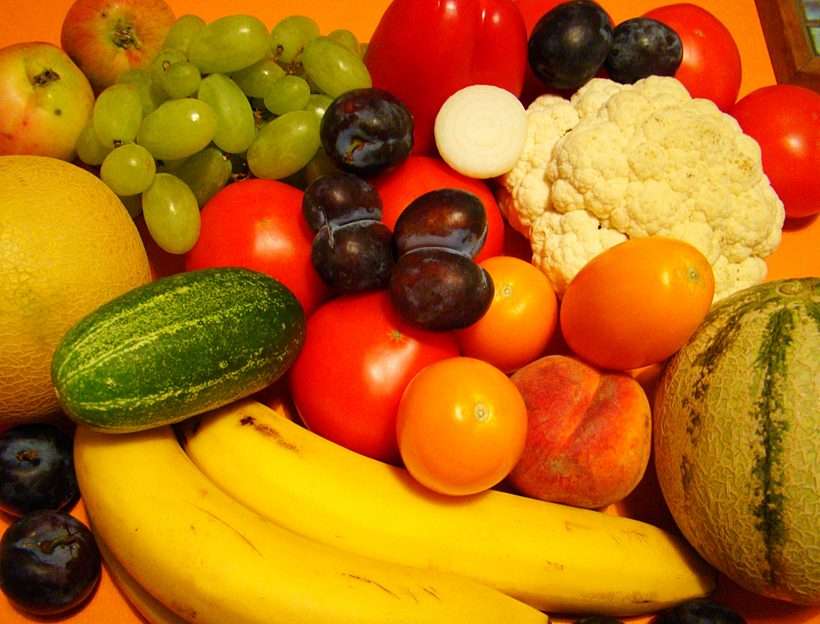
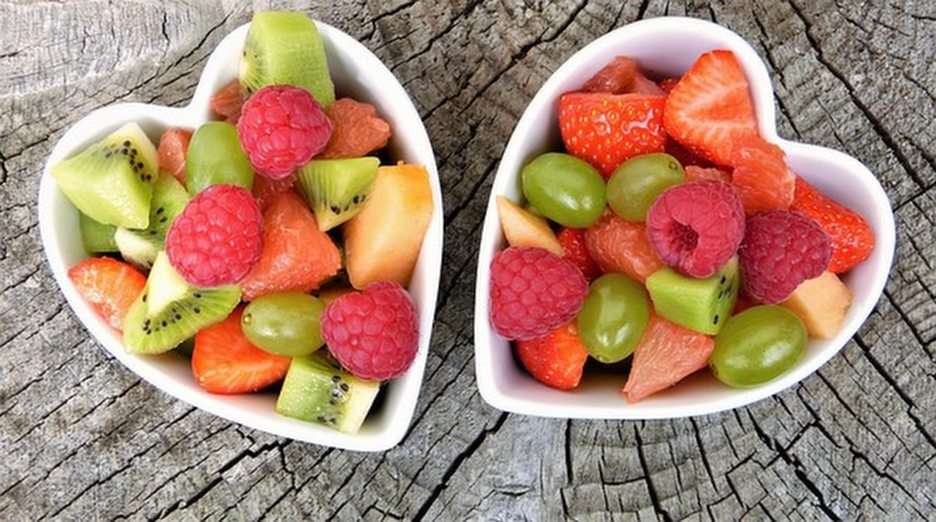
Vegetable fruit salad, finely cut;)) online puzzle
260Vegetable fruit salad, finely cut;))solved 356 times
Solve puzzle
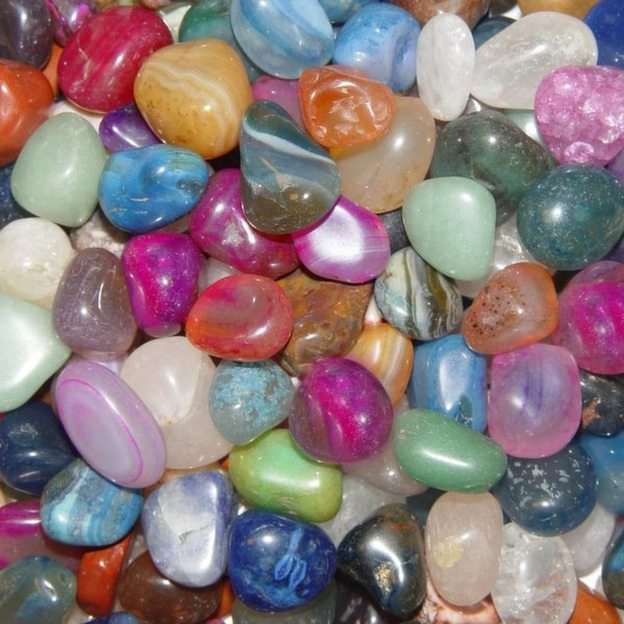
Stones online puzzle
156Stonessolved 355 times
Solve puzzle
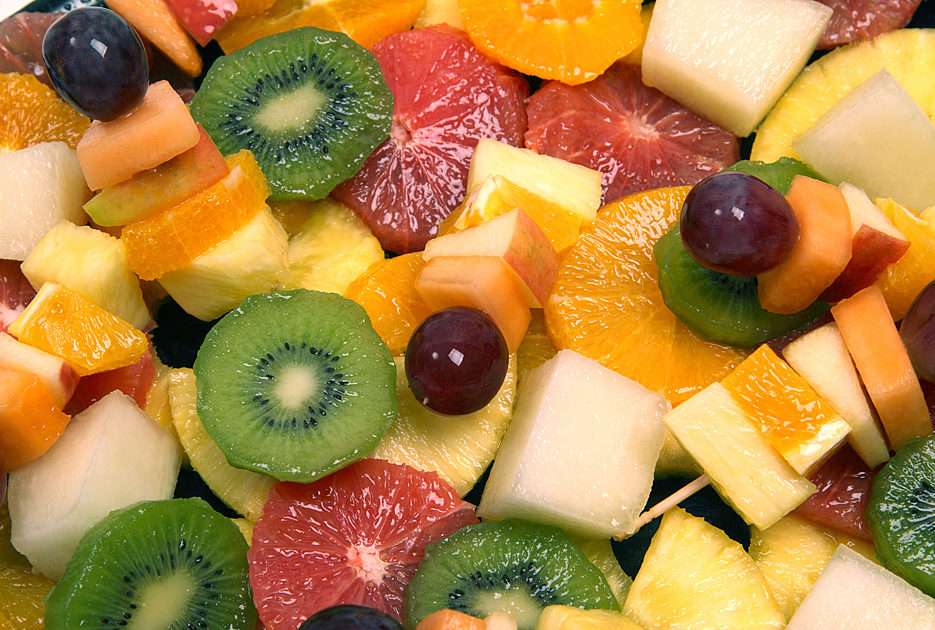
postre de frutas puzzle online from photo
48postre de frutassolved 354 times
Solve puzzle
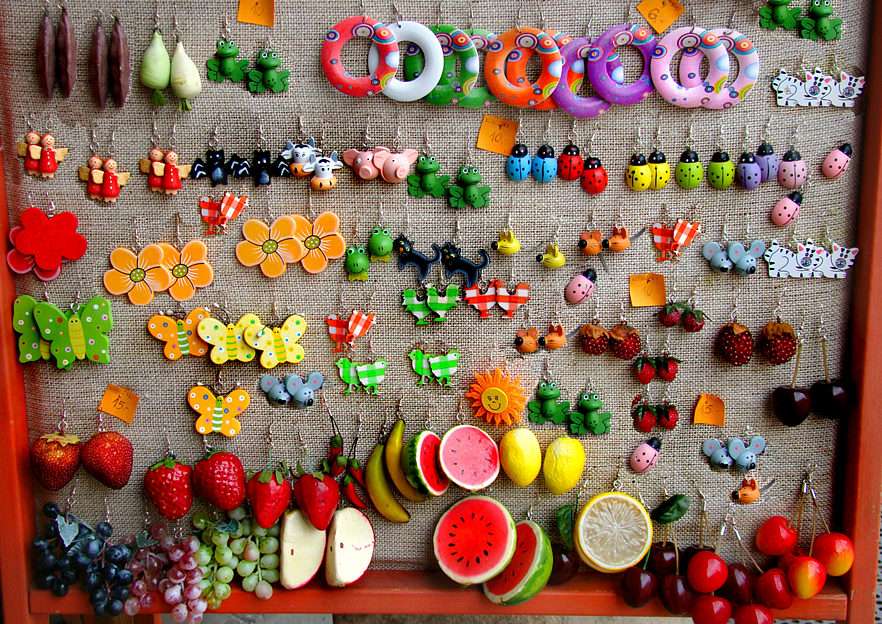
If it weren't for the circles, these are botanical earrings puzzle online from photo
216If it weren't for the circles, these are botanical earringssolved 354 times
Solve puzzle
Porcelain puzzle online from photo
252Porcelainsolved 354 times
Solve puzzle
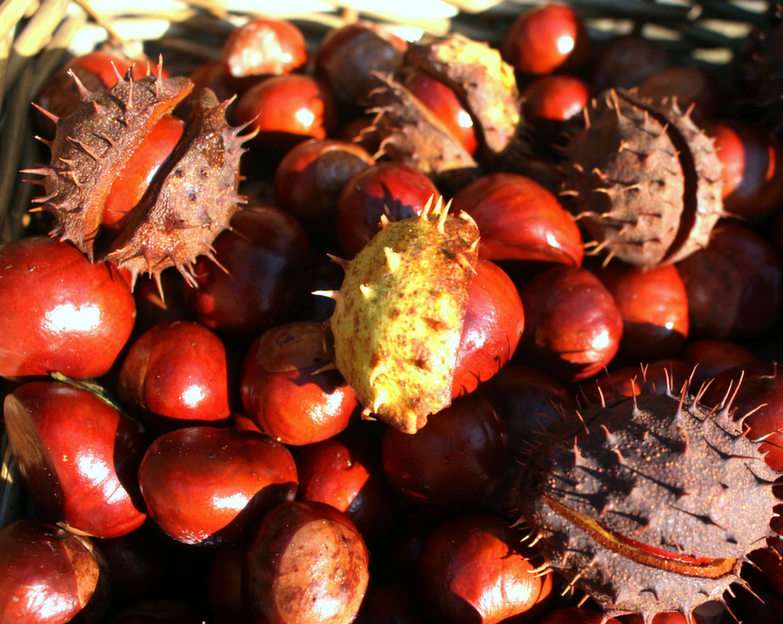
chestnuts online puzzle
72chestnutssolved 354 times
Solve puzzle
birthday cake puzzle online from photo
48birthday cakesolved 354 times
Solve puzzle
THE FOOD IS THE BEST online puzzle
160THE FOOD IS THE BESTsolved 354 times
Solve puzzle
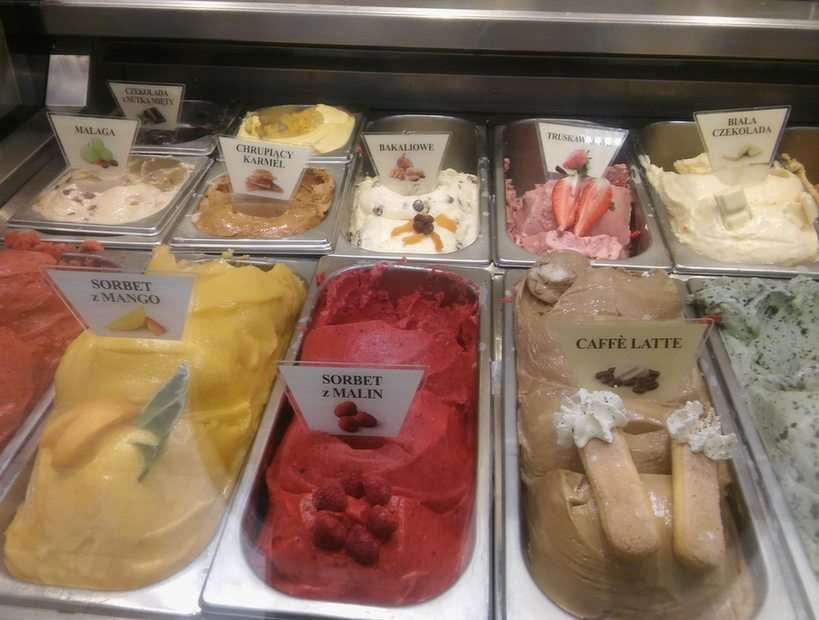
ice cream online puzzle
20ice creamsolved 353 times
Solve puzzle
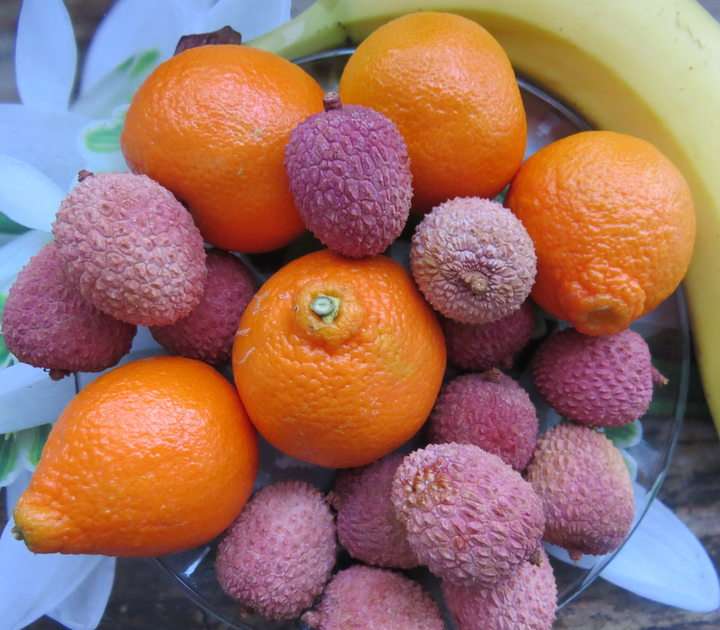
Fruit puzzle online from photo
90Fruitsolved 352 times
Solve puzzle
Something for everyone online puzzle
209Something for everyonesolved 352 times
Solve puzzle
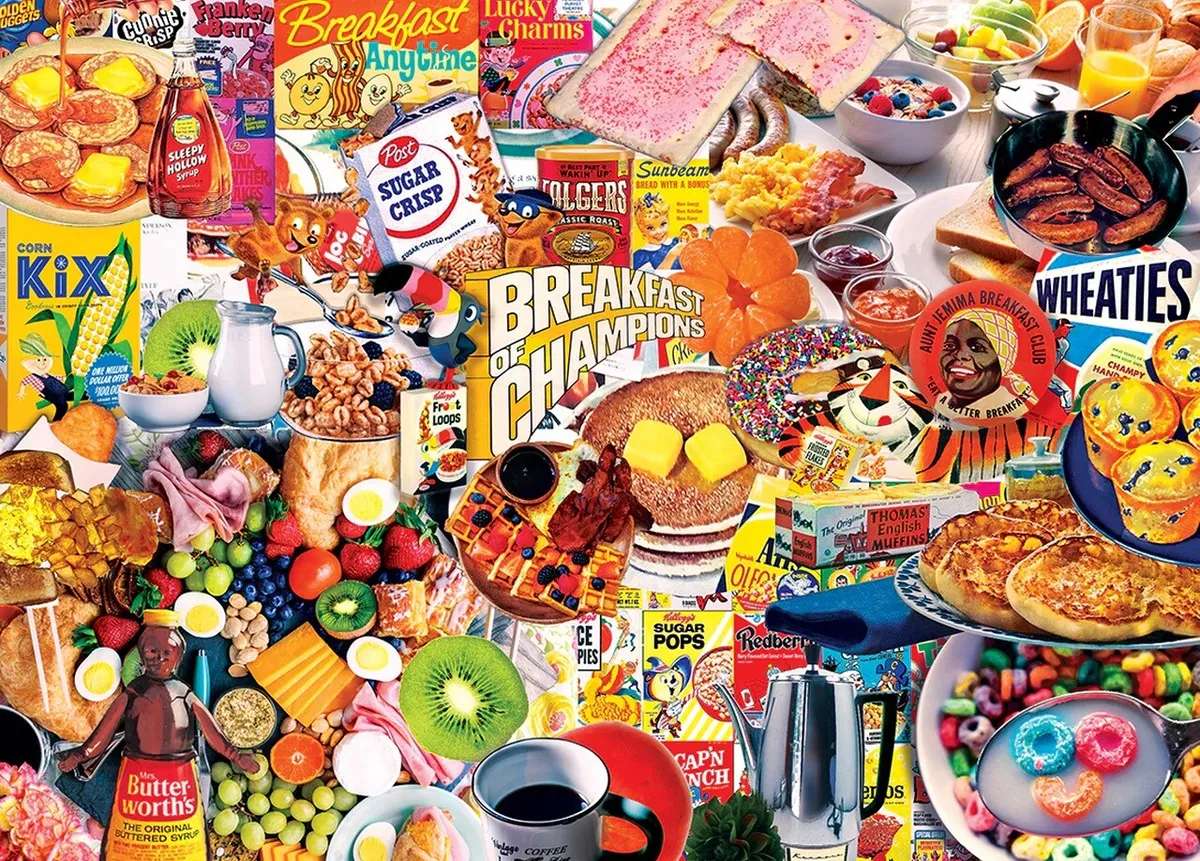
Breakfast puzzle online from photo
144Breakfastsolved 352 times
Solve puzzle
Easter collage puzzle online from photo
252Easter collagesolved 350 times
Solve puzzle
Porcelain online puzzle
209Porcelainsolved 350 times
Solve puzzle
Bread puzzle online from photo
20Breadsolved 350 times
Solve puzzle
Breakfast Time! puzzle online from photo
88Breakfast Time!solved 350 times
Solve puzzle
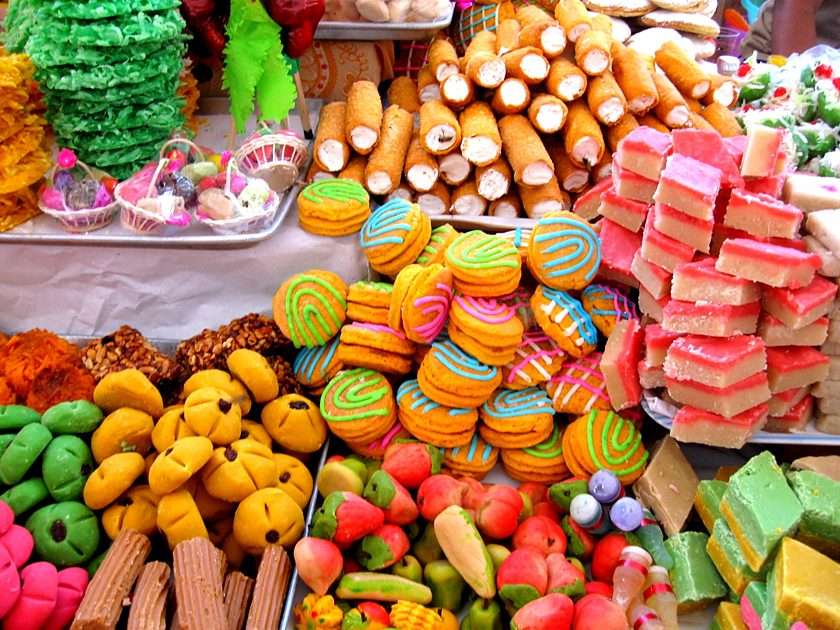
Sweets online puzzle
300Sweetssolved 349 times
Solve puzzle
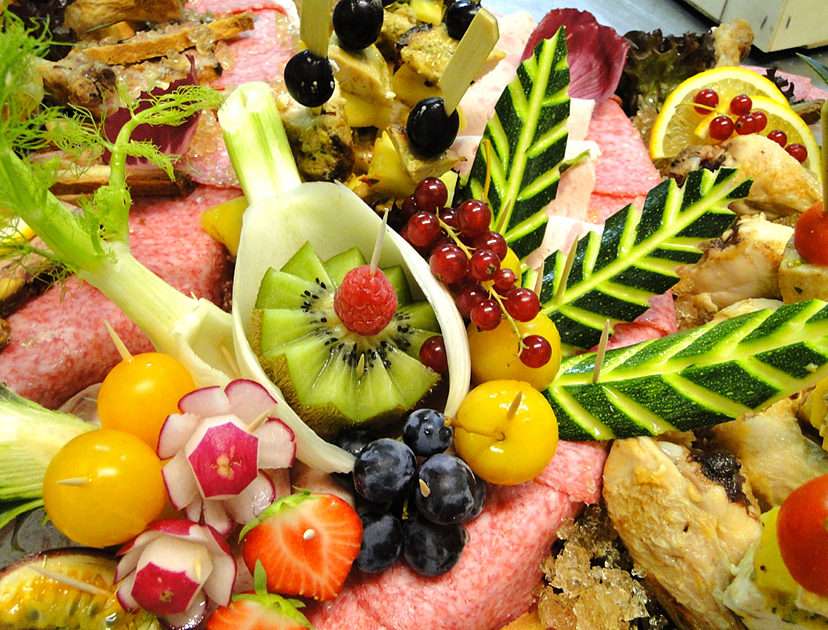
Artistic buffet ... online puzzle
270Artistic buffet ...solved 349 times
Solve puzzle
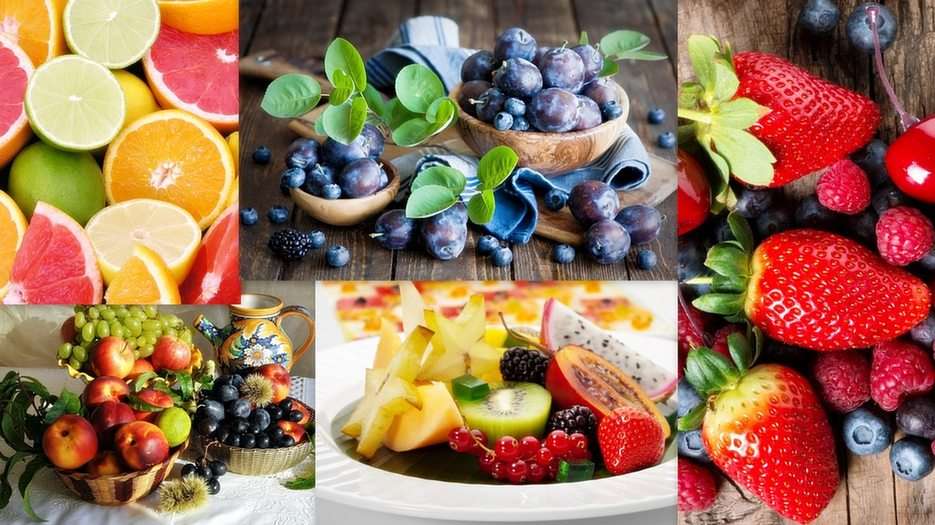
Fruit online puzzle
255Fruitsolved 349 times
Solve puzzle
Natureza online puzzle
108Naturezasolved 349 times
Solve puzzle
To eat online puzzle
84To eatsolved 349 times
Solve puzzle
Christmas tree puzzle online from photo
143Christmas treesolved 348 times
Solve puzzle
Easter puzzle online from photo
48Eastersolved 348 times
Solve puzzle
Food online puzzle
255Foodsolved 347 times
Solve puzzle
Something for everyone online puzzle
255Something for everyonesolved 347 times
Solve puzzle
Something for everyone online puzzle
255Something for everyonesolved 346 times
Solve puzzle
Candies online puzzle
63Candiessolved 345 times
Solve puzzle
tiny, colorful puzzle online from photo
252tiny, colorfulsolved 345 times
Solve puzzle
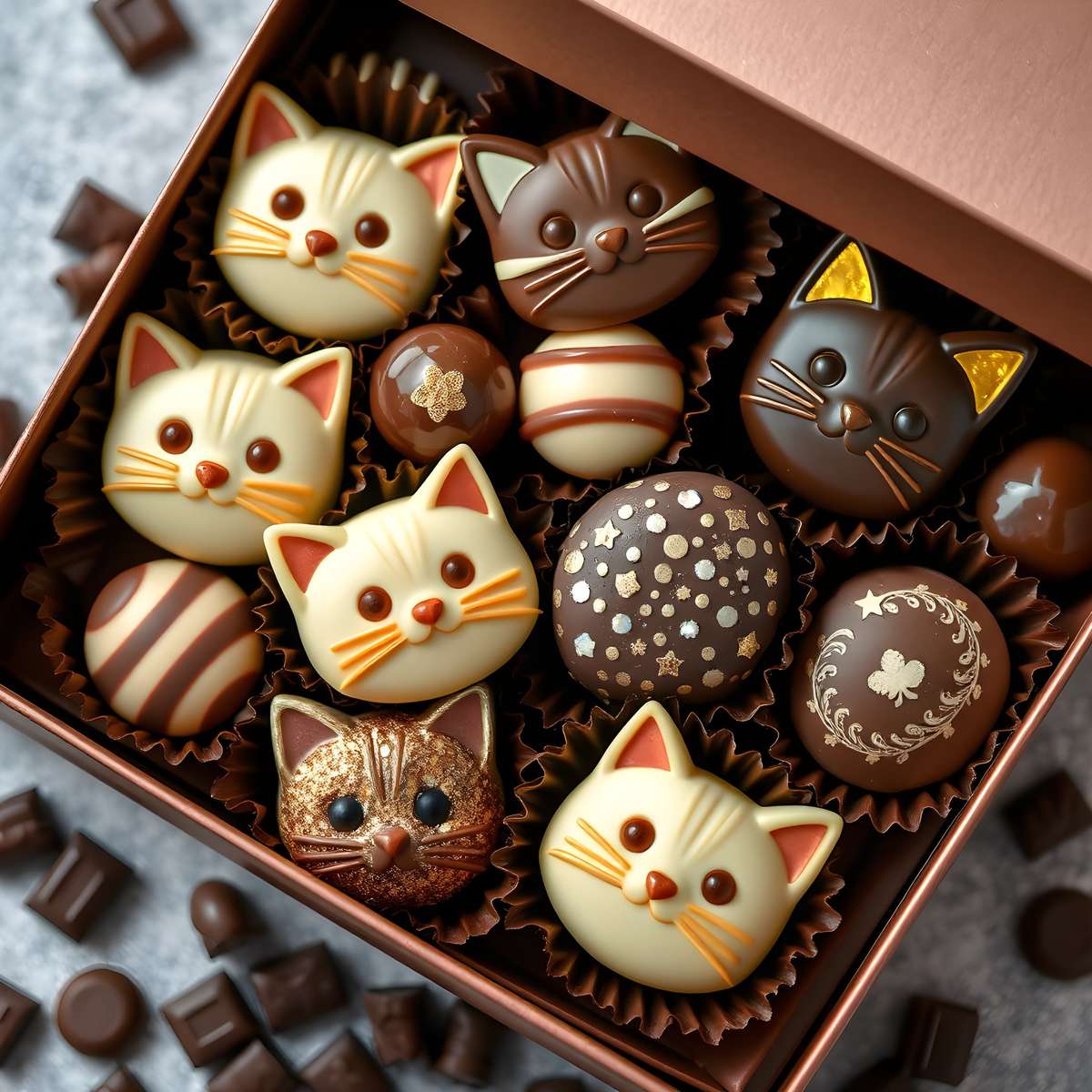
Chocolates puzzle online from photo
36Chocolatessolved 345 times
Solve puzzle
Colorful fruit salad puzzle online from photo
120Colorful fruit saladsolved 344 times
Solve puzzle
rocks online puzzle
48rockssolved 344 times
Solve puzzle
decor puzzle online from photo
48decorsolved 344 times
Solve puzzle
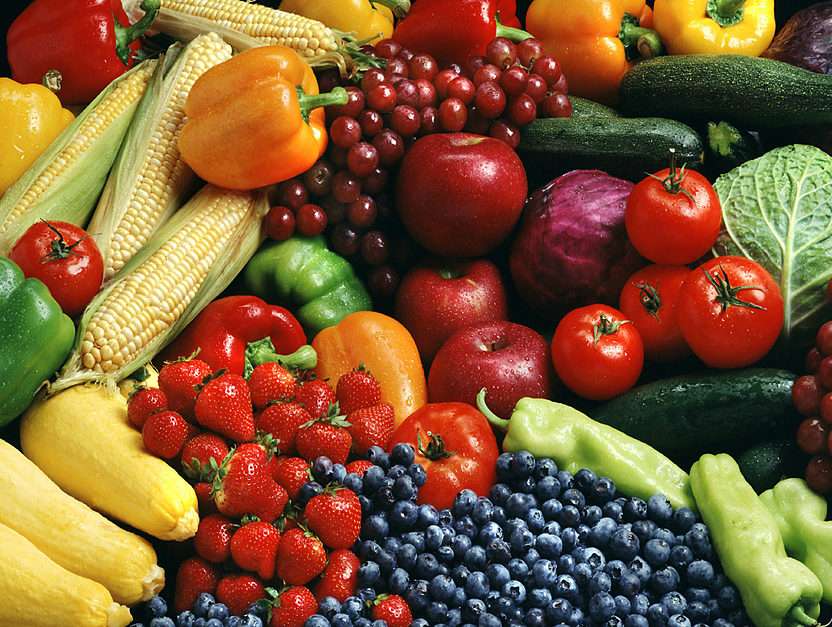
Fresh fruits and vegetables puzzle online from photo
143Fresh fruits and vegetablessolved 343 times

Solve puzzle
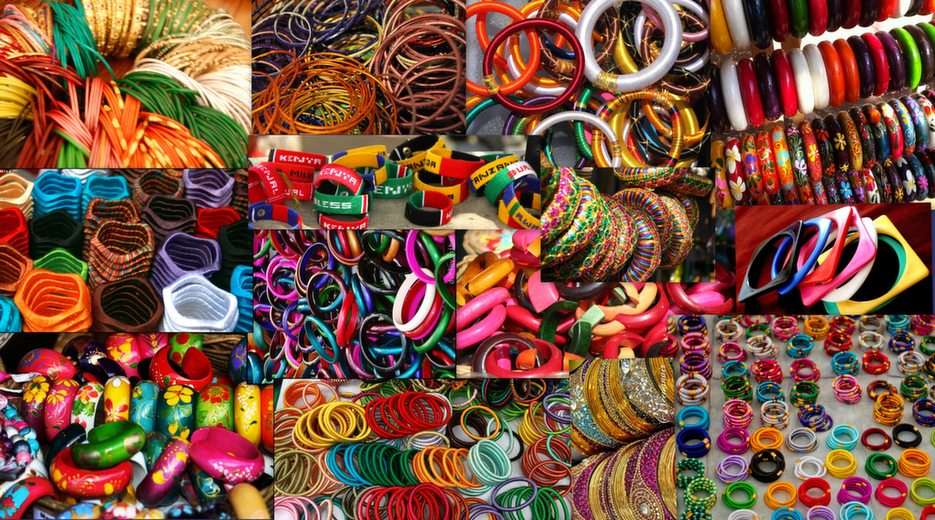
Jewelry puzzle online from photo
221Jewelrysolved 343 times

Solve puzzle
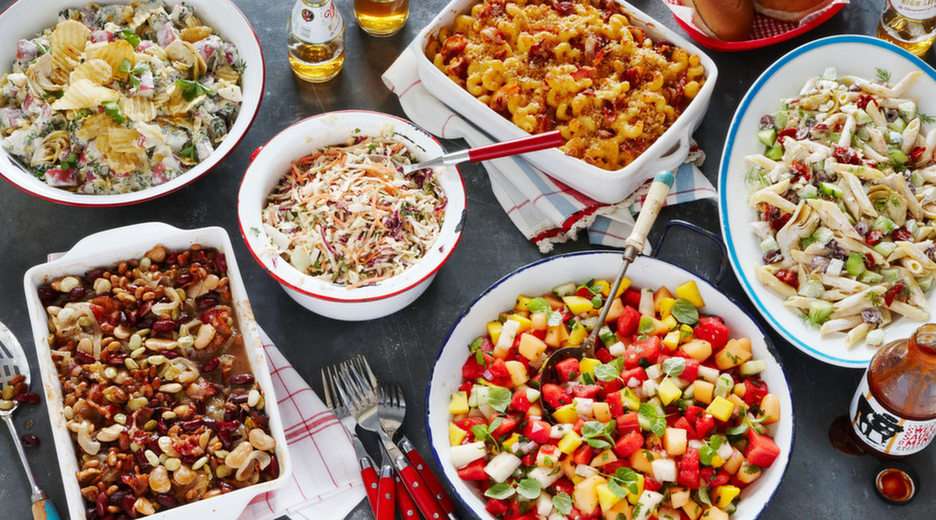
BBQ puzzle online from photo
169BBQsolved 343 times
Solve puzzle
Sweets puzzle online from photo
70Sweetssolved 343 times
Solve puzzle
To eat puzzle online from photo
35To eatsolved 342 times
Solve puzzle
cuisines of the world: English puzzle online from photo
156cuisines of the world: Englishsolved 341 times
Solve puzzle
cuisines of the world: English puzzle online from photo
28cuisines of the world: Englishsolved 341 times
Solve puzzle
vegetables and fruits online puzzle
168vegetables and fruitssolved 341 times
Solve puzzle
christmas at home online puzzle
221christmas at homesolved 340 times
Solve puzzle
Something for everyone online puzzle
255Something for everyonesolved 338 times
Solve puzzle
"indulgence" online puzzle
50"indulgence"solved 338 times
Solve puzzle
To eat puzzle online from photo
84To eatsolved 338 times
Solve puzzle
cream-cookie puzzle online from photo
25cream-cookiesolved 335 times
Solve puzzle
christmas at home puzzle online from photo
196christmas at homesolved 334 times
Solve puzzle
Treats puzzle online from photo
117Treatssolved 334 times
Solve puzzle
jelly beans puzzle online from photo
63jelly beanssolved 333 times
Solve puzzle

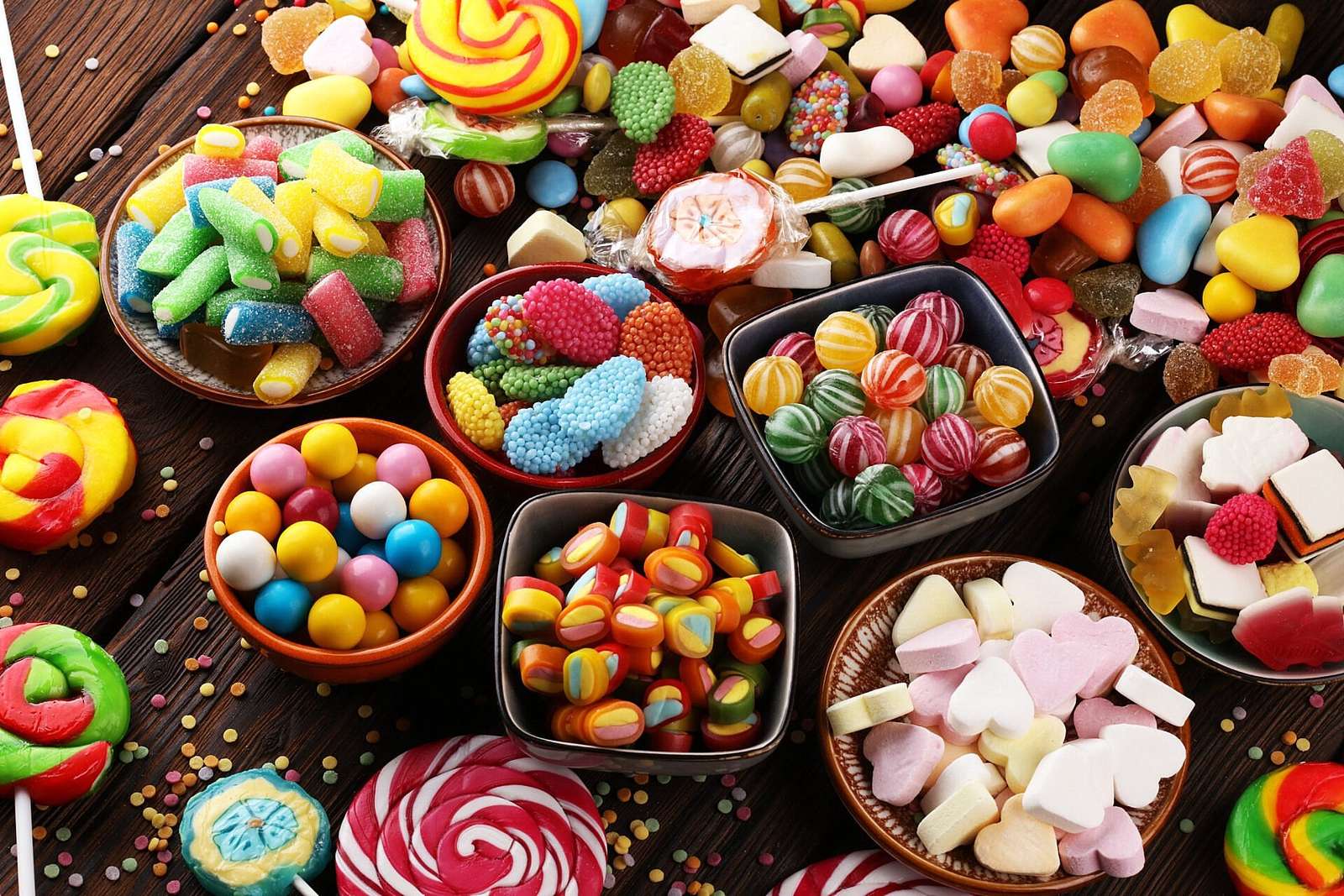
Online puzzle Sweetness

Sweetness

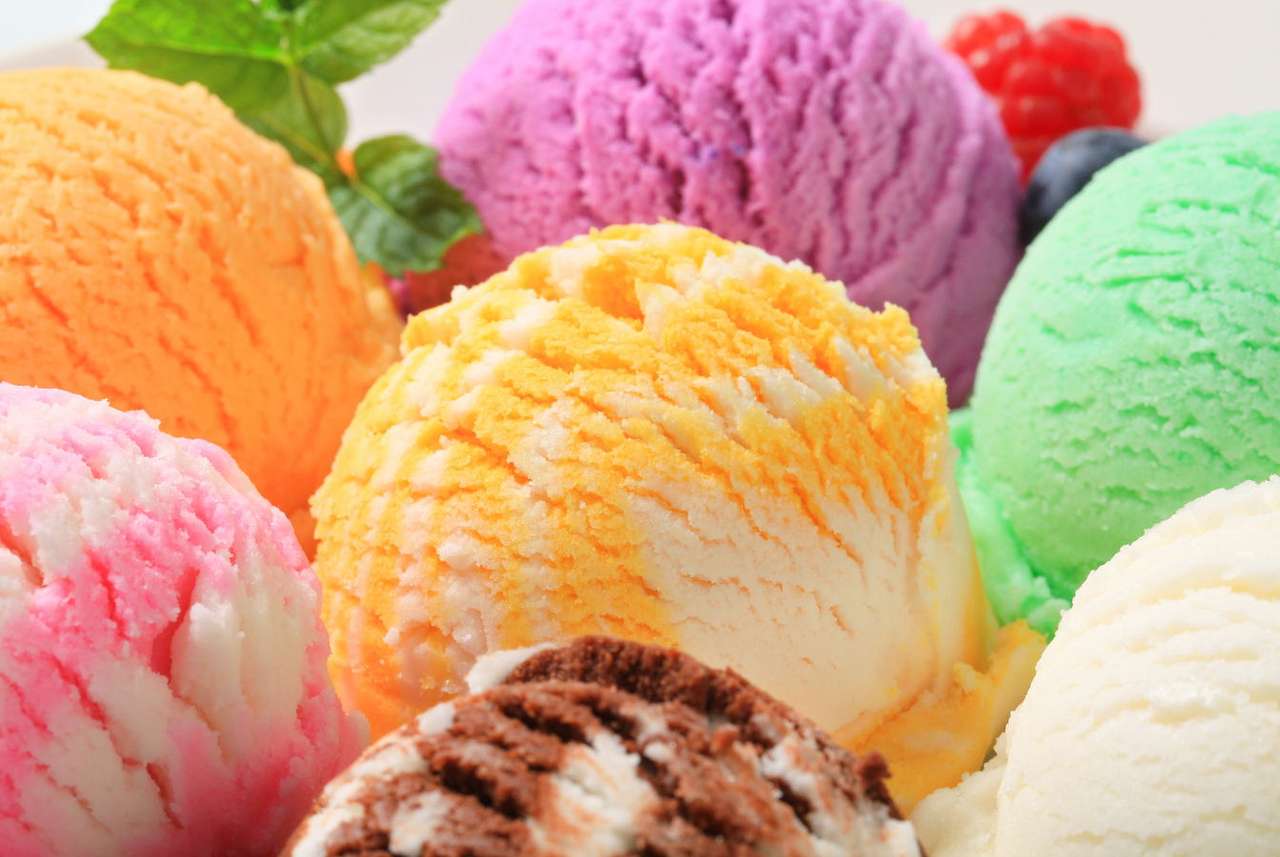
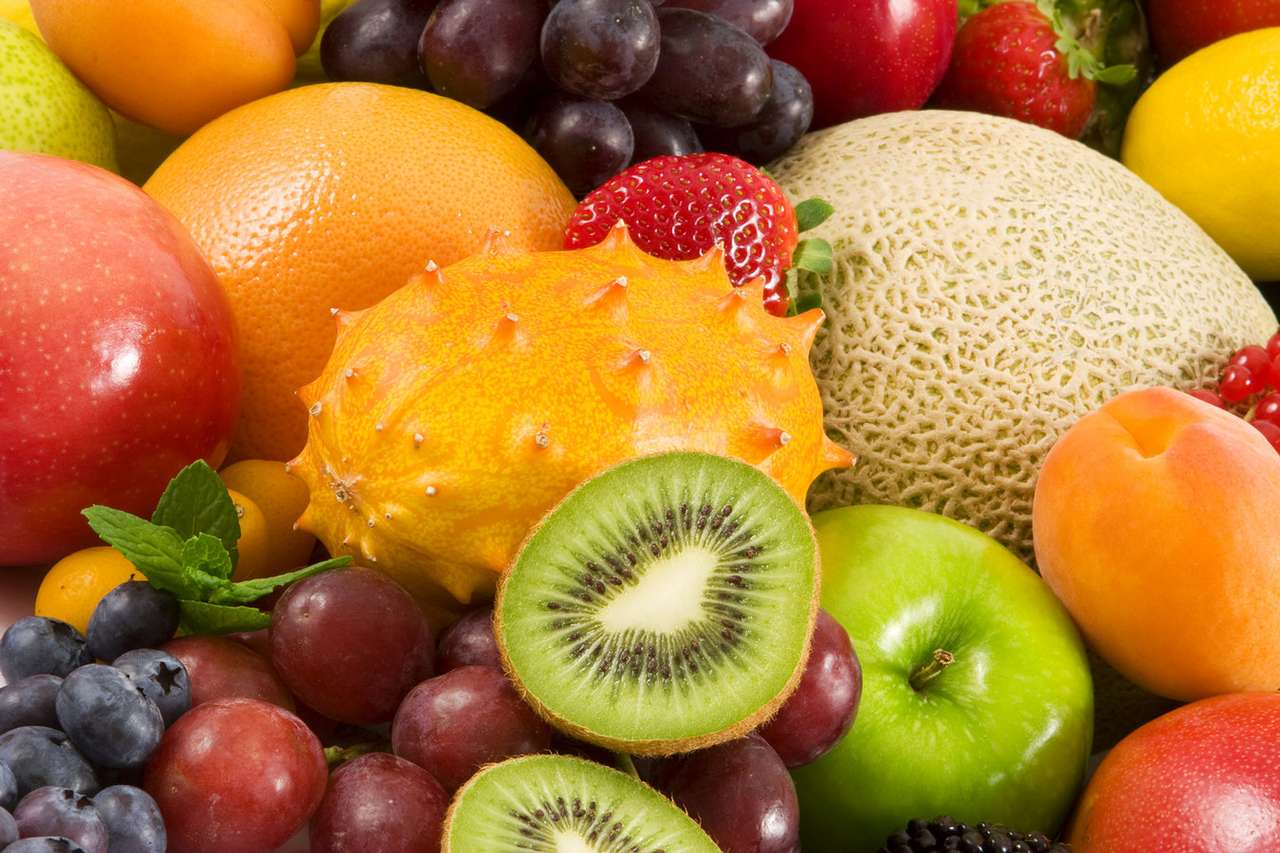
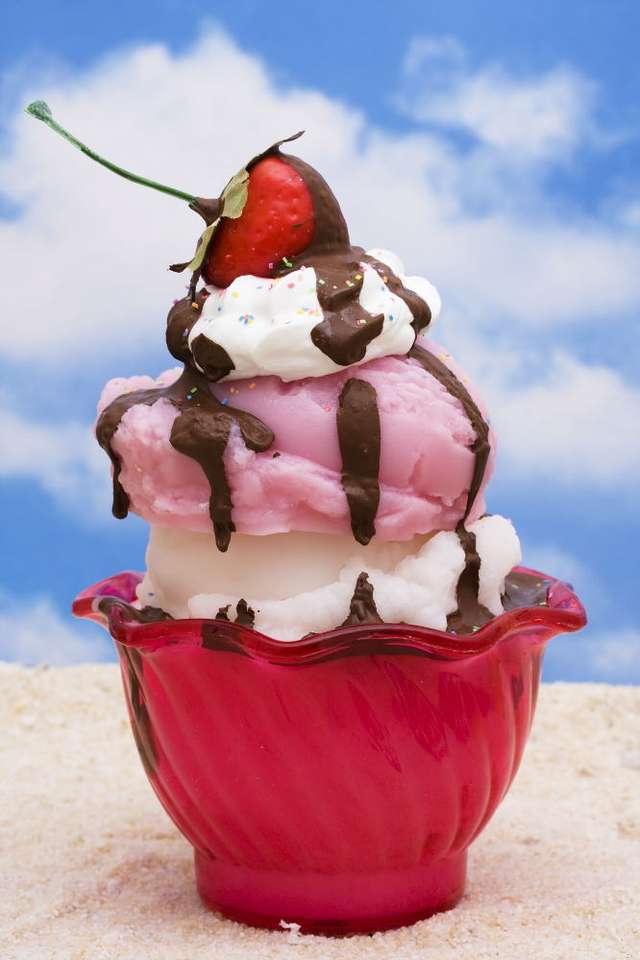
Sweetness is a basic taste most commonly perceived when eating foods rich in sugars. Sweet tastes are generally regarded as pleasurable. In addition to sugars like sucrose, many other chemical compounds are sweet, including aldehydes, ketones, and sugar alcohols. Some are sweet at very low concentrations, allowing their use as non-caloric sugar substitutes. Such non-sugar sweeteners include saccharin and aspartame. Other compounds, such as miraculin, may alter perception of sweetness itself.

The perceived intensity of sugars and high-potency sweeteners, such as Aspartame and Neohesperidin Dihydrochalcone, are heritable, with gene effect accounting for approximately 30% of the variation.The chemosensory basis for detecting sweetness, which varies between both individuals and species, has only begun to be understood since the late 20th century. One theoretical model of sweetness is the multipoint attachment theory, which involves multiple binding sites between a sweetness receptor and a sweet substance.

Studies indicate that responsiveness to sugars and sweetness has very ancient evolutionary beginnings, being manifest as chemotaxis even in motile bacteria such as E. coli. Newborn human infants also demonstrate preferences for high sugar concentrations and prefer solutions that are sweeter than lactose, the sugar found in breast milk. Sweetness appears to have the highest taste recognition threshold, being detectable at around 1 part in 200 of sucrose in solution. By comparison, bitterness appears to have the lowest detection threshold, at about 1 part in 2 million for quinine in solution. In the natural settings that human primate ancestors evolved in, sweetness intensity should indicate energy density, while bitterness tends to indicate toxicity. The high sweetness detection threshold and low bitterness detection threshold would have predisposed our primate ancestors to seek out sweet-tasting (and energy-dense) foods and avoid bitter-tasting foods. Even amongst leaf-eating primates, there is a tendency to prefer immature leaves, which tend to be higher in protein and lower in fibre and poisons than mature leaves. The 'sweet tooth' thus has an ancient heritage, and while food processing has changed consumption patterns, human physiology remains largely unchanged.