Train - online puzzles
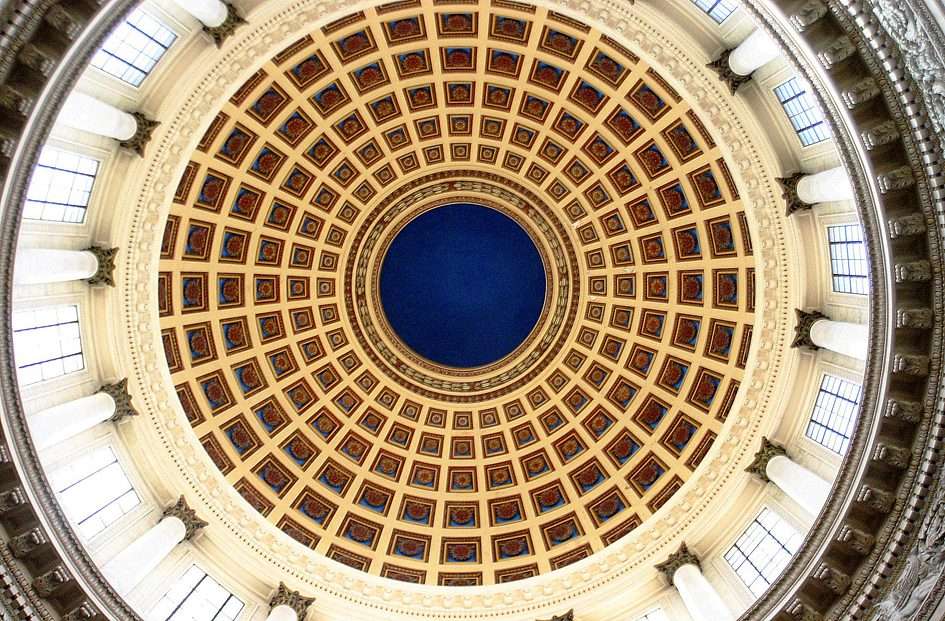
Cupula del Capitolio (La Habana - Cuba) puzzle online from photo
81Cupula del Capitolio (La Habana - Cuba)solved 248 times
Solve puzzle
Village in the mountains of Oman puzzle online from photo
20Village in the mountains of Omansolved 248 times
Solve puzzle
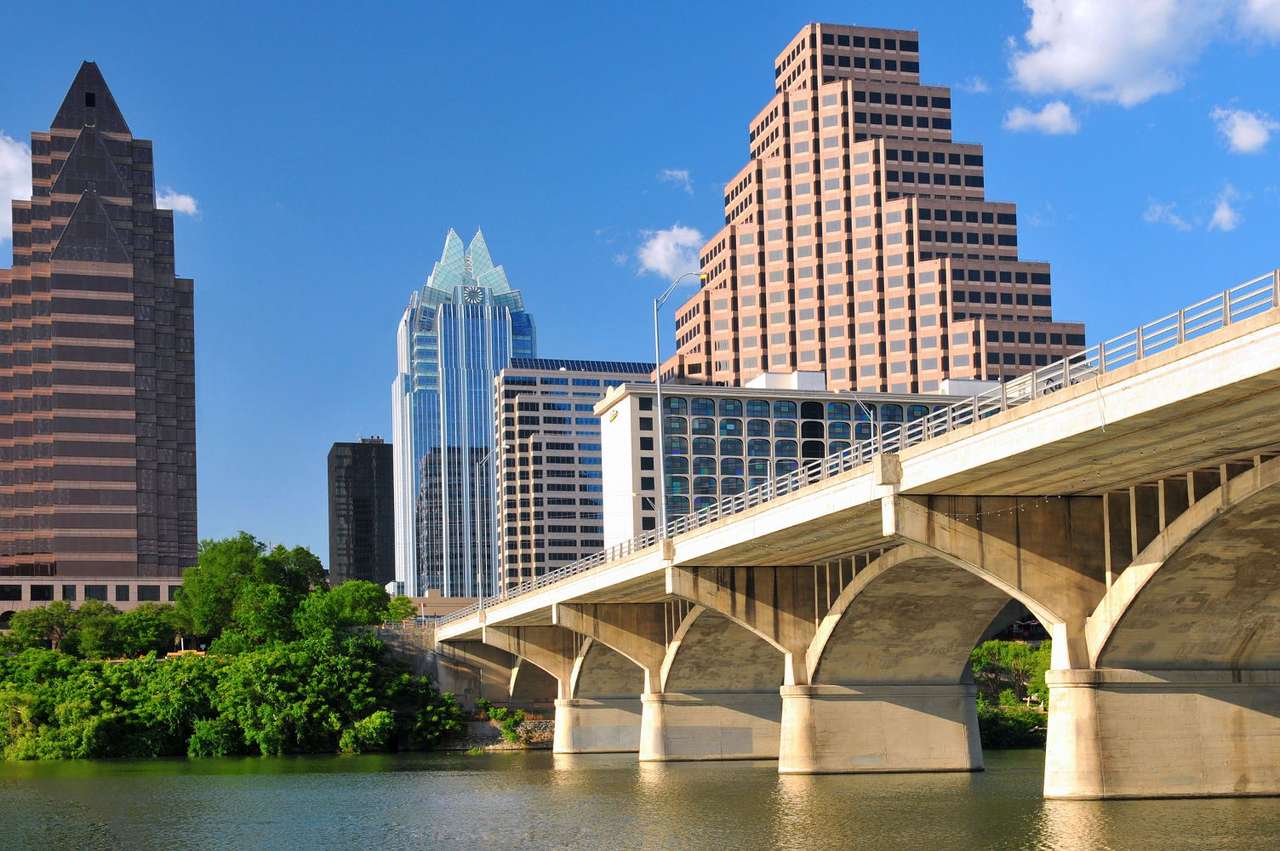
STREET puzzle online from photo
20STREETsolved 248 times
Solve puzzle
Lisbon online puzzle
143Lisbonsolved 248 times
Solve puzzle
New York online puzzle
20New Yorksolved 248 times
Solve puzzle
BRIDGE online puzzle
20BRIDGEsolved 247 times
Solve puzzle
Tarragona puzzle online from photo
28Tarragonasolved 247 times
Solve puzzle
Colorful cottages online puzzle
117Colorful cottagessolved 247 times
Solve puzzle
Highway road junctions online puzzle
154Highway road junctionssolved 247 times
Solve puzzle
aaa dsfgds dsfg dsf puzzle online from photo
32aaa dsfgds dsfg dsfsolved 247 times
Solve puzzle
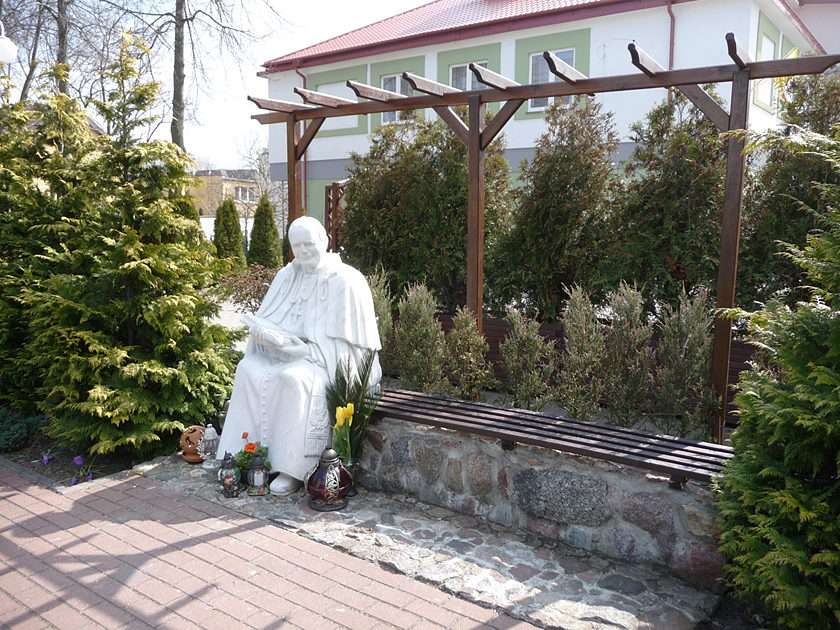
John Paul II's bench puzzle online from photo
100John Paul II's benchsolved 246 times
Solve puzzle
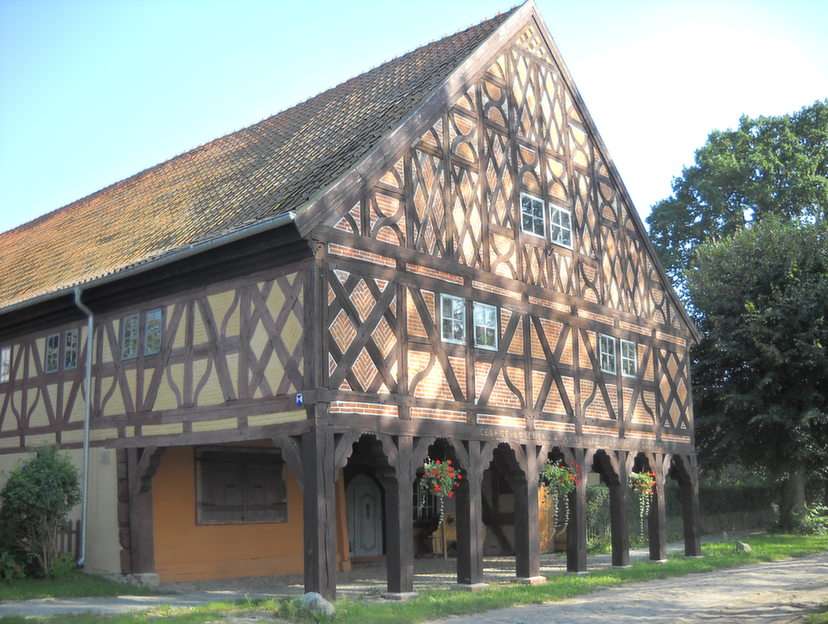
The arcaded house online puzzle
20The arcaded housesolved 246 times
Solve puzzle
Sign online puzzle
24Signsolved 246 times
Solve puzzle
blue stained glass online puzzle
143blue stained glasssolved 246 times
Solve puzzle
Church puzzle online from photo
24Churchsolved 246 times
Solve puzzle
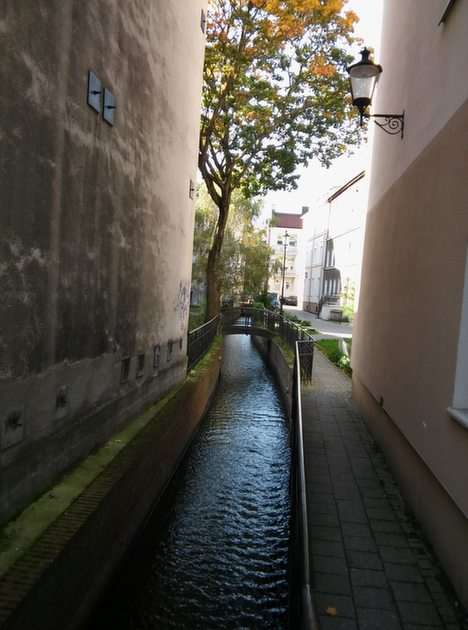
The Strzyża River online puzzle
24The Strzyża Riversolved 245 times
Solve puzzle
Church puzzle online from photo
24Churchsolved 245 times
Solve puzzle
Torah puzzle online from photo
108Torahsolved 245 times
Solve puzzle
Train puzzle online from photo
100Trainsolved 245 times
Solve puzzle
Vault online puzzle
20Vaultsolved 244 times
Solve puzzle
HIROSZIMA online puzzle
20HIROSZIMAsolved 244 times
Solve puzzle
Cars online puzzle
121Carssolved 244 times
Solve puzzle
cottage in woods puzzle online from photo
170cottage in woodssolved 244 times
Solve puzzle
Corpus Christi altars online puzzle
252Corpus Christi altarssolved 243 times
Solve puzzle
London-metro online puzzle
252London-metrosolved 243 times
Solve puzzle
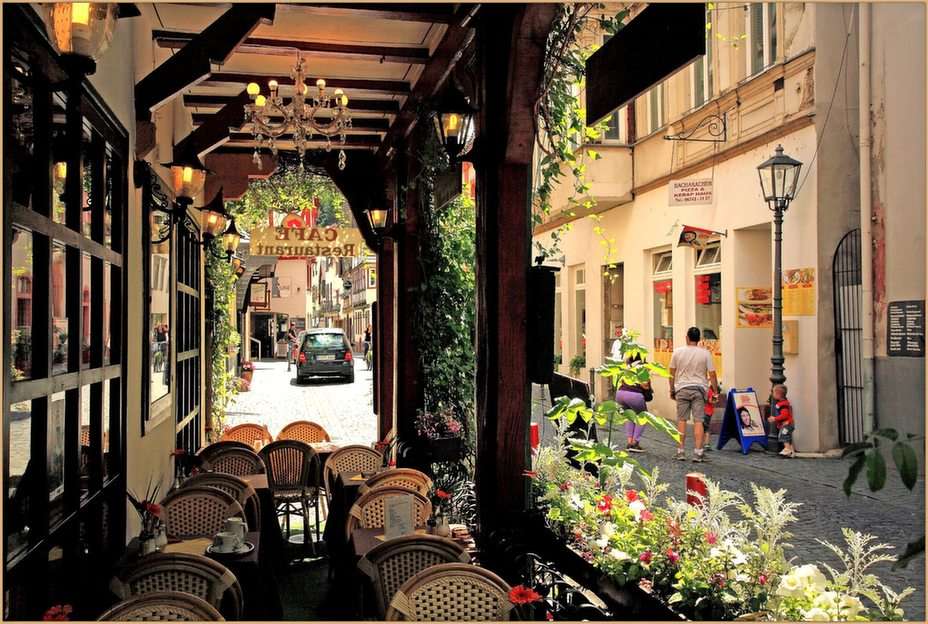
Bacharach-Germany online puzzle
192Bacharach-Germanysolved 243 times
Solve puzzle
San Francisco online puzzle
16San Franciscosolved 243 times
Solve puzzle
Tokyo puzzle online from photo
28Tokyosolved 243 times
Solve puzzle
Stairs puzzle online from photo
20Stairssolved 243 times
Solve puzzle
Gaudi Park puzzle online from photo
20Gaudi Parksolved 243 times
Solve puzzle
View of the Gdańsk fragment online puzzle
20View of the Gdańsk fragmentsolved 242 times
Solve puzzle
STREET online puzzle
24STREETsolved 242 times
Solve puzzle
San Francisco online puzzle
24San Franciscosolved 242 times
Solve puzzle
Roller coaster online puzzle
120Roller coastersolved 242 times
Solve puzzle
Barcelona online puzzle
24Barcelonasolved 242 times
Solve puzzle
FLORENCE online puzzle
221FLORENCEsolved 242 times
Solve puzzle
Teddy bears online puzzle
238Teddy bearssolved 241 times
Solve puzzle
New Port online puzzle
20New Portsolved 241 times
Solve puzzle
LOCOMOTIVE puzzle online from photo
48LOCOMOTIVEsolved 241 times
Solve puzzle
New York puzzle online from photo
28New Yorksolved 241 times
Solve puzzle
New York puzzle online from photo
20New Yorksolved 241 times
Solve puzzle
Lisbon online puzzle
28Lisbonsolved 241 times
Solve puzzle
Barcelona puzzle online from photo
24Barcelonasolved 241 times
Solve puzzle
Batllo's cash register puzzle online from photo
24Batllo's cash registersolved 241 times
Solve puzzle
Barcelona online puzzle
24Barcelonasolved 241 times
Solve puzzle
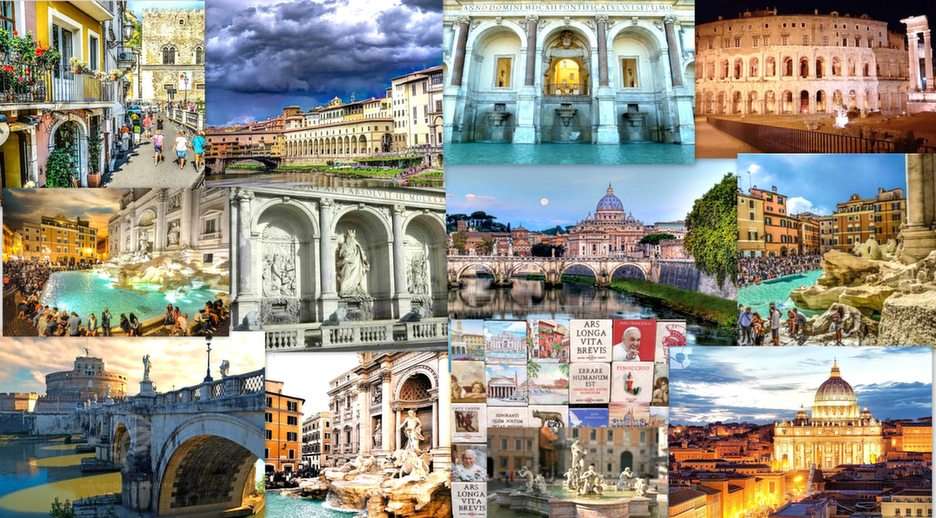
Rome puzzle online from photo
45Romesolved 241 times
Solve puzzle
Cetatea Sucevei online puzzle
60Cetatea Suceveisolved 241 times
Solve puzzle
Graffiti puzzle online from photo
130Graffitisolved 240 times
Solve puzzle

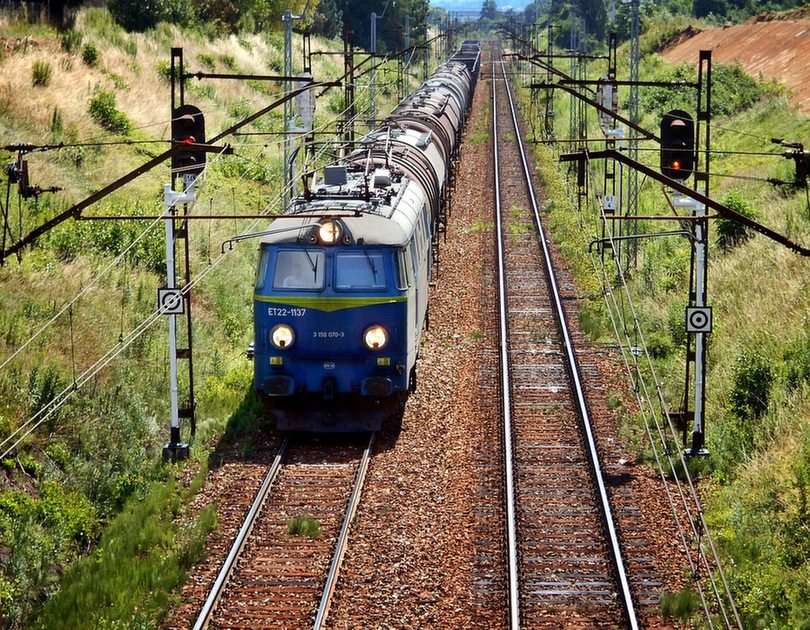
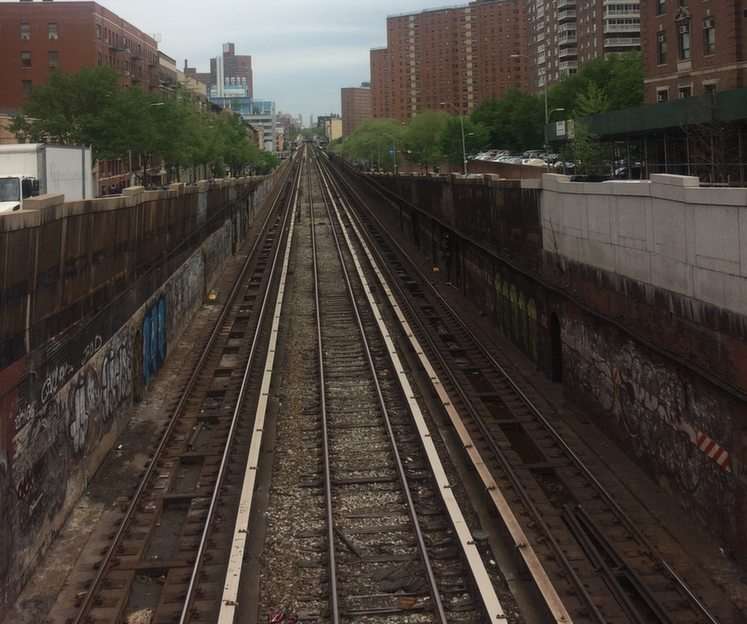
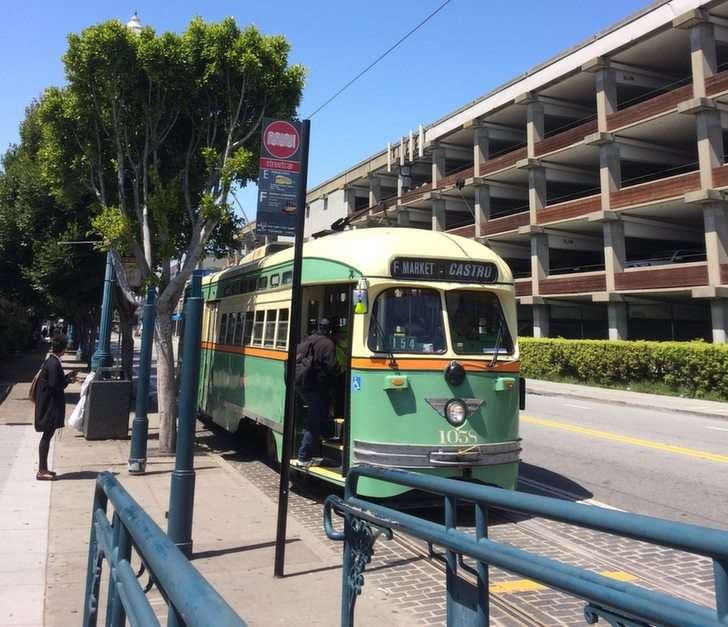
Online puzzle Train

Train

A train (from Old French trahiner, from Latin trahere, "to pull, to draw") is a series of connected vehicles that run along a railway track and transport people or freight. Trains are typically pulled or pushed by locomotives (often known simply as "engines"), though some are self-propelled, such as multiple units. Passengers and cargo are carried in railroad cars, also known as wagons. Trains are designed to a certain gauge, or distance between rails. Most trains operate on steel tracks with steel wheels, the low friction of which makes them more efficient than other forms of transport.
Trains have their roots in wagonways, which used railway tracks and were powered by horses or pulled by cables. Following the invention of the steam locomotive in the United Kingdom in 1804, trains rapidly spread around the world, allowing freight and passengers to move over land faster and cheaper than ever possible before. Rapid transit and trams were first built in the late 1800s to transport large numbers of people in and around cities. Beginning in the 1920s, and accelerating following World War II, diesel and electric locomotives replaced steam as the means of motive power. Following the development of cars, trucks, and extensive networks of highways which offered greater mobility, as well as faster airplanes, trains declined in importance and market share, and many rail lines were abandoned. The spread of buses led to the closure of many rapid transit and tram systems during this time as well.

Since the 1970s, governments, environmentalists, and train advocates have promoted increased use of trains due to their greater fuel efficiency and lower greenhouse gas emissions compared to other modes of land transport. High-speed rail, first built in the 1960s, has proven competitive with cars and planes over short to medium distances. Commuter rail has grown in importance since the 1970s as an alternative to congested highways and a means to promote development, as has light rail in the 21st century. Freight trains remain important for the transport of bulk commodities such as coal and grain, as well as being a means of reducing road traffic congestion by freight trucks.

While conventional trains operate on relatively flat tracks with two rails, a number of specialized trains exist which are significantly different in their mode of operation. Monorails operate on a single rail, while funiculars and rack railways are uniquely designed to traverse steep slopes. Experimental trains such as high speed maglevs, which use magnetic levitation to float above a guideway, are under development in the 2020s and offer higher speeds than even the fastest conventional trains. Trains which use alternative fuels such as natural gas and hydrogen are another 21st-century development.