Train - online puzzles
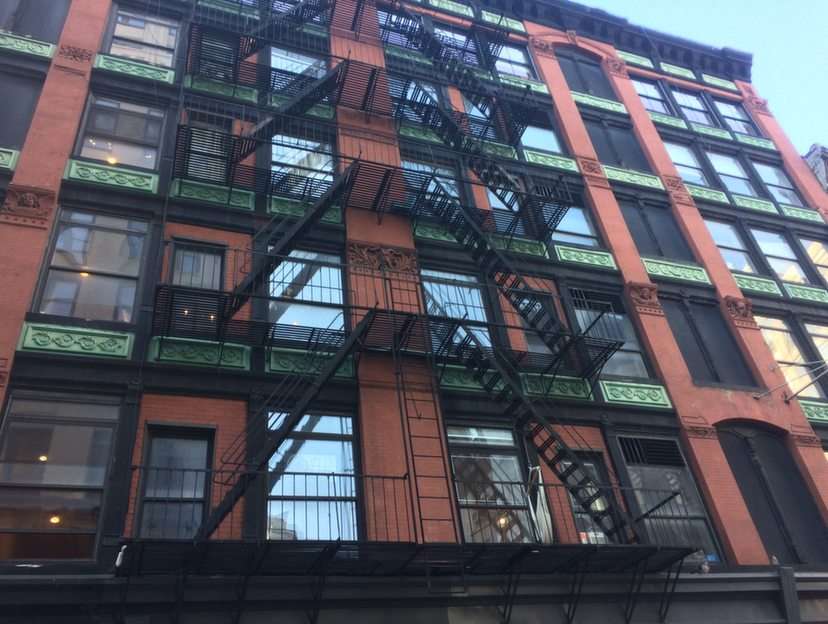
New York puzzle online from photo
24New Yorksolved 234 times
Solve puzzle
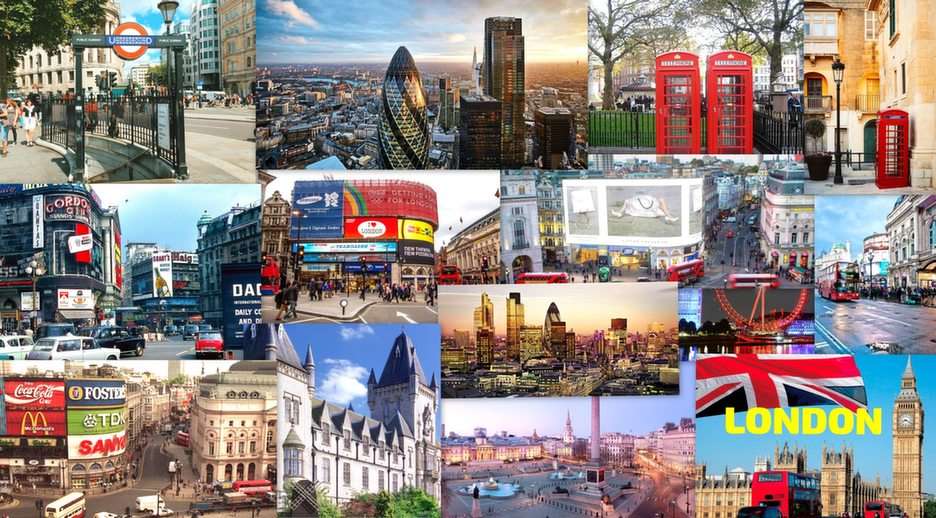
London collage puzzle online from photo
252London collagesolved 234 times
Solve puzzle
Madeira... puzzle online from photo
16Madeira...solved 234 times
Solve puzzle
Ocean.A .. puzzle online from photo
16Ocean.A ..solved 234 times
Solve puzzle
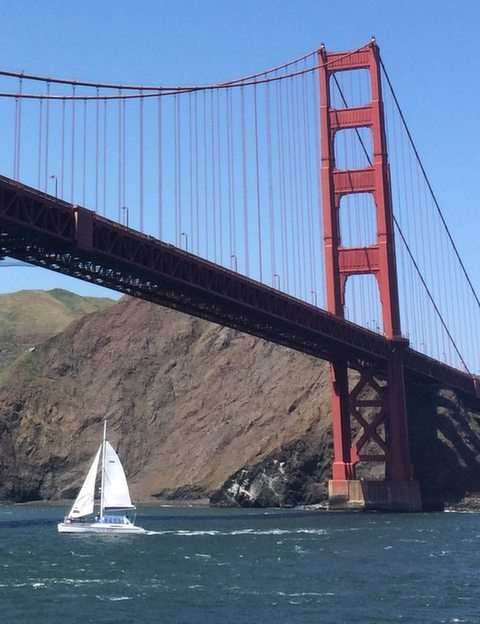
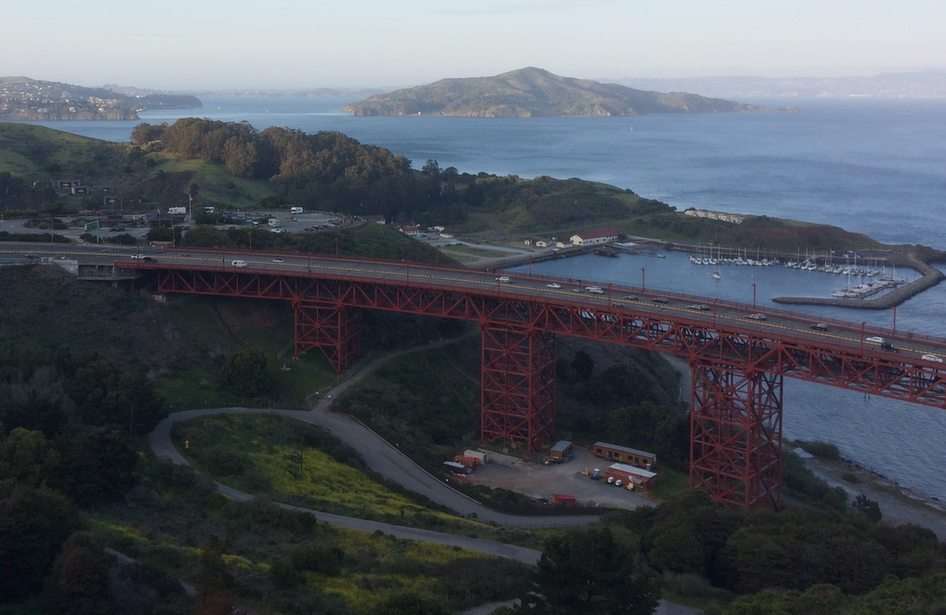
On A Bridge online puzzle
140On A Bridgesolved 234 times
Solve puzzle
Darts online puzzle
48Dartssolved 233 times
Solve puzzle
Bory Tucholskie puzzle online from photo
25Bory Tucholskiesolved 233 times
Solve puzzle
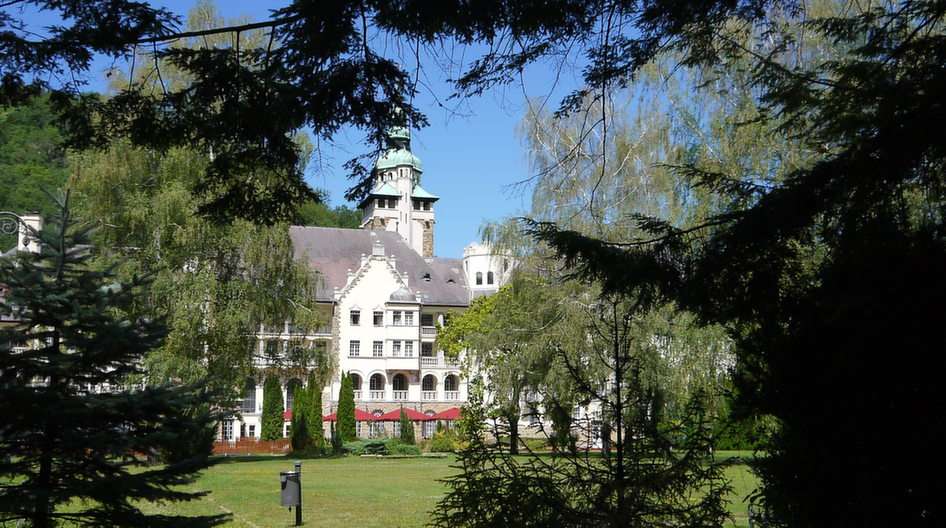
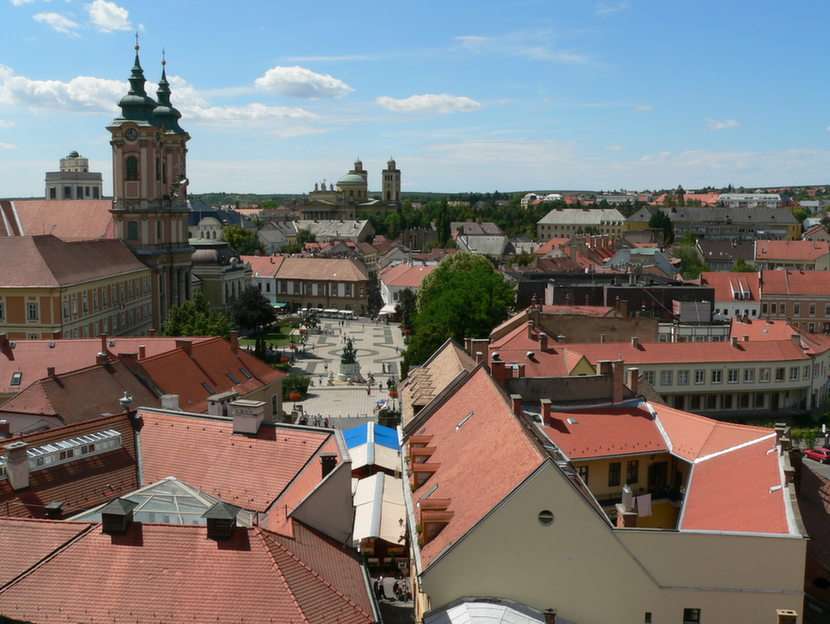
Market in Eger Hungary online puzzle
20Market in Eger Hungarysolved 233 times
Solve puzzle
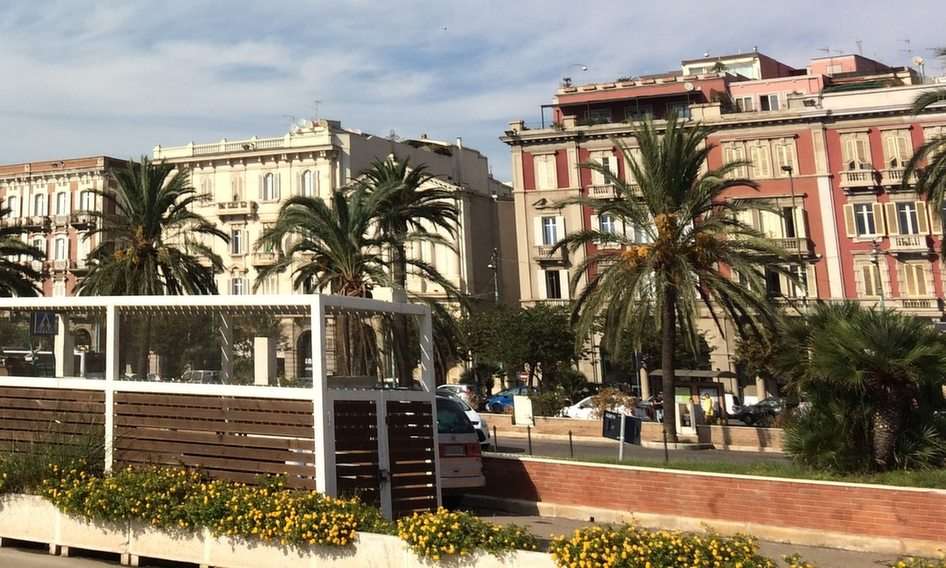
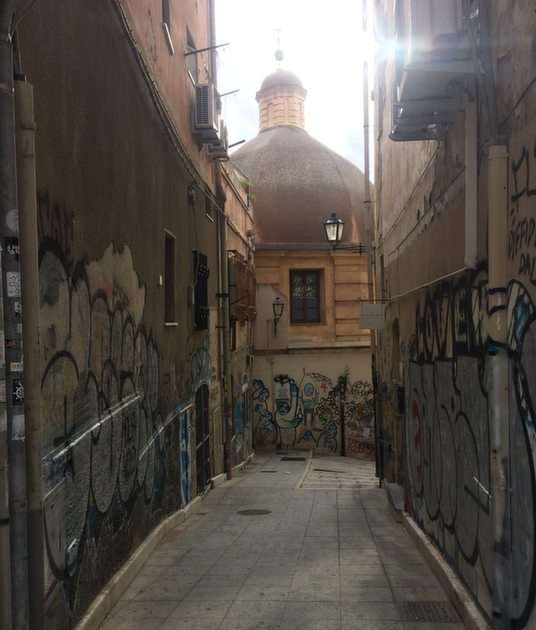
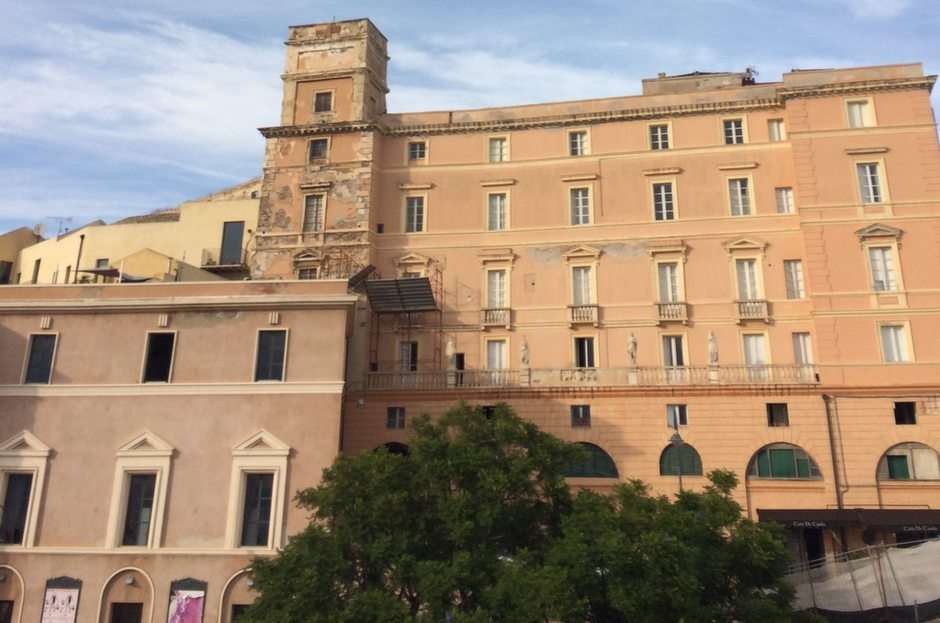
Cagliari online puzzle
24Cagliarisolved 233 times
Solve puzzle
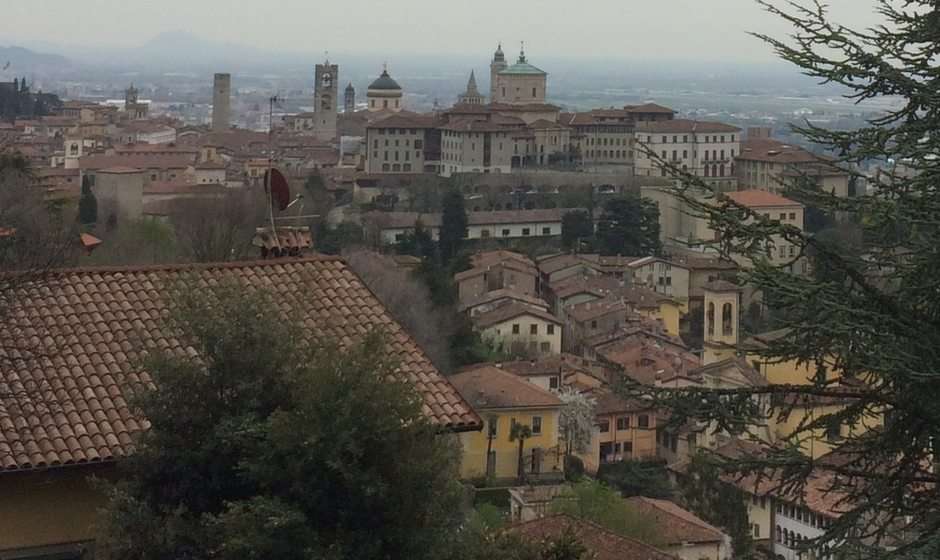
Bergamo online puzzle
104Bergamosolved 233 times
Solve puzzle
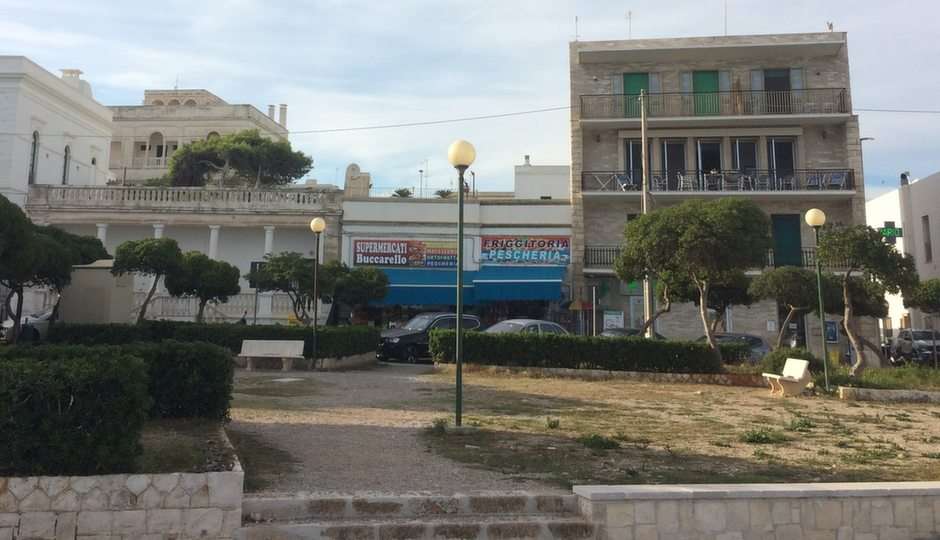
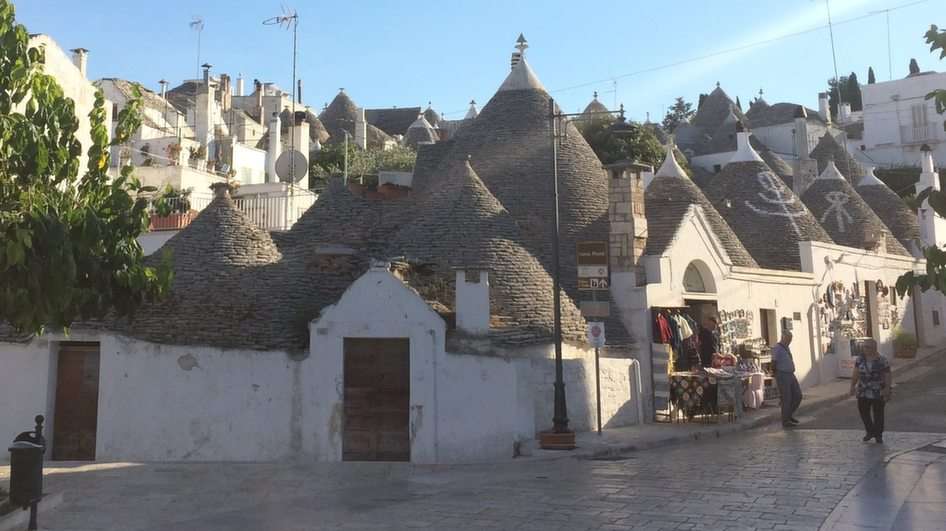
Alberobello puzzle online from photo
28Alberobellosolved 233 times
Solve puzzle
Stop no. 10 - PRZEMYŚL online puzzle
264Stop no. 10 - PRZEMYŚLsolved 232 times
Solve puzzle
Summer stop no. 18 - SZCZECIN puzzle online from photo
308Summer stop no. 18 - SZCZECINsolved 232 times
Solve puzzle
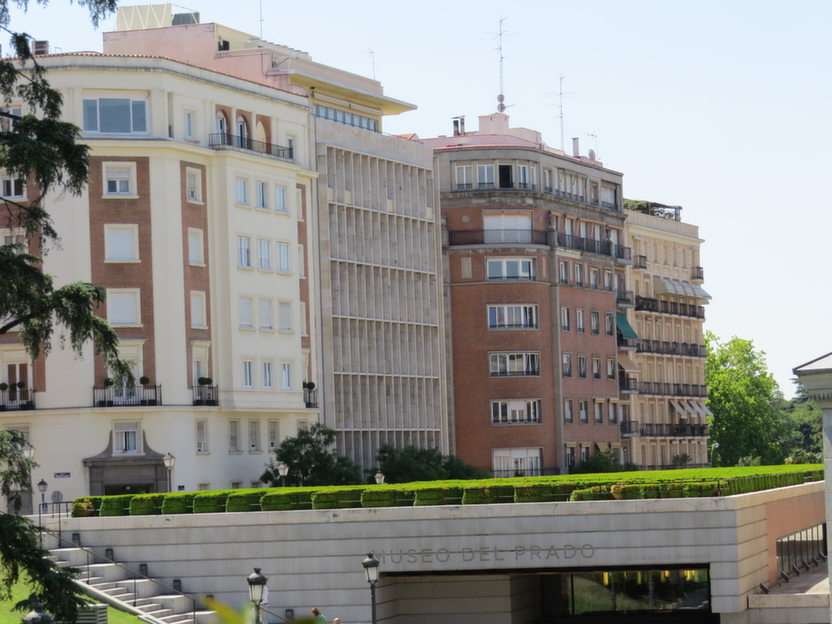
Tenement houses at the Prado Museum online puzzle
64Tenement houses at the Prado Museumsolved 232 times
Solve puzzle
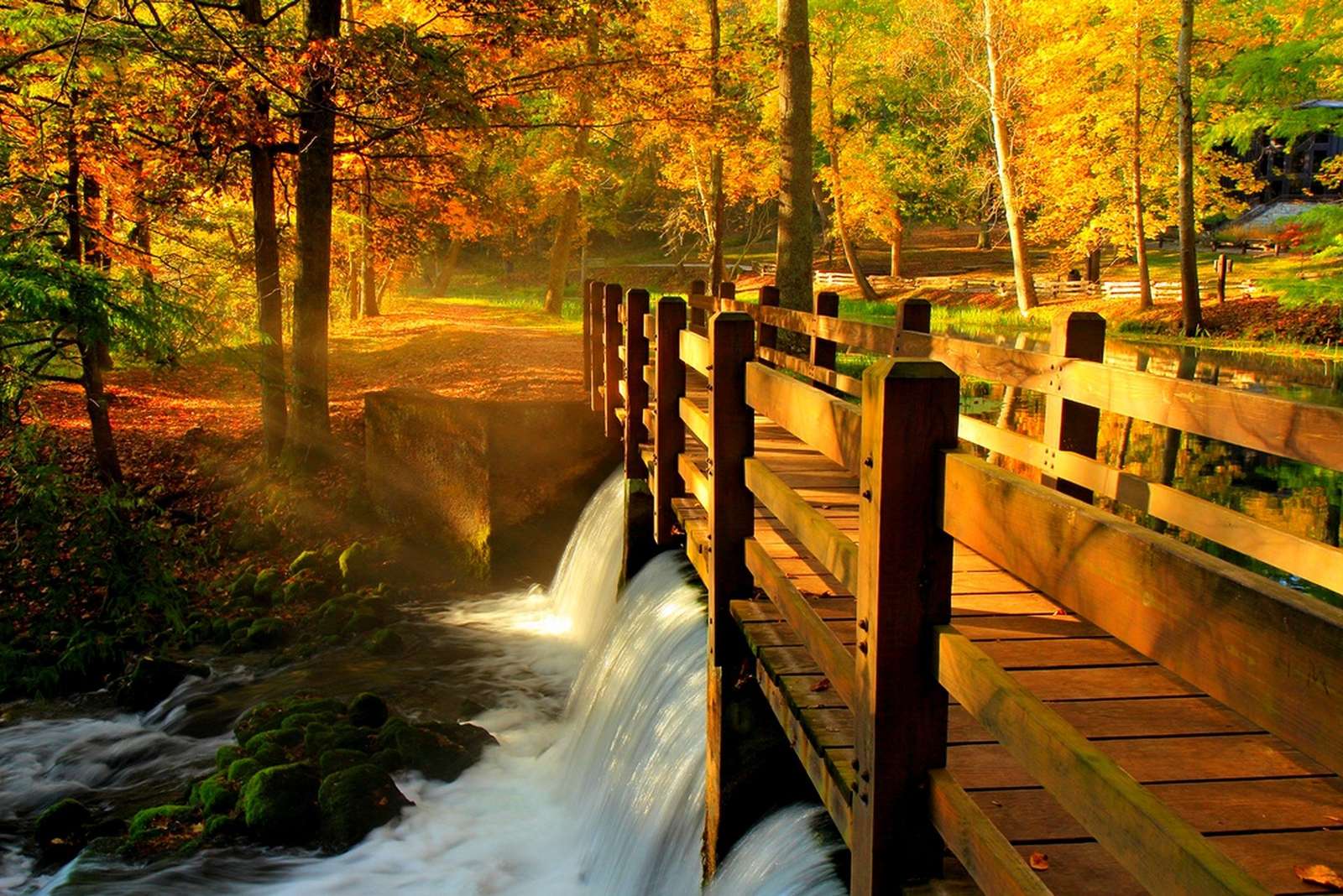
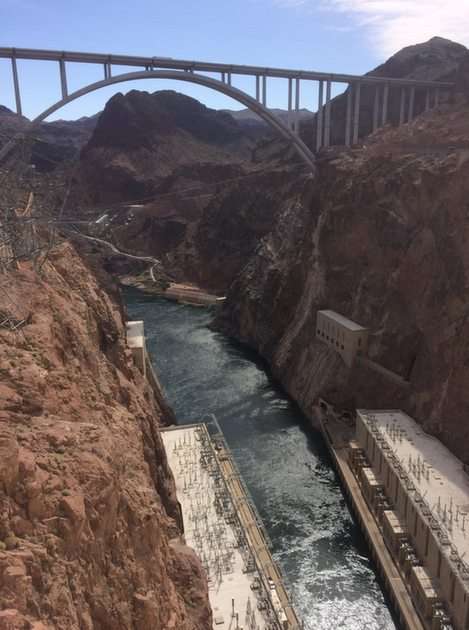
Dam puzzle online from photo
24Damsolved 232 times
Solve puzzle
MAP puzzle online from photo
24MAPsolved 232 times
Solve puzzle
Los Angeles puzzle online from photo
16Los Angelessolved 232 times
Solve puzzle
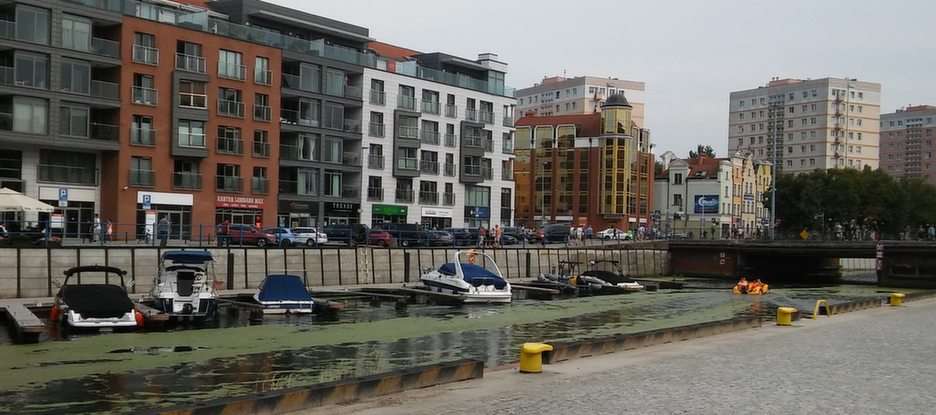
Gdansk online puzzle
36Gdansksolved 232 times
Solve puzzle
Wroclaw puzzle online from photo
20Wroclawsolved 232 times
Solve puzzle
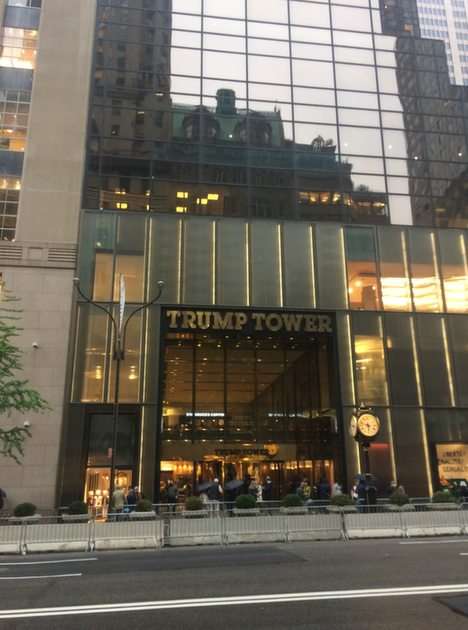
New York puzzle online from photo
24New Yorksolved 232 times
Solve puzzle
New York online puzzle
28New Yorksolved 232 times
Solve puzzle
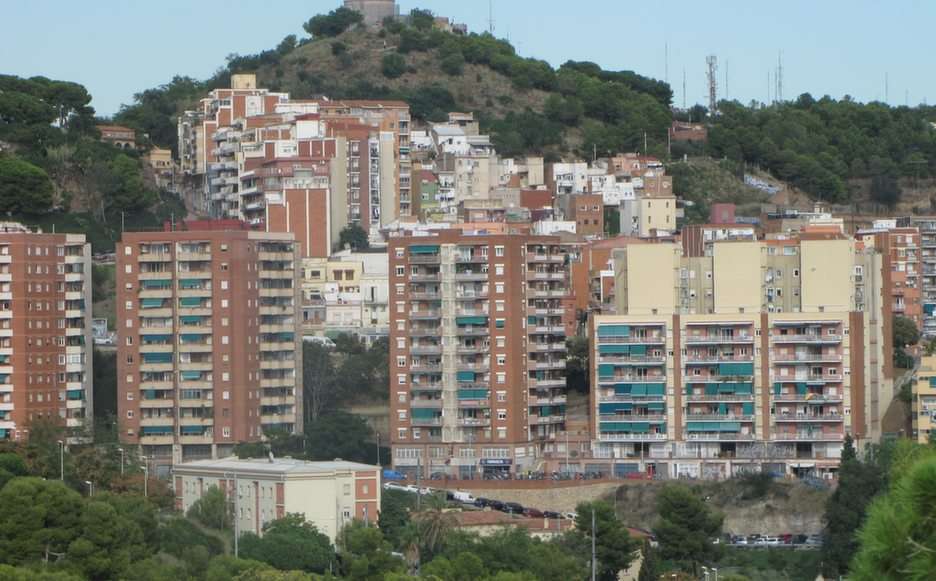
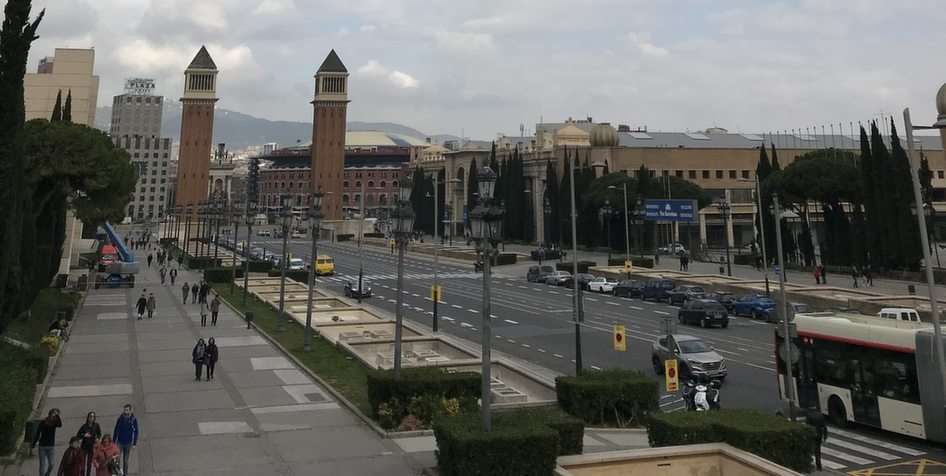
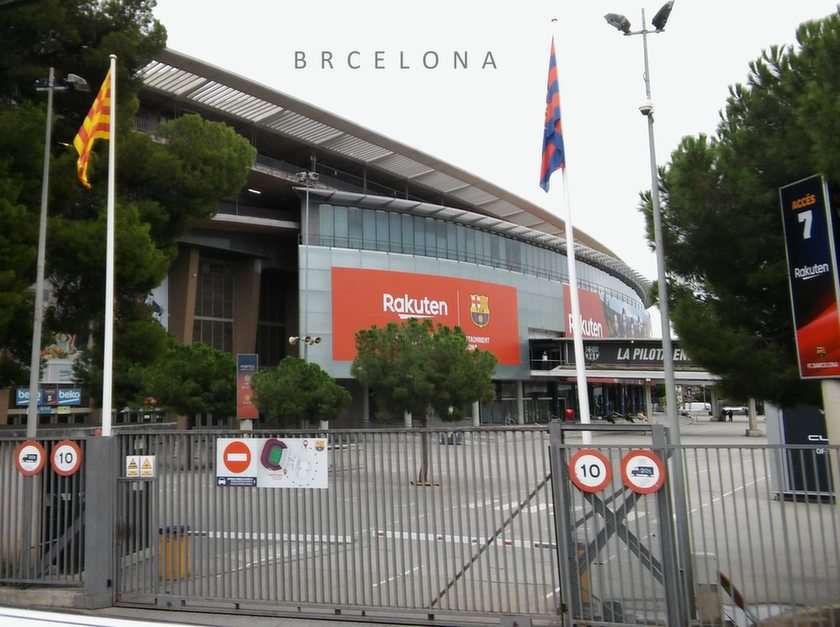
Barcelona online puzzle
28Barcelonasolved 232 times
Solve puzzle
warsaw online puzzle
48warsawsolved 232 times
Solve puzzle
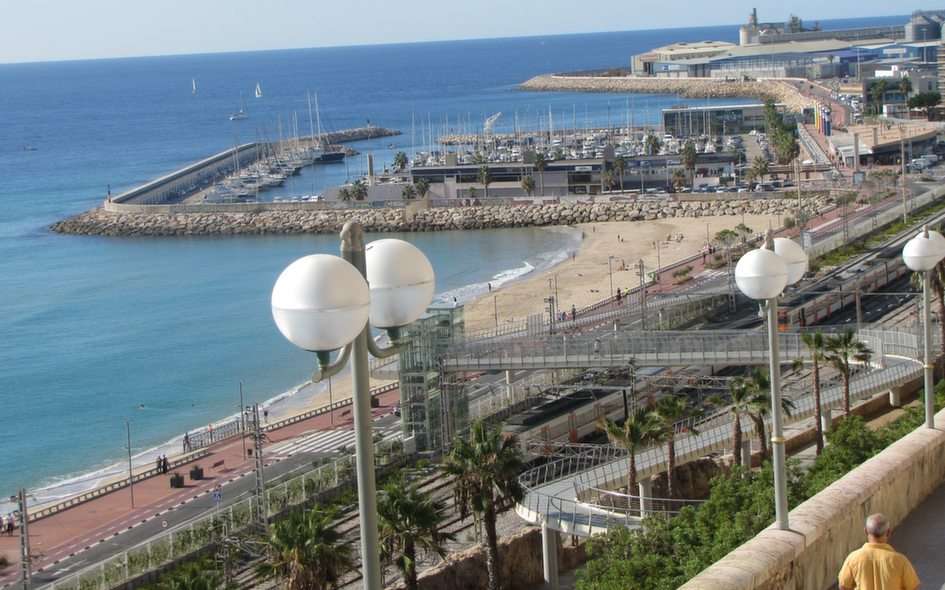
Tarragona online puzzle
24Tarragonasolved 232 times
Solve puzzle
Stadium online puzzle
20Stadiumsolved 232 times
Solve puzzle
Positano puzzle online from photo
28Positanosolved 232 times
Solve puzzle
Tarragona online puzzle
24Tarragonasolved 232 times
Solve puzzle
Lil Hobbits House online puzzle
150Lil Hobbits Housesolved 232 times
Solve puzzle
Tenement houses in the Old Town online puzzle
224Tenement houses in the Old Townsolved 231 times
Solve puzzle
Sardinia puzzle online from photo
24Sardiniasolved 231 times
Solve puzzle
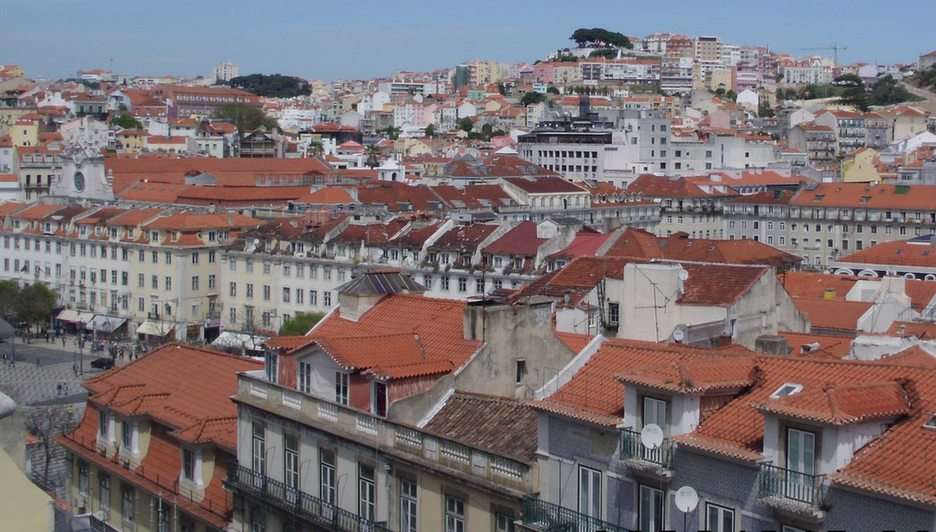
Lisbon online puzzle
28Lisbonsolved 231 times
Solve puzzle
Cars online puzzle
117Carssolved 231 times
Solve puzzle
Barcelona puzzle online from photo
24Barcelonasolved 231 times
Solve puzzle
Barcelona puzzle online from photo
20Barcelonasolved 231 times
Solve puzzle
Ancient Soudla puzzle online from photo
24Ancient Soudlasolved 231 times
Solve puzzle
the castle of San Pietro in the city of Verona puzzle online from photo
126the castle of San Pietro in the city of Veronasolved 231 times
Solve puzzle
Barcelona puzzle online from photo
16Barcelonasolved 230 times
Solve puzzle
Alberobello puzzle online from photo
28Alberobellosolved 230 times
Solve puzzle
Stone Bridge in Kalisz puzzle online from photo
56Stone Bridge in Kaliszsolved 230 times
Solve puzzle
Lauterbrunnen and Staubbach waterfall online puzzle
120Lauterbrunnen and Staubbach waterfallsolved 230 times
Solve puzzle
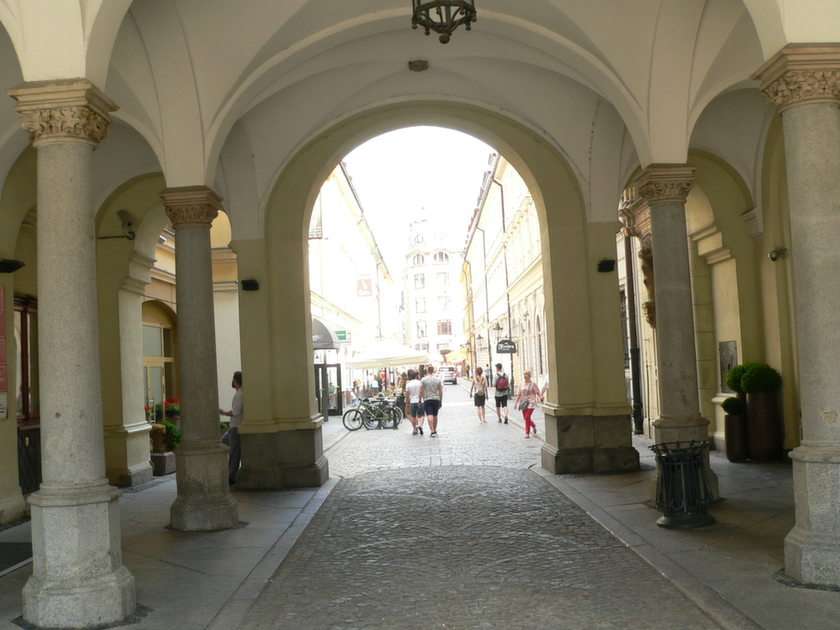
Cracow puzzle online from photo
24Cracowsolved 229 times
Solve puzzle
SMU SOL puzzle online from photo
15SMU SOLsolved 228 times
Solve puzzle
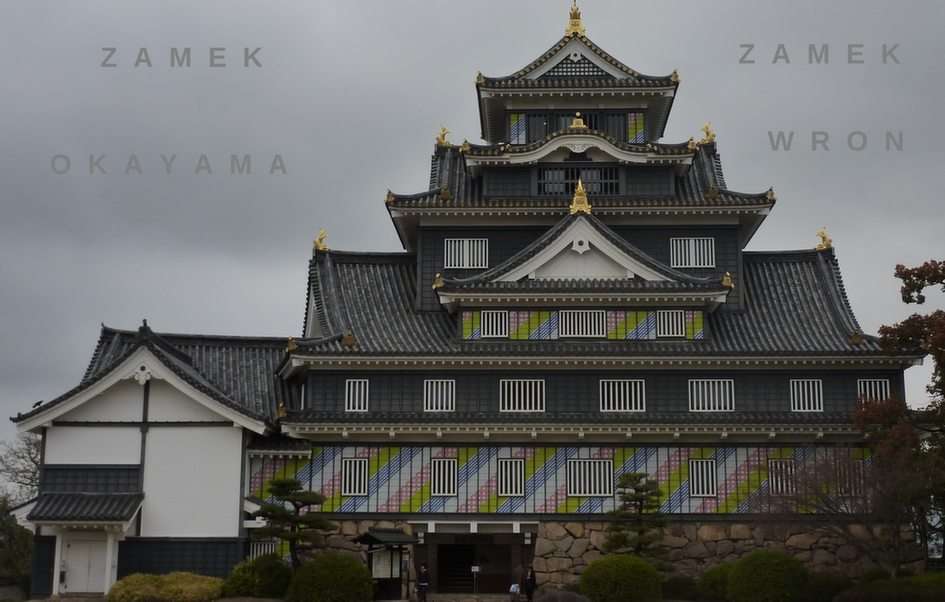
OKAYAMA puzzle online from photo
24OKAYAMAsolved 228 times
Solve puzzle
London, Tower Bridge online puzzle
120London, Tower Bridgesolved 227 times
Solve puzzle
olivia six online puzzle
20olivia sixsolved 227 times
Solve puzzle
London collage puzzle online from photo
252London collagesolved 227 times
Solve puzzle
Team Builder puzzle online from photo
35Team Buildersolved 226 times
Solve puzzle
Souvenir Shops - Sevilla puzzle online from photo
132Souvenir Shops - Sevillasolved 226 times
Solve puzzle

Online puzzle Train

Train

A train (from Old French trahiner, from Latin trahere, "to pull, to draw") is a series of connected vehicles that run along a railway track and transport people or freight. Trains are typically pulled or pushed by locomotives (often known simply as "engines"), though some are self-propelled, such as multiple units. Passengers and cargo are carried in railroad cars, also known as wagons. Trains are designed to a certain gauge, or distance between rails. Most trains operate on steel tracks with steel wheels, the low friction of which makes them more efficient than other forms of transport.

Trains have their roots in wagonways, which used railway tracks and were powered by horses or pulled by cables. Following the invention of the steam locomotive in the United Kingdom in 1804, trains rapidly spread around the world, allowing freight and passengers to move over land faster and cheaper than ever possible before. Rapid transit and trams were first built in the late 1800s to transport large numbers of people in and around cities. Beginning in the 1920s, and accelerating following World War II, diesel and electric locomotives replaced steam as the means of motive power. Following the development of cars, trucks, and extensive networks of highways which offered greater mobility, as well as faster airplanes, trains declined in importance and market share, and many rail lines were abandoned. The spread of buses led to the closure of many rapid transit and tram systems during this time as well.

Since the 1970s, governments, environmentalists, and train advocates have promoted increased use of trains due to their greater fuel efficiency and lower greenhouse gas emissions compared to other modes of land transport. High-speed rail, first built in the 1960s, has proven competitive with cars and planes over short to medium distances. Commuter rail has grown in importance since the 1970s as an alternative to congested highways and a means to promote development, as has light rail in the 21st century. Freight trains remain important for the transport of bulk commodities such as coal and grain, as well as being a means of reducing road traffic congestion by freight trucks.

While conventional trains operate on relatively flat tracks with two rails, a number of specialized trains exist which are significantly different in their mode of operation. Monorails operate on a single rail, while funiculars and rack railways are uniquely designed to traverse steep slopes. Experimental trains such as high speed maglevs, which use magnetic levitation to float above a guideway, are under development in the 2020s and offer higher speeds than even the fastest conventional trains. Trains which use alternative fuels such as natural gas and hydrogen are another 21st-century development.