Train - online puzzles
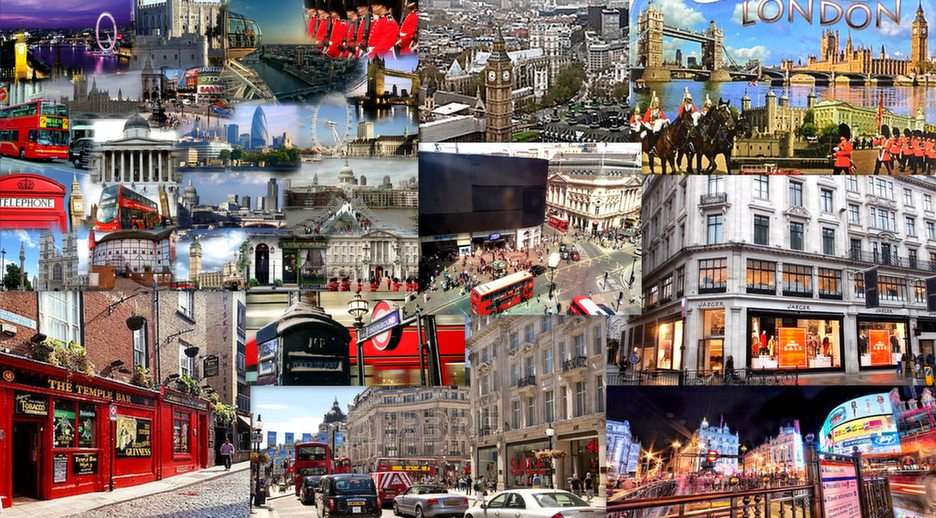
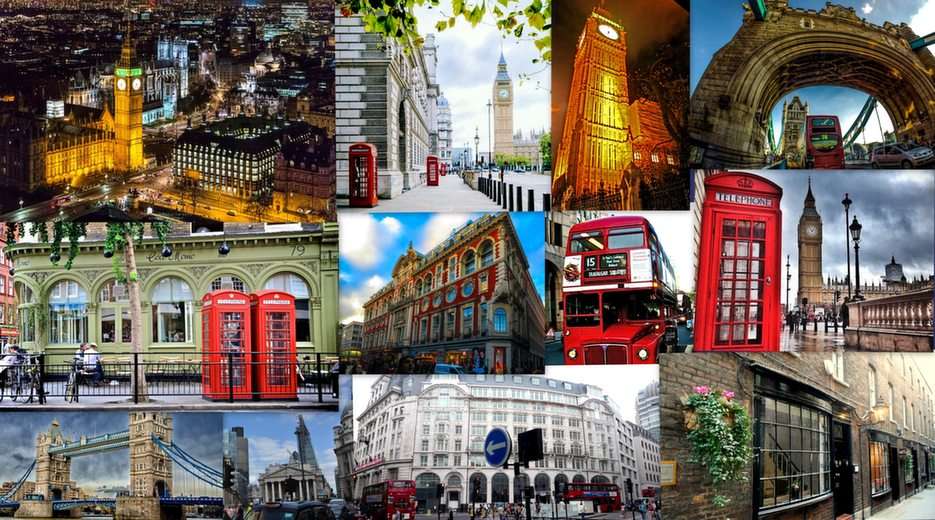
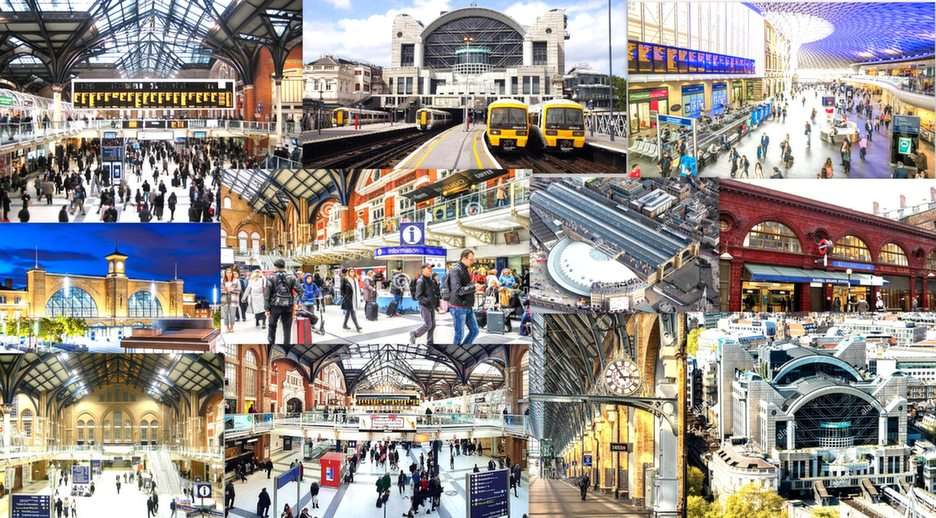
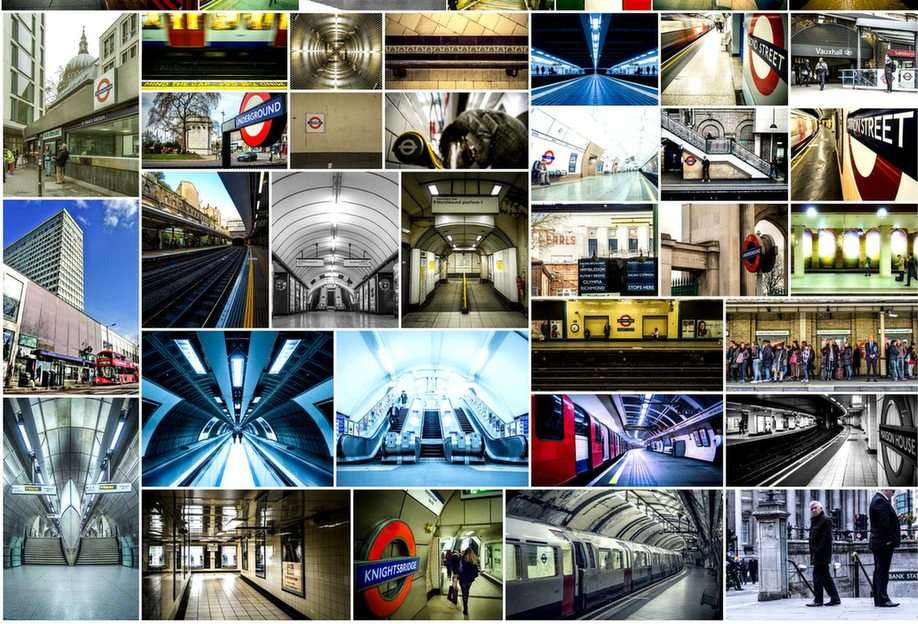
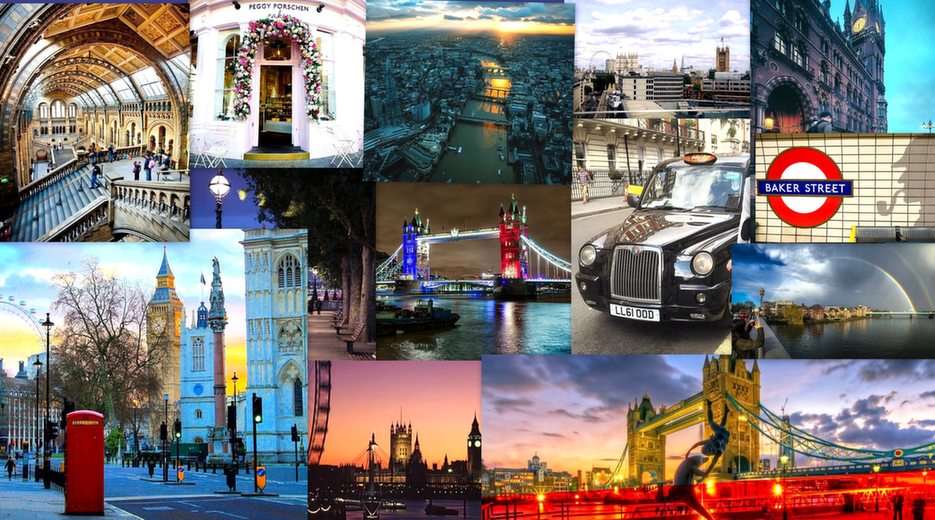
London collage online puzzle
209London collagesolved 82 times
Solve puzzle
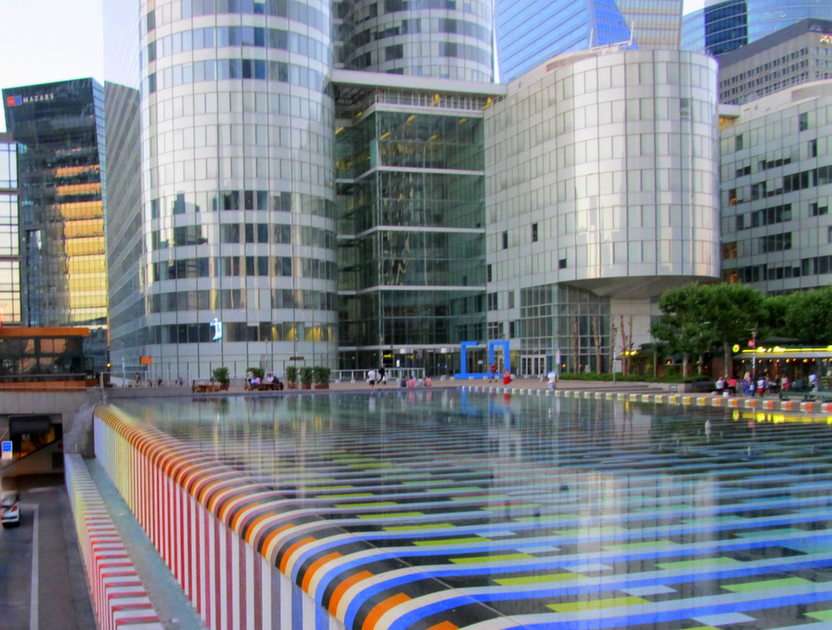
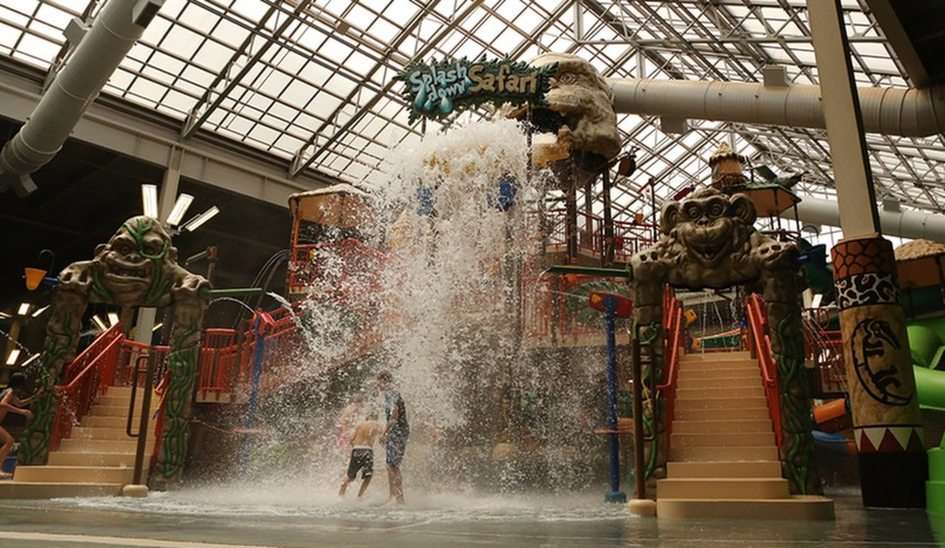
Water Park puzzle online from photo
28Water Parksolved 82 times
Solve puzzle
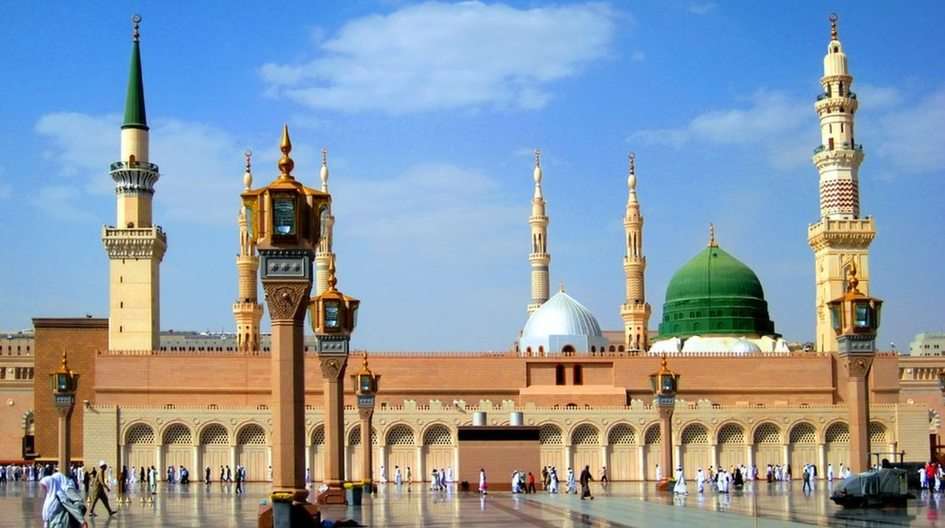
masjid puzzle online from photo
54masjidsolved 82 times
Solve puzzle
London stations online puzzle
252London stationssolved 82 times
Solve puzzle
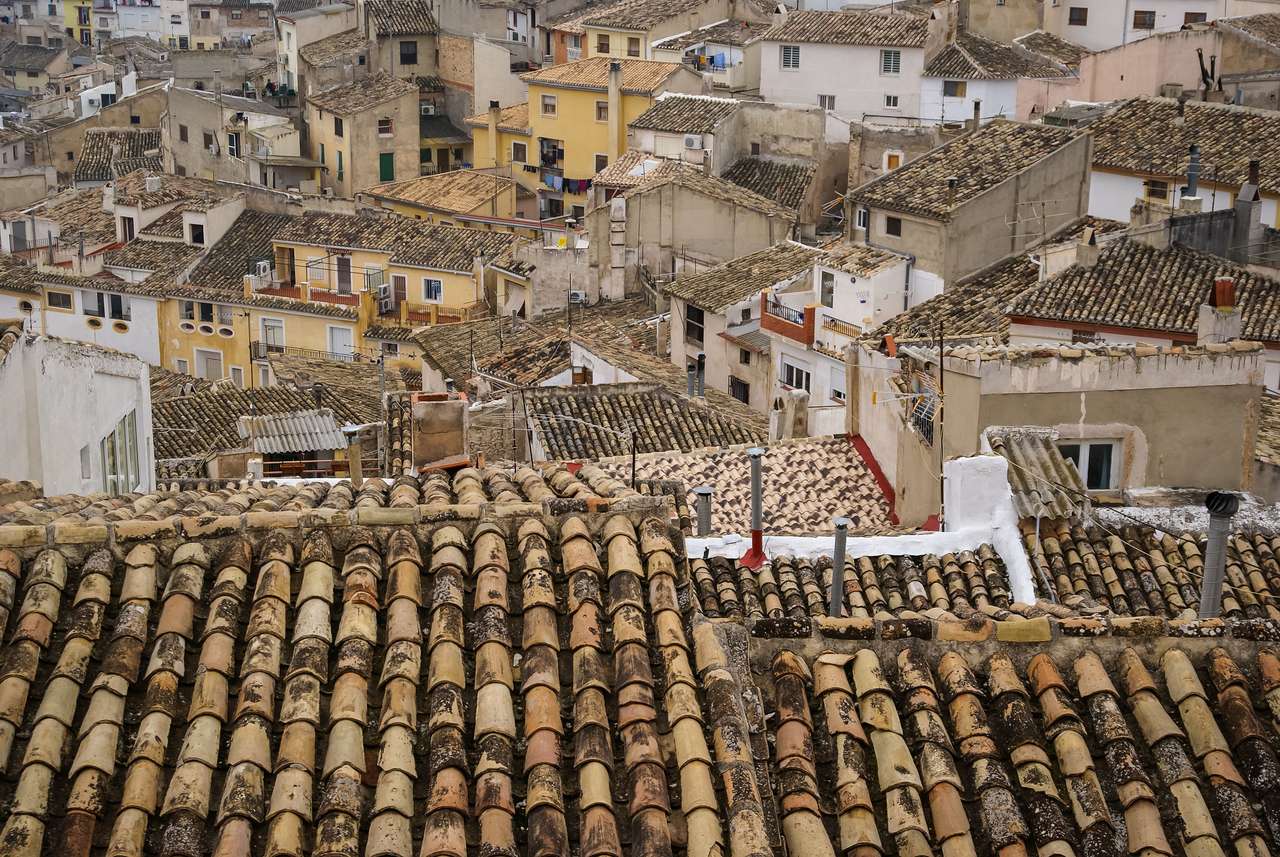
Moratalla in Spain online puzzle
176Moratalla in Spainsolved 82 times
Solve puzzle
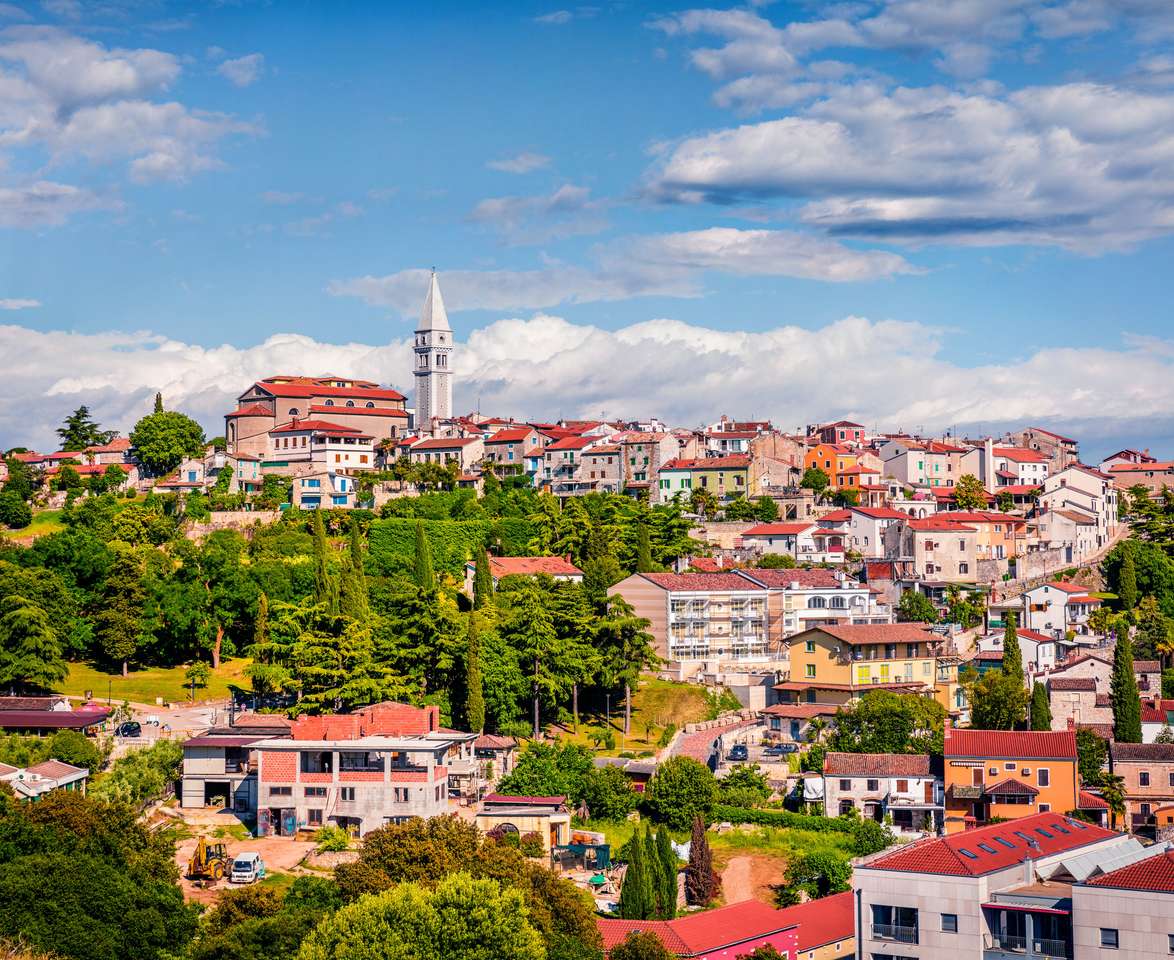
Vrsar (Orsera) and St. Martin Catholic Church puzzle online from photo
143Vrsar (Orsera) and St. Martin Catholic Churchsolved 82 times
Solve puzzle
Tripmaster online puzzle
150Tripmastersolved 82 times
Solve puzzle
Rybnik - my city online puzzle
224Rybnik - my citysolved 81 times
Solve puzzle
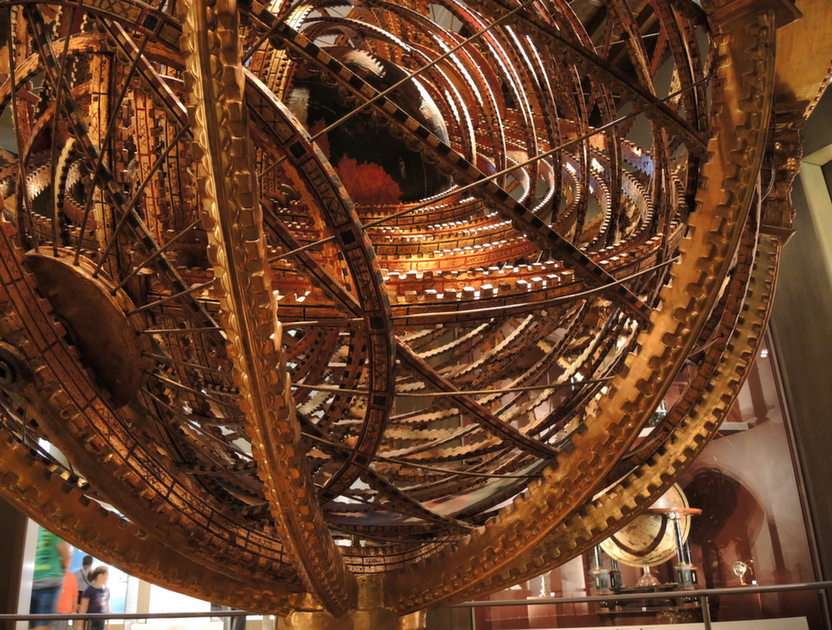
Astrolabe online puzzle
130Astrolabesolved 81 times
Solve puzzle
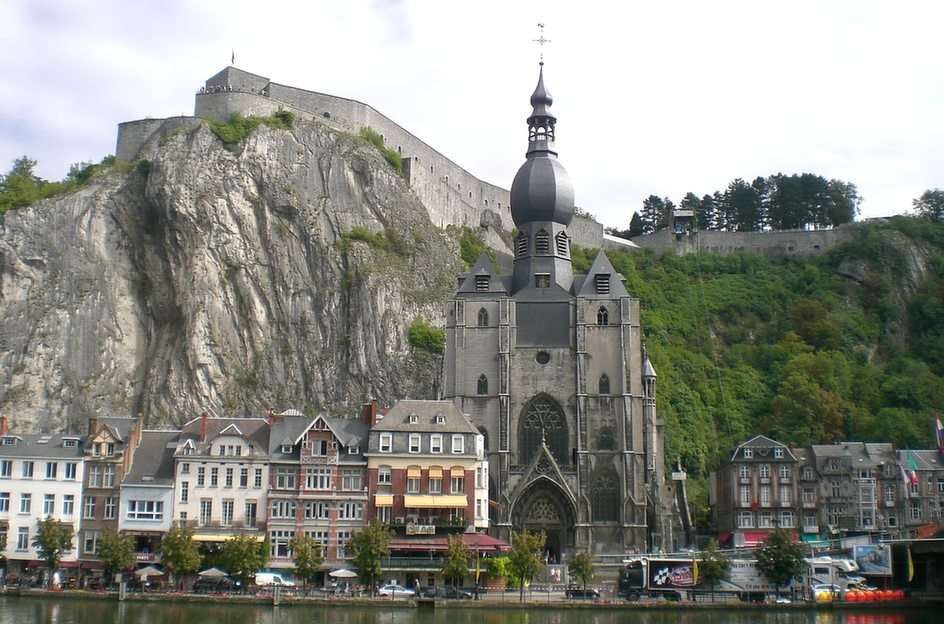
Dinant puzzle online from photo
48Dinantsolved 81 times
Solve puzzle
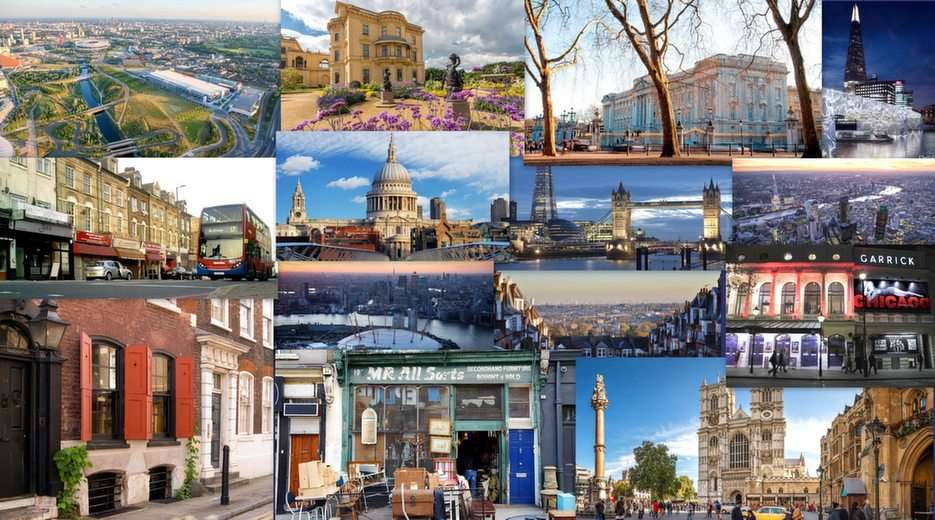
London collage puzzle online from photo
252London collagesolved 81 times
Solve puzzle
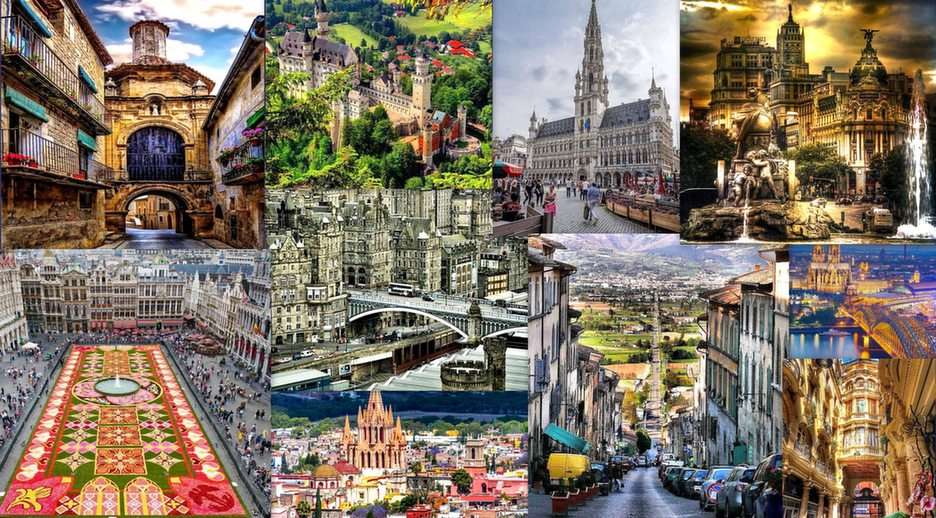
Beautiful cities puzzle online from photo
252Beautiful citiessolved 81 times
Solve puzzle
barrier online puzzle
88barriersolved 81 times
Solve puzzle
My memory online puzzle
48My memorysolved 81 times
Solve puzzle
London collage puzzle online from photo
252London collagesolved 81 times
Solve puzzle
Big Oak Home online puzzle
84Big Oak Homesolved 81 times
Solve puzzle
Mont Saint Michel online puzzle
176Mont Saint Michelsolved 81 times
Solve puzzle
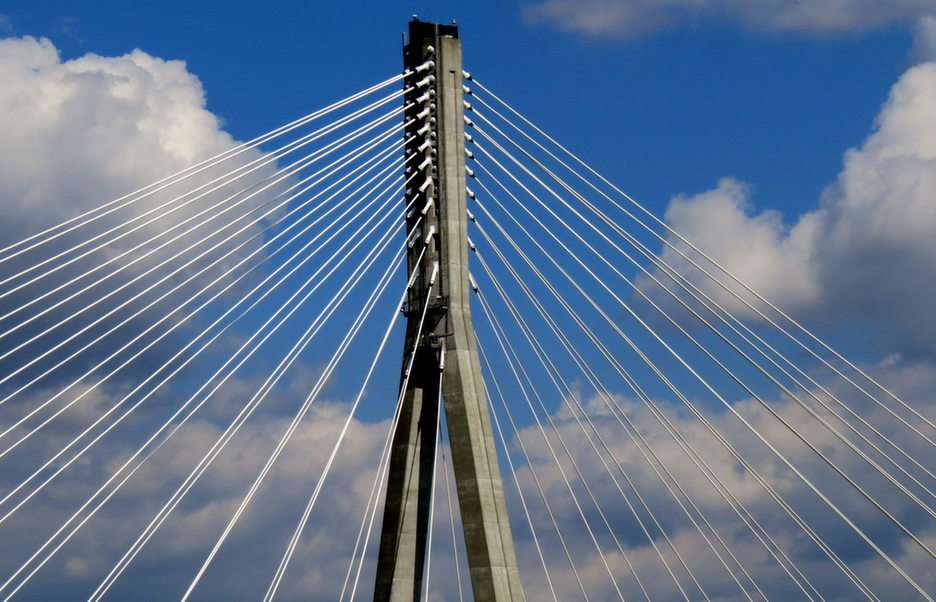
Świętokrzyski Bridge online puzzle
84Świętokrzyski Bridgesolved 81 times
Solve puzzle
STONEHURST puzzle online from photo
48STONEHURSTsolved 82 times
Solve puzzle
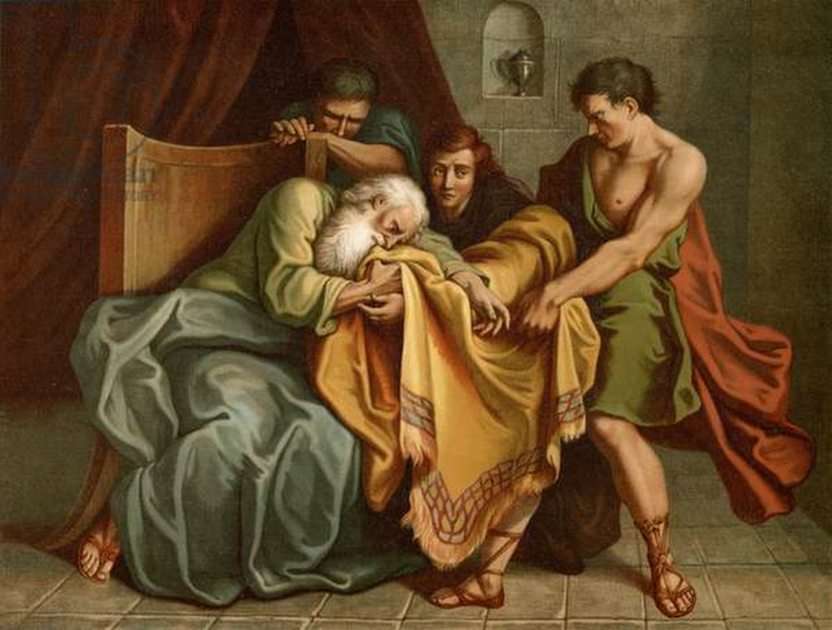
Coat of Joseph puzzle online from photo
48Coat of Josephsolved 81 times
Solve puzzle
Farm in the Clouds puzzle online from photo
140Farm in the Cloudssolved 81 times
Solve puzzle
overpass online puzzle
35overpasssolved 81 times
Solve puzzle
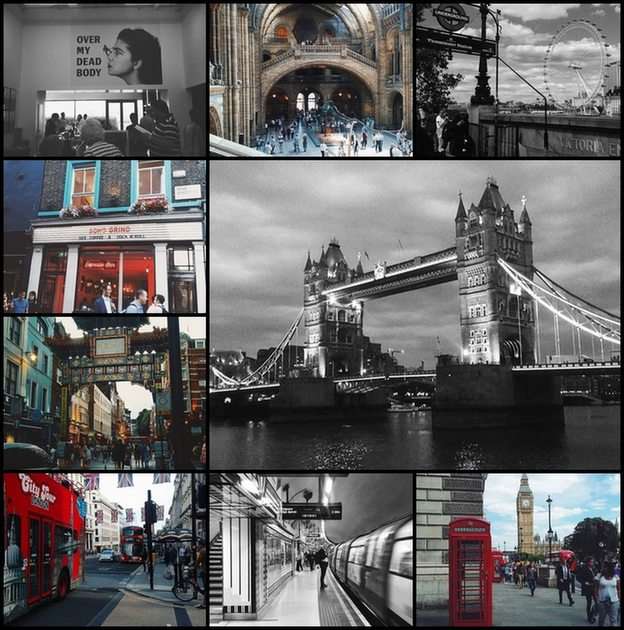
London-collage = metro puzzle online from photo
221London-collage = metrosolved 80 times
Solve puzzle
London collage online puzzle
252London collagesolved 80 times
Solve puzzle
London collage puzzle online from photo
221London collagesolved 80 times
Solve puzzle
Moscow online puzzle
165Moscowsolved 80 times
Solve puzzle
car tibby puzzle online from photo
48car tibbysolved 80 times
Solve puzzle
London collage puzzle online from photo
221London collagesolved 80 times
Solve puzzle
London collage online puzzle
221London collagesolved 80 times
Solve puzzle
Fountain puzzle online from photo
48Fountainsolved 80 times
Solve puzzle
Italian atmosphere puzzle online from photo
221Italian atmospheresolved 80 times
Solve puzzle
London collage online puzzle
252London collagesolved 80 times
Solve puzzle
Ara Pacis online puzzle
48Ara Pacissolved 80 times
Solve puzzle
Jaworzynka Valley puzzle online from photo
48Jaworzynka Valleysolved 80 times
Solve puzzle
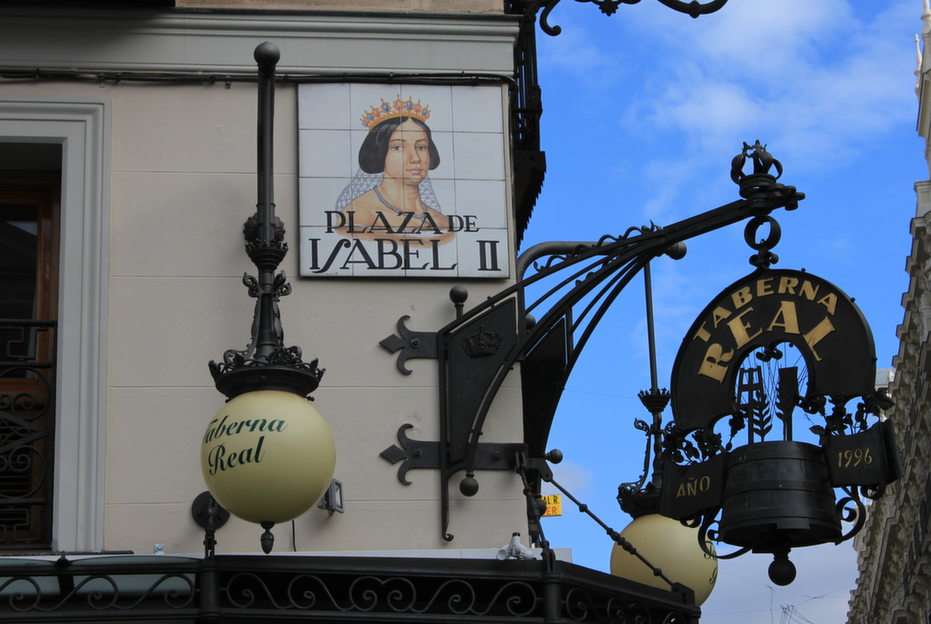
Madrid Plaza de Isabel II puzzle online from photo
304Madrid Plaza de Isabel IIsolved 79 times
Solve puzzle
Tanque - Paton II  M-47 puzzle online from photo
48Tanque - Paton II M-47solved 79 times
Solve puzzle
London online puzzle
108Londonsolved 79 times
Solve puzzle
somewhere in Croatia puzzle online from photo
48somewhere in Croatiasolved 79 times
Solve puzzle
London collage puzzle online from photo
60London collagesolved 79 times
Solve puzzle
Manilva before sunset online puzzle
54Manilva before sunsetsolved 79 times
Solve puzzle
Port of Hamburg puzzle online from photo
56Port of Hamburgsolved 79 times
Solve puzzle
Winter in Italy puzzle online from photo
192Winter in Italysolved 79 times
Solve puzzle
London collage online puzzle
252London collagesolved 79 times
Solve puzzle
Japan puzzle online from photo
48Japansolved 79 times
Solve puzzle
Done of the rock online puzzle
228Done of the rocksolved 79 times
Solve puzzle
Birds Flying online puzzle
20Birds Flyingsolved 79 times
Solve puzzle
travel online puzzle
35travelsolved 79 times
Solve puzzle
Julien2024 online puzzle
24Julien2024solved 79 times
Solve puzzle

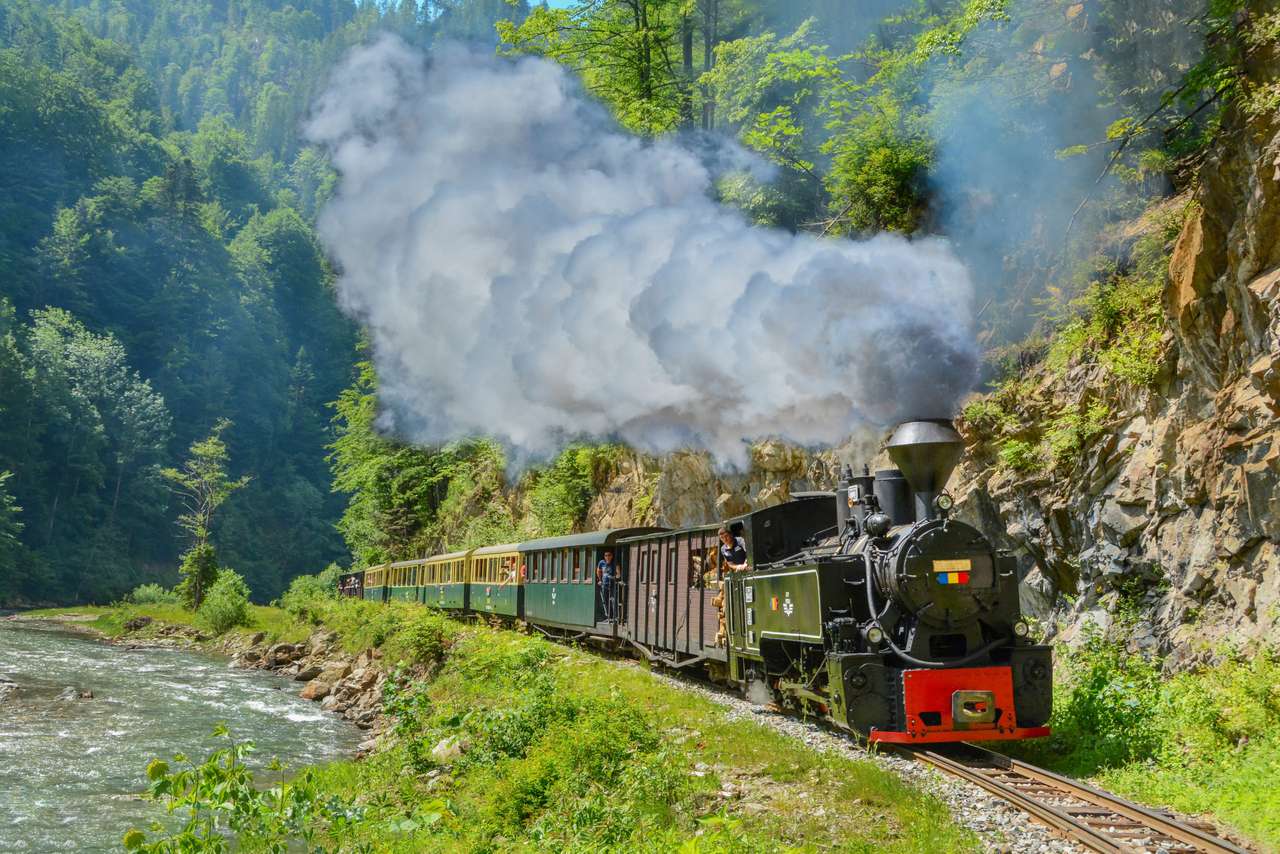
Online puzzle Train

Train

A train (from Old French trahiner, from Latin trahere, "to pull, to draw") is a series of connected vehicles that run along a railway track and transport people or freight. Trains are typically pulled or pushed by locomotives (often known simply as "engines"), though some are self-propelled, such as multiple units. Passengers and cargo are carried in railroad cars, also known as wagons. Trains are designed to a certain gauge, or distance between rails. Most trains operate on steel tracks with steel wheels, the low friction of which makes them more efficient than other forms of transport.
Trains have their roots in wagonways, which used railway tracks and were powered by horses or pulled by cables. Following the invention of the steam locomotive in the United Kingdom in 1804, trains rapidly spread around the world, allowing freight and passengers to move over land faster and cheaper than ever possible before. Rapid transit and trams were first built in the late 1800s to transport large numbers of people in and around cities. Beginning in the 1920s, and accelerating following World War II, diesel and electric locomotives replaced steam as the means of motive power. Following the development of cars, trucks, and extensive networks of highways which offered greater mobility, as well as faster airplanes, trains declined in importance and market share, and many rail lines were abandoned. The spread of buses led to the closure of many rapid transit and tram systems during this time as well.

Since the 1970s, governments, environmentalists, and train advocates have promoted increased use of trains due to their greater fuel efficiency and lower greenhouse gas emissions compared to other modes of land transport. High-speed rail, first built in the 1960s, has proven competitive with cars and planes over short to medium distances. Commuter rail has grown in importance since the 1970s as an alternative to congested highways and a means to promote development, as has light rail in the 21st century. Freight trains remain important for the transport of bulk commodities such as coal and grain, as well as being a means of reducing road traffic congestion by freight trucks.

While conventional trains operate on relatively flat tracks with two rails, a number of specialized trains exist which are significantly different in their mode of operation. Monorails operate on a single rail, while funiculars and rack railways are uniquely designed to traverse steep slopes. Experimental trains such as high speed maglevs, which use magnetic levitation to float above a guideway, are under development in the 2020s and offer higher speeds than even the fastest conventional trains. Trains which use alternative fuels such as natural gas and hydrogen are another 21st-century development.