Train - online puzzles
Lisbon tram puzzle online from photo
130Lisbon tramsolved 87 times
Solve puzzle
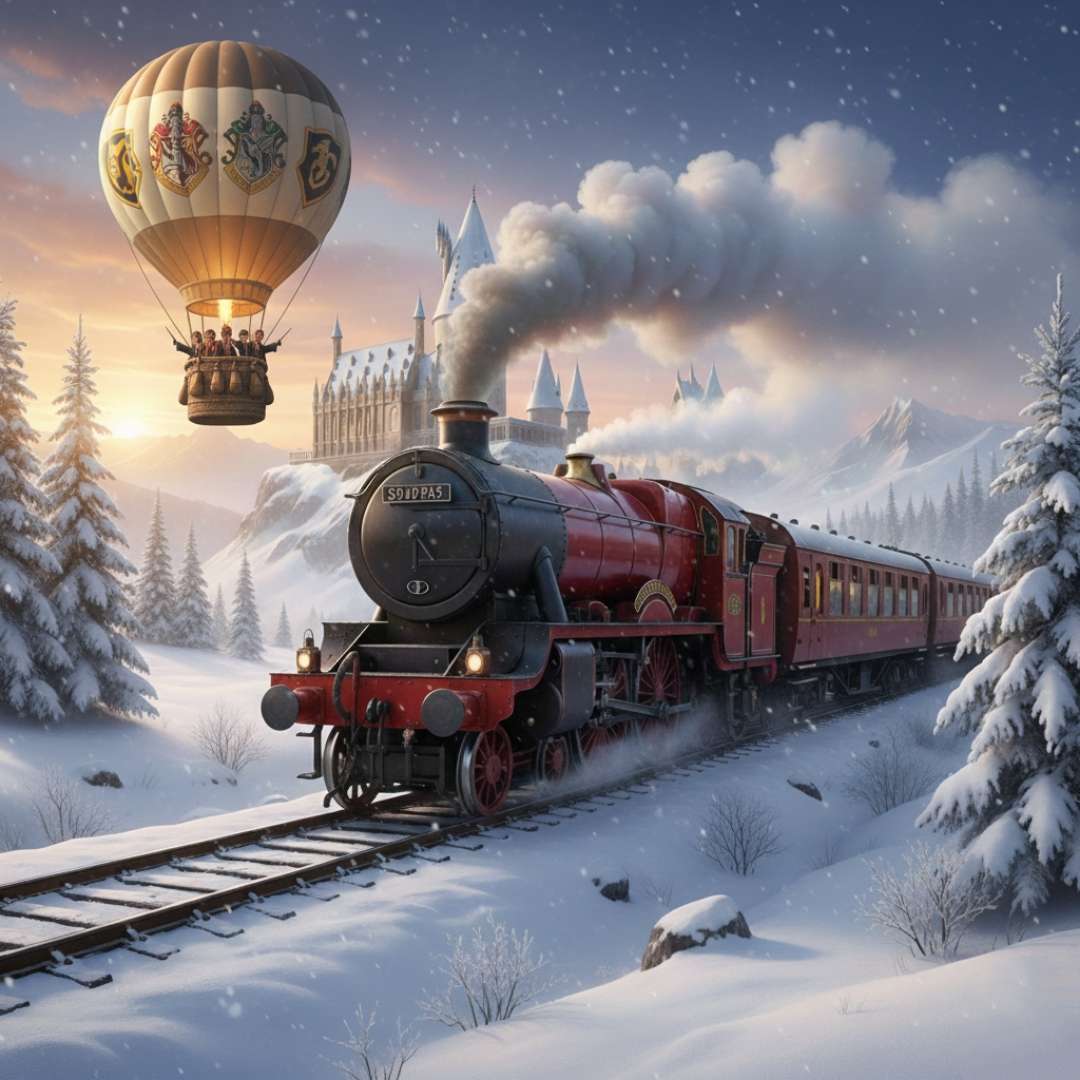
Train to Hogwarts online puzzle
121Train to Hogwartssolved 87 times
Solve puzzle
Balcon online puzzle
64Balconsolved 86 times
Solve puzzle
around Toledo online puzzle
80around Toledosolved 86 times
Solve puzzle
House... puzzle online from photo
192House...solved 86 times
Solve puzzle
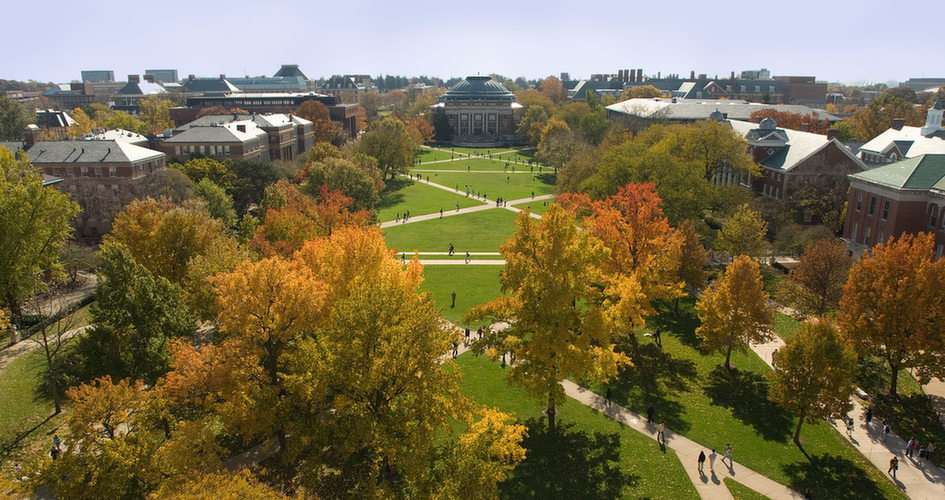
UIUC Quad online puzzle
25UIUC Quadsolved 86 times
Solve puzzle
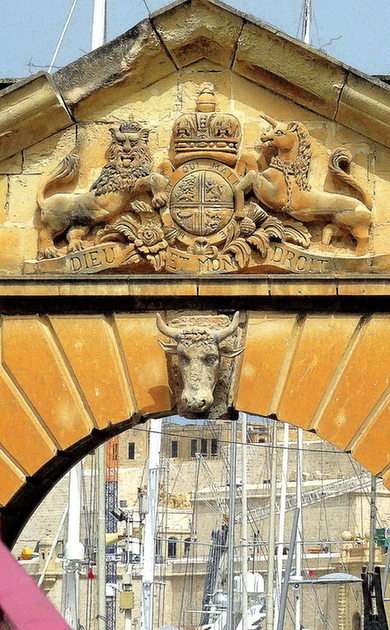
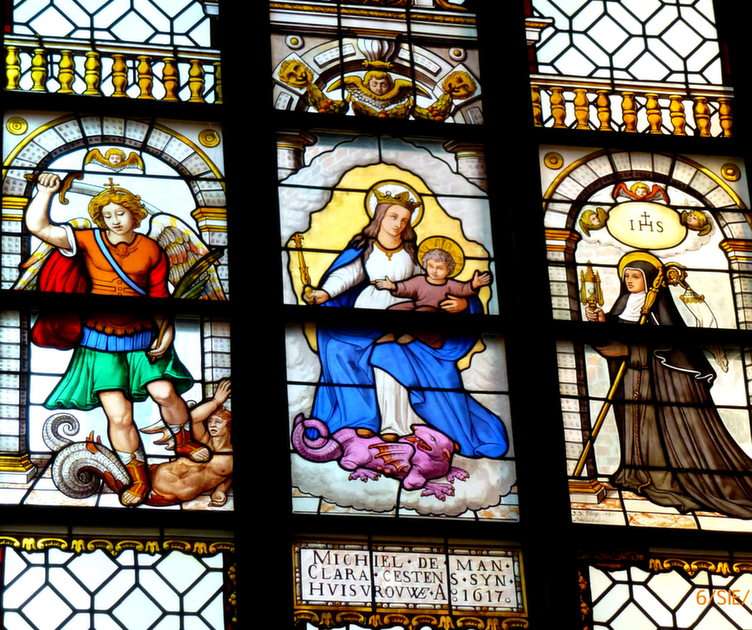
Arms puzzle online from photo
140Armssolved 86 times
Solve puzzle
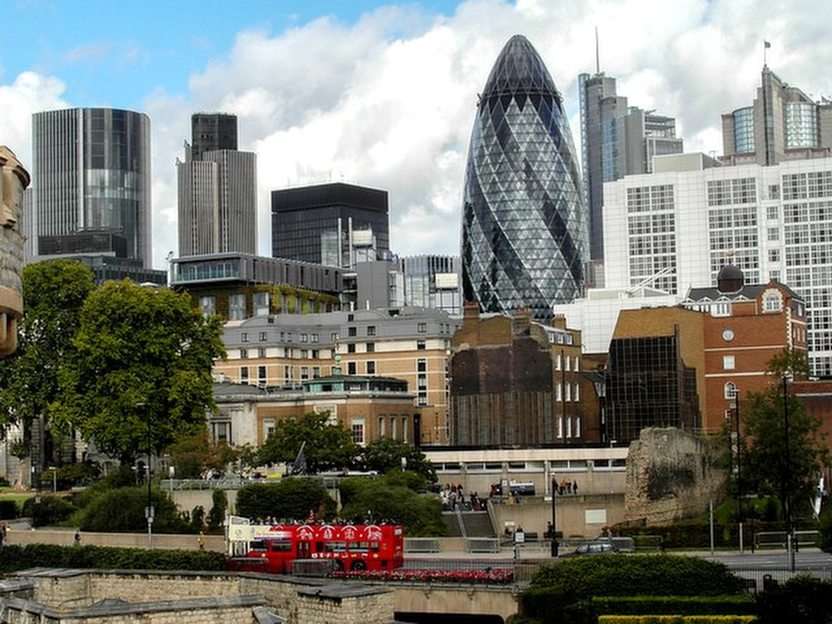
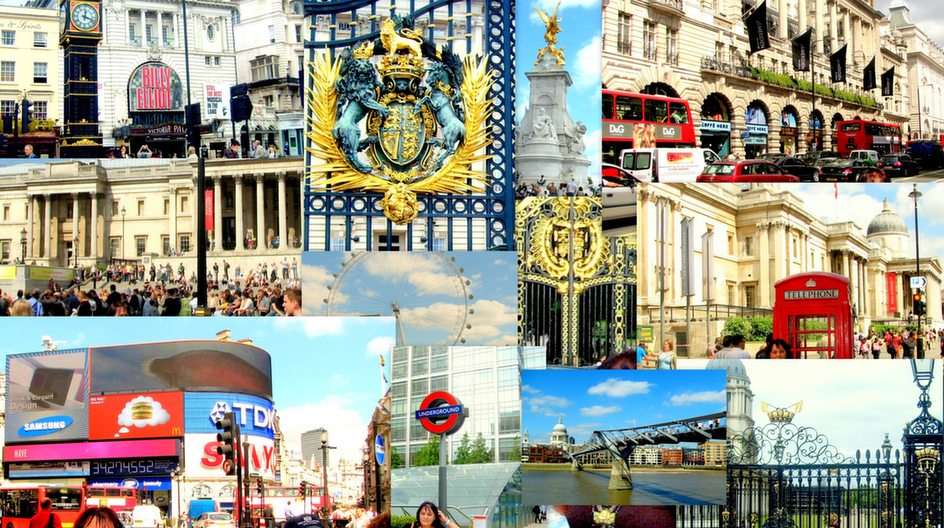
London collage online puzzle
221London collagesolved 86 times
Solve puzzle
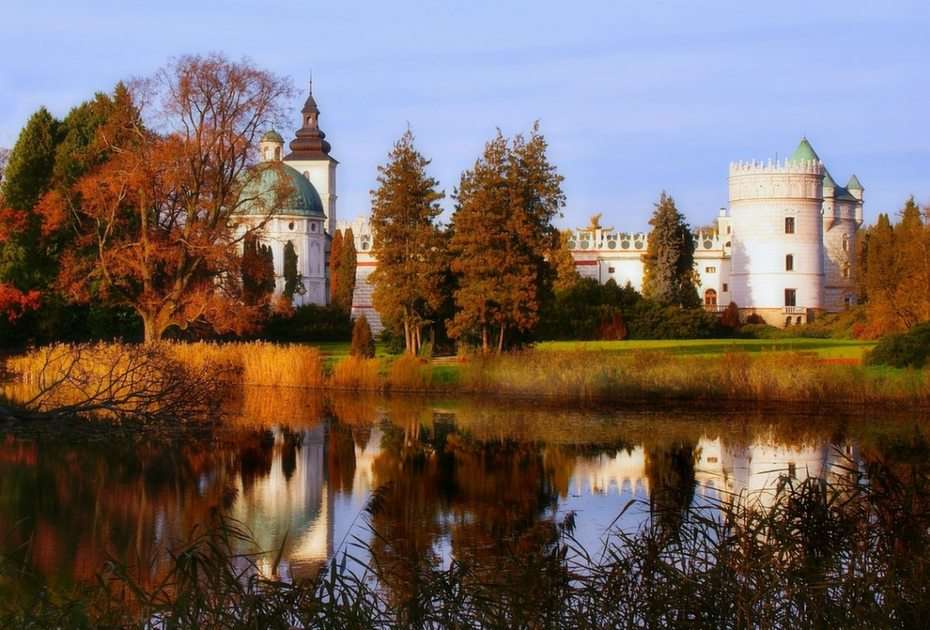
Krasiczyn Castle puzzle online from photo
100Krasiczyn Castlesolved 86 times
Solve puzzle
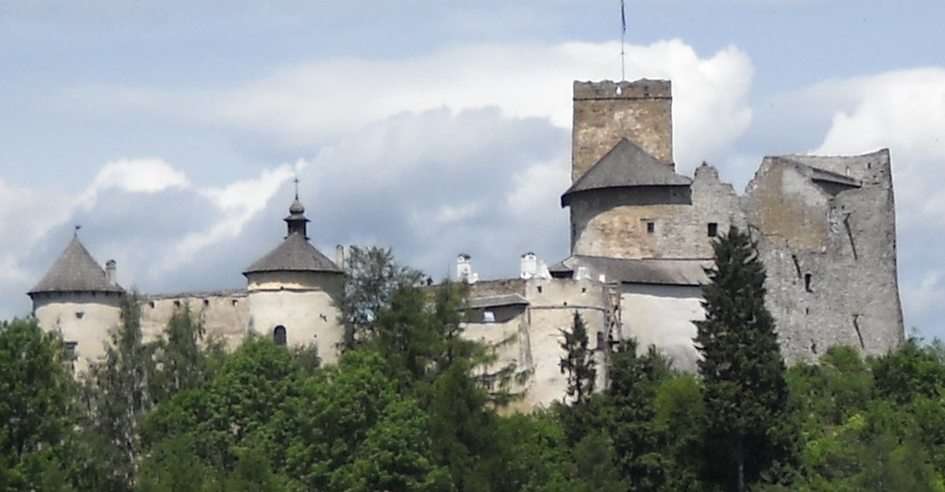
Dunajec Castle puzzle online from photo
28Dunajec Castlesolved 86 times
Solve puzzle
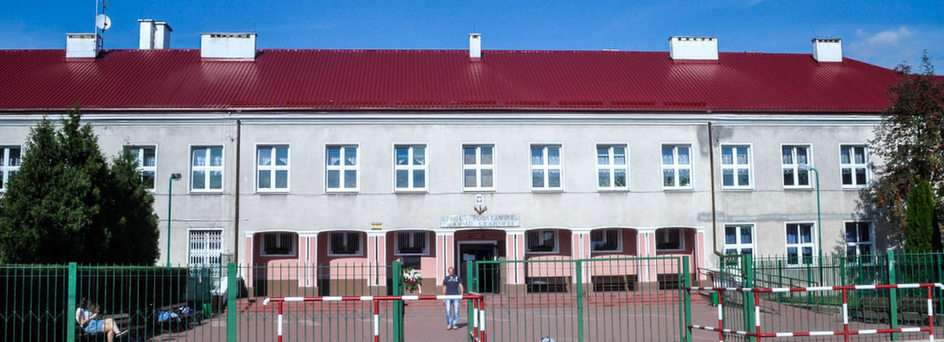
school puzzle online from photo
48schoolsolved 86 times
Solve puzzle
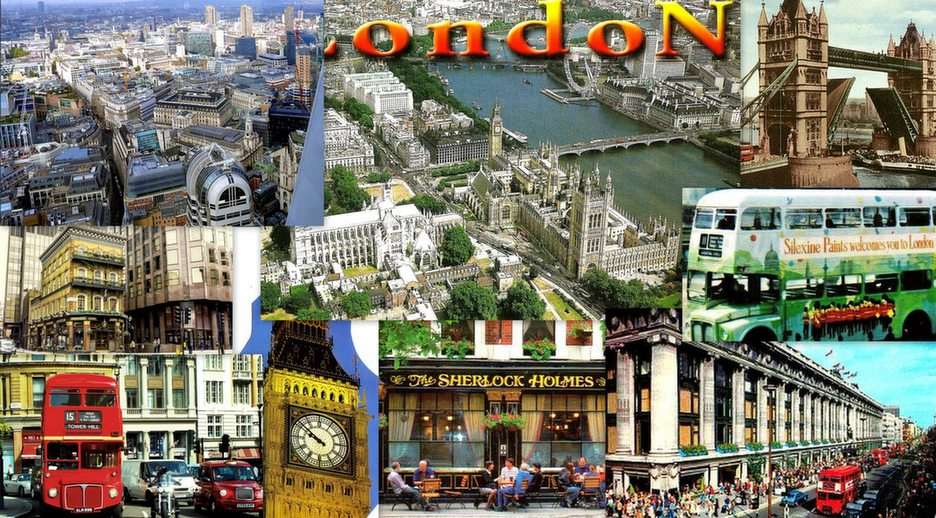
London collage online puzzle
252London collagesolved 86 times
Solve puzzle
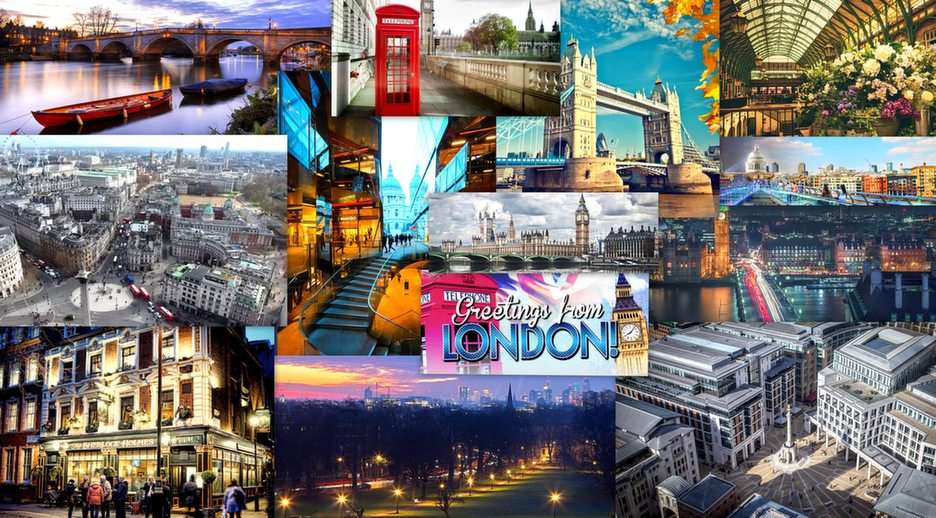
London collage online puzzle
252London collagesolved 86 times
Solve puzzle
6110 puzzle online from photo
486110solved 86 times
Solve puzzle
human activity puzzle online from photo
20human activitysolved 86 times
Solve puzzle
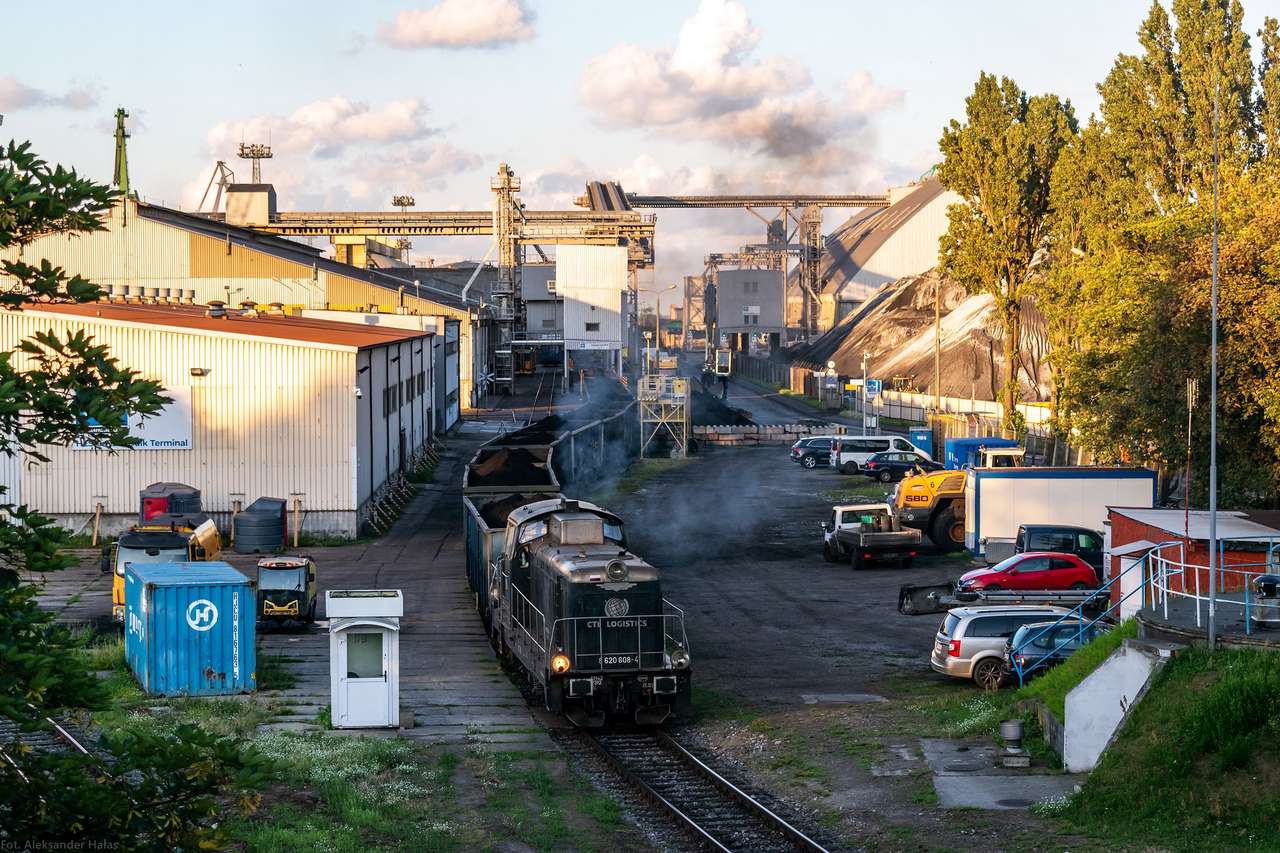
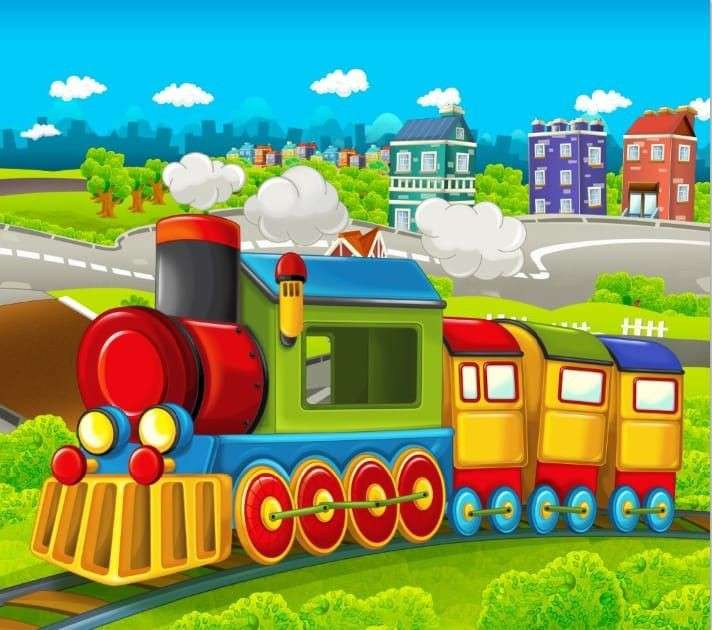
Trains landscape puzzle online from photo
72Trains landscapesolved 86 times
Solve puzzle
London collage puzzle online from photo
192London collagesolved 85 times
Solve puzzle
London collage online puzzle
252London collagesolved 85 times
Solve puzzle
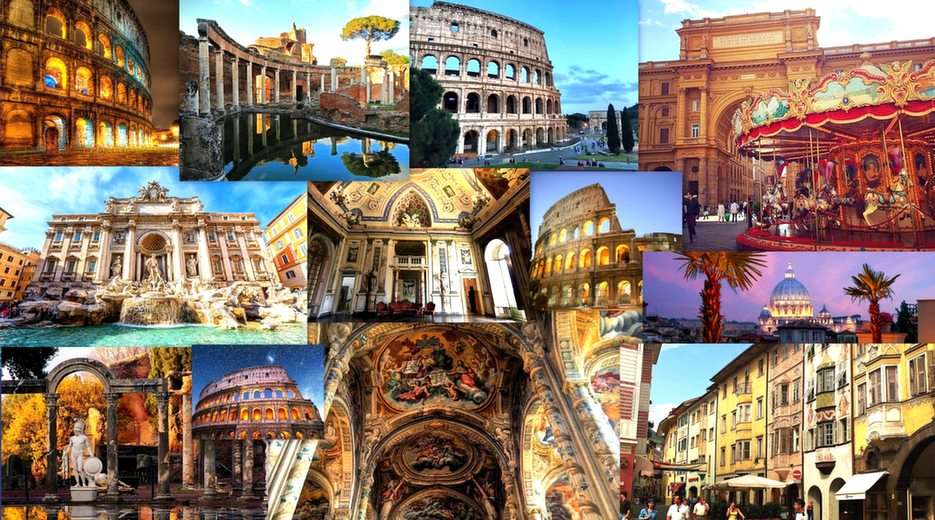
Rome-collage puzzle online from photo
221Rome-collagesolved 85 times
Solve puzzle
England's palaces online puzzle
221England's palacessolved 85 times
Solve puzzle
London collage online puzzle
285London collagesolved 85 times
Solve puzzle
Rome online puzzle
252Romesolved 85 times
Solve puzzle
Milan puzzle online from photo
252Milansolved 85 times
Solve puzzle
Picture online puzzle
374Picturesolved 85 times
Solve puzzle
SAS Puzzle online puzzle
48SAS Puzzlesolved 85 times
Solve puzzle
Shrine online puzzle
48Shrinesolved 85 times
Solve puzzle
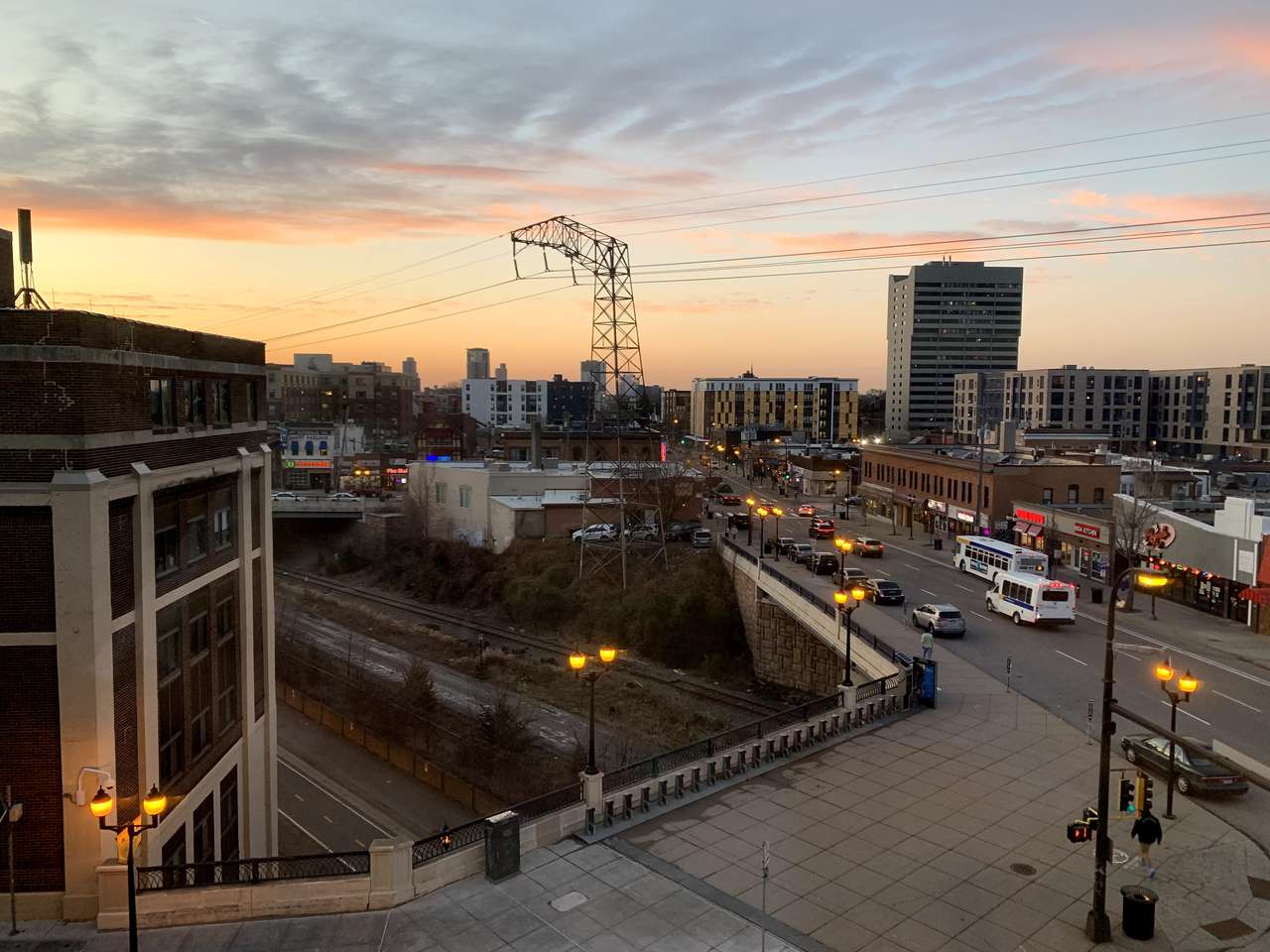
Aerial Dinkytown at Sunset online puzzle
108Aerial Dinkytown at Sunsetsolved 85 times
Solve puzzle
Children's department puzzle online from photo
24Children's departmentsolved 85 times
Solve puzzle
The Big House puzzle online from photo
144The Big Housesolved 85 times
Solve puzzle
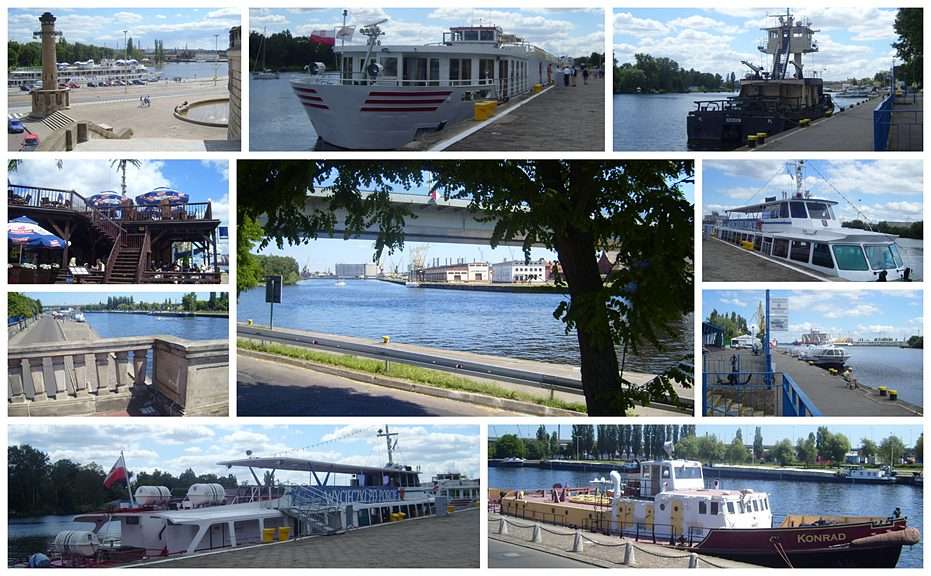
On the Odra River in Szczecin puzzle online from photo
304On the Odra River in Szczecinsolved 84 times
Solve puzzle
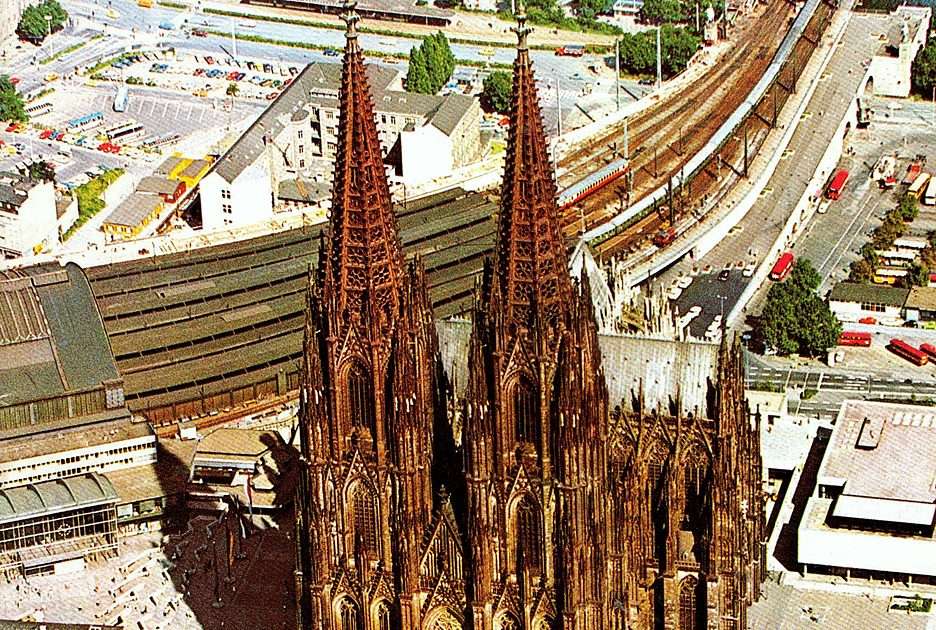
Cathedral in Koln online puzzle
252Cathedral in Kolnsolved 84 times
Solve puzzle
Christopher Columbus Monument online puzzle
60Christopher Columbus Monumentsolved 84 times
Solve puzzle
HUB MALL puzzle online from photo
56HUB MALLsolved 84 times
Solve puzzle
With a dragon puzzle online from photo
240With a dragonsolved 84 times
Solve puzzle
glasses online puzzle
117glassessolved 84 times
Solve puzzle
Paris puzzle online from photo
130Parissolved 84 times
Solve puzzle
fgbngfnf online puzzle
20fgbngfnfsolved 84 times
Solve puzzle
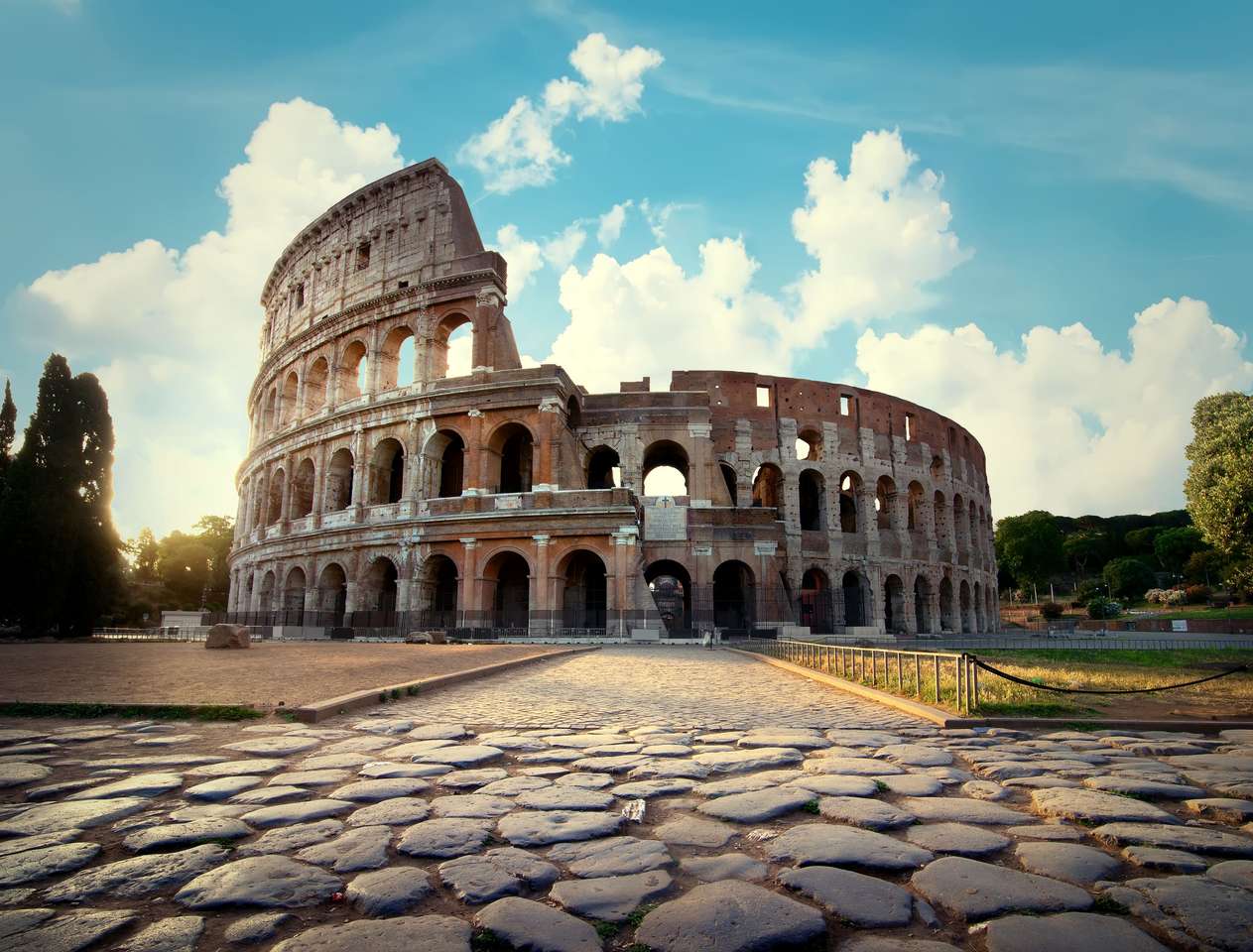
Colosseum in Rome puzzle online from photo
154Colosseum in Romesolved 84 times
Solve puzzle
Ice Skating on Lake online puzzle
144Ice Skating on Lakesolved 84 times
Solve puzzle
plow puzzle online from photo
90plowsolved 83 times
Solve puzzle
Beautiful cities online puzzle
252Beautiful citiessolved 83 times
Solve puzzle
London collage online puzzle
221London collagesolved 83 times
Solve puzzle
Cyprus puzzle online from photo
56Cyprussolved 83 times
Solve puzzle
Tatra Mountains puzzle online from photo
56Tatra Mountainssolved 83 times
Solve puzzle
Smyrna online puzzle
84Smyrnasolved 83 times
Solve puzzle
Bridge The Waterway puzzle online from photo
216Bridge The Waterwaysolved 83 times
Solve puzzle
Zurigo puzzle online from photo
100Zurigosolved 82 times
Solve puzzle
Vienna puzzle online from photo
252Viennasolved 82 times
Solve puzzle

Online puzzle Train

Train

A train (from Old French trahiner, from Latin trahere, "to pull, to draw") is a series of connected vehicles that run along a railway track and transport people or freight. Trains are typically pulled or pushed by locomotives (often known simply as "engines"), though some are self-propelled, such as multiple units. Passengers and cargo are carried in railroad cars, also known as wagons. Trains are designed to a certain gauge, or distance between rails. Most trains operate on steel tracks with steel wheels, the low friction of which makes them more efficient than other forms of transport.
Trains have their roots in wagonways, which used railway tracks and were powered by horses or pulled by cables. Following the invention of the steam locomotive in the United Kingdom in 1804, trains rapidly spread around the world, allowing freight and passengers to move over land faster and cheaper than ever possible before. Rapid transit and trams were first built in the late 1800s to transport large numbers of people in and around cities. Beginning in the 1920s, and accelerating following World War II, diesel and electric locomotives replaced steam as the means of motive power. Following the development of cars, trucks, and extensive networks of highways which offered greater mobility, as well as faster airplanes, trains declined in importance and market share, and many rail lines were abandoned. The spread of buses led to the closure of many rapid transit and tram systems during this time as well.

Since the 1970s, governments, environmentalists, and train advocates have promoted increased use of trains due to their greater fuel efficiency and lower greenhouse gas emissions compared to other modes of land transport. High-speed rail, first built in the 1960s, has proven competitive with cars and planes over short to medium distances. Commuter rail has grown in importance since the 1970s as an alternative to congested highways and a means to promote development, as has light rail in the 21st century. Freight trains remain important for the transport of bulk commodities such as coal and grain, as well as being a means of reducing road traffic congestion by freight trucks.

While conventional trains operate on relatively flat tracks with two rails, a number of specialized trains exist which are significantly different in their mode of operation. Monorails operate on a single rail, while funiculars and rack railways are uniquely designed to traverse steep slopes. Experimental trains such as high speed maglevs, which use magnetic levitation to float above a guideway, are under development in the 2020s and offer higher speeds than even the fastest conventional trains. Trains which use alternative fuels such as natural gas and hydrogen are another 21st-century development.