Wetland - online puzzles
Online puzzle Wetland
Wetland
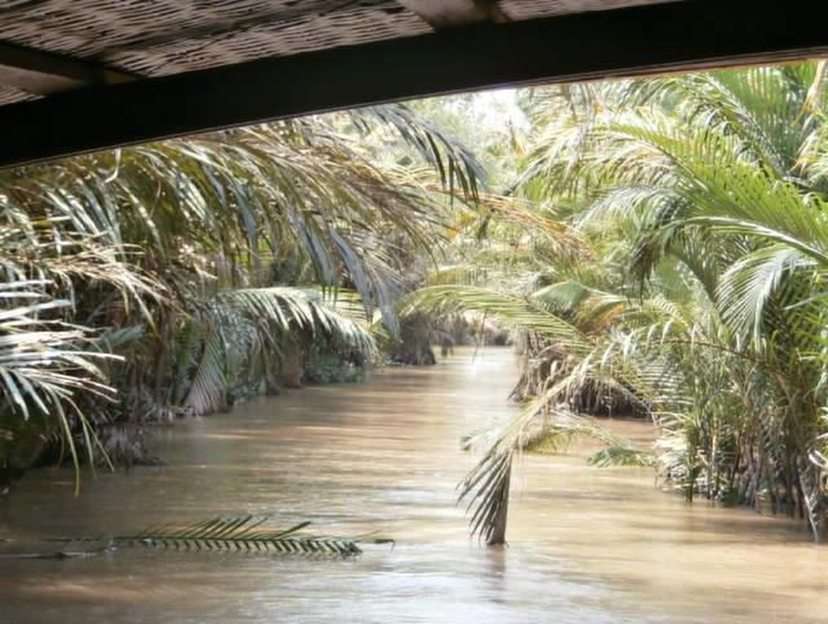
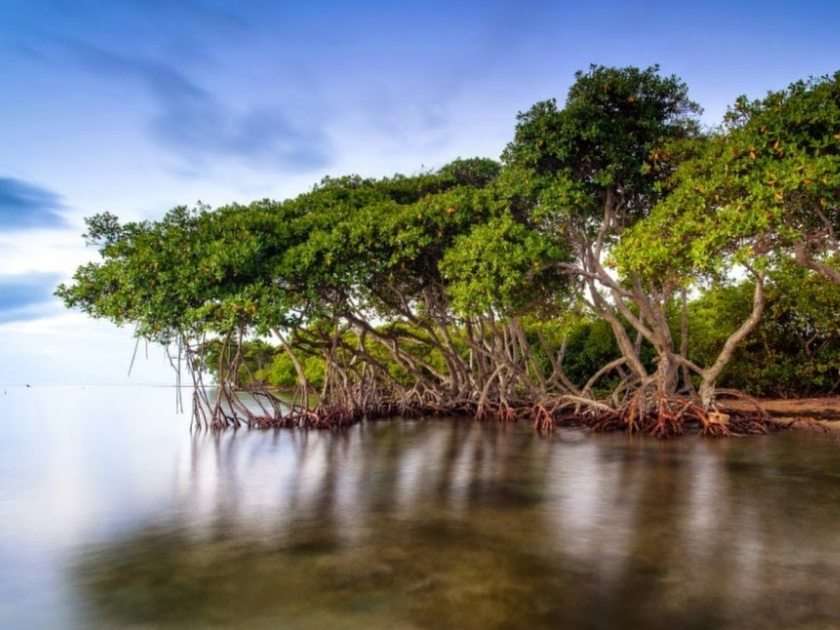
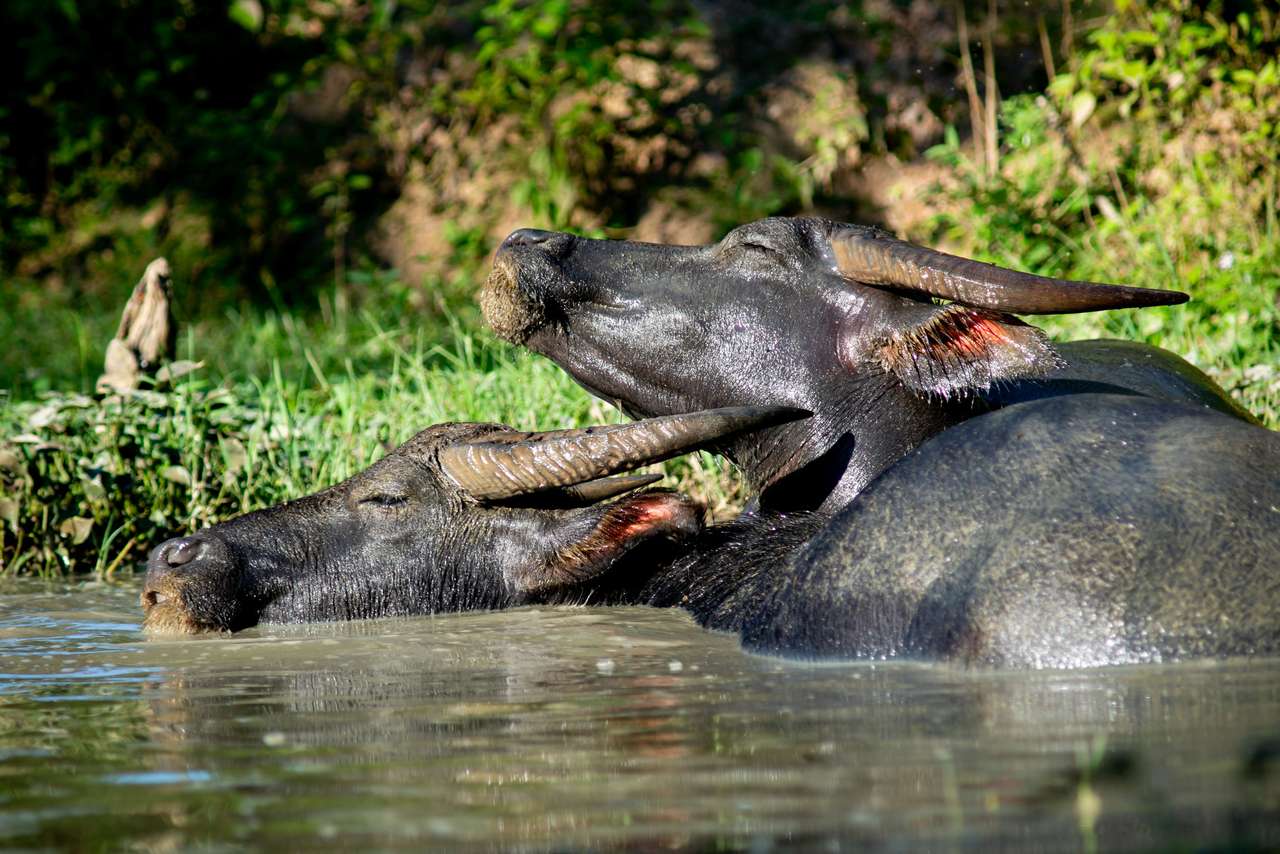
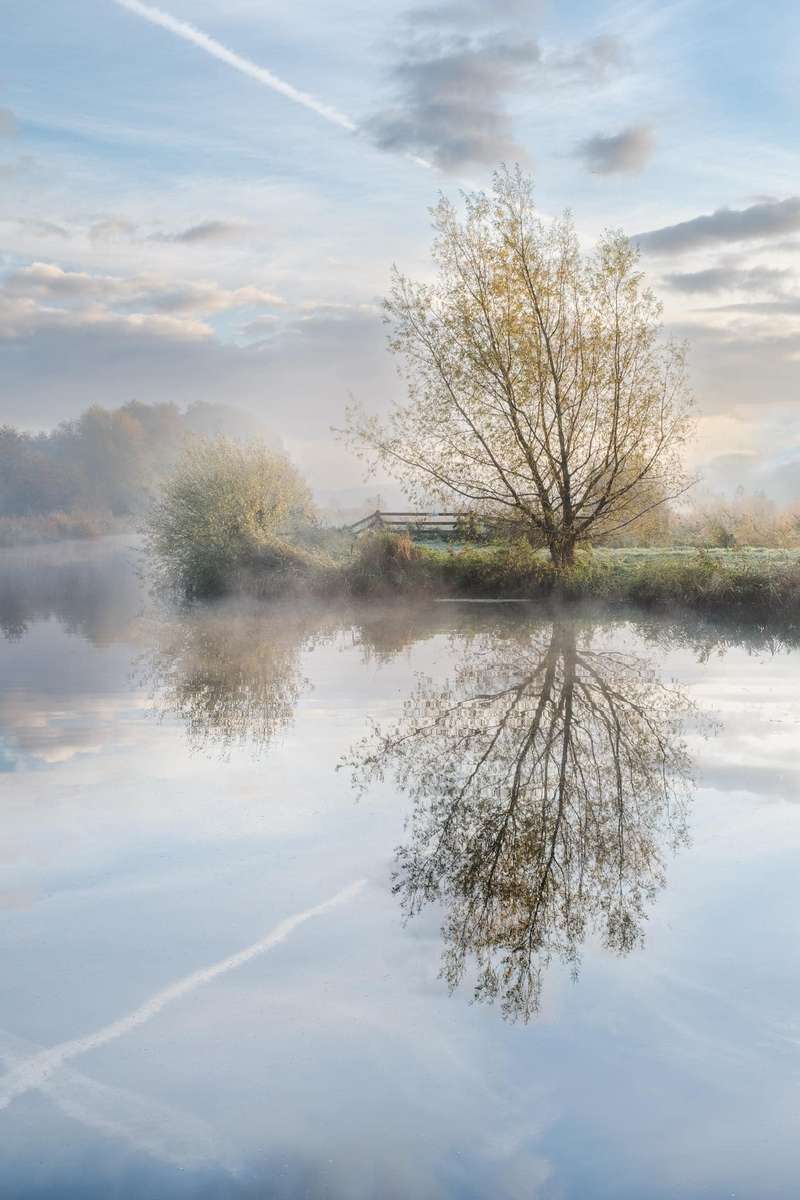
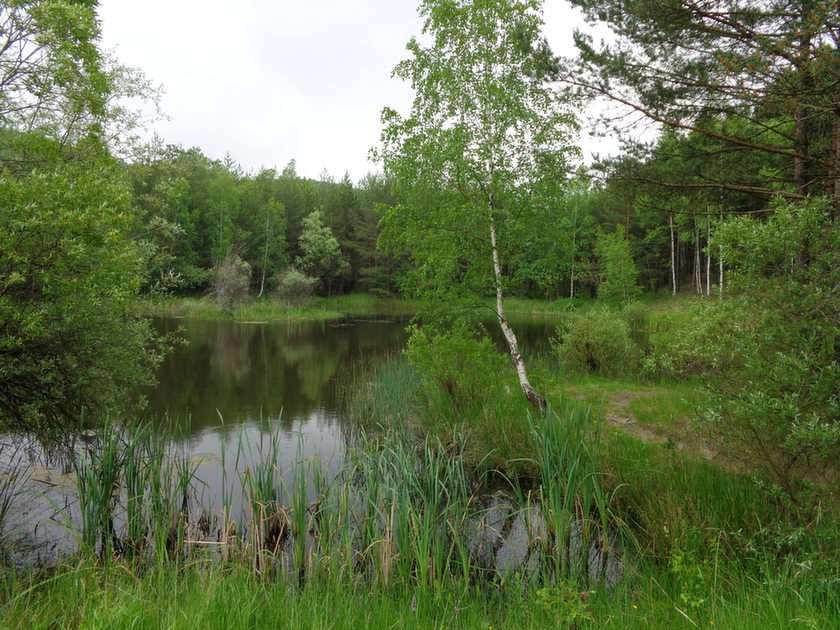
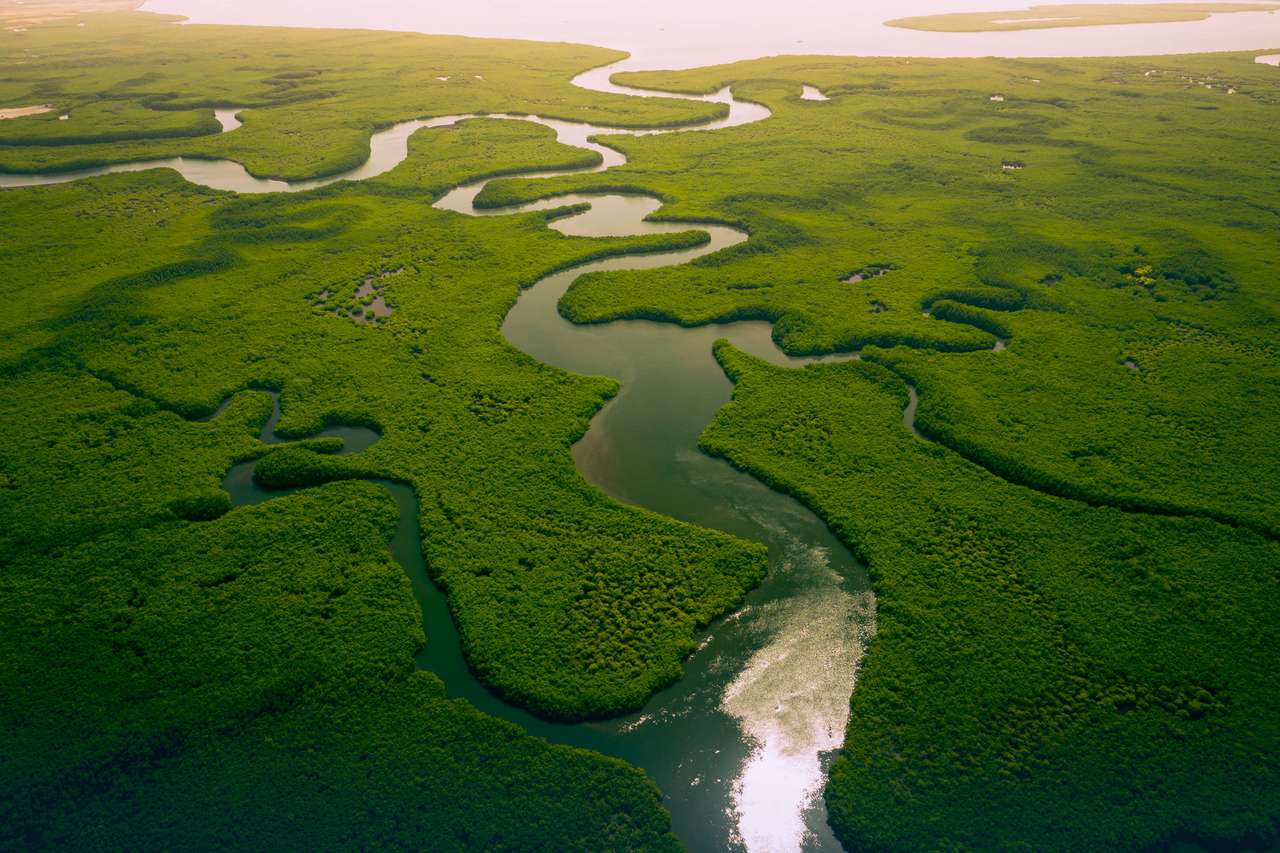
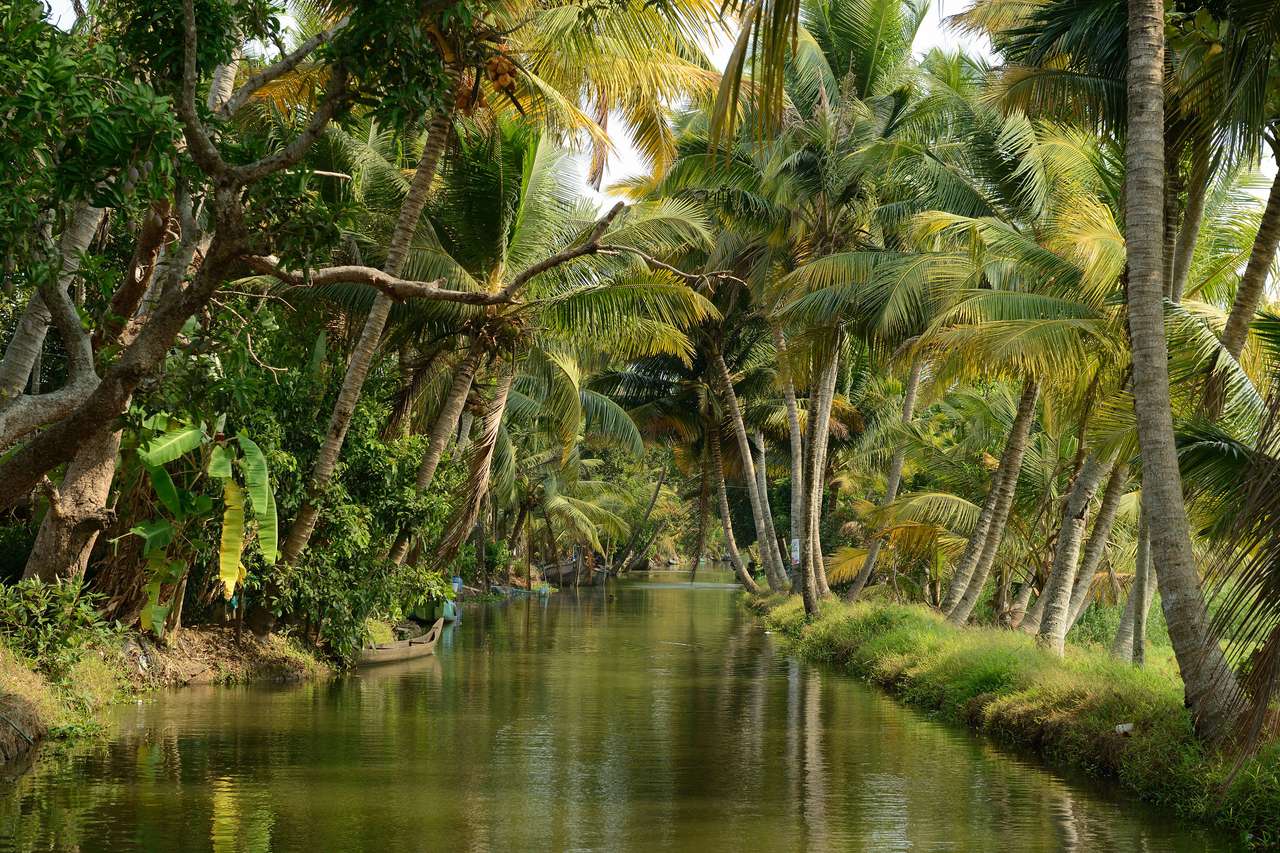
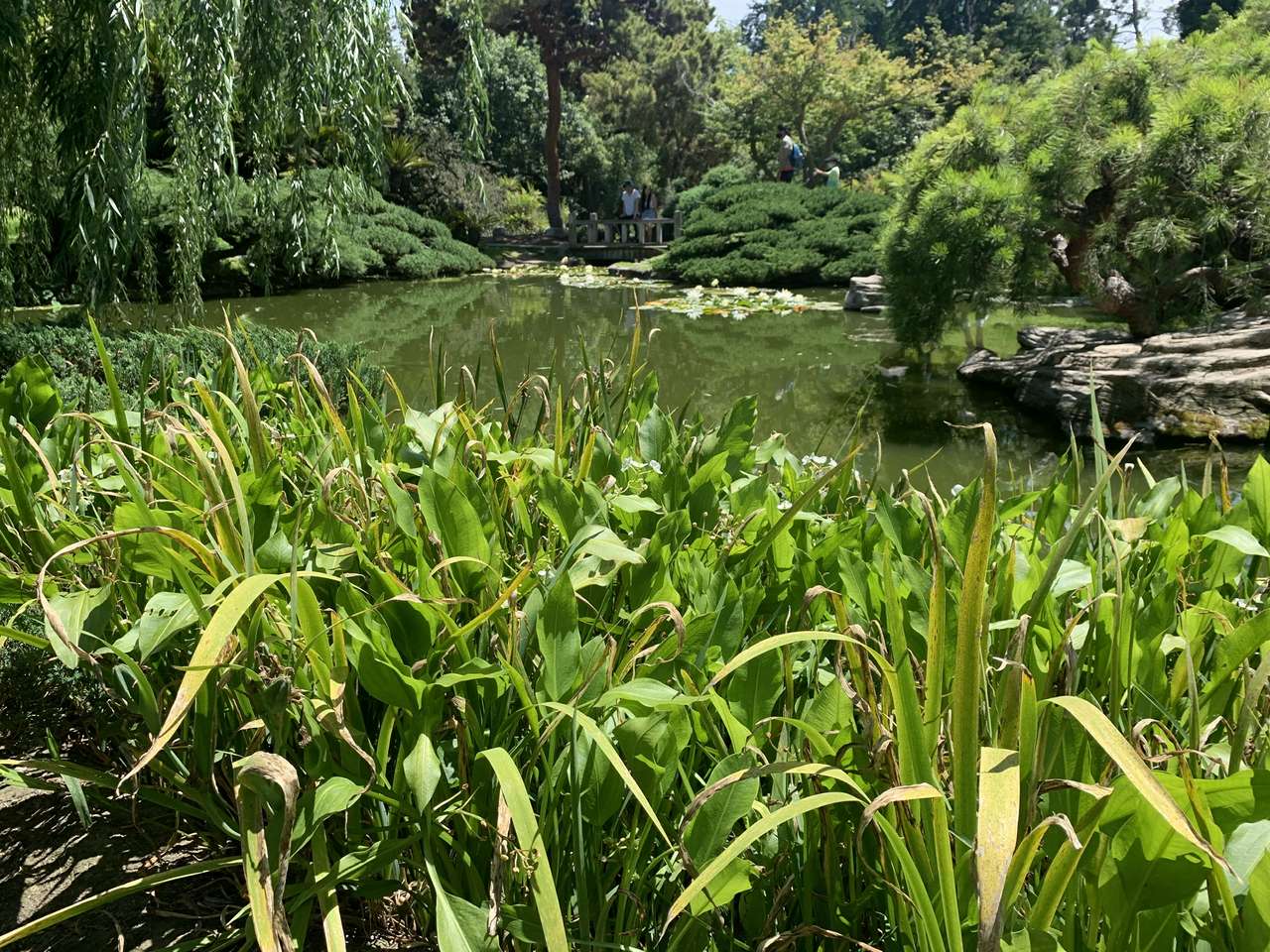
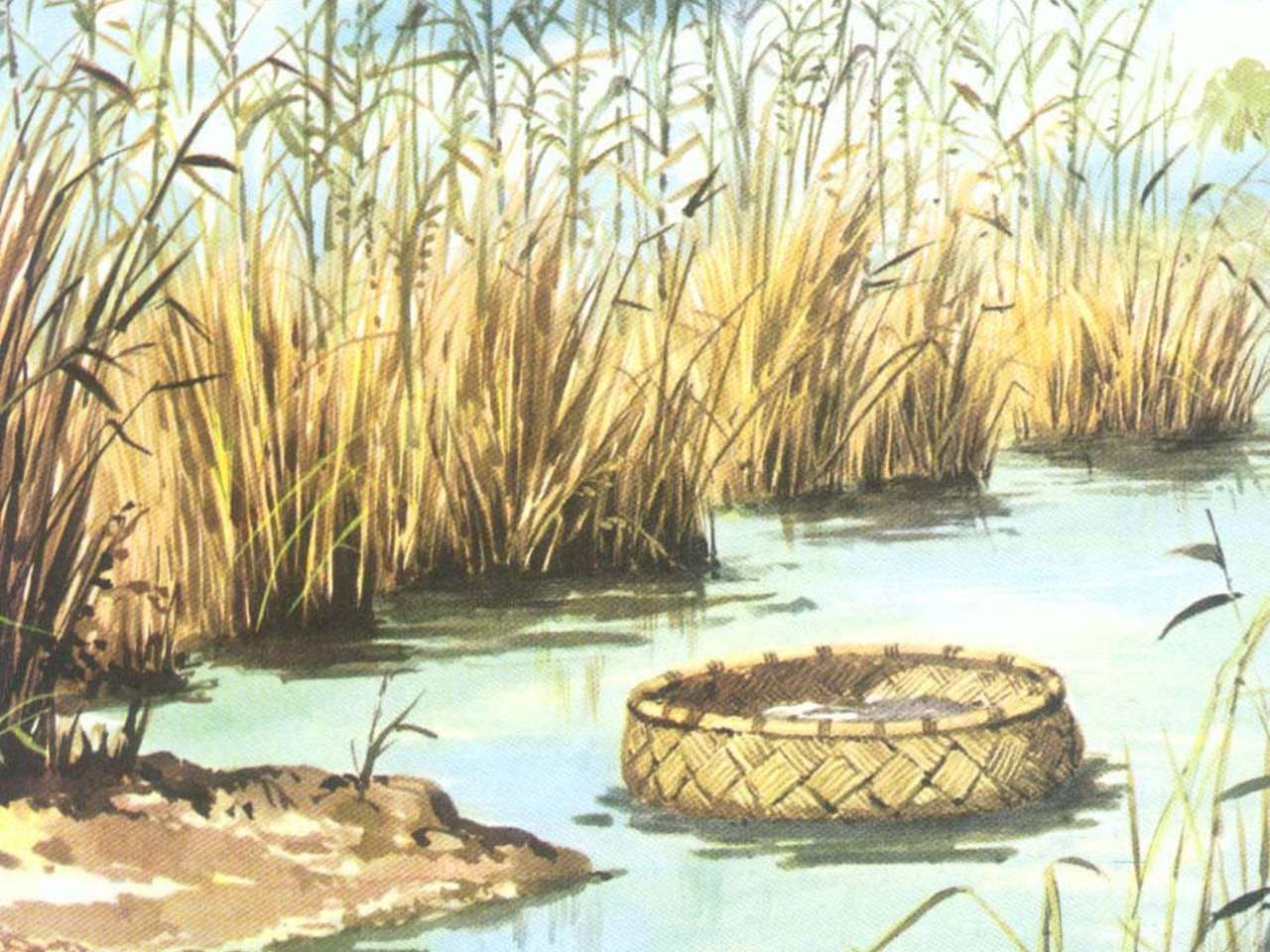
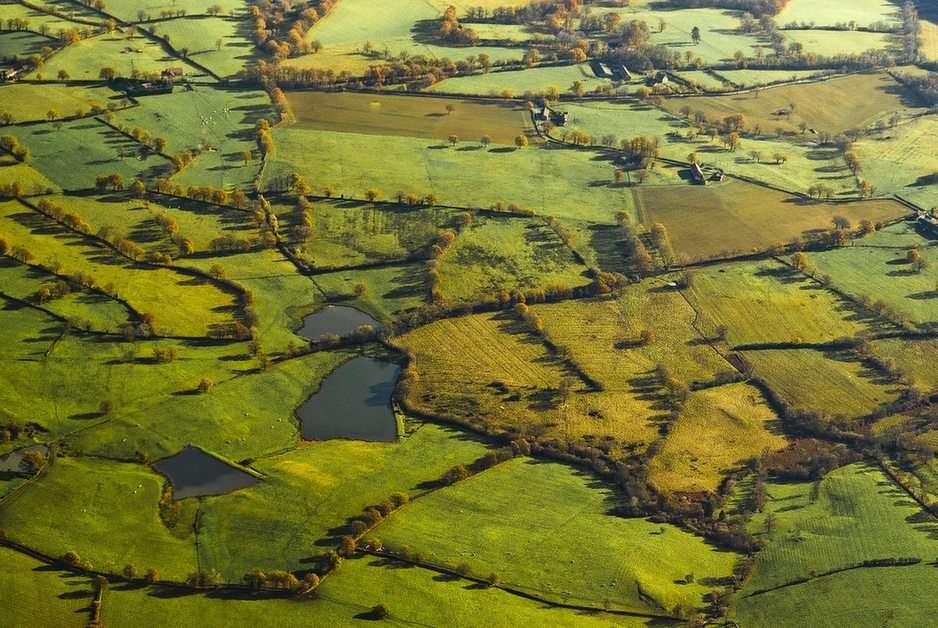
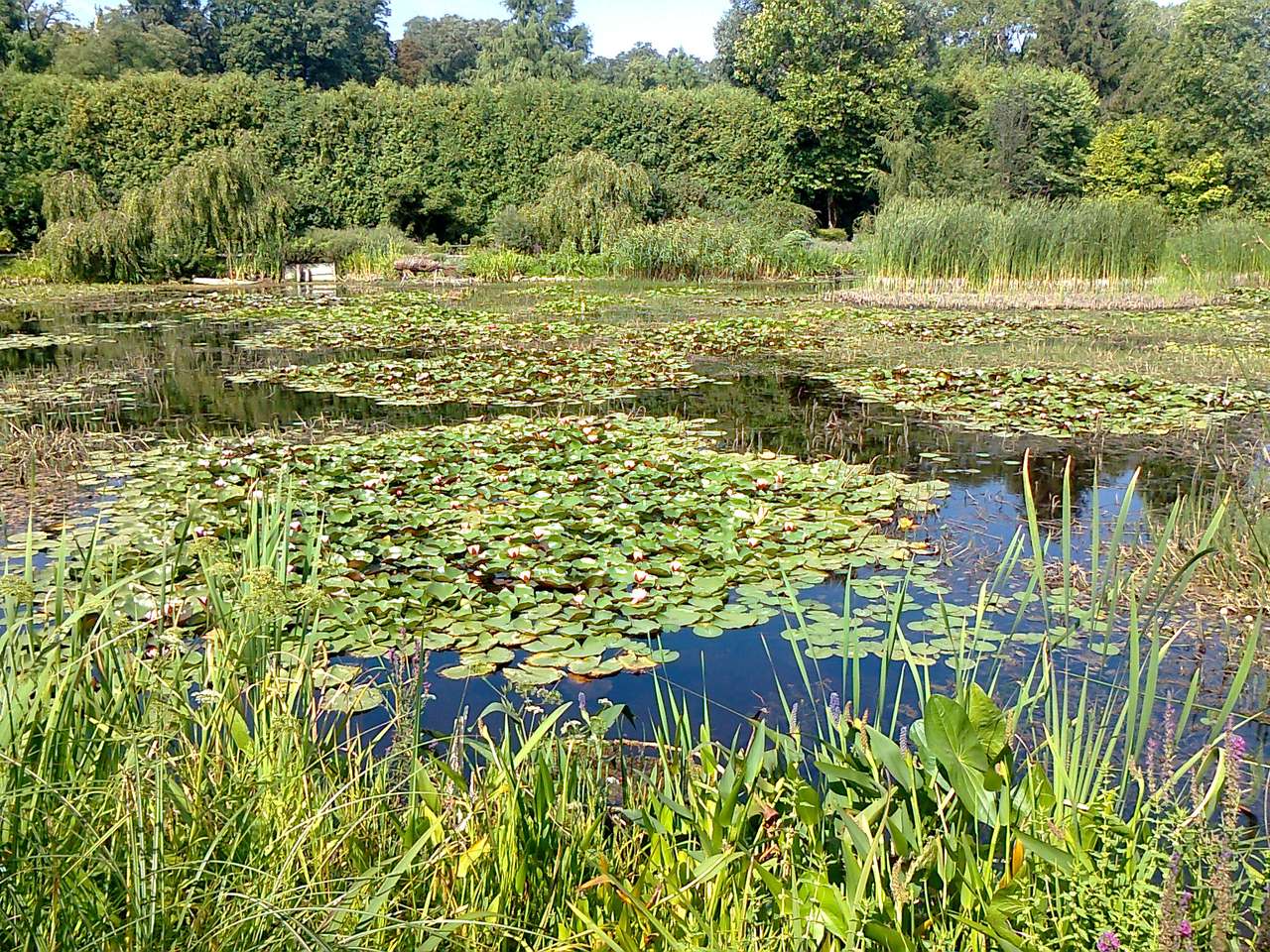
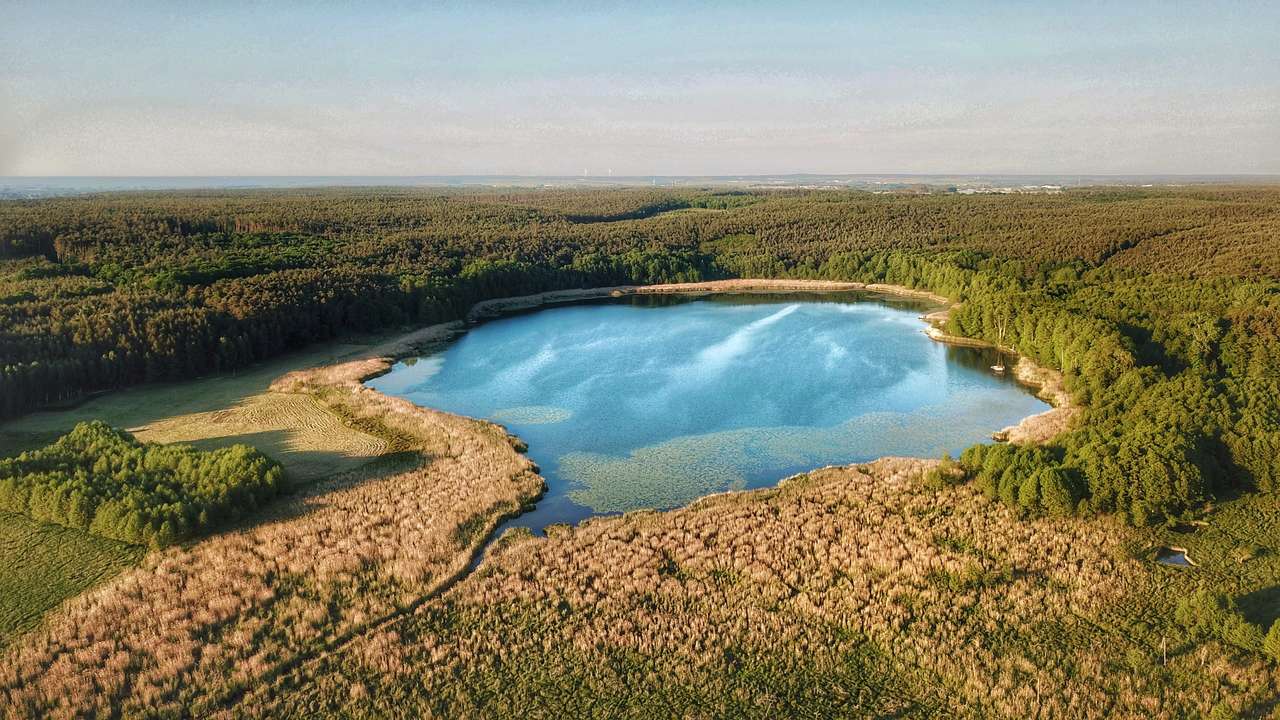
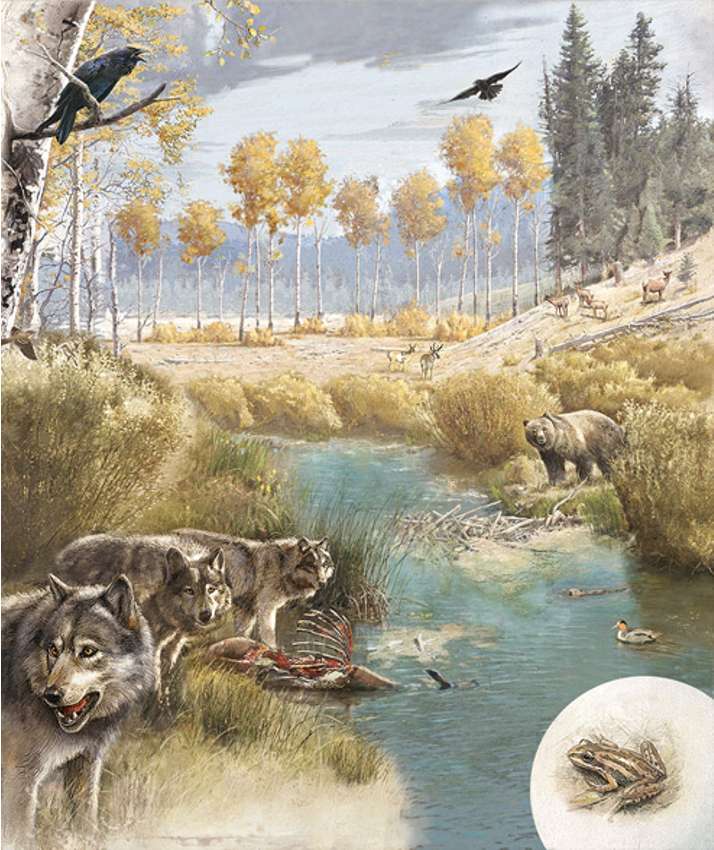
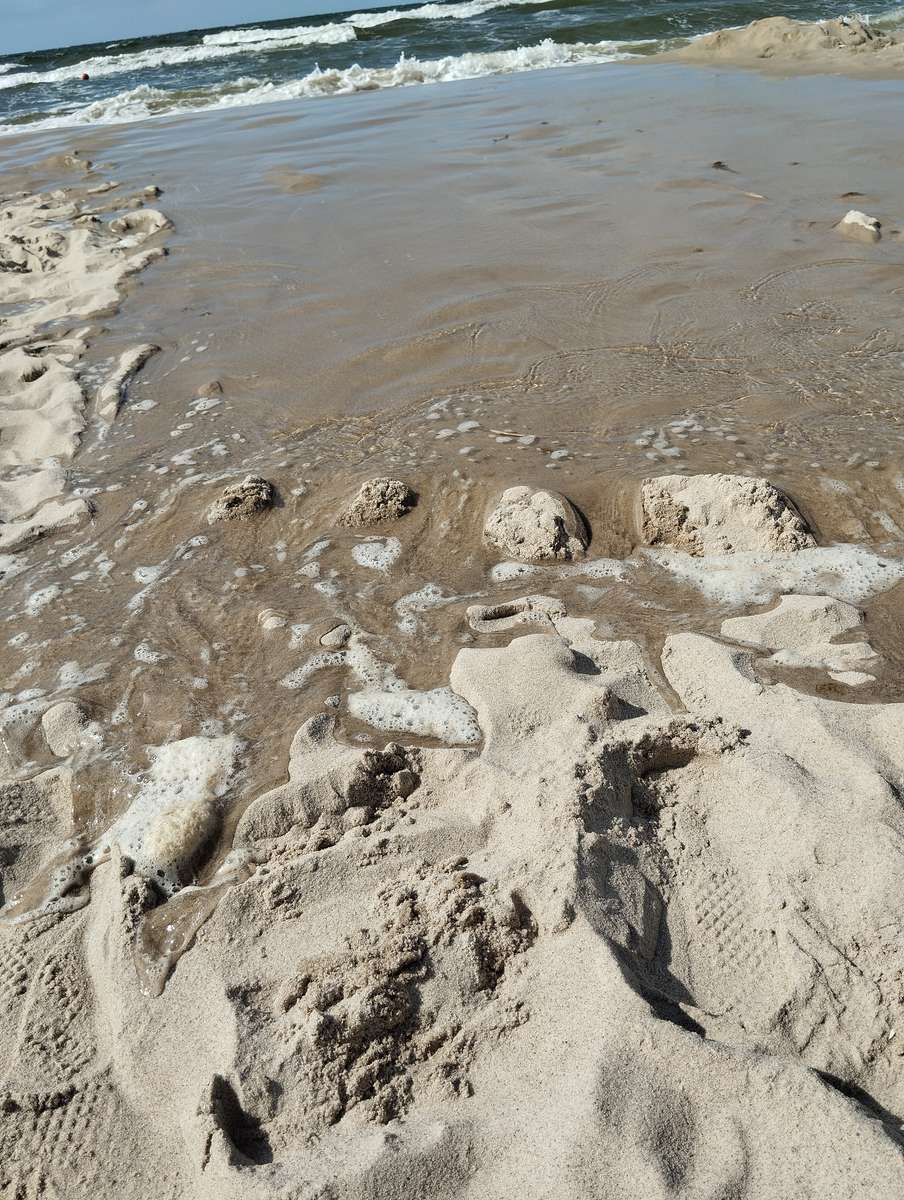
Wetlands, or simply a wetland, is a distinct ecosystem that is flooded or saturated by water, either permanently (for years or decades) or seasonally (for weeks or months). Flooding results in oxygen-free (anoxic) processes prevailing, especially in the soils. The primary factor that distinguishes wetlands from terrestrial land forms or water bodies is the characteristic vegetation of aquatic plants, adapted to the unique anoxic hydric soils. Wetlands are considered among the most biologically diverse of all ecosystems, serving as home to a wide range of plant and animal species. Methods for assessing wetland functions, wetland ecological health, and general wetland condition have been developed for many regions of the world. These methods have contributed to wetland conservation partly by raising public awareness of the functions some wetlands provide.Wetlands occur naturally on every continent. The water in wetlands is either freshwater, brackish or saltwater. The main wetland types are classified based on the dominant plants and/or the source of the water. For example, marshes are wetlands dominated by emergent vegetation such as reeds, cattails and sedges; swamps are ones dominated by woody vegetation such as trees and shrubs (although reed swamps in Europe are dominated by reeds, not trees). Examples of wetlands classified by their sources of water include tidal wetlands (oceanic tides), estuaries (mixed tidal and river waters), floodplains (excess water from overflowed rivers or lakes), springs, seeps and fens (groundwater discharge out onto the surface), and bogs and vernal ponds (rainfall or meltwater). Some wetlands have multiple types of plants and are fed by multiple sources of water, making them difficult to classify. The world's largest wetlands include the Amazon River basin, the West Siberian Plain, the Pantanal in South America, and the Sundarbans in the Ganges-Brahmaputra delta.Wetlands contribute a number of functions that benefit people. These are called ecosystem services and include water purification, groundwater replenishment, stabilization of shorelines and storm protection, water storage and flood control, processing of carbon (carbon fixation, decomposition and sequestration), other nutrients and pollutants, and support of plants and animals. Wetlands are reservoirs of biodiversity and provide wetland products. According to the UN Millennium Ecosystem Assessment, wetlands are more affected by environmental degradation than any other ecosystem on Earth. Wetlands can be important sources and sinks of carbon, depending on the specific wetland, and thus will play an important role in climate change and need to be considered in attempts to mitigate climate change. However, some wetlands are a significant source of methane emissions and some are also emitters of nitrous oxide. Constructed wetlands are designed and built to treat municipal and industrial wastewater as well as to divert stormwater runoff. Constructed wetlands may also play a role in water-sensitive urban design.