Architecture - Clock - online puzzles
Gate to Lady Bhudha online puzzle
48Gate to Lady Bhudhasolved 25 times
Solve puzzle
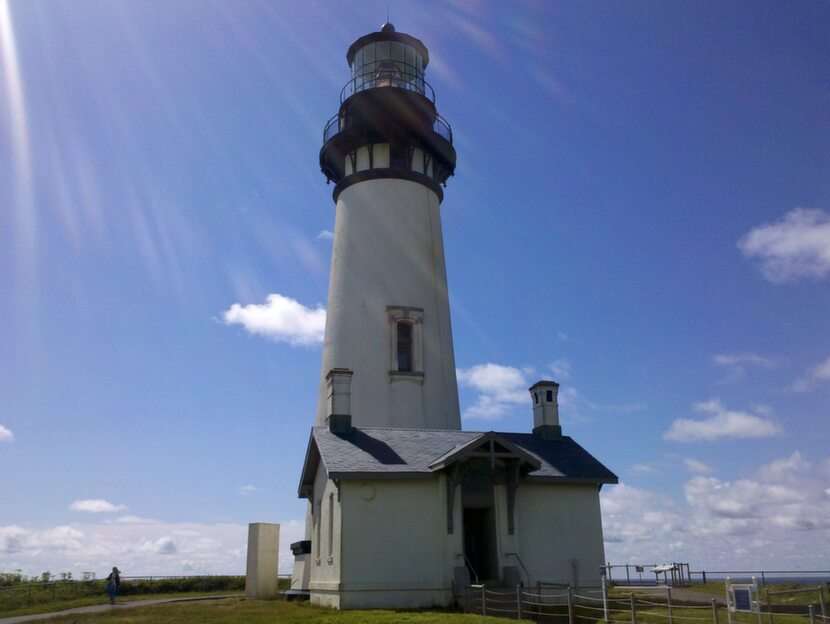
Lighthouse online puzzle
80Lighthousesolved 25 times

Solve puzzle
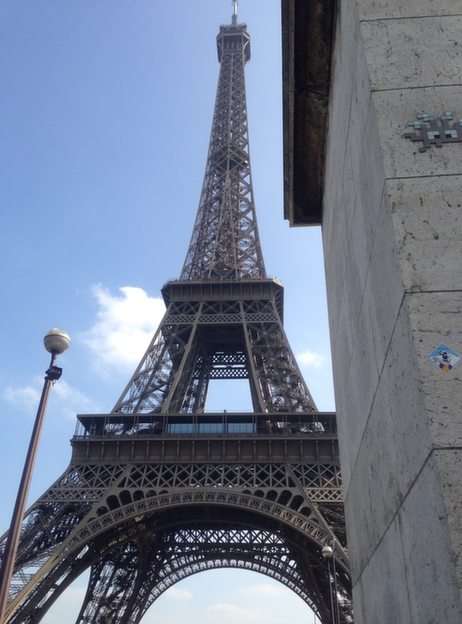
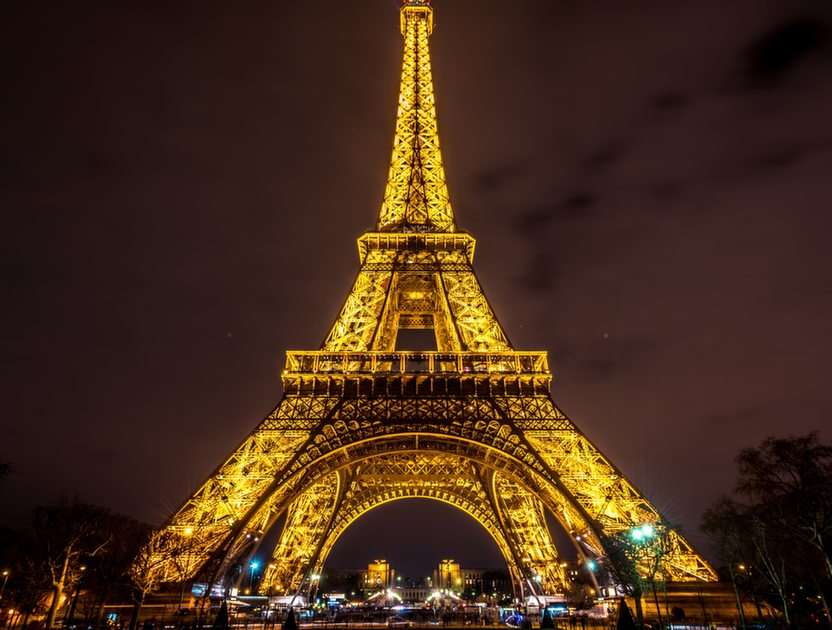
Eiffel for You online puzzle
48Eiffel for Yousolved 24 times
Solve puzzle
mea 1 online puzzle
20mea 1solved 24 times
Solve puzzle
Route 66 online puzzle
130Route 66solved 24 times
Solve puzzle
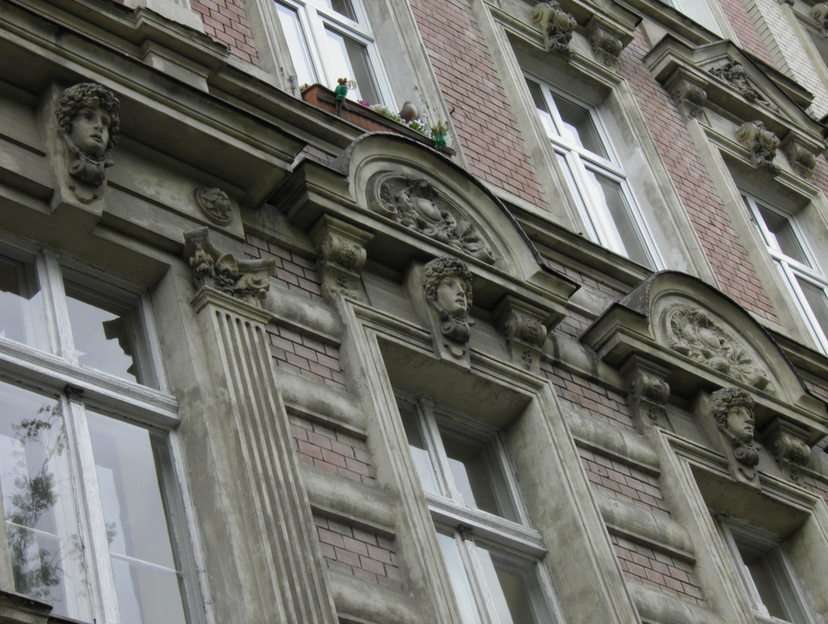
windows puzzle online from photo
144windowssolved 23 times
Solve puzzle
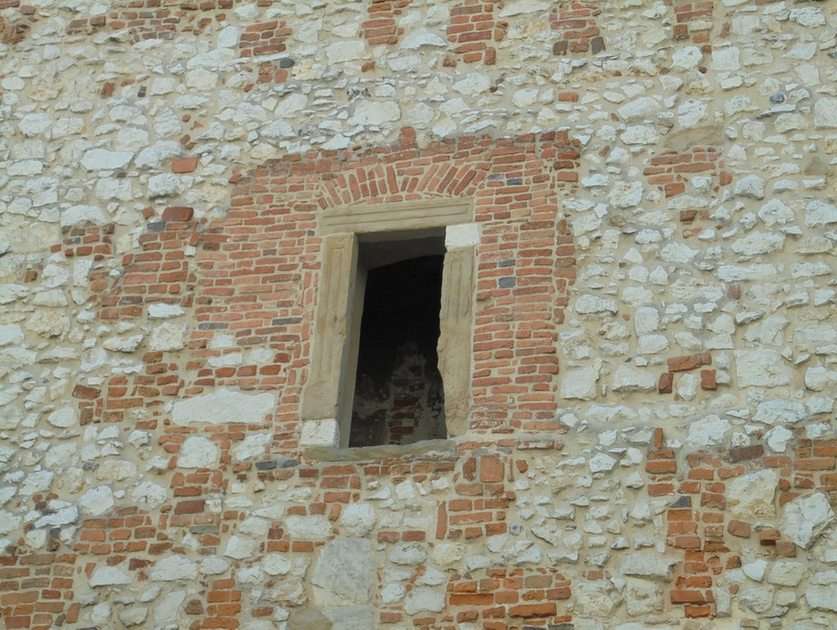
Window puzzle online from photo
63Windowsolved 23 times
Solve puzzle
dusk puzzle online from photo
240dusksolved 23 times
Solve puzzle
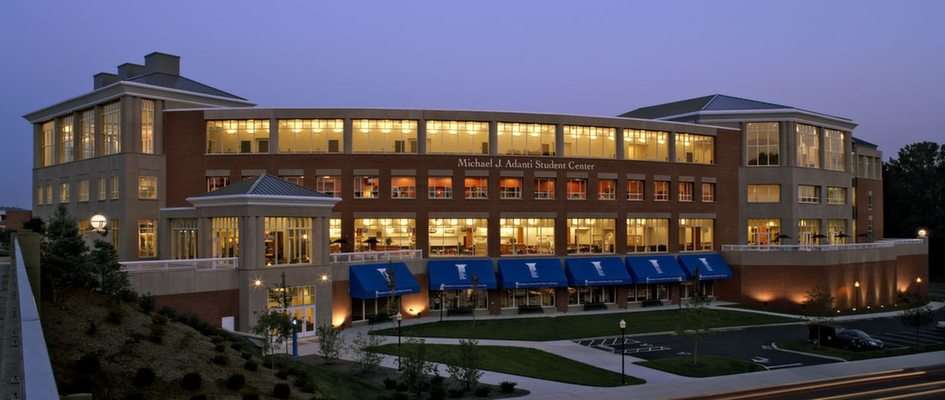
uhall online puzzle
81uhallsolved 23 times
Solve puzzle
Jigsaw Puzzle puzzle online from photo
78Jigsaw Puzzlesolved 23 times
Solve puzzle
Cambridge puzzle online from photo
48Cambridgesolved 23 times
Solve puzzle
Heaslip House online puzzle
48Heaslip Housesolved 23 times
Solve puzzle
Clocktower puzzle online from photo
48Clocktowersolved 23 times
Solve puzzle
Four Seasons Kuala Lumpur online puzzle
48Four Seasons Kuala Lumpursolved 23 times
Solve puzzle
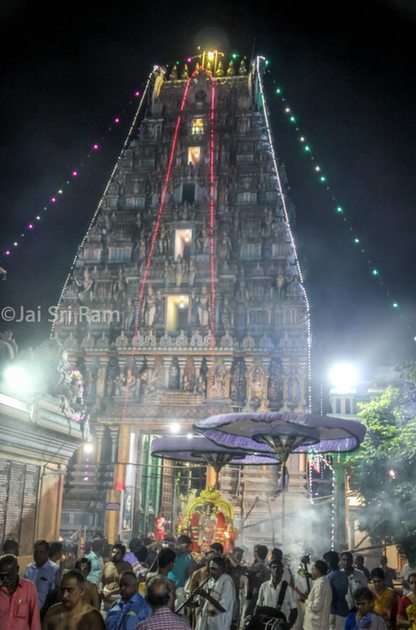
Temple online puzzle
48Templesolved 23 times
Solve puzzle
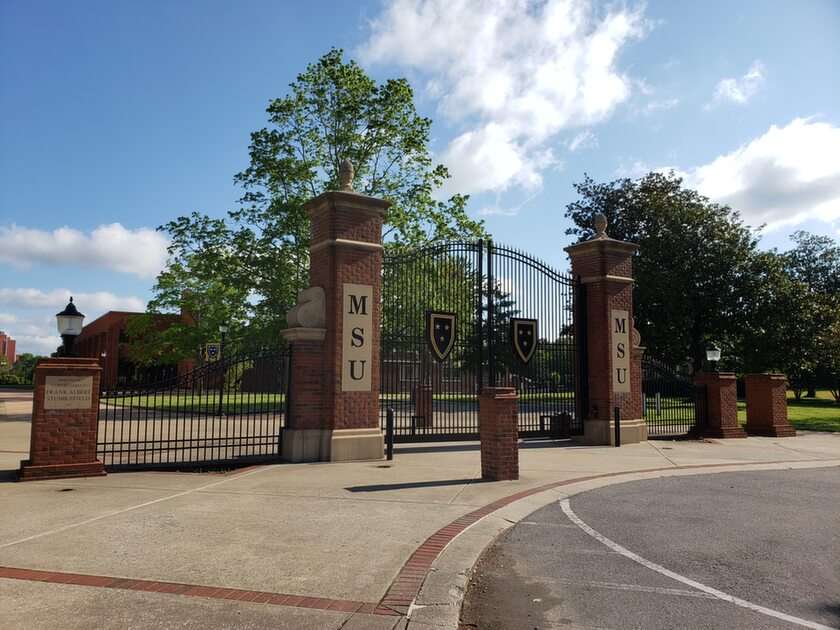
The Gates puzzle online from photo
50The Gatessolved 23 times
Solve puzzle
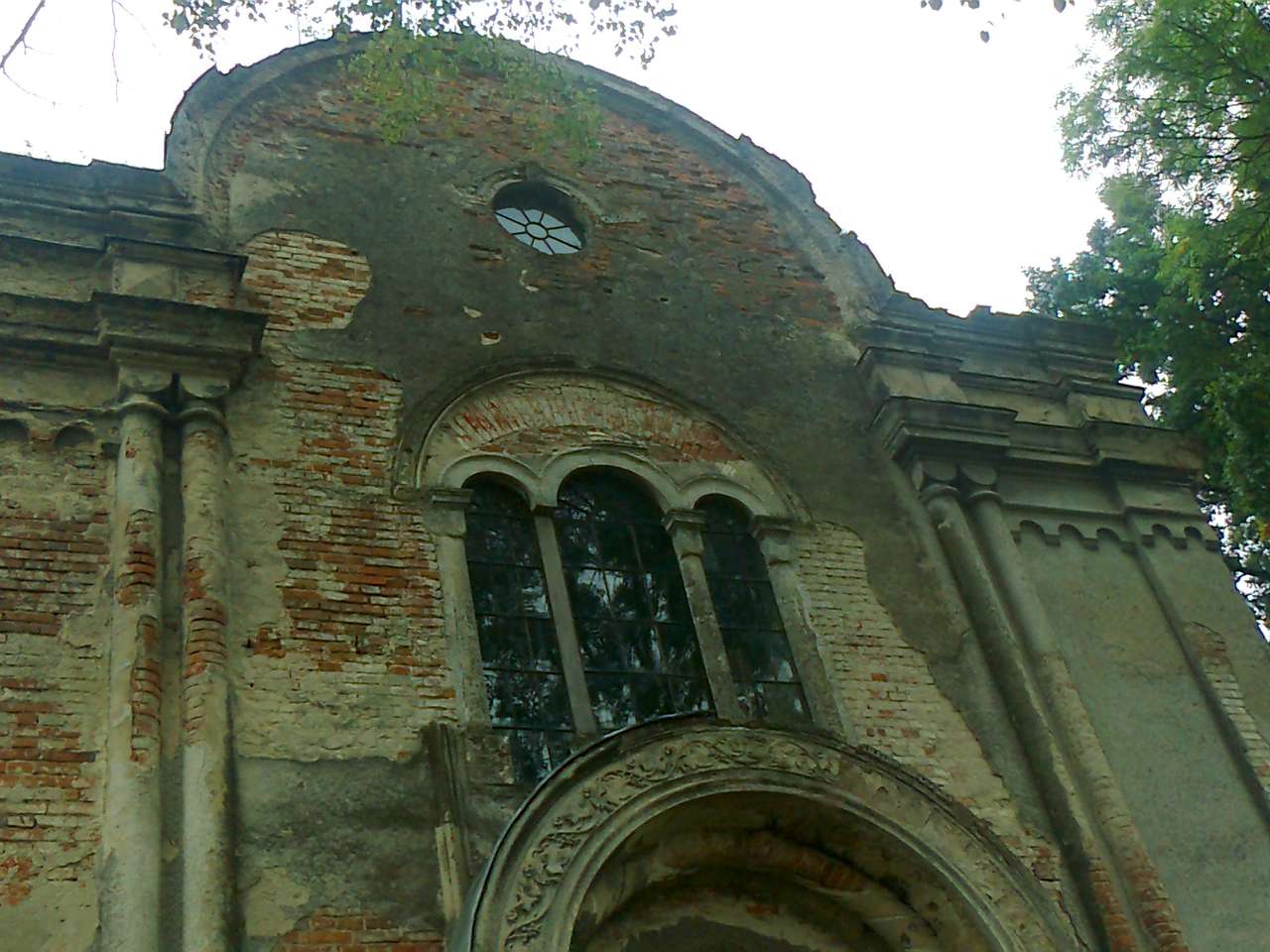
Orthodox church in Stary Dzików online puzzle
154Orthodox church in Stary Dzikówsolved 23 times
Solve puzzle
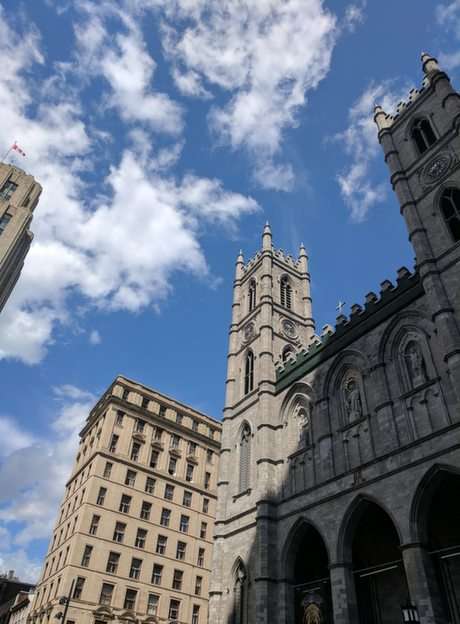
Notre Dame Basicillica Montreal online puzzle
120Notre Dame Basicillica Montrealsolved 22 times
Solve puzzle
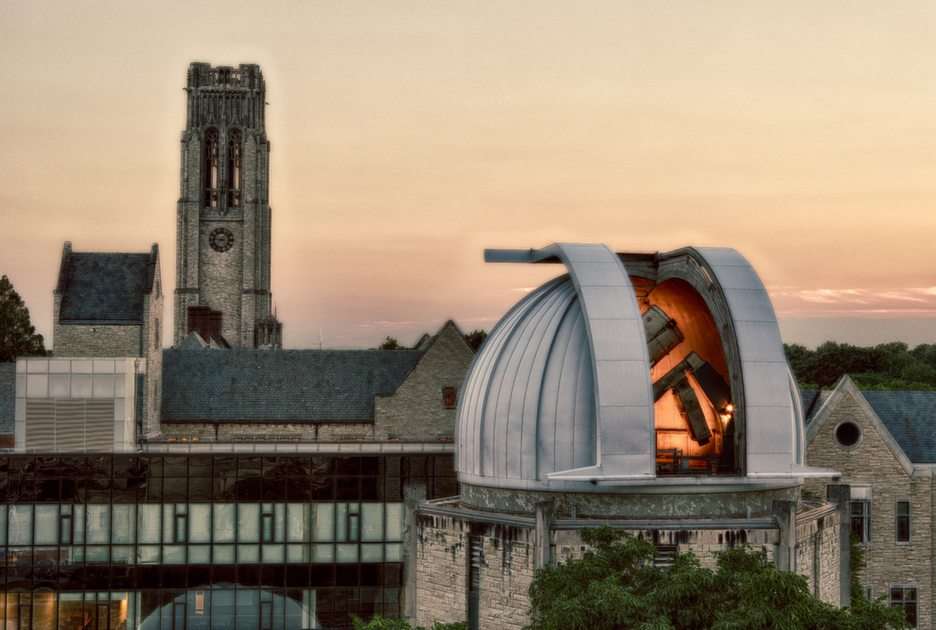
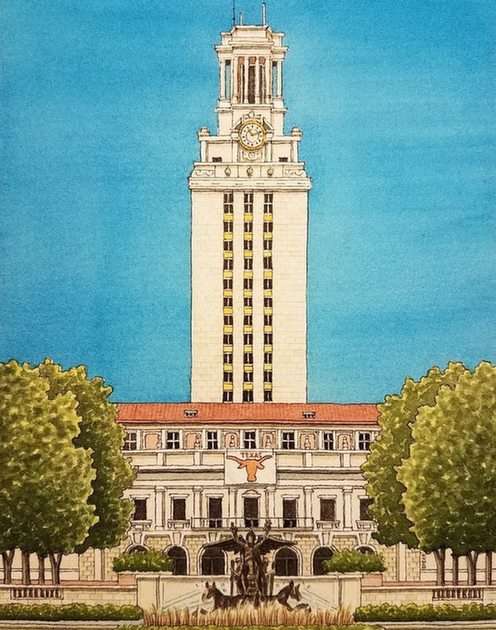
UT Tower puzzle online from photo
48UT Towersolved 22 times
Solve puzzle
Temple puzzle online from photo
36Templesolved 22 times
Solve puzzle
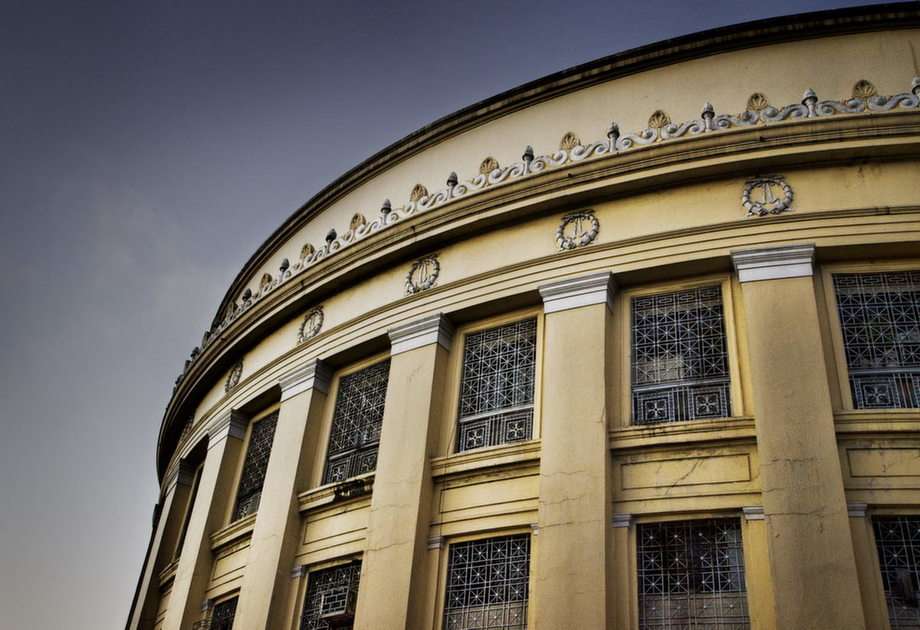
MANILA POST OFFICE online puzzle
88MANILA POST OFFICEsolved 21 times
Solve puzzle
gimnazija online puzzle
88gimnazijasolved 21 times
Solve puzzle
Clue 1 online puzzle
48Clue 1solved 21 times
Solve puzzle
Camp puzzle online from photo
49Campsolved 21 times
Solve puzzle
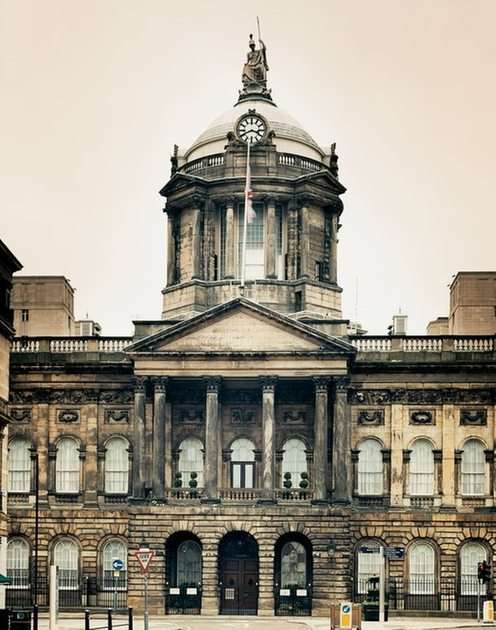
liverpool town hall puzzle online from photo
48liverpool town hallsolved 21 times
Solve puzzle
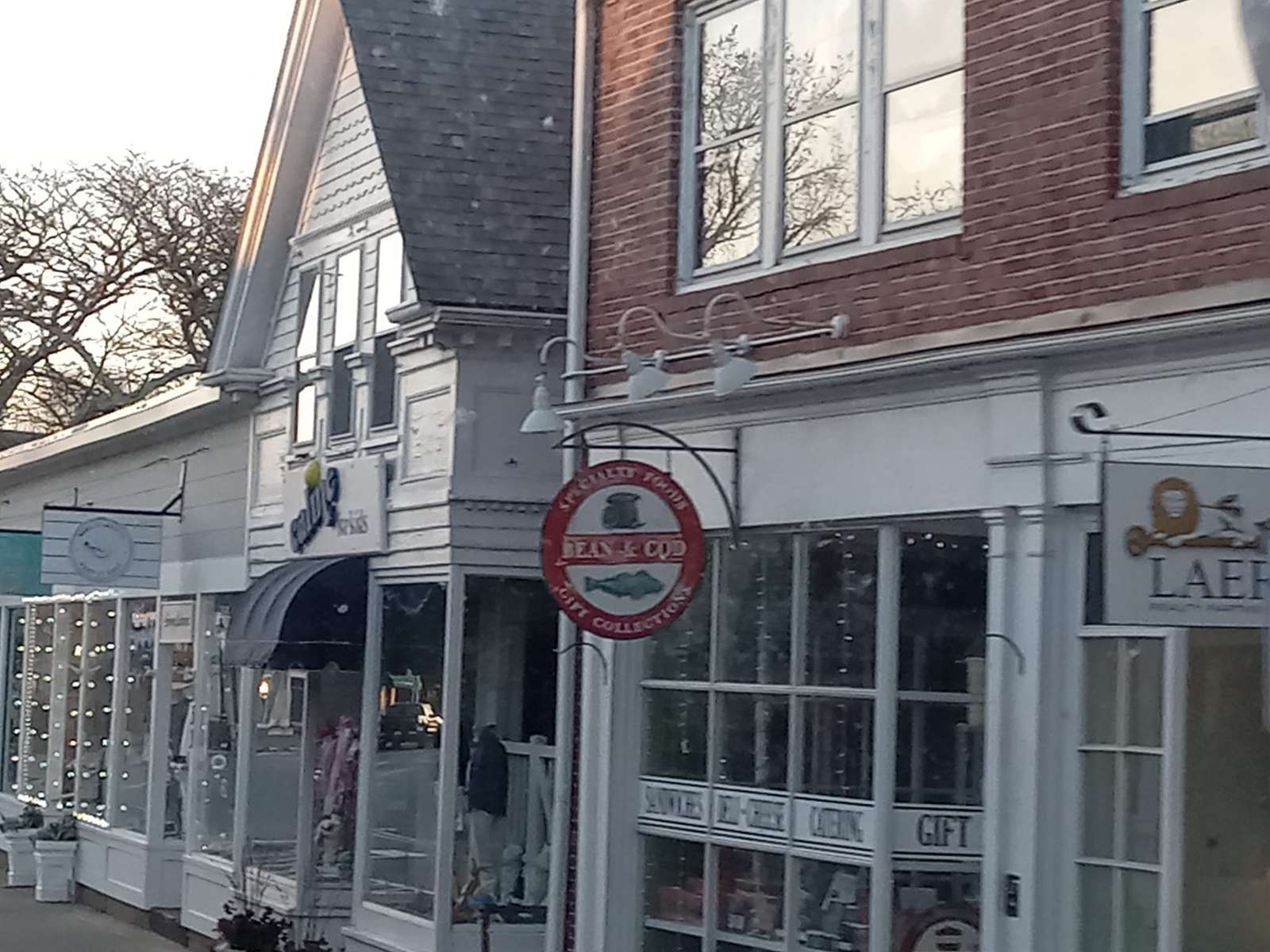
cape cod shops puzzle online from photo
154cape cod shopssolved 21 times
Solve puzzle
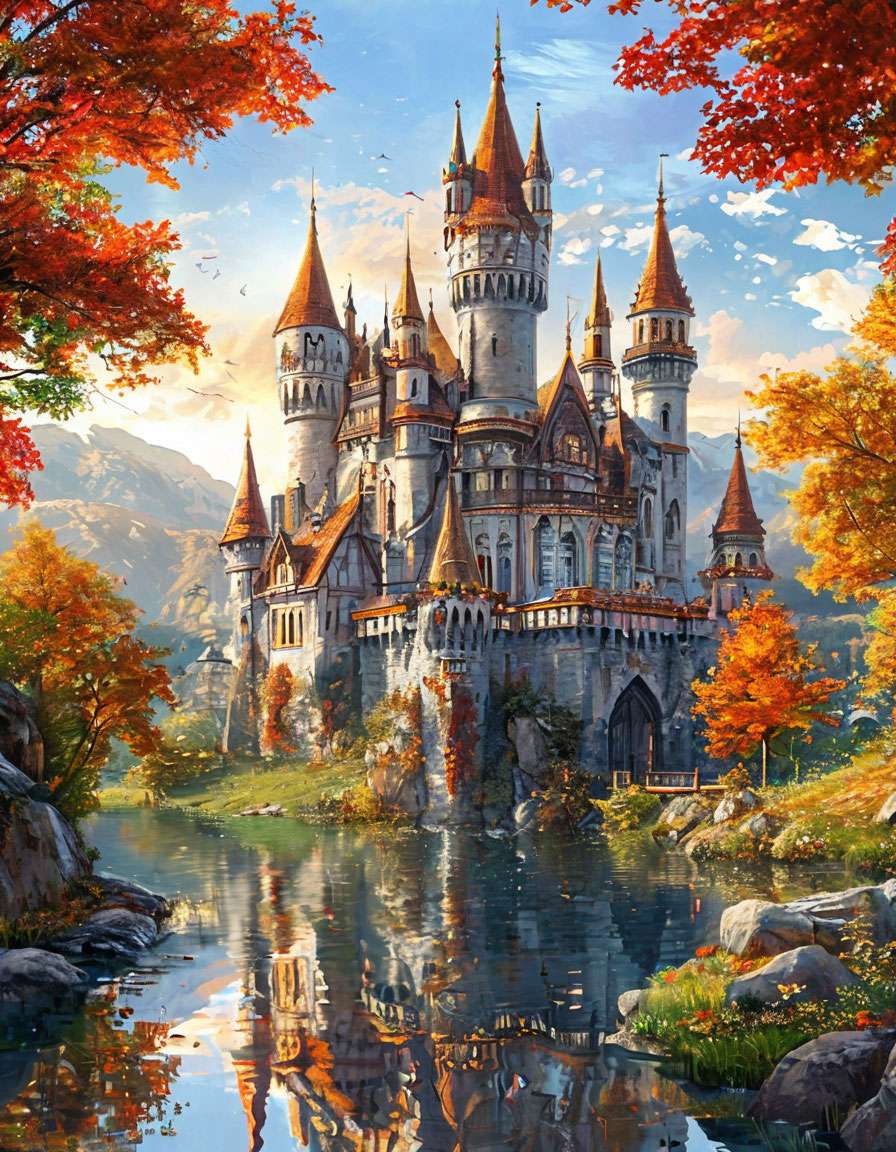
Fairytale castle puzzle online from photo
221Fairytale castlesolved 21 times
Solve puzzle
Cry of balintawak online puzzle
56Cry of balintawaksolved 20 times
Solve puzzle
Town puzzle online from photo
285Townsolved 20 times
Solve puzzle
eiffel online puzzle
48eiffelsolved 20 times
Solve puzzle
Prague online puzzle
48Praguesolved 20 times
Solve puzzle
Swaminarayan Akshardham online puzzle
24Swaminarayan Akshardhamsolved 20 times
Solve puzzle
Old Town puzzle online from photo
96Old Townsolved 20 times
Solve puzzle
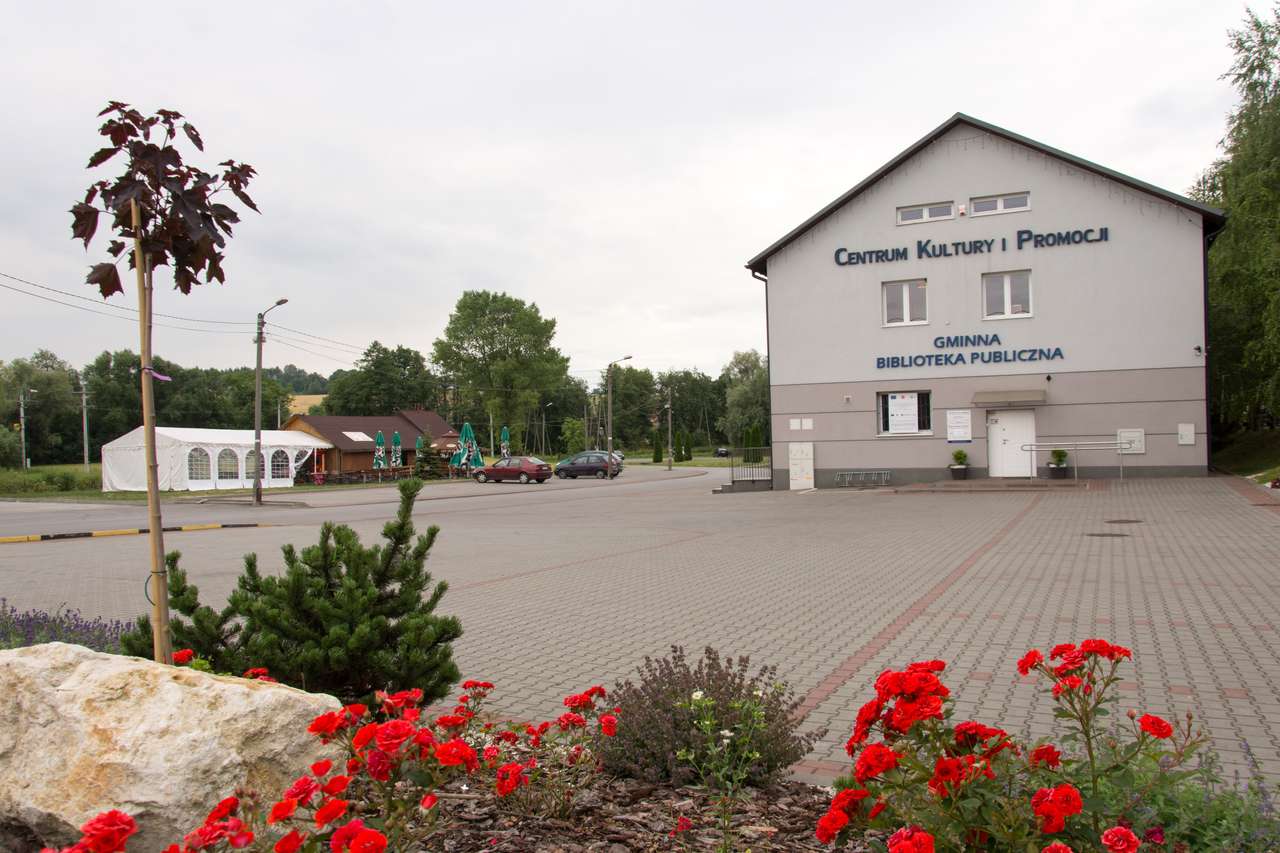
Cultural Center online puzzle
216Cultural Centersolved 20 times
Solve puzzle
CREATIVE online puzzle
121CREATIVEsolved 20 times
Solve puzzle
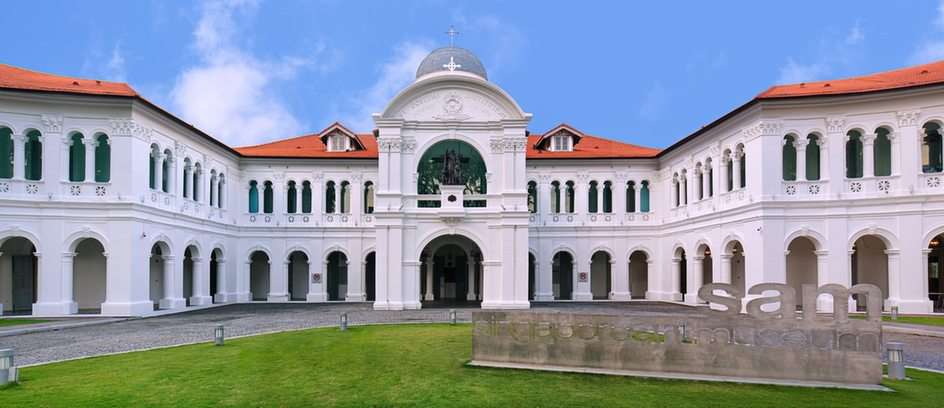
Singapore Art Museum online puzzle
48Singapore Art Museumsolved 19 times
Solve puzzle
Soy de Sucre online puzzle
25Soy de Sucresolved 19 times
Solve puzzle
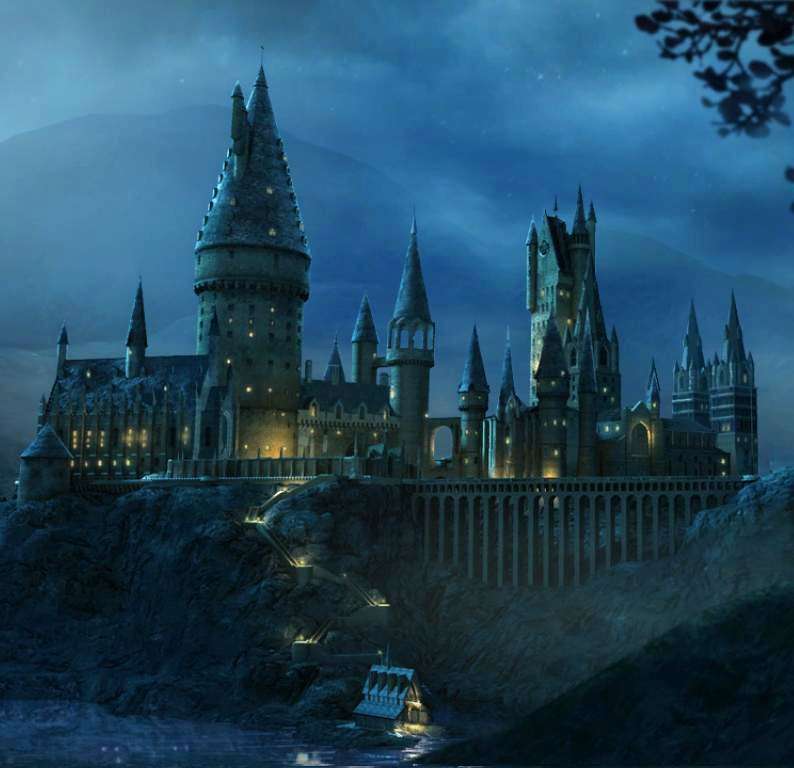
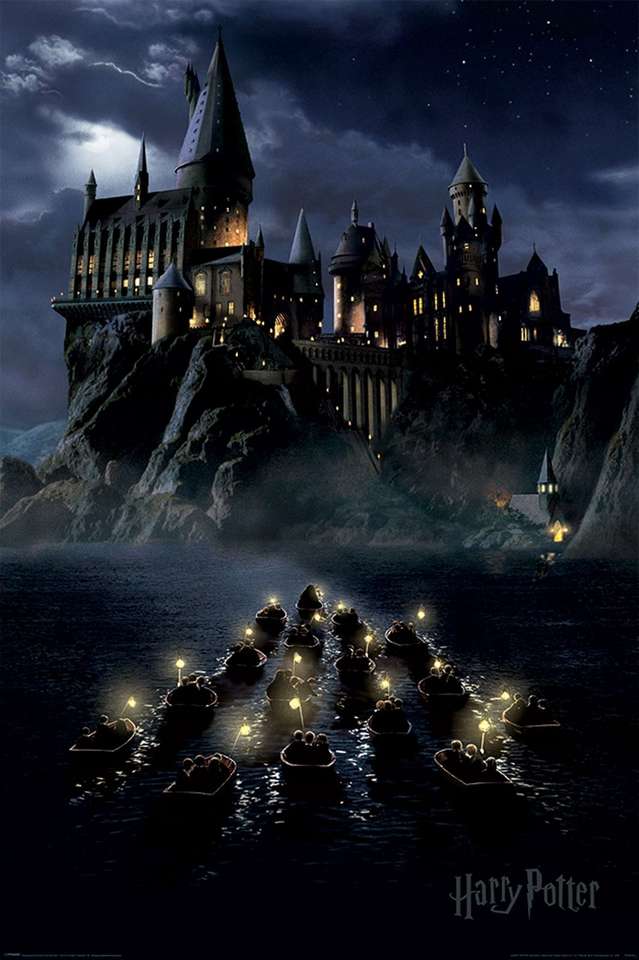
Hogwarts1 puzzle online from photo
81Hogwarts1solved 19 times
Solve puzzle
Hogwart - Harry Potter online puzzle
104Hogwart - Harry Pottersolved 19 times
Solve puzzle
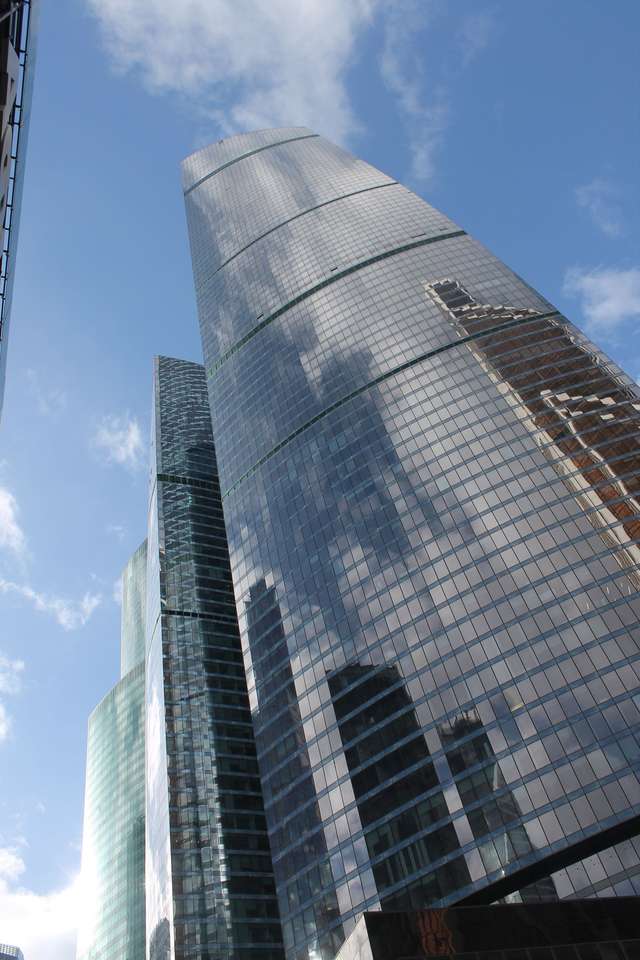
High building puzzle online from photo
126High buildingsolved 19 times
Solve puzzle
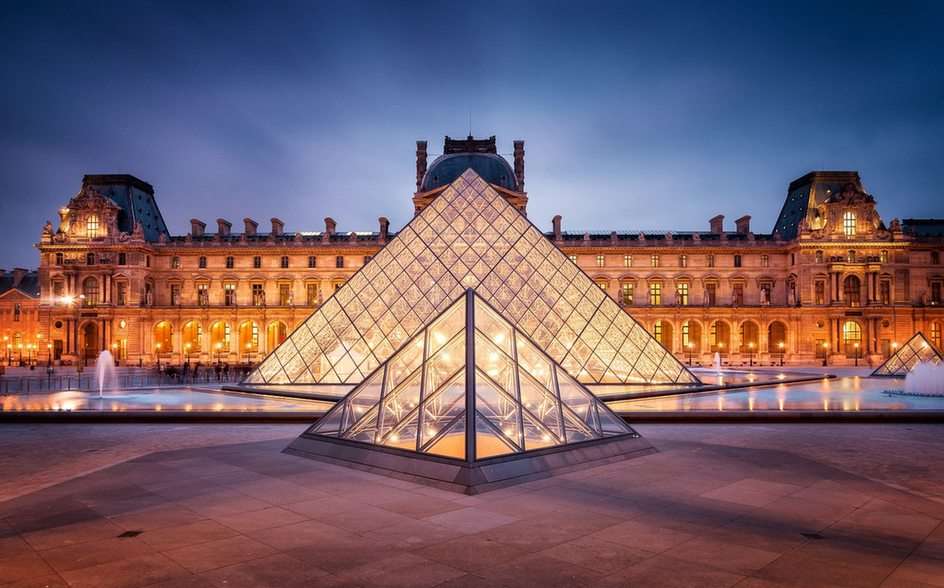
louvre puzzle online from photo
48louvresolved 18 times
Solve puzzle
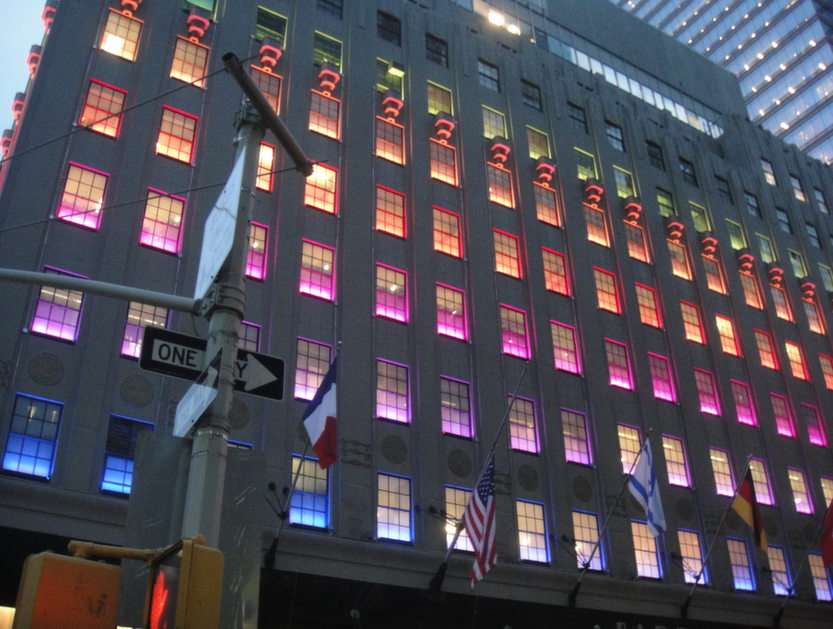
Rainbow Windows in NYC puzzle online from photo
289Rainbow Windows in NYCsolved 17 times
Solve puzzle
mock test online puzzle
20mock testsolved 17 times
Solve puzzle
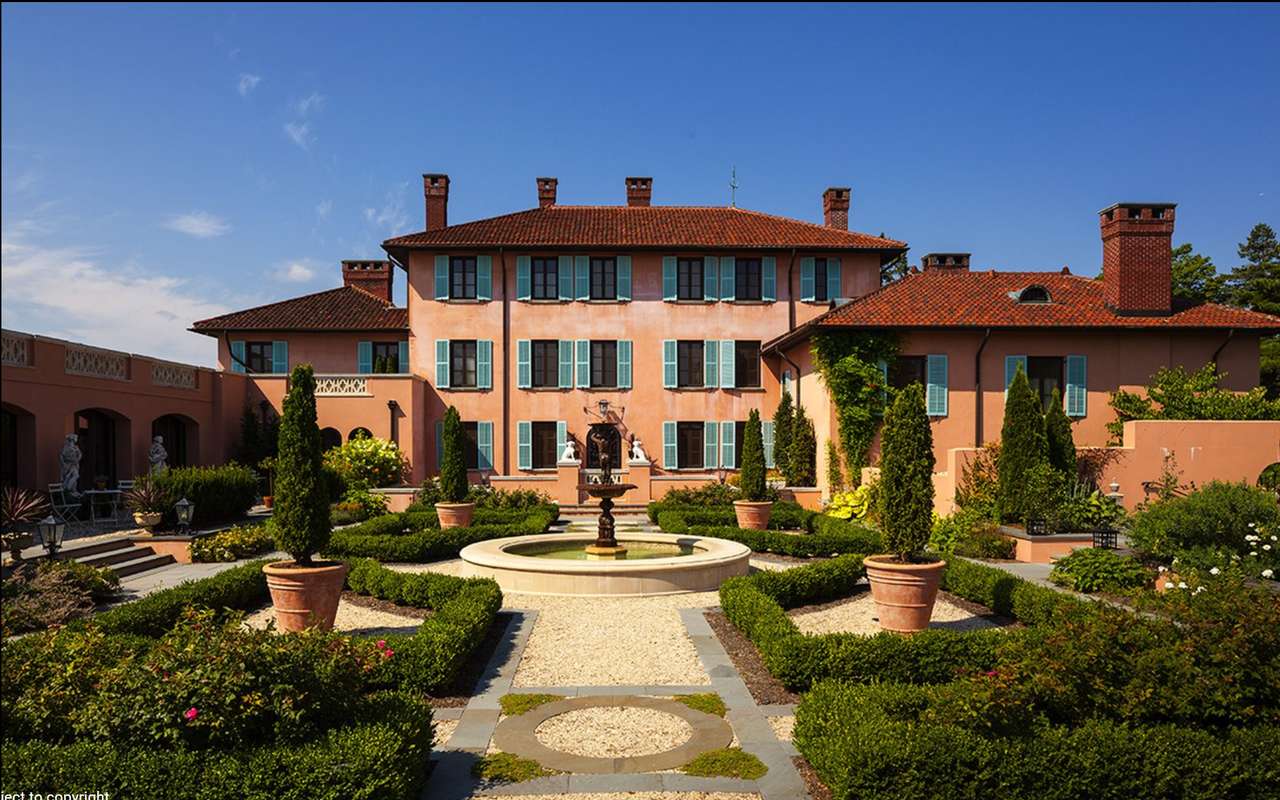
Glenmere online puzzle
126Glenmeresolved 17 times
Solve puzzle
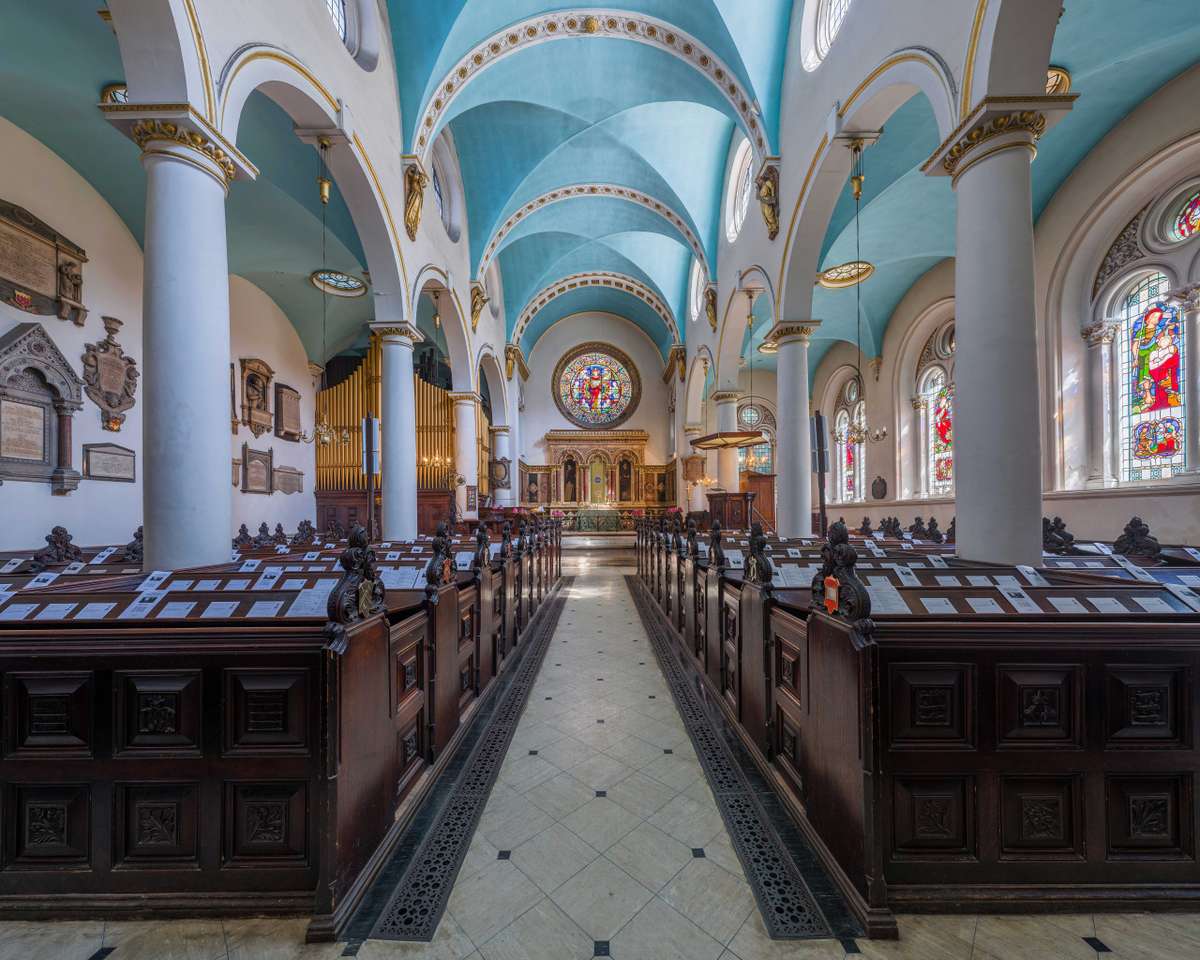
St Michael • Church Interior online puzzle
180St Michael • Church Interiorsolved 17 times
Solve puzzle
white kovel puzzle online from photo
126white kovelsolved 17 times
Solve puzzle
arquitetura puzzle online from photo
108arquiteturasolved 16 times
Solve puzzle
twin tower puzzle online from photo
25twin towersolved 16 times
Solve puzzle

Online puzzle Clock

Clock

A clock, or a timepiece, is a device used to measure and indicate time. The clock is one of the oldest human inventions, meeting the need to measure intervals of time shorter than the natural units such as the day, the lunar month, and the year. Devices operating on several physical processes have been used over the millennia.

Some predecessors to the modern clock may be considered "clocks" that are based on movement in nature: A sundial shows the time by displaying the position of a shadow on a flat surface. There is a range of duration timers, a well-known example being the hourglass. Water clocks, along with sundials, are possibly the oldest time-measuring instruments. A major advance occurred with the invention of the verge escapement, which made possible the first mechanical clocks around 1300 in Europe, which kept time with oscillating timekeepers like balance wheels.Traditionally, in horology (the study of timekeeping), the term clock was used for a striking clock, while a clock that did not strike the hours audibly was called a timepiece. This distinction is no longer made. Watches and other timepieces that can be carried on one's person are usually not referred to as clocks. Spring-driven clocks appeared during the 15th century. During the 15th and 16th centuries, clockmaking flourished. The next development in accuracy occurred after 1656 with the invention of the pendulum clock by Christiaan Huygens. A major stimulus to improving the accuracy and reliability of clocks was the importance of precise time-keeping for navigation. The mechanism of a timepiece with a series of gears driven by a spring or weights is referred to as clockwork; the term is used by extension for a similar mechanism not used in a timepiece. The electric clock was patented in 1840, and electronic clocks were introduced in the 20th century, becoming widespread with the development of small battery-powered semiconductor devices.

The timekeeping element in every modern clock is a harmonic oscillator, a physical object (resonator) that vibrates or oscillates at a particular frequency.

This object can be a pendulum, a tuning fork, a quartz crystal, or the vibration of electrons in atoms as they emit microwaves, the last of which is so precise that it serves as the definition of the second.

Clocks have different ways of displaying the time. Analog clocks indicate time with a traditional clock face and moving hands. Digital clocks display a numeric representation of time. Two numbering systems are in use: 12-hour time notation and 24-hour notation. Most digital clocks use electronic mechanisms and LCD, LED, or VFD displays. For the blind and for use over telephones, speaking clocks state the time audibly in words. There are also clocks for the blind that have displays that can be read by touch.