Amphibian - online puzzles
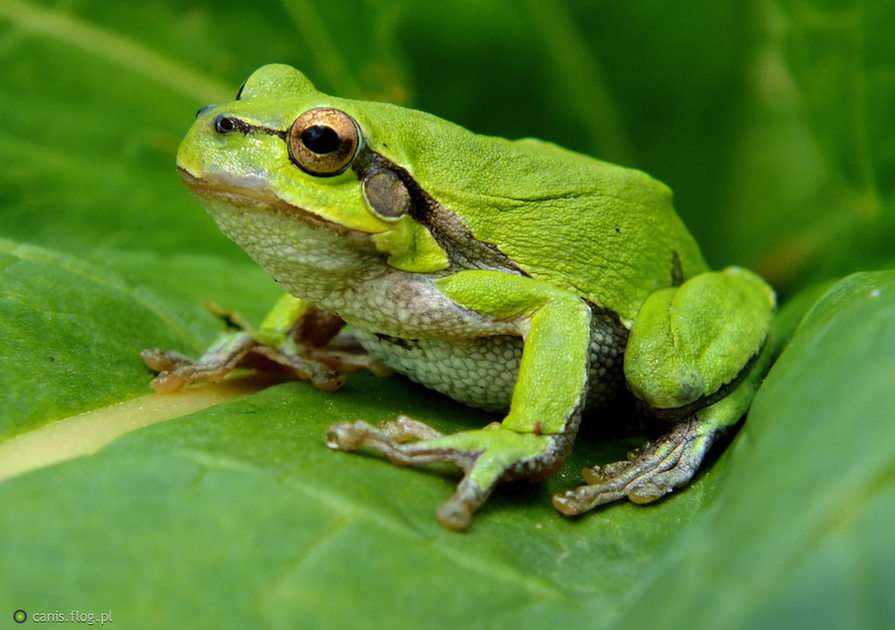
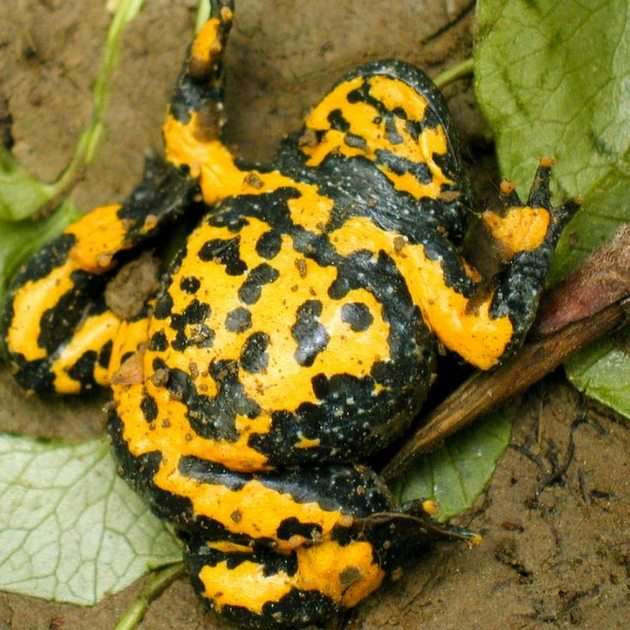
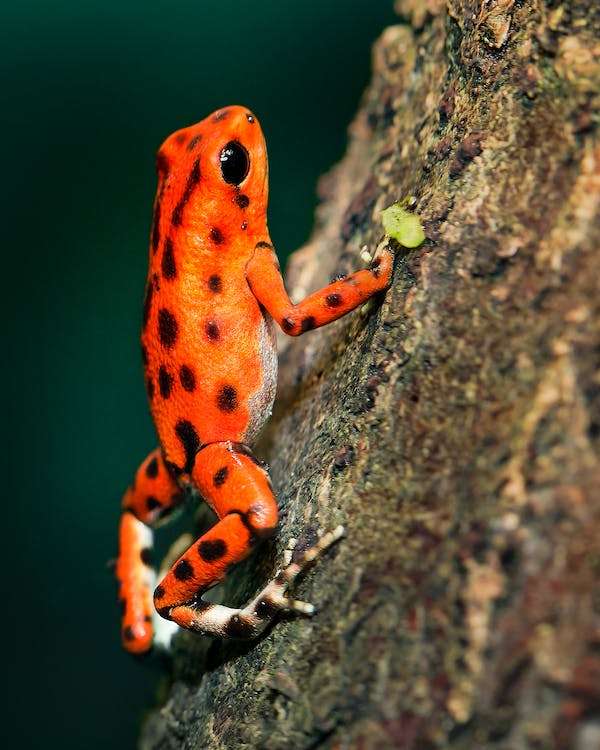
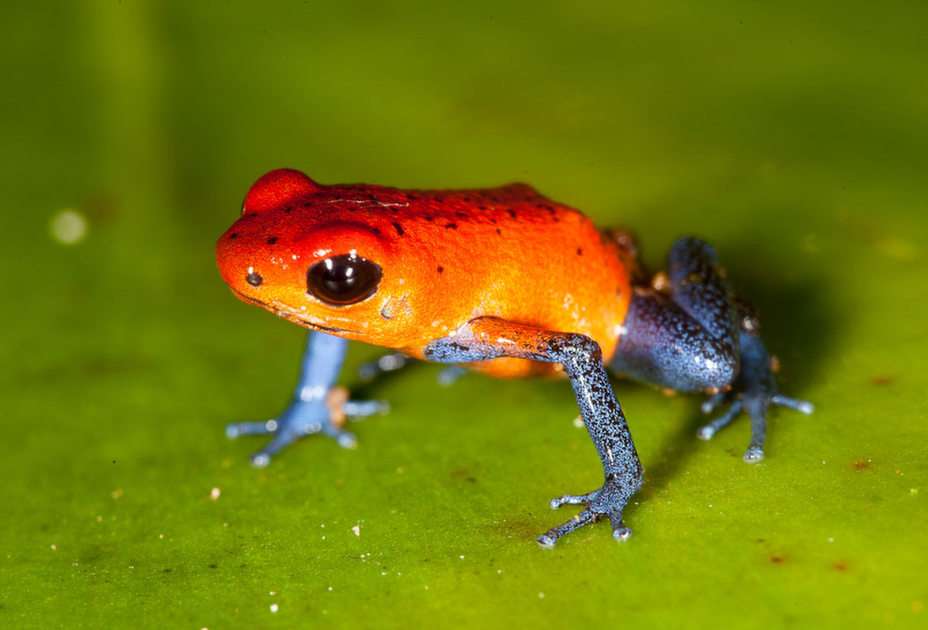
orange frog online puzzle
20orange frogsolved 230 times
Solve puzzle
frog puzzle online from photo
48frogsolved 203 times
Solve puzzle
frog puzzle online from photo
64frogsolved 185 times
Solve puzzle
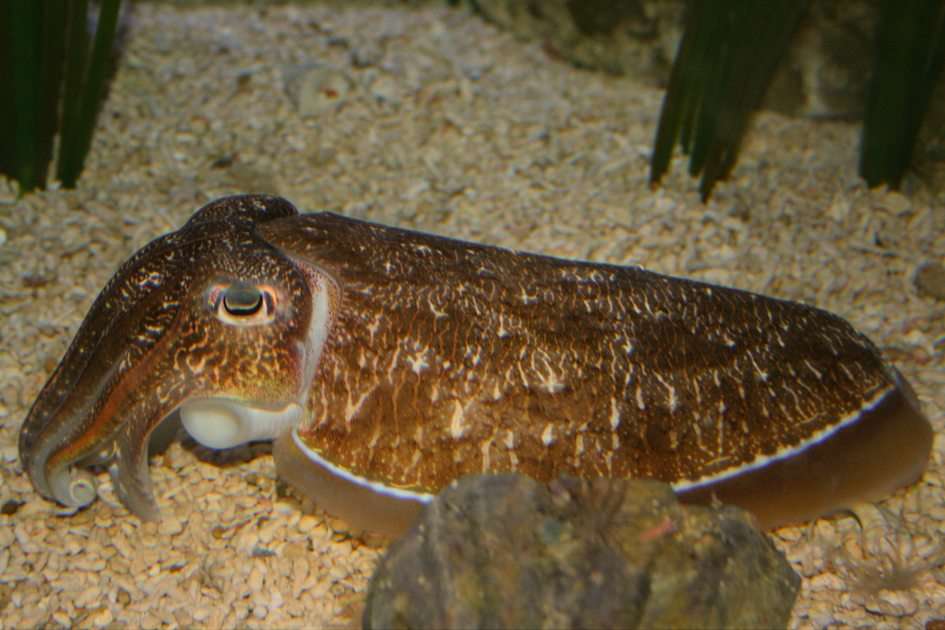
cuttlefish online puzzle
15cuttlefishsolved 177 times
Solve puzzle
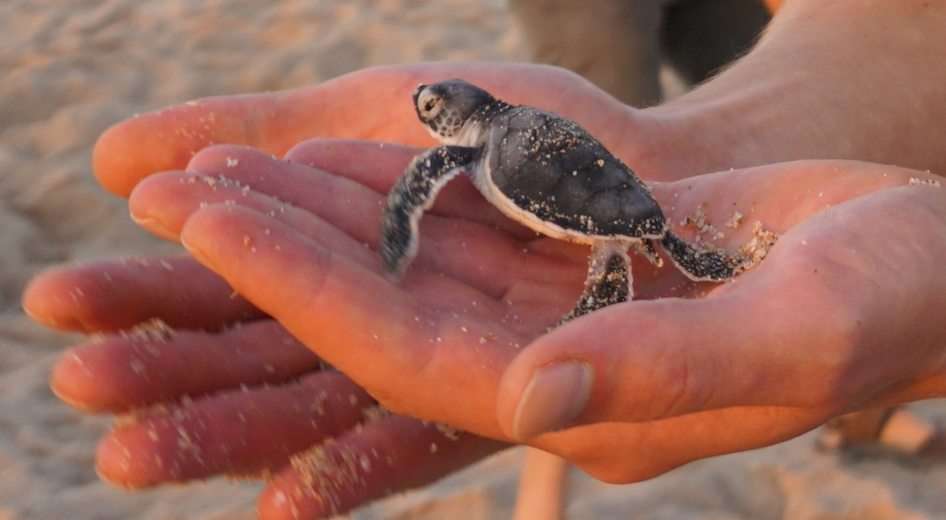
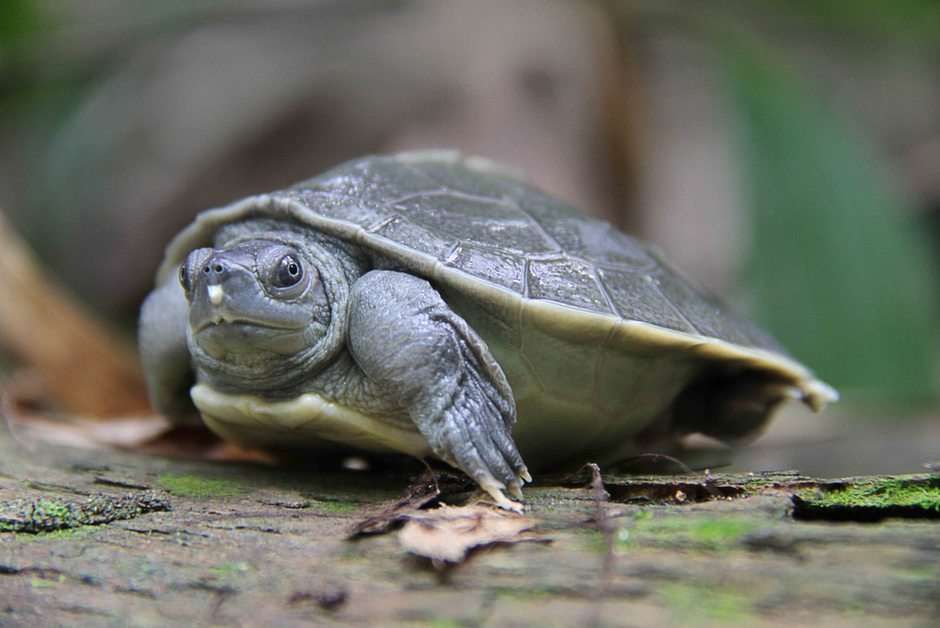
Turtle online puzzle
20Turtlesolved 164 times
Solve puzzle
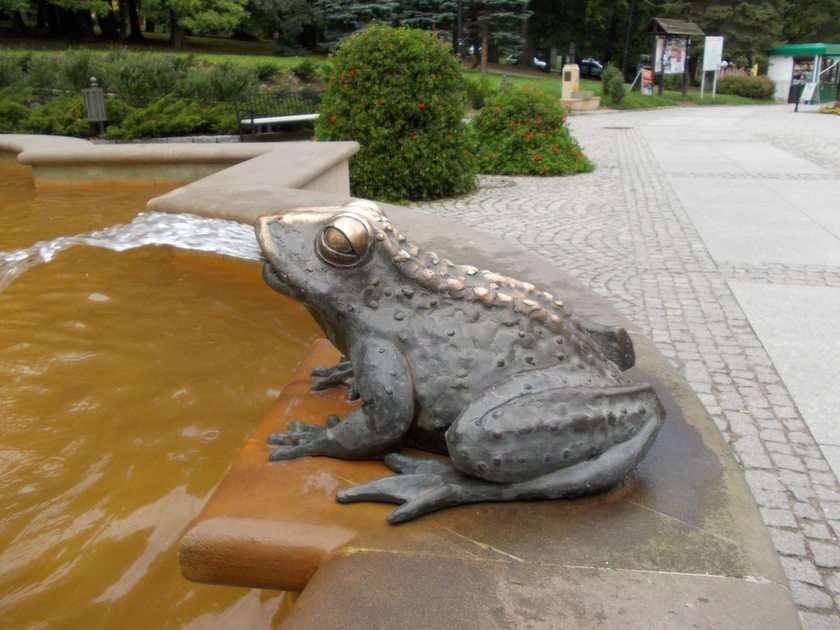
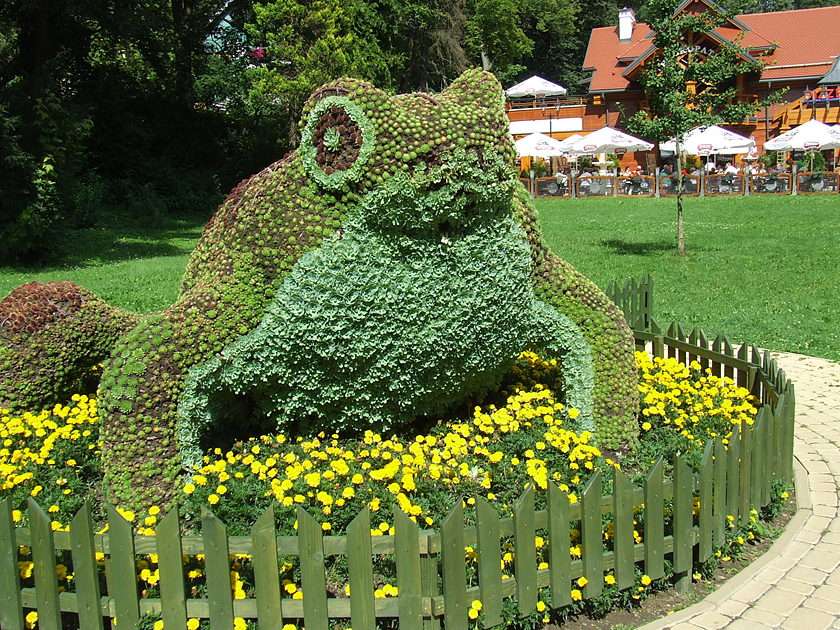
frog in Krynica online puzzle
90frog in Krynicasolved 162 times
Solve puzzle
in the rocks puzzle online from photo
63in the rockssolved 157 times
Solve puzzle
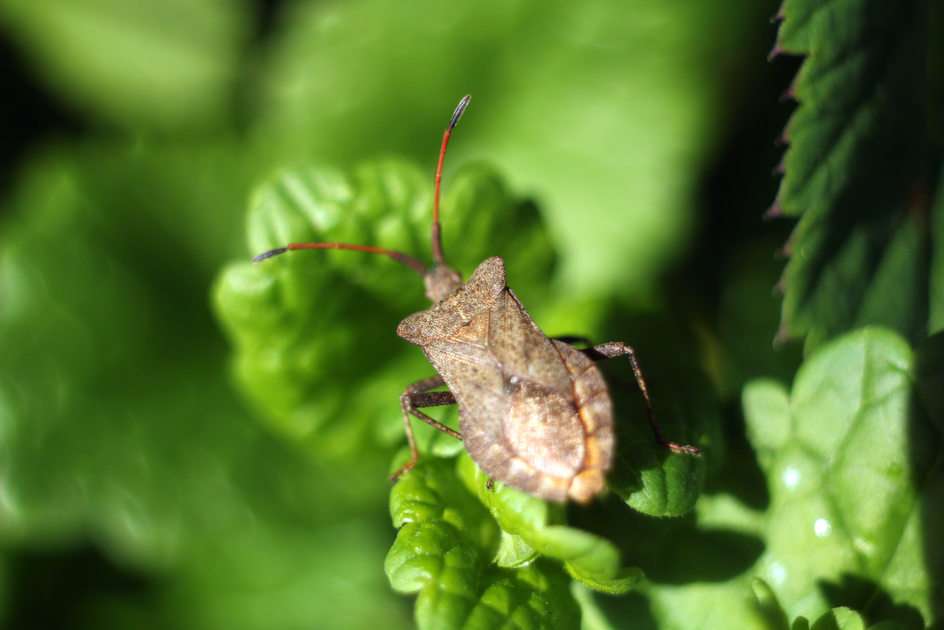
beetle online puzzle
48beetlesolved 154 times
Solve puzzle
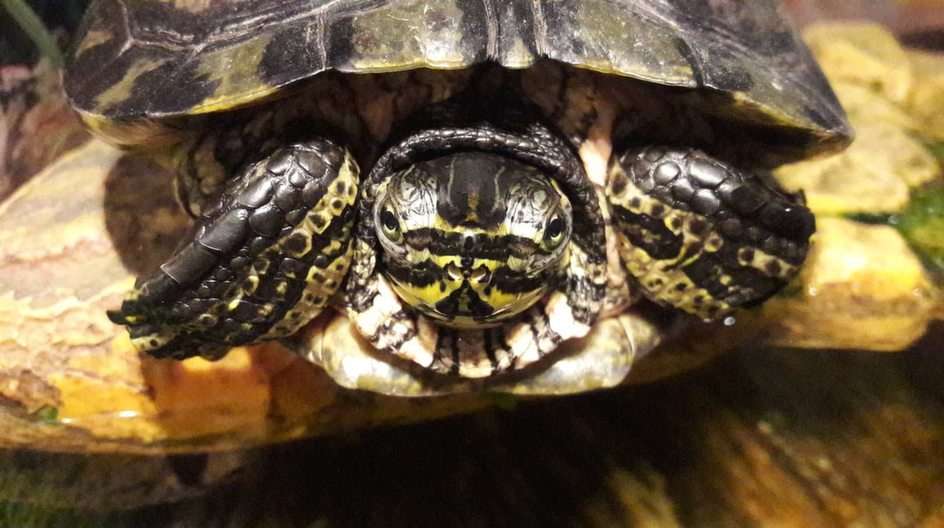
Turtle online puzzle
48Turtlesolved 151 times
Solve puzzle
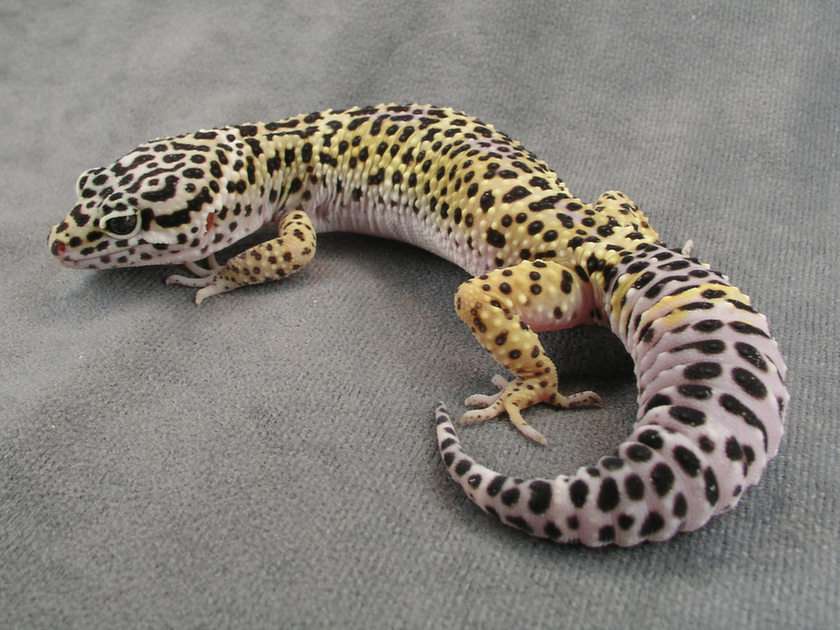
leopard gecko puzzle online from photo
48leopard geckosolved 125 times
Solve puzzle
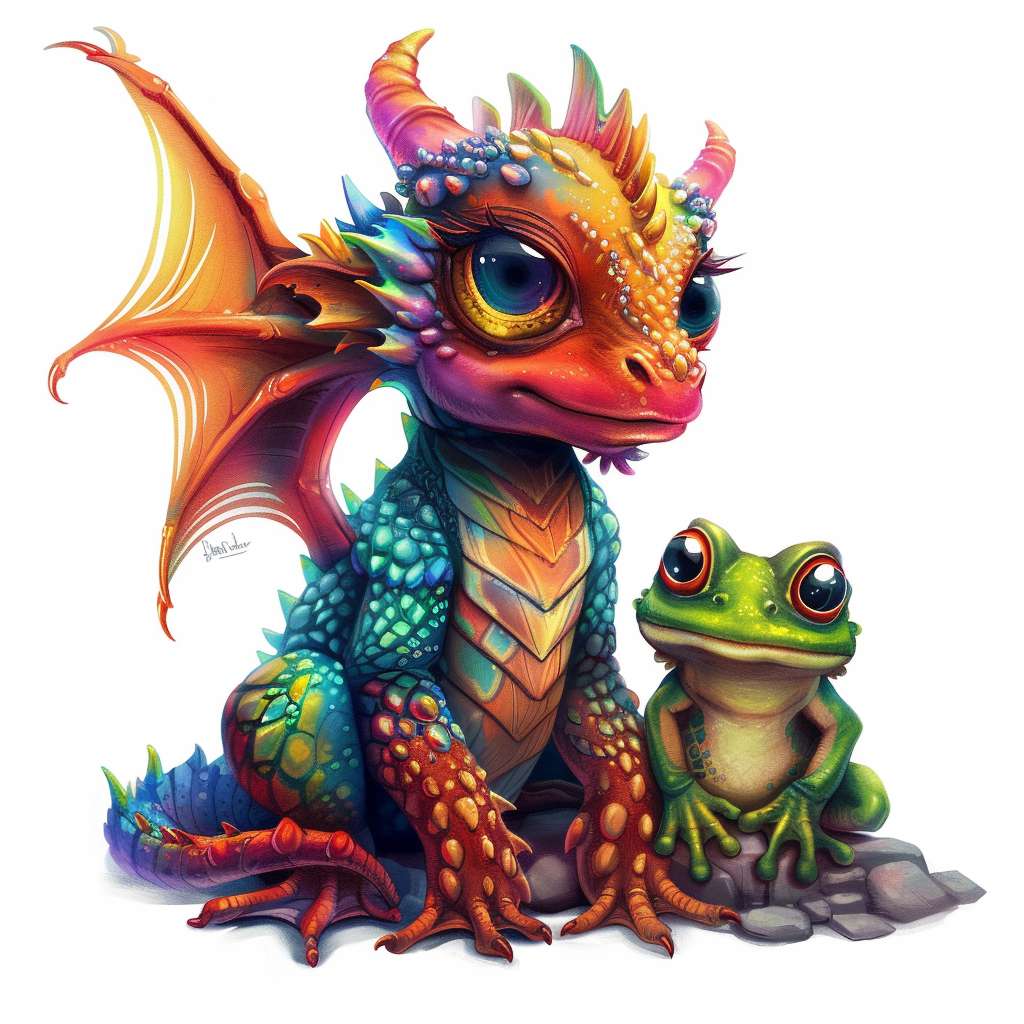
Dragon 1 online puzzle
25Dragon 1solved 119 times
Solve puzzle
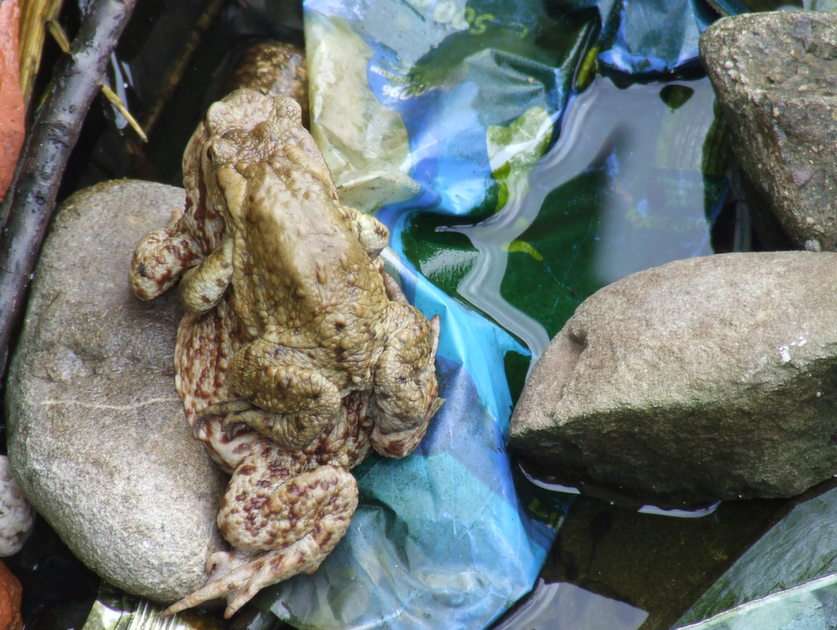
toads puzzle online from photo
63toadssolved 118 times
Solve puzzle
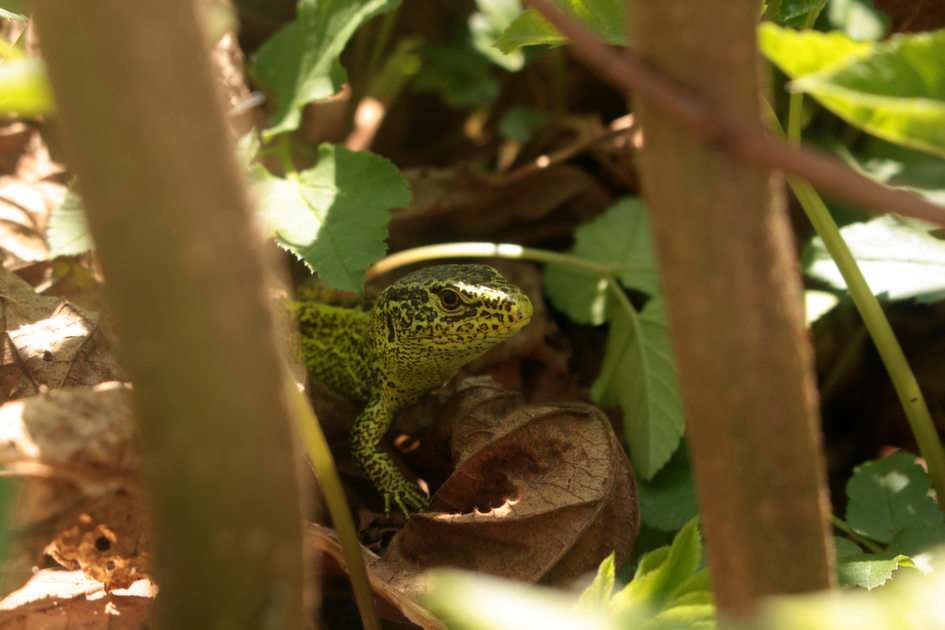
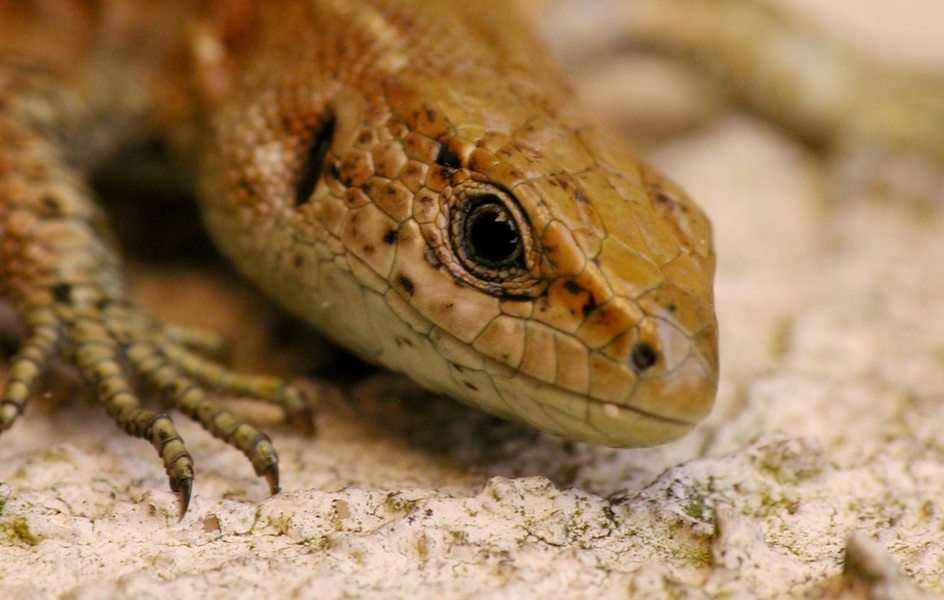
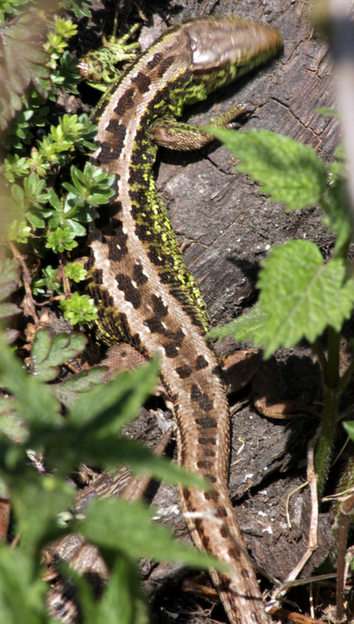
Viviparous lizard puzzle online from photo
48Viviparous lizardsolved 117 times
Solve puzzle
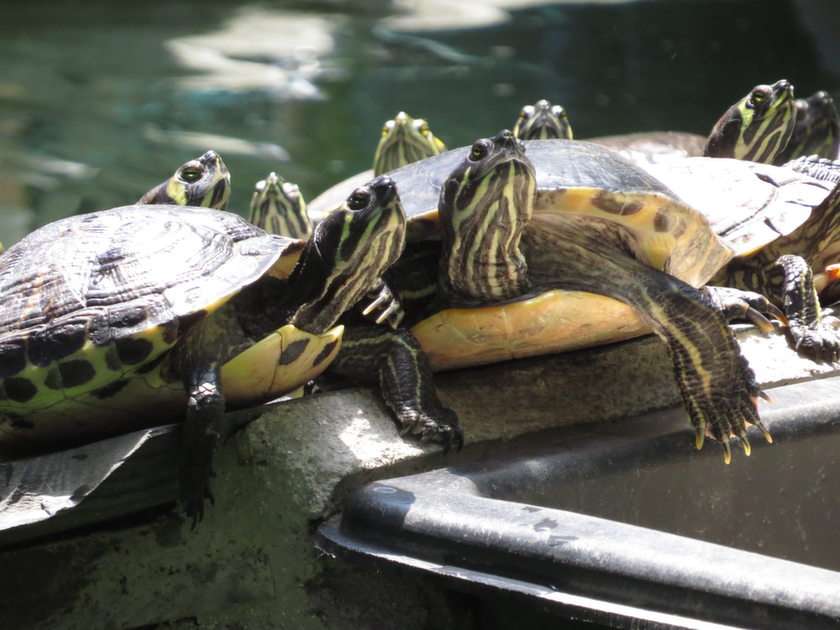
Turtles online puzzle
56Turtlessolved 116 times
Solve puzzle
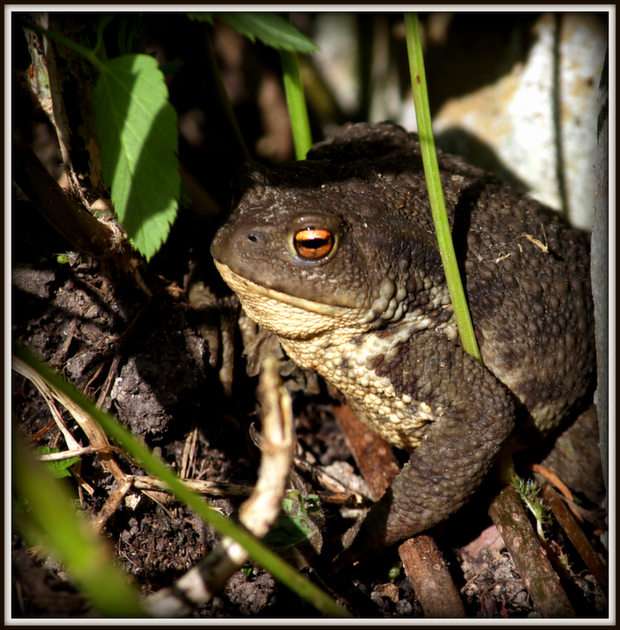
grandpa toad puzzle online from photo
36grandpa toadsolved 110 times
Solve puzzle
Saurian puzzle online from photo
54Sauriansolved 106 times
Solve puzzle
Hračky online puzzle
208Hračkysolved 103 times
Solve puzzle
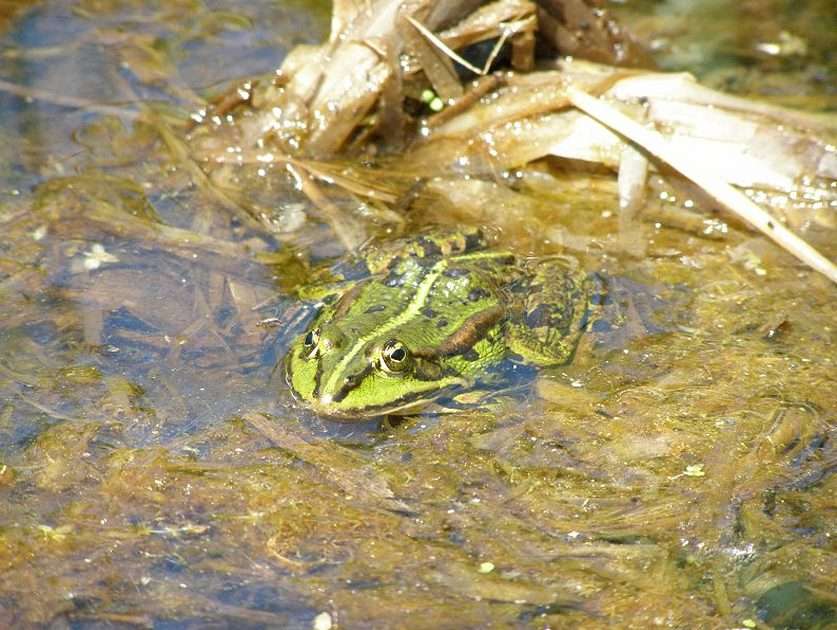
The frog from the swamp puzzle online from photo
60The frog from the swampsolved 99 times
Solve puzzle
Crocodile for Kids online puzzle
15Crocodile for Kidssolved 92 times
Solve puzzle
Guess the animal online puzzle
30Guess the animalsolved 86 times
Solve puzzle
FeignD puzzle online from photo
48FeignDsolved 77 times
Solve puzzle
ESCORPORA online puzzle
99ESCORPORAsolved 71 times
Solve puzzle
frog online puzzle
90frogsolved 71 times
Solve puzzle
Why is the frog the smartest? puzzle online from photo
63Why is the frog the smartest?solved 67 times
Solve puzzle
in the rocks puzzle online from photo
48in the rockssolved 65 times
Solve puzzle
chameleon puzzle online from photo
48chameleonsolved 59 times
Solve puzzle
Turtle Puzzle puzzle online from photo
48Turtle Puzzlesolved 53 times
Solve puzzle
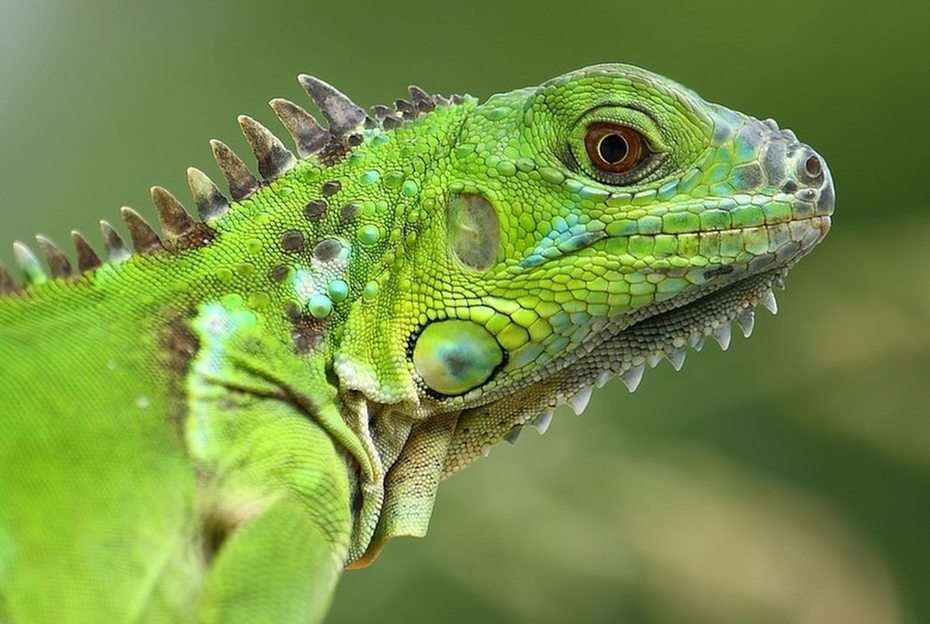
Iguana puzzle online from photo
80Iguanasolved 52 times
Solve puzzle
fgxhfxgh yjhjxy hxgh online puzzle
100fgxhfxgh yjhjxy hxghsolved 52 times
Solve puzzle
Contemplative Frog Wizard puzzle online from photo
432Contemplative Frog Wizardsolved 52 times
Solve puzzle
Frog online puzzle
63Frogsolved 47 times
Solve puzzle
toad online puzzle
100toadsolved 45 times
Solve puzzle
Spiderman online puzzle
16Spidermansolved 45 times
Solve puzzle
Froggie Living online puzzle
169Froggie Livingsolved 43 times
Solve puzzle
water habitat online puzzle
20water habitatsolved 43 times
Solve puzzle
barney the dino online puzzle
24barney the dinosolved 42 times
Solve puzzle
frog puzzle puzzle online from photo
25frog puzzlesolved 39 times
Solve puzzle
birthday frog online puzzle
30birthday frogsolved 38 times
Solve puzzle
Frog Wizard 1 online puzzle
352Frog Wizard 1solved 36 times
Solve puzzle
mariposa online puzzle
48mariposasolved 32 times
Solve puzzle
Animal puzzle online puzzle
16Animal puzzlesolved 31 times
Solve puzzle
Dinosaur online puzzle
24Dinosaursolved 30 times
Solve puzzle
Kijanki in water online puzzle
20Kijanki in watersolved 30 times
Solve puzzle
viviparous lizard puzzle online from photo
154viviparous lizardsolved 28 times
Solve puzzle
snail puzzle online from photo
99snailsolved 27 times
Solve puzzle
Lagartijo puzzle online from photo
48Lagartijosolved 27 times
Solve puzzle
Ulat Bulu online puzzle
20Ulat Bulusolved 27 times
Solve puzzle
frog online puzzle
48frogsolved 26 times
Solve puzzle

Online puzzle Amphibian

Amphibian

Amphibians are four-limbed and ectothermic vertebrates of the class Amphibia. All living amphibians belong to the group Lissamphibia. They inhabit a wide variety of habitats, with most species living within terrestrial, fossorial, arboreal or freshwater aquatic ecosystems. Thus amphibians typically start out as larvae living in water, but some species have developed behavioural adaptations to bypass this.

The young generally undergo metamorphosis from larva with gills to an adult air-breathing form with lungs. Amphibians use their skin as a secondary respiratory surface and some small terrestrial salamanders and frogs lack lungs and rely entirely on their skin. They are superficially similar to reptiles like lizards but, along with mammals and birds, reptiles are amniotes and do not require water bodies in which to breed. With their complex reproductive needs and permeable skins, amphibians are often ecological indicators; in recent decades there has been a dramatic decline in amphibian populations for many species around the globe.

The earliest amphibians evolved in the Devonian period from sarcopterygian fish with lungs and bony-limbed fins, features that were helpful in adapting to dry land. They diversified and became dominant during the Carboniferous and Permian periods, but were later displaced by reptiles and other vertebrates. The origin of modern amphibians belonging to Lissamphibia, which first appeared during the Early Triassic, around 250 million years ago, has long been contentious. However the emerging consensus is that they likely originated from temnospondyls, the most diverse group of prehistoric amphibians, during the Permian period.The three modern orders of amphibians are Anura (the frogs), Urodela (the salamanders), and Apoda (the caecilians). A fourth group, the Albanerpetontidae, became extinct around 2 million years ago. The number of known amphibian species is approximately 8,000, of which nearly 90% are frogs. The smallest amphibian (and vertebrate) in the world is a frog from New Guinea (Paedophryne amauensis) with a length of just 7.7 mm (0.30 in). The largest living amphibian is the 1.8 m (5 ft 11 in) South China giant salamander (Andrias sligoi), but this is dwarfed by prehistoric temnospondyls such as Mastodonsaurus which could reach up to 6 m (20 ft) in length. The study of amphibians is called batrachology, while the study of both reptiles and amphibians is called herpetology.