Amphibian - online puzzles
Event events online puzzle
192Event eventssolved 26 times
Solve puzzle
What am i? puzzle online from photo
48What am i?solved 25 times
Solve puzzle
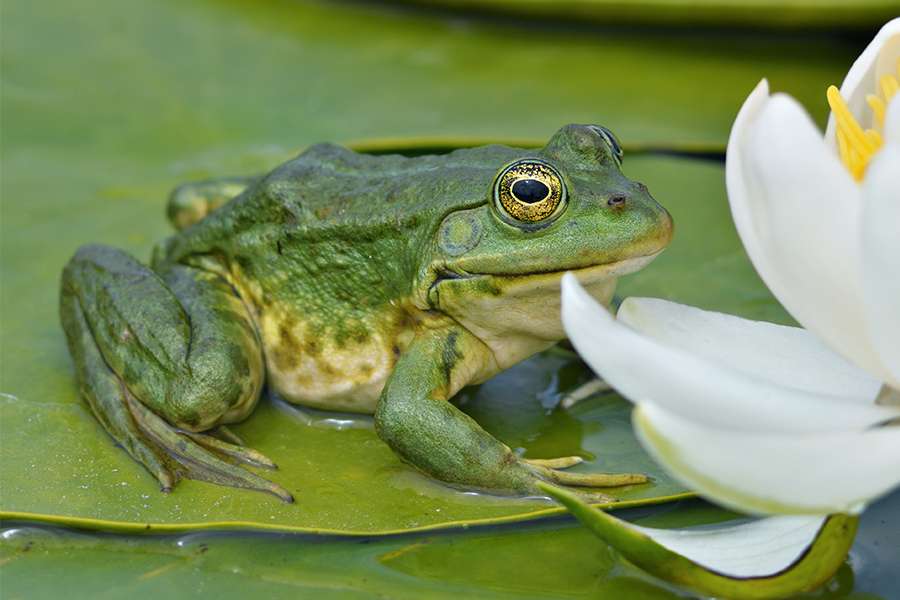
Frog puzzle online from photo
48Frogsolved 25 times
Solve puzzle
Frog and fly puzzle online from photo
16Frog and flysolved 25 times
Solve puzzle
Zabica online puzzle
70Zabicasolved 24 times
Solve puzzle
Lacerda puzzle online from photo
15Lacerdasolved 24 times
Solve puzzle
Rana online puzzle
48Ranasolved 24 times
Solve puzzle
Frog Puzzle puzzle online from photo
216Frog Puzzlesolved 24 times
Solve puzzle
Komodo Dragon puzzle online from photo
154Komodo Dragonsolved 24 times
Solve puzzle
Cheetos! online puzzle
143Cheetos!solved 23 times
Solve puzzle
Fat ogerpon puzzle online from photo
16Fat ogerponsolved 23 times
Solve puzzle
Danger Below puzzle online from photo
48Danger Belowsolved 22 times
Solve puzzle
RA RA RA Wie ben ik? online puzzle
48RA RA RA Wie ben ik?solved 22 times
Solve puzzle
let's save our home puzzle online from photo
36let's save our homesolved 21 times
Solve puzzle
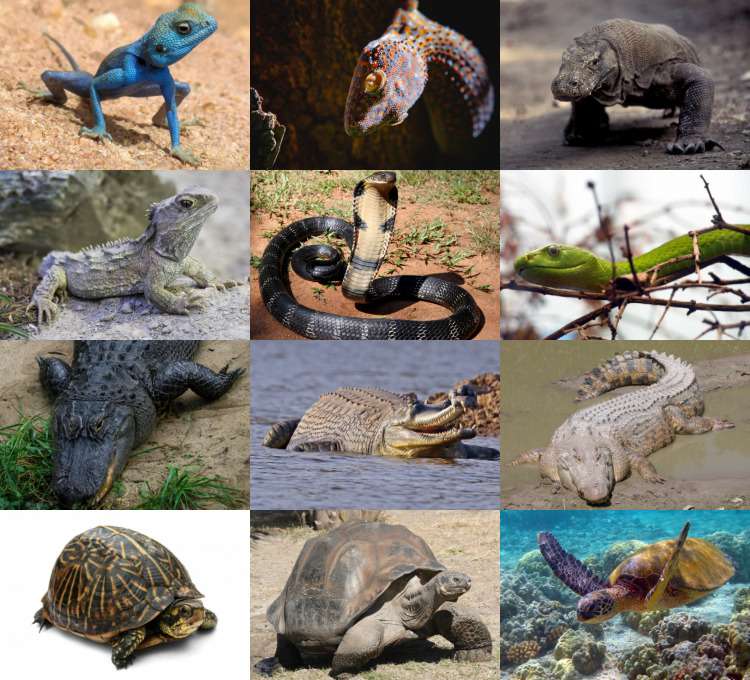
Reptile Puzzle puzzle online from photo
110Reptile Puzzlesolved 21 times
Solve puzzle
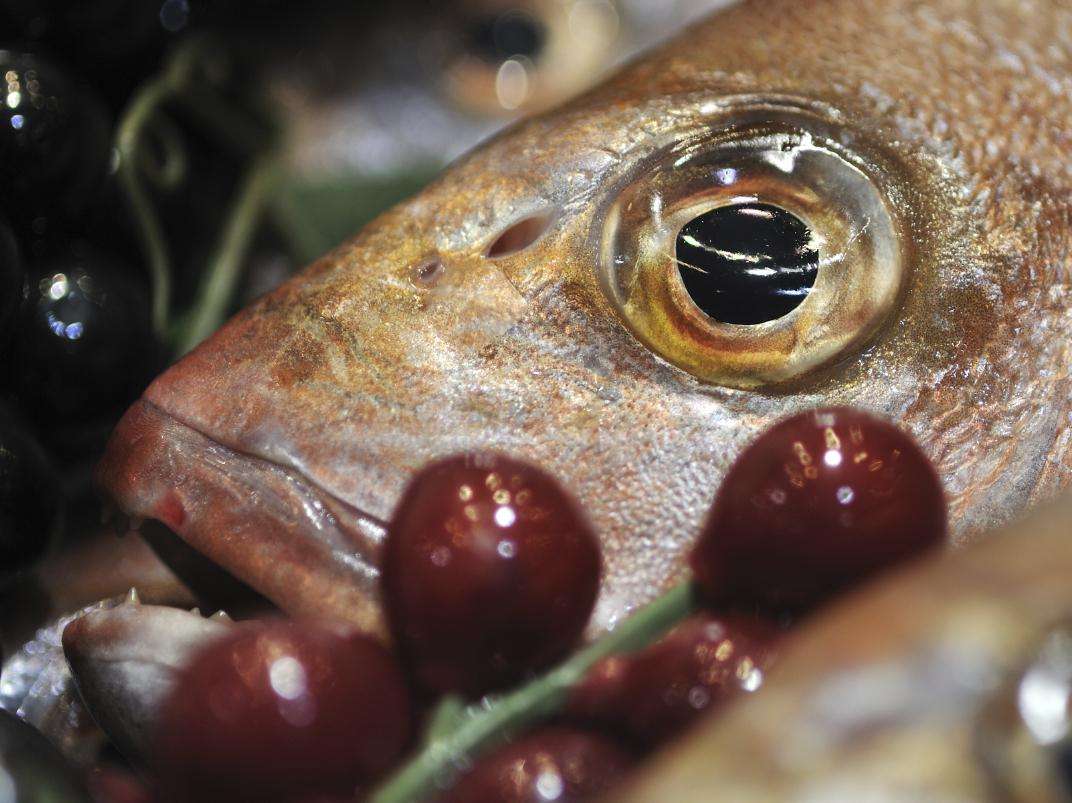
FISH EYE online puzzle
20FISH EYEsolved 20 times
Solve puzzle
Kittykatty online puzzle
225Kittykattysolved 20 times
Solve puzzle
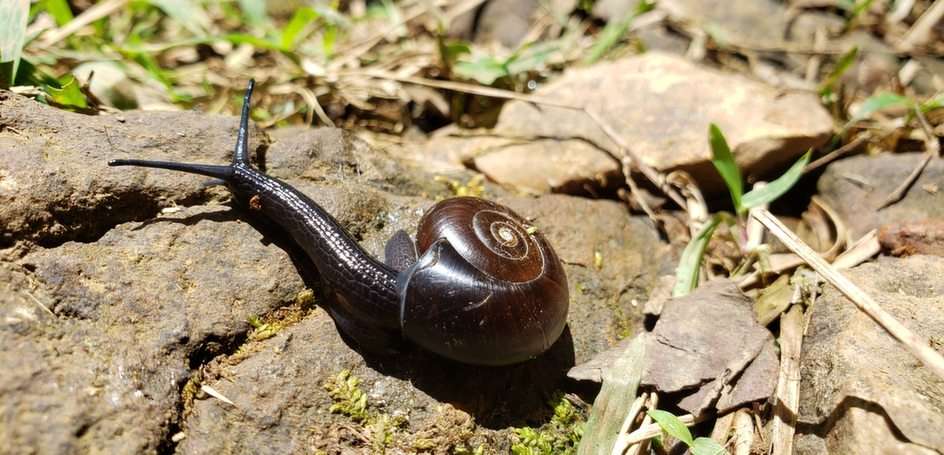
Caracol puzzle online from photo
40Caracolsolved 19 times
Solve puzzle
Crocodile puzzle online from photo
28Crocodilesolved 19 times
Solve puzzle
Fry puzzle online from photo
100Frysolved 19 times
Solve puzzle
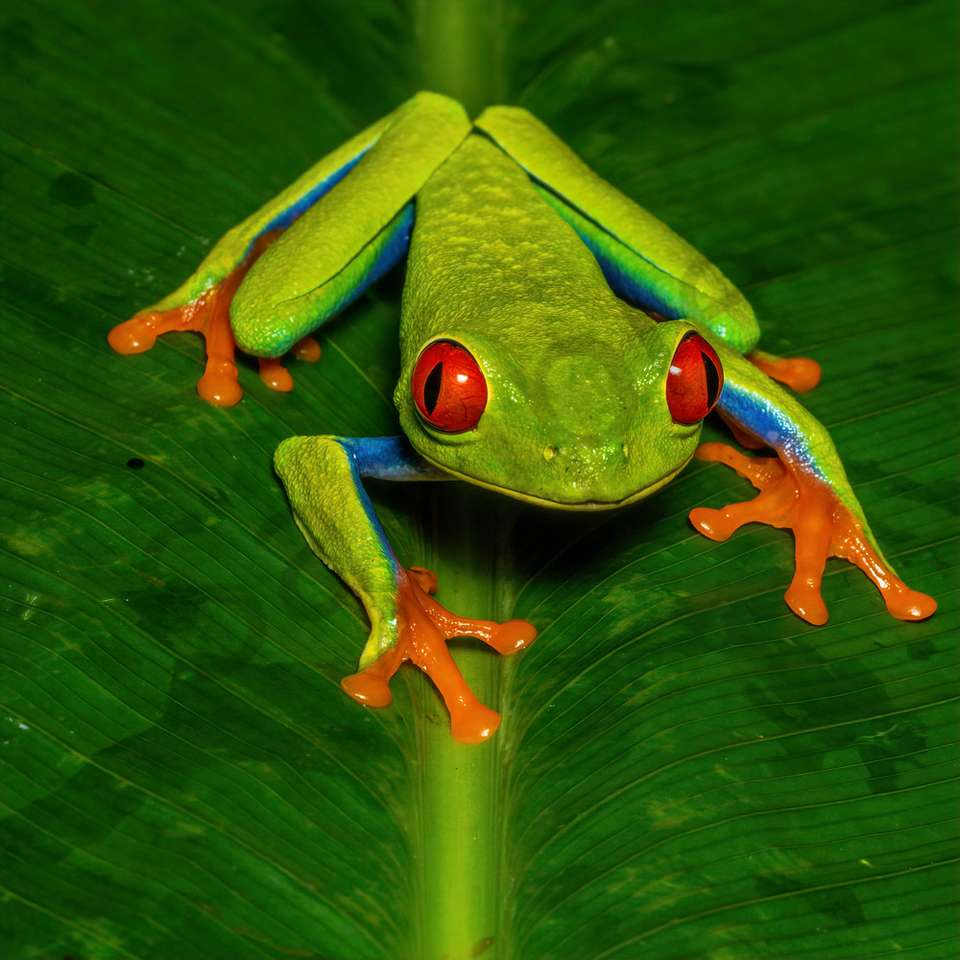
Red Eyed Tree Frog online puzzle
150Red Eyed Tree Frogsolved 19 times
Solve puzzle
Mushroom island puzzle online from photo
266Mushroom islandsolved 18 times
Solve puzzle
Frog oac puzzle online from photo
80Frog oacsolved 17 times
Solve puzzle
Oh My Fish online puzzle
20Oh My Fishsolved 17 times
Solve puzzle
Kermit the Frog puzzle online from photo
110Kermit the Frogsolved 16 times
Solve puzzle
North Ossetia Alanya online puzzle
169North Ossetia Alanyasolved 16 times
Solve puzzle
Snake online puzzle
48Snakesolved 15 times
Solve puzzle
Vacation online puzzle
315Vacationsolved 15 times
Solve puzzle
a symbol puzzle online from photo
35a symbolsolved 14 times
Solve puzzle
Dragon12 puzzle online from photo
140Dragon12solved 14 times
Solve puzzle
minion yimmu online puzzle
165minion yimmusolved 14 times
Solve puzzle
monkey online puzzle
117monkeysolved 14 times
Solve puzzle
flower frog :) online puzzle
120flower frog :)solved 13 times
Solve puzzle
qdsdsdrfrf puzzle online from photo
121qdsdsdrfrfsolved 13 times
Solve puzzle
duju kum online puzzle
88duju kumsolved 13 times
Solve puzzle
Señor Leggs puzzle online from photo
24Señor Leggssolved 13 times
Solve puzzle
tree frog puzzle online from photo
169tree frogsolved 12 times
Solve puzzle
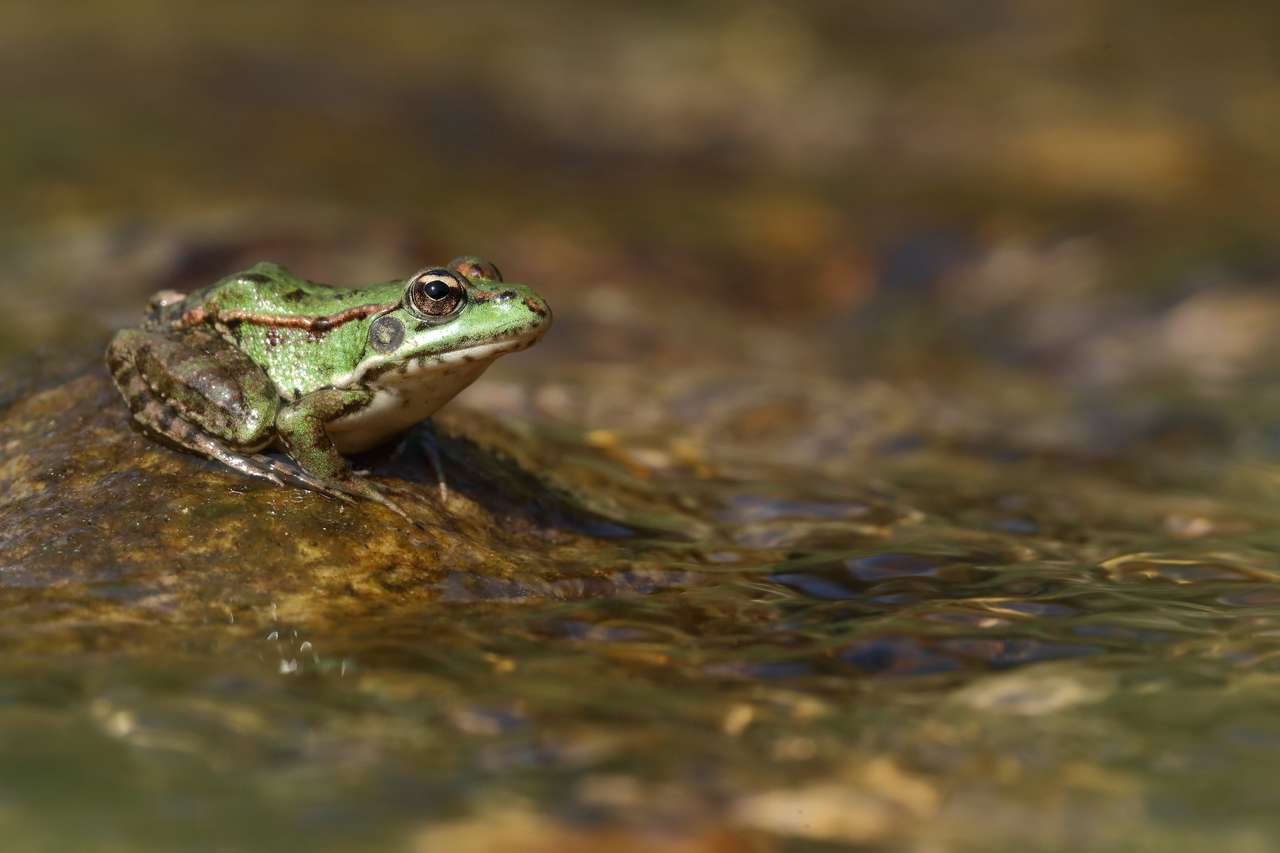
Perez's frog (Pelophylax perezi) on a stone in a river online puzzle
150Perez's frog (Pelophylax perezi) on a stone in a riversolved 12 times
Solve puzzle
Axolotl. online puzzle
144Axolotl.solved 12 times
Solve puzzle
Lobo preparando panqueques puzzle online from photo
24Lobo preparando panquequessolved 12 times
Solve puzzle
puzzle "The Frog Princess" online puzzle
70puzzle "The Frog Princess"solved 12 times
Solve puzzle
Two kits puzzle online from photo
24Two kitssolved 11 times
Solve puzzle
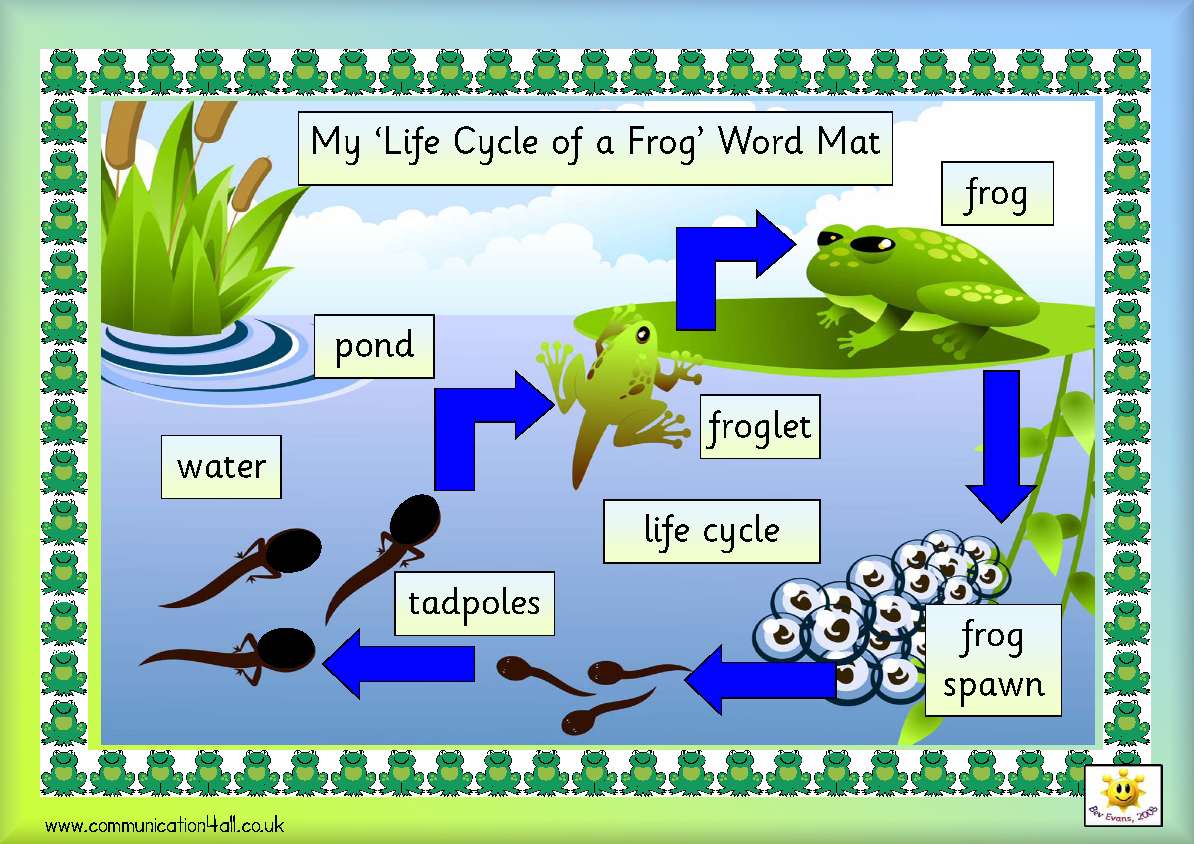
frog cycle puzzle online from photo
140frog cyclesolved 11 times
Solve puzzle
Tickingnoise online puzzle
225Tickingnoisesolved 11 times
Solve puzzle
Crocodile puzzle online from photo
20Crocodilesolved 11 times
Solve puzzle
Puzzle - activity online puzzle
140Puzzle - activitysolved 11 times
Solve puzzle
land turtle puzzle online from photo
88land turtlesolved 11 times
Solve puzzle
axolotl. puzzle online from photo
28axolotl.solved 10 times
Solve puzzle

Online puzzle Amphibian

Amphibian

Amphibians are four-limbed and ectothermic vertebrates of the class Amphibia. All living amphibians belong to the group Lissamphibia. They inhabit a wide variety of habitats, with most species living within terrestrial, fossorial, arboreal or freshwater aquatic ecosystems. Thus amphibians typically start out as larvae living in water, but some species have developed behavioural adaptations to bypass this.

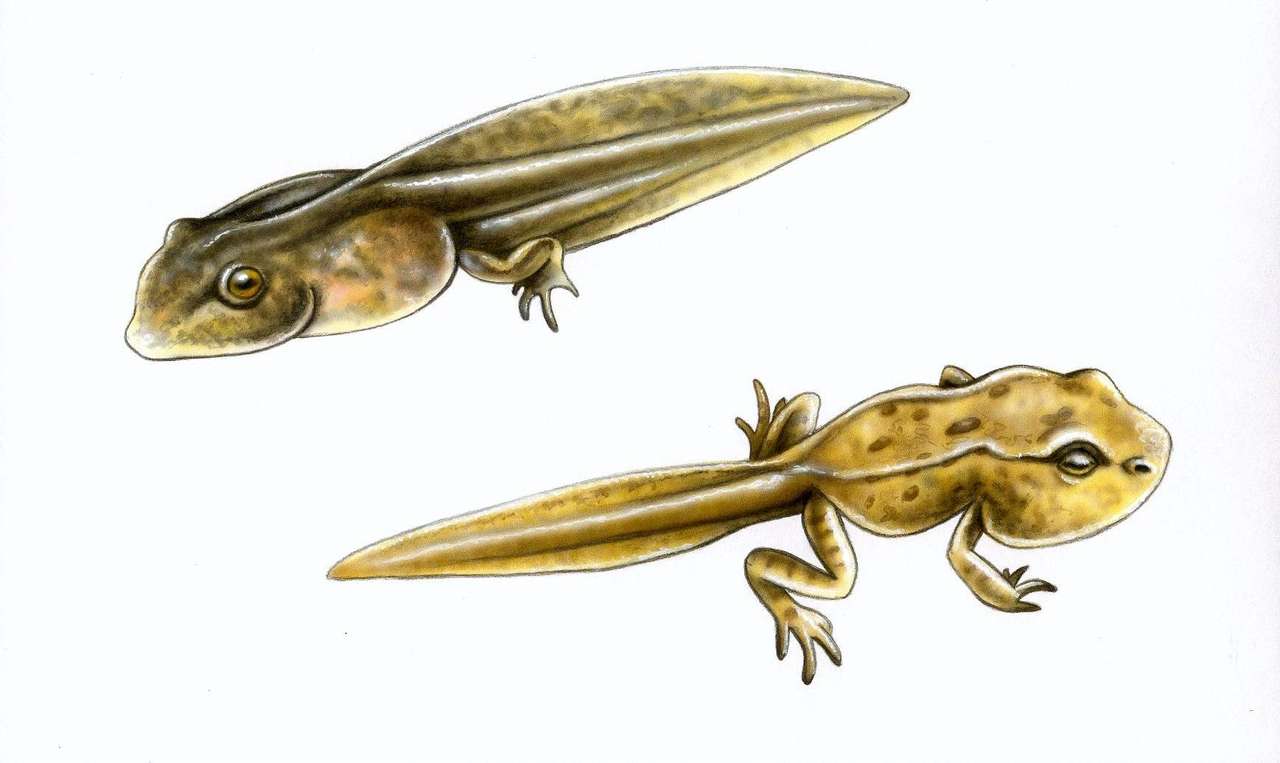
The young generally undergo metamorphosis from larva with gills to an adult air-breathing form with lungs. Amphibians use their skin as a secondary respiratory surface and some small terrestrial salamanders and frogs lack lungs and rely entirely on their skin. They are superficially similar to reptiles like lizards but, along with mammals and birds, reptiles are amniotes and do not require water bodies in which to breed. With their complex reproductive needs and permeable skins, amphibians are often ecological indicators; in recent decades there has been a dramatic decline in amphibian populations for many species around the globe.


The earliest amphibians evolved in the Devonian period from sarcopterygian fish with lungs and bony-limbed fins, features that were helpful in adapting to dry land. They diversified and became dominant during the Carboniferous and Permian periods, but were later displaced by reptiles and other vertebrates. The origin of modern amphibians belonging to Lissamphibia, which first appeared during the Early Triassic, around 250 million years ago, has long been contentious. However the emerging consensus is that they likely originated from temnospondyls, the most diverse group of prehistoric amphibians, during the Permian period.The three modern orders of amphibians are Anura (the frogs), Urodela (the salamanders), and Apoda (the caecilians). A fourth group, the Albanerpetontidae, became extinct around 2 million years ago. The number of known amphibian species is approximately 8,000, of which nearly 90% are frogs. The smallest amphibian (and vertebrate) in the world is a frog from New Guinea (Paedophryne amauensis) with a length of just 7.7 mm (0.30 in). The largest living amphibian is the 1.8 m (5 ft 11 in) South China giant salamander (Andrias sligoi), but this is dwarfed by prehistoric temnospondyls such as Mastodonsaurus which could reach up to 6 m (20 ft) in length. The study of amphibians is called batrachology, while the study of both reptiles and amphibians is called herpetology.