Ancient Rome - online puzzles

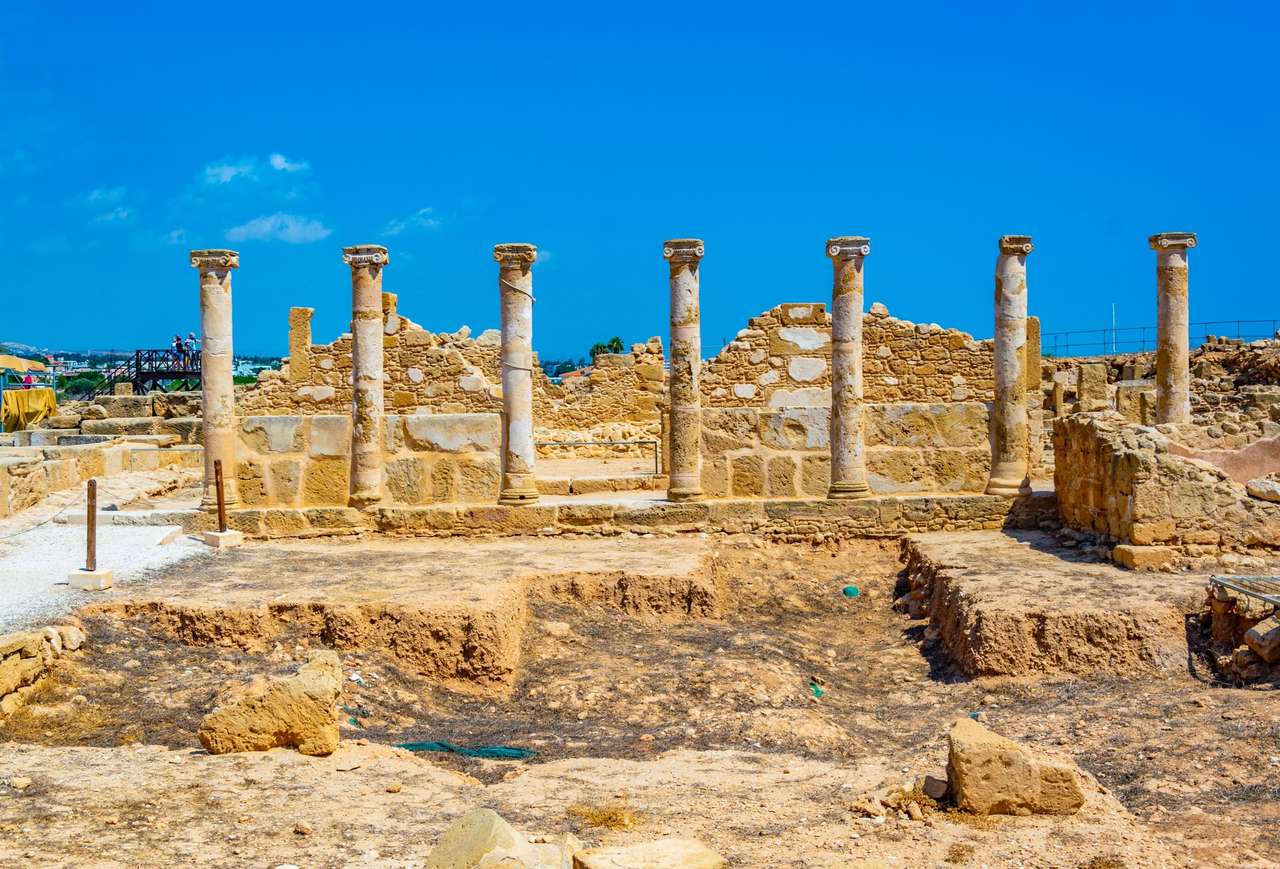
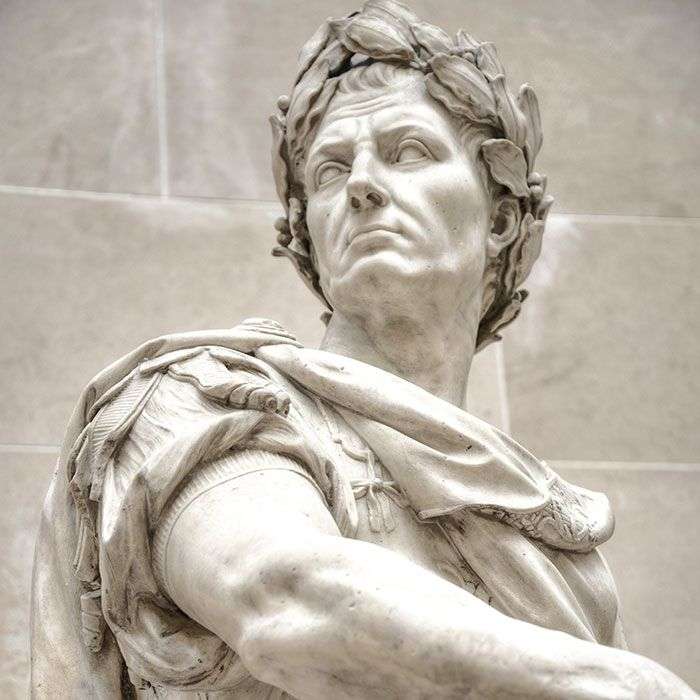
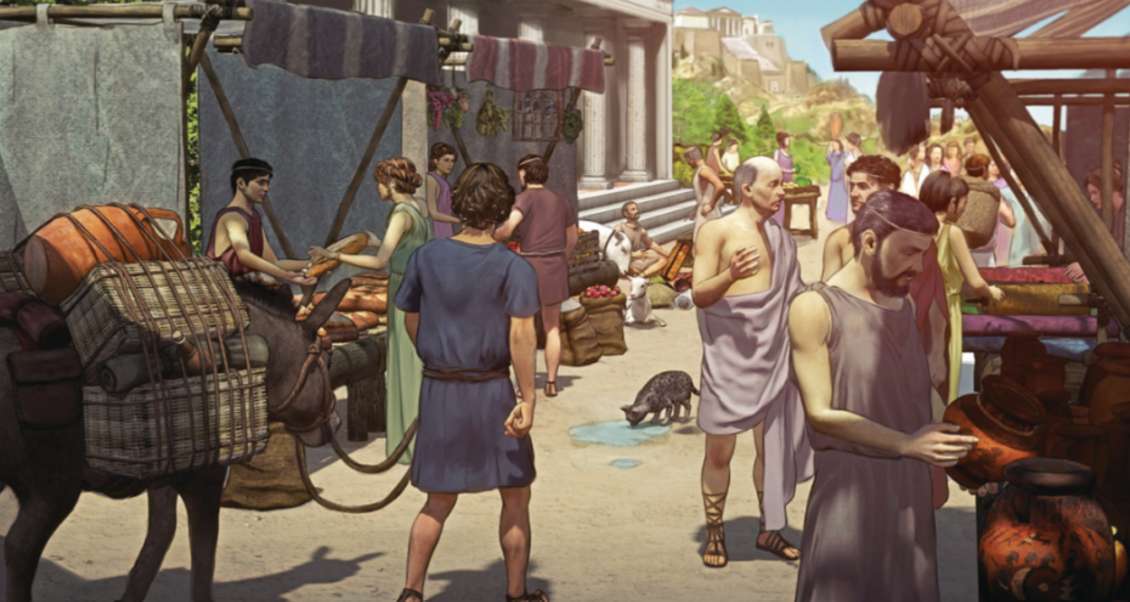
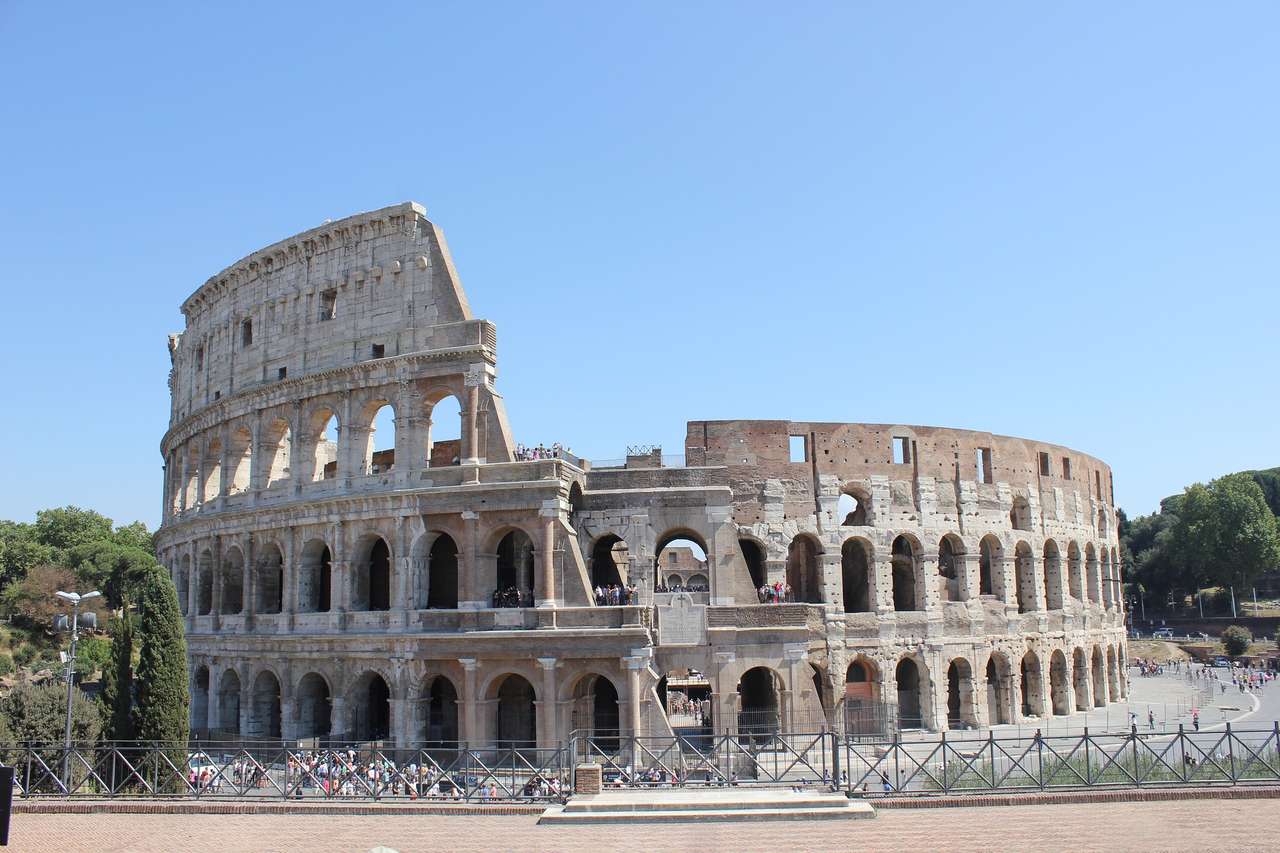
Online puzzle Ancient Rome
Ancient Rome
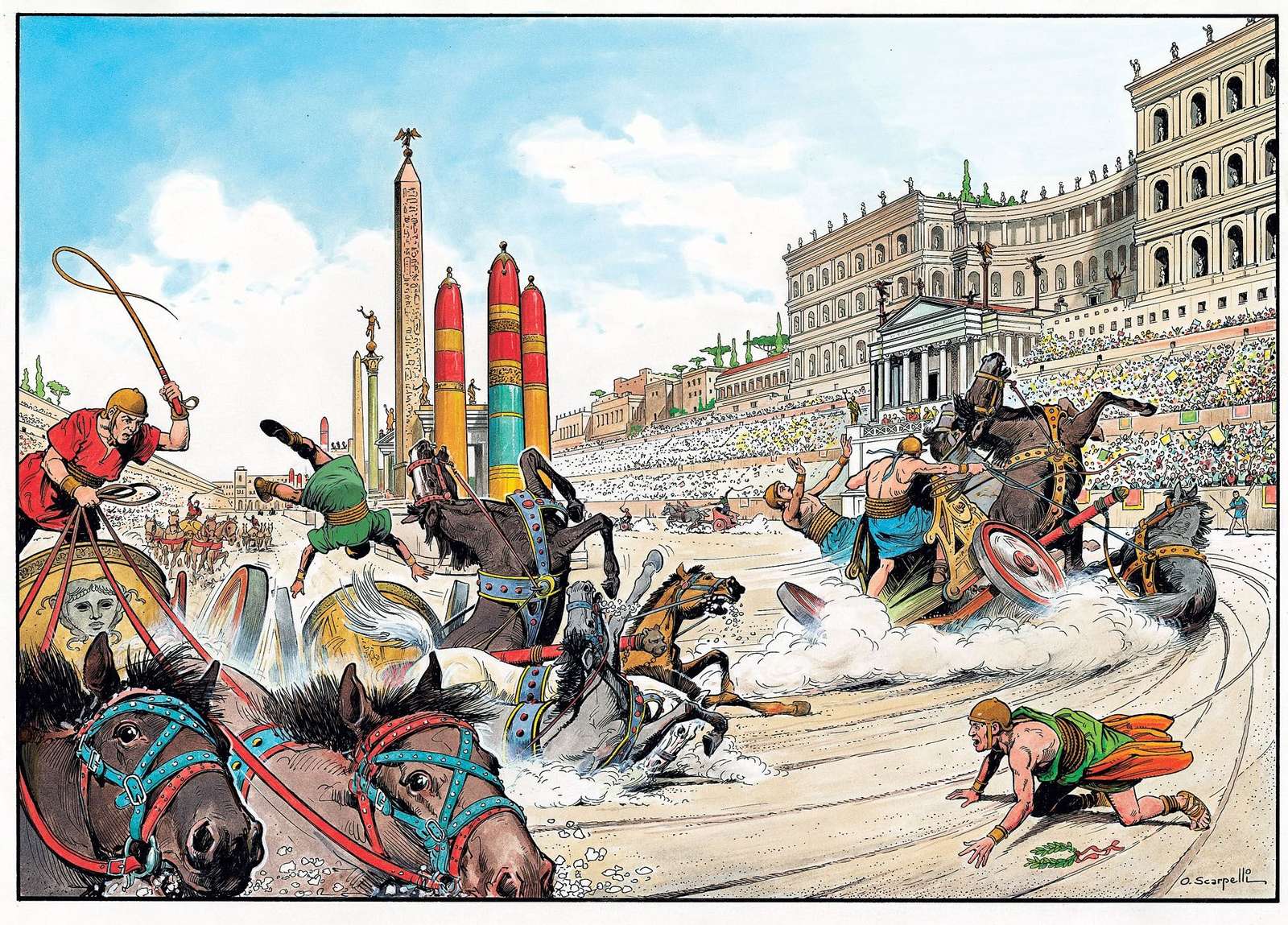
In modern historiography, ancient Rome refers to Roman civilization from the founding of the Italian city of Rome in the 8th century BC to the collapse of the Western Roman Empire in the 5th century AD. It encompasses the Roman Kingdom (753–509 BC), Roman Republic (509–27 BC), and Roman Empire (27 BC–476 AD) until the fall of the western empire.Ancient Rome began as an Italic settlement, traditionally dated to 753 BC, beside the River Tiber in the Italian Peninsula. The settlement grew into the city and polity of Rome, and came to control its neighbours through a combination of treaties and military strength. It eventually dominated the Italian Peninsula, assimilated the Greek culture of southern Italy (Magna Grecia) and the Etruscan culture and acquired an Empire that took in much of Europe and the lands and peoples surrounding the Mediterranean Sea. It was among the largest empires in the ancient world, with an estimated 50 to 90 million inhabitants, roughly 20% of the world's population at the time. It covered around 5 million square kilometres (1.9 million square miles) at its height in AD 117.The Roman state evolved from an elective monarchy to a democratic classical republic and then to an increasingly autocratic semi-elective military dictatorship during the Empire. Through conquest, cultural, and linguistic assimilation, at its height it controlled the North African coast, Egypt, Southern Europe, and most of Western Europe, the Balkans, Crimea, and much of the Middle East, including Anatolia, Levant, and parts of Mesopotamia and Arabia. It is often grouped into classical antiquity together with ancient Greece, and their similar cultures and societies are known as the Greco-Roman world.
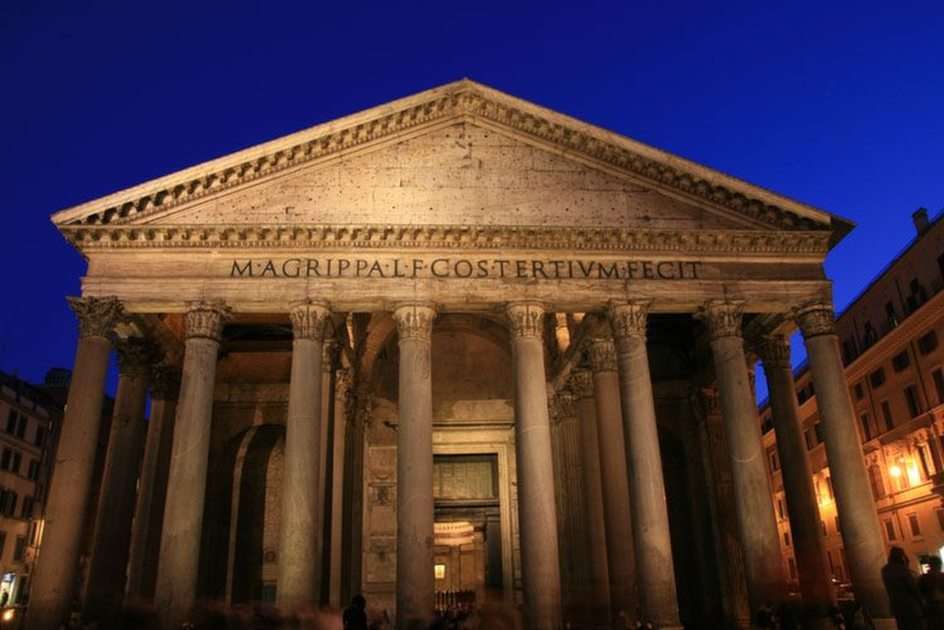
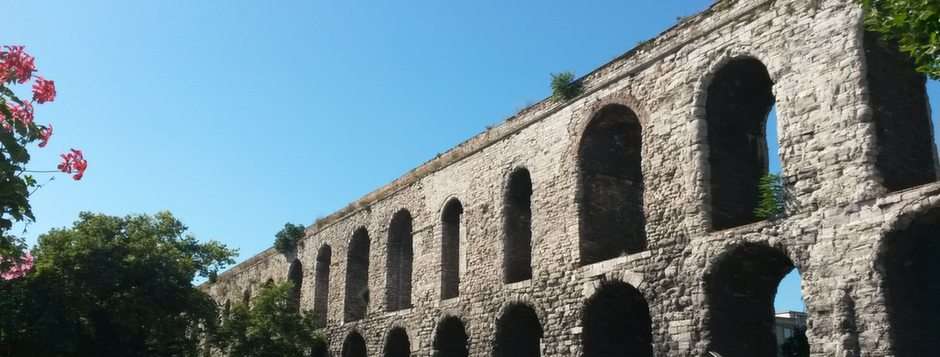
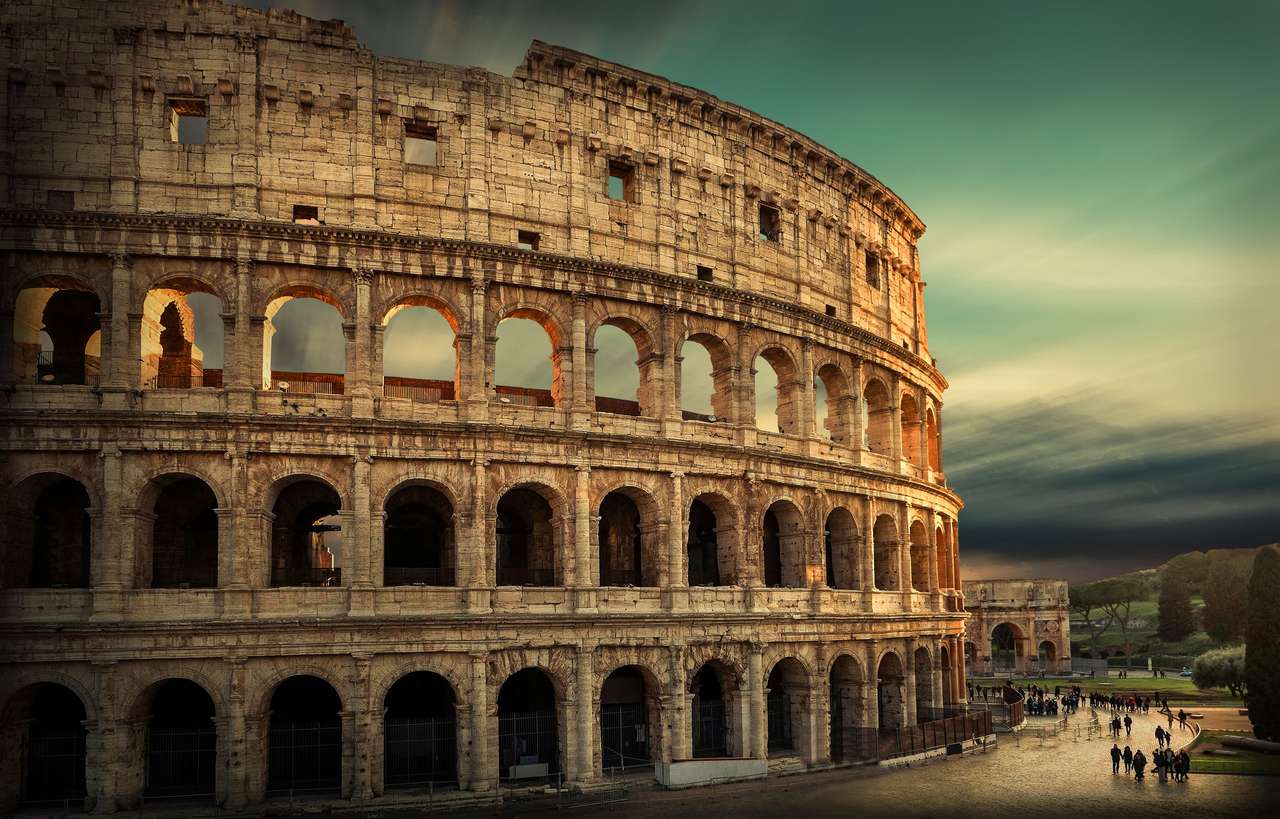
Ancient Roman civilisation has contributed to modern language, religion, society, technology, law, politics, government, warfare, art, literature, architecture, and engineering. Rome professionalised and expanded its military and created a system of government called res publica, the inspiration for modern republics such as the United States and France. It achieved impressive technological and architectural feats, such as the empire-wide construction of aqueducts and roads, as well as more grandiose monuments and facilities.
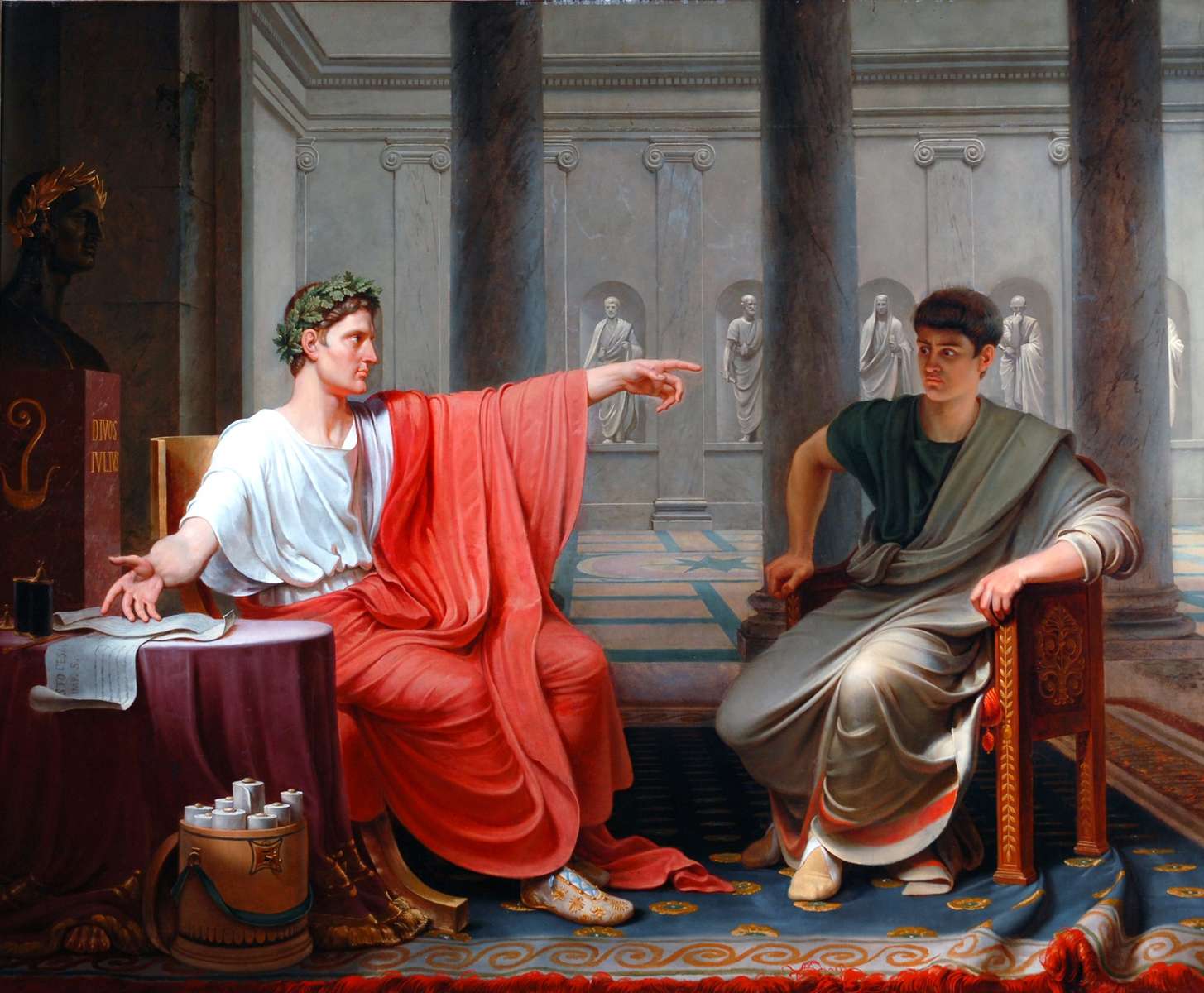
The Punic Wars with Carthage gave Rome supremacy in the Mediterranean. The Roman Empire emerged with the principate of Augustus (from 27 BC); Rome's imperial domain now extended from the Atlantic to Arabia and from the mouth of the Rhine to North Africa. In 92 AD, Rome came up against the resurgent Parthian Empire and became involved in history's longest-running conflict, the Roman–Persian Wars, which would have lasting effects on both empires. Under Trajan, Rome's empire reached its territorial peak, encompassing the entire Mediterranean Basin, the southern margins of the North Sea, and the shores of the Red and Caspian Seas. Republican mores and traditions started to decline during the imperial period, with civil wars becoming a common prelude to the rise of a new emperor. Splinter states, such as the Palmyrene Empire, would temporarily divide the Empire during the Crisis of the Third Century before some stability was restored in the Tetrarchy phase of imperial rule.
Plagued by internal instability and attacked by various migrating peoples, the western part of the empire broke up into independent barbarian kingdoms in the 5th century. The eastern part of the empire remained a power through the Middle Ages until its fall in 1453 AD.