Arthropod - online puzzles
rainbow girl puzzle online from photo
120rainbow girlsolved 52 times
Solve puzzle
, kjhgfhkl online puzzle
165, kjhgfhklsolved 52 times
Solve puzzle
Ruffle the lime tree online puzzle
180Ruffle the lime treesolved 51 times
Solve puzzle
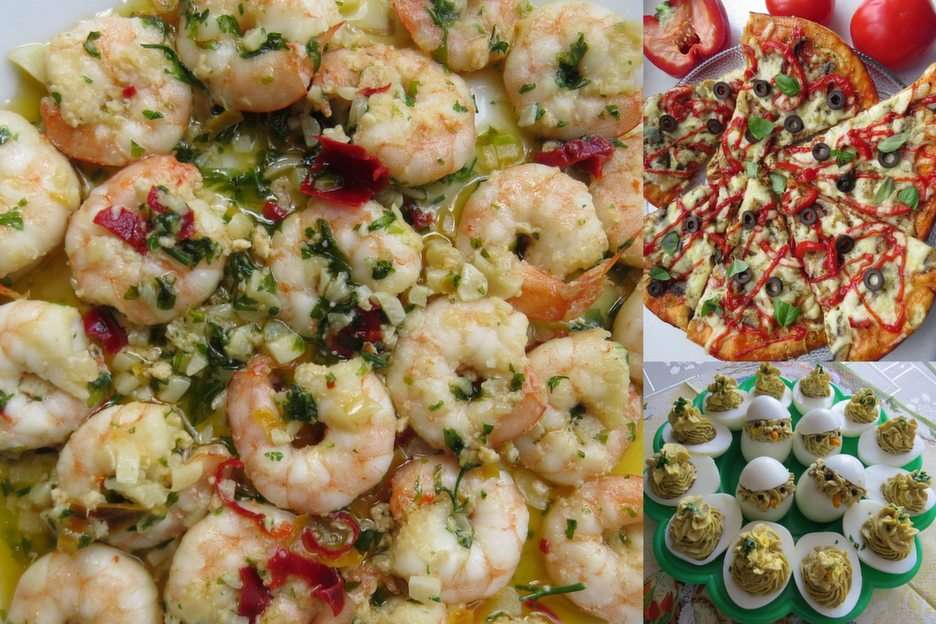
Shrimp puzzle online from photo
56Shrimpsolved 51 times
Solve puzzle
Dove Fruczak online puzzle
80Dove Fruczaksolved 51 times
Solve puzzle
Butterfly online puzzle
24Butterflysolved 51 times
Solve puzzle
cute rabbit online puzzle
108cute rabbitsolved 51 times
Solve puzzle
butterfly souvenir online puzzle
143butterfly souvenirsolved 51 times
Solve puzzle
Butterfly Alley online puzzle
150Butterfly Alleysolved 51 times
Solve puzzle
Our works online puzzle
20Our workssolved 50 times
Solve puzzle
So klein und doch so groß! puzzle online from photo
90So klein und doch so groß!solved 50 times
Solve puzzle
meandbaby online puzzle
168meandbabysolved 50 times
Solve puzzle
Jhhugiuyghjj online puzzle
165Jhhugiuyghjjsolved 50 times
Solve puzzle
Cheer bo online puzzle
110Cheer bosolved 50 times
Solve puzzle
oska puzzle online from photo
48oskasolved 49 times
Solve puzzle
butterfly puzzle online from photo
63butterflysolved 49 times
Solve puzzle
Food online puzzle
72Foodsolved 49 times
Solve puzzle
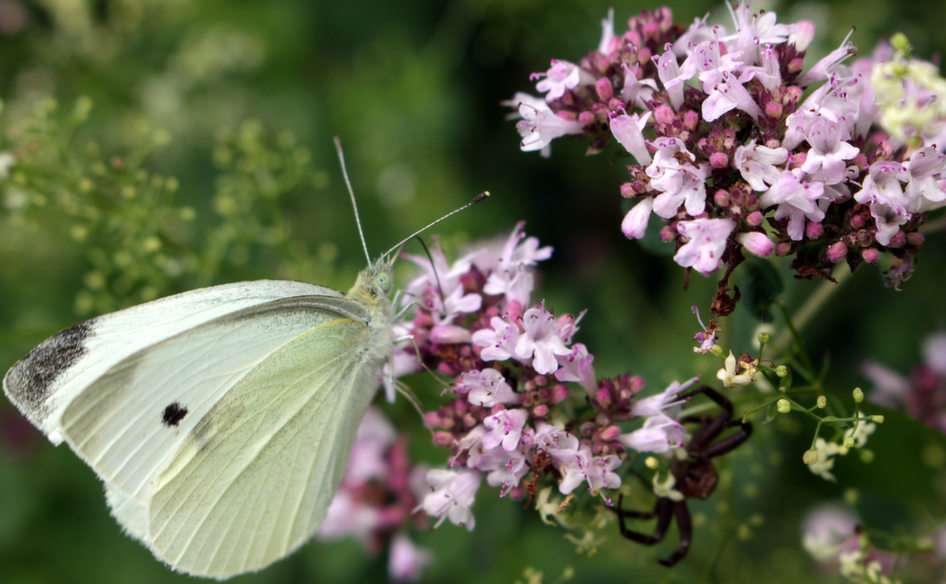
butterfly in oregano puzzle online from photo
88butterfly in oreganosolved 49 times
Solve puzzle
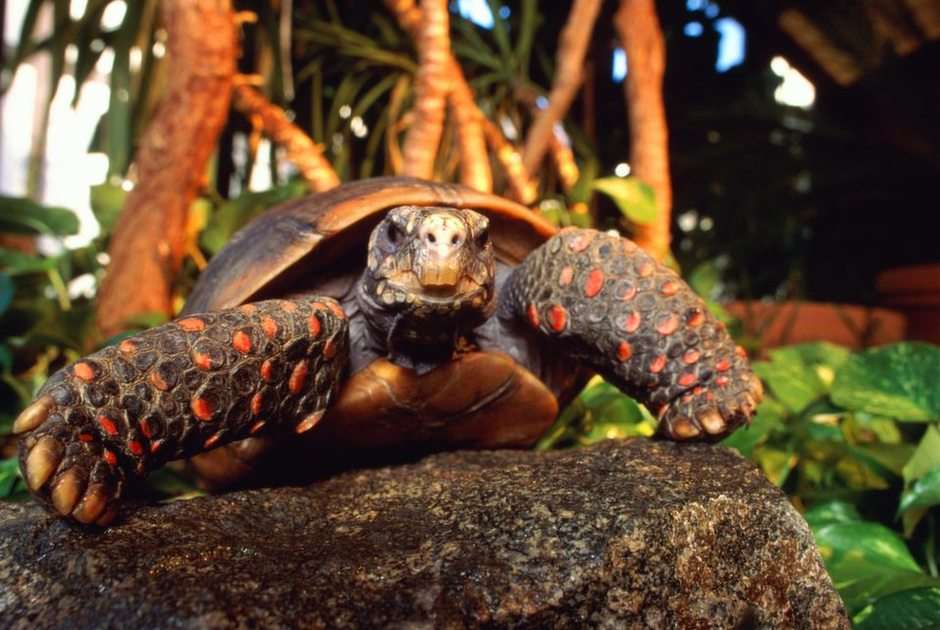
Tortoise online puzzle
15Tortoisesolved 49 times
Solve puzzle
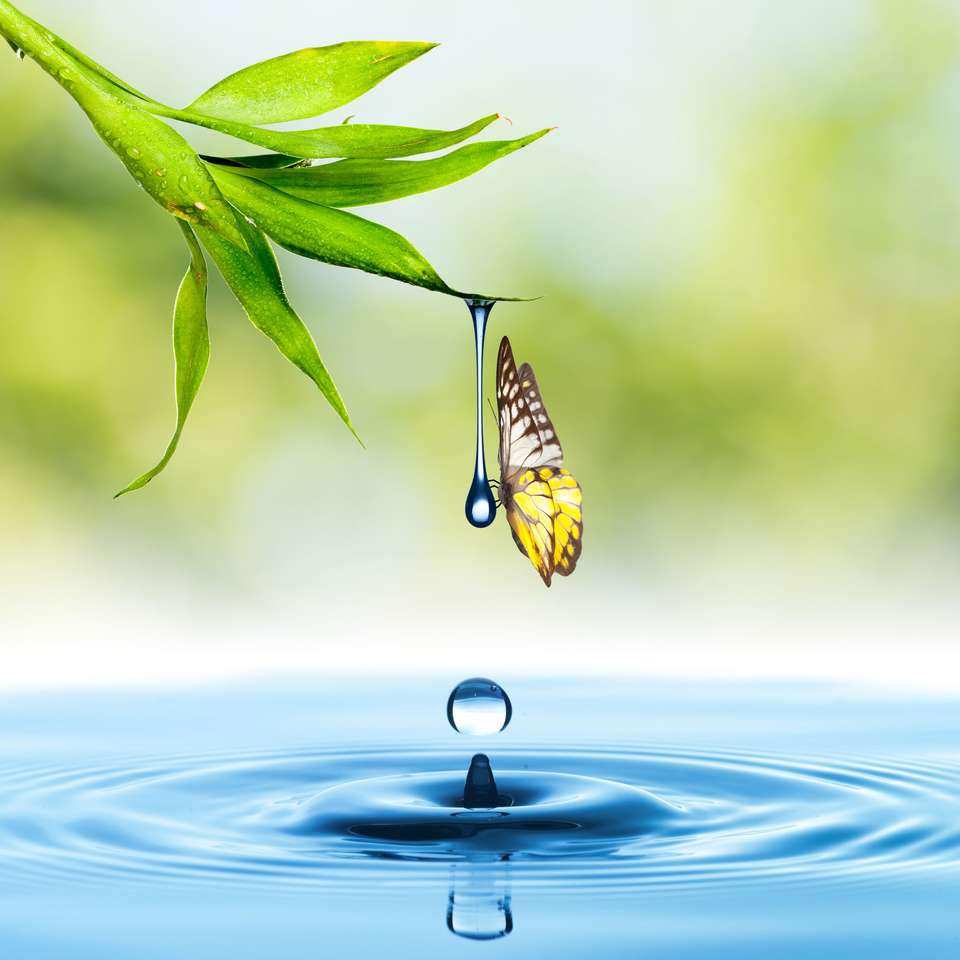
Butterfly with green leaf puzzle online from photo
169Butterfly with green leafsolved 49 times
Solve puzzle
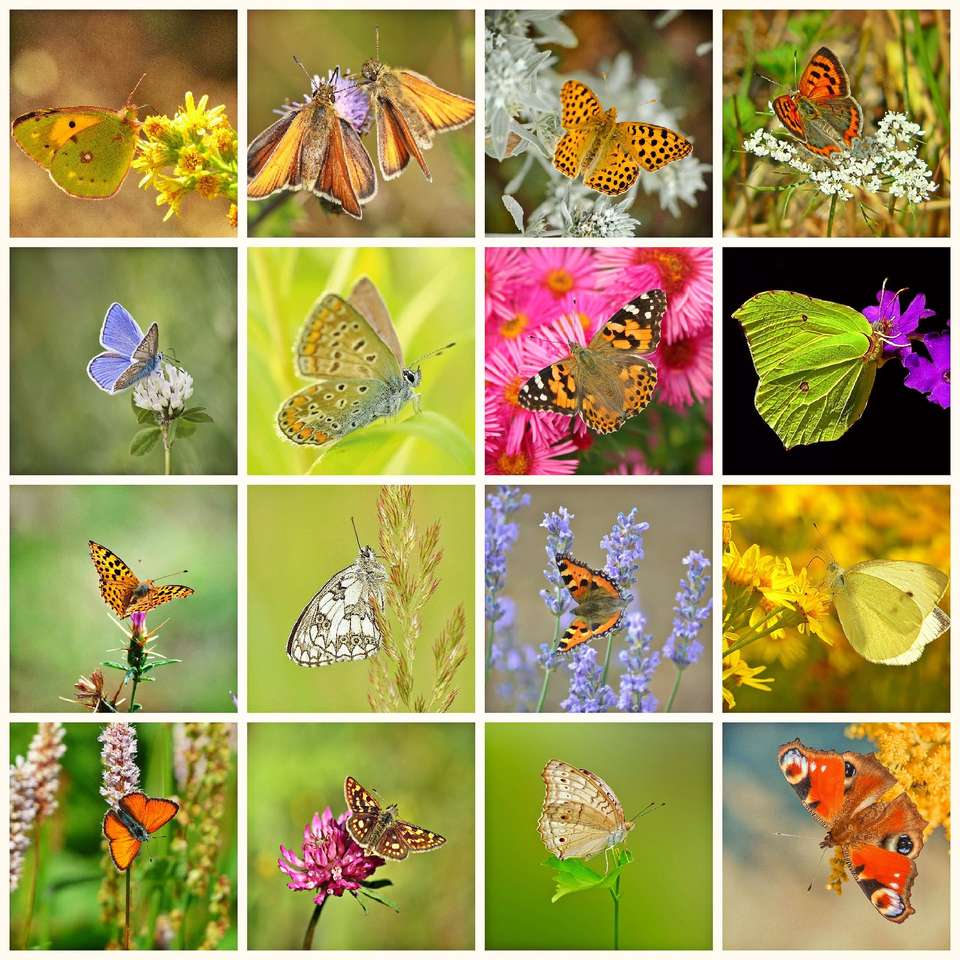
Butterflies Collage online puzzle
256Butterflies Collagesolved 49 times
Solve puzzle
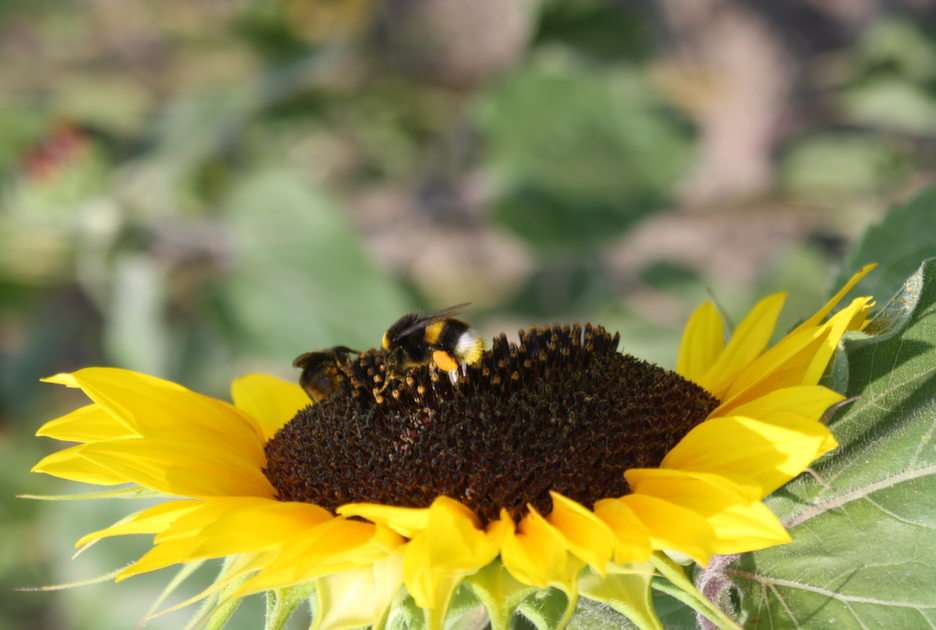
sunflower canteen online puzzle
130sunflower canteensolved 48 times
Solve puzzle
MARIPOSA online puzzle
15MARIPOSAsolved 48 times
Solve puzzle
Mossy puzzle online from photo
25Mossysolved 48 times
Solve puzzle
Bright koala in the forest puzzle online from photo
36Bright koala in the forestsolved 48 times
Solve puzzle
view1 puzzle online from photo
28view1solved 47 times
Solve puzzle
Buffet Table puzzle online from photo
96Buffet Tablesolved 47 times
Solve puzzle
Lslsochlvlvll online puzzle
96Lslsochlvlvllsolved 47 times
Solve puzzle
Pasyn lucylla online puzzle
80Pasyn lucyllasolved 46 times
Solve puzzle
Two flowers. puzzle online from photo
48Two flowers.solved 46 times
Solve puzzle
ants puzzles puzzle online from photo

20ants puzzlessolved 46 times
Solve puzzle
Butterfly puzzle online from photo
16Butterflysolved 46 times
Solve puzzle
Summer Flowers online puzzle
169Summer Flowerssolved 46 times
Solve puzzle
butterflies in flight puzzle online from photo
169butterflies in flightsolved 46 times
Solve puzzle
Insect infestation puzzle online from photo
208Insect infestationsolved 46 times
Solve puzzle
Abeja puzzle online from photo
48Abejasolved 45 times
Solve puzzle
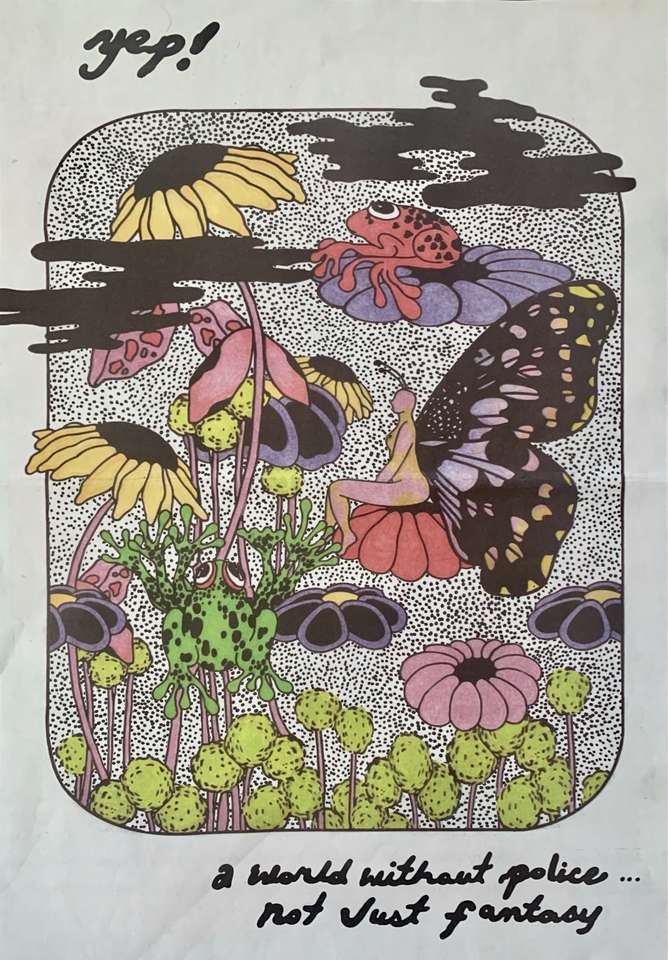
not just fantasy... online puzzle
216not just fantasy...solved 45 times
Solve puzzle
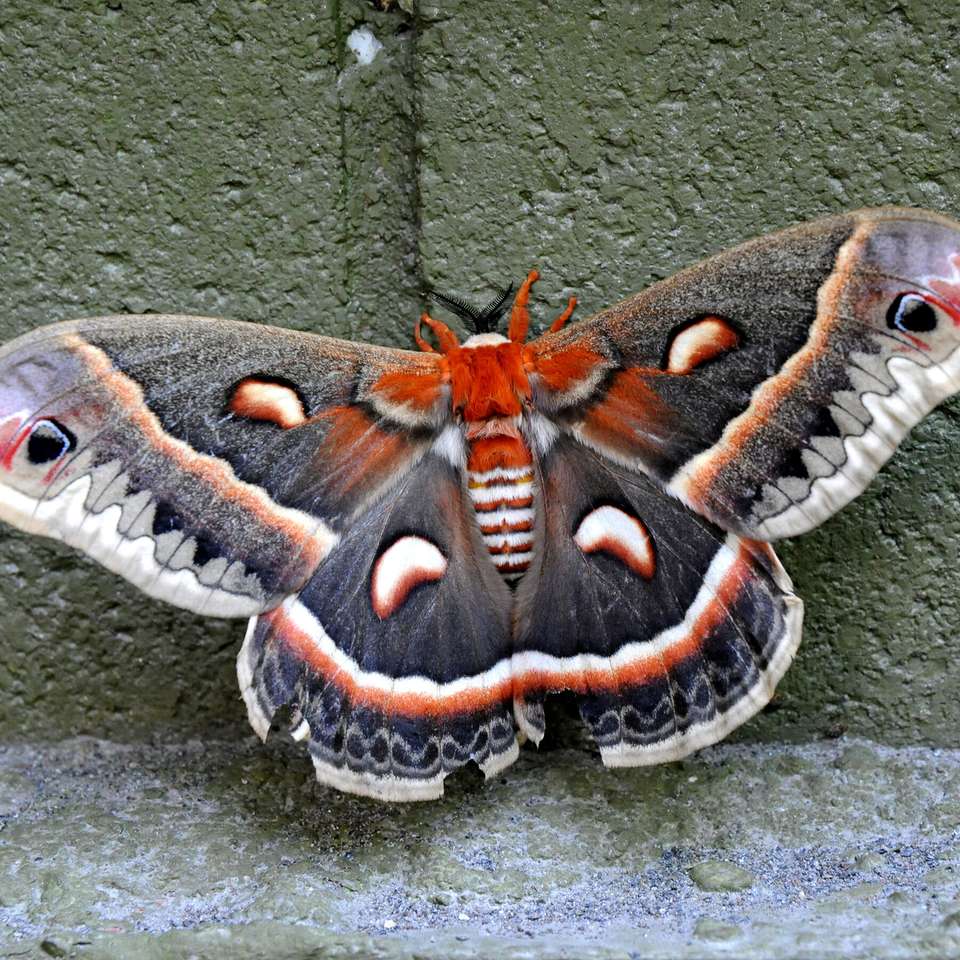
moth of the world puzzle online from photo
16moth of the worldsolved 44 times
Solve puzzle
buttefly art online puzzle
187buttefly artsolved 44 times
Solve puzzle
Food online puzzle
84Foodsolved 43 times
Solve puzzle
Kirmėliukas puzzle online from photo
20Kirmėliukassolved 43 times
Solve puzzle
Spanish Paella online puzzle
176Spanish Paellasolved 43 times
Solve puzzle
Camuflaje online puzzle
15Camuflajesolved 42 times
Solve puzzle
ladybugs online puzzle
252ladybugssolved 42 times
Solve puzzle
Frida Kahlo puzzle online from photo
234Frida Kahlosolved 42 times
Solve puzzle
dsg fgsg fsgaedg online puzzle
165dsg fgsg fsgaedgsolved 42 times
Solve puzzle
Butterfly online puzzle
126Butterflysolved 42 times
Solve puzzle
Abelha que não dorme puzzle online from photo
70Abelha que não dormesolved 42 times
Solve puzzle

Online puzzle Arthropod

Arthropod

Arthropods (, from Ancient Greek ἄρθρον (arthron) 'joint', and πούς (pous) 'foot' (gen. ποδός)) are invertebrate animals in the phylum Arthropoda. They possess an exoskeleton with a cuticle made of chitin, often mineralised with calcium carbonate, a segmented body, and paired jointed appendages. In order to keep growing, they must go through stages of moulting, a process by which they shed their exoskeleton to reveal a new one. They are an extremely diverse group, with up to 10 million species.

Haemolymph is the analogue of blood for arthropods. An arthropod has an open circulatory system, with a body cavity called a haemocoel through which haemolymph circulates to the interior organs. Like their exteriors, the internal organs of arthropods are generally built of repeated segments. Their nervous system is "ladder-like", with paired ventral nerve cords running through all segments and forming paired ganglia in each segment. Their heads are formed by fusion of varying numbers of segments, and their brains are formed by fusion of the ganglia of these segments and encircle the esophagus. The respiratory and excretory systems of arthropods vary, depending as much on their environment as on the subphylum to which they belong.

Arthropods use combinations of compound eyes and pigment-pit ocelli for vision. In most species, the ocelli can only detect the direction from which light is coming, and the compound eyes are the main source of information, but the main eyes of spiders are ocelli that can form images and, in a few cases, can swivel to track prey. Arthropods also have a wide range of chemical and mechanical sensors, mostly based on modifications of the many bristles known as setae that project through their cuticles. Similarly, their reproduction and development are varied; all terrestrial species use internal fertilization, but this is sometimes by indirect transfer of the sperm via an appendage or the ground, rather than by direct injection. Aquatic species use either internal or external fertilization. Almost all arthropods lay eggs, but many species give birth to live young after the eggs have hatched inside the mother, and a few are genuinely viviparous, such as aphids. Arthropod hatchlings vary from miniature adults to grubs and caterpillars that lack jointed limbs and eventually undergo a total metamorphosis to produce the adult form. The level of maternal care for hatchlings varies from nonexistent to the prolonged care provided by social insects.
The evolutionary ancestry of arthropods dates back to the Cambrian period. The group is generally regarded as monophyletic, and many analyses support the placement of arthropods with cycloneuralians (or their constituent clades) in a superphylum Ecdysozoa. Overall, however, the basal relationships of animals are not yet well resolved. Likewise, the relationships between various arthropod groups are still actively debated. Today, Arthropods contribute to the human food supply both directly as food, and more importantly, indirectly as pollinators of crops. Some species are known to spread severe disease to humans, livestock, and crops.