Arthropod - online puzzles
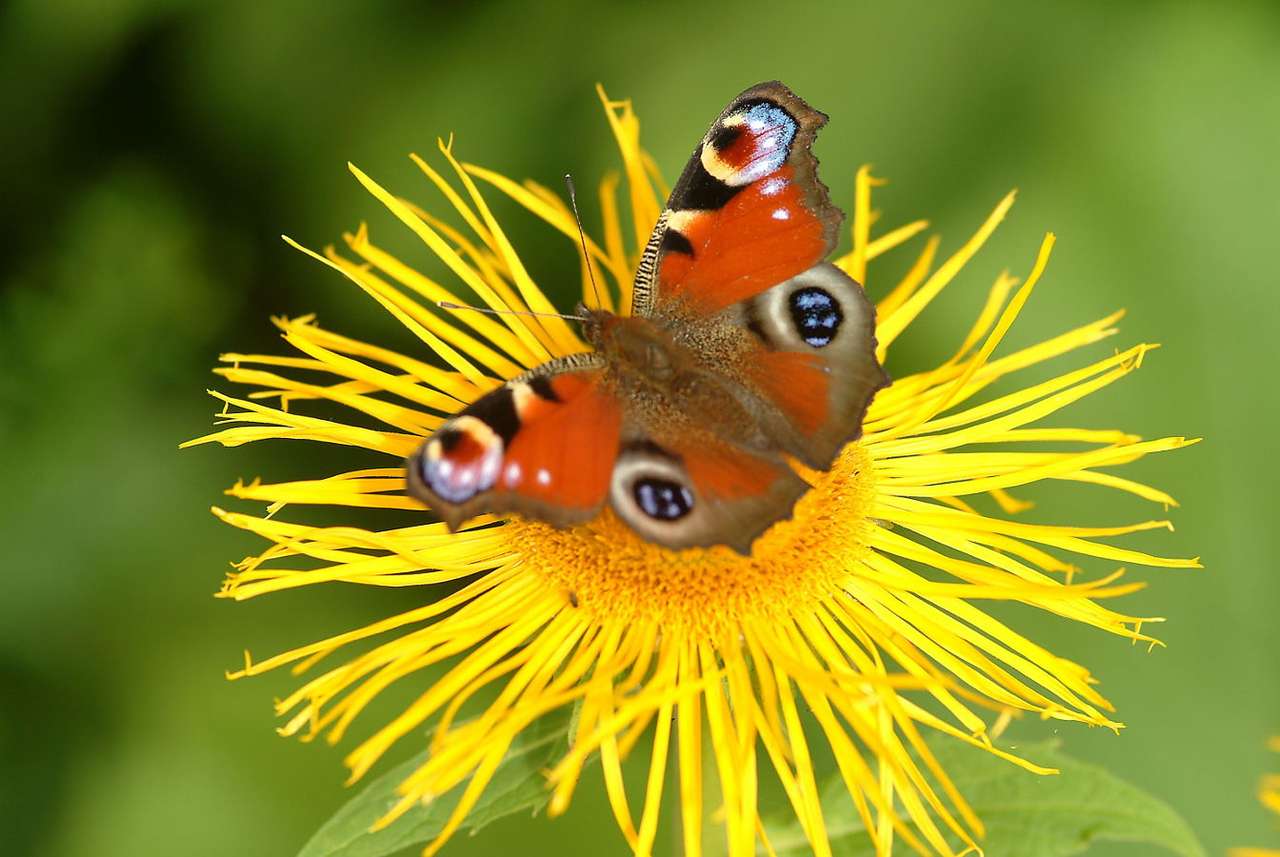
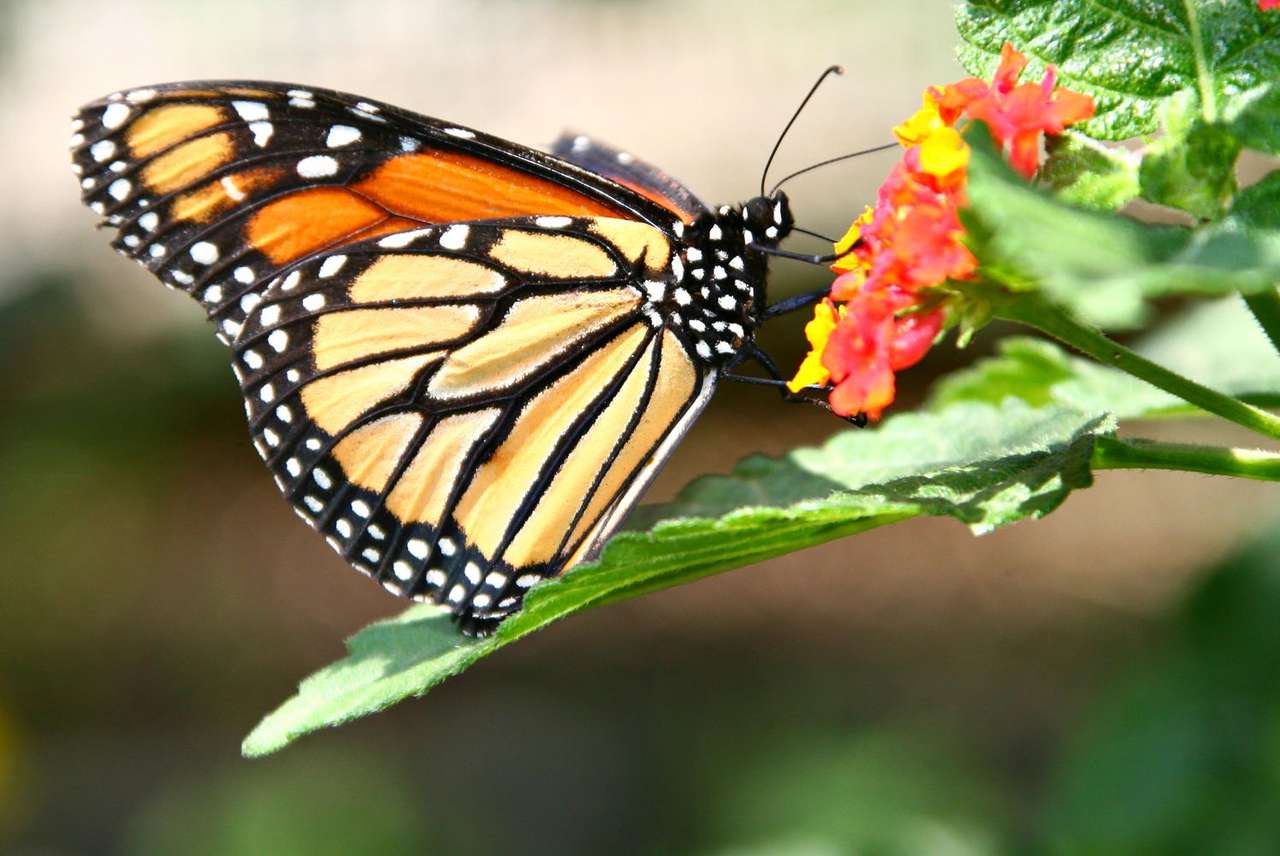
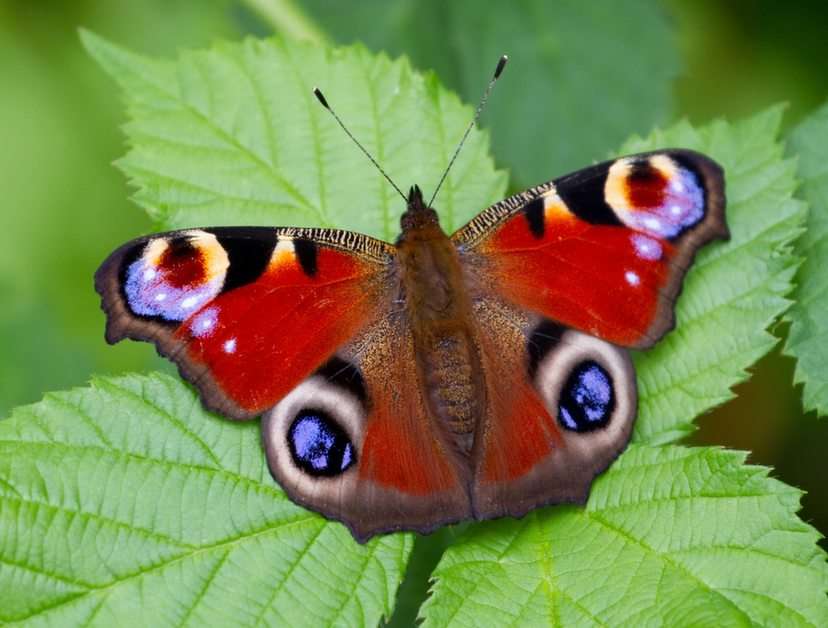
Butterflies puzzle online from photo
64Butterfliessolved 117 times
Solve puzzle
butterfly puzzle online from photo
48butterflysolved 117 times
Solve puzzle
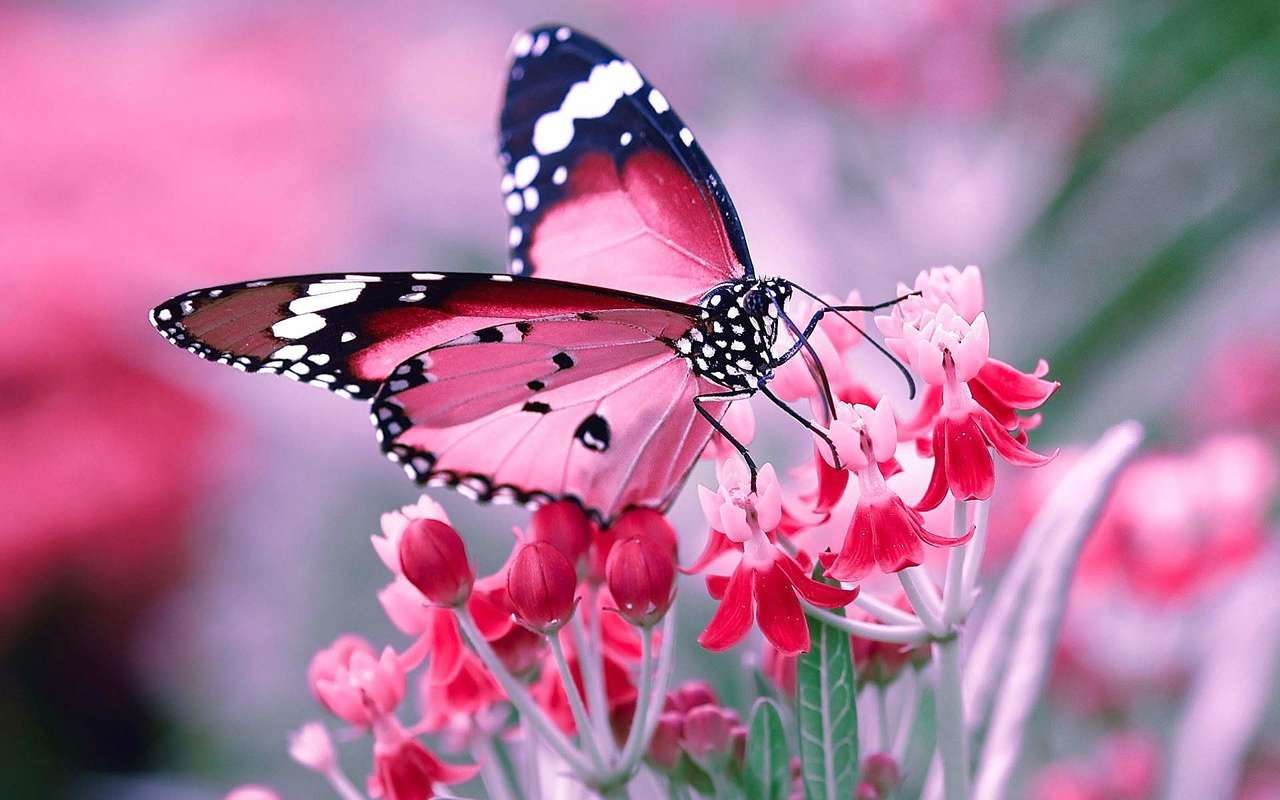
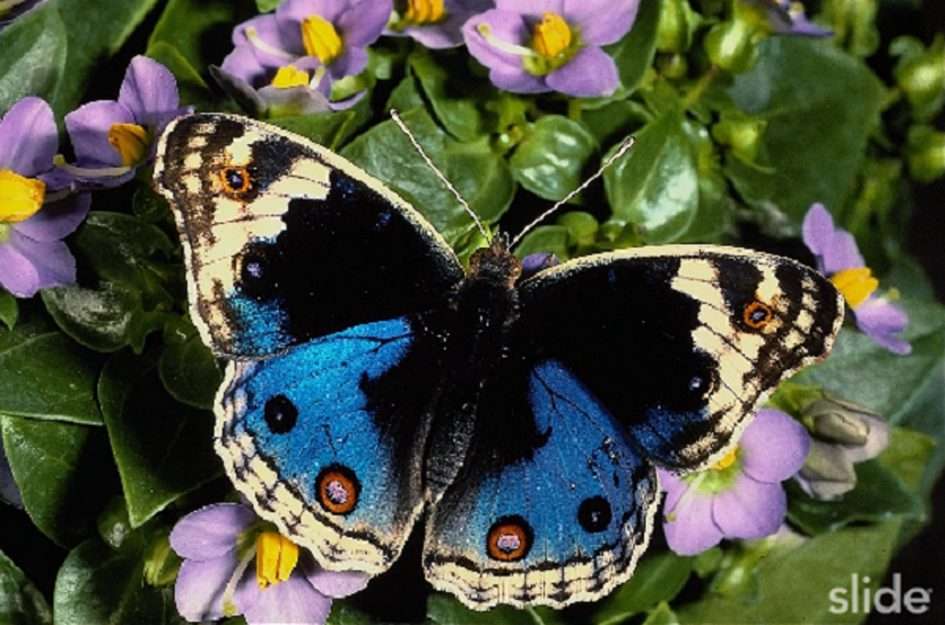
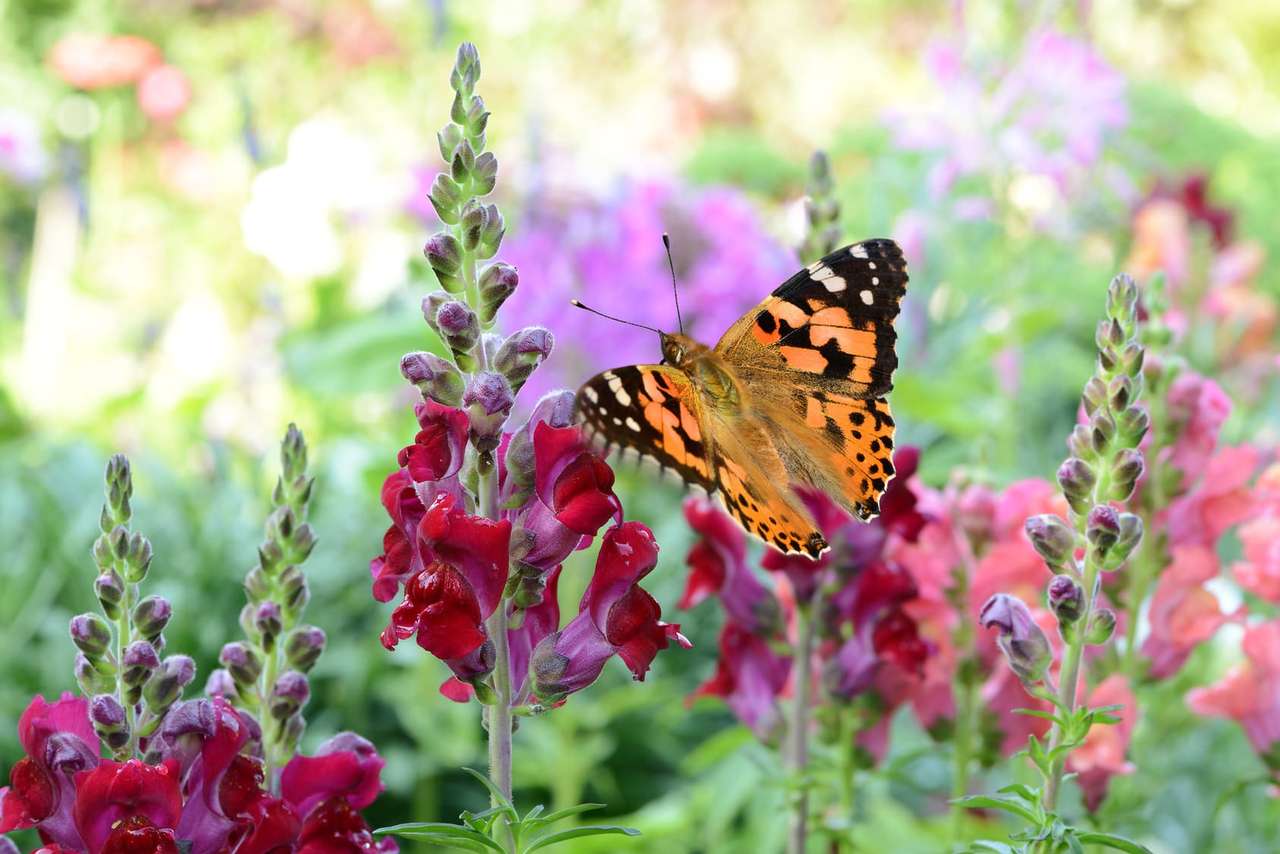
Colorful butterfly online puzzle
48Colorful butterflysolved 117 times
Solve puzzle
butterfly puzzle online from photo
56butterflysolved 115 times
Solve puzzle
cmas online puzzle
15cmassolved 115 times
Solve puzzle
Souvenirs puzzle online from photo
280Souvenirssolved 114 times
Solve puzzle
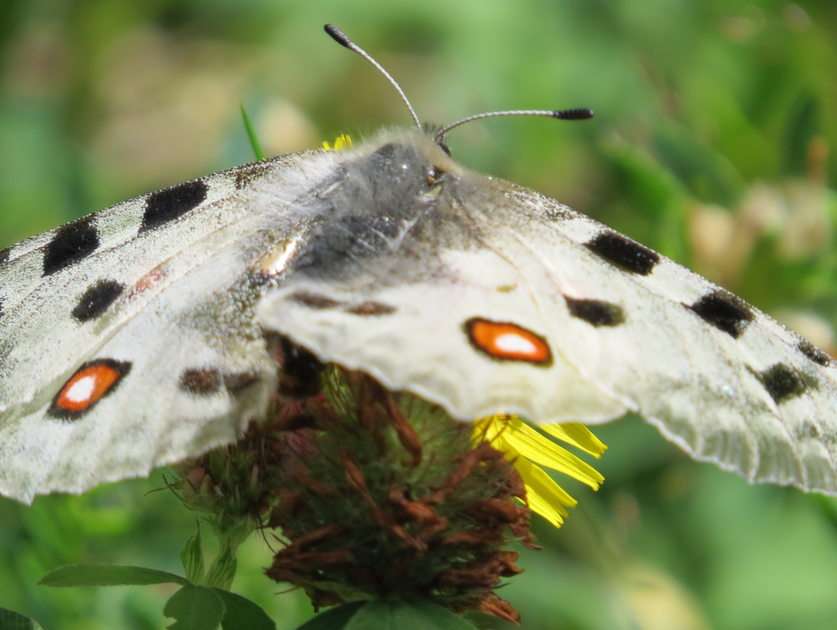
Apollo butterfly online puzzle
63Apollo butterflysolved 114 times
Solve puzzle
Nymphs puzzle online from photo
48Nymphssolved 114 times
Solve puzzle
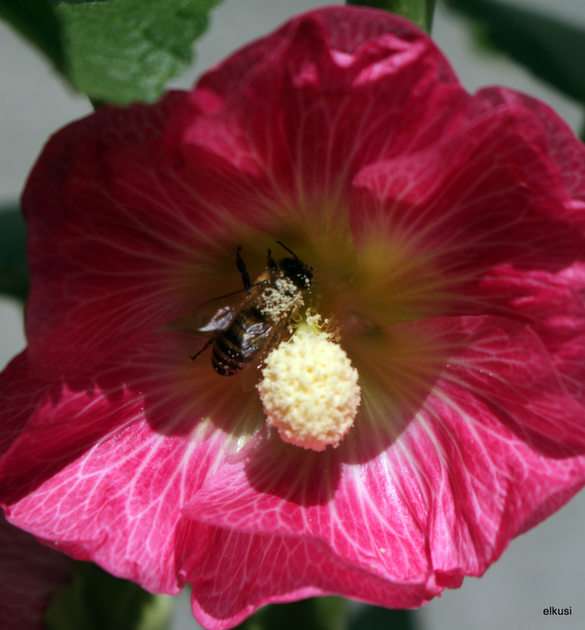
mallow puzzle online from photo
90mallowsolved 113 times
Solve puzzle
butterfly puzzle online from photo
63butterflysolved 113 times
Solve puzzle
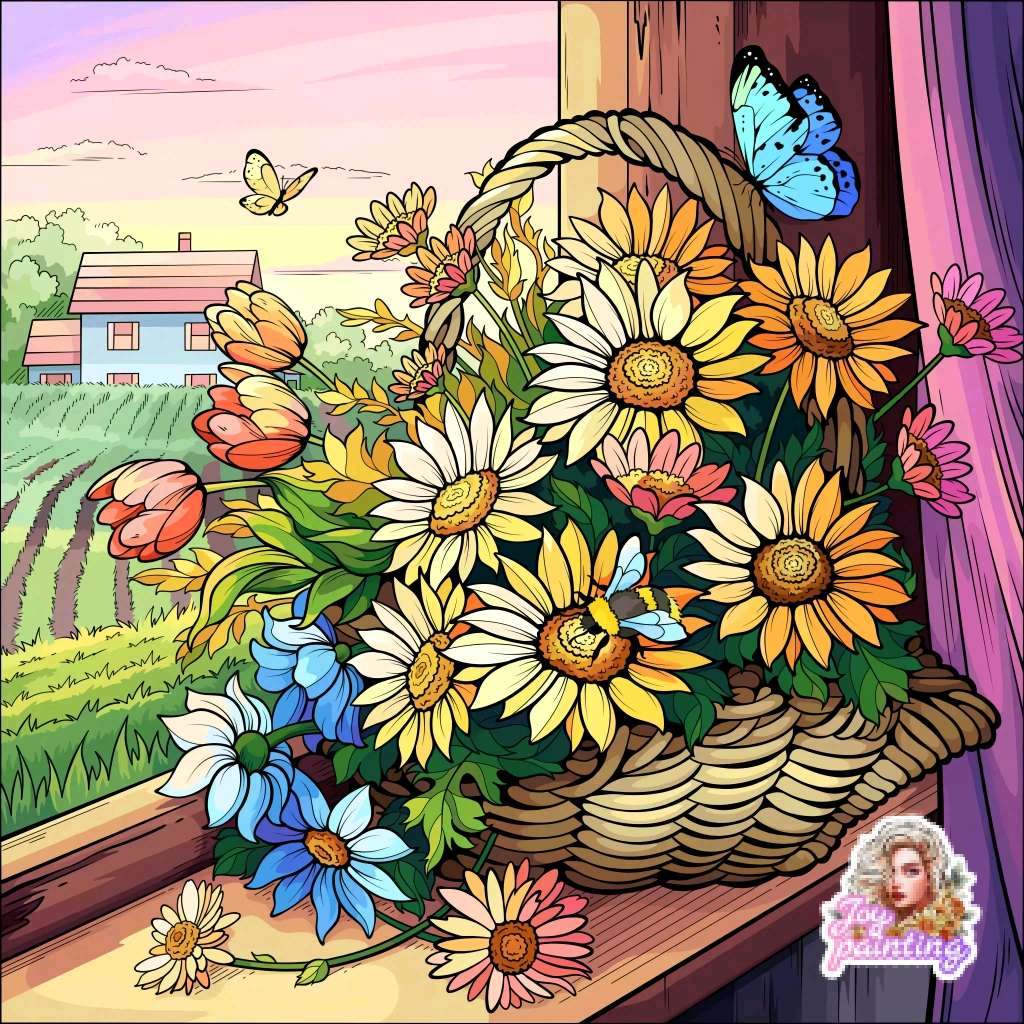
floral basket puzzle online from photo
196floral basketsolved 111 times
Solve puzzle
Tiger and the letter T puzzle online from photo
36Tiger and the letter Tsolved 111 times
Solve puzzle
kelebek1 puzzle online from photo
24kelebek1solved 110 times
Solve puzzle
IH # 1 online puzzle
24IH # 1solved 109 times
Solve puzzle
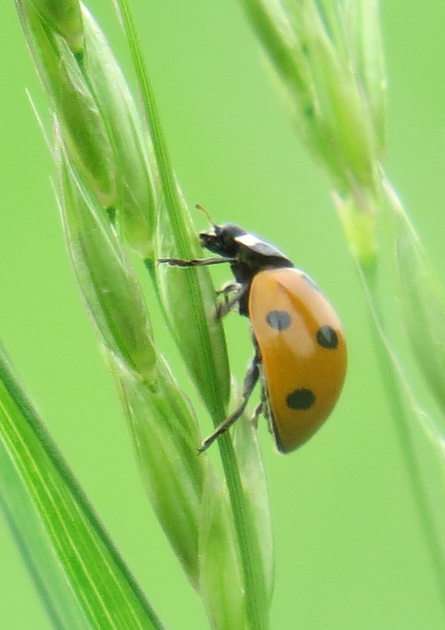
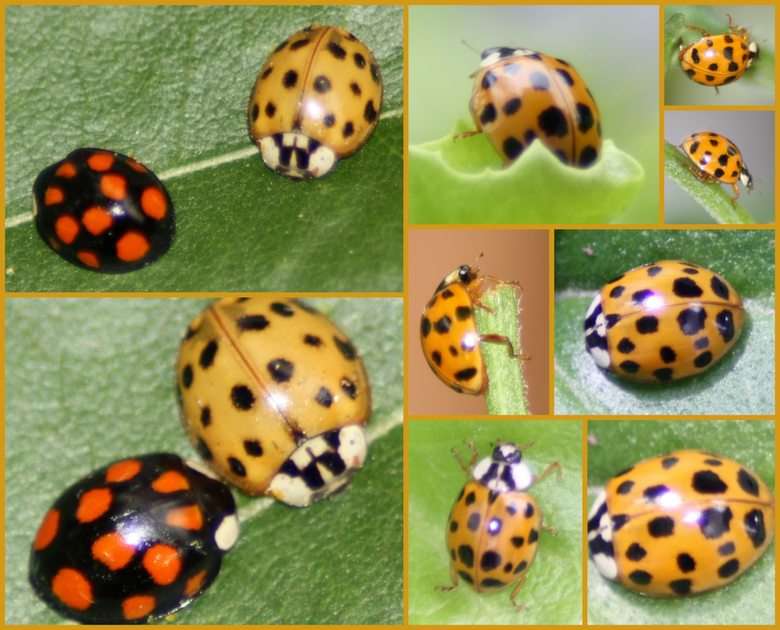
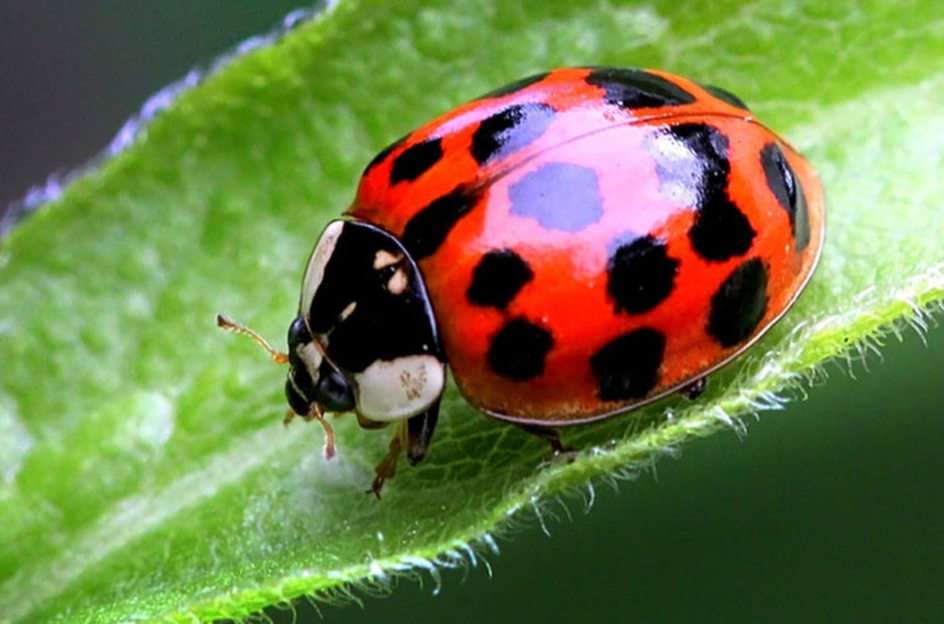
Ladybug online puzzle
45Ladybugsolved 108 times
Solve puzzle
poppy online puzzle
80poppysolved 108 times
Solve puzzle
udang online puzzle
25udangsolved 108 times
Solve puzzle
ladybugs puzzle online from photo
108ladybugssolved 107 times
Solve puzzle
Transformation online puzzle
196Transformationsolved 107 times
Solve puzzle
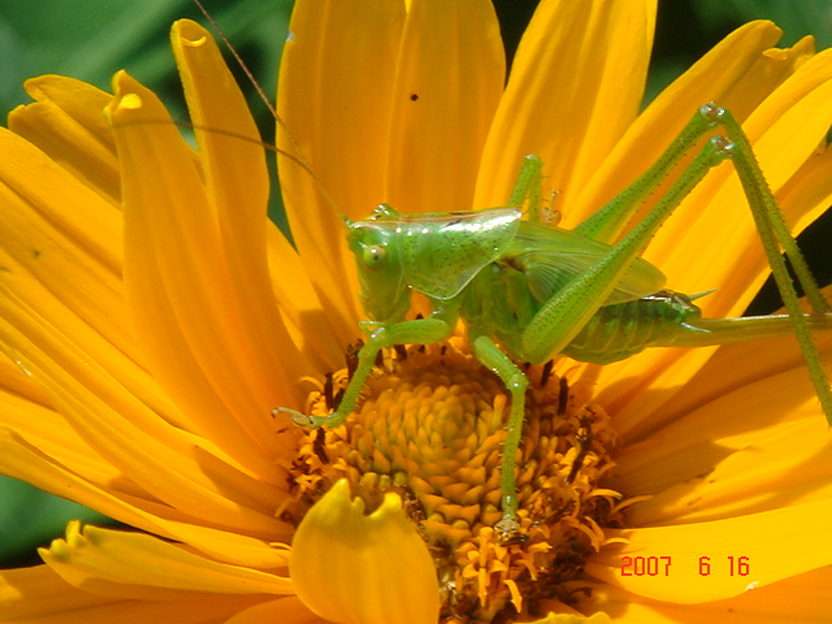
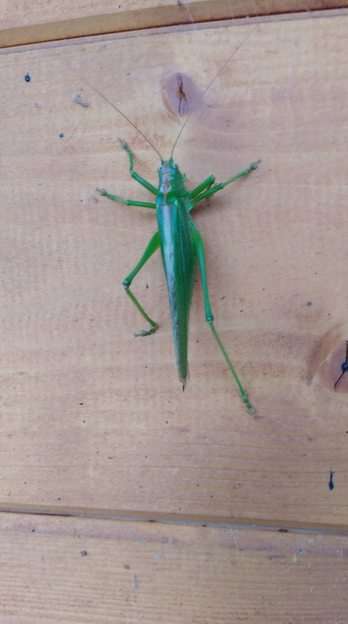
Grasshopper online puzzle
208Grasshoppersolved 106 times
Solve puzzle
in the garden puzzle online from photo
72in the gardensolved 106 times
Solve puzzle
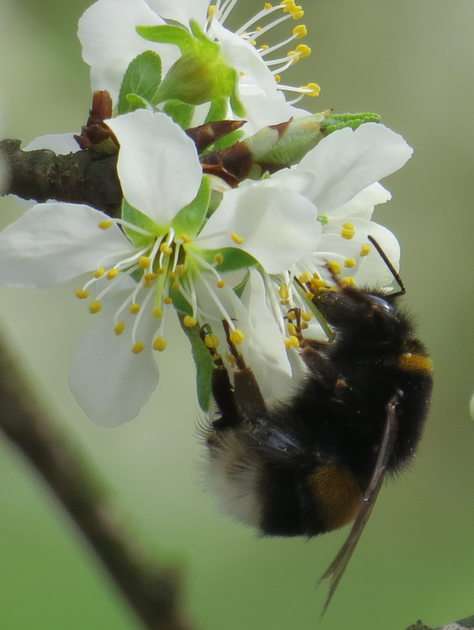
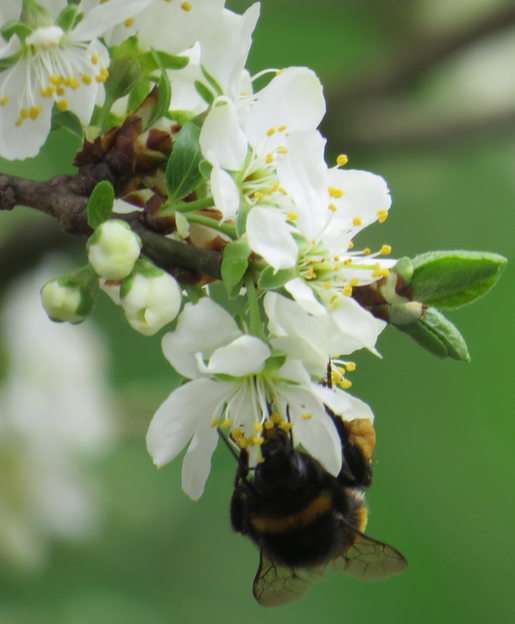
Bumblebee on plum online puzzle
54Bumblebee on plumsolved 106 times
Solve puzzle
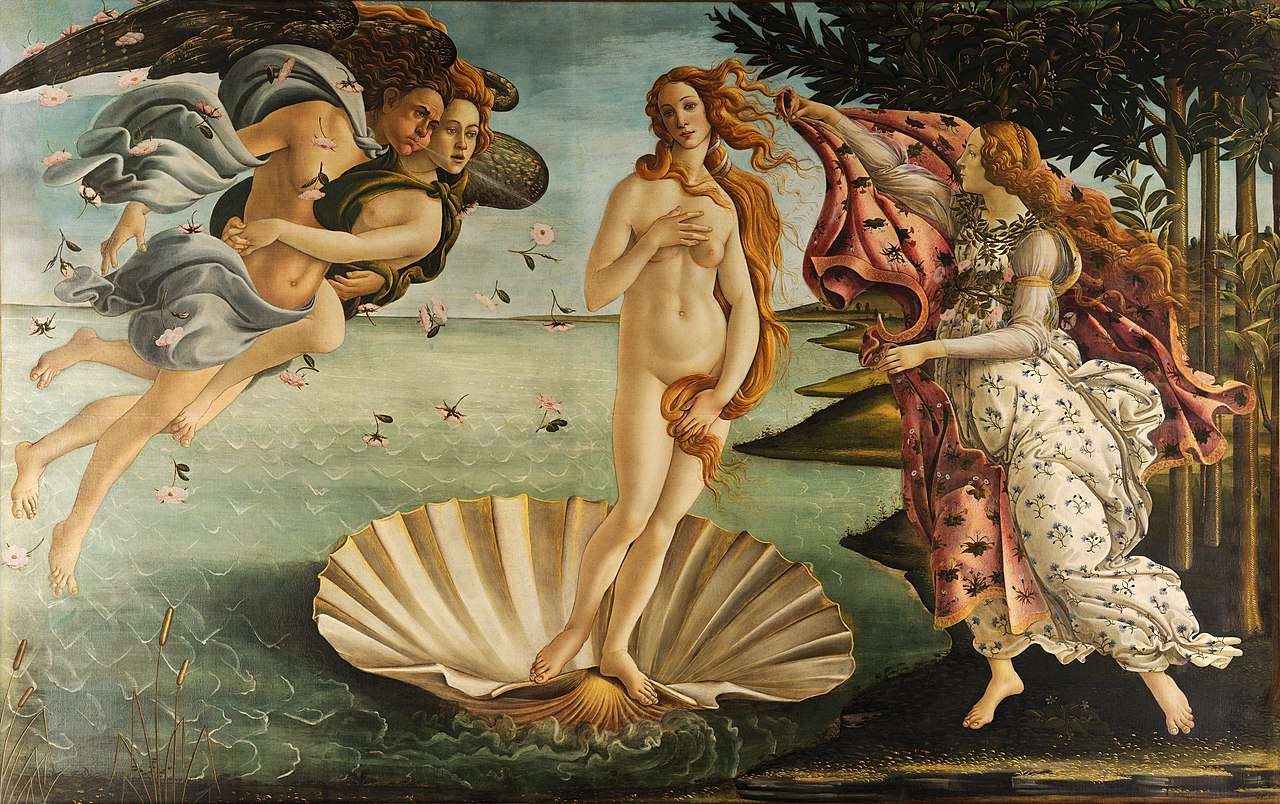
Botticelli Venus online puzzle
345Botticelli Venussolved 106 times
Solve puzzle
Insecto libando online puzzle
15Insecto libandosolved 105 times
Solve puzzle
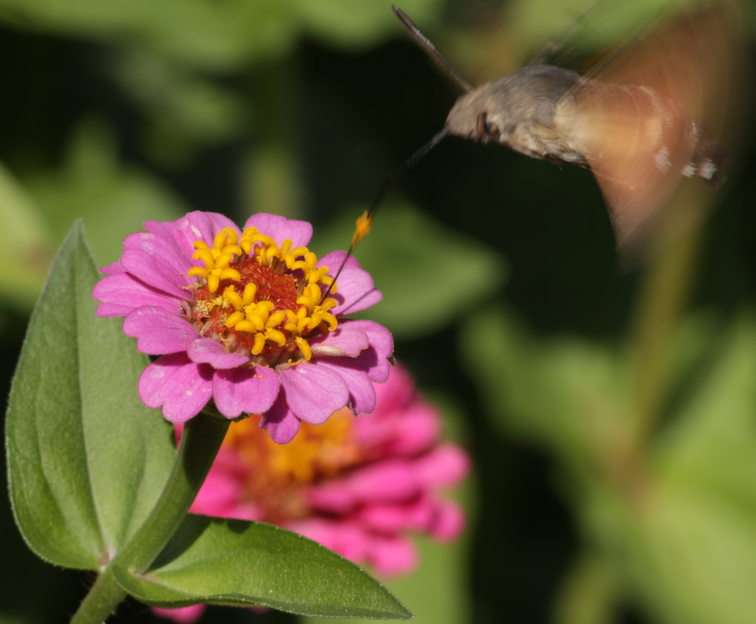
Pollination puzzle online from photo
40Pollinationsolved 105 times
Solve puzzle
BBQ puzzle online from photo
168BBQsolved 105 times
Solve puzzle
Ladybug puzzle online from photo
48Ladybugsolved 103 times
Solve puzzle
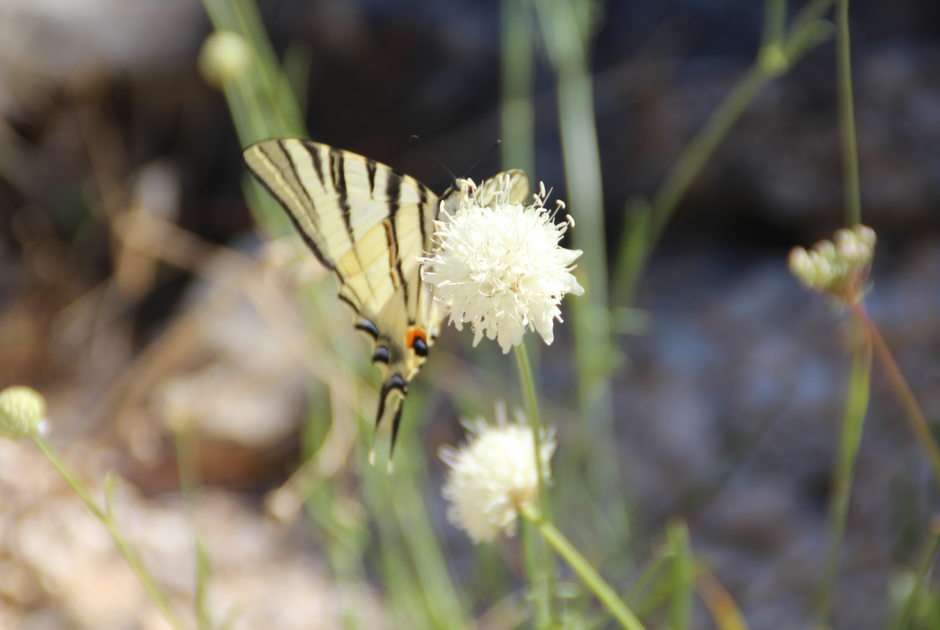
Swallowtail butterfly online puzzle
70Swallowtail butterflysolved 102 times
Solve puzzle
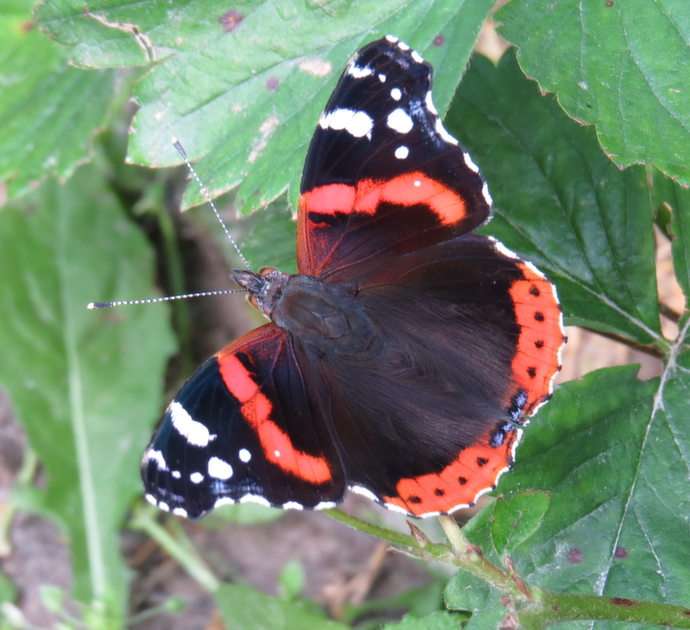
Rusalka admiral puzzle online from photo
90Rusalka admiralsolved 101 times
Solve puzzle
Jewellery online puzzle
288Jewellerysolved 100 times
Solve puzzle
collage puzzle online from photo
88collagesolved 100 times
Solve puzzle
rose online puzzle
48rosesolved 100 times
Solve puzzle
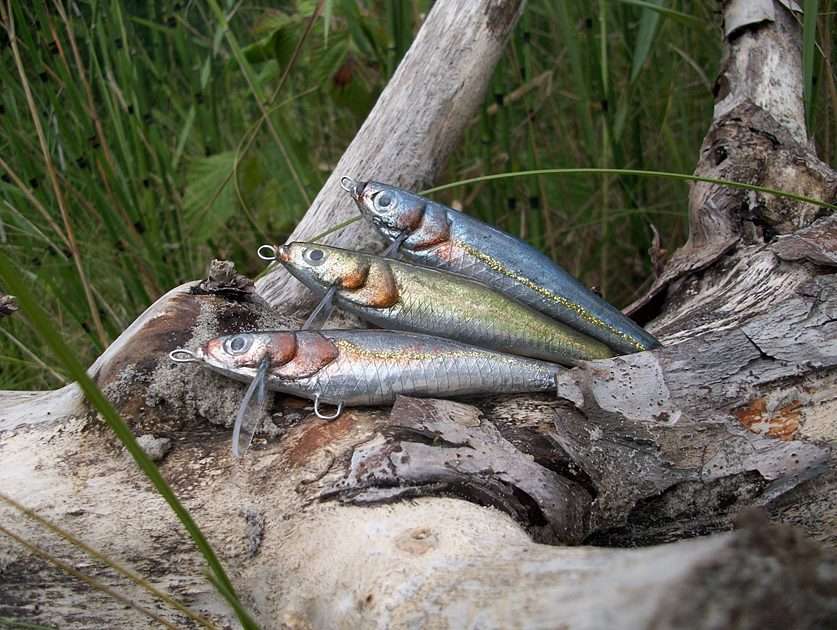
Wobblers online puzzle
63Wobblerssolved 99 times
Solve puzzle
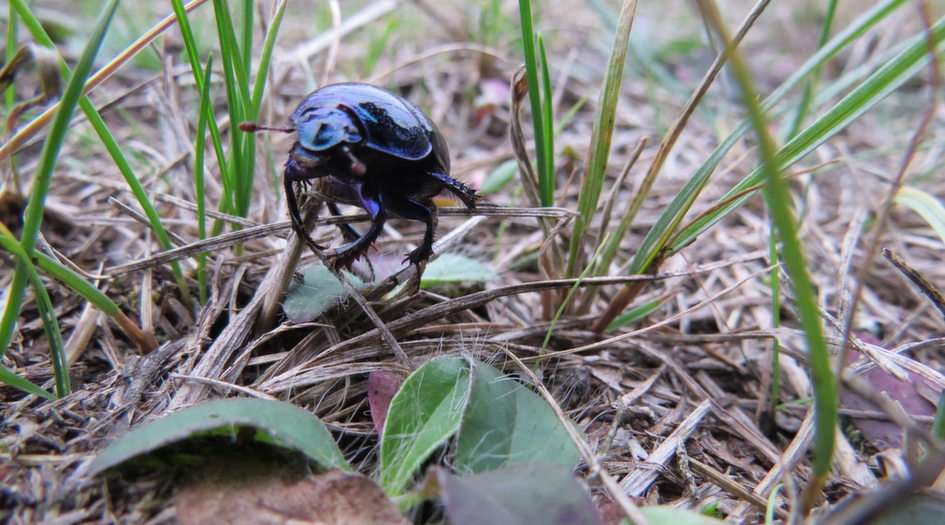
beetle puzzle online from photo
63beetlesolved 99 times
Solve puzzle
September puzzle online from photo
169Septembersolved 98 times
Solve puzzle
Puzz online puzzle
48Puzzsolved 98 times
Solve puzzle
butterfly puzzle online from photo
48butterflysolved 97 times
Solve puzzle
in the rocks online puzzle
88in the rockssolved 97 times
Solve puzzle
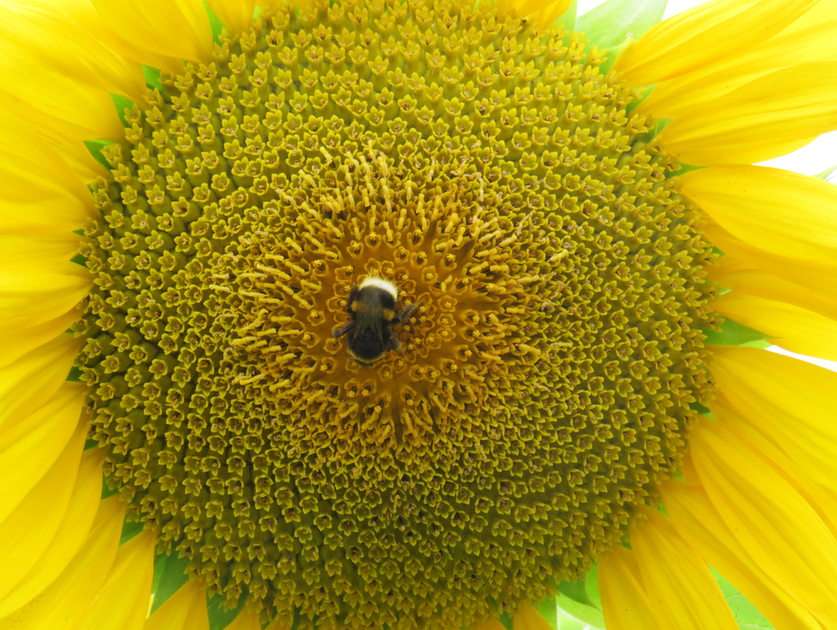
sunflower puzzle online from photo
63sunflowersolved 97 times
Solve puzzle
B S Channabasappa online puzzle
15B S Channabasappasolved 97 times
Solve puzzle
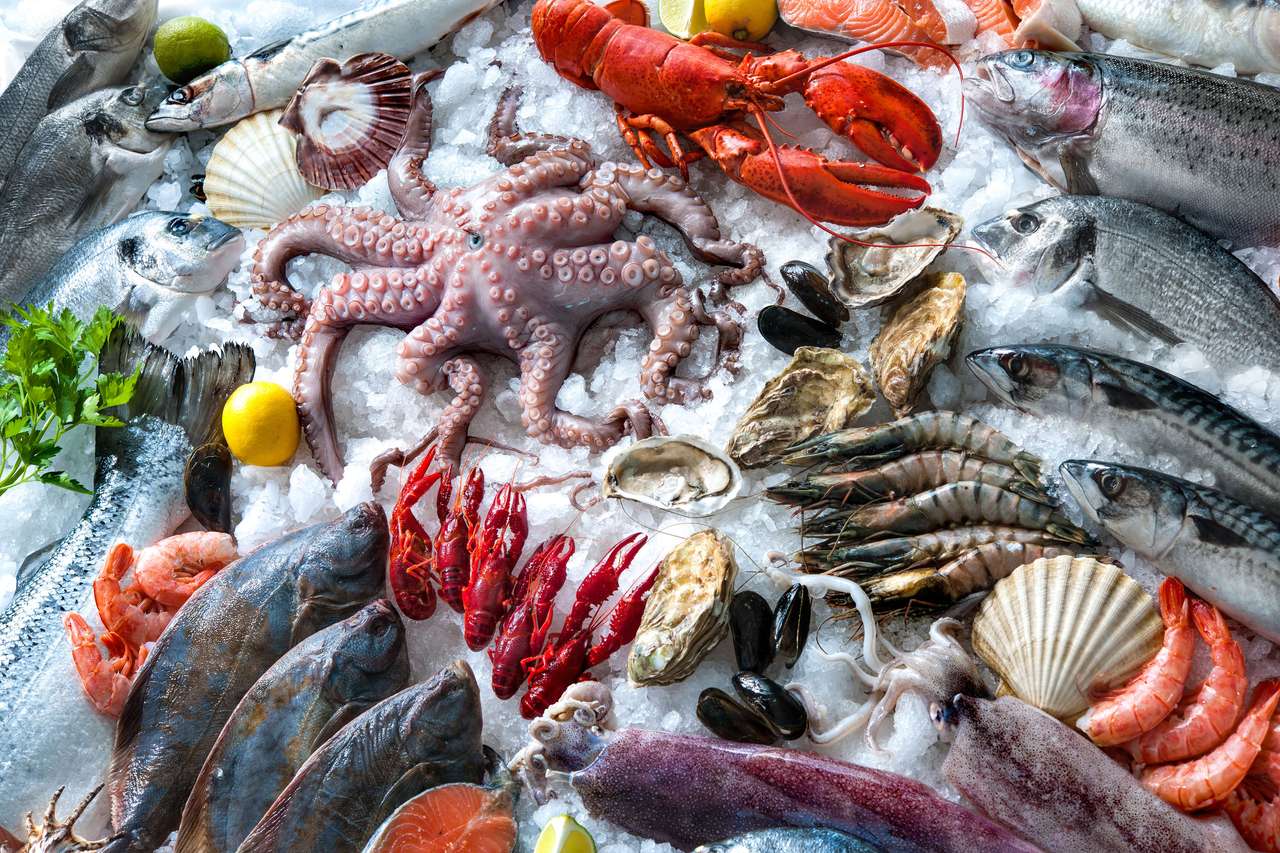
Seafood online puzzle
294Seafoodsolved 97 times
Solve puzzle
100 points for the best result online puzzle
35100 points for the best resultsolved 96 times
Solve puzzle
crabtest puzzle online from photo
35crabtestsolved 94 times
Solve puzzle
Grasshopper online puzzle
48Grasshoppersolved 92 times
Solve puzzle
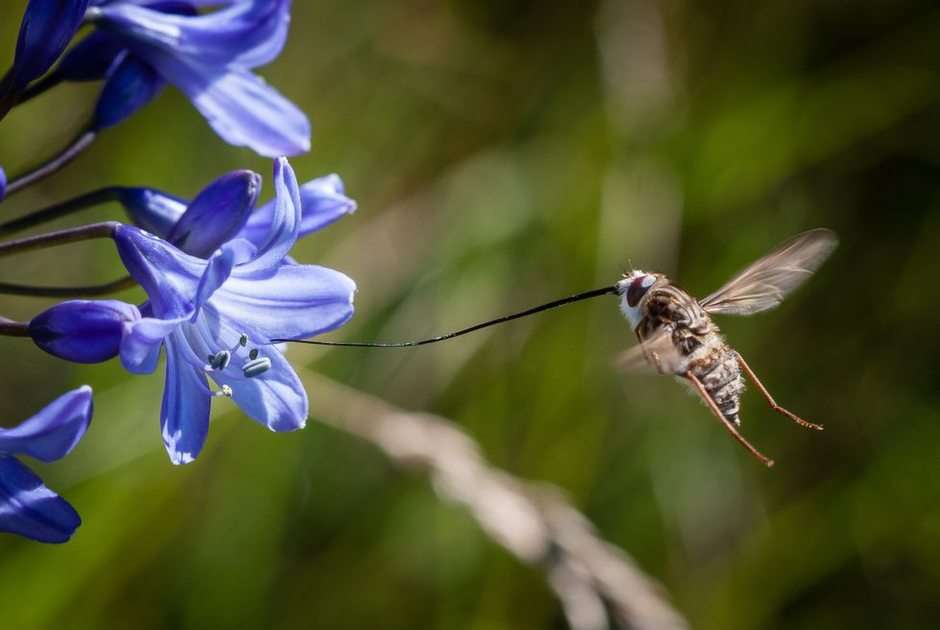
mosca con la lengua más larga online puzzle
15mosca con la lengua más largasolved 91 times
Solve puzzle
Butterfly on the meadow online puzzle
70Butterfly on the meadowsolved 91 times
Solve puzzle
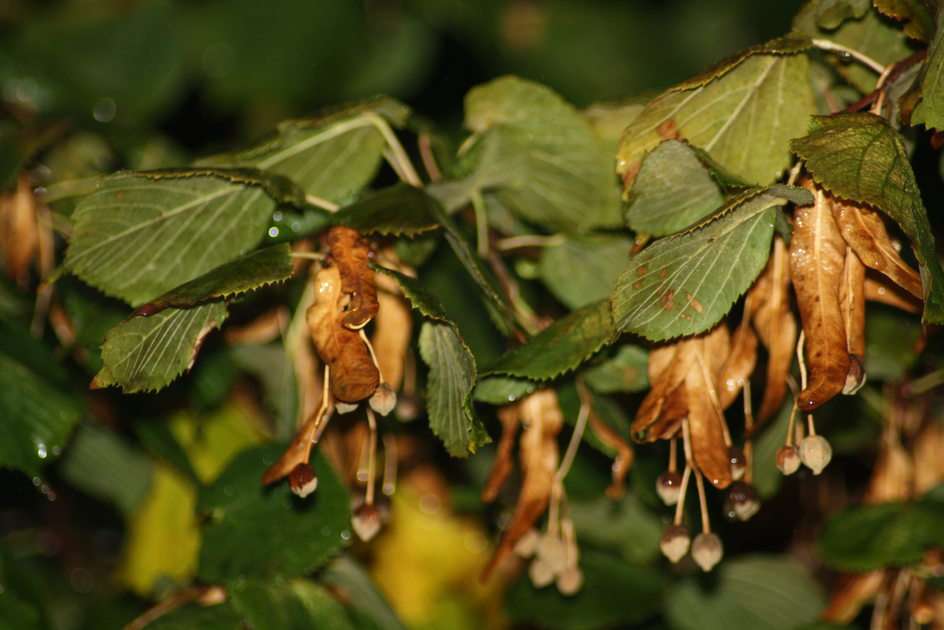
linden puzzle online from photo
48lindensolved 90 times
Solve puzzle
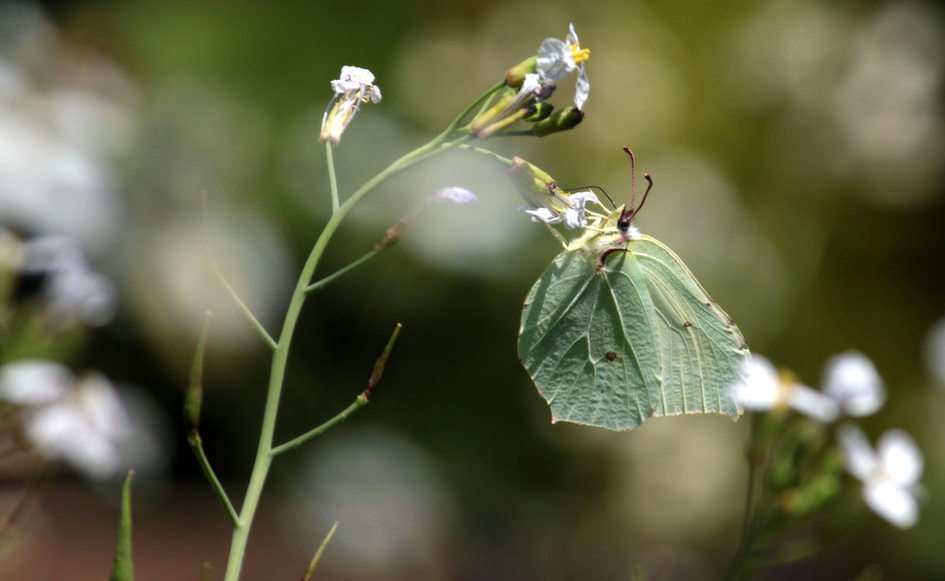
butterfly image online puzzle
24butterfly imagesolved 89 times
Solve puzzle

Online puzzle Arthropod

Arthropod

Arthropods (, from Ancient Greek ἄρθρον (arthron) 'joint', and πούς (pous) 'foot' (gen. ποδός)) are invertebrate animals in the phylum Arthropoda. They possess an exoskeleton with a cuticle made of chitin, often mineralised with calcium carbonate, a segmented body, and paired jointed appendages. In order to keep growing, they must go through stages of moulting, a process by which they shed their exoskeleton to reveal a new one. They are an extremely diverse group, with up to 10 million species.

Haemolymph is the analogue of blood for arthropods. An arthropod has an open circulatory system, with a body cavity called a haemocoel through which haemolymph circulates to the interior organs. Like their exteriors, the internal organs of arthropods are generally built of repeated segments. Their nervous system is "ladder-like", with paired ventral nerve cords running through all segments and forming paired ganglia in each segment. Their heads are formed by fusion of varying numbers of segments, and their brains are formed by fusion of the ganglia of these segments and encircle the esophagus. The respiratory and excretory systems of arthropods vary, depending as much on their environment as on the subphylum to which they belong.

Arthropods use combinations of compound eyes and pigment-pit ocelli for vision. In most species, the ocelli can only detect the direction from which light is coming, and the compound eyes are the main source of information, but the main eyes of spiders are ocelli that can form images and, in a few cases, can swivel to track prey. Arthropods also have a wide range of chemical and mechanical sensors, mostly based on modifications of the many bristles known as setae that project through their cuticles. Similarly, their reproduction and development are varied; all terrestrial species use internal fertilization, but this is sometimes by indirect transfer of the sperm via an appendage or the ground, rather than by direct injection. Aquatic species use either internal or external fertilization. Almost all arthropods lay eggs, but many species give birth to live young after the eggs have hatched inside the mother, and a few are genuinely viviparous, such as aphids. Arthropod hatchlings vary from miniature adults to grubs and caterpillars that lack jointed limbs and eventually undergo a total metamorphosis to produce the adult form. The level of maternal care for hatchlings varies from nonexistent to the prolonged care provided by social insects.
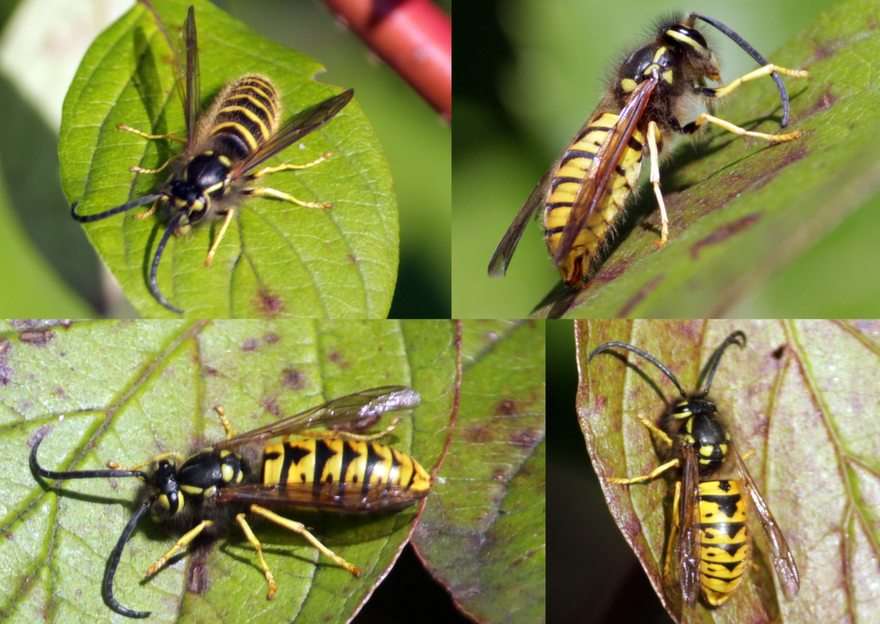
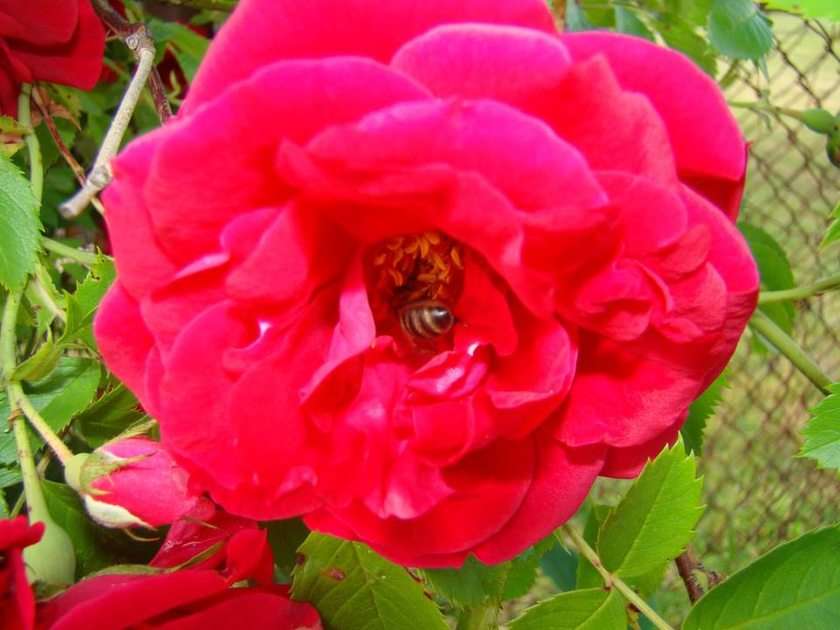
The evolutionary ancestry of arthropods dates back to the Cambrian period. The group is generally regarded as monophyletic, and many analyses support the placement of arthropods with cycloneuralians (or their constituent clades) in a superphylum Ecdysozoa. Overall, however, the basal relationships of animals are not yet well resolved. Likewise, the relationships between various arthropod groups are still actively debated. Today, Arthropods contribute to the human food supply both directly as food, and more importantly, indirectly as pollinators of crops. Some species are known to spread severe disease to humans, livestock, and crops.