Arthropod - online puzzles
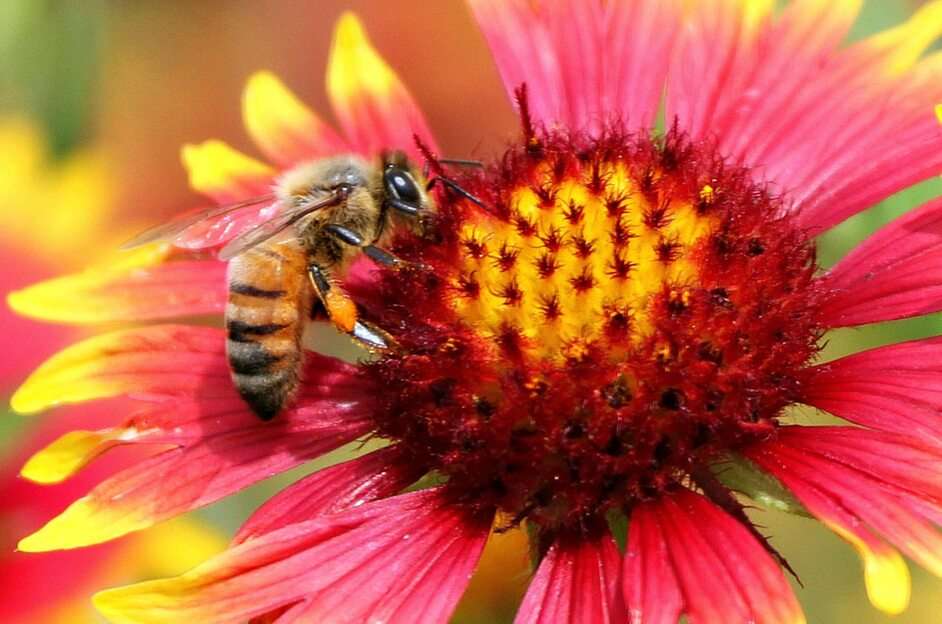
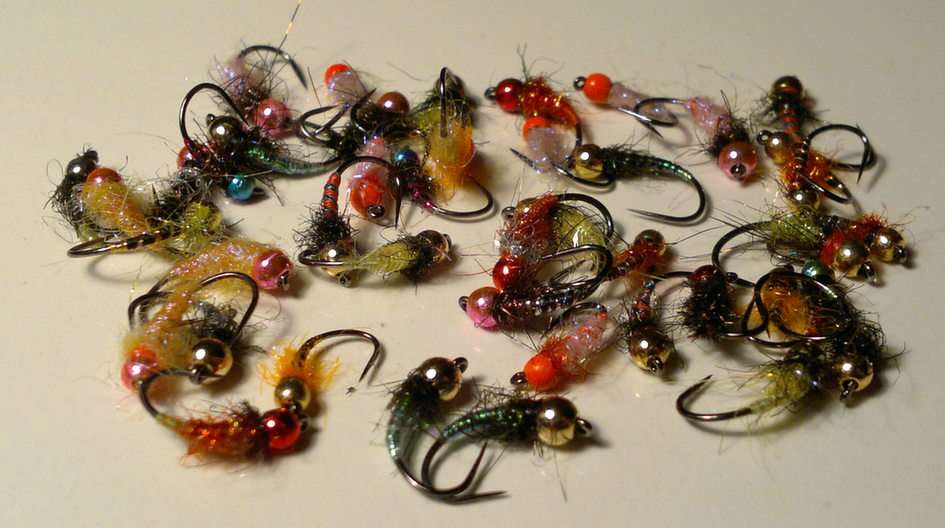
Ape Santa Rita puzzle online from photo
35Ape Santa Ritasolved 1,709 times
Solve puzzle
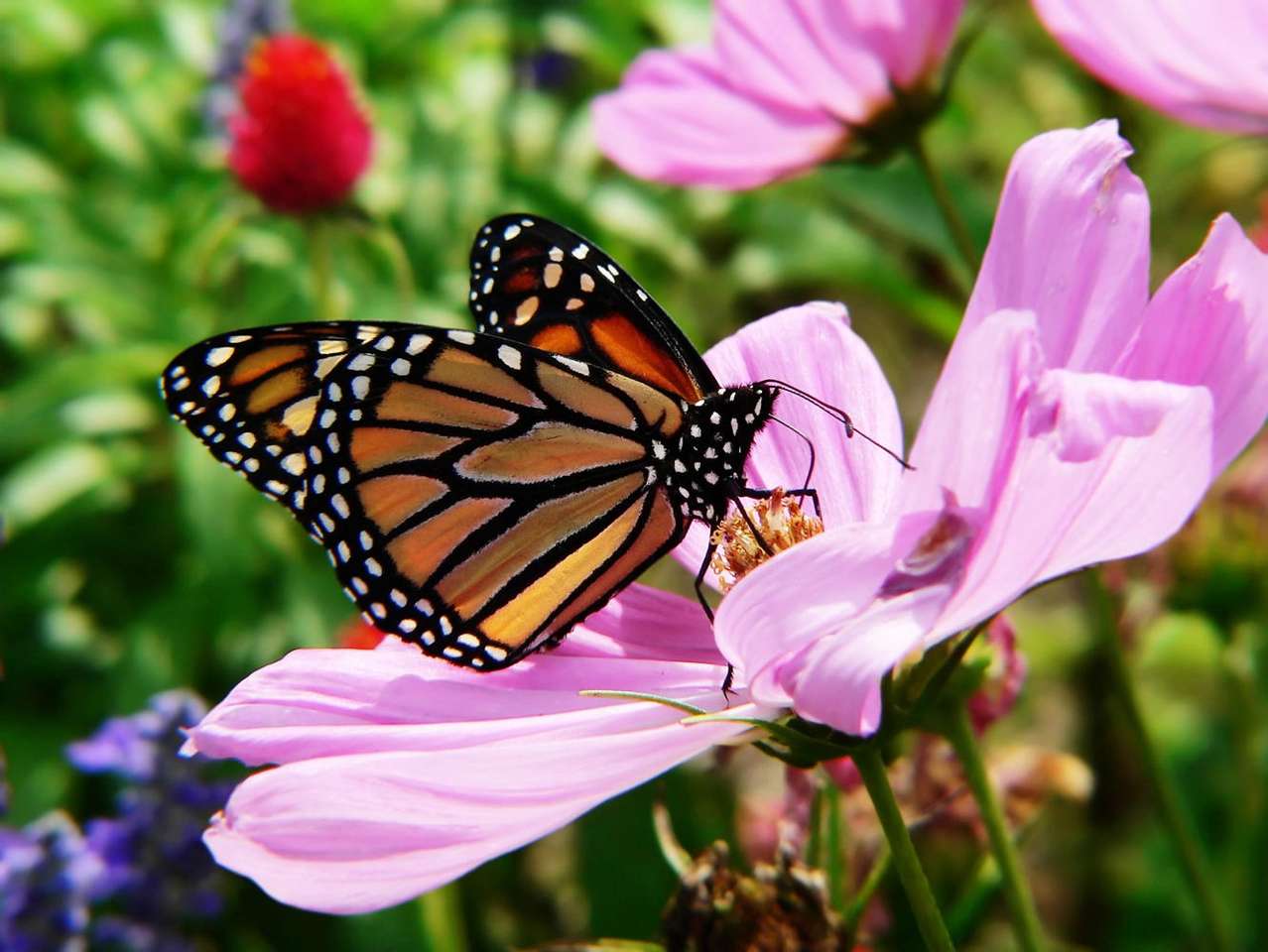
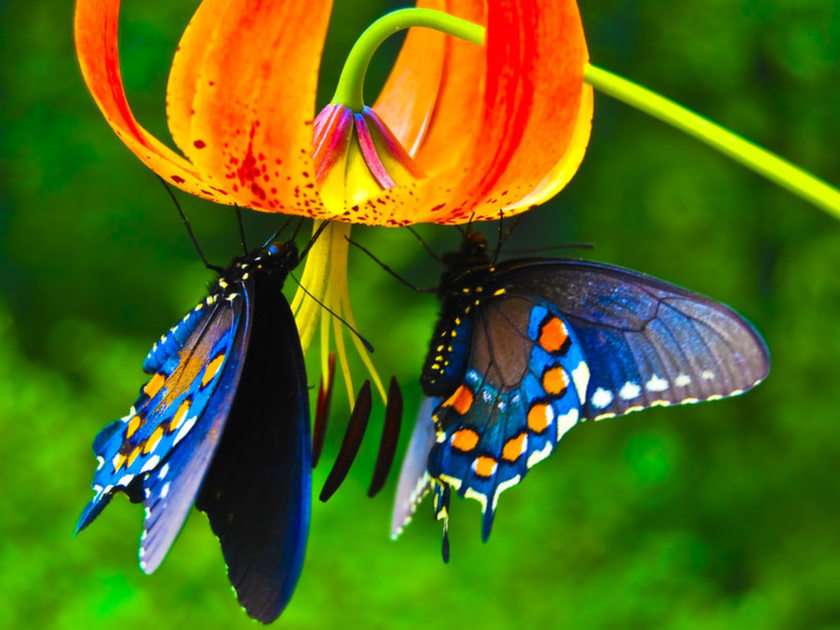
butterfly puzzle online from photo
15butterflysolved 1,443 times
Solve puzzle
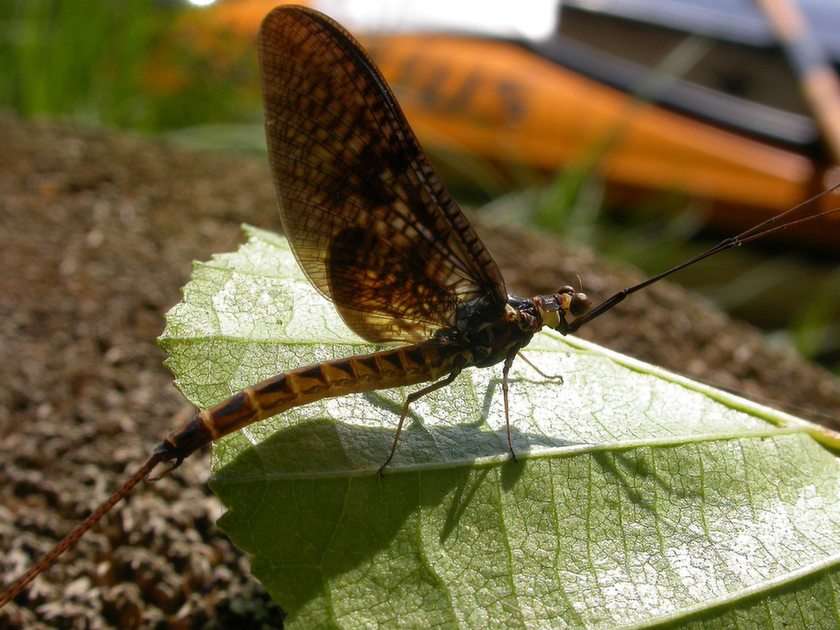
Mayfly online puzzle
36Mayflysolved 1,235 times
Solve puzzle
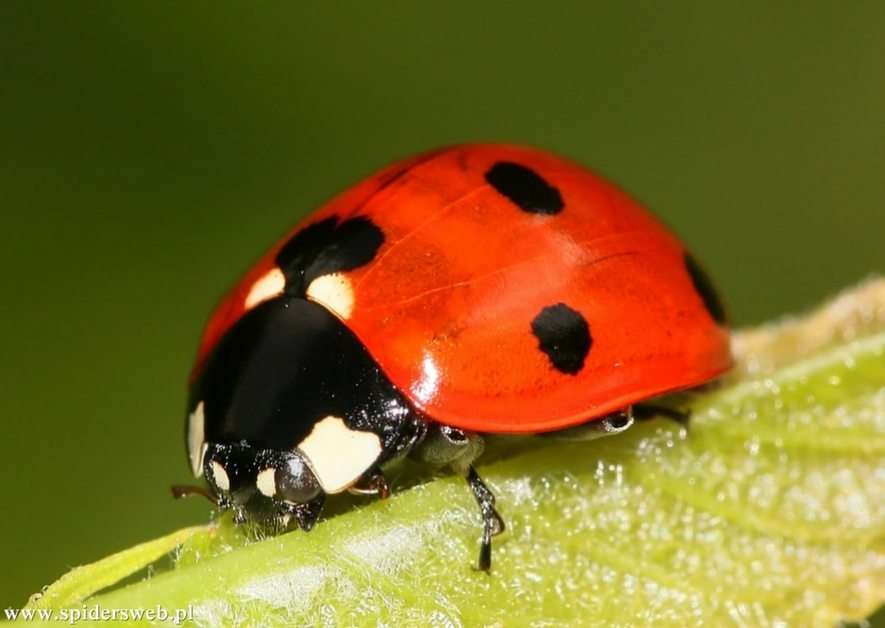
Ladybug puzzle online from photo
20Ladybugsolved 1,231 times
Solve puzzle
gallery online puzzle
84gallerysolved 1,175 times
Solve puzzle
Jigsaw Puzzle online puzzle
112Jigsaw Puzzlesolved 1,121 times
Solve puzzle
sheep puzzle online from photo
15sheepsolved 1,113 times
Solve puzzle
On the letter C online puzzle
100On the letter Csolved 1,028 times
Solve puzzle
Common wasp online puzzle
15Common waspsolved 964 times
Solve puzzle
Something tasty for everyone online puzzle
252Something tasty for everyonesolved 925 times
Solve puzzle
Mish mash online puzzle
252Mish mashsolved 904 times
Solve puzzle
Images online puzzle
255Imagessolved 891 times
Solve puzzle
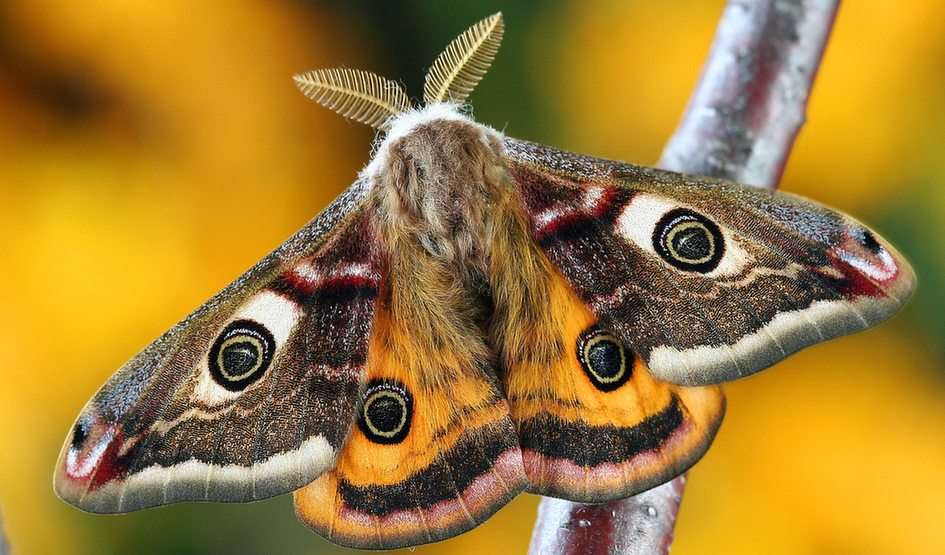
MOTH puzzle online from photo
15MOTHsolved 886 times
Solve puzzle
Variety online puzzle
112Varietysolved 877 times
Solve puzzle
Brooches online puzzle
192Broochessolved 860 times
Solve puzzle
Nymphs puzzle online from photo
42Nymphssolved 788 times
Solve puzzle
Images puzzle online from photo
84Imagessolved 743 times
Solve puzzle
Jigsaw Puzzle puzzle online from photo
112Jigsaw Puzzlesolved 729 times
Solve puzzle
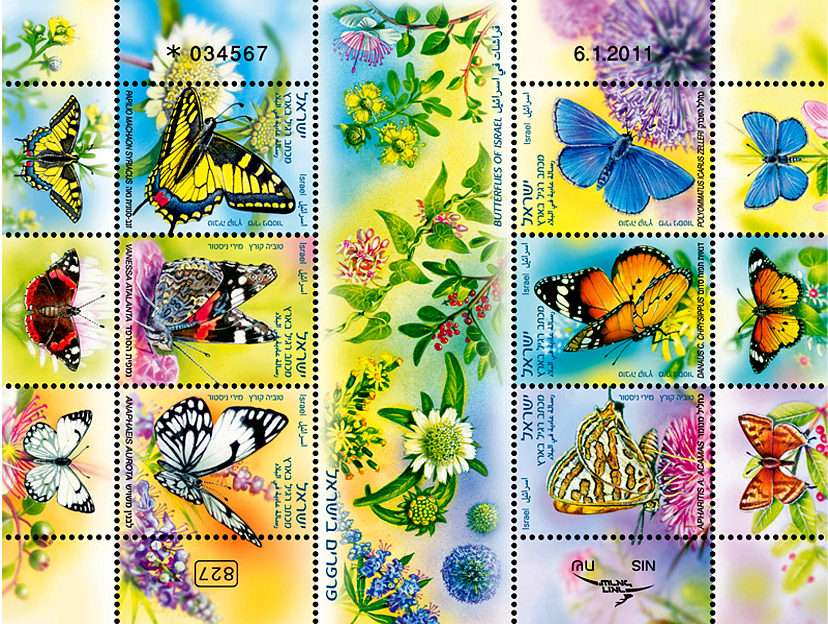
Stamps online puzzle
414Stampssolved 707 times
Solve puzzle
in the Kobylańska Valley online puzzle
108in the Kobylańska Valleysolved 693 times
Solve puzzle
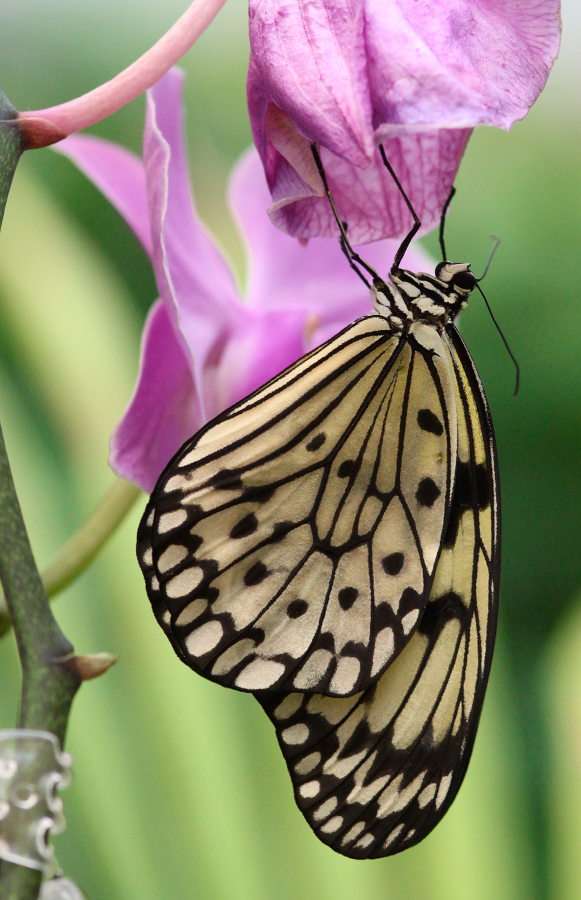
BUTTERFLY online puzzle
15BUTTERFLYsolved 690 times
Solve puzzle
Jigsaw Puzzle online puzzle
112Jigsaw Puzzlesolved 683 times
Solve puzzle
Jigsaw Puzzle puzzle online from photo
112Jigsaw Puzzlesolved 682 times
Solve puzzle
Puzzle Mix online puzzle
72Puzzle Mixsolved 665 times
Solve puzzle
Mish mash puzzle online from photo
252Mish mashsolved 658 times
Solve puzzle
Stamps puzzle online from photo
340Stampssolved 657 times
Solve puzzle
Jigsaw Puzzle puzzle online from photo
112Jigsaw Puzzlesolved 633 times
Solve puzzle
Insects insects puzzle online from photo
112Insects insectssolved 622 times
Solve puzzle
Jigsaw Puzzle puzzle online from photo
112Jigsaw Puzzlesolved 615 times
Solve puzzle
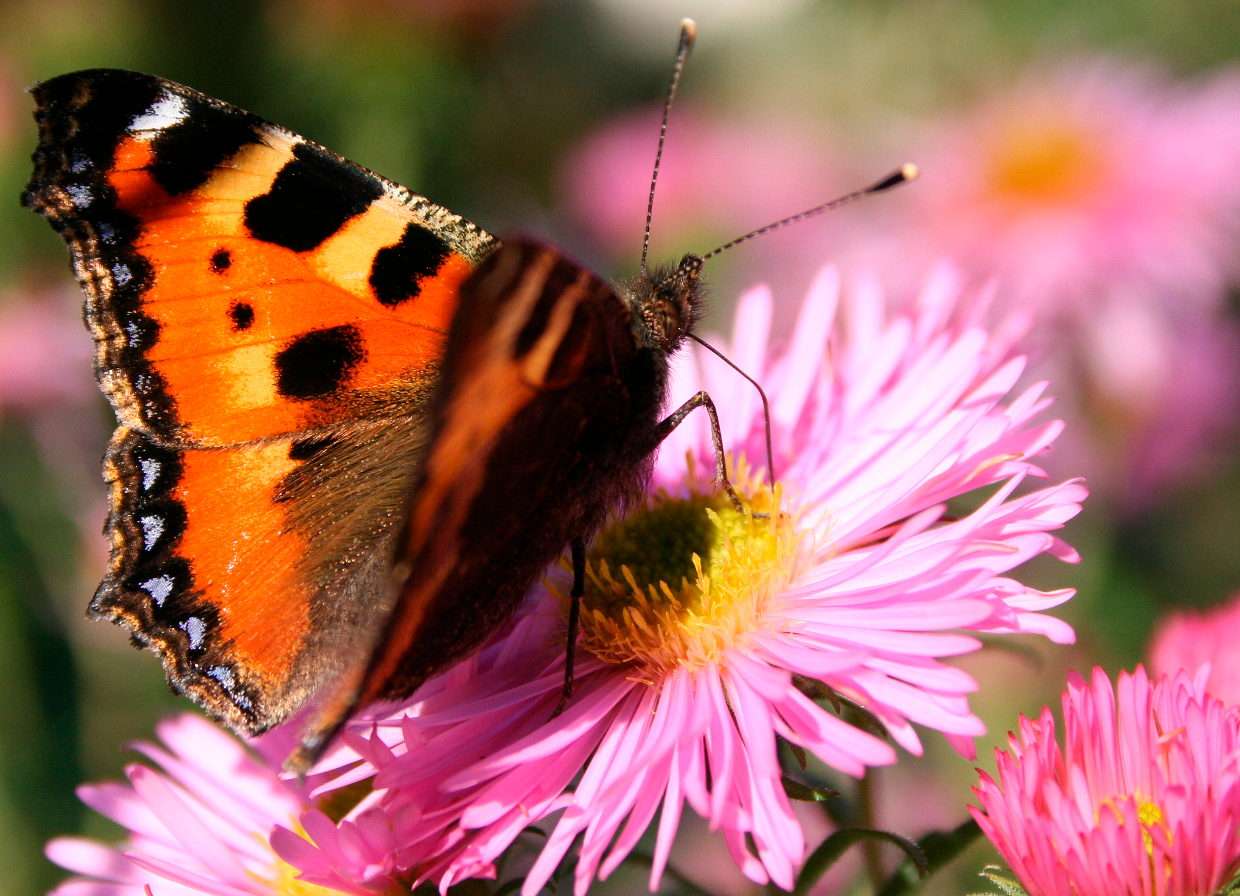
Butterflies puzzle online from photo
289Butterfliessolved 593 times
Solve puzzle
BUTTERFLIES puzzle online from photo
352BUTTERFLIESsolved 590 times
Solve puzzle
dragonfly puzzle online from photo
35dragonflysolved 589 times
Solve puzzle
Butterflies puzzle online from photo
144Butterfliessolved 566 times
Solve puzzle
Butterflies puzzle online from photo
252Butterfliessolved 535 times
Solve puzzle
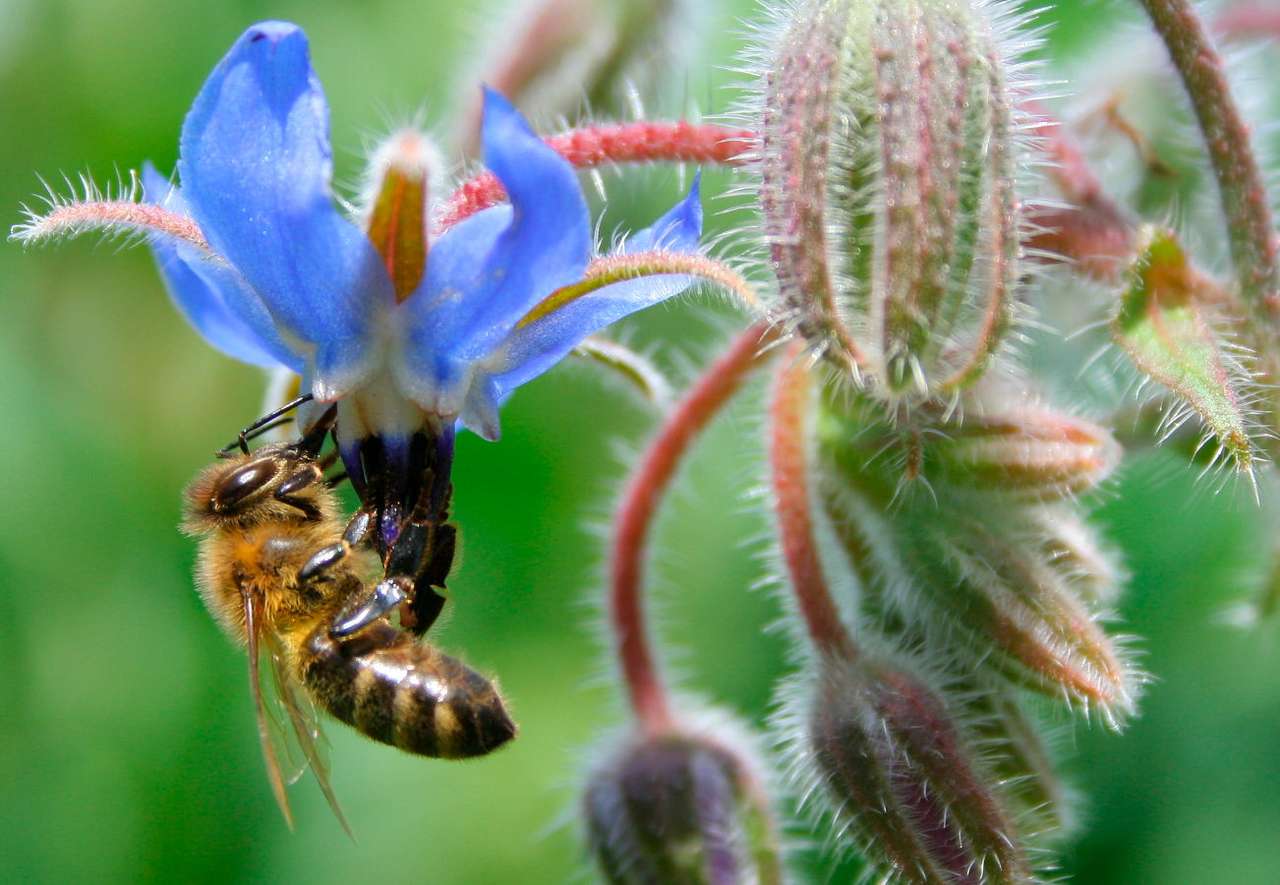
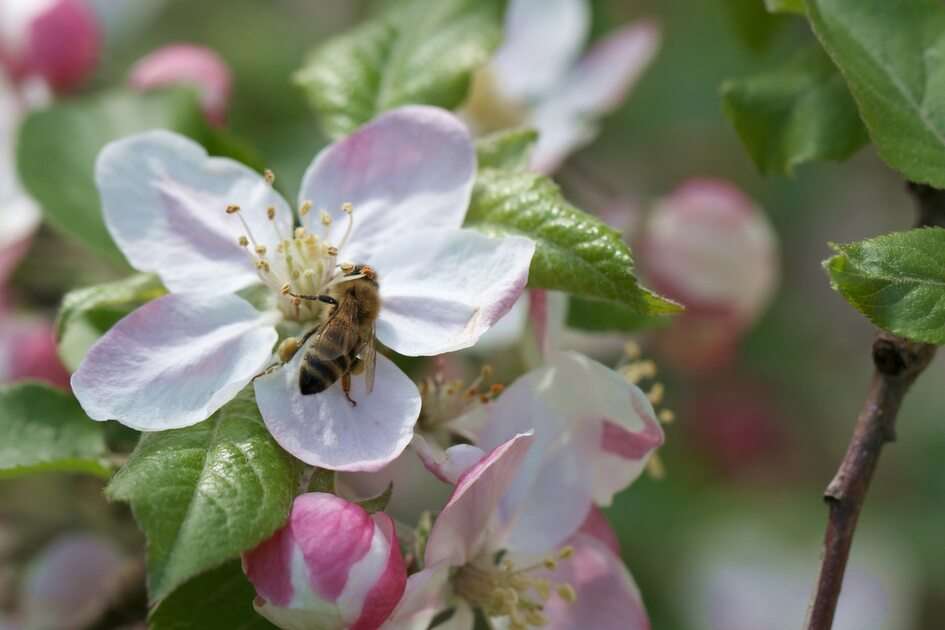
bee online puzzle
20beesolved 535 times
Solve puzzle
Butterflies puzzle online from photo
221Butterfliessolved 527 times
Solve puzzle
Butterflies puzzle online from photo
120Butterfliessolved 516 times
Solve puzzle
Butterfly Spread puzzle online from photo
154Butterfly Spreadsolved 516 times
Solve puzzle
Apple tree puzzle online from photo
15Apple treesolved 505 times
Solve puzzle
butterfly puzzle online from photo
192butterflysolved 503 times
Solve puzzle
Butterflies online puzzle
192Butterfliessolved 503 times
Solve puzzle
Mish mash puzzle online from photo
252Mish mashsolved 499 times
Solve puzzle
colorful butterflies online puzzle
252colorful butterfliessolved 496 times
Solve puzzle
FILATELISTYKA online puzzle
510FILATELISTYKAsolved 494 times
Solve puzzle
Jigsaw Puzzle online puzzle
112Jigsaw Puzzlesolved 492 times
Solve puzzle
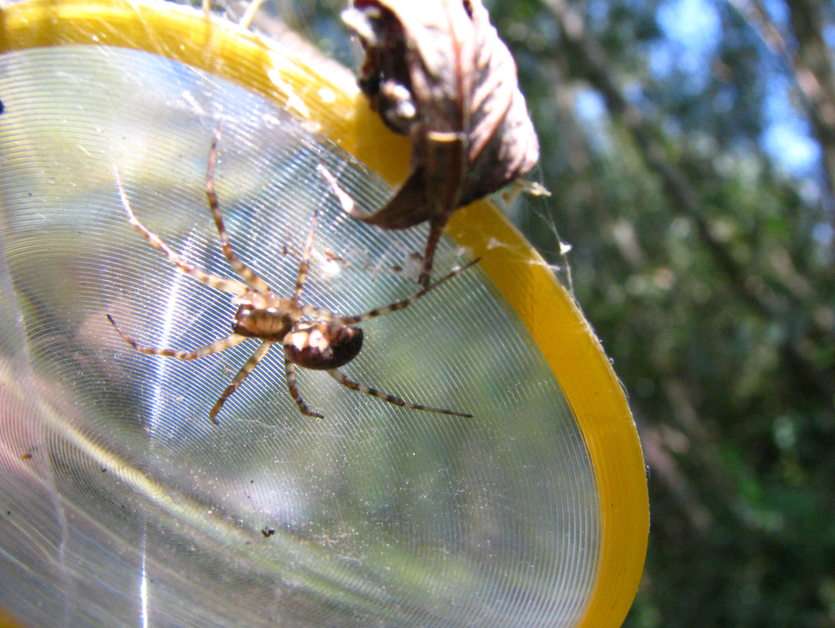
magnifier and spider online puzzle
20magnifier and spidersolved 487 times
Solve puzzle
Butterflies puzzle online from photo
192Butterfliessolved 482 times
Solve puzzle
Jigsaw Puzzle puzzle online from photo
112Jigsaw Puzzlesolved 466 times
Solve puzzle

Online puzzle Arthropod

Arthropod

Arthropods (, from Ancient Greek ἄρθρον (arthron) 'joint', and πούς (pous) 'foot' (gen. ποδός)) are invertebrate animals in the phylum Arthropoda. They possess an exoskeleton with a cuticle made of chitin, often mineralised with calcium carbonate, a segmented body, and paired jointed appendages. In order to keep growing, they must go through stages of moulting, a process by which they shed their exoskeleton to reveal a new one. They are an extremely diverse group, with up to 10 million species.

Haemolymph is the analogue of blood for arthropods. An arthropod has an open circulatory system, with a body cavity called a haemocoel through which haemolymph circulates to the interior organs. Like their exteriors, the internal organs of arthropods are generally built of repeated segments. Their nervous system is "ladder-like", with paired ventral nerve cords running through all segments and forming paired ganglia in each segment. Their heads are formed by fusion of varying numbers of segments, and their brains are formed by fusion of the ganglia of these segments and encircle the esophagus. The respiratory and excretory systems of arthropods vary, depending as much on their environment as on the subphylum to which they belong.

Arthropods use combinations of compound eyes and pigment-pit ocelli for vision. In most species, the ocelli can only detect the direction from which light is coming, and the compound eyes are the main source of information, but the main eyes of spiders are ocelli that can form images and, in a few cases, can swivel to track prey. Arthropods also have a wide range of chemical and mechanical sensors, mostly based on modifications of the many bristles known as setae that project through their cuticles. Similarly, their reproduction and development are varied; all terrestrial species use internal fertilization, but this is sometimes by indirect transfer of the sperm via an appendage or the ground, rather than by direct injection. Aquatic species use either internal or external fertilization. Almost all arthropods lay eggs, but many species give birth to live young after the eggs have hatched inside the mother, and a few are genuinely viviparous, such as aphids. Arthropod hatchlings vary from miniature adults to grubs and caterpillars that lack jointed limbs and eventually undergo a total metamorphosis to produce the adult form. The level of maternal care for hatchlings varies from nonexistent to the prolonged care provided by social insects.
The evolutionary ancestry of arthropods dates back to the Cambrian period. The group is generally regarded as monophyletic, and many analyses support the placement of arthropods with cycloneuralians (or their constituent clades) in a superphylum Ecdysozoa. Overall, however, the basal relationships of animals are not yet well resolved. Likewise, the relationships between various arthropod groups are still actively debated. Today, Arthropods contribute to the human food supply both directly as food, and more importantly, indirectly as pollinators of crops. Some species are known to spread severe disease to humans, livestock, and crops.