Bee - online puzzles

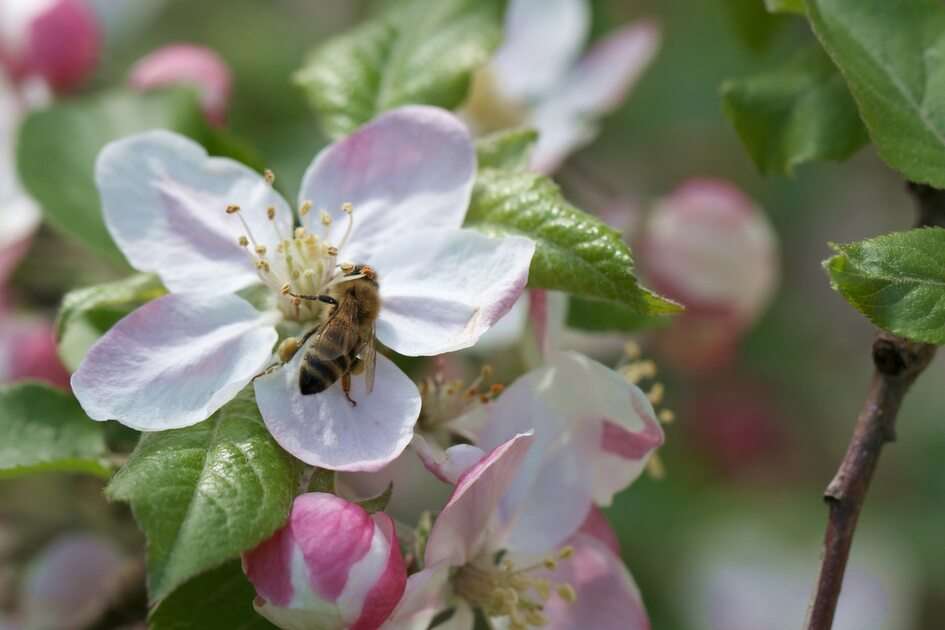
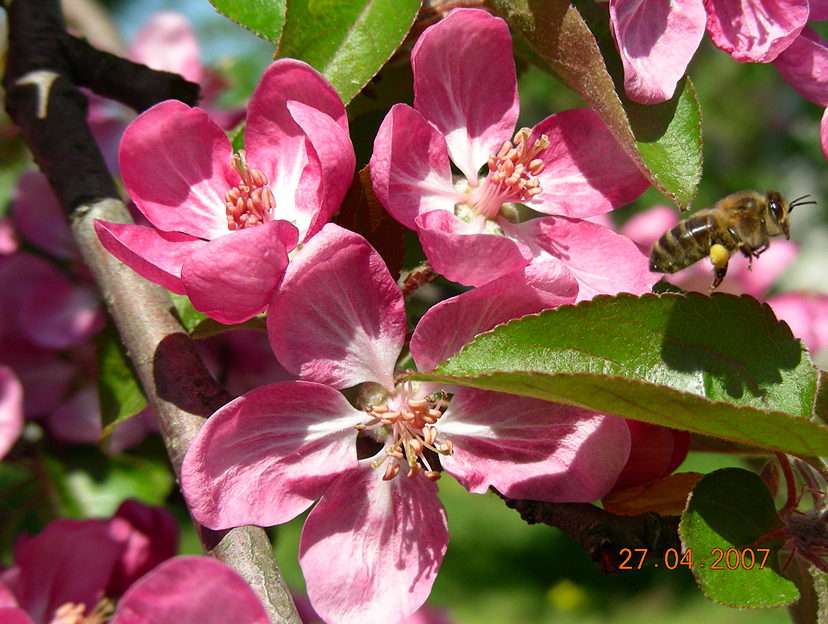
Apple tree puzzle online from photo
15Apple treesolved 505 times
Solve puzzle
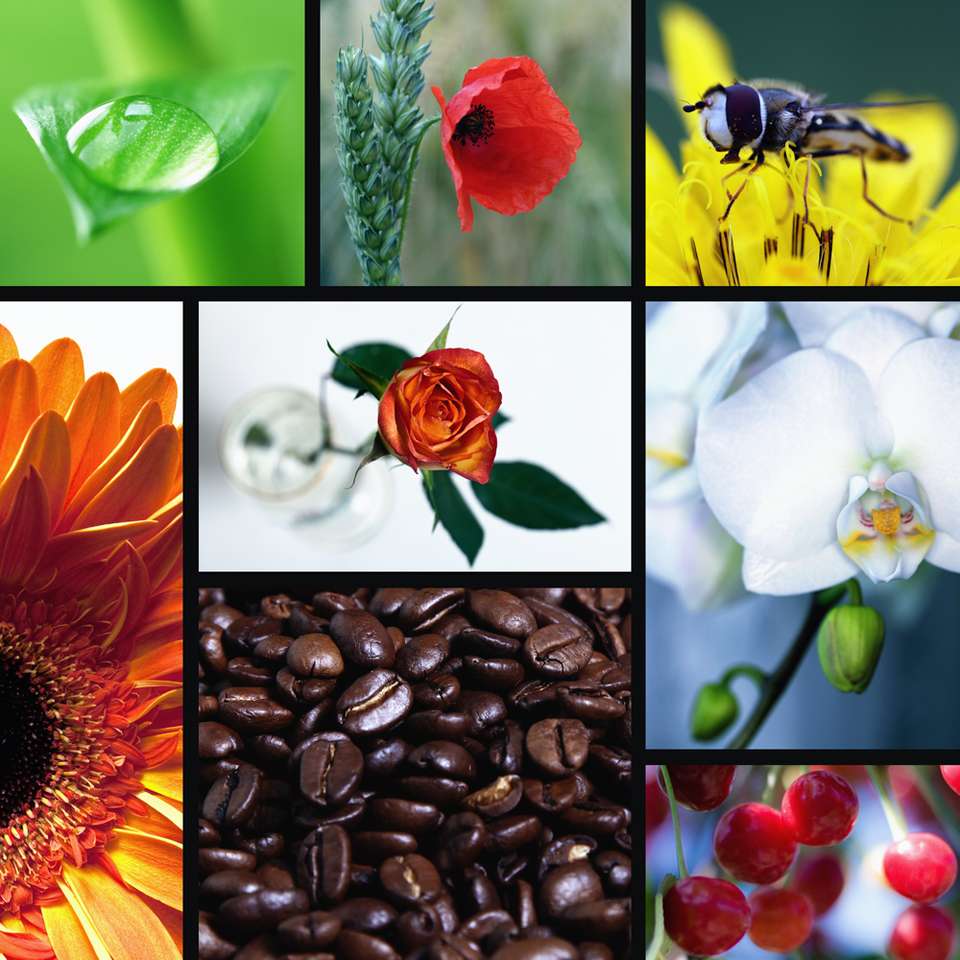
A flower and coffee mix online puzzle
25A flower and coffee mixsolved 452 times
Solve puzzle
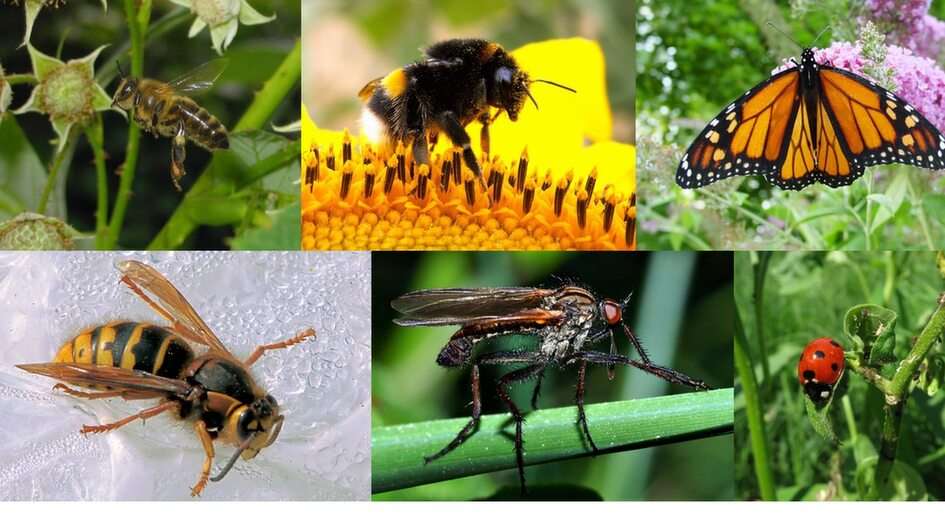
pollinators puzzle online from photo
15pollinatorssolved 373 times
Solve puzzle
nature puzzle online from photo
63naturesolved 338 times
Solve puzzle
Bees online puzzle
140Beessolved 271 times
Solve puzzle
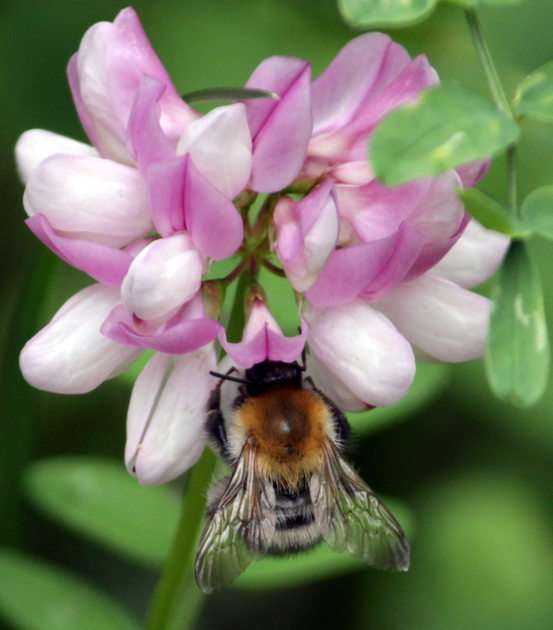
Bee puzzle online from photo
15Beesolved 262 times
Solve puzzle
party puzzle online from photo
64partysolved 258 times
Solve puzzle
marcinki puzzle online from photo
120marcinkisolved 236 times
Solve puzzle
last harvest :) online puzzle
64last harvest :)solved 222 times
Solve puzzle
spider online puzzle
63spidersolved 190 times
Solve puzzle
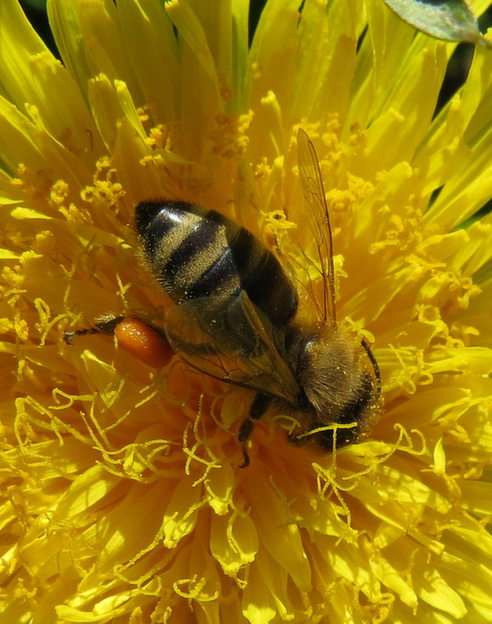
dandelion puzzle online from photo
48dandelionsolved 189 times
Solve puzzle
bee online puzzle
72beesolved 187 times
Solve puzzle
Bee online puzzle
45Beesolved 184 times
Solve puzzle
Bee puzzle online from photo
72Beesolved 182 times
Solve puzzle
Two bees puzzle online from photo
48Two beessolved 178 times
Solve puzzle
bumblebee online puzzle
90bumblebeesolved 176 times
Solve puzzle
Bild puzzle online from photo
48Bildsolved 173 times
Solve puzzle
nature online puzzle
48naturesolved 172 times
Solve puzzle
ladybird online puzzle
80ladybirdsolved 159 times
Solve puzzle
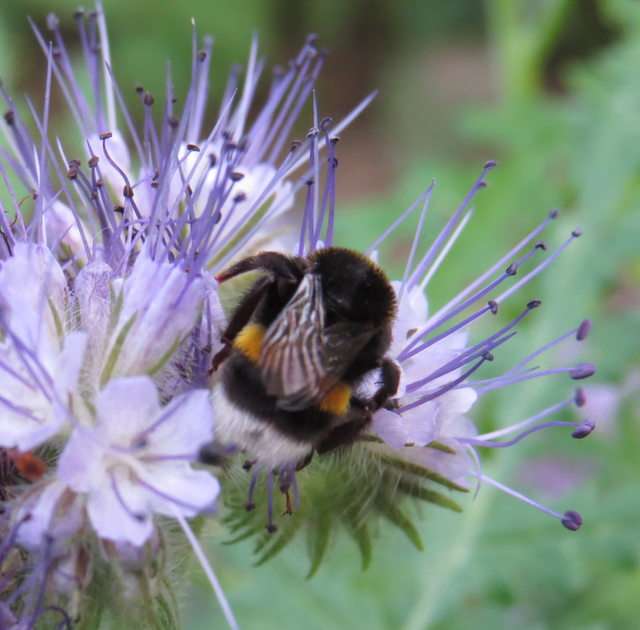
Bumblebee on phacelia puzzle online from photo
56Bumblebee on phaceliasolved 152 times
Solve puzzle
bee puzzle online from photo
48beesolved 146 times
Solve puzzle
A bee - collector puzzle online from photo
48A bee - collectorsolved 146 times
Solve puzzle
sunflower online puzzle
99sunflowersolved 141 times
Solve puzzle
beetle puzzle online from photo
72beetlesolved 137 times
Solve puzzle
Further flowering shrubs online puzzle
285Further flowering shrubssolved 135 times
Solve puzzle
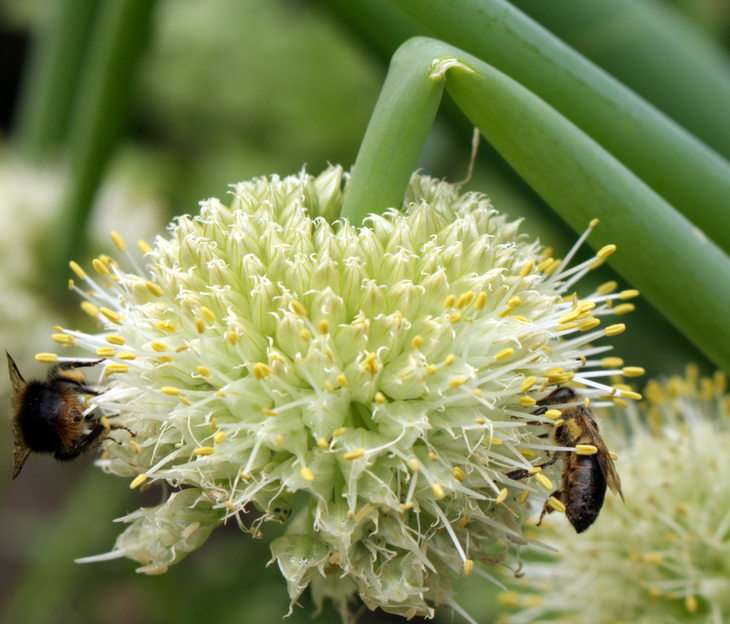
onion online puzzle
80onionsolved 129 times
Solve puzzle
mandala something online puzzle
169mandala somethingsolved 126 times
Solve puzzle
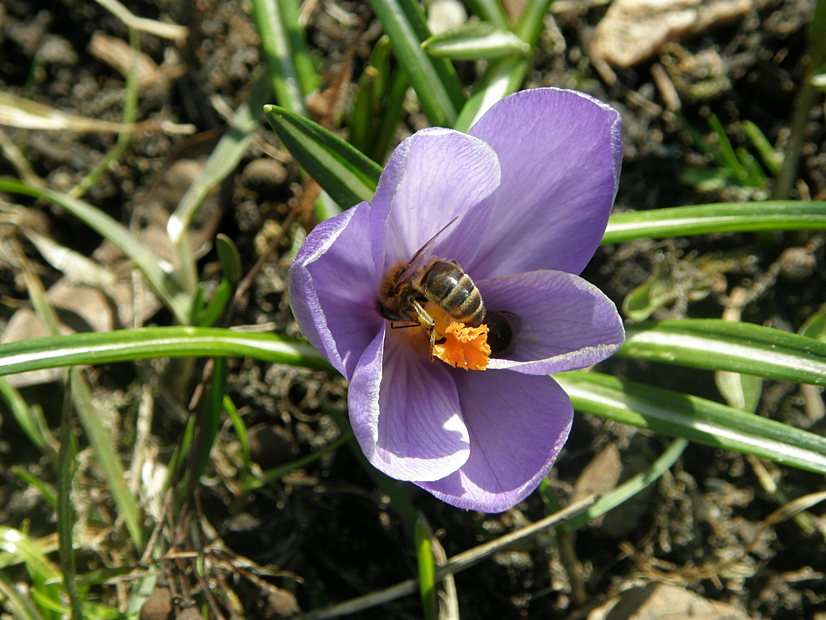
crocus puzzle online from photo
140crocussolved 125 times
Solve puzzle
Bee puzzle online from photo
48Beesolved 123 times
Solve puzzle
cmas online puzzle
15cmassolved 115 times
Solve puzzle
mallow puzzle online from photo
90mallowsolved 113 times
Solve puzzle
Grasshopper online puzzle
208Grasshoppersolved 106 times
Solve puzzle
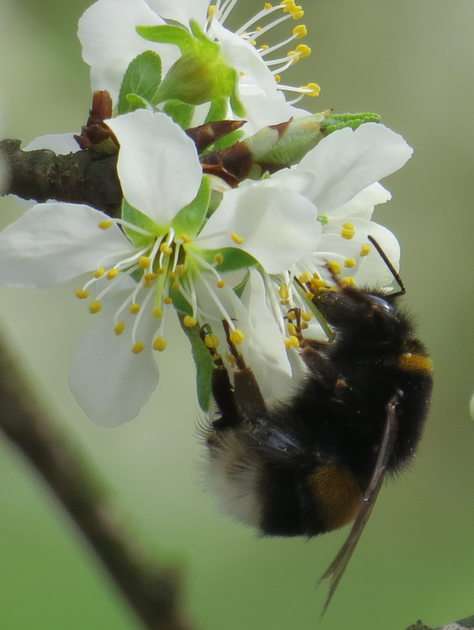
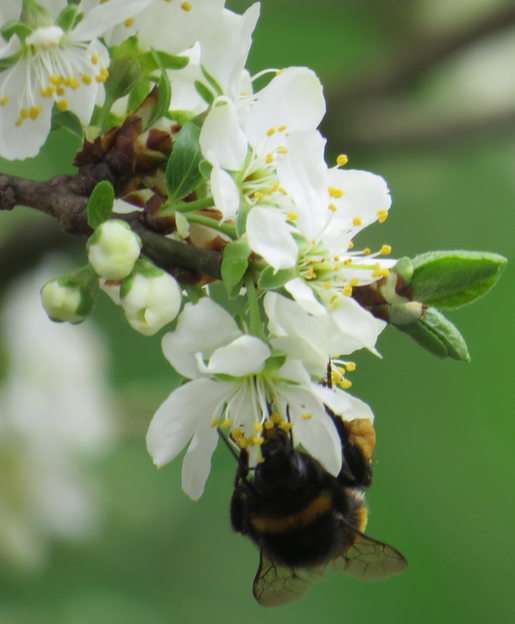
Bumblebee on plum online puzzle
54Bumblebee on plumsolved 106 times
Solve puzzle
Insecto libando online puzzle
15Insecto libandosolved 105 times
Solve puzzle
Pollination puzzle online from photo
40Pollinationsolved 105 times
Solve puzzle
sunflower online puzzle
80sunflowersolved 103 times
Solve puzzle
collage puzzle online from photo
88collagesolved 100 times
Solve puzzle
sunflower puzzle online from photo
63sunflowersolved 97 times
Solve puzzle
in the garden puzzle online from photo
88in the gardensolved 88 times
Solve puzzle
Roses online puzzle
48Rosessolved 84 times
Solve puzzle
Busy Bee online puzzle
48Busy Beesolved 77 times
Solve puzzle
lala puzzle online from photo
48lalasolved 74 times
Solve puzzle
ladybird online puzzle
63ladybirdsolved 74 times
Solve puzzle
Bee puzzle online from photo
36Beesolved 74 times
Solve puzzle
Hornet online puzzle
154Hornetsolved 73 times
Solve puzzle
Pollination puzzle online from photo
80Pollinationsolved 73 times
Solve puzzle
beetle online puzzle
80beetlesolved 73 times
Solve puzzle
dandelion online puzzle
63dandelionsolved 71 times
Solve puzzle

Online puzzle Bee

Bee

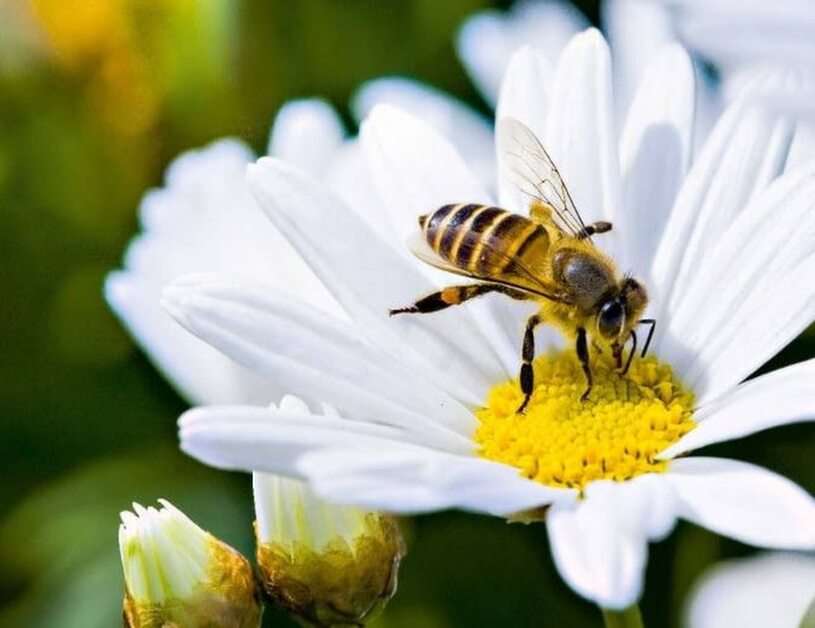
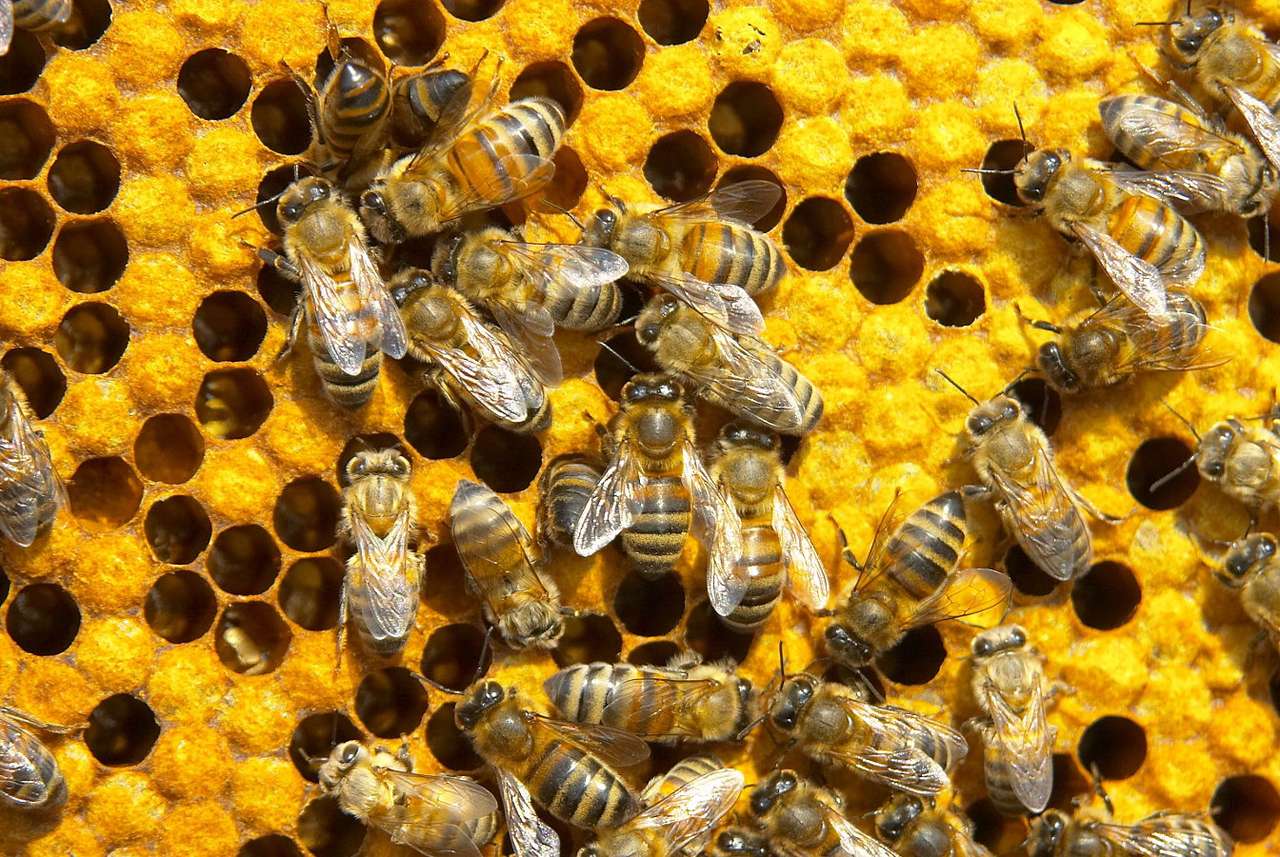
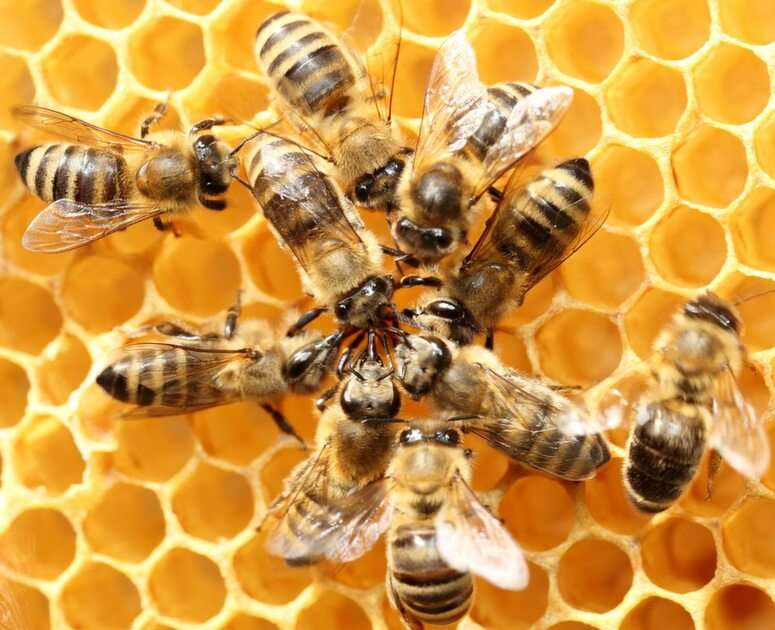
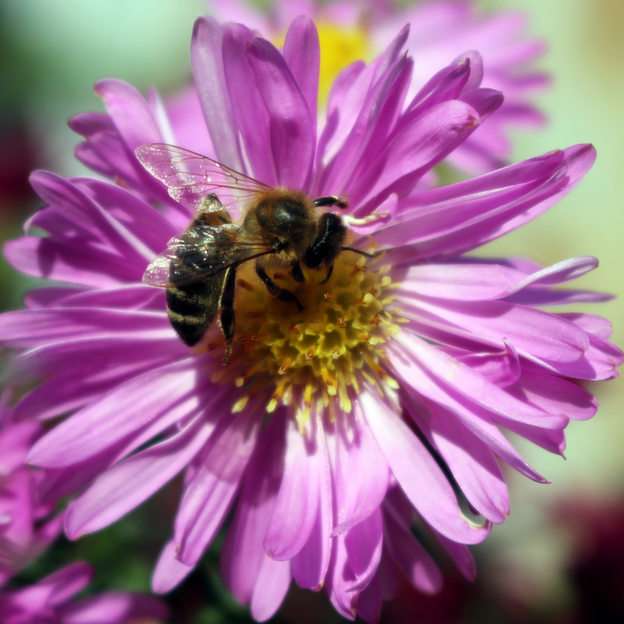
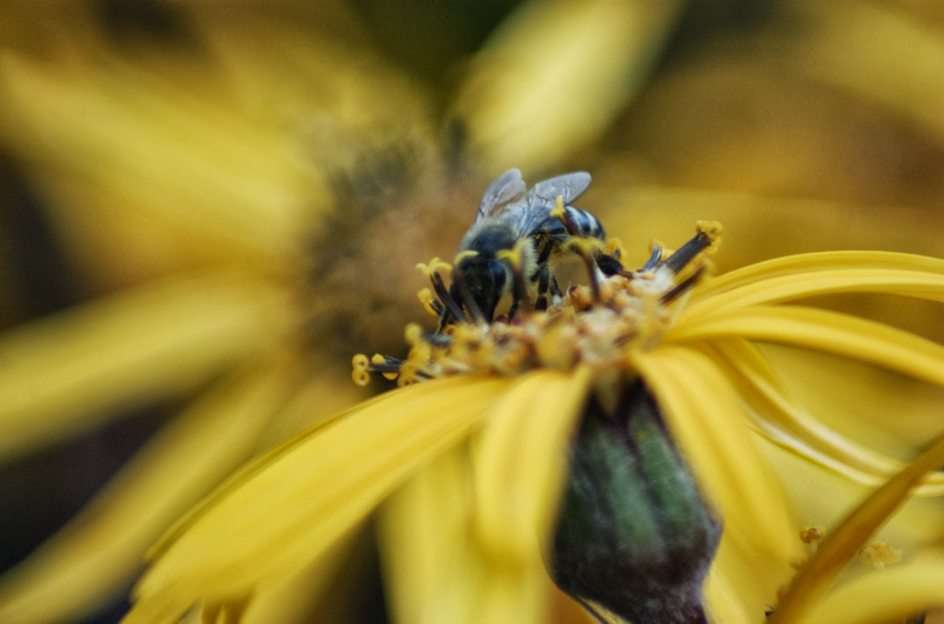
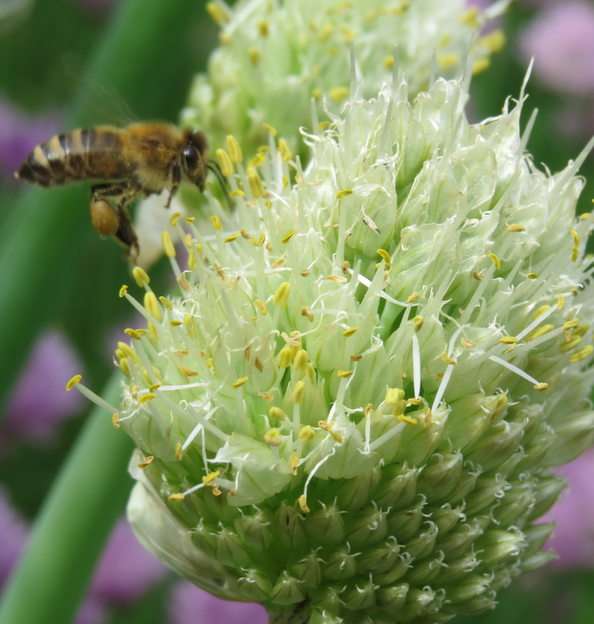
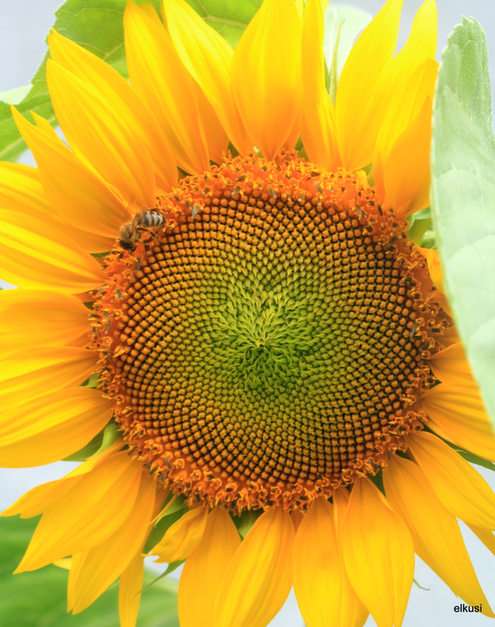
Bees are winged insects closely related to wasps and ants, known for their roles in pollination and, in the case of the best-known bee species, the western honey bee, for producing honey. Bees are a monophyletic lineage within the superfamily Apoidea. They are presently considered a clade, called Anthophila. There are over 16,000 known species of bees in seven recognized biological families. Some species – including honey bees, bumblebees, and stingless bees – live socially in colonies while most species (>90%) – including mason bees, carpenter bees, leafcutter bees, and sweat bees – are solitary.
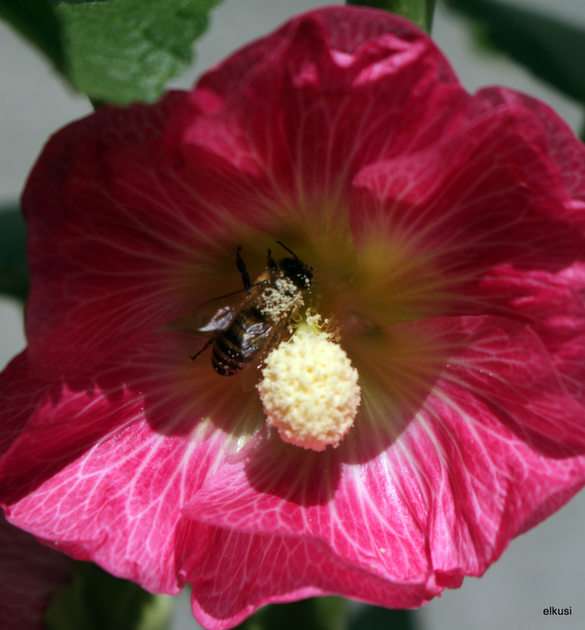
Bees are found on every continent except Antarctica, in every habitat on the planet that contains insect-pollinated flowering plants. The most common bees in the Northern Hemisphere are the Halictidae, or sweat bees, but they are small and often mistaken for wasps or flies. Bees range in size from tiny stingless bee species, whose workers are less than 2 millimetres (0.08 in) long, to Megachile pluto, the largest species of leafcutter bee, whose females can attain a length of 39 millimetres (1.54 in).

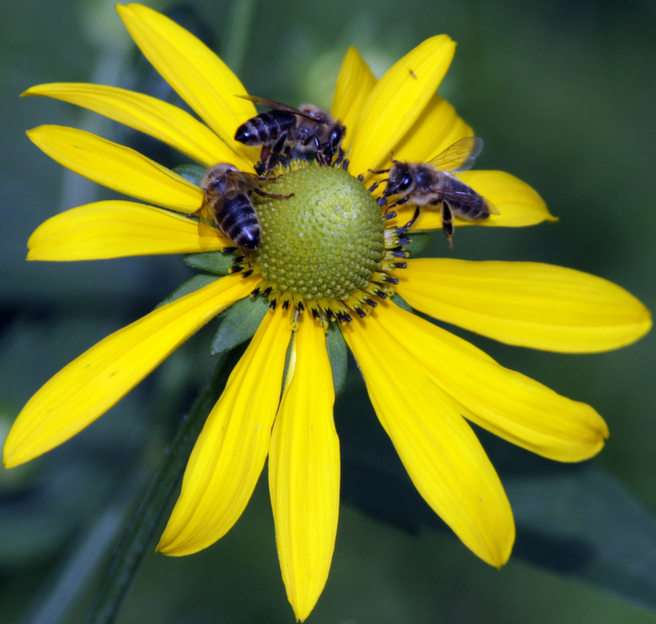
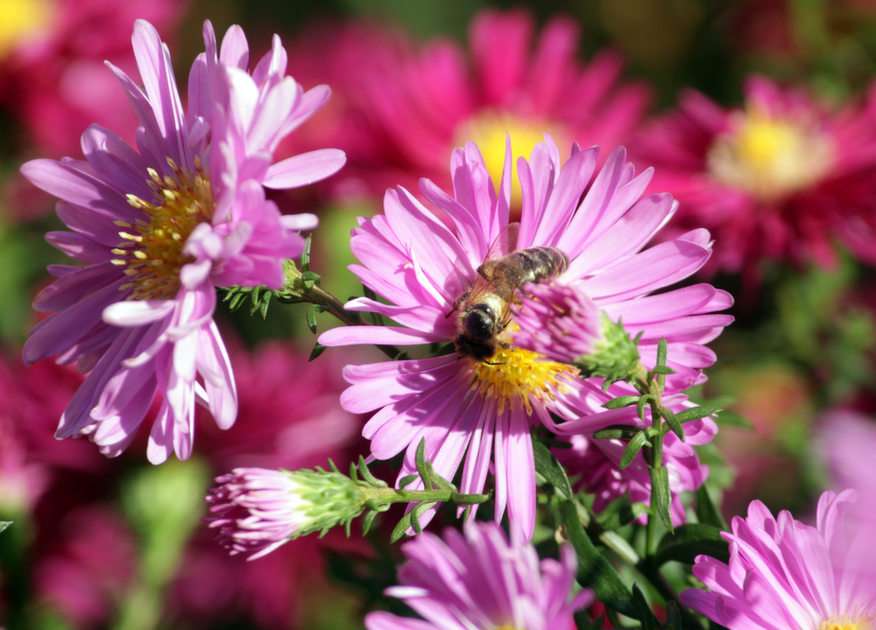
Bees feed on nectar and pollen, the former primarily as an energy source and the latter primarily for protein and other nutrients. Most pollen is used as food for their larvae. Vertebrate predators of bees include primates and birds such as bee-eaters; insect predators include beewolves and dragonflies.

Bee pollination is important both ecologically and commercially, and the decline in wild bees has increased the value of pollination by commercially managed hives of honey bees. The analysis of 353 wild bee and hoverfly species across Britain from 1980 to 2013 found the insects have been lost from a quarter of the places they inhabited in 1980.Human beekeeping or apiculture (meliponiculture for stingless bees) has been practised for millennia, since at least the times of Ancient Egypt and Ancient Greece. Bees have appeared in mythology and folklore, through all phases of art and literature from ancient times to the present day, although primarily focused in the Northern Hemisphere where beekeeping is far more common. In Mesoamerica, the Mayans have practiced large-scale intensive meliponiculture since pre-Columbian times.