Bivalvia - online puzzles
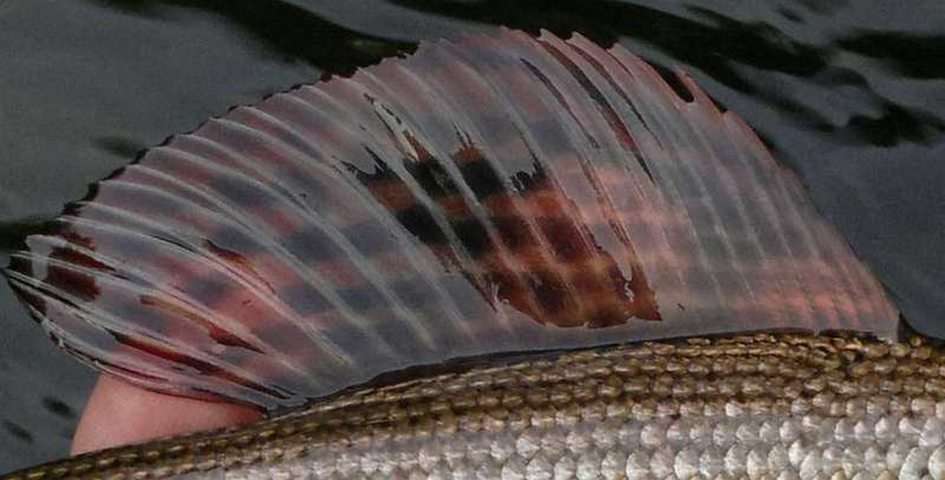
Fin online puzzle
25Finsolved 644 times
Solve puzzle
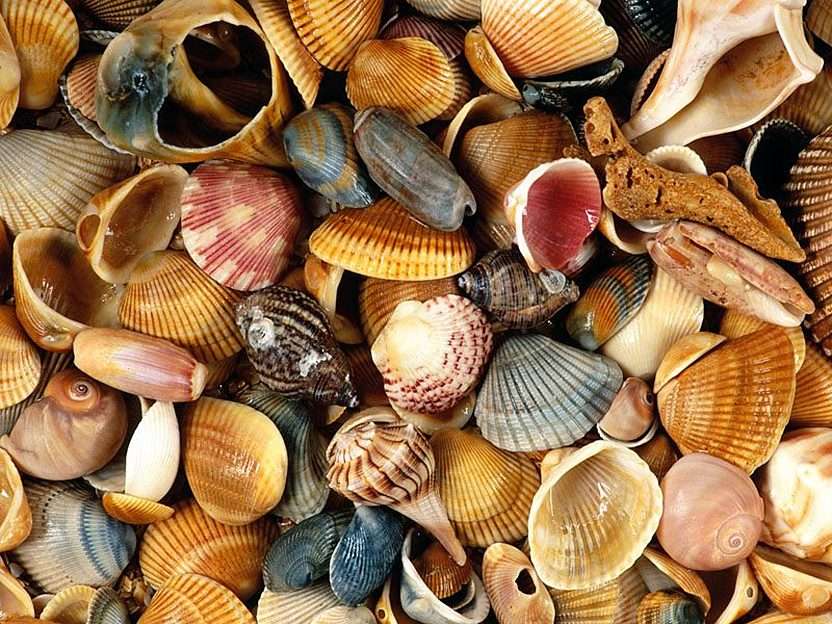
Seashells Atlantic Coast Florida puzzle online from photo
64Seashells Atlantic Coast Floridasolved 612 times
Solve puzzle
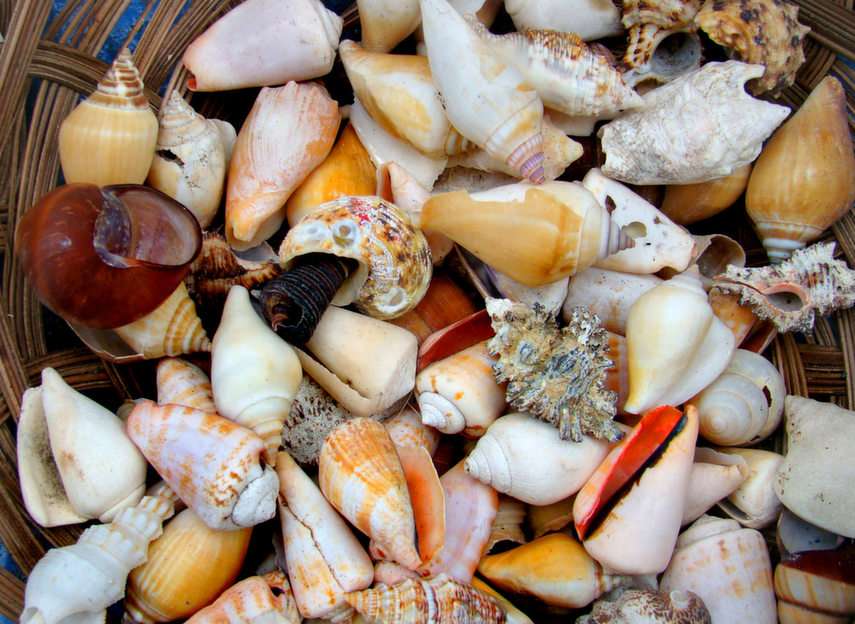
Shells online puzzle
272Shellssolved 585 times
Solve puzzle
summer composition online puzzle
100summer compositionsolved 577 times
Solve puzzle
Nature - shells online puzzle
182Nature - shellssolved 498 times
Solve puzzle
snail online puzzle
25snailsolved 468 times
Solve puzzle
Nature puzzle online from photo
132Naturesolved 432 times
Solve puzzle
Shells online puzzle
63Shellssolved 407 times
Solve puzzle
shells online puzzle
108shellssolved 340 times
Solve puzzle
shells puzzle online from photo
140shellssolved 320 times
Solve puzzle
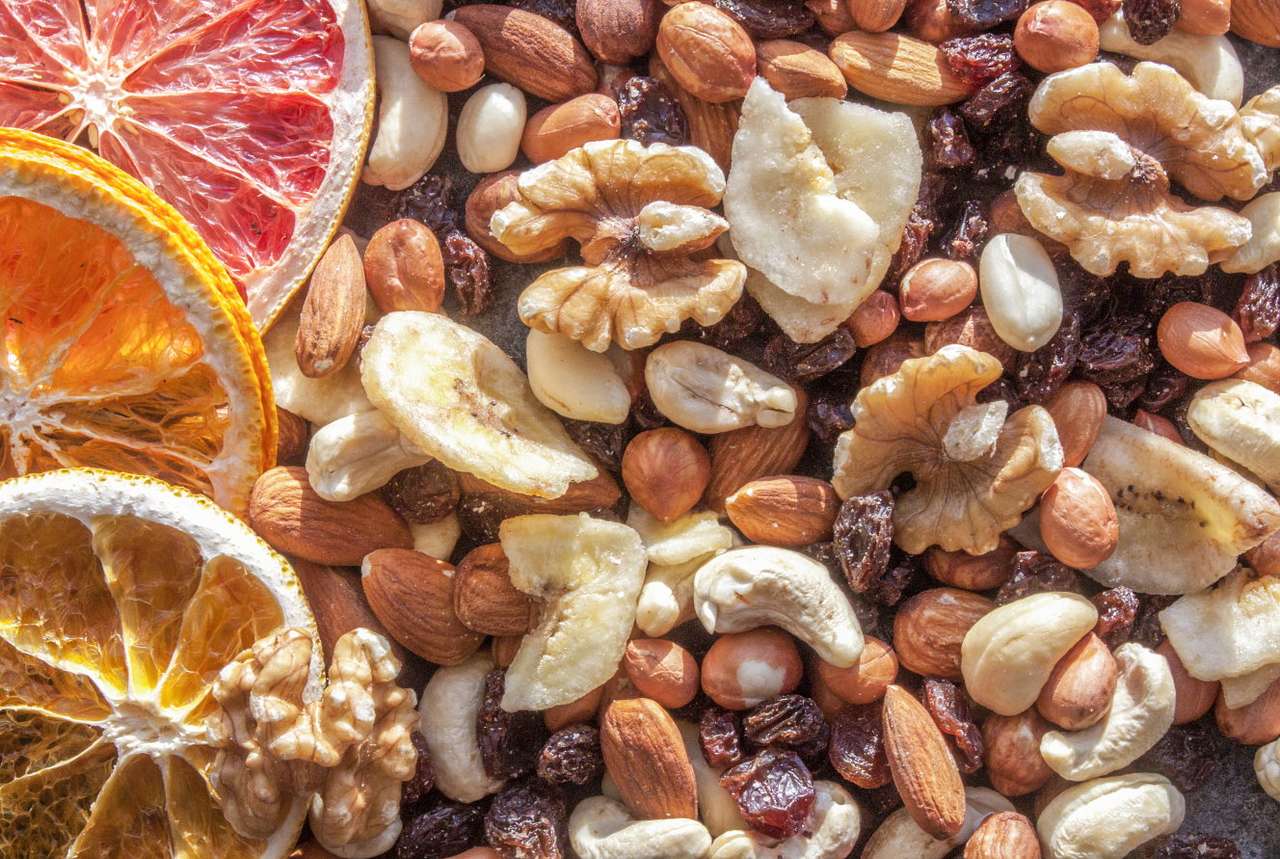
Nuts, almonds and dried fruits puzzle online from photo
187Nuts, almonds and dried fruitssolved 308 times
Solve puzzle
pommes de pin online puzzle
48pommes de pinsolved 278 times
Solve puzzle
Shells online puzzle
156Shellssolved 277 times
Solve puzzle
Shells puzzle online from photo
238Shellssolved 268 times
Solve puzzle
Shells and other ... online puzzle
255Shells and other ...solved 237 times
Solve puzzle
MOST 5 zeta;)) online puzzle
308MOST 5 zeta;))solved 223 times
Solve puzzle
Coquillages online puzzle
30Coquillagessolved 197 times
Solve puzzle
SHELLS online puzzle
294SHELLSsolved 194 times
Solve puzzle
Another shell;)) online puzzle
280Another shell;))solved 192 times
Solve puzzle
Shells puzzle online from photo
48Shellssolved 182 times
Solve puzzle
coquillages online puzzle
54coquillagessolved 177 times
Solve puzzle
Shells online puzzle
165Shellssolved 171 times
Solve puzzle
Button Up puzzle online from photo
154Button Upsolved 161 times
Solve puzzle
Shells puzzle online from photo
221Shellssolved 148 times
Solve puzzle
colorful seashells puzzle online from photo
252colorful seashellssolved 147 times
Solve puzzle
shells online puzzle
150shellssolved 140 times
Solve puzzle
Coquillages online puzzle
60Coquillagessolved 134 times
Solve puzzle
dinner switch online puzzle
72dinner switchsolved 132 times
Solve puzzle
Just Some shells online puzzle
154Just Some shellssolved 128 times
Solve puzzle
A Shell Collection puzzle online from photo
143A Shell Collectionsolved 118 times
Solve puzzle
Macro shells 2 online puzzle
300Macro shells 2solved 117 times
Solve puzzle
Garlic puzzle online from photo
90Garlicsolved 115 times
Solve puzzle
London-car boot puzzle online from photo
252London-car bootsolved 113 times
Solve puzzle
Happy Valentine's Day online puzzle
24Happy Valentine's Daysolved 110 times
Solve puzzle
~ Oh Hey, Seashells ~ puzzle online from photo
252~ Oh Hey, Seashells ~solved 102 times
Solve puzzle
colorful seashells puzzle online from photo
252colorful seashellssolved 92 times
Solve puzzle
colorful seashells puzzle online from photo
252colorful seashellssolved 91 times
Solve puzzle
Assorted Object-n- Stones online puzzle
176Assorted Object-n- Stonessolved 85 times
Solve puzzle
Shells online puzzle
374Shellssolved 76 times
Solve puzzle
Shells puzzle online from photo
96Shellssolved 67 times
Solve puzzle
Snail online puzzle
70Snailsolved 59 times
Solve puzzle
WHATS COOLER THAN BEING COOL? ICE COLD! puzzle online from photo
154WHATS COOLER THAN BEING COOL? ICE COLD!solved 55 times
Solve puzzle
Bagel puzzle online puzzle
48Bagel puzzlesolved 48 times
Solve puzzle
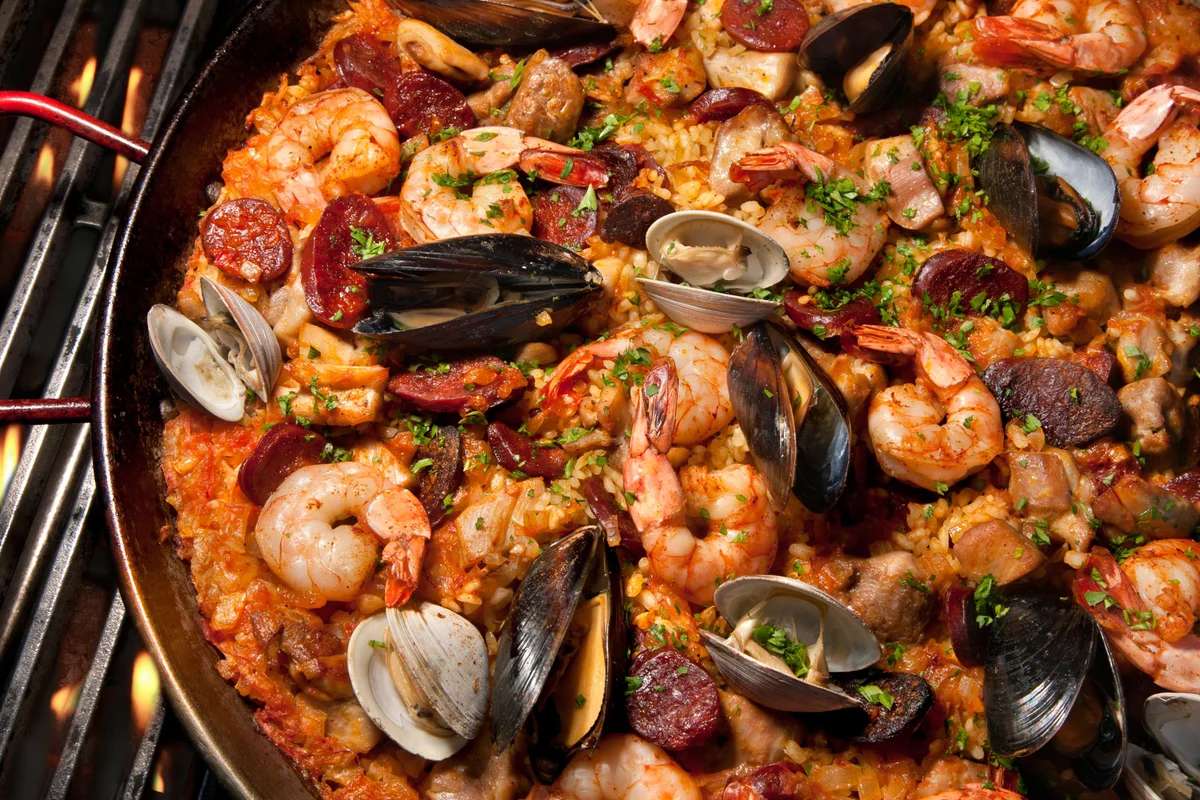
Spanish Paella online puzzle
176Spanish Paellasolved 43 times
Solve puzzle
Shells puzzle online from photo
247Shellssolved 28 times
Solve puzzle
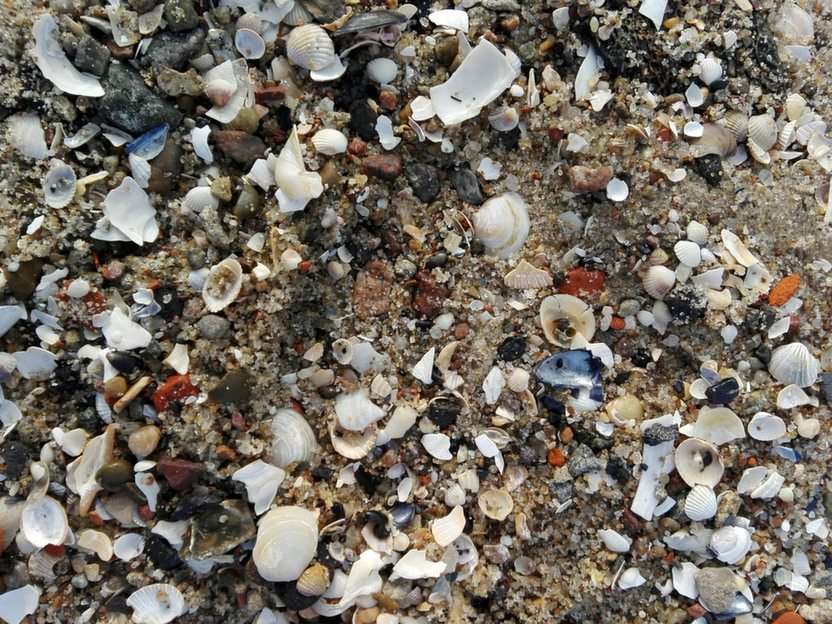
Seaside sand puzzle online from photo
64Seaside sandsolved 27 times
Solve puzzle
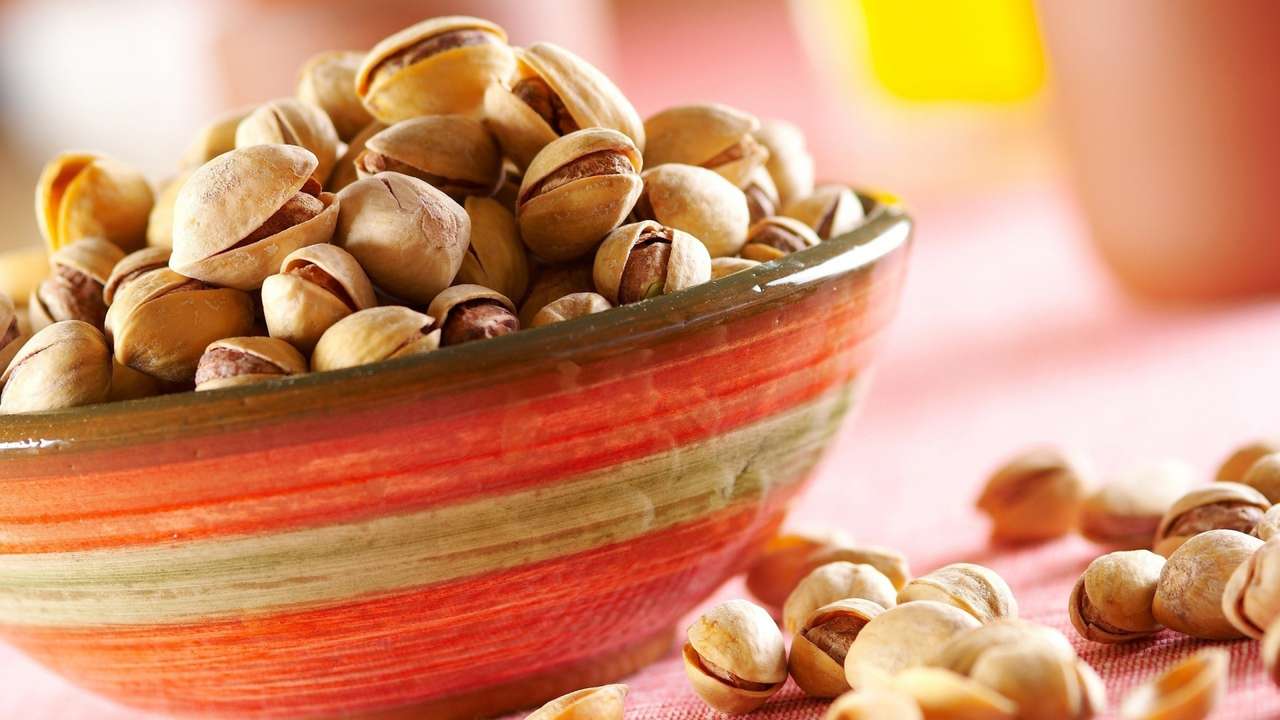
pistachio puzzle online from photo
28pistachiosolved 24 times
Solve puzzle
shells online puzzle
120shellssolved 18 times
Solve puzzle

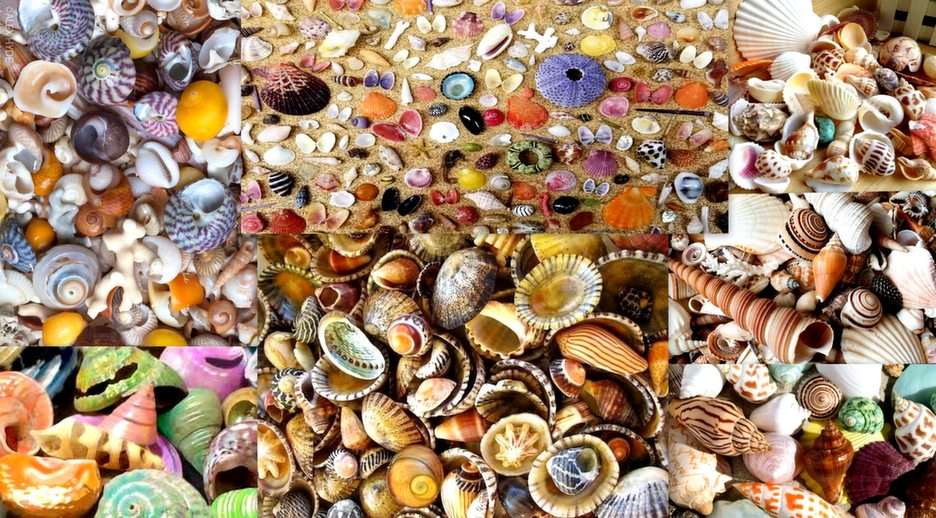
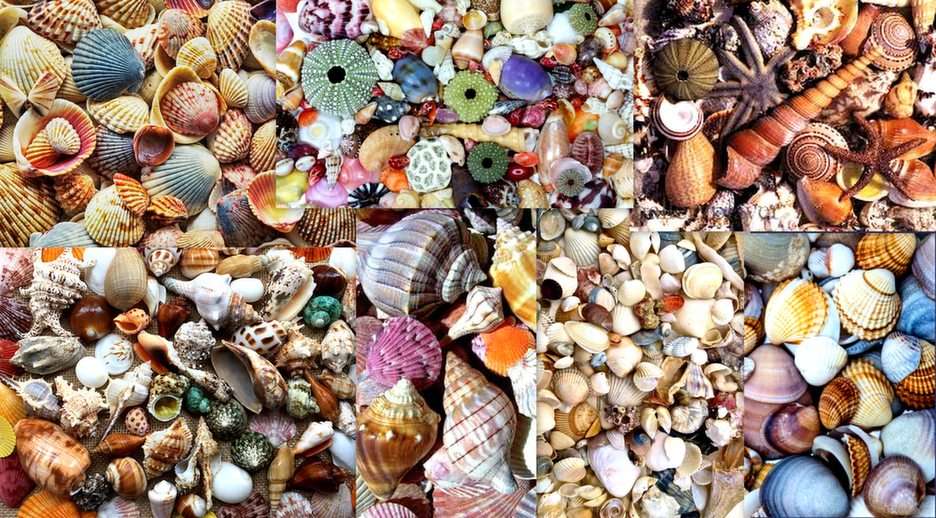
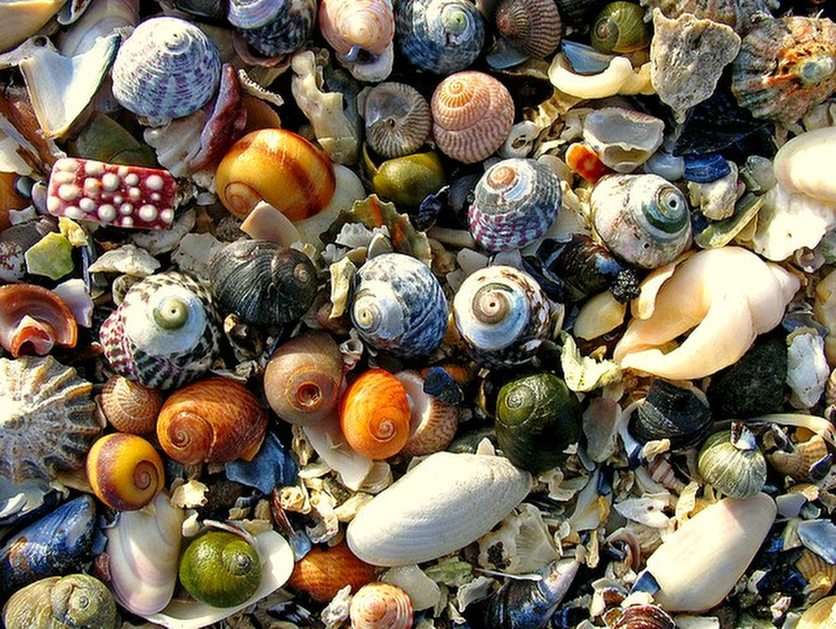
Online puzzle Bivalvia

Bivalvia

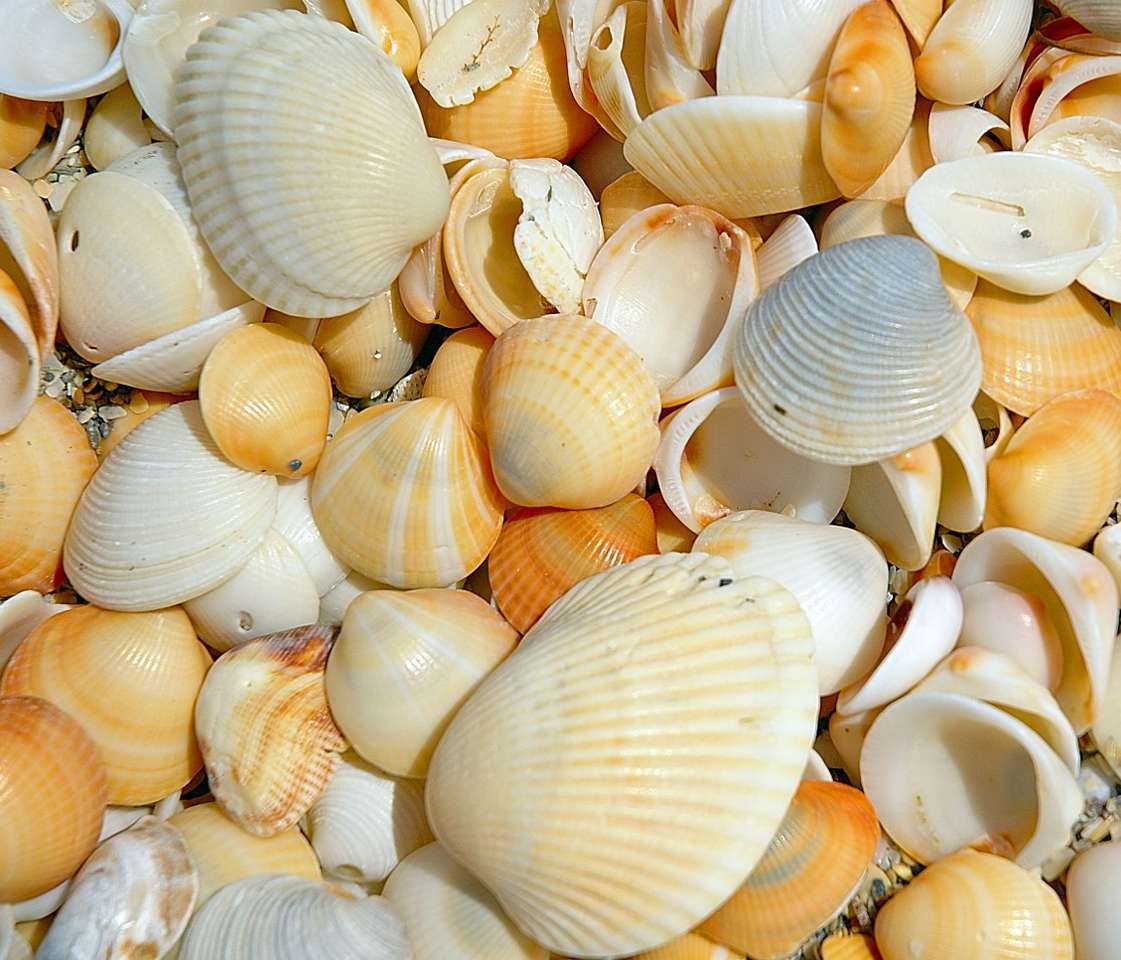
Bivalvia (), in previous centuries referred to as the Lamellibranchiata and Pelecypoda, is a class of marine and freshwater molluscs that have laterally compressed bodies enclosed by a shell consisting of two hinged parts. As a group, bivalves have no head and they lack some usual molluscan organs, like the radula and the odontophore. The class includes the clams, oysters, cockles, mussels, scallops, and numerous other families that live in saltwater, as well as a number of families that live in freshwater. The majority are filter feeders. The gills have evolved into ctenidia, specialised organs for feeding and breathing. Most bivalves bury themselves in sediment, where they are relatively safe from predation. Others lie on the sea floor or attach themselves to rocks or other hard surfaces. Some bivalves, such as the scallops and file shells, can swim. The shipworms bore into wood, clay, or stone and live inside these substances.

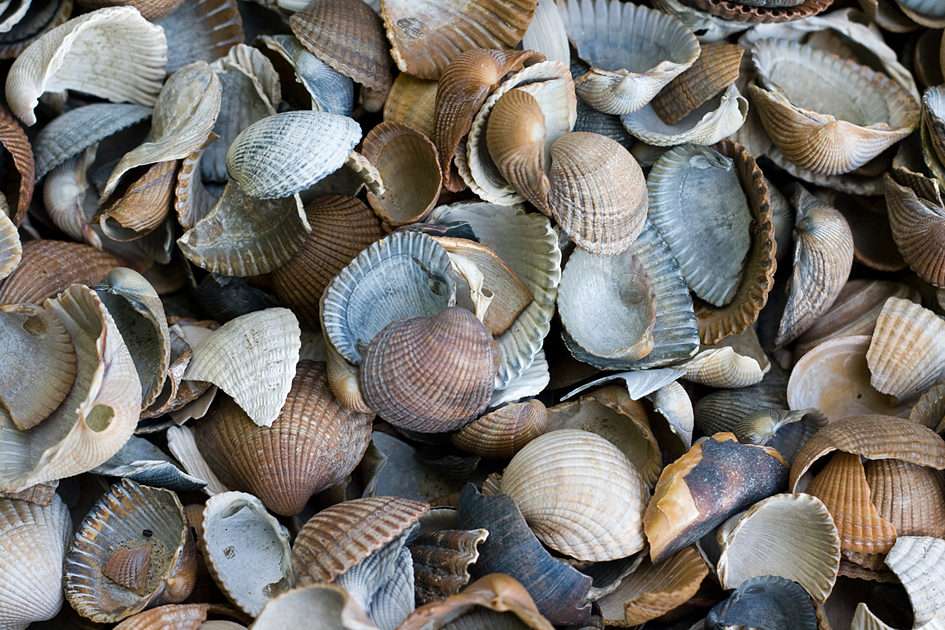
The shell of a bivalve is composed of calcium carbonate, and consists of two, usually similar, parts called valves. These are joined together along one edge (the hinge line) by a flexible ligament that, usually in conjunction with interlocking "teeth" on each of the valves, forms the hinge. This arrangement allows the shell to be opened and closed without the two halves detaching. The shell is typically bilaterally symmetrical, with the hinge lying in the sagittal plane. Adult shell sizes of bivalves vary from fractions of a millimetre to over a metre in length, but the majority of species do not exceed 10 cm (4 in).

Bivalves have long been a part of the diet of coastal and riparian human populations. Oysters were cultured in ponds by the Romans, and mariculture has more recently become an important source of bivalves for food. Modern knowledge of molluscan reproductive cycles has led to the development of hatcheries and new culture techniques. A better understanding of the potential hazards of eating raw or undercooked shellfish has led to improved storage and processing. Pearl oysters (the common name of two very different families in salt water and fresh water) are the most common source of natural pearls. The shells of bivalves are used in craftwork, and the manufacture of jewellery and buttons. Bivalves have also been used in the biocontrol of pollution.
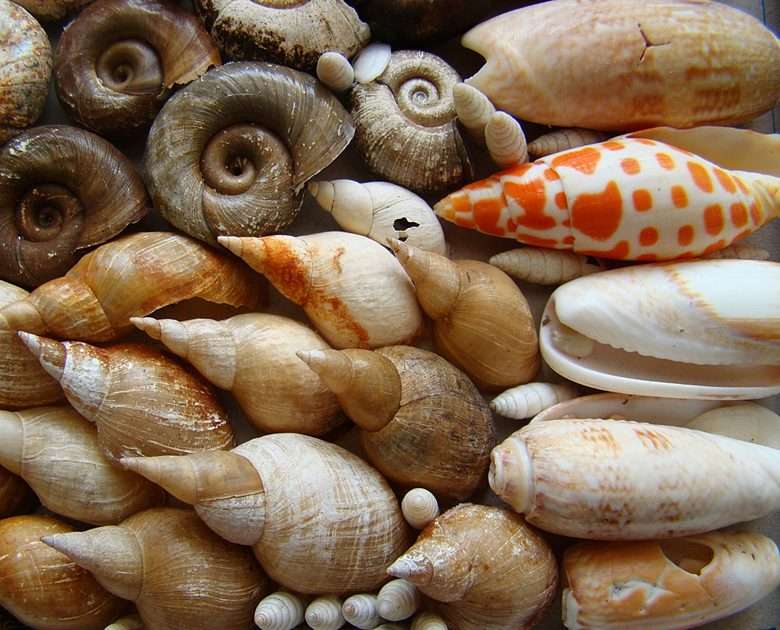
Bivalves appear in the fossil record first in the early Cambrian more than 500 million years ago. The total number of known living species is about 9,200. These species are placed within 1,260 genera and 106 families. Marine bivalves (including brackish water and estuarine species) represent about 8,000 species, combined in four subclasses and 99 families with 1,100 genera. The largest recent marine families are the Veneridae, with more than 680 species and the Tellinidae and Lucinidae, each with over 500 species. The freshwater bivalves include seven families, the largest of which are the Unionidae, with about 700 species.