Clock - online puzzles
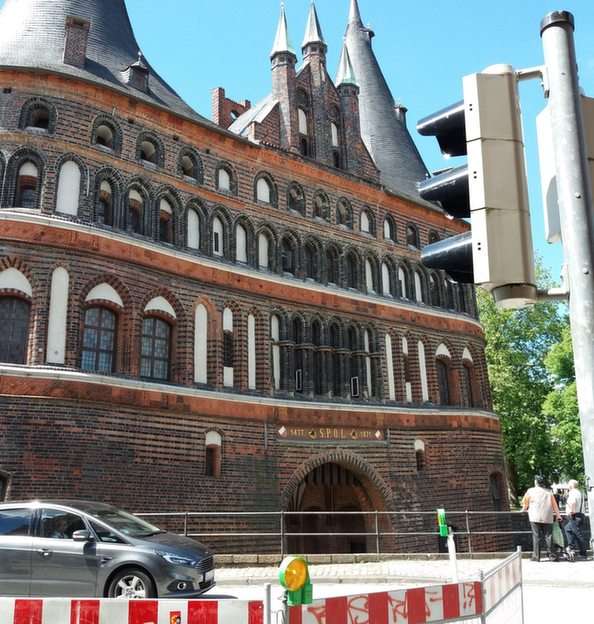
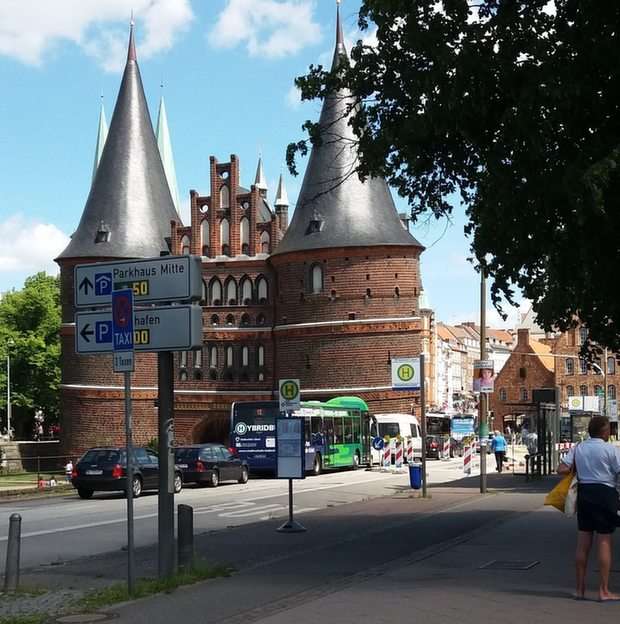
Lübeck puzzle online from photo
20Lübecksolved 363 times
Solve puzzle
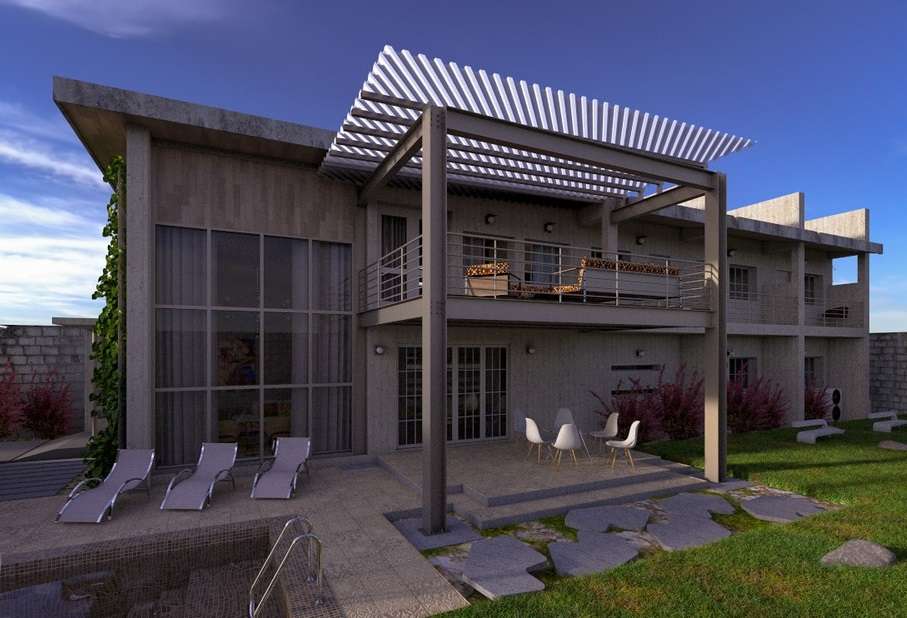
Live In This Home Today puzzle online from photo

35Live In This Home Todaysolved 363 times
Solve puzzle
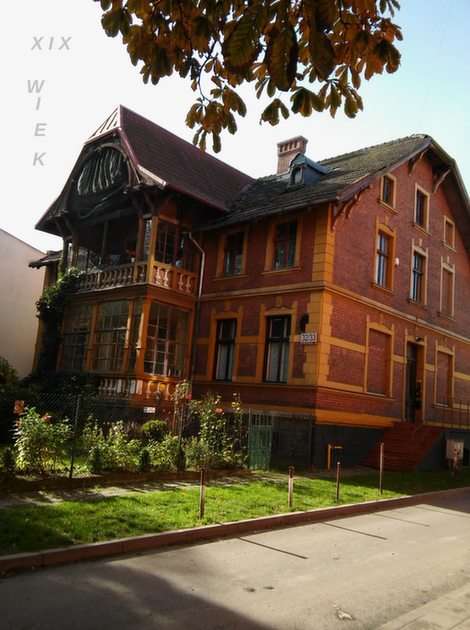
The cottage online puzzle
24The cottagesolved 362 times
Solve puzzle
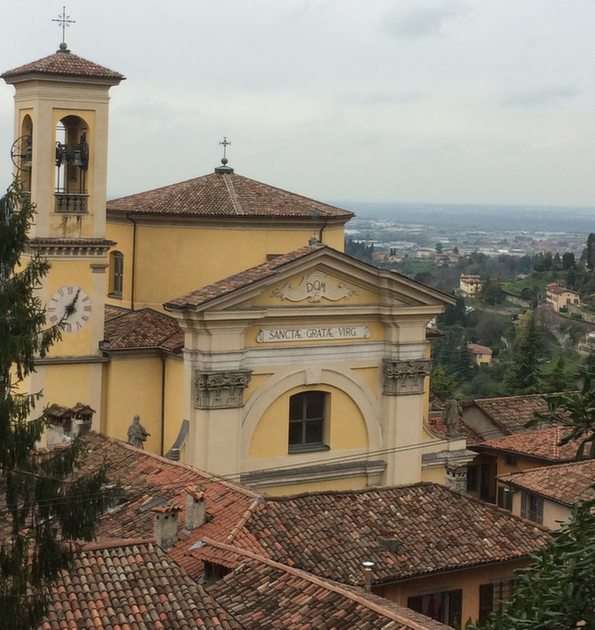
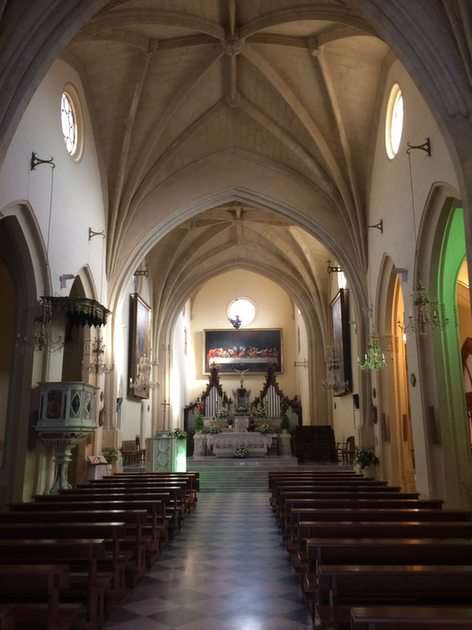
Church online puzzle
20Churchsolved 362 times
Solve puzzle
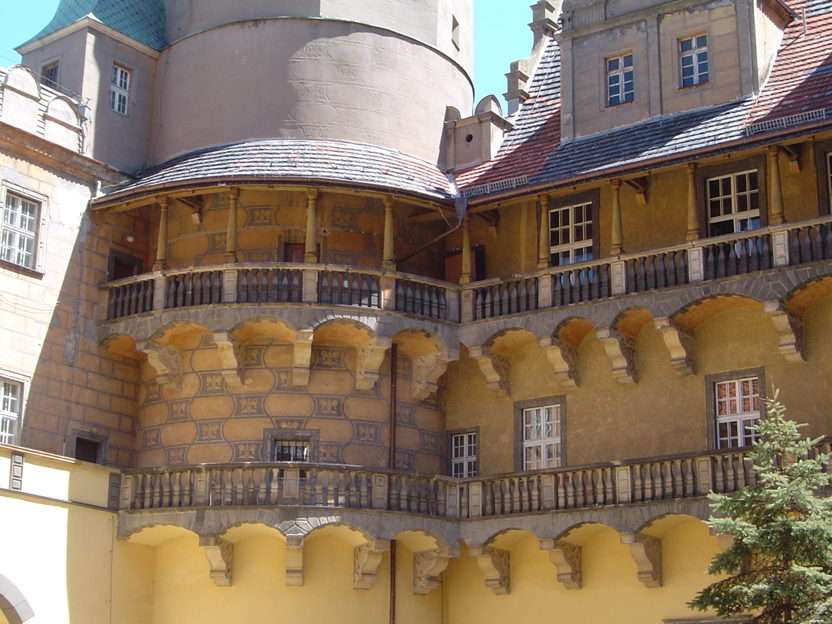
Castle in Oleśnica. online puzzle
192Castle in Oleśnica.solved 360 times
Solve puzzle
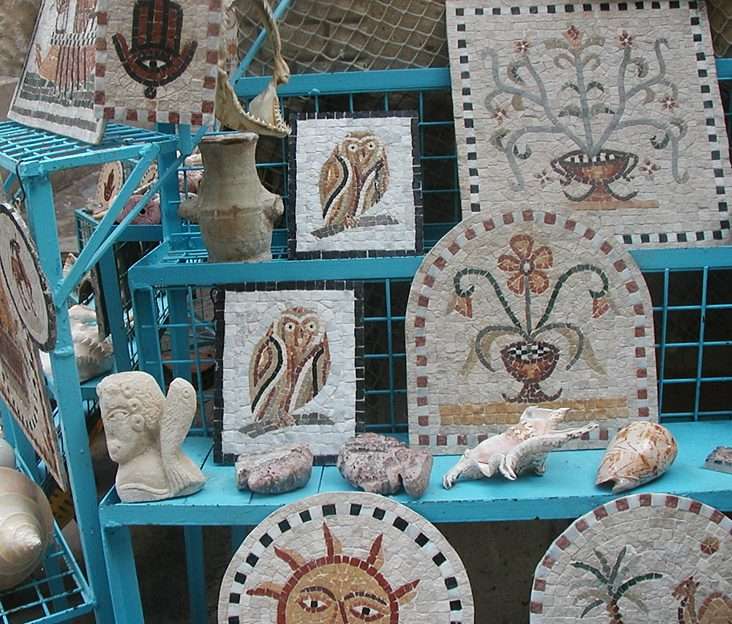
In the bazaar - Tunisia puzzle online from photo
144In the bazaar - Tunisiasolved 360 times
Solve puzzle
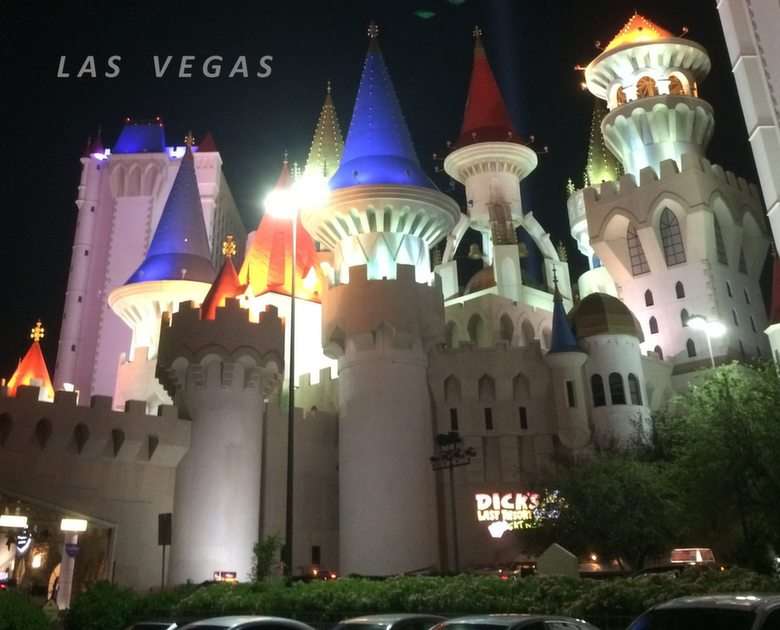
Las vegas online puzzle
16Las vegassolved 360 times
Solve puzzle
mùdfkfggfmklùjglkfd online puzzle
112mùdfkfggfmklùjglkfdsolved 360 times
Solve puzzle
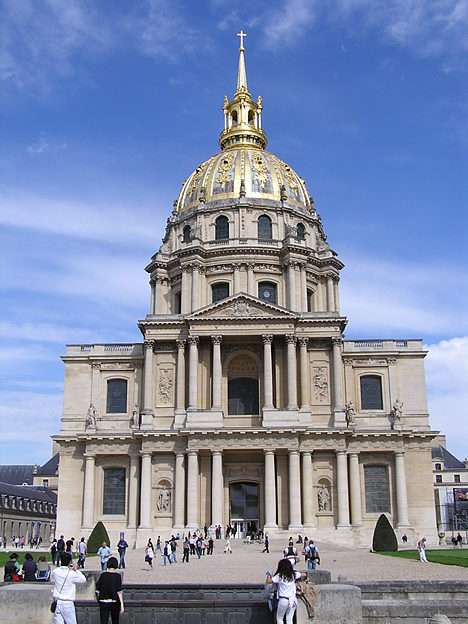
Palace of the Invalids puzzle online from photo
48Palace of the Invalidssolved 359 times
Solve puzzle
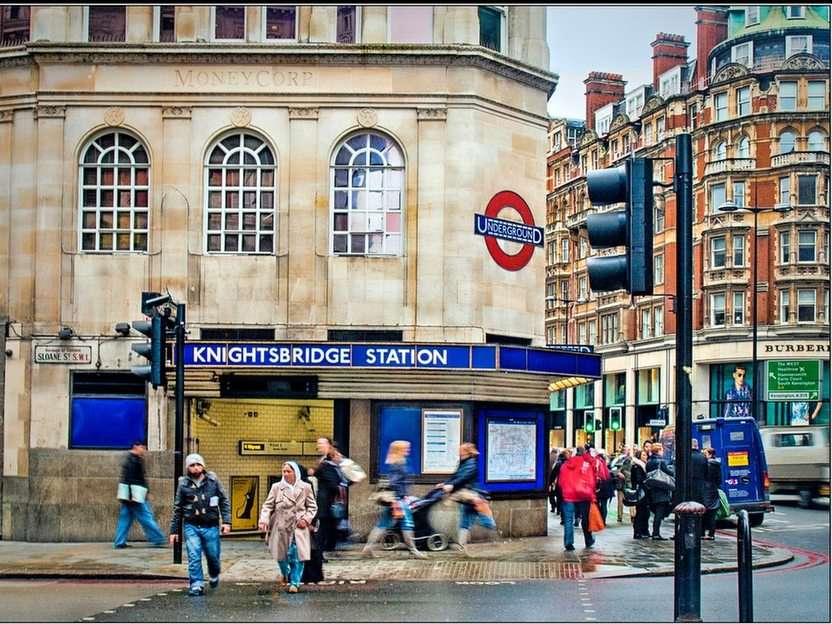
London collage online puzzle
45London collagesolved 359 times
Solve puzzle
JUST LODZ online puzzle
48JUST LODZsolved 359 times
Solve puzzle
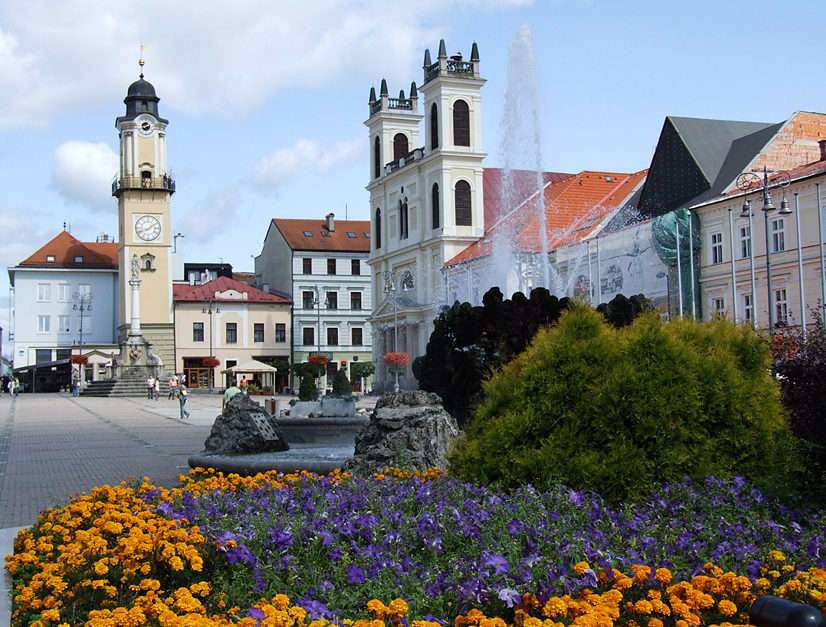
Banska Bystrica (Slovakia) online puzzle
99Banska Bystrica (Slovakia)solved 358 times
Solve puzzle
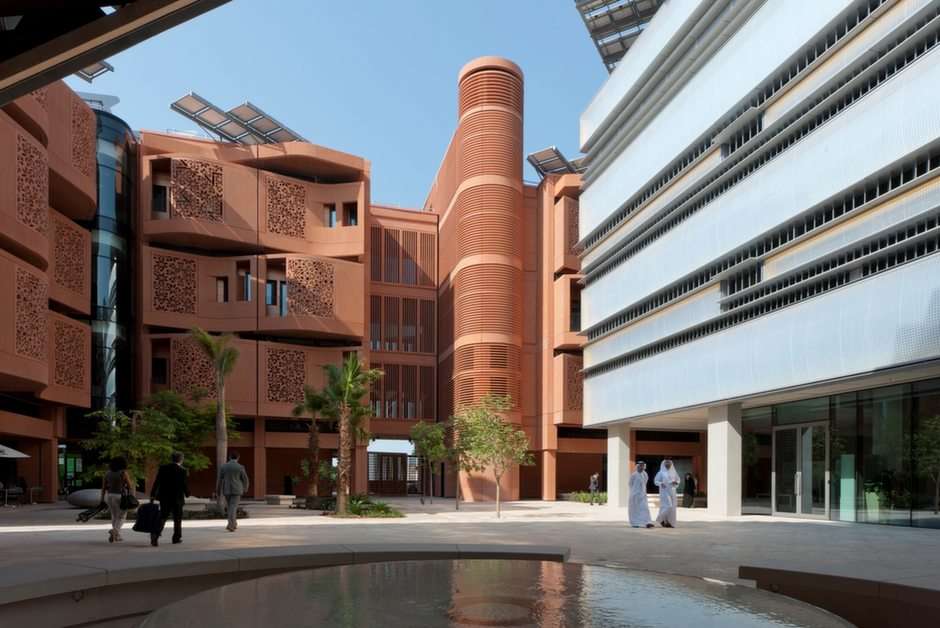
Masdar City online puzzle
20Masdar Citysolved 358 times
Solve puzzle
Church puzzle online from photo
24Churchsolved 358 times
Solve puzzle
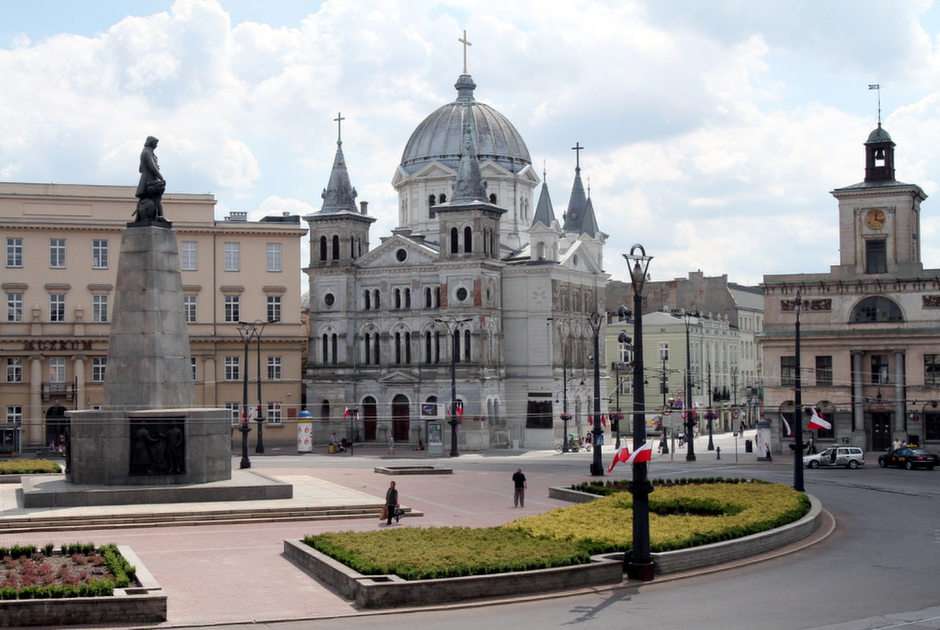
Freedom Square puzzle online from photo
15Freedom Squaresolved 357 times
Solve puzzle
Villa Banalia - DRC puzzle online from photo
140Villa Banalia - DRCsolved 357 times
Solve puzzle
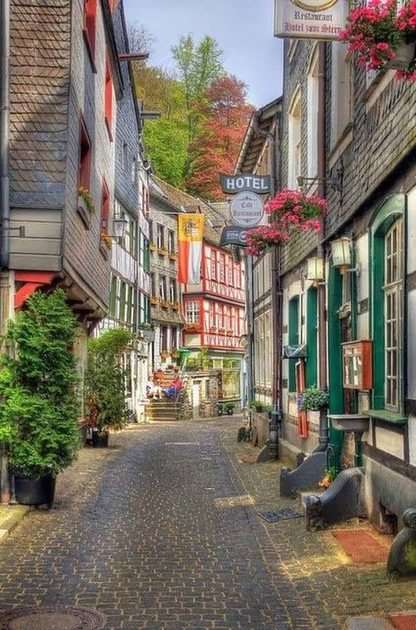
alley puzzle online from photo
80alleysolved 356 times
Solve puzzle
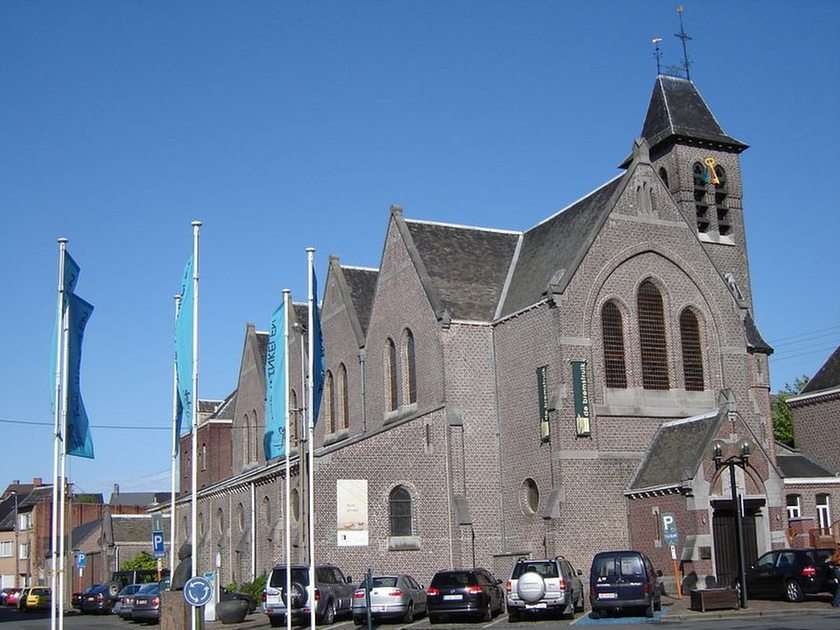
Paterskerk online puzzle
15Paterskerksolved 356 times
Solve puzzle
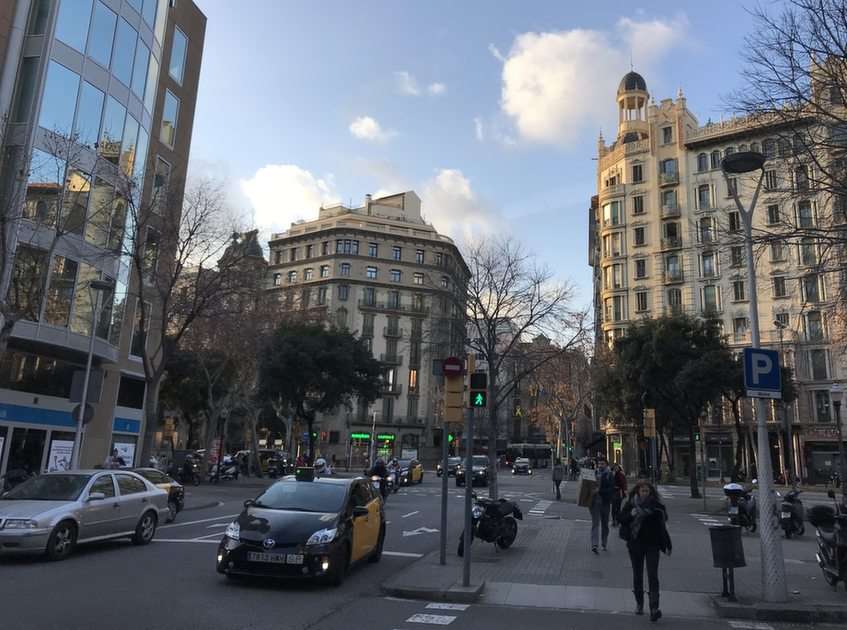
Barcelona puzzle online from photo
20Barcelonasolved 356 times
Solve puzzle
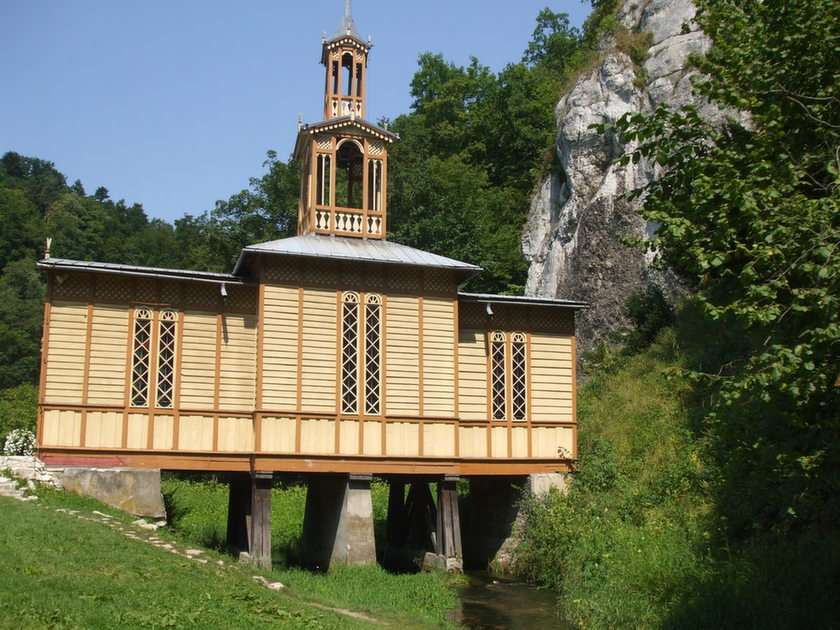
Jura Krakowsko-Częstochowska online puzzle
20Jura Krakowsko-Częstochowskasolved 355 times
Solve puzzle
Ornaments online puzzle
108Ornamentssolved 355 times
Solve puzzle
Lübeck online puzzle
20Lübecksolved 355 times
Solve puzzle
Street ... online puzzle
20Street ...solved 354 times
Solve puzzle
London puzzle online from photo
252Londonsolved 353 times
Solve puzzle
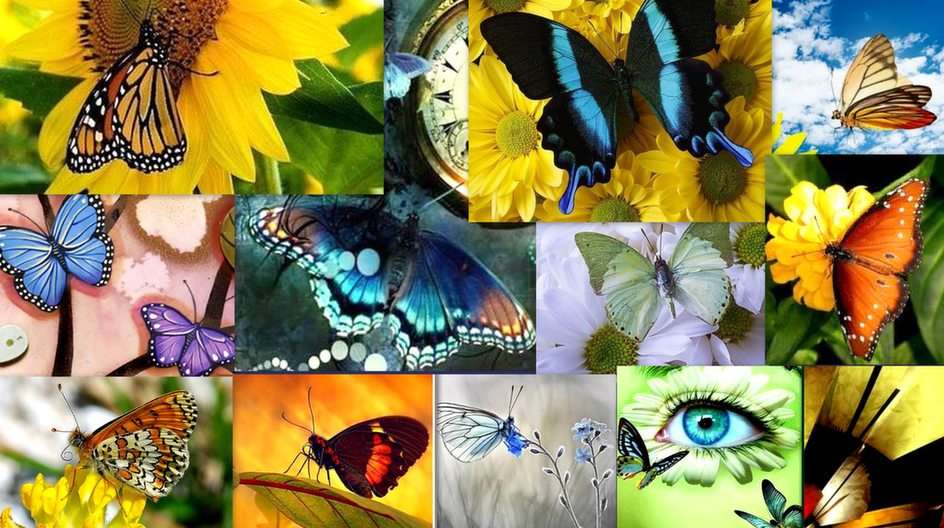
Fabulous butterflies online puzzle
192Fabulous butterfliessolved 353 times
Solve puzzle
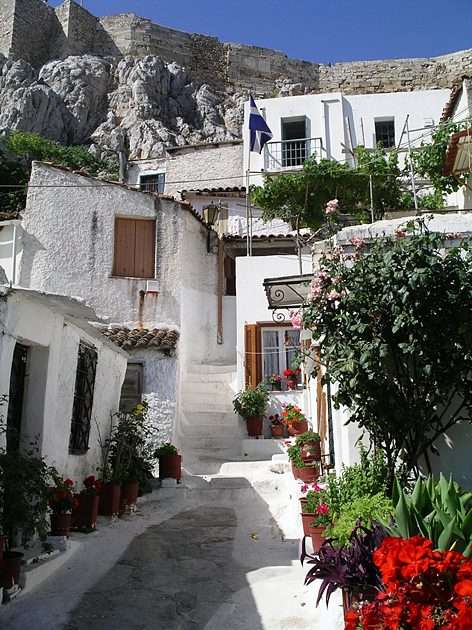
Street under the Acropolis online puzzle
80Street under the Acropolissolved 352 times
Solve puzzle
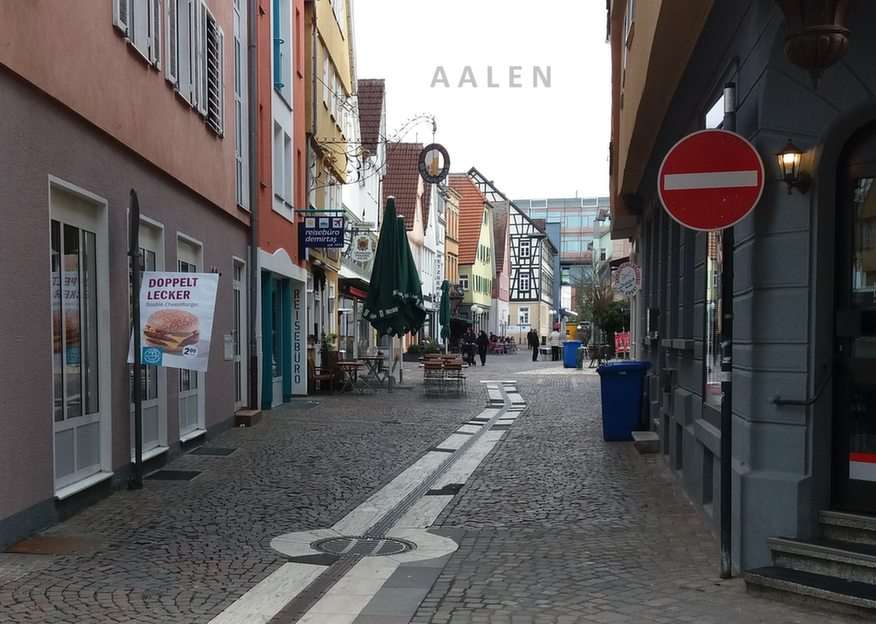
Germany online puzzle
20Germanysolved 352 times
Solve puzzle
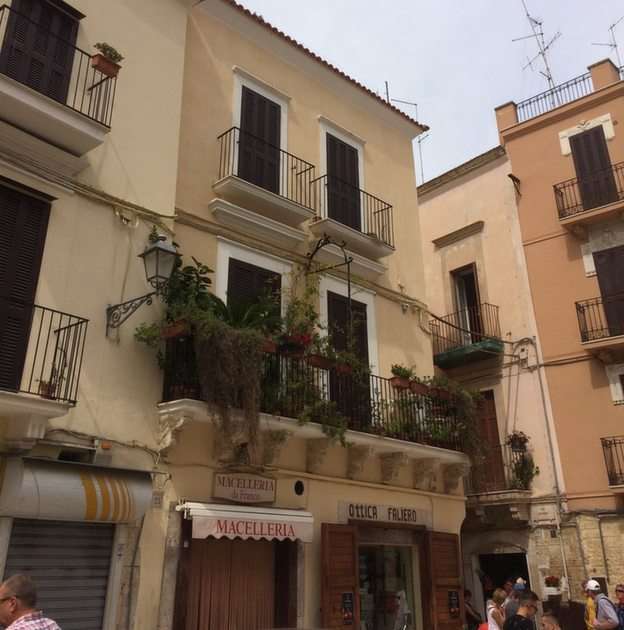
Bari online puzzle
20Barisolved 352 times
Solve puzzle
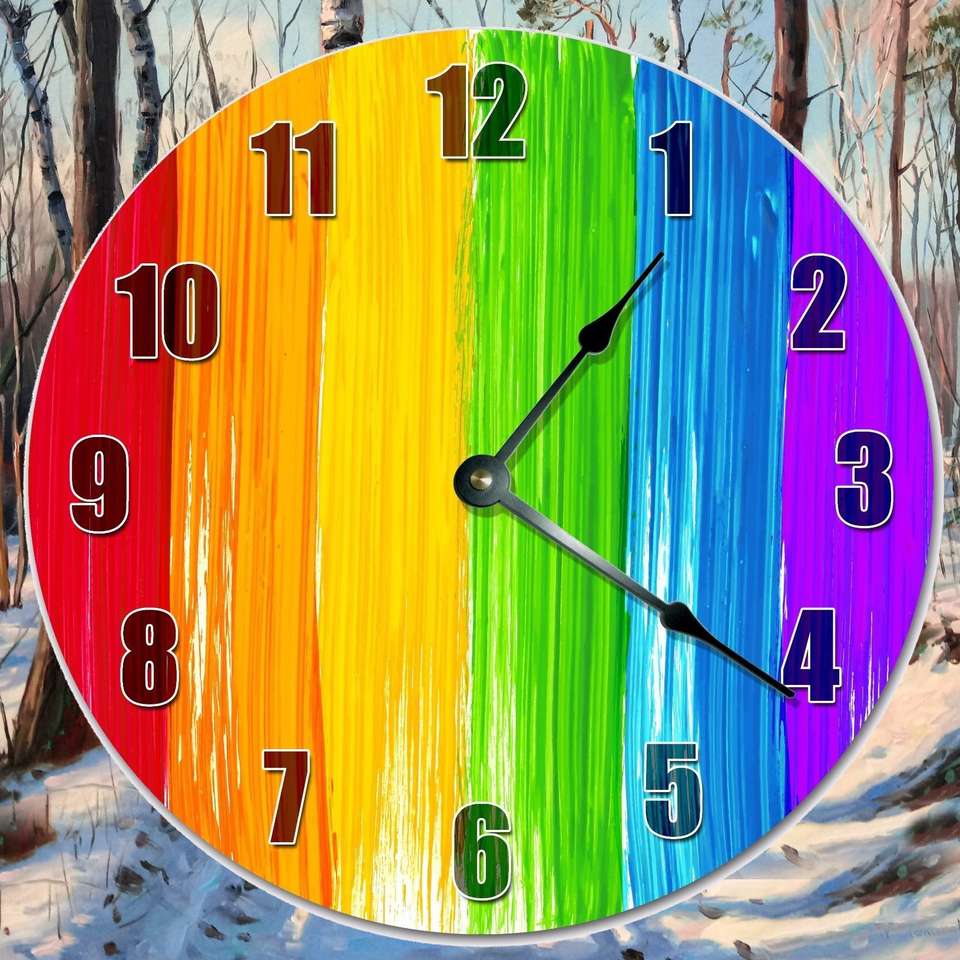
Colorful clock online puzzle
100Colorful clocksolved 352 times
Solve puzzle
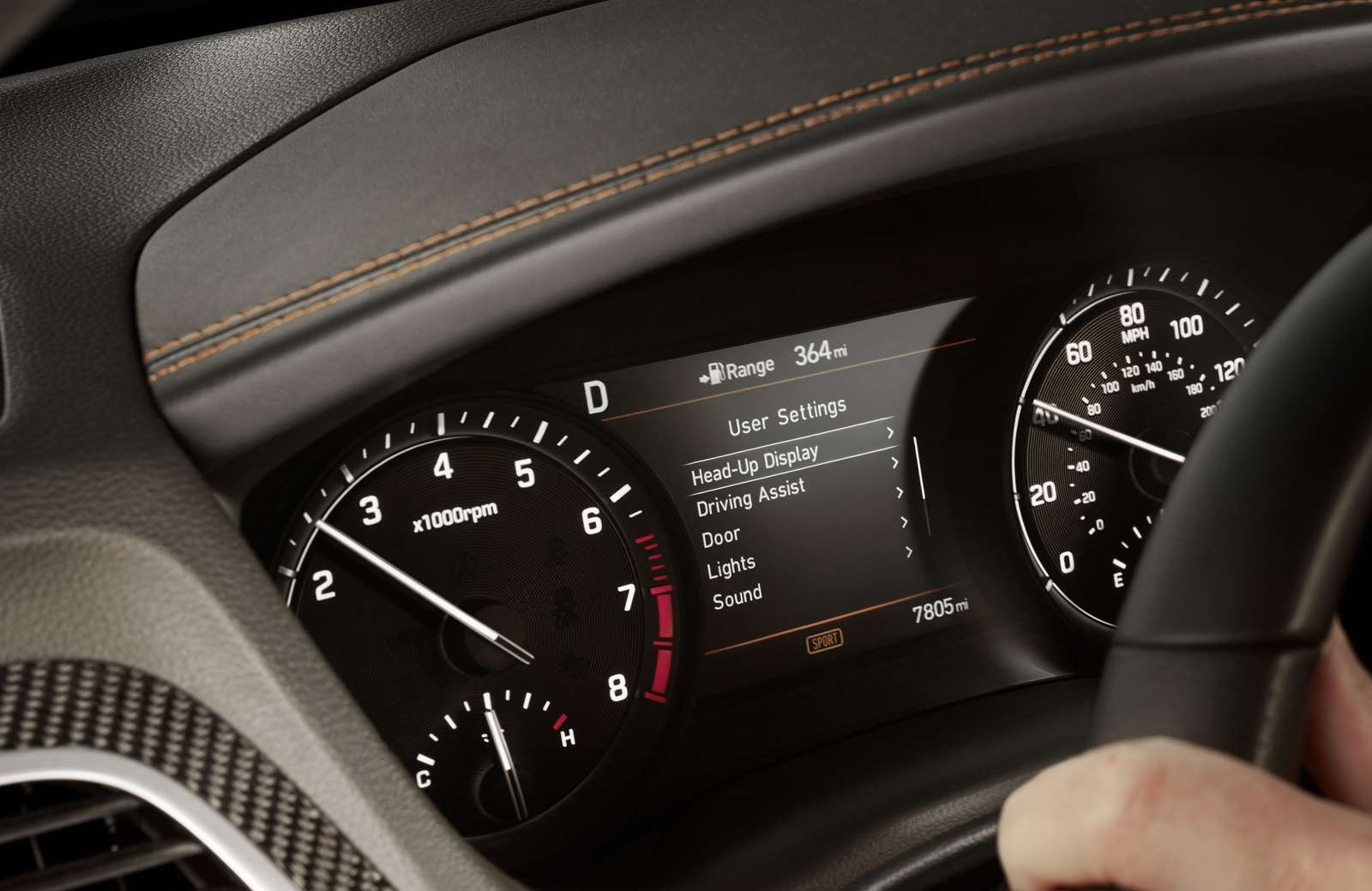
Genesis G80 online puzzle
150Genesis G80solved 352 times
Solve puzzle
Baking Bread puzzle online from photo
63Baking Breadsolved 352 times
Solve puzzle
Color Wheel puzzle online from photo
121Color Wheelsolved 352 times
Solve puzzle
amber museum puzzle online from photo
24amber museumsolved 351 times
Solve puzzle
New York puzzle online from photo
20New Yorksolved 351 times
Solve puzzle
CSDS puzzle online from photo
96CSDSsolved 350 times
Solve puzzle
Vilnius online puzzle
16Vilniussolved 350 times
Solve puzzle
St. Anna in Dąbrówka puzzle online from photo
88St. Anna in Dąbrówkasolved 349 times
Solve puzzle
Fireplace online puzzle
24Fireplacesolved 349 times
Solve puzzle
PARK online puzzle
24PARKsolved 348 times
Solve puzzle
Vilnius puzzle online from photo
16Vilniussolved 348 times
Solve puzzle
Neptune puzzle online from photo
20Neptunesolved 348 times
Solve puzzle
Gdańsk Oliwa online puzzle
20Gdańsk Oliwasolved 347 times
Solve puzzle
Valencia puzzle online from photo
165Valenciasolved 347 times
Solve puzzle
Something for everyone online puzzle
255Something for everyonesolved 347 times
Solve puzzle
Vilnius puzzle online from photo
16Vilniussolved 347 times
Solve puzzle
Jigsaw Puzzle online puzzle
112Jigsaw Puzzlesolved 347 times
Solve puzzle
Colin Thompson- Tomorrow's World online puzzle
63Colin Thompson- Tomorrow's Worldsolved 347 times
Solve puzzle
Monument to the Pope online puzzle
117Monument to the Popesolved 346 times
Solve puzzle

Online puzzle Clock

Clock

A clock, or a timepiece, is a device used to measure and indicate time. The clock is one of the oldest human inventions, meeting the need to measure intervals of time shorter than the natural units such as the day, the lunar month, and the year. Devices operating on several physical processes have been used over the millennia.

Some predecessors to the modern clock may be considered "clocks" that are based on movement in nature: A sundial shows the time by displaying the position of a shadow on a flat surface. There is a range of duration timers, a well-known example being the hourglass. Water clocks, along with sundials, are possibly the oldest time-measuring instruments. A major advance occurred with the invention of the verge escapement, which made possible the first mechanical clocks around 1300 in Europe, which kept time with oscillating timekeepers like balance wheels.Traditionally, in horology (the study of timekeeping), the term clock was used for a striking clock, while a clock that did not strike the hours audibly was called a timepiece. This distinction is no longer made. Watches and other timepieces that can be carried on one's person are usually not referred to as clocks. Spring-driven clocks appeared during the 15th century. During the 15th and 16th centuries, clockmaking flourished. The next development in accuracy occurred after 1656 with the invention of the pendulum clock by Christiaan Huygens. A major stimulus to improving the accuracy and reliability of clocks was the importance of precise time-keeping for navigation. The mechanism of a timepiece with a series of gears driven by a spring or weights is referred to as clockwork; the term is used by extension for a similar mechanism not used in a timepiece. The electric clock was patented in 1840, and electronic clocks were introduced in the 20th century, becoming widespread with the development of small battery-powered semiconductor devices.

The timekeeping element in every modern clock is a harmonic oscillator, a physical object (resonator) that vibrates or oscillates at a particular frequency.

This object can be a pendulum, a tuning fork, a quartz crystal, or the vibration of electrons in atoms as they emit microwaves, the last of which is so precise that it serves as the definition of the second.

Clocks have different ways of displaying the time. Analog clocks indicate time with a traditional clock face and moving hands. Digital clocks display a numeric representation of time. Two numbering systems are in use: 12-hour time notation and 24-hour notation. Most digital clocks use electronic mechanisms and LCD, LED, or VFD displays. For the blind and for use over telephones, speaking clocks state the time audibly in words. There are also clocks for the blind that have displays that can be read by touch.