Clock - online puzzles
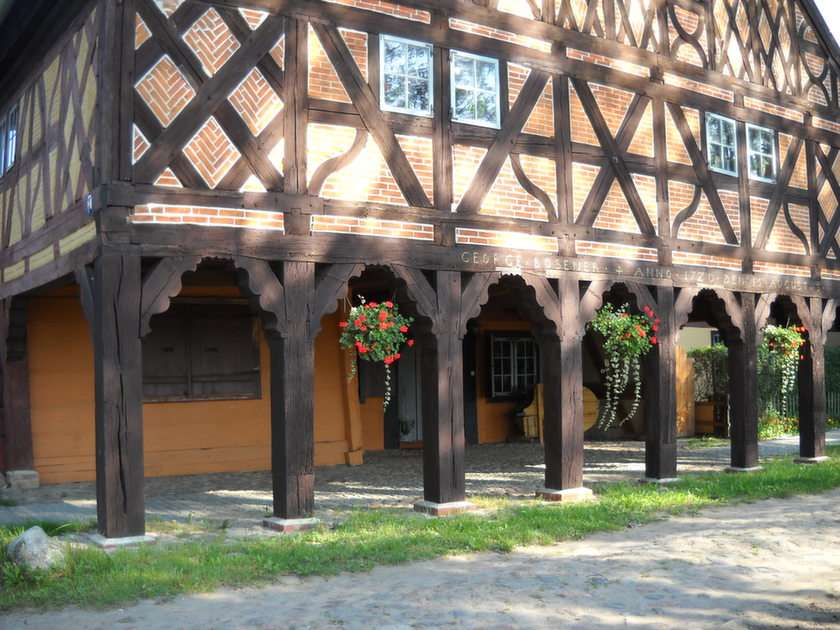
The arcaded house puzzle online from photo
20The arcaded housesolved 305 times
Solve puzzle
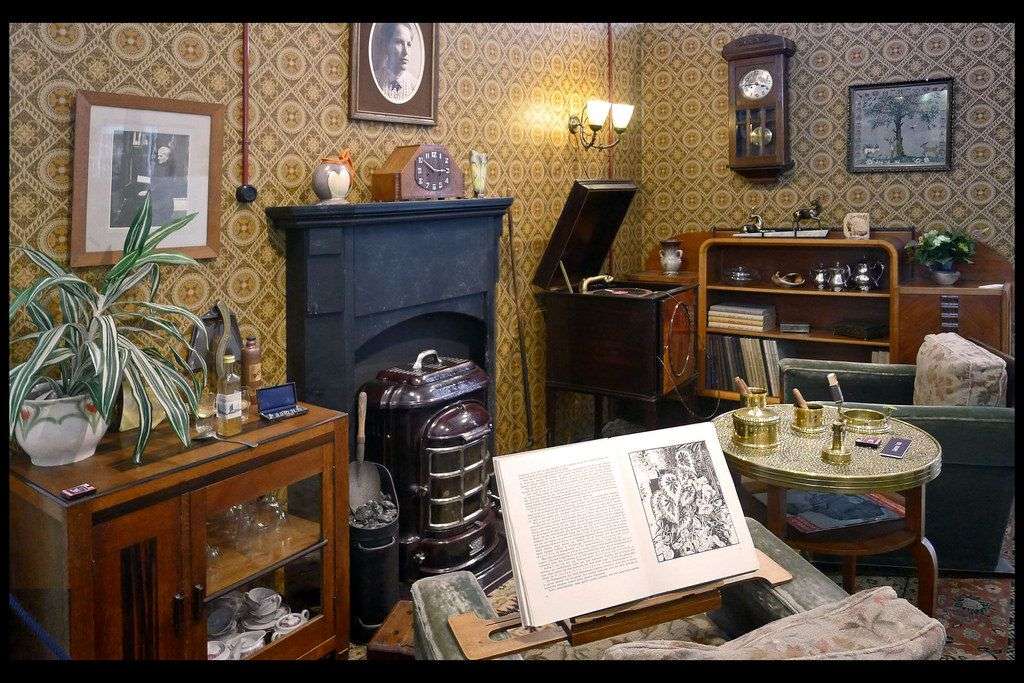
Living 1940 online puzzle
140Living 1940solved 305 times
Solve puzzle
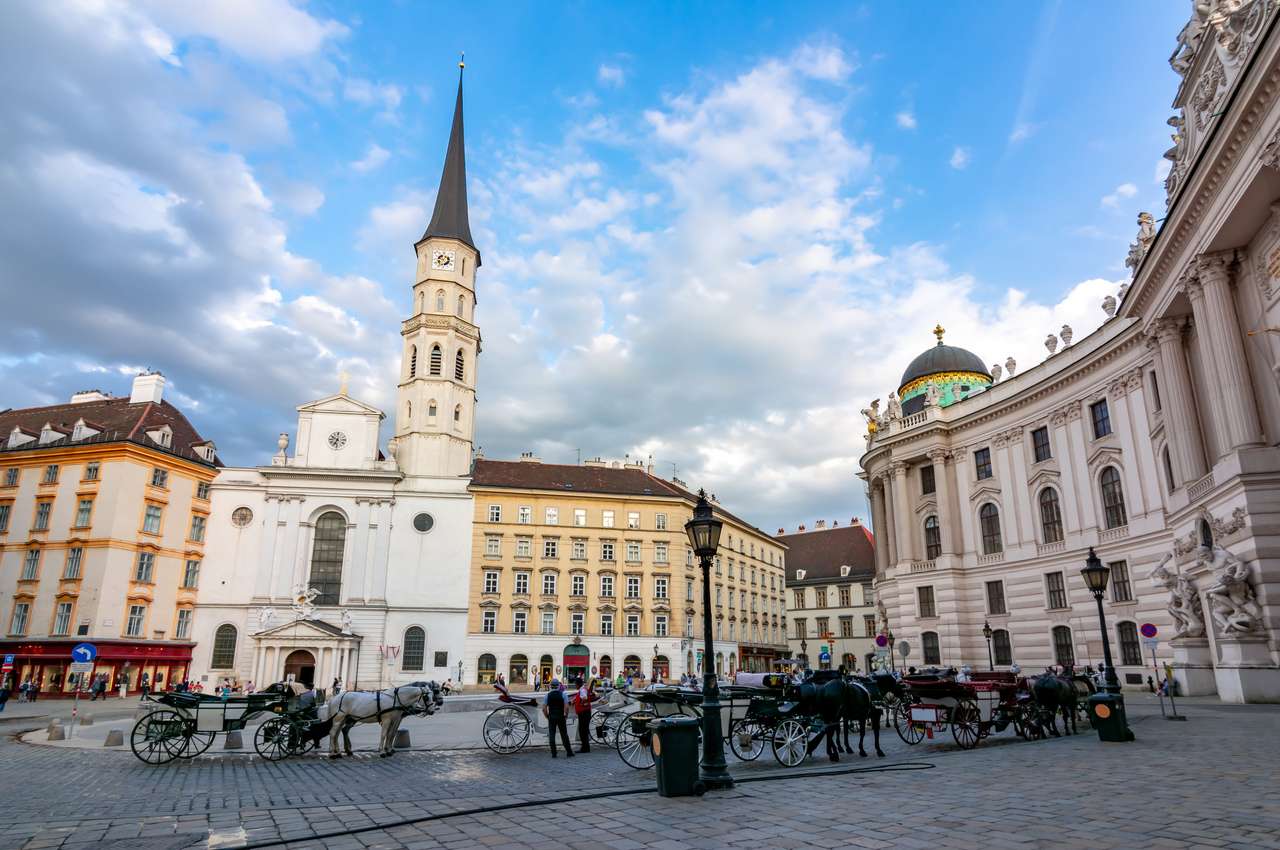
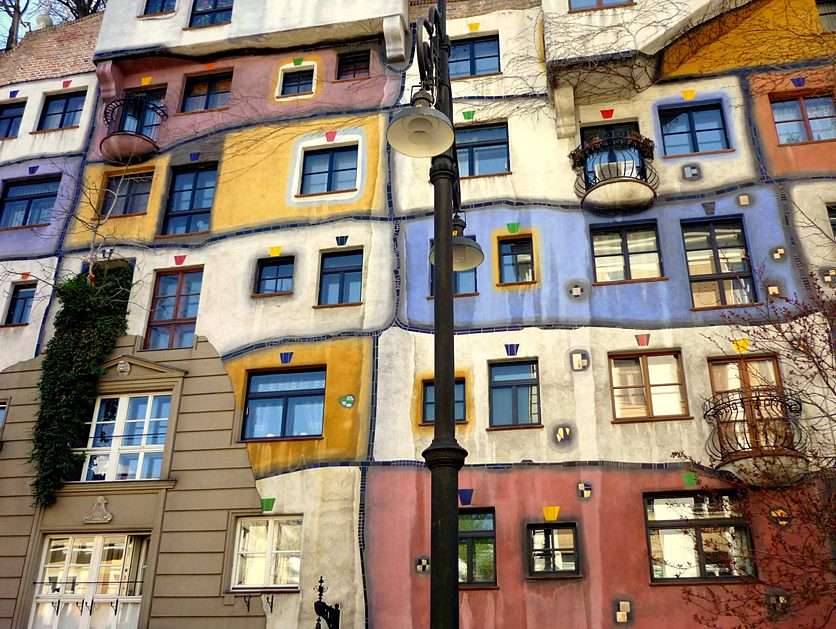
Vienna puzzle online from photo
374Viennasolved 304 times
Solve puzzle
On the shelves puzzle online from photo
224On the shelvessolved 304 times
Solve puzzle
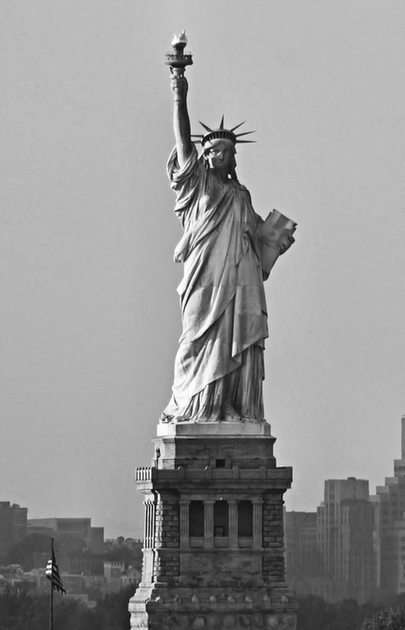
estatua online puzzle
15estatuasolved 304 times
Solve puzzle
Florence puzzle online from photo
80Florencesolved 304 times
Solve puzzle
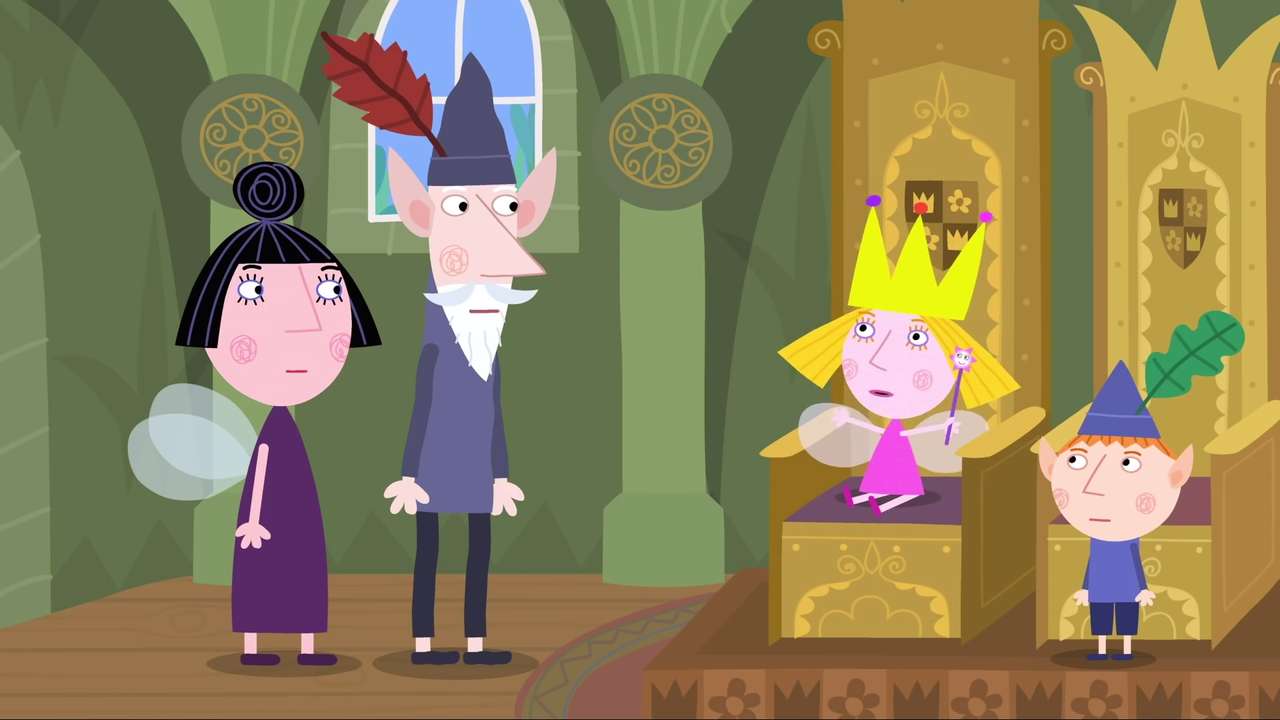
Ben i Holi online puzzle
28Ben i Holisolved 304 times
Solve puzzle
Strbske Pleso (Štrbské Pleso) online puzzle
117Strbske Pleso (Štrbské Pleso)solved 303 times
Solve puzzle
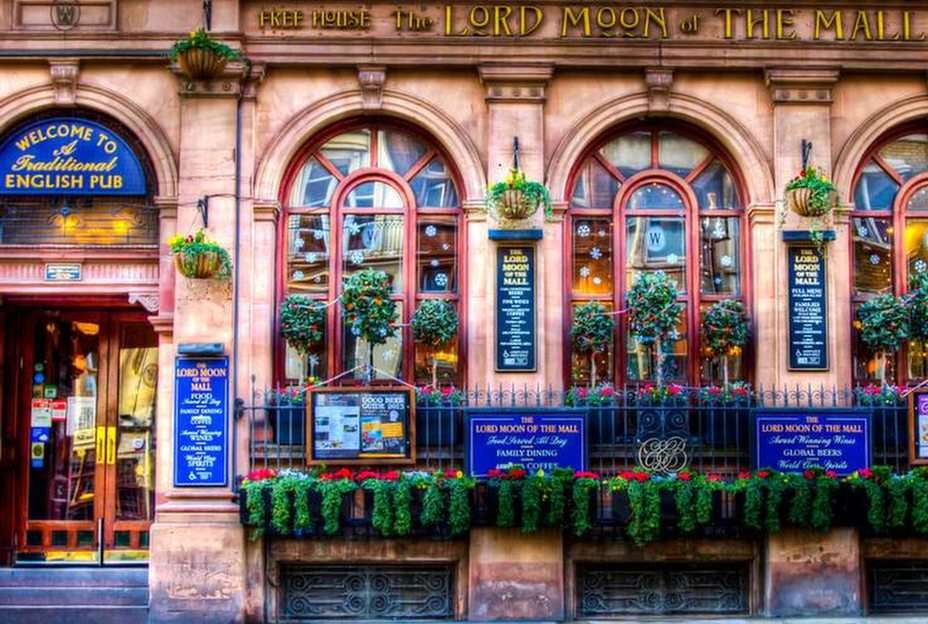
London-Pub online puzzle
247London-Pubsolved 303 times
Solve puzzle
Promenade online puzzle
121Promenadesolved 303 times
Solve puzzle
House in Gozo online puzzle
224House in Gozosolved 303 times
Solve puzzle
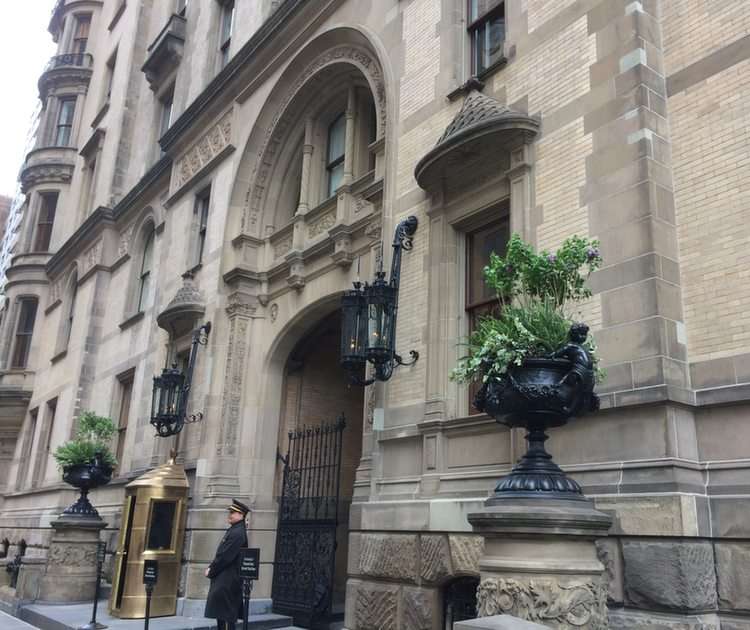
New York puzzle online from photo
16New Yorksolved 303 times
Solve puzzle
Summer stop no. 18 - SZCZECIN puzzle online from photo
286Summer stop no. 18 - SZCZECINsolved 302 times
Solve puzzle
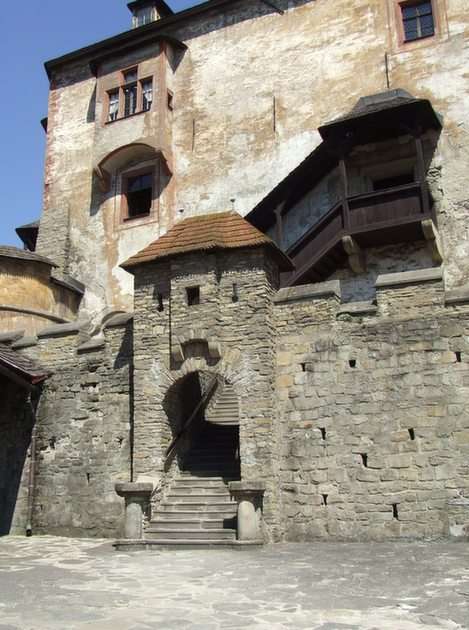
Orava Castle puzzle online from photo
63Orava Castlesolved 302 times
Solve puzzle
Poznan puzzle online from photo
176Poznansolved 301 times
Solve puzzle
Christmas tree online puzzle
60Christmas treesolved 301 times
Solve puzzle
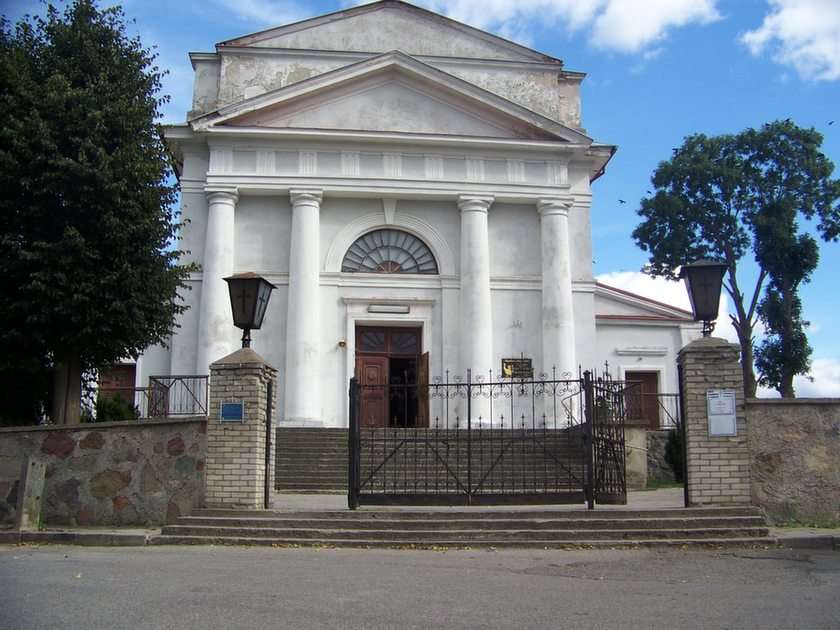
Church of Blessed Virgin Mary in Filipów puzzle online from photo
70Church of Blessed Virgin Mary in Filipówsolved 301 times
Solve puzzle
De grote markt online puzzle
35De grote marktsolved 301 times
Solve puzzle
corners of Europe puzzle online from photo
54corners of Europesolved 300 times
Solve puzzle
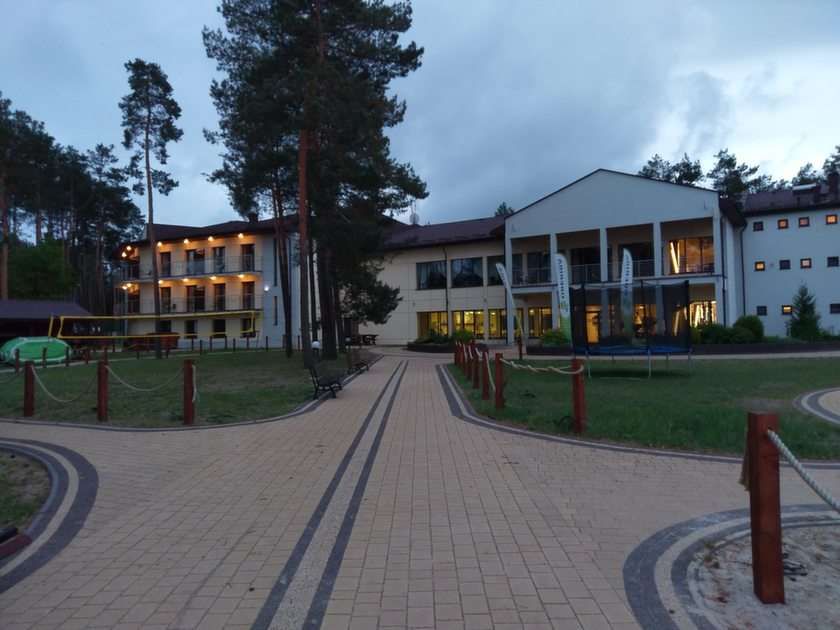
okuninka puzzle online from photo
48okuninkasolved 299 times
Solve puzzle
talisay puzzle online from photo
28talisaysolved 299 times
Solve puzzle
Ballintore Castle online puzzle
20Ballintore Castlesolved 299 times
Solve puzzle
test doppio online puzzle
36test doppiosolved 299 times
Solve puzzle
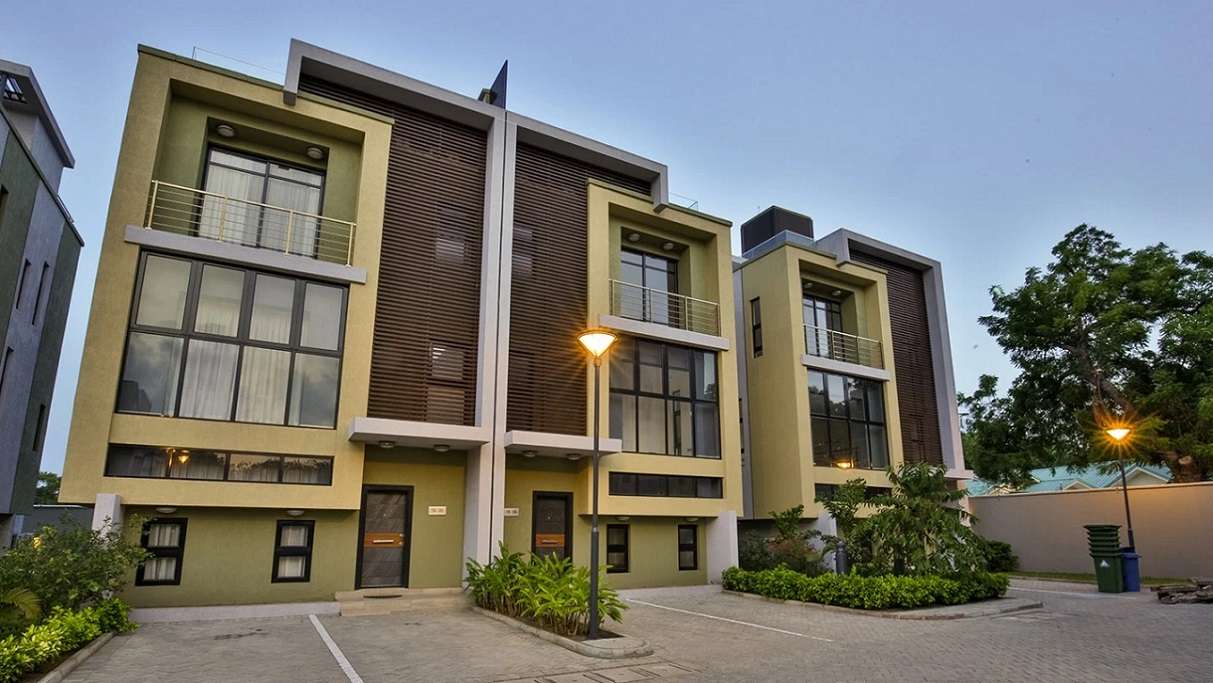
Modern Apartment Complex online puzzle
209Modern Apartment Complexsolved 298 times
Solve puzzle
bike online puzzle
48bikesolved 297 times
Solve puzzle
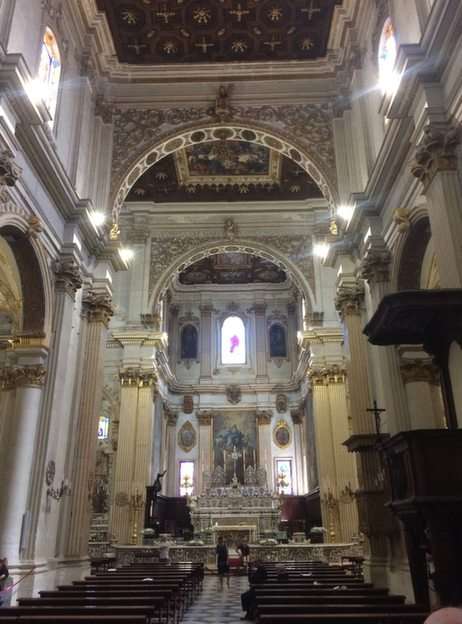
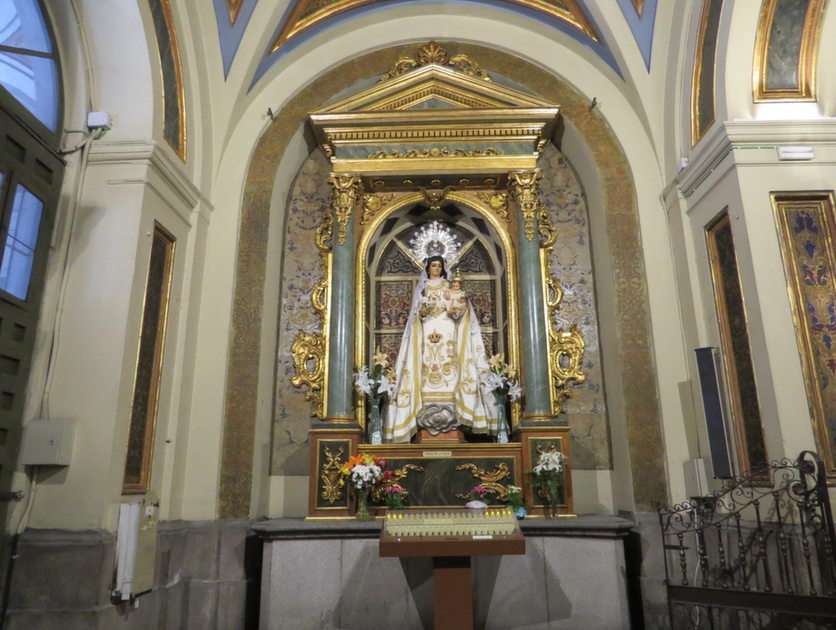
Altars in the Church of San Jose puzzle online from photo
99Altars in the Church of San Josesolved 296 times
Solve puzzle
Bridge in Warka online puzzle
56Bridge in Warkasolved 295 times
Solve puzzle
Castle on Pieskowa Skała online puzzle
28Castle on Pieskowa Skałasolved 295 times
Solve puzzle
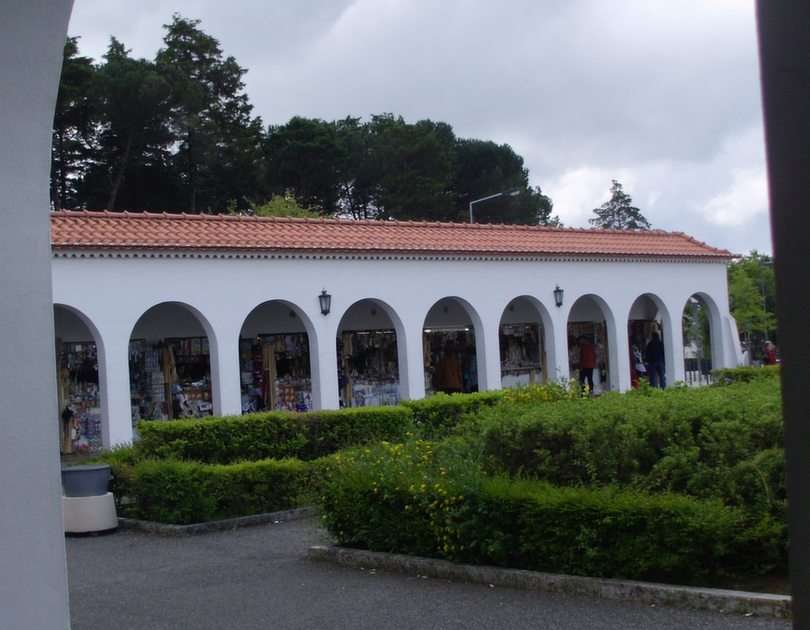
Fatima puzzle online from photo
20Fatimasolved 295 times
Solve puzzle
Church puzzle online from photo
24Churchsolved 295 times
Solve puzzle
Kamienica in Łódź online puzzle
144Kamienica in Łódźsolved 295 times
Solve puzzle
windmill of fuerteventura online puzzle
140windmill of fuerteventurasolved 294 times
Solve puzzle
Church. puzzle online from photo
25Church.solved 293 times
Solve puzzle
Vilnius online puzzle
20Vilniussolved 293 times
Solve puzzle
Gift shop puzzle online from photo
336Gift shopsolved 292 times
Solve puzzle
Castle on Pieskowa Skała online puzzle
20Castle on Pieskowa Skałasolved 292 times
Solve puzzle
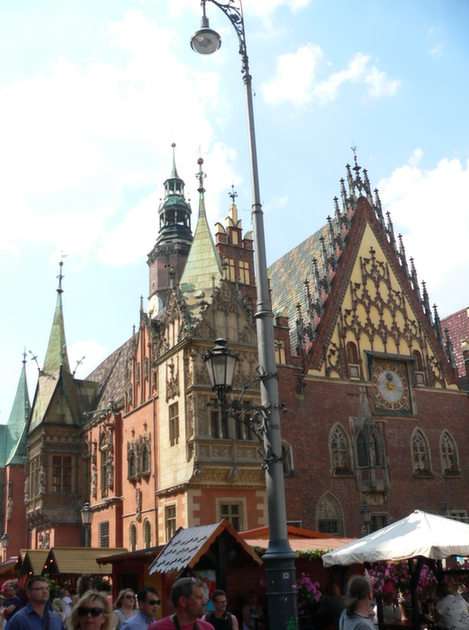
Wroclaw puzzle online from photo
20Wroclawsolved 292 times
Solve puzzle
Baleia online puzzle
15Baleiasolved 291 times
Solve puzzle
Potsdam online puzzle
63Potsdamsolved 290 times
Solve puzzle
Summer stop no. 11 - KOTOWO online puzzle
176Summer stop no. 11 - KOTOWOsolved 289 times
Solve puzzle
Church online puzzle
16Churchsolved 289 times
Solve puzzle
Vilnius online puzzle
16Vilniussolved 289 times
Solve puzzle
PAŁAC ŚLUBÓW -  TARNÓW online puzzle
112PAŁAC ŚLUBÓW - TARNÓWsolved 288 times
Solve puzzle
Ethiopian Village online puzzle
48Ethiopian Villagesolved 288 times
Solve puzzle
Ponte Luís I in Porto (Portugal) online puzzle
140Ponte Luís I in Porto (Portugal)solved 287 times
Solve puzzle
original building in Vienna online puzzle
168original building in Viennasolved 287 times
Solve puzzle
Castle Karpniki puzzle online from photo
144Castle Karpnikisolved 287 times
Solve puzzle
Swołowo puzzle online from photo
126Swołowosolved 286 times
Solve puzzle

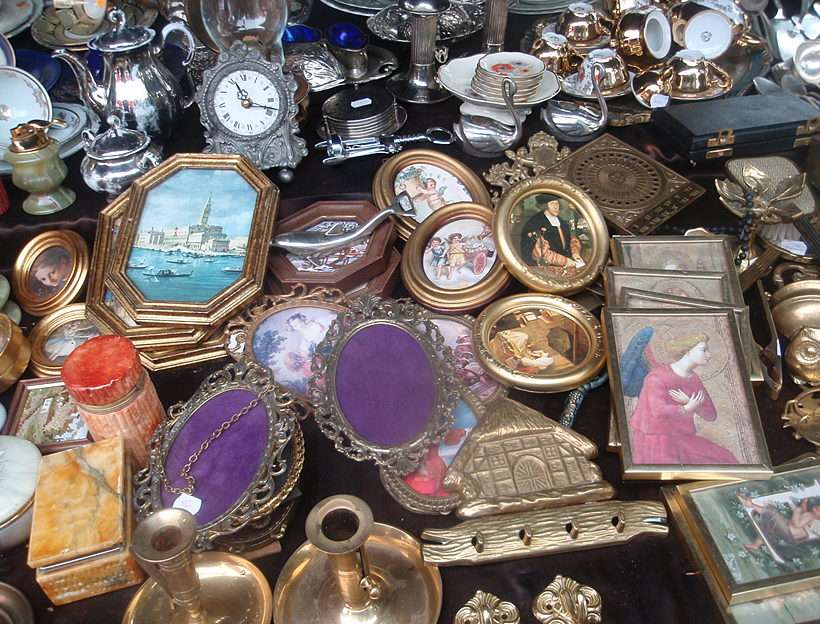
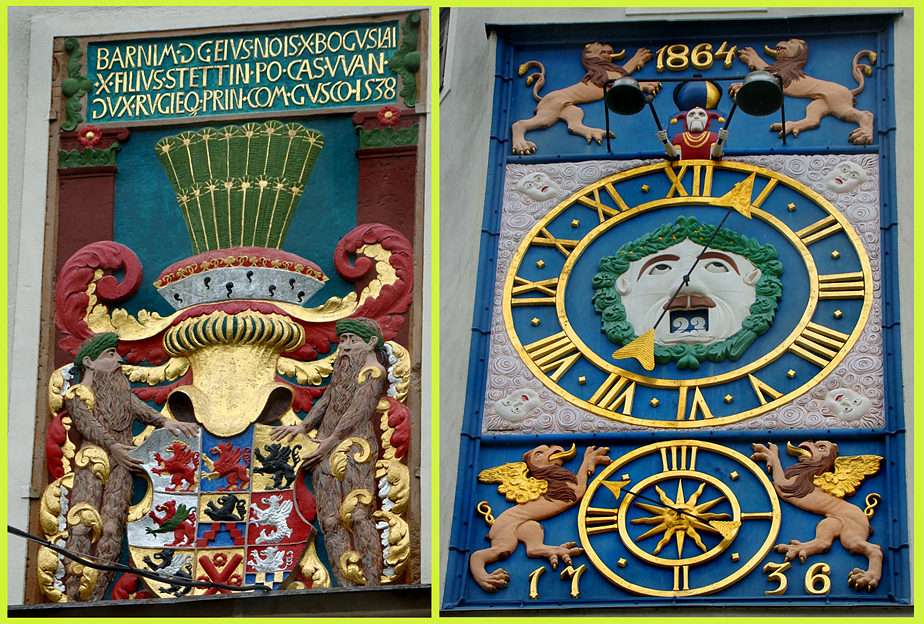
Online puzzle Clock

Clock

A clock, or a timepiece, is a device used to measure and indicate time. The clock is one of the oldest human inventions, meeting the need to measure intervals of time shorter than the natural units such as the day, the lunar month, and the year. Devices operating on several physical processes have been used over the millennia.

Some predecessors to the modern clock may be considered "clocks" that are based on movement in nature: A sundial shows the time by displaying the position of a shadow on a flat surface. There is a range of duration timers, a well-known example being the hourglass. Water clocks, along with sundials, are possibly the oldest time-measuring instruments. A major advance occurred with the invention of the verge escapement, which made possible the first mechanical clocks around 1300 in Europe, which kept time with oscillating timekeepers like balance wheels.Traditionally, in horology (the study of timekeeping), the term clock was used for a striking clock, while a clock that did not strike the hours audibly was called a timepiece. This distinction is no longer made. Watches and other timepieces that can be carried on one's person are usually not referred to as clocks. Spring-driven clocks appeared during the 15th century. During the 15th and 16th centuries, clockmaking flourished. The next development in accuracy occurred after 1656 with the invention of the pendulum clock by Christiaan Huygens. A major stimulus to improving the accuracy and reliability of clocks was the importance of precise time-keeping for navigation. The mechanism of a timepiece with a series of gears driven by a spring or weights is referred to as clockwork; the term is used by extension for a similar mechanism not used in a timepiece. The electric clock was patented in 1840, and electronic clocks were introduced in the 20th century, becoming widespread with the development of small battery-powered semiconductor devices.

The timekeeping element in every modern clock is a harmonic oscillator, a physical object (resonator) that vibrates or oscillates at a particular frequency.

This object can be a pendulum, a tuning fork, a quartz crystal, or the vibration of electrons in atoms as they emit microwaves, the last of which is so precise that it serves as the definition of the second.

Clocks have different ways of displaying the time. Analog clocks indicate time with a traditional clock face and moving hands. Digital clocks display a numeric representation of time. Two numbering systems are in use: 12-hour time notation and 24-hour notation. Most digital clocks use electronic mechanisms and LCD, LED, or VFD displays. For the blind and for use over telephones, speaking clocks state the time audibly in words. There are also clocks for the blind that have displays that can be read by touch.