Clock - online puzzles
Pont du Garde online puzzle
48Pont du Gardesolved 125 times
Solve puzzle
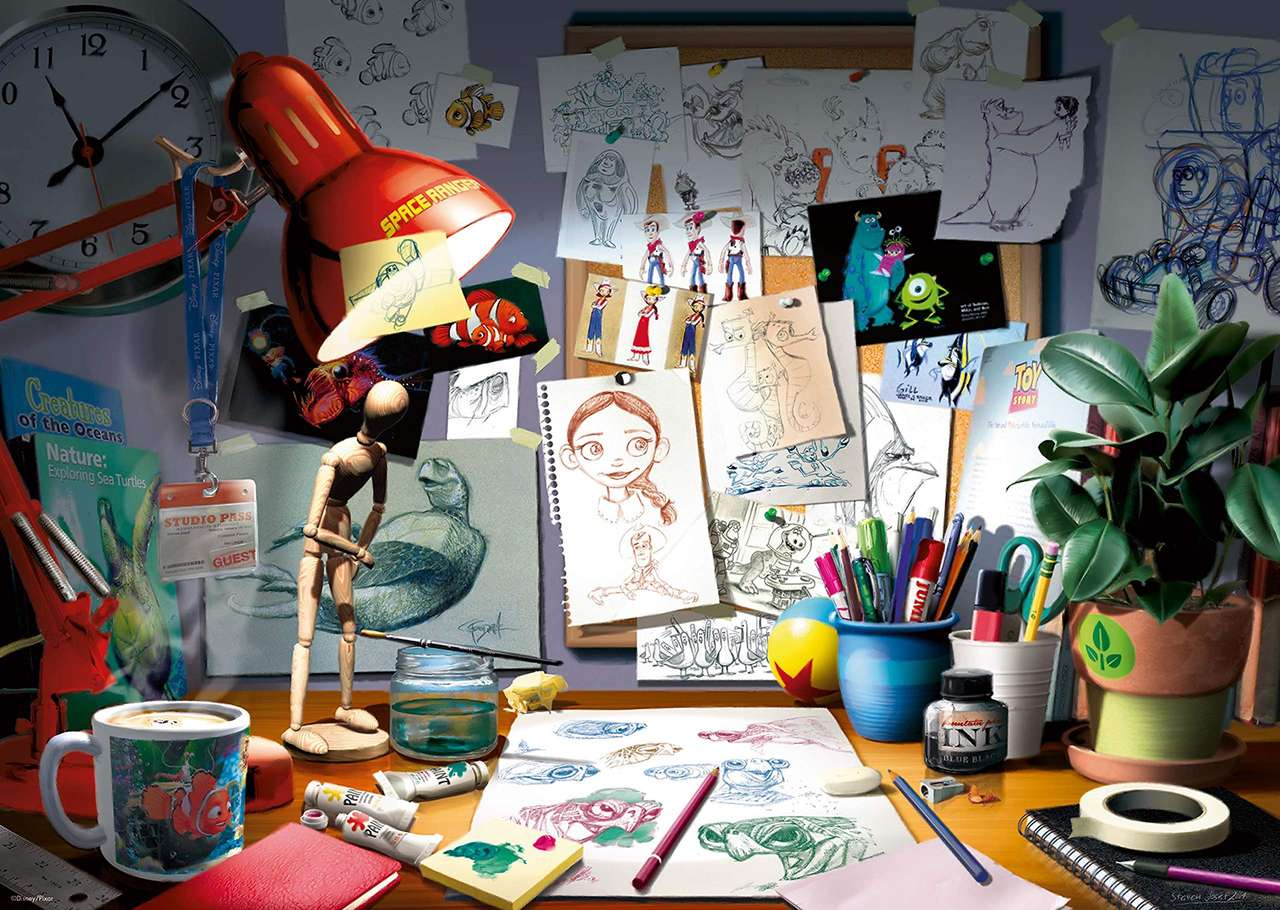
The artist puzzle online from photo
494The artistsolved 125 times
Solve puzzle
myasaki team puzzle online from photo
216myasaki teamsolved 125 times
Solve puzzle
High school online puzzle
286High schoolsolved 125 times
Solve puzzle
Warsaw Bacciarellego online puzzle
144Warsaw Bacciarellegosolved 125 times
Solve puzzle
Bardejowskie Kupele online puzzle
154Bardejowskie Kupelesolved 125 times
Solve puzzle
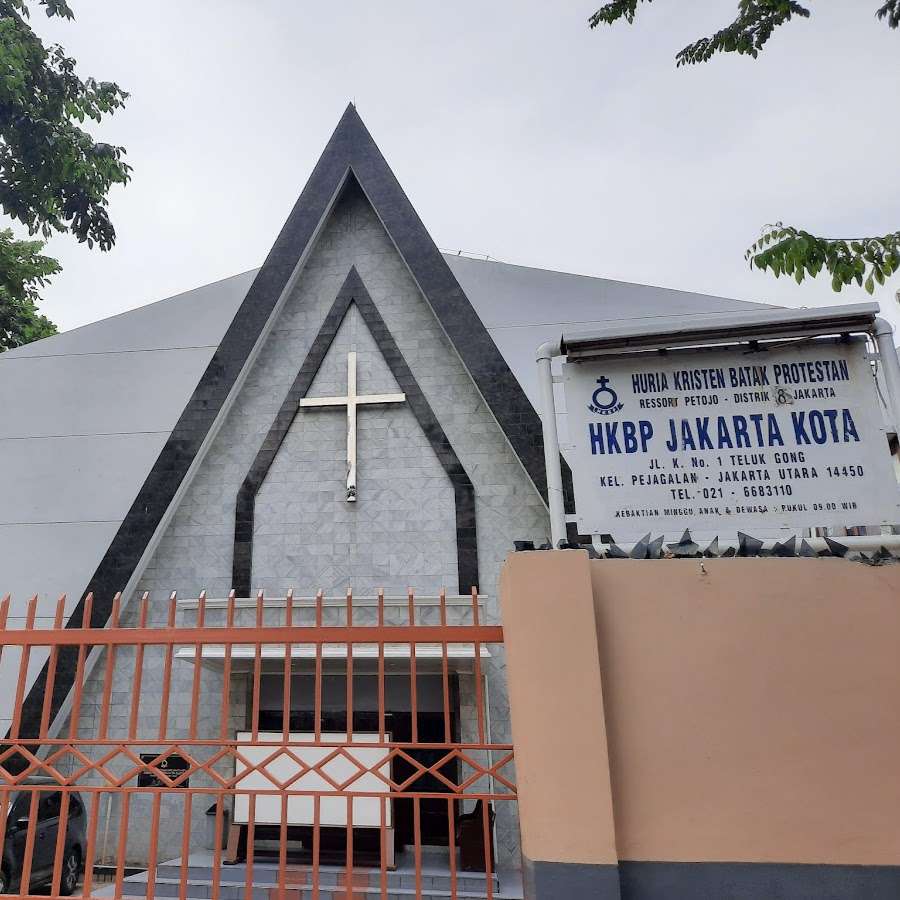
hkbpjktkota puzzle online from photo
169hkbpjktkotasolved 125 times
Solve puzzle
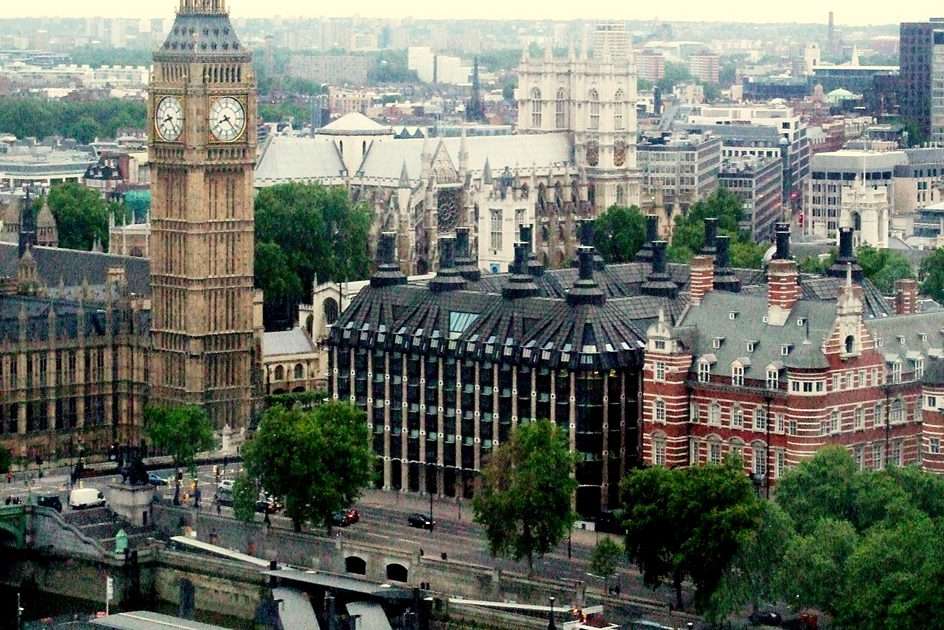
London-tenement house puzzle online from photo
288London-tenement housesolved 124 times
Solve puzzle
Bricks online puzzle
169Brickssolved 124 times
Solve puzzle
carousel puzzle online from photo
120carouselsolved 124 times
Solve puzzle
Platanias online puzzle
288Plataniassolved 124 times
Solve puzzle
Street lamps online puzzle
192Street lampssolved 124 times
Solve puzzle
Wide streets ... online puzzle
192Wide streets ...solved 124 times
Solve puzzle
London at night puzzle online from photo
192London at nightsolved 124 times
Solve puzzle
Rome-collage puzzle online from photo
221Rome-collagesolved 124 times
Solve puzzle
Ornaments online puzzle
195Ornamentssolved 124 times
Solve puzzle
Rome online puzzle
252Romesolved 124 times
Solve puzzle
verona puzzle online from photo
252veronasolved 124 times
Solve puzzle
Ferienhaus online puzzle
144Ferienhaussolved 124 times
Solve puzzle
klocka online puzzle
24klockasolved 124 times
Solve puzzle
lets play online puzzle
48lets playsolved 124 times
Solve puzzle
Seans Birthday Surprise puzzle online from photo
20Seans Birthday Surprisesolved 124 times
Solve puzzle
St Orono gate puzzle online from photo
88St Orono gatesolved 124 times
Solve puzzle
level 1-puzzle formations puzzle online from photo
30level 1-puzzle formationssolved 124 times
Solve puzzle
Sciency Fun Time! puzzle online from photo
64Sciency Fun Time!solved 124 times
Solve puzzle
Illustration to the fable "The Cuckoo and the Rooster" online puzzle
49Illustration to the fable "The Cuckoo and the Rooster"solved 124 times
Solve puzzle
The Retro K online puzzle
221The Retro Ksolved 124 times
Solve puzzle
Bees in the hive puzzle online from photo
20Bees in the hivesolved 124 times
Solve puzzle
The Sosnowiec Cathedral online puzzle
20The Sosnowiec Cathedralsolved 123 times
Solve puzzle
Vacant Boardwalk online puzzle
25Vacant Boardwalksolved 123 times
Solve puzzle
colorfully online puzzle
120colorfullysolved 123 times
Solve puzzle
Verona online puzzle
252Veronasolved 123 times
Solve puzzle
Paris online puzzle
130Parissolved 123 times
Solve puzzle
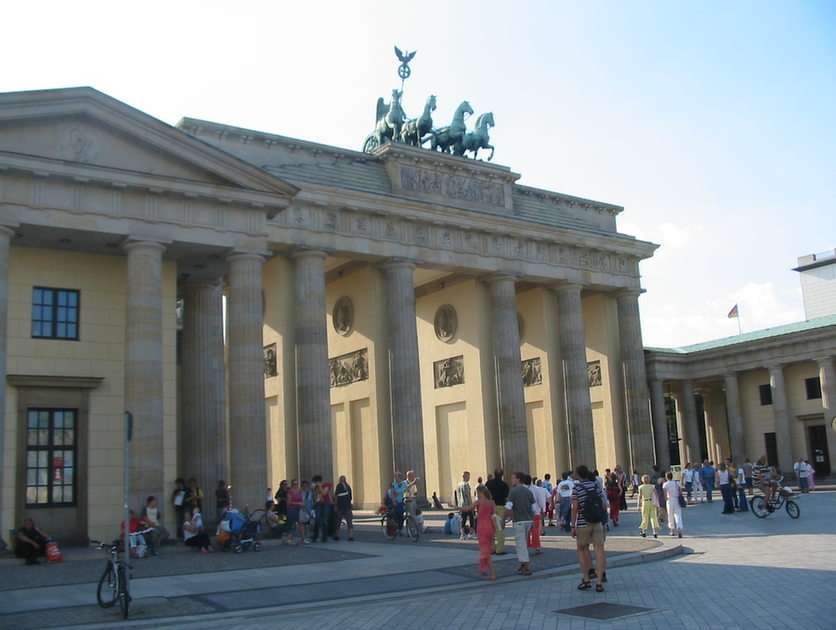
Berlin online puzzle
120Berlinsolved 123 times
Solve puzzle
Historic part of Bruges, Belgium puzzle online from photo
150Historic part of Bruges, Belgiumsolved 123 times
Solve puzzle
On the corner online puzzle
154On the cornersolved 122 times
Solve puzzle
London-palaces puzzle online from photo
221London-palacessolved 122 times
Solve puzzle
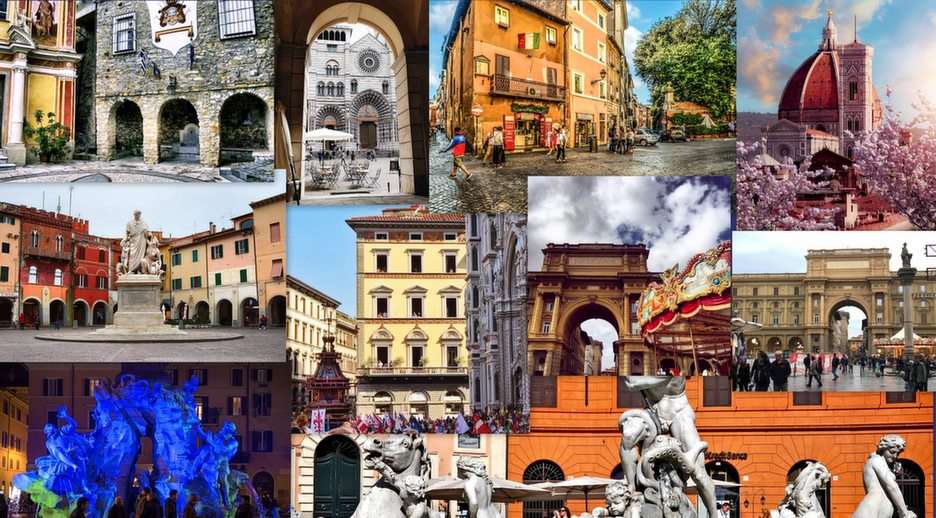
Italy puzzle online from photo
252Italysolved 122 times
Solve puzzle
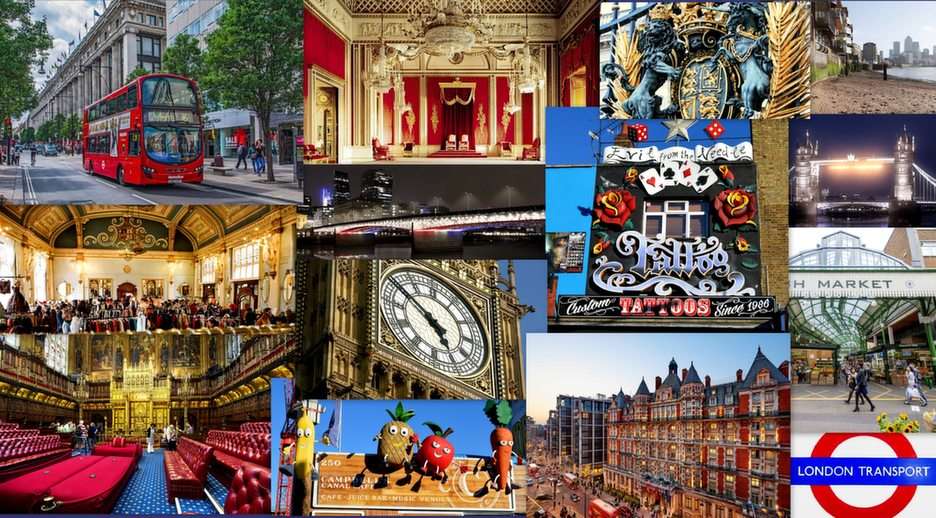
London collage online puzzle
180London collagesolved 122 times
Solve puzzle
NYC City SkyLine online puzzle
15NYC City SkyLinesolved 122 times
Solve puzzle
Log Cabin 1 online puzzle
112Log Cabin 1solved 122 times
Solve puzzle
Minecraft puzzle online from photo
80Minecraftsolved 122 times
Solve puzzle
Arrange your curves PART 5 online puzzle
56Arrange your curves PART 5solved 122 times
Solve puzzle
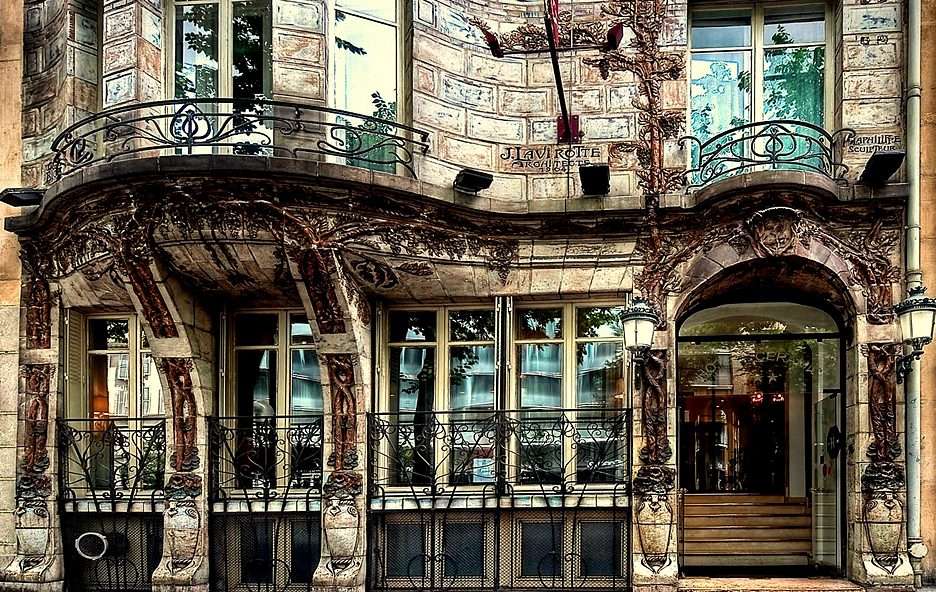
Szczecin Art Nouveau online puzzle
288Szczecin Art Nouveausolved 121 times
Solve puzzle
Also the elevation puzzle online from photo
252Also the elevationsolved 121 times
Solve puzzle
Giżycko online puzzle
80Giżyckosolved 121 times
Solve puzzle
My Christmas tree. online puzzle
100My Christmas tree.solved 121 times
Solve puzzle
Yyyyy puzzle online from photo
48Yyyyysolved 121 times
Solve puzzle

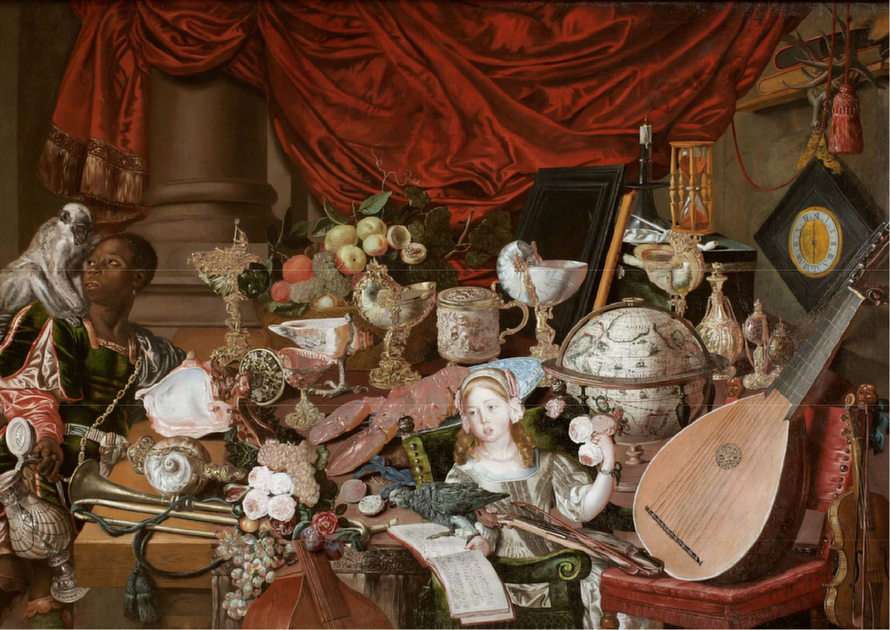
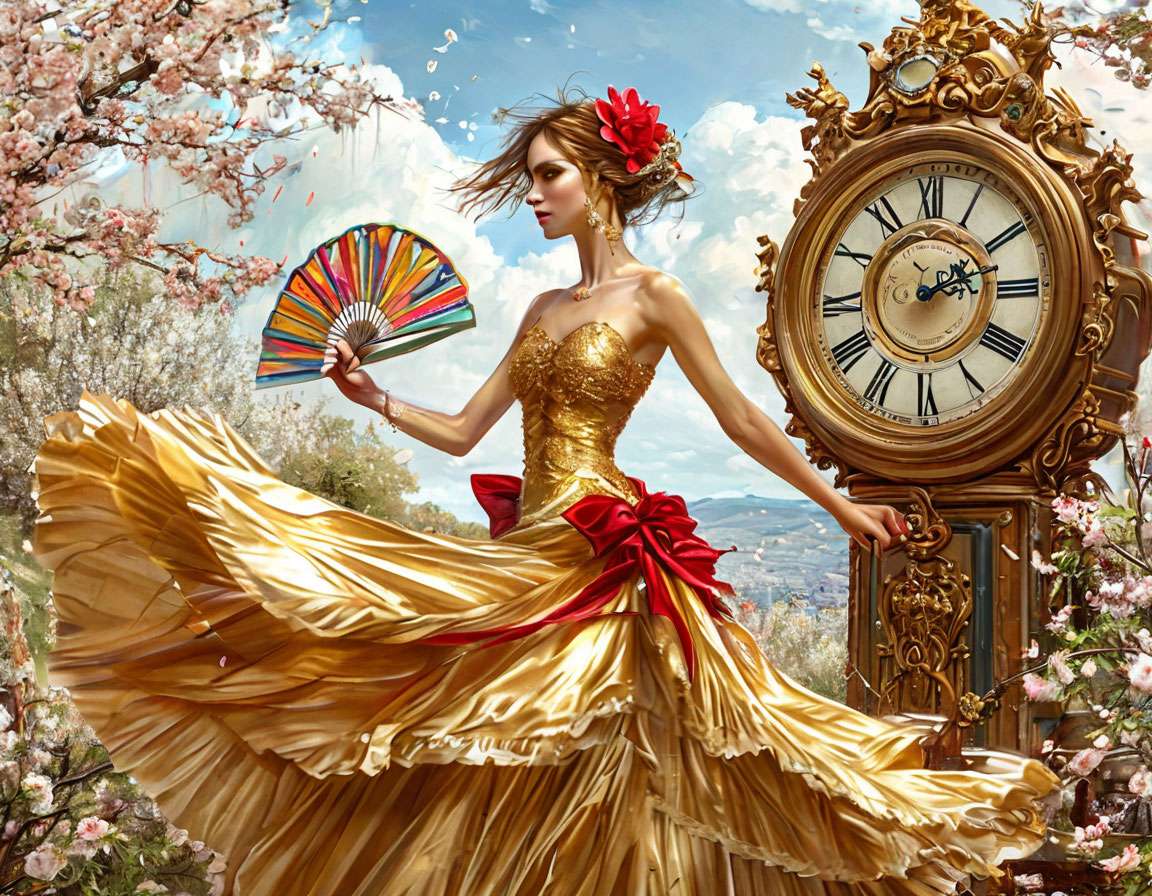
Online puzzle Clock

Clock

A clock, or a timepiece, is a device used to measure and indicate time. The clock is one of the oldest human inventions, meeting the need to measure intervals of time shorter than the natural units such as the day, the lunar month, and the year. Devices operating on several physical processes have been used over the millennia.

Some predecessors to the modern clock may be considered "clocks" that are based on movement in nature: A sundial shows the time by displaying the position of a shadow on a flat surface. There is a range of duration timers, a well-known example being the hourglass. Water clocks, along with sundials, are possibly the oldest time-measuring instruments. A major advance occurred with the invention of the verge escapement, which made possible the first mechanical clocks around 1300 in Europe, which kept time with oscillating timekeepers like balance wheels.Traditionally, in horology (the study of timekeeping), the term clock was used for a striking clock, while a clock that did not strike the hours audibly was called a timepiece. This distinction is no longer made. Watches and other timepieces that can be carried on one's person are usually not referred to as clocks. Spring-driven clocks appeared during the 15th century. During the 15th and 16th centuries, clockmaking flourished. The next development in accuracy occurred after 1656 with the invention of the pendulum clock by Christiaan Huygens. A major stimulus to improving the accuracy and reliability of clocks was the importance of precise time-keeping for navigation. The mechanism of a timepiece with a series of gears driven by a spring or weights is referred to as clockwork; the term is used by extension for a similar mechanism not used in a timepiece. The electric clock was patented in 1840, and electronic clocks were introduced in the 20th century, becoming widespread with the development of small battery-powered semiconductor devices.

The timekeeping element in every modern clock is a harmonic oscillator, a physical object (resonator) that vibrates or oscillates at a particular frequency.

This object can be a pendulum, a tuning fork, a quartz crystal, or the vibration of electrons in atoms as they emit microwaves, the last of which is so precise that it serves as the definition of the second.

Clocks have different ways of displaying the time. Analog clocks indicate time with a traditional clock face and moving hands. Digital clocks display a numeric representation of time. Two numbering systems are in use: 12-hour time notation and 24-hour notation. Most digital clocks use electronic mechanisms and LCD, LED, or VFD displays. For the blind and for use over telephones, speaking clocks state the time audibly in words. There are also clocks for the blind that have displays that can be read by touch.