Metal - online puzzles

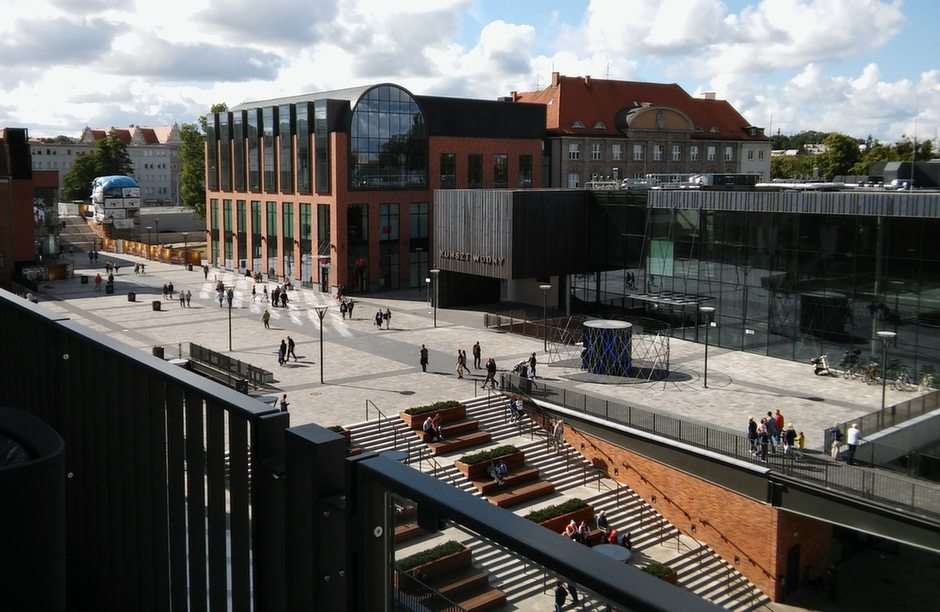
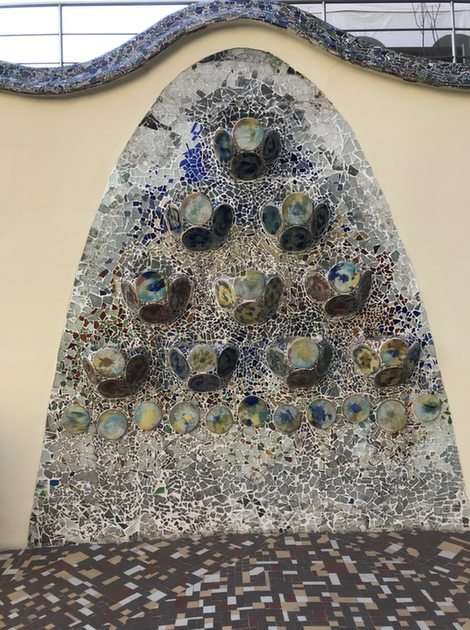
Gdansk online puzzle
24Gdansksolved 331 times
Solve puzzle
clock puzzle online from photo
98clocksolved 331 times
Solve puzzle
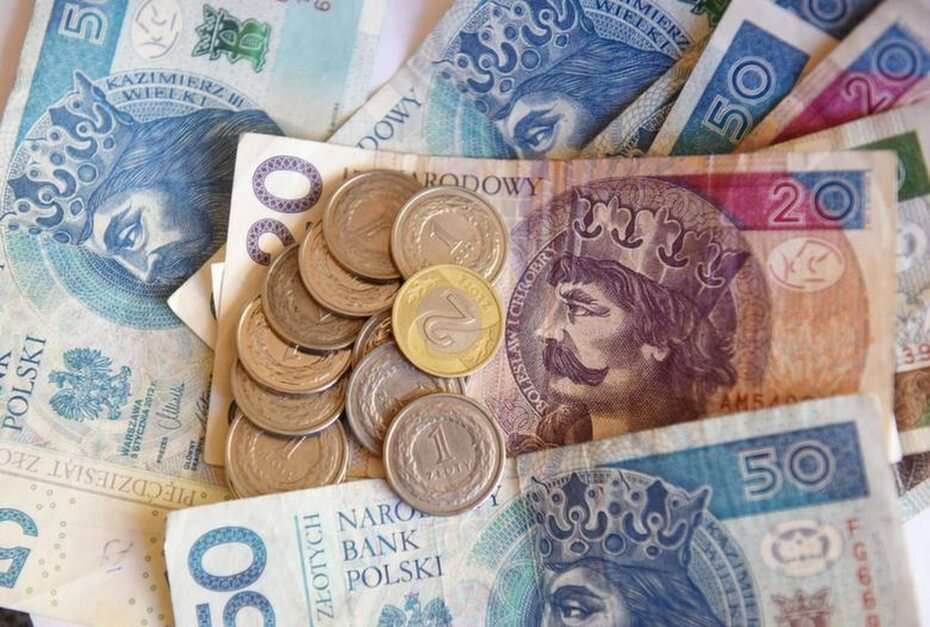
Polish money online puzzle
165Polish moneysolved 330 times
Solve puzzle
Wygiełzów puzzle online from photo
20Wygiełzówsolved 329 times
Solve puzzle
CATALONY online puzzle
20CATALONYsolved 329 times
Solve puzzle
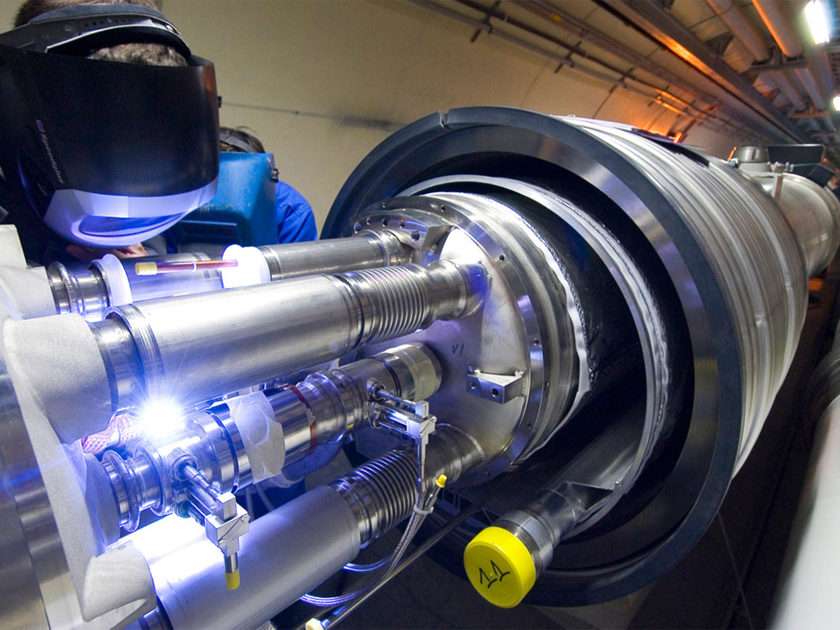
CERN puzzle online from photo
25CERNsolved 328 times
Solve puzzle
Schmuck puzzle online from photo
144Schmucksolved 327 times
Solve puzzle
cuisines of the world: mexican online puzzle
88cuisines of the world: mexicansolved 327 times
Solve puzzle
Fig puzzle online from photo
16Figsolved 327 times
Solve puzzle
Moldova - folk ornament puzzle online from photo
42Moldova - folk ornamentsolved 325 times
Solve puzzle
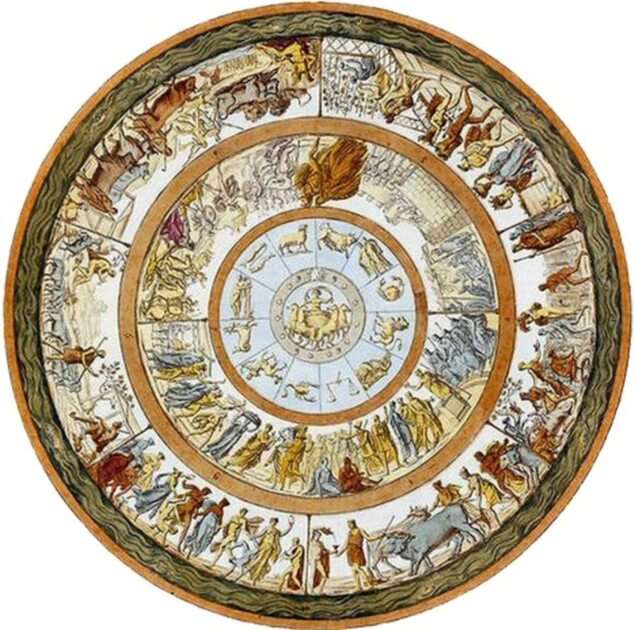
Aspida_Achillea_ Puzzles puzzle online from photo
25Aspida_Achillea_ Puzzlessolved 325 times
Solve puzzle
Eindlocatie online puzzle
24Eindlocatiesolved 325 times
Solve puzzle
heart puzzle online from photo
48heartsolved 322 times
Solve puzzle
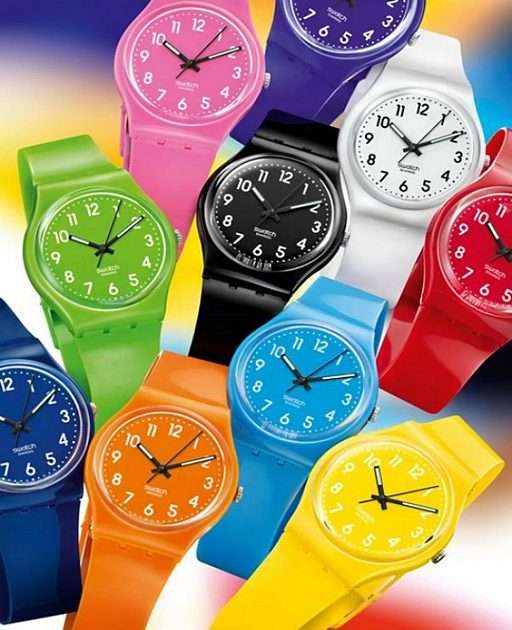
Watches puzzle online from photo
252Watchessolved 320 times
Solve puzzle
girl online puzzle
48girlsolved 320 times
Solve puzzle
Cups puzzle online from photo
88Cupssolved 320 times
Solve puzzle
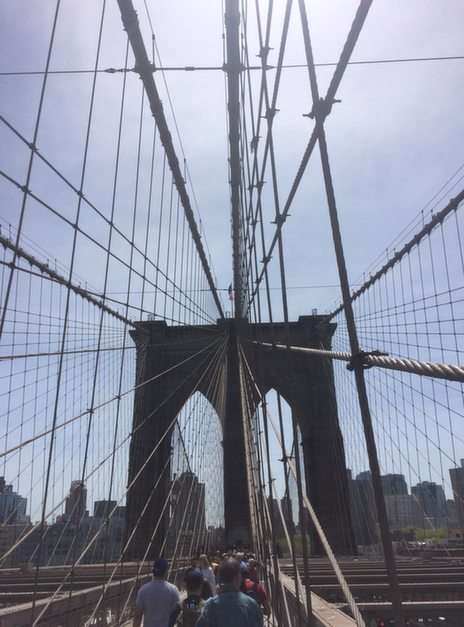
BRIDGE puzzle online from photo
24BRIDGEsolved 319 times
Solve puzzle
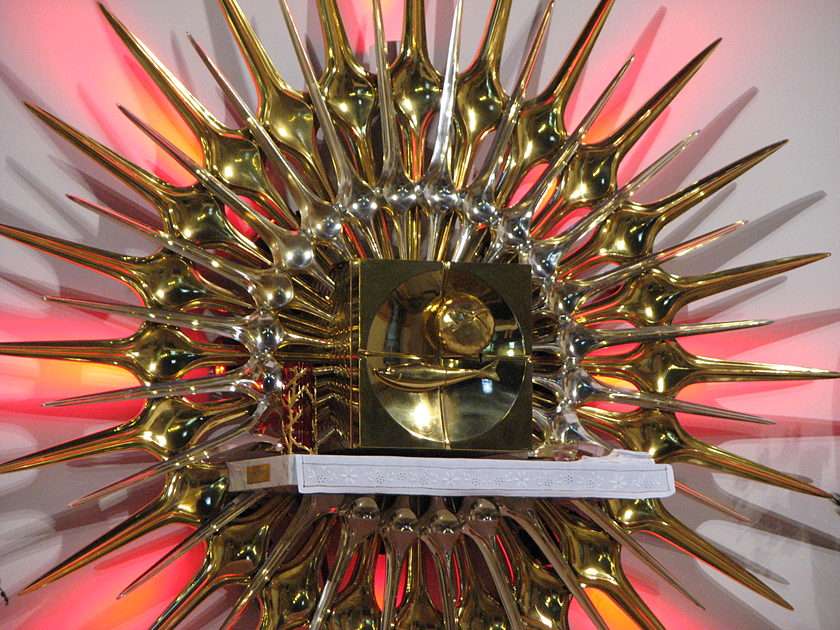
Tabernacle online puzzle
90Tabernaclesolved 318 times
Solve puzzle
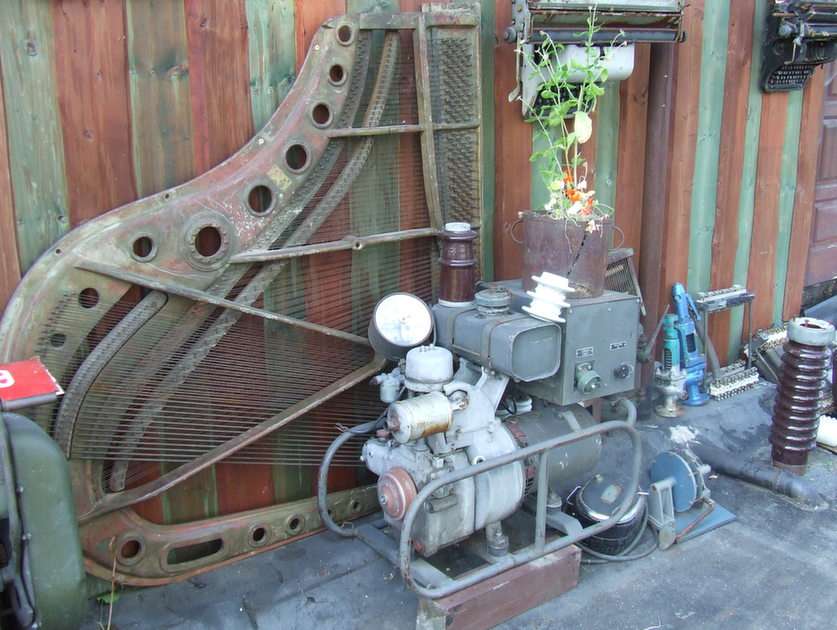
piano online puzzle
63pianosolved 318 times
Solve puzzle
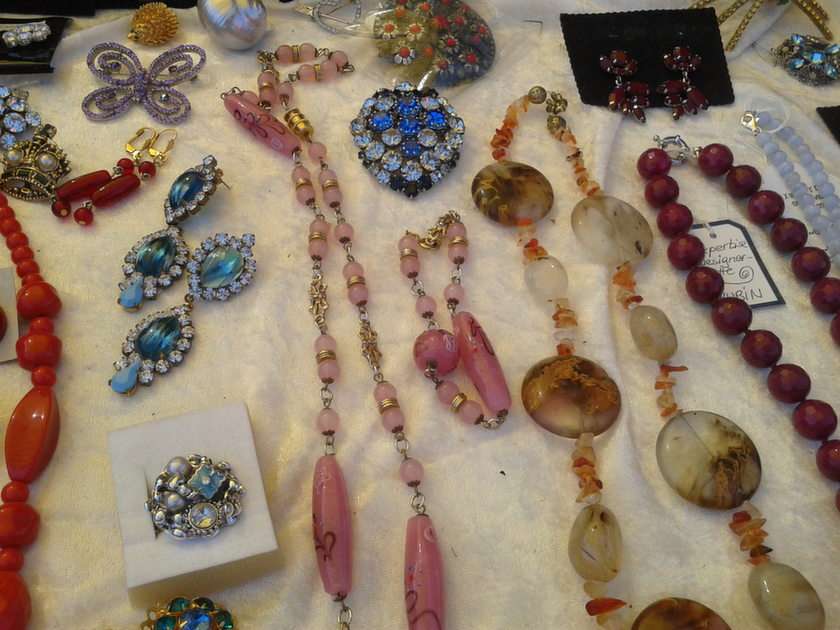
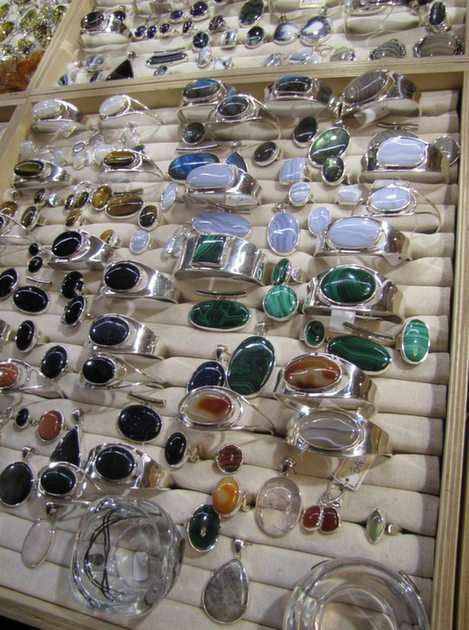
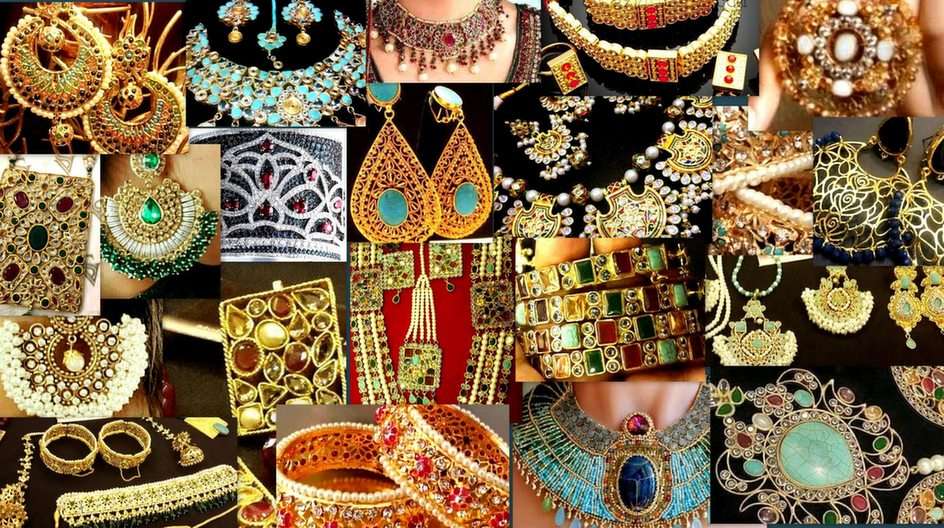
Jewelry online puzzle
252Jewelrysolved 317 times
Solve puzzle
jewelry puzzle online from photo
144jewelrysolved 315 times
Solve puzzle
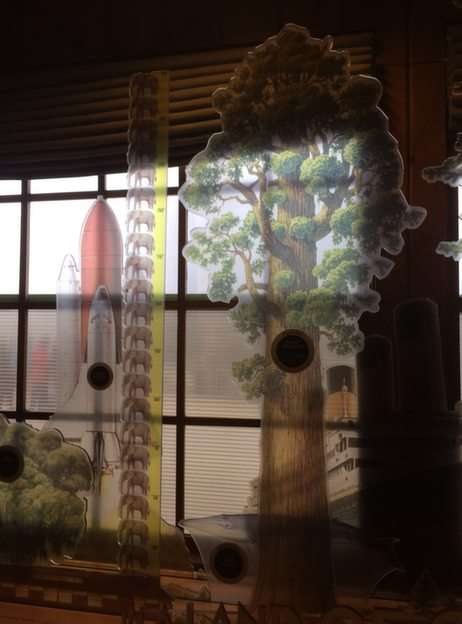
Sequoia in art puzzle online from photo
24Sequoia in artsolved 314 times
Solve puzzle
on the beach online puzzle
90on the beachsolved 313 times
Solve puzzle
Winch puzzle online from photo
48Winchsolved 313 times
Solve puzzle
Jewelry online puzzle
192Jewelrysolved 312 times
Solve puzzle
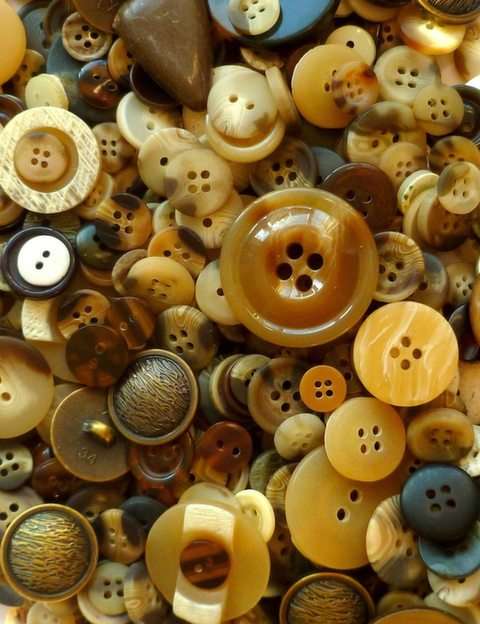
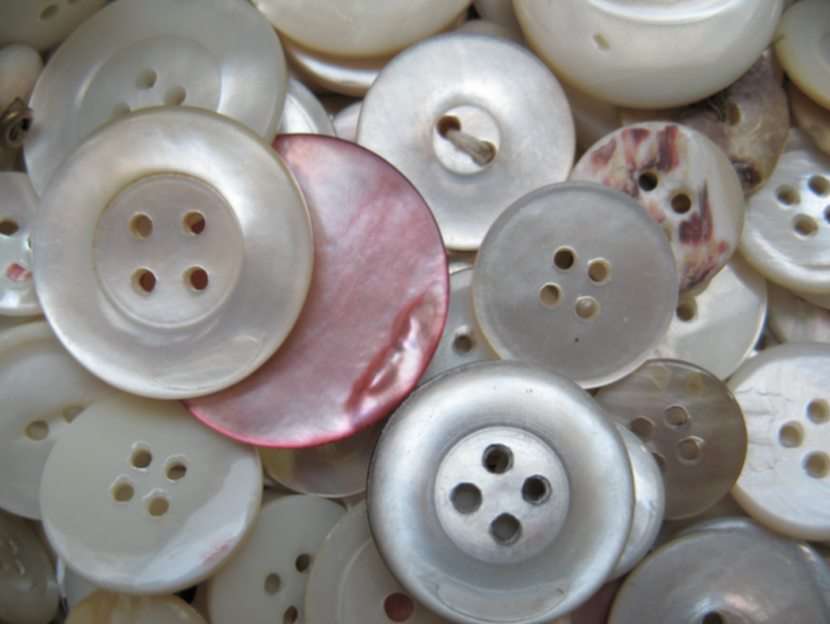
buttons puzzle online from photo
63buttonssolved 312 times
Solve puzzle
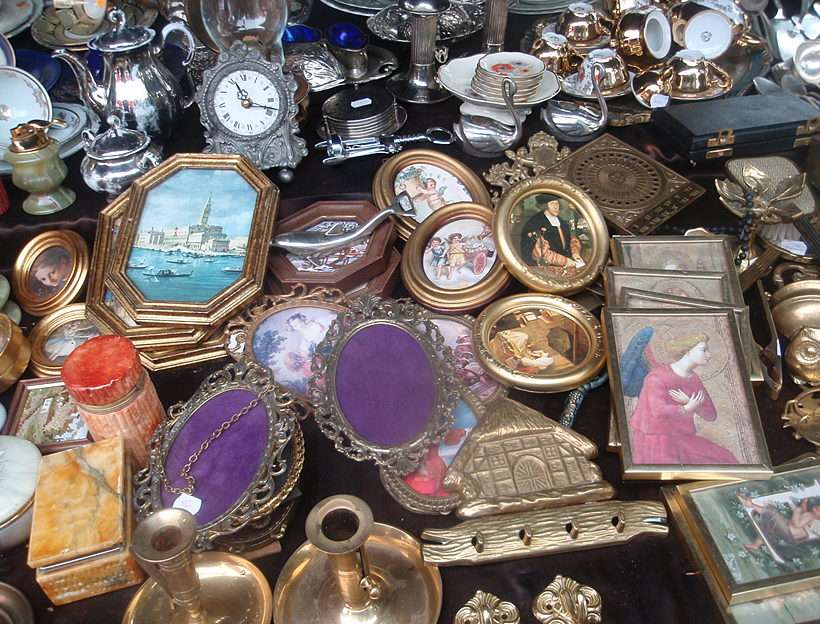
Frames at the fair online puzzle
320Frames at the fairsolved 311 times
Solve puzzle
buttons puzzle online from photo
120buttonssolved 311 times
Solve puzzle
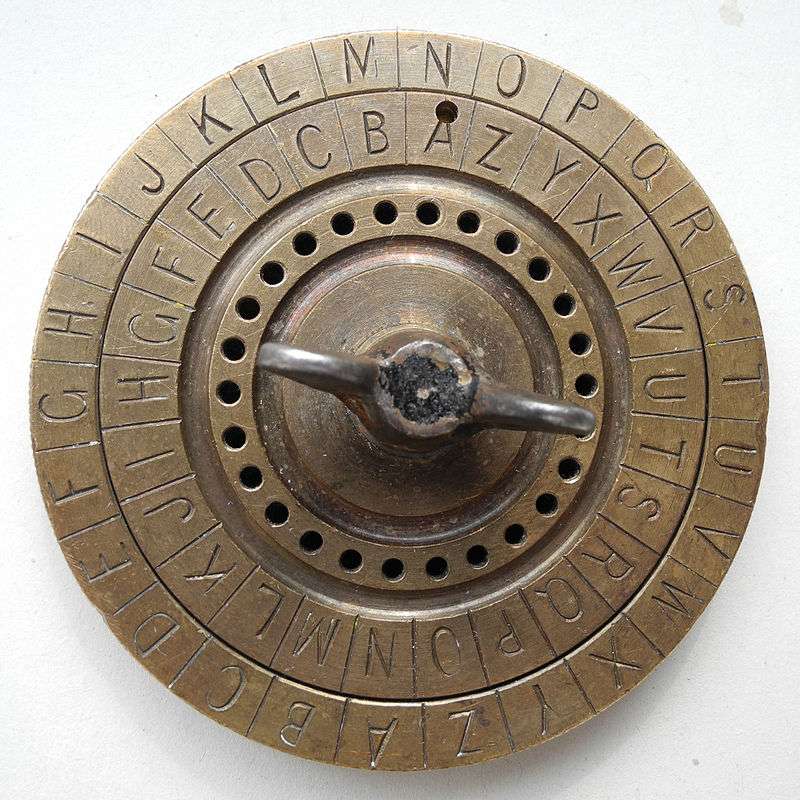
atbash cipher puzzle online from photo
16atbash ciphersolved 311 times
Solve puzzle
Jewellery online puzzle
30Jewellerysolved 309 times
Solve puzzle
Crete - Chania online puzzle
90Crete - Chaniasolved 309 times
Solve puzzle
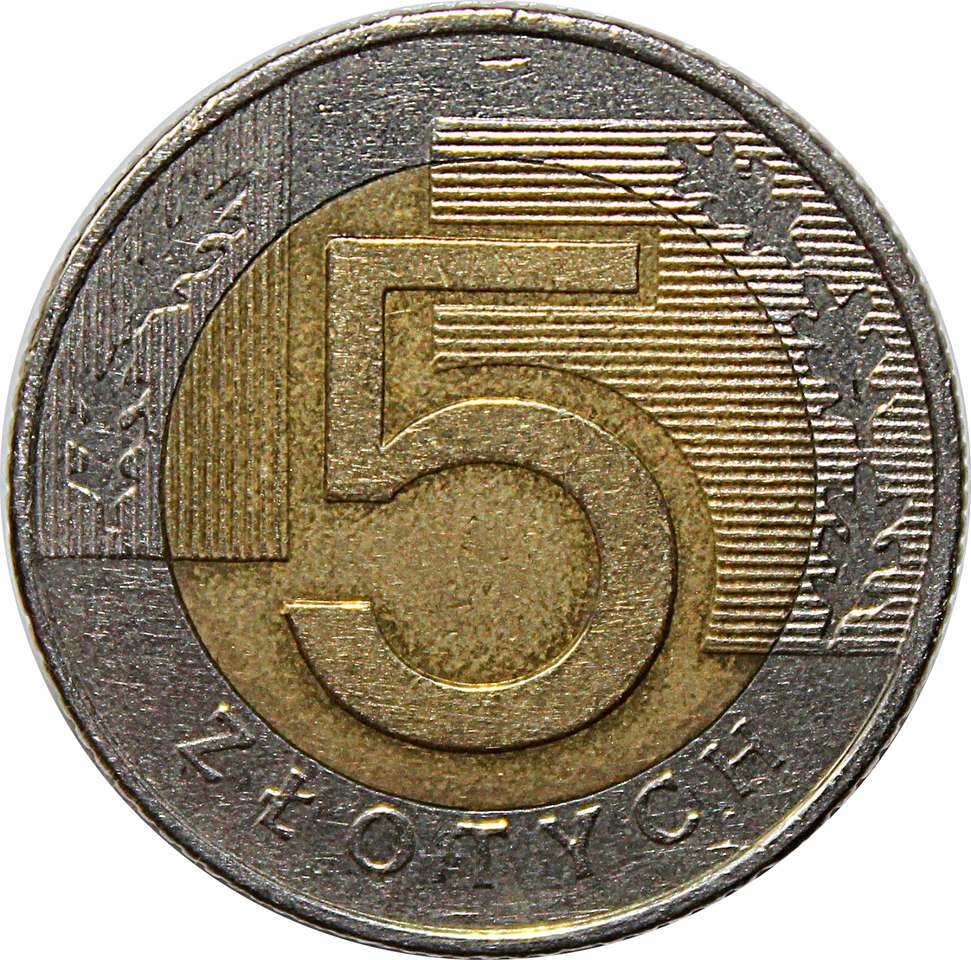
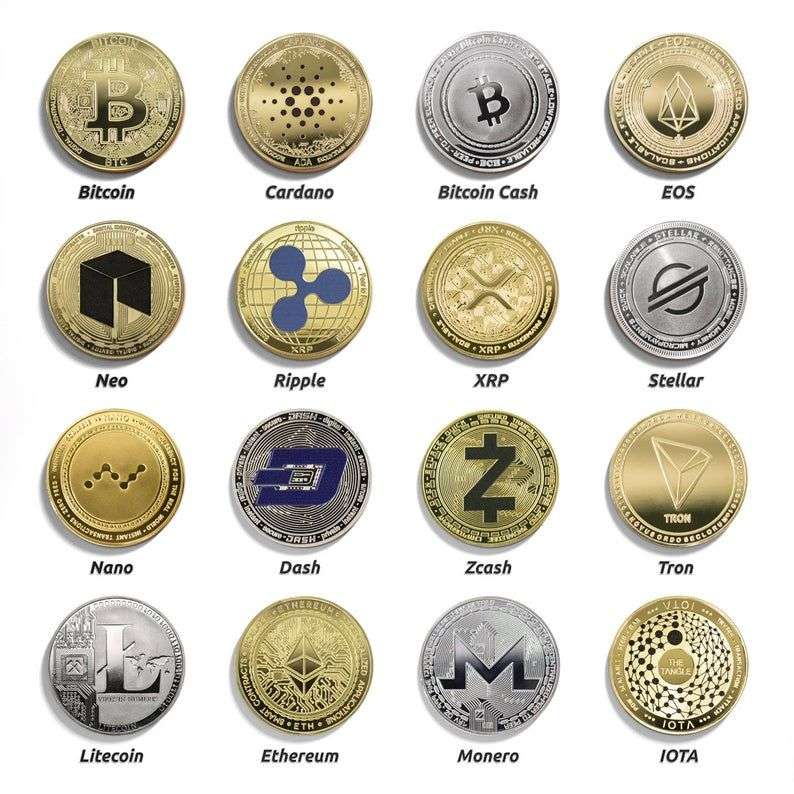
PLN 5 coin puzzle online from photo
169PLN 5 coinsolved 307 times
Solve puzzle
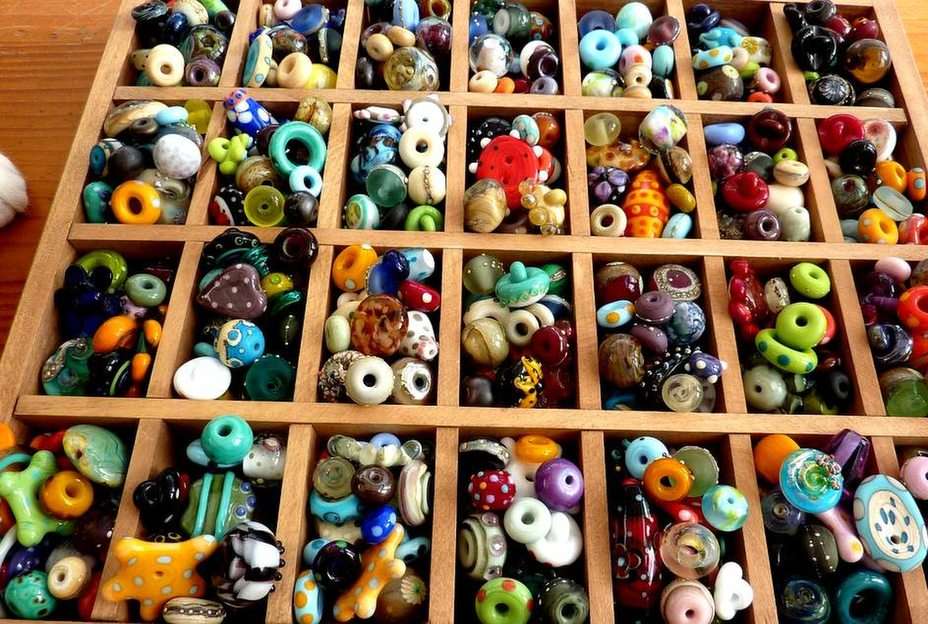
Beads puzzle online from photo
192Beadssolved 305 times
Solve puzzle
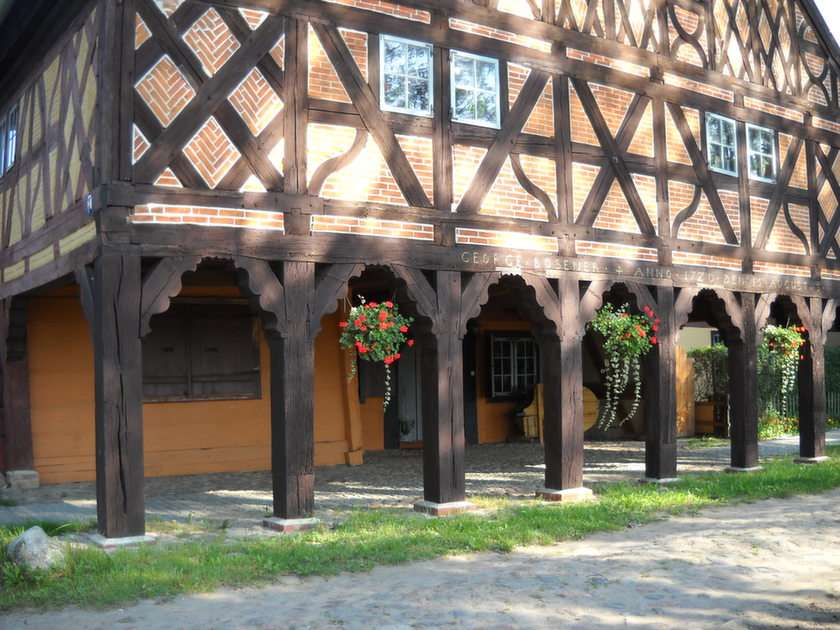
The arcaded house puzzle online from photo
20The arcaded housesolved 305 times
Solve puzzle
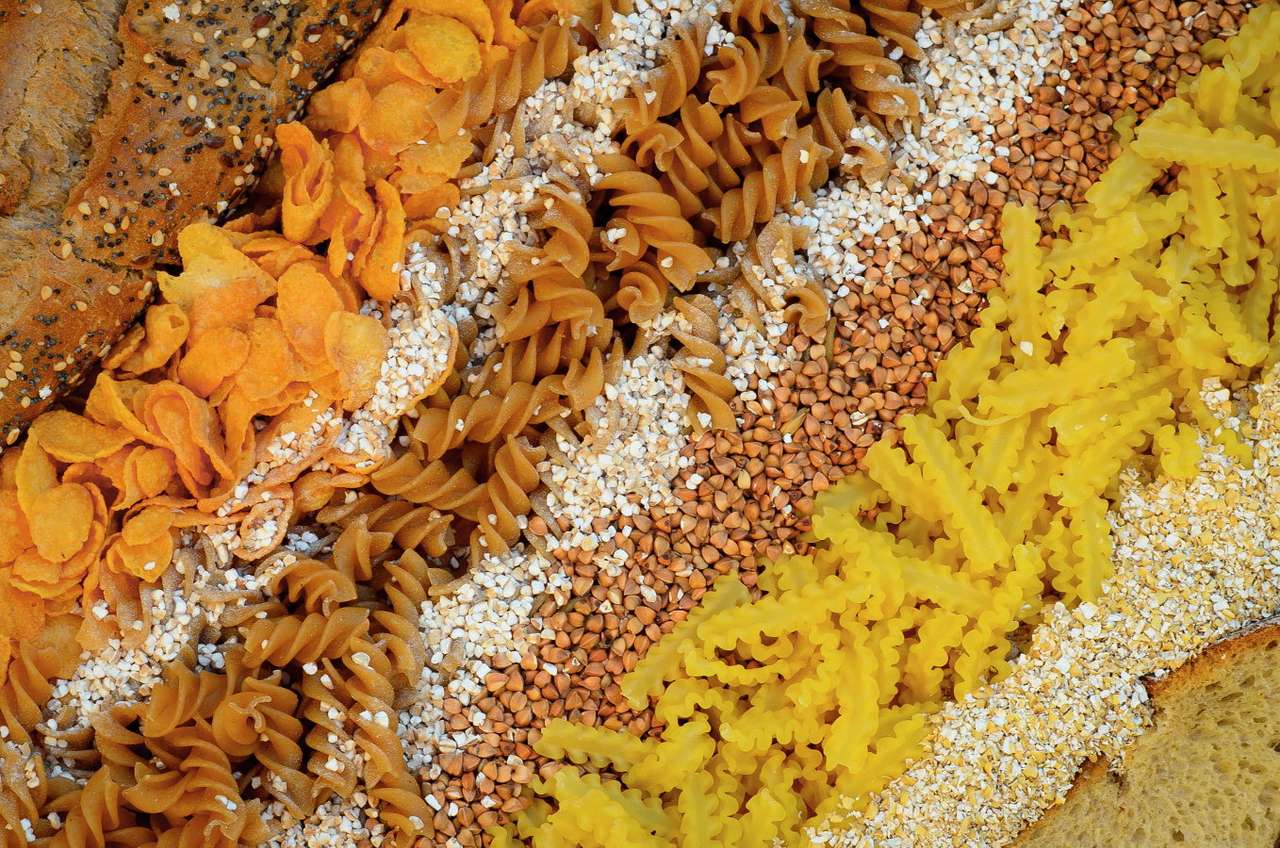
Cereal products online puzzle
126Cereal productssolved 303 times
Solve puzzle
locks puzzle online from photo
80lockssolved 303 times
Solve puzzle
Floor tile online puzzle
48Floor tilesolved 302 times
Solve puzzle
jewelry online puzzle
209jewelrysolved 301 times
Solve puzzle
The jeweler invites you online puzzle
20The jeweler invites yousolved 299 times
Solve puzzle
cryptolll puzzle online from photo
100cryptolllsolved 299 times
Solve puzzle
Lama puzzle online from photo
20Lamasolved 296 times
Solve puzzle
Amber online puzzle
20Ambersolved 296 times
Solve puzzle
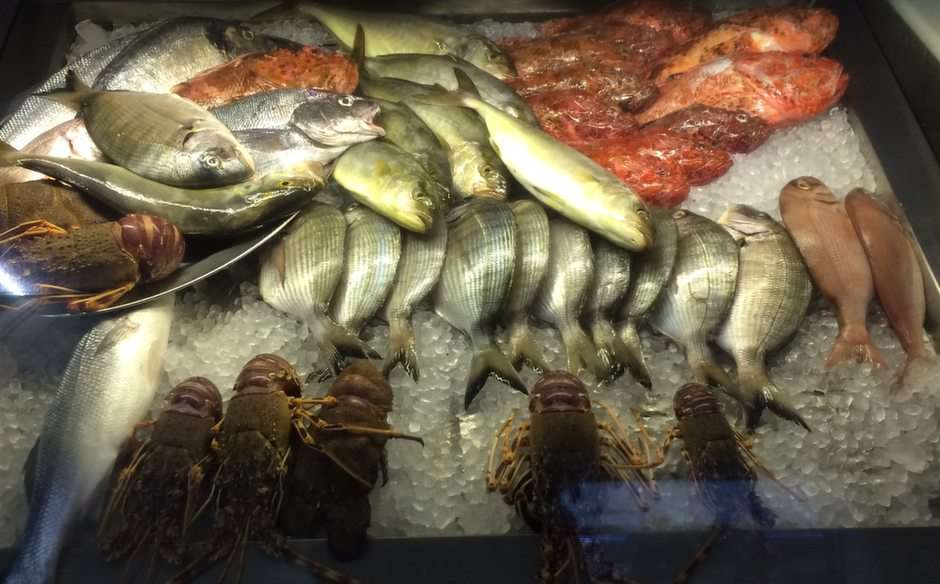
lobster (alive) puzzle online from photo
49lobster (alive)solved 296 times
Solve puzzle
radio online puzzle
80radiosolved 295 times
Solve puzzle
Buttons puzzle online from photo
192Buttonssolved 293 times
Solve puzzle
SZCZEBRZESZYN puzzle online from photo
63SZCZEBRZESZYNsolved 292 times
Solve puzzle
Baleia online puzzle
15Baleiasolved 291 times
Solve puzzle
Kashubia puzzle online from photo
24Kashubiasolved 290 times
Solve puzzle

Online puzzle Metal

Metal

A metal (from Ancient Greek μέταλλον métallon 'mine, quarry, metal') is a material that, when freshly prepared, polished, or fractured, shows a lustrous appearance, and conducts electricity and heat relatively well. Metals are typically ductile (can be drawn into wires) and malleable (they can be hammered into thin sheets). These properties are the result of the metallic bond between the atoms or molecules of the metal.
A metal may be a chemical element such as iron; an alloy such as stainless steel; or a molecular compound such as polymeric sulfur nitride.In physics, a metal is generally regarded as any substance capable of conducting electricity at a temperature of absolute zero. Many elements and compounds that are not normally classified as metals become metallic under high pressures. For example, the nonmetal iodine gradually becomes a metal at a pressure of between 40 and 170 thousand times atmospheric pressure. Equally, some materials regarded as metals can become nonmetals. Sodium, for example, becomes a nonmetal at pressure of just under two million times atmospheric pressure.
In chemistry, two elements that would otherwise qualify (in physics) as brittle metals—arsenic and antimony—are commonly instead recognised as metalloids due to their chemistry (predominantly non-metallic for arsenic, and balanced between metallicity and nonmetallicity for antimony). Around 95 of the 118 elements in the periodic table are metals (or are likely to be such). The number is inexact as the boundaries between metals, nonmetals, and metalloids fluctuate slightly due to a lack of universally accepted definitions of the categories involved.

In astrophysics the term "metal" is cast more widely to refer to all chemical elements in a star that are heavier than helium, and not just traditional metals. In this sense the first four "metals" collecting in stellar cores through nucleosynthesis are carbon, nitrogen, oxygen, and neon, all of which are strictly non-metals in chemistry. A star fuses lighter atoms, mostly hydrogen and helium, into heavier atoms over its lifetime. Used in that sense, the metallicity of an astronomical object is the proportion of its matter made up of the heavier chemical elements.Metals, as chemical elements, comprise 25% of the Earth's crust and are present in many aspects of modern life. The strength and resilience of some metals has led to their frequent use in, for example, high-rise building and bridge construction, as well as most vehicles, many home appliances, tools, pipes, and railroad tracks. Precious metals were historically used as coinage, but in the modern era, coinage metals have extended to at least 23 of the chemical elements.The history of refined metals is thought to begin with the use of copper about 11,000 years ago. Gold, silver, iron (as meteoric iron), lead, and brass were likewise in use before the first known appearance of bronze in the fifth millennium BCE. Subsequent developments include the production of early forms of steel; the discovery of sodium—the first light metal—in 1809; the rise of modern alloy steels; and, since the end of World War II, the development of more sophisticated alloys.