Middle Ages - online puzzles
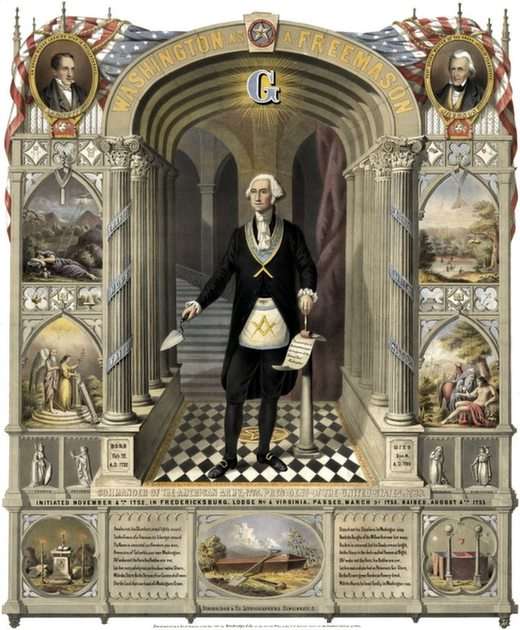
Freemason Washingthon online puzzle
72Freemason Washingthonsolved 165 times
Solve puzzle
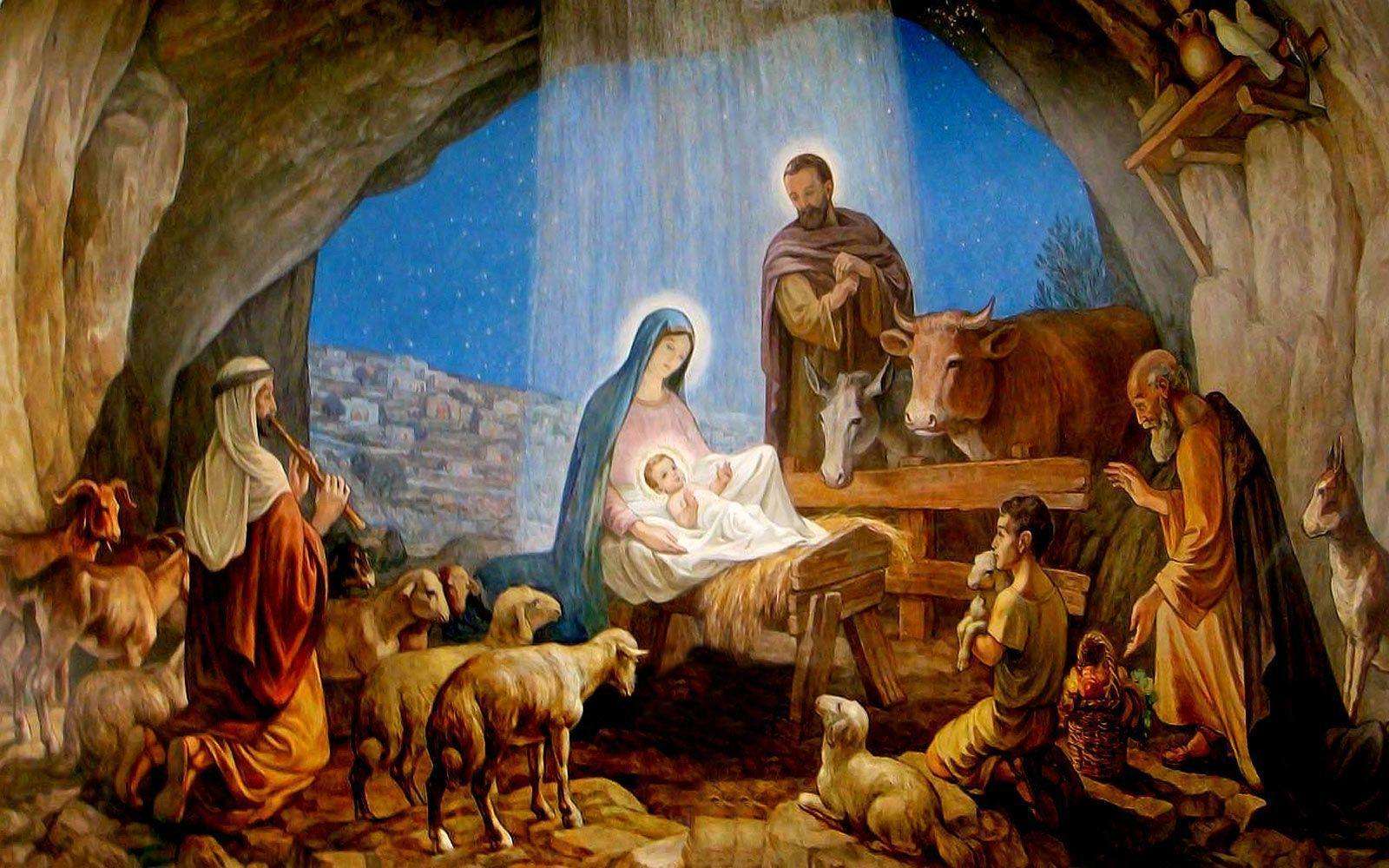
The Birth of Christ puzzle online from photo
126The Birth of Christsolved 165 times
Solve puzzle
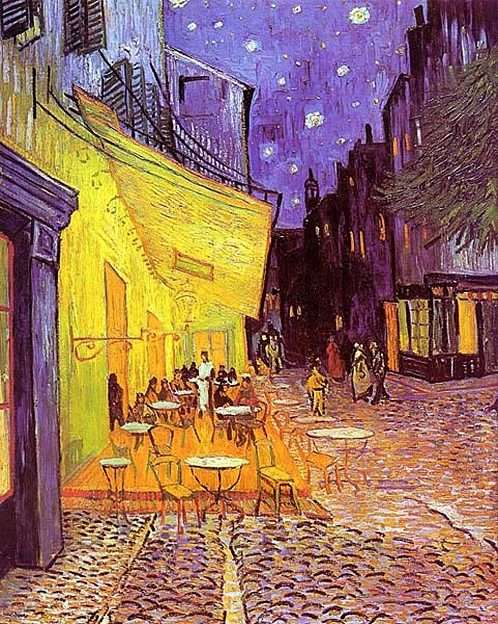
Cafe terrace at night online puzzle
48Cafe terrace at nightsolved 164 times
Solve puzzle
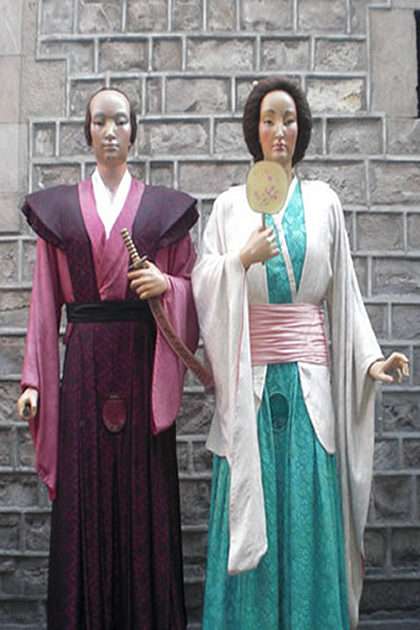
Gegants japonesos de Reus puzzle online from photo
30Gegants japonesos de Reussolved 164 times
Solve puzzle
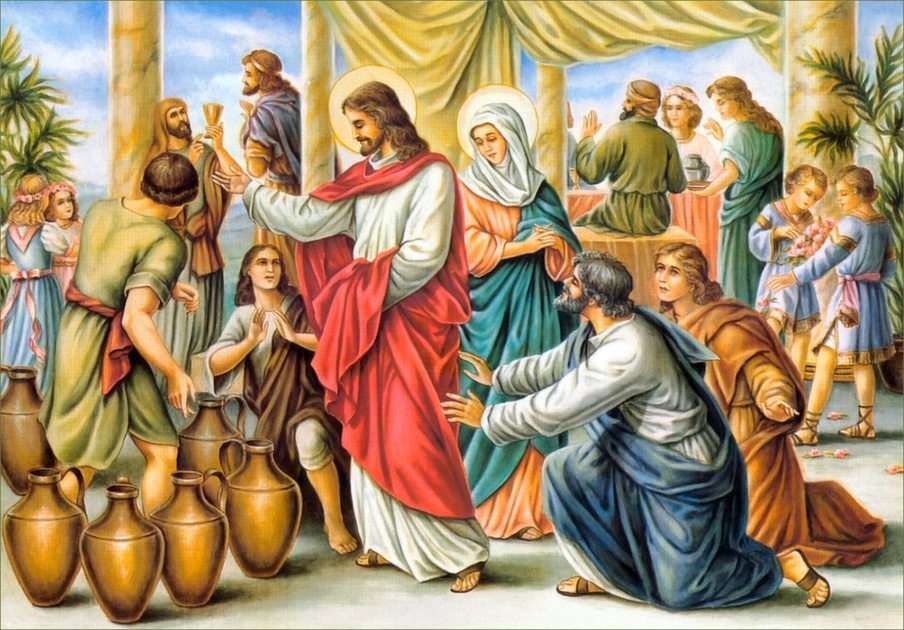
Wedding at cana puzzle online from photo
48Wedding at canasolved 162 times
Solve puzzle
My travels puzzle online from photo
169My travelssolved 161 times
Solve puzzle
Summer stop no. 17 - STARGARD SZCZECIŃSKI online puzzle
289Summer stop no. 17 - STARGARD SZCZECIŃSKIsolved 161 times
Solve puzzle
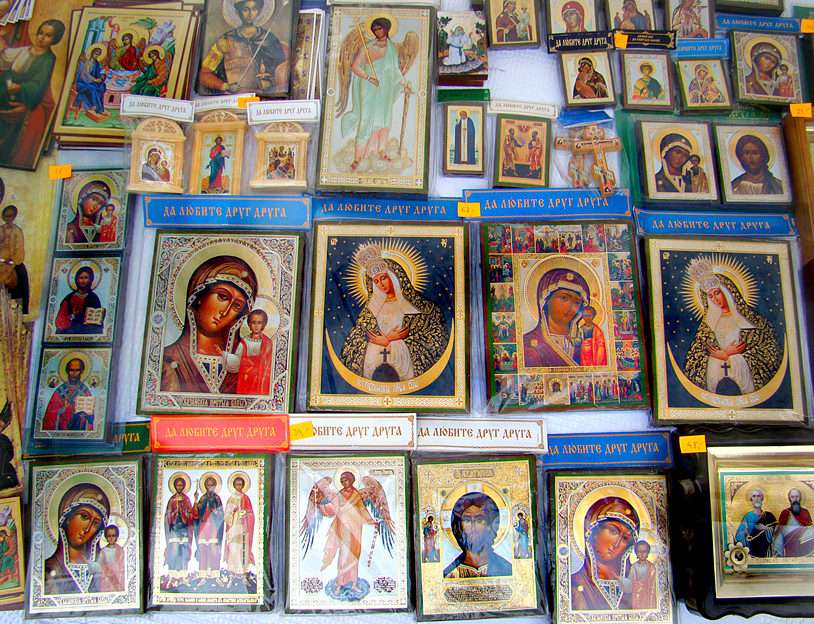
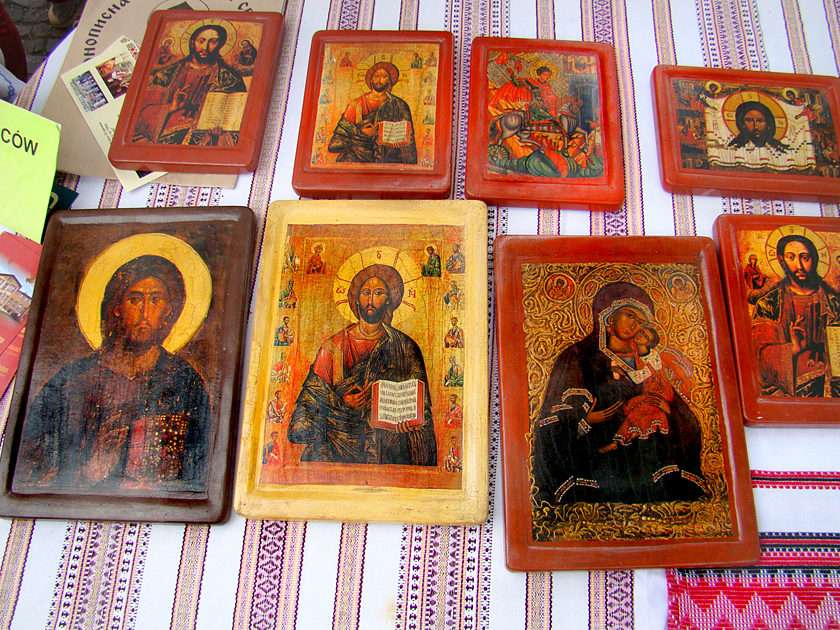
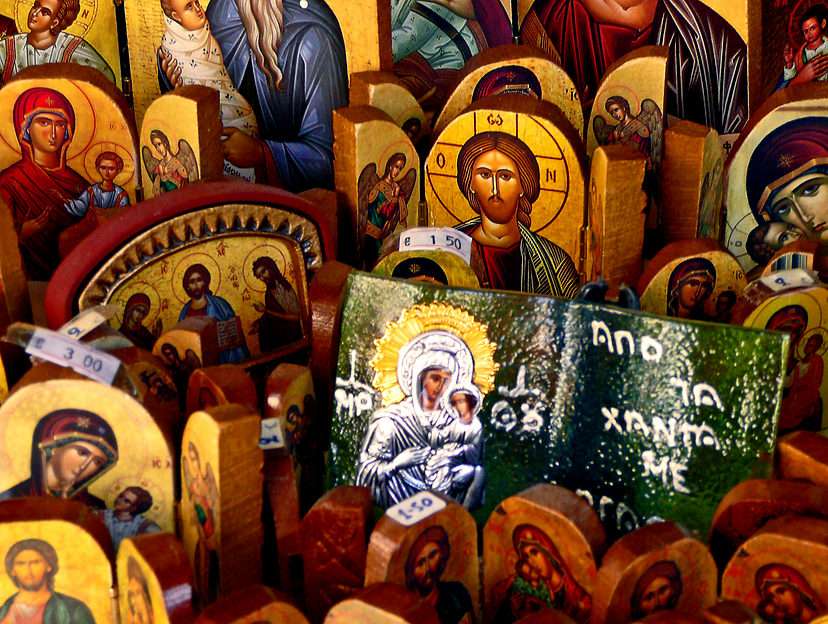
ICONS at the fair in Stargard Szczeciński online puzzle
352ICONS at the fair in Stargard Szczecińskisolved 158 times
Solve puzzle
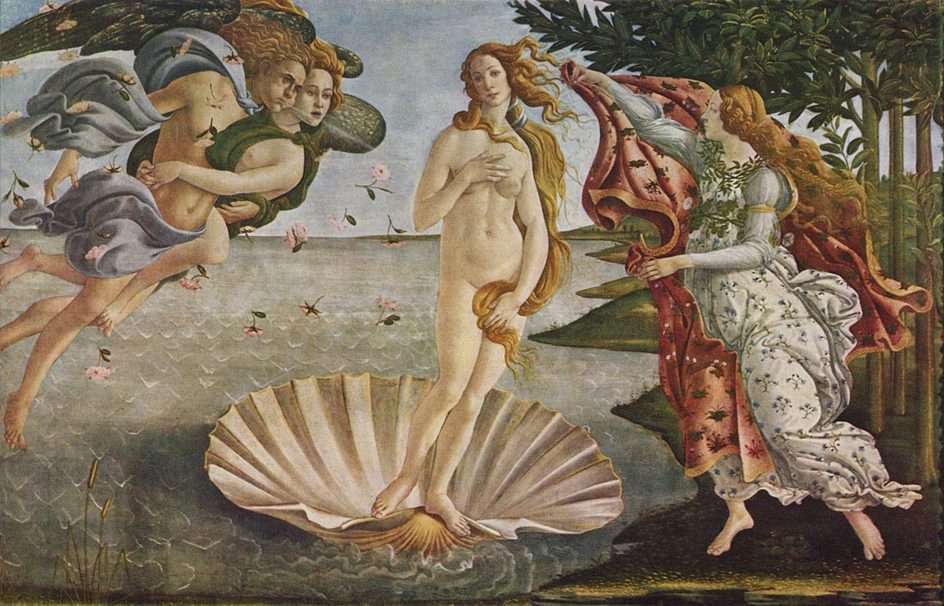
Sandro Botticelli "The Birth of Venus" online puzzle
48Sandro Botticelli "The Birth of Venus"solved 156 times
Solve puzzle
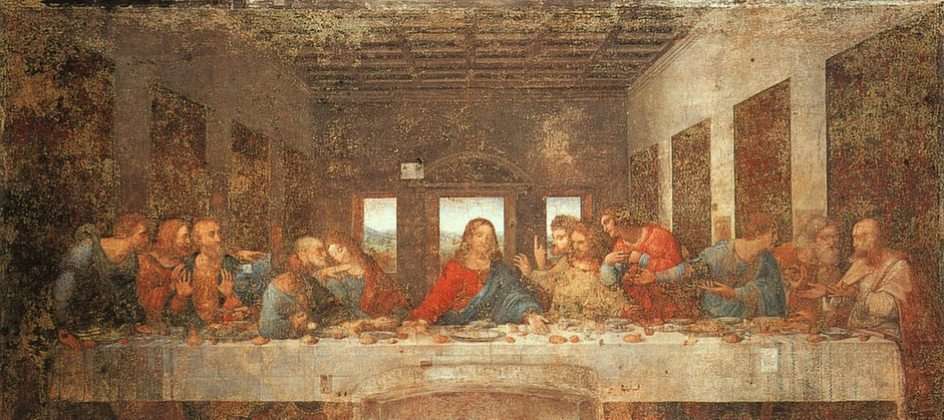
Last Supper online puzzle
48Last Suppersolved 156 times
Solve puzzle
Summer stop no.12 - KÓRNIK puzzle online from photo
264Summer stop no.12 - KÓRNIKsolved 154 times
Solve puzzle
Dancing Plague puzzle online from photo
40Dancing Plaguesolved 154 times
Solve puzzle
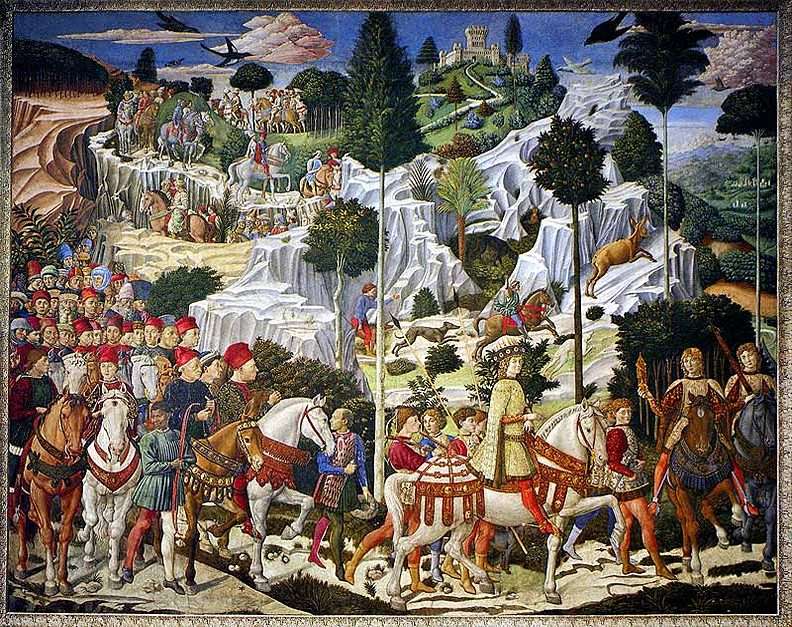
Benozzo Gozzoli Cortejo de los Reyes Magos puzzle online from photo
132Benozzo Gozzoli Cortejo de los Reyes Magossolved 153 times
Solve puzzle
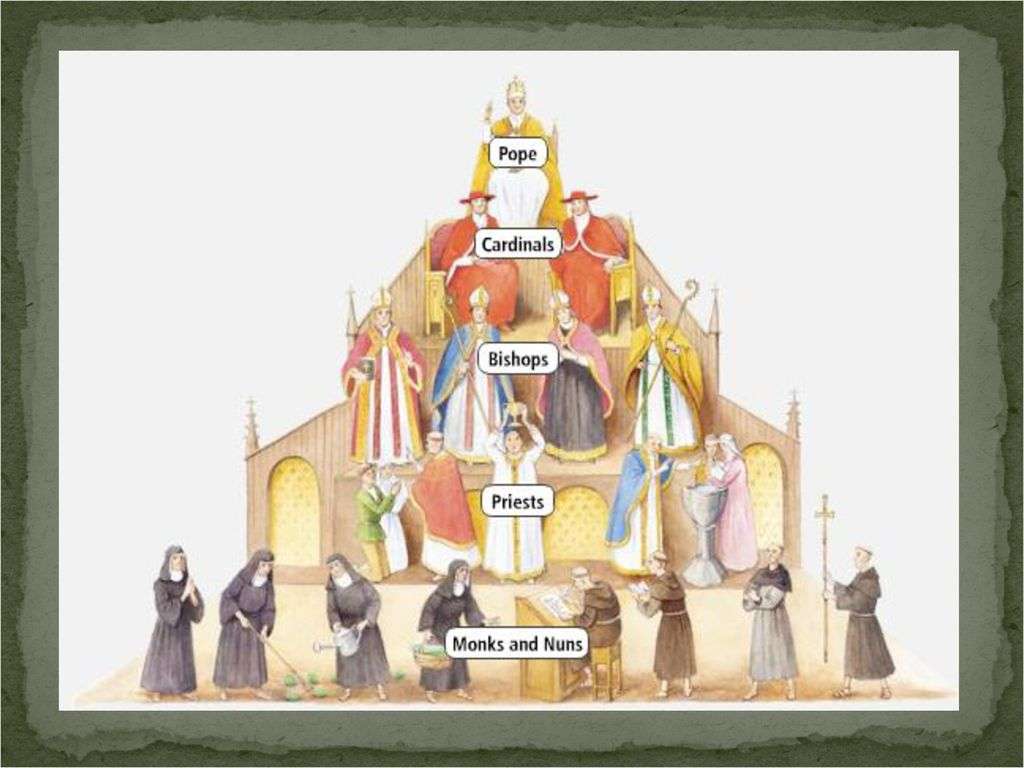
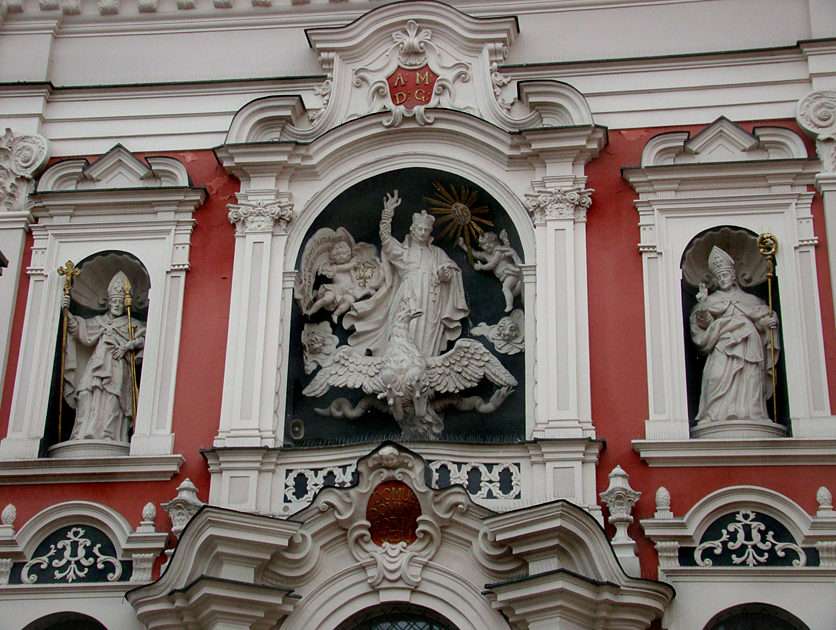
The Medieval Church Hierarchy puzzle online from photo
154The Medieval Church Hierarchysolved 152 times
Solve puzzle
bella escultura online puzzle
15bella esculturasolved 147 times
Solve puzzle
Summer stop no. 13 - POZNAŃ online puzzle
330Summer stop no. 13 - POZNAŃsolved 146 times
Solve puzzle
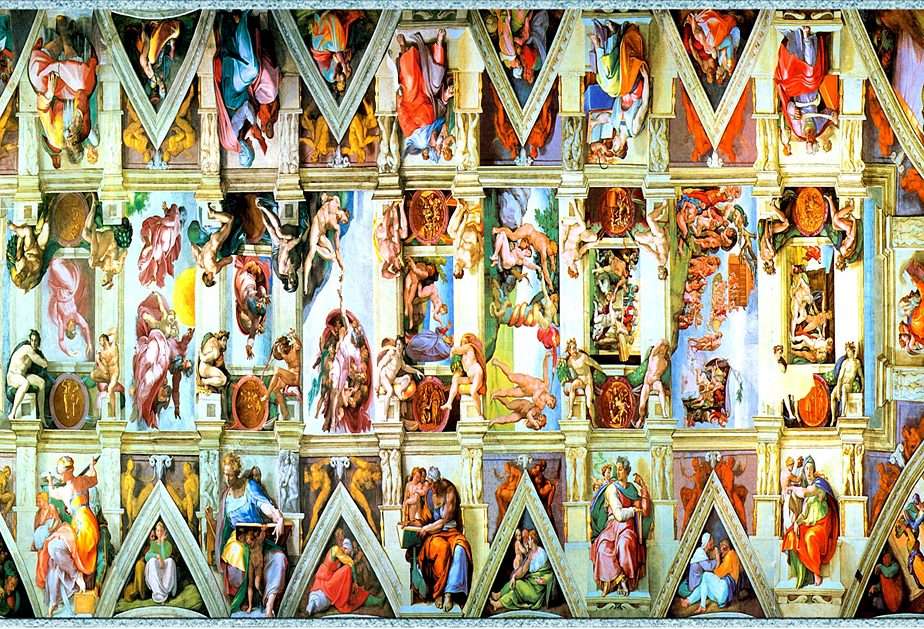
Frescoes in the Sistine Chapel online puzzle
374Frescoes in the Sistine Chapelsolved 144 times
Solve puzzle
Test for Mjo puzzle online from photo
169Test for Mjosolved 142 times
Solve puzzle
Summer stop no. 18 - SZCZECIN puzzle online from photo
330Summer stop no. 18 - SZCZECINsolved 140 times
Solve puzzle
Otton III online puzzle
20Otton IIIsolved 139 times
Solve puzzle
The red altar puzzle online from photo
165The red altarsolved 136 times
Solve puzzle
Palm Sunday puzzle online from photo
48Palm Sundaysolved 135 times
Solve puzzle
Leonardo da Vinci "The Last Supper" puzzle online from photo
48Leonardo da Vinci "The Last Supper"solved 134 times
Solve puzzle
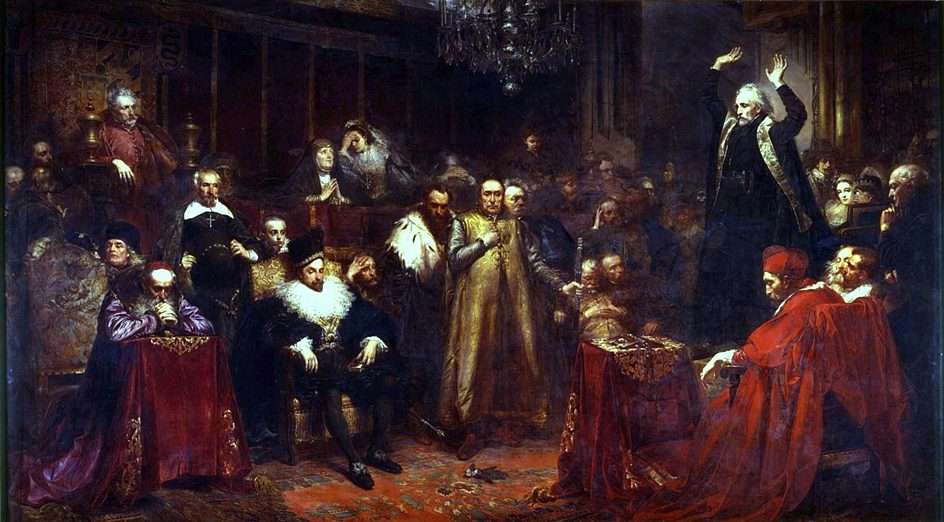
Jan Matejko "Sermon of Complaints" puzzle online from photo
48Jan Matejko "Sermon of Complaints"solved 134 times
Solve puzzle
Summer stop no. 14 - SZAMOTUŁY online puzzle
330Summer stop no. 14 - SZAMOTUŁYsolved 134 times
Solve puzzle
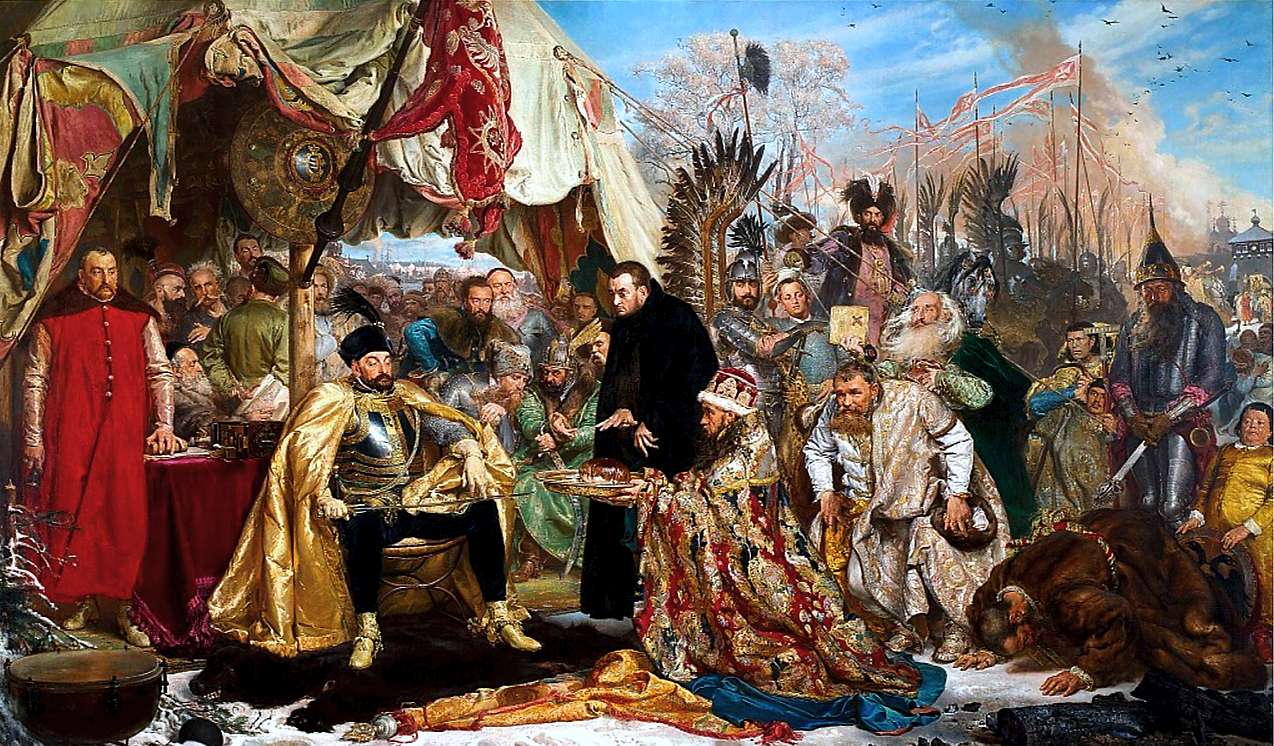
Batory near Pskov online puzzle
135Batory near Pskovsolved 135 times
Solve puzzle
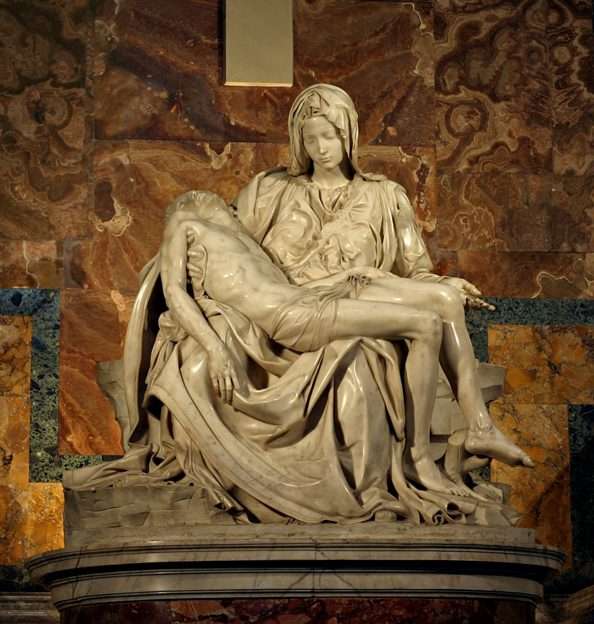
Michelangelo - Pieta online puzzle
72Michelangelo - Pietasolved 133 times
Solve puzzle
ANCIENT ICONS 2 online puzzle
280ANCIENT ICONS 2solved 132 times
Solve puzzle
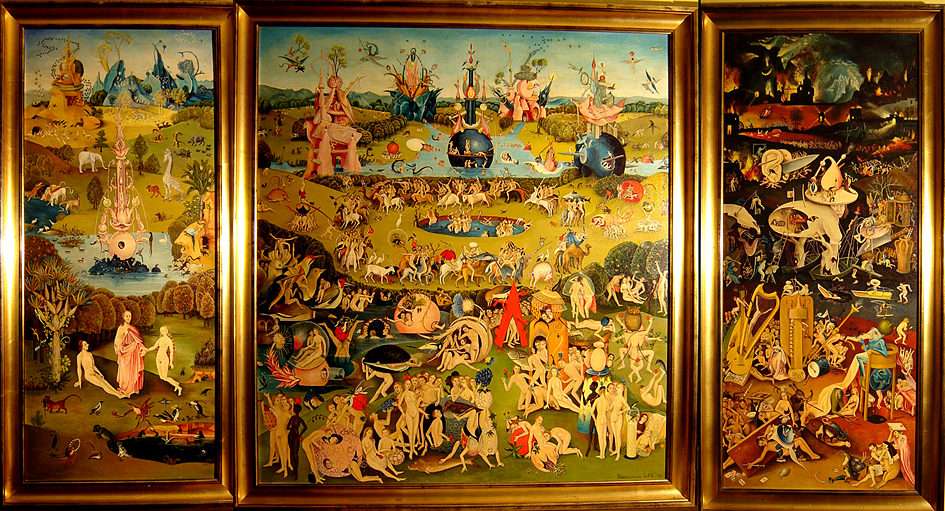
Jardin des Delices - triptico - El Bosco online puzzle
63Jardin des Delices - triptico - El Boscosolved 130 times
Solve puzzle
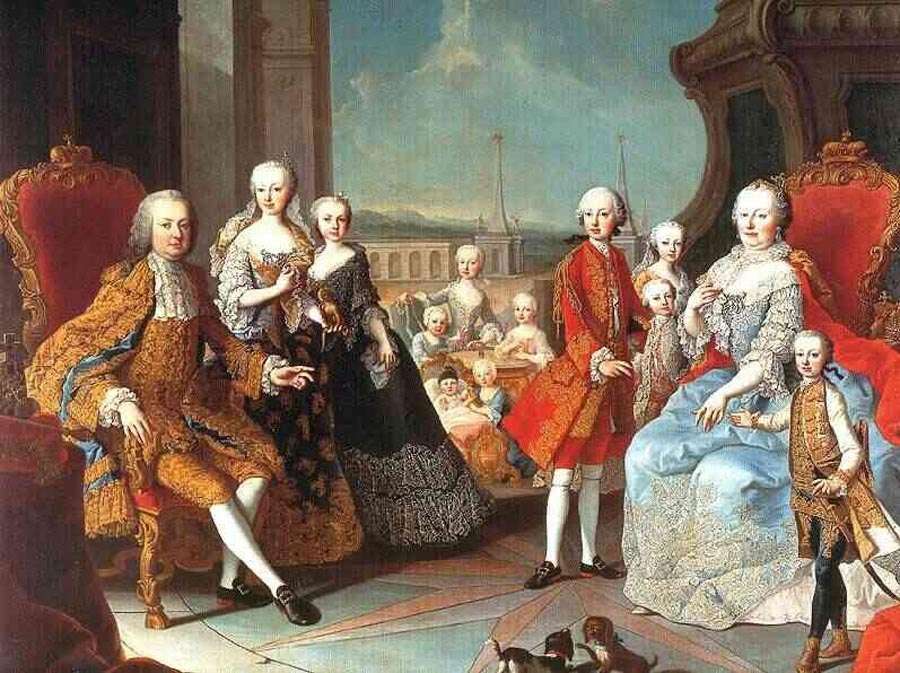
Mária Terézia's family online puzzle
108Mária Terézia's familysolved 130 times
Solve puzzle
Icons online puzzle
288Iconssolved 129 times
Solve puzzle
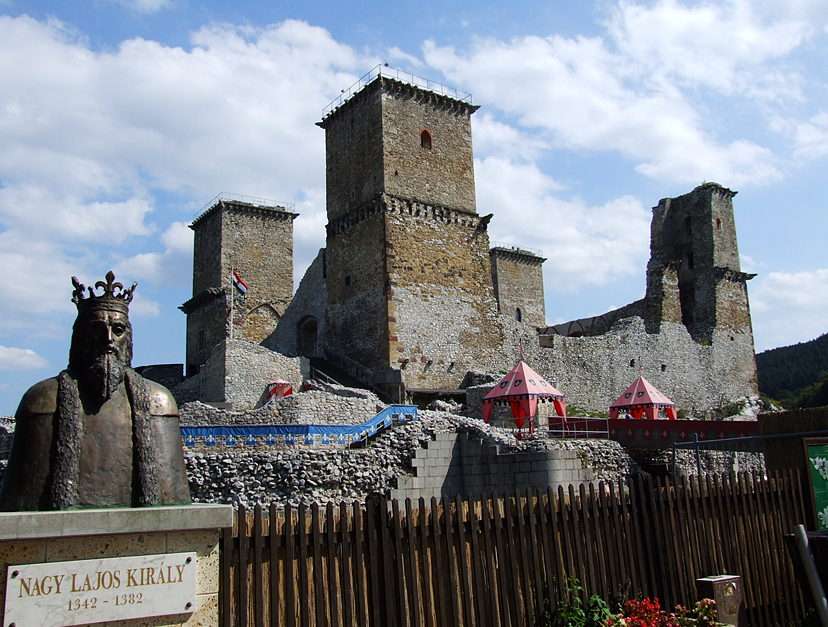
Diósgyőr Castle in Miskolc online puzzle
132Diósgyőr Castle in Miskolcsolved 127 times
Solve puzzle
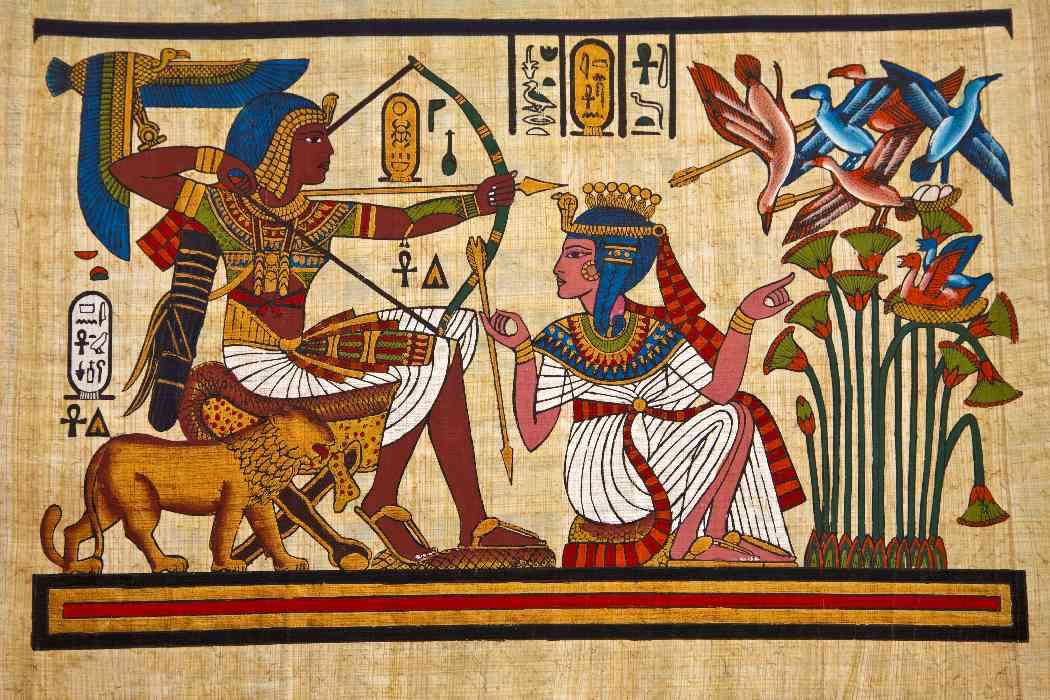
Egyptian art puzzle online from photo
24Egyptian artsolved 127 times
Solve puzzle
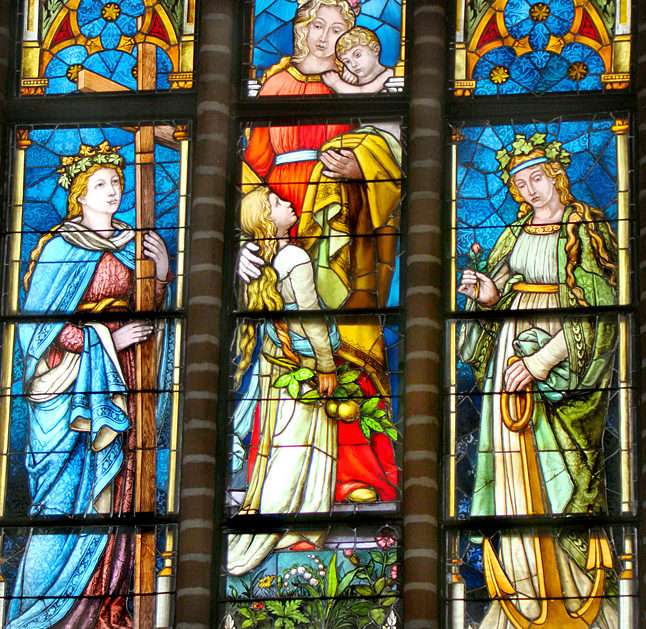
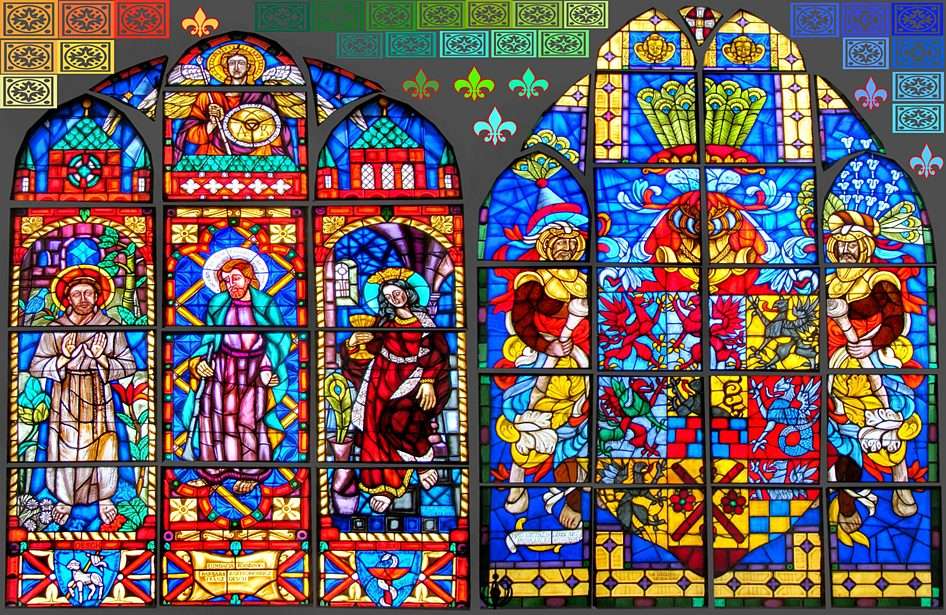
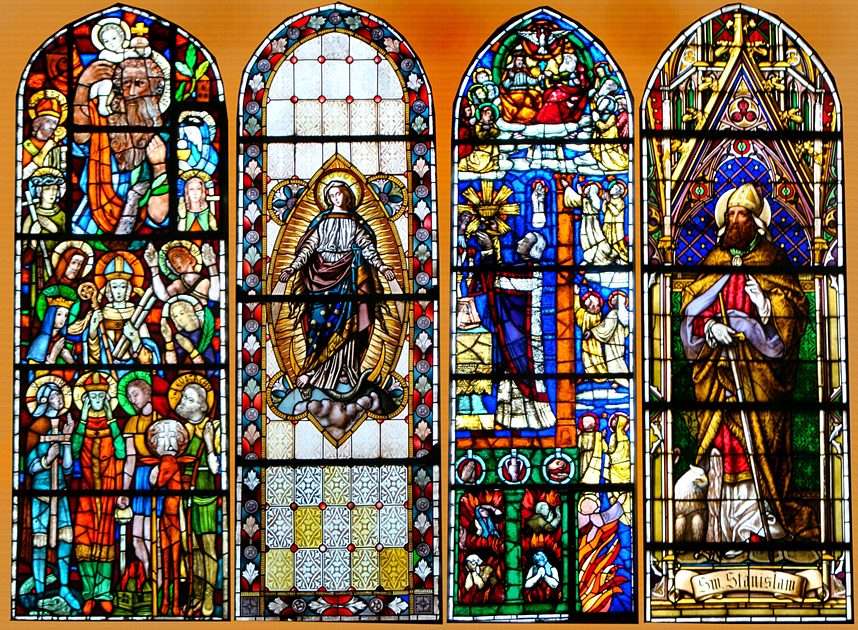
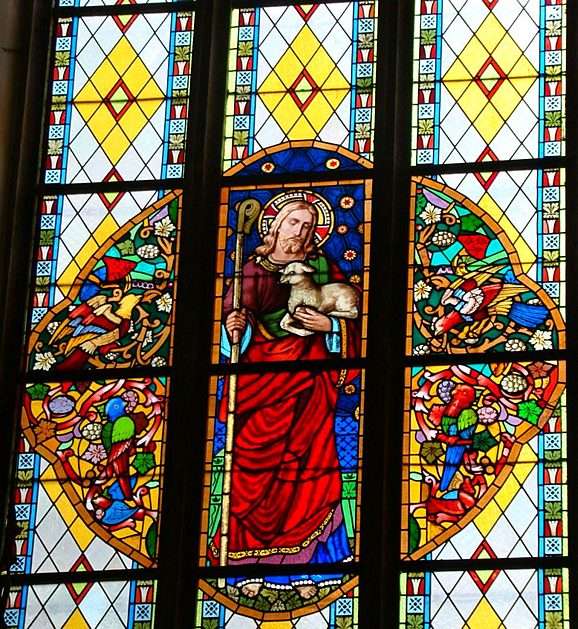
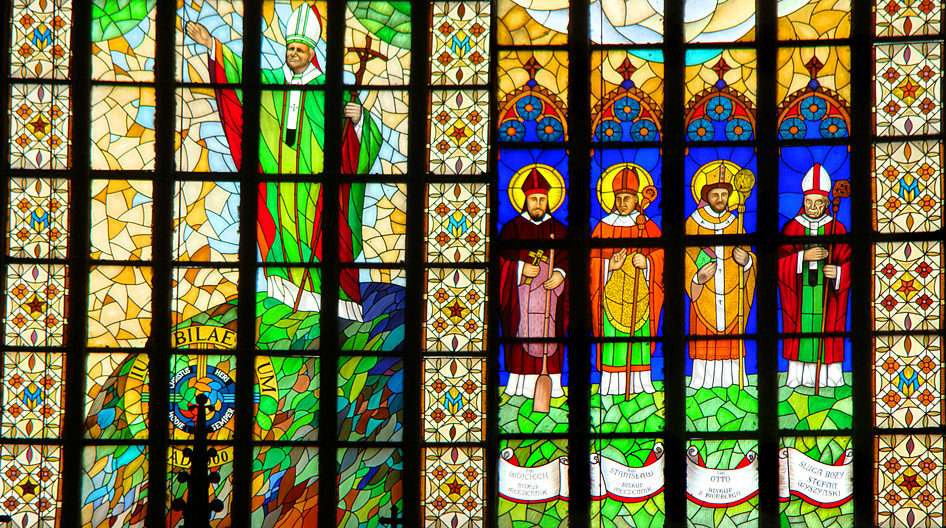
Stained glass window from the church in Namysłów puzzle online from photo
289Stained glass window from the church in Namysłówsolved 126 times
Solve puzzle
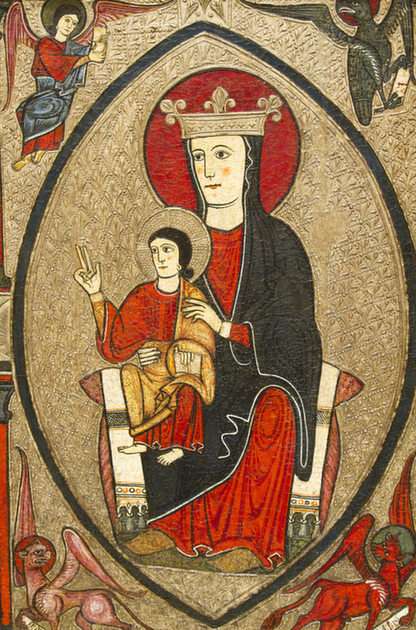
Frontal del altar de Cardet online puzzle
80Frontal del altar de Cardetsolved 124 times
Solve puzzle
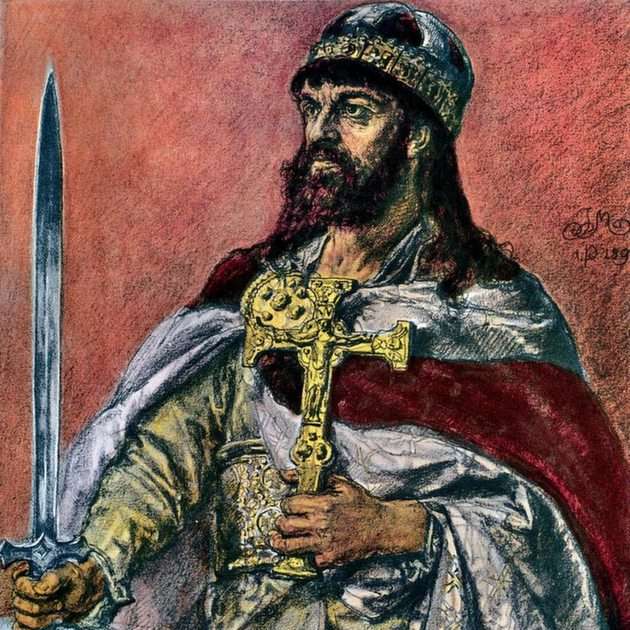
Mieszko I online puzzle
63Mieszko Isolved 123 times
Solve puzzle
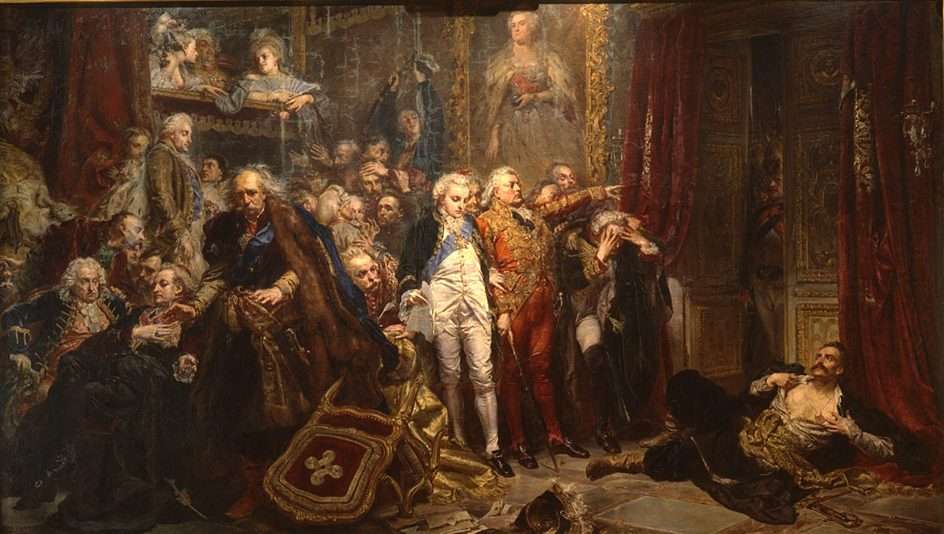
Jan Matejko "Rejtan and the Fall of Poland" puzzle online from photo
48Jan Matejko "Rejtan and the Fall of Poland"solved 121 times
Solve puzzle
Puzzle - integration fun online puzzle
126Puzzle - integration funsolved 119 times
Solve puzzle
Tragic Prelude online puzzle
42Tragic Preludesolved 116 times
Solve puzzle
Vintage map online puzzle
323Vintage mapsolved 116 times
Solve puzzle
Novgorod puzzle online from photo
266Novgorodsolved 116 times
Solve puzzle
Stop no. 10 - PRZEMYŚL puzzle online from photo
264Stop no. 10 - PRZEMYŚLsolved 115 times
Solve puzzle
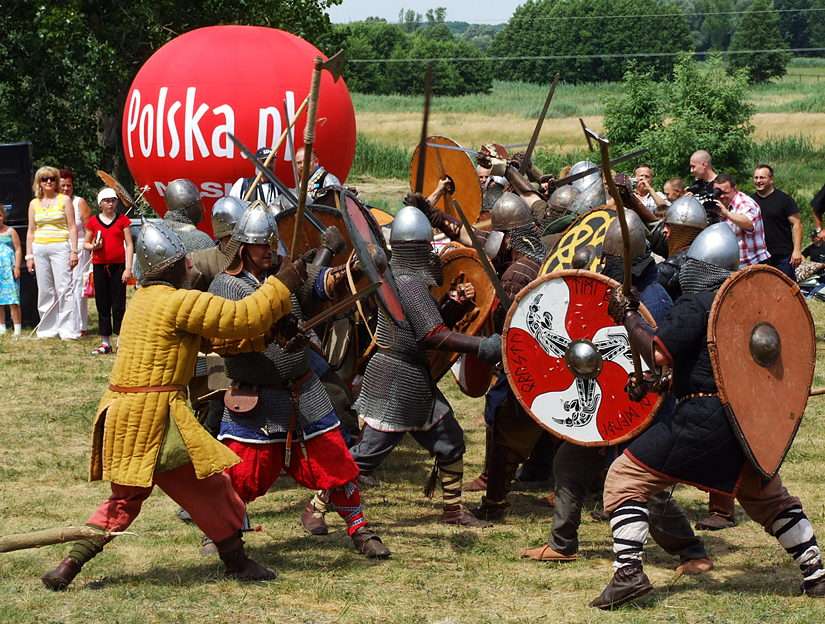
Reconstruction of the Battle of Cedynia. online puzzle
180Reconstruction of the Battle of Cedynia.solved 113 times
Solve puzzle
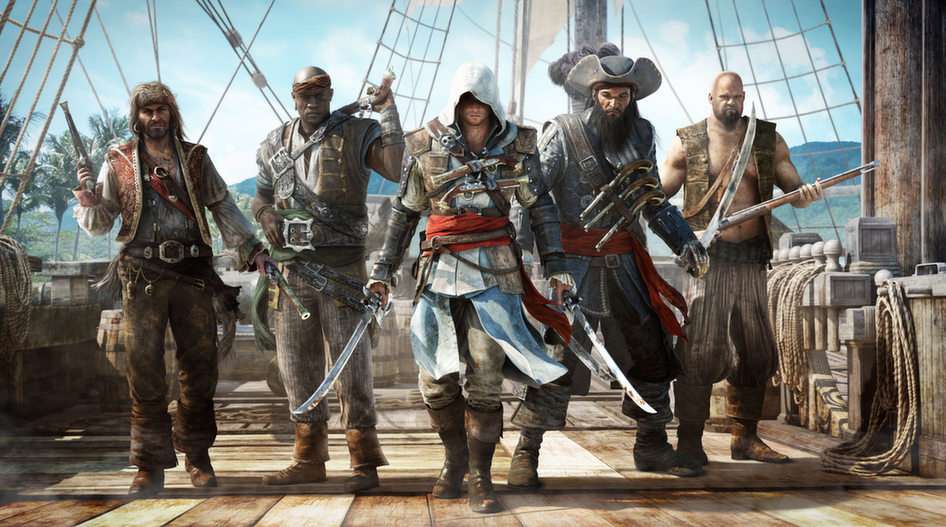
Assassins creed puzzle online from photo
374Assassins creedsolved 113 times
Solve puzzle
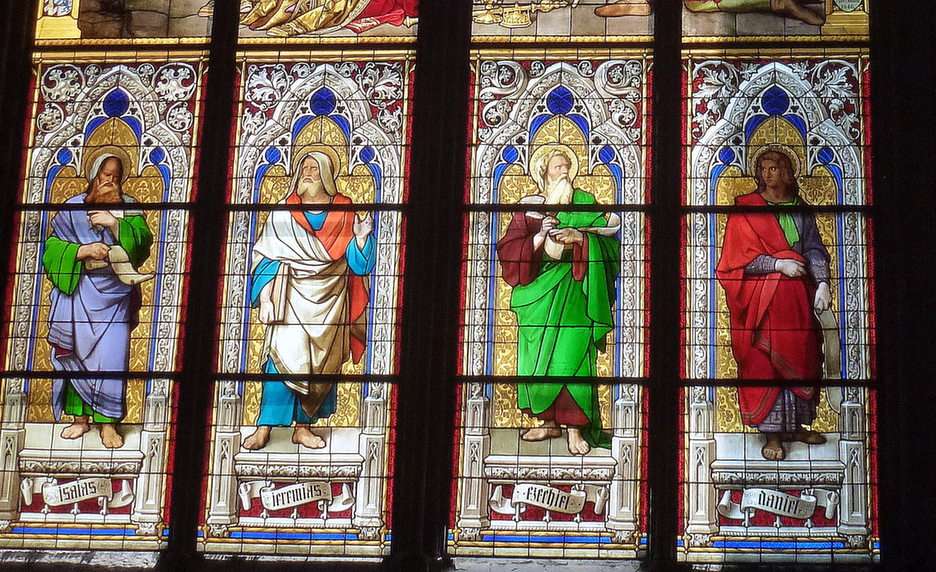
Fragment of the stained glass window online puzzle
234Fragment of the stained glass windowsolved 113 times
Solve puzzle
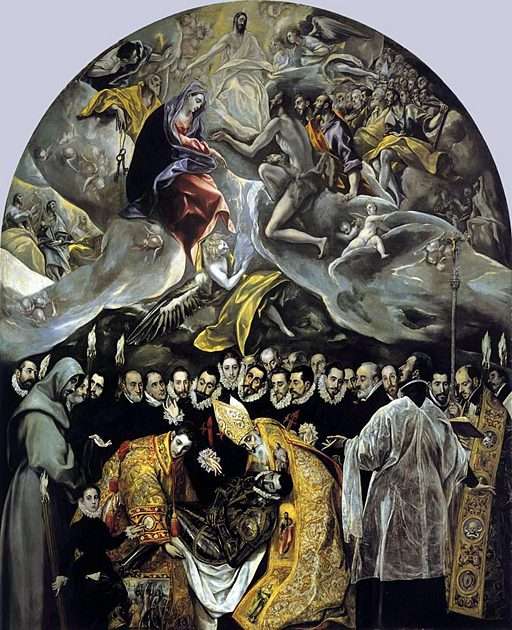
El entierro del conde de Orgaz - El Greco online puzzle
80El entierro del conde de Orgaz - El Grecosolved 112 times
Solve puzzle
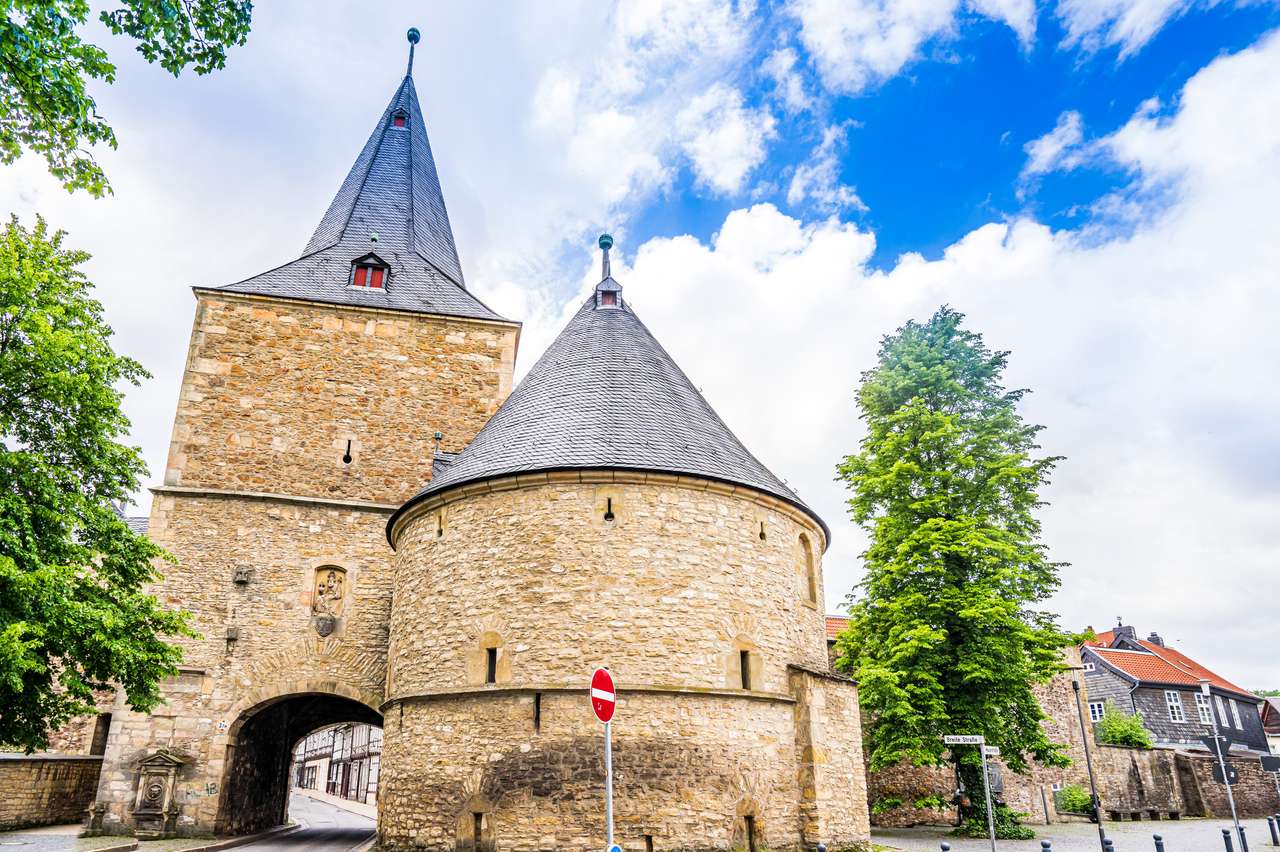
Broad Gate in city of Goslar, Germany puzzle online from photo
150Broad Gate in city of Goslar, Germanysolved 111 times
Solve puzzle
Summer stop no. 17 - STARGARD SZCZECIŃSKI puzzle online from photo
264Summer stop no. 17 - STARGARD SZCZECIŃSKIsolved 109 times
Solve puzzle

Online puzzle Middle Ages

Middle Ages

In the history of Europe, the Middle Ages or medieval period (also spelled mediæval or mediaeval) lasted approximately from the late 5th to the late 15th centuries, similar to the post-classical period of global history. This period began with the fall of the Western Roman Empire in 476 AD and ended with the fall of Constantinople in 1453 AD, this era would transition into the Renaissance and then the Age of Discovery. The Middle Ages is the middle period of the three traditional divisions of Western history: classical antiquity, the medieval period, and the modern period. The medieval period is itself subdivided into the Early, High, and Late Middle Ages.

Population decline, counterurbanisation, the collapse of centralized authority, invasions, and mass migrations of tribes, which had begun in late antiquity, continued into the Early Middle Ages. The large-scale movements of the Migration Period, including various Germanic peoples, formed new kingdoms in what remained of the Western Roman Empire. In the 7th century, North Africa and the Middle East—most recently part of the Eastern Roman (or Byzantine) Empire—came under the rule of the Umayyad Caliphate, an Islamic empire, after conquest by Muhammad's successors. Although there were substantial changes in society and political structures, the break with classical antiquity was not complete. The still-sizeable Byzantine Empire, Rome's direct continuation, survived in the Eastern Mediterranean and remained a major power. Secular law was advanced greatly by the Code of Justinian. In the West, most kingdoms incorporated extant Roman institutions, while new bishoprics and monasteries were founded as Christianity expanded in Europe. The Franks, under the Carolingian dynasty, briefly established the Carolingian Empire during the later 8th and early 9th centuries. It covered much of Western Europe but later succumbed to the pressures of internal civil wars combined with external invasions: Vikings from the north, Magyars from the east, and Saracens from the south.

During the High Middle Ages, which began after 1000, the population of Europe increased greatly as technological and agricultural innovations allowed trade to flourish and the Medieval Warm Period climate change allowed crop yields to increase. Manorialism, the organisation of peasants into villages that owed rent and labour services to the nobles, and feudalism, the political structure whereby knights and lower-status nobles owed military service to their overlords in return for the right to rent from lands and manors, were two of the ways society was organised in the High Middle Ages. This period also saw the formal division of the Catholic and Orthodox churches, with the East–West Schism of 1054. The Crusades, which began in 1095, were military attempts by Western European Christians to regain control of the Holy Land from Muslims, and also contributed to the expansion of Latin Christendom in the Baltic region and the Iberian Peninsula. Kings became the heads of centralised nation states, reducing crime and violence but making the ideal of a unified Christendom more distant. In the West, intellectual life was marked by scholasticism, a philosophy that emphasised joining faith to reason, and by the founding of universities. The theology of Thomas Aquinas, the paintings of Giotto, the poetry of Dante and Chaucer, the travels of Marco Polo, and the Gothic architecture of cathedrals such as Chartres mark the end of this period.
The Late Middle Ages was marked by difficulties and calamities including famine, plague, and war, which significantly diminished the population of Europe; between 1347 and 1350, the Black Death killed about a third of Europeans. Controversy, heresy, and the Western Schism within the Catholic Church paralleled the interstate conflict, civil strife, and peasant revolts that occurred in the kingdoms. Cultural and technological developments transformed European society, concluding the Late Middle Ages and beginning the early modern period.