Porcelain - online puzzles
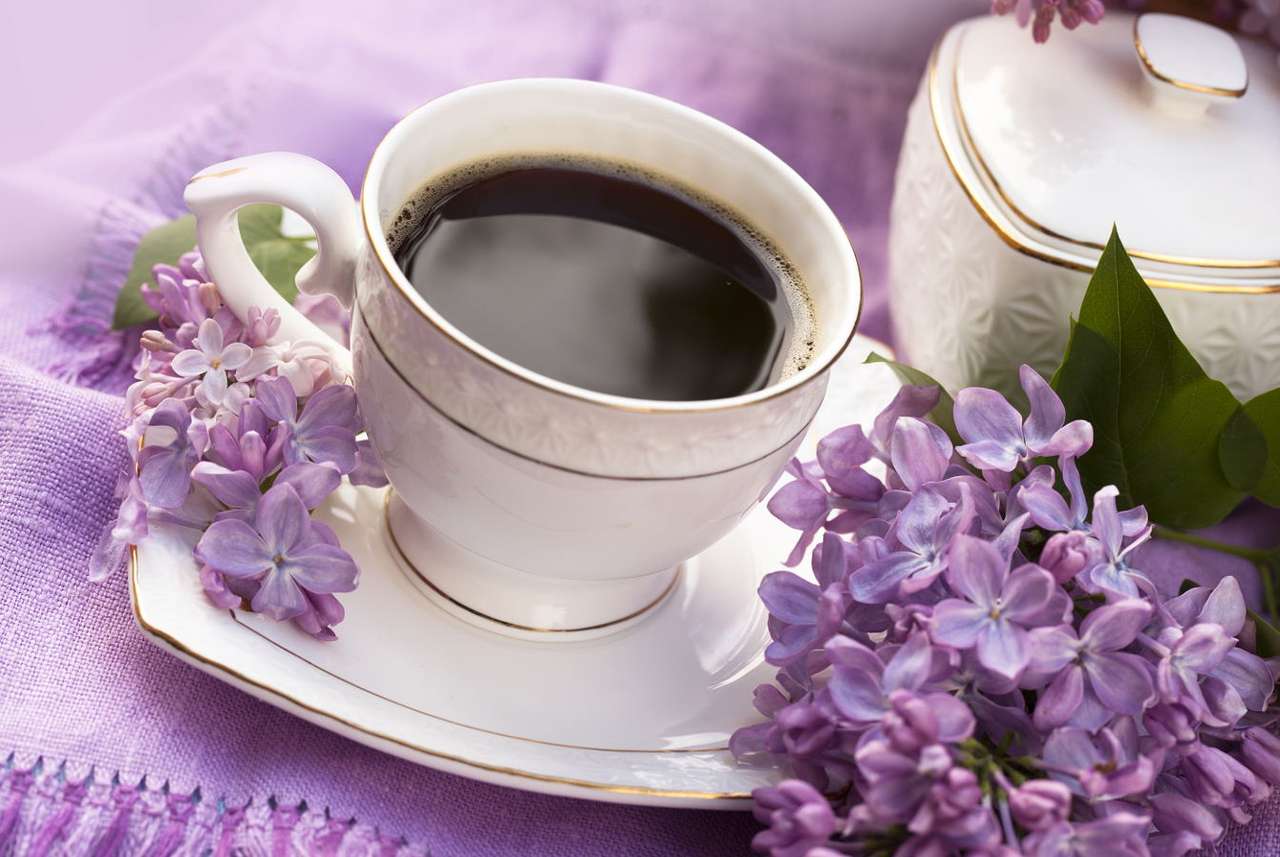
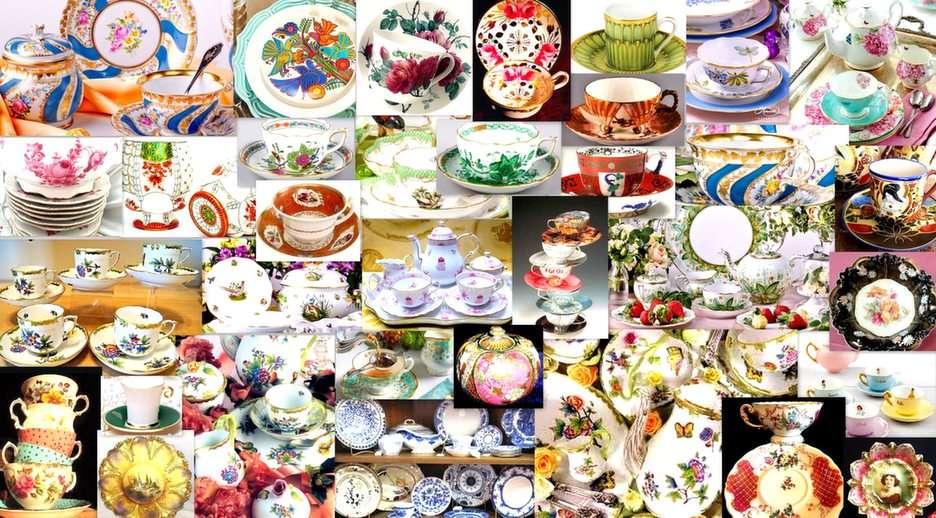
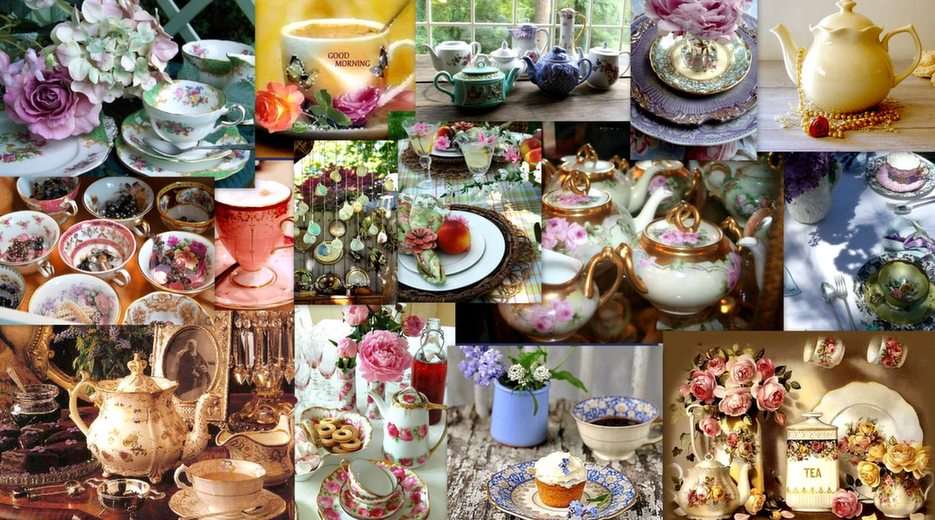
Morning coffee online puzzle
121Morning coffeesolved 394 times
Solve puzzle
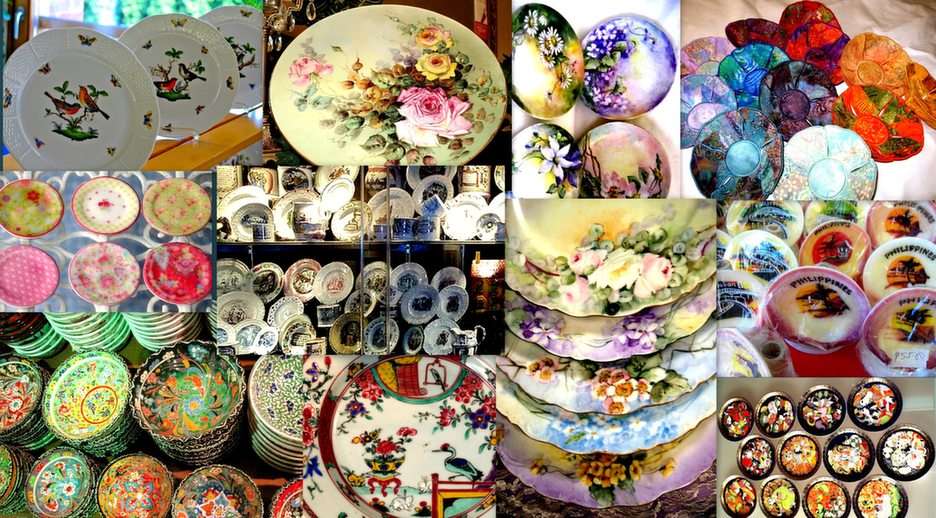
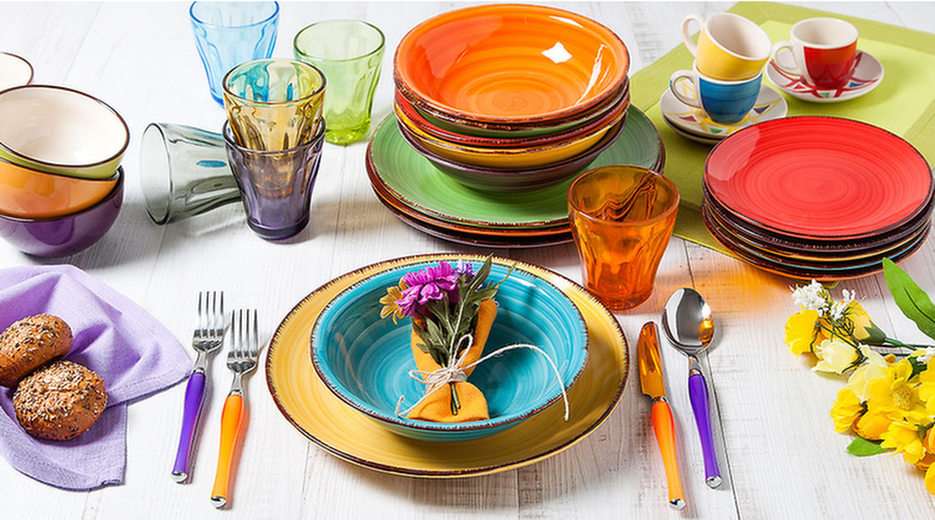
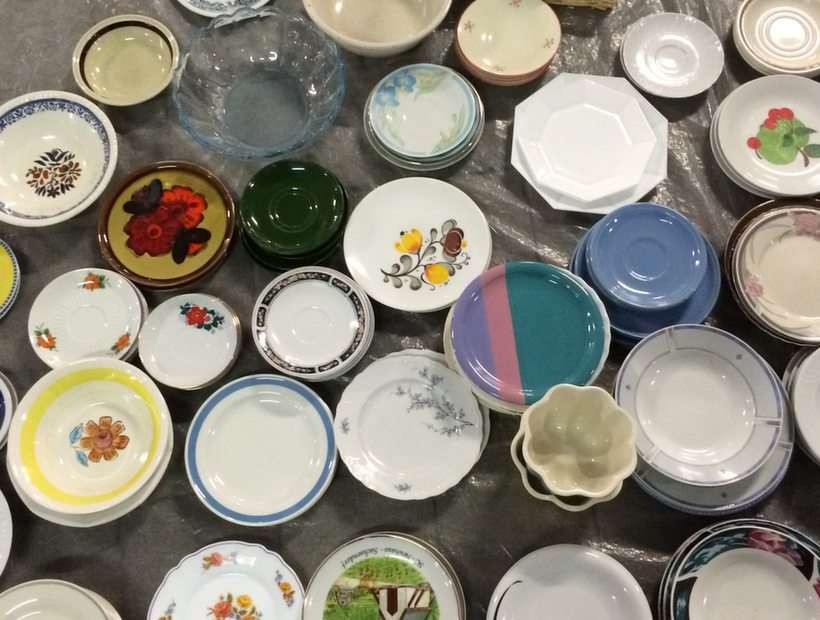
Plates online puzzle
252Platessolved 393 times
Solve puzzle
Bird Watchers puzzle online from photo
63Bird Watcherssolved 391 times
Solve puzzle
ice cream online puzzle
80ice creamsolved 388 times
Solve puzzle
relish online puzzle
15relishsolved 385 times
Solve puzzle
flowers online puzzle
25flowerssolved 382 times
Solve puzzle
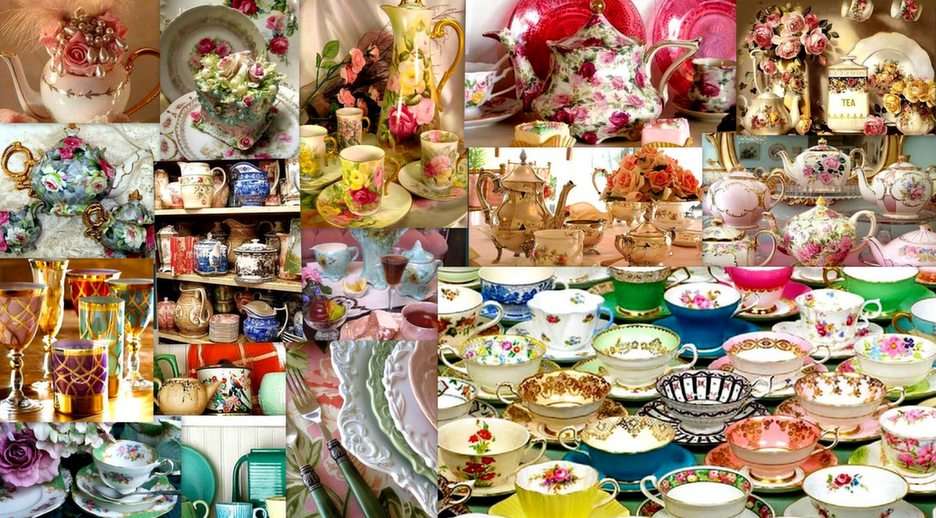
Porcelain puzzle online from photo
20Porcelainsolved 382 times
Solve puzzle
porcelain puzzle online from photo
285porcelainsolved 381 times
Solve puzzle
porcelain online puzzle
252porcelainsolved 381 times
Solve puzzle
cup puzzle online from photo
80cupsolved 380 times
Solve puzzle
porcelain puzzle online from photo
252porcelainsolved 380 times
Solve puzzle
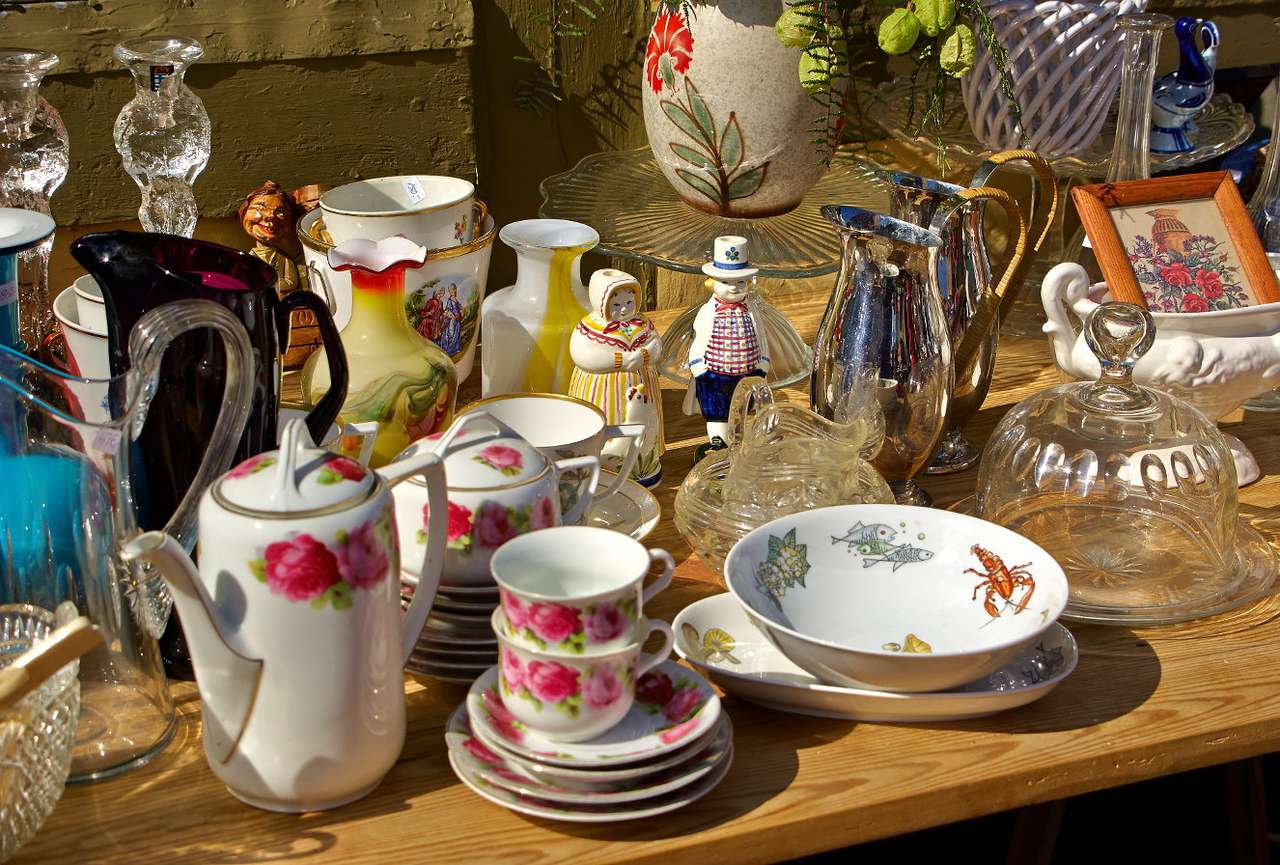
Cups at the fair online puzzle
238Cups at the fairsolved 378 times
Solve puzzle
Mish mash puzzle online from photo
252Mish mashsolved 377 times
Solve puzzle
Cups online puzzle
36Cupssolved 376 times
Solve puzzle
plastic household appliances puzzle online from photo
54plastic household appliancessolved 375 times
Solve puzzle
porcelain online puzzle
112porcelainsolved 374 times
Solve puzzle
Made in China puzzle online from photo
156Made in Chinasolved 371 times
Solve puzzle
Porcelain puzzle online from photo
84Porcelainsolved 371 times
Solve puzzle
Antiquities puzzle online from photo
20Antiquitiessolved 368 times
Solve puzzle
Krakow flower pots. online puzzle
240Krakow flower pots.solved 366 times
Solve puzzle
Porcelain online puzzle
252Porcelainsolved 364 times
Solve puzzle
Exotic porcelain online puzzle
192Exotic porcelainsolved 362 times
Solve puzzle
In the bazaar - Tunisia puzzle online from photo
144In the bazaar - Tunisiasolved 360 times
Solve puzzle
Pottery online puzzle
304Potterysolved 358 times
Solve puzzle
ceramic fish puzzle online from photo
48ceramic fishsolved 358 times
Solve puzzle
MadTeaParty puzzle online from photo
48MadTeaPartysolved 357 times
Solve puzzle
mug bla bla vase puzzle online from photo
48mug bla bla vasesolved 356 times
Solve puzzle
Geschirr online puzzle
84Geschirrsolved 355 times
Solve puzzle
vernici online puzzle
48vernicisolved 354 times
Solve puzzle
Vintage Buttons online puzzle
240Vintage Buttonssolved 353 times
Solve puzzle
plates puzzle online from photo
100platessolved 351 times
Solve puzzle
Porcelain puzzle online from photo
252Porcelainsolved 351 times
Solve puzzle
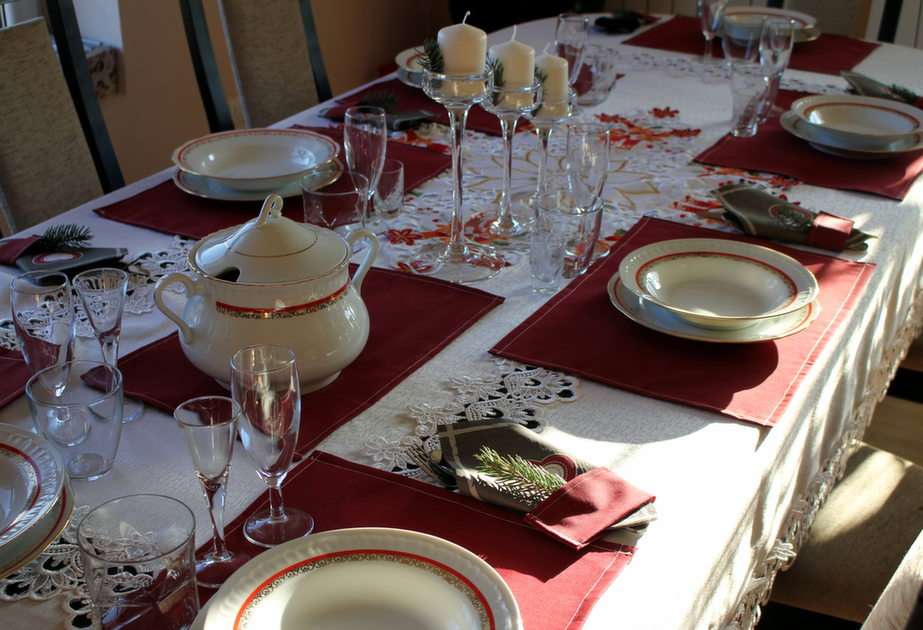
festive table online puzzle
70festive tablesolved 349 times
Solve puzzle
Pie Night Tonight online puzzle
144Pie Night Tonightsolved 349 times
Solve puzzle
Porcelain online puzzle
209Porcelainsolved 346 times
Solve puzzle
decor puzzle online from photo
48decorsolved 344 times
Solve puzzle
cup online puzzle
100cupsolved 341 times
Solve puzzle
moody online puzzle
54moodysolved 339 times
Solve puzzle
in the shop puzzle online from photo
42in the shopsolved 336 times
Solve puzzle
cuisines of the world: English puzzle online from photo
156cuisines of the world: Englishsolved 336 times
Solve puzzle
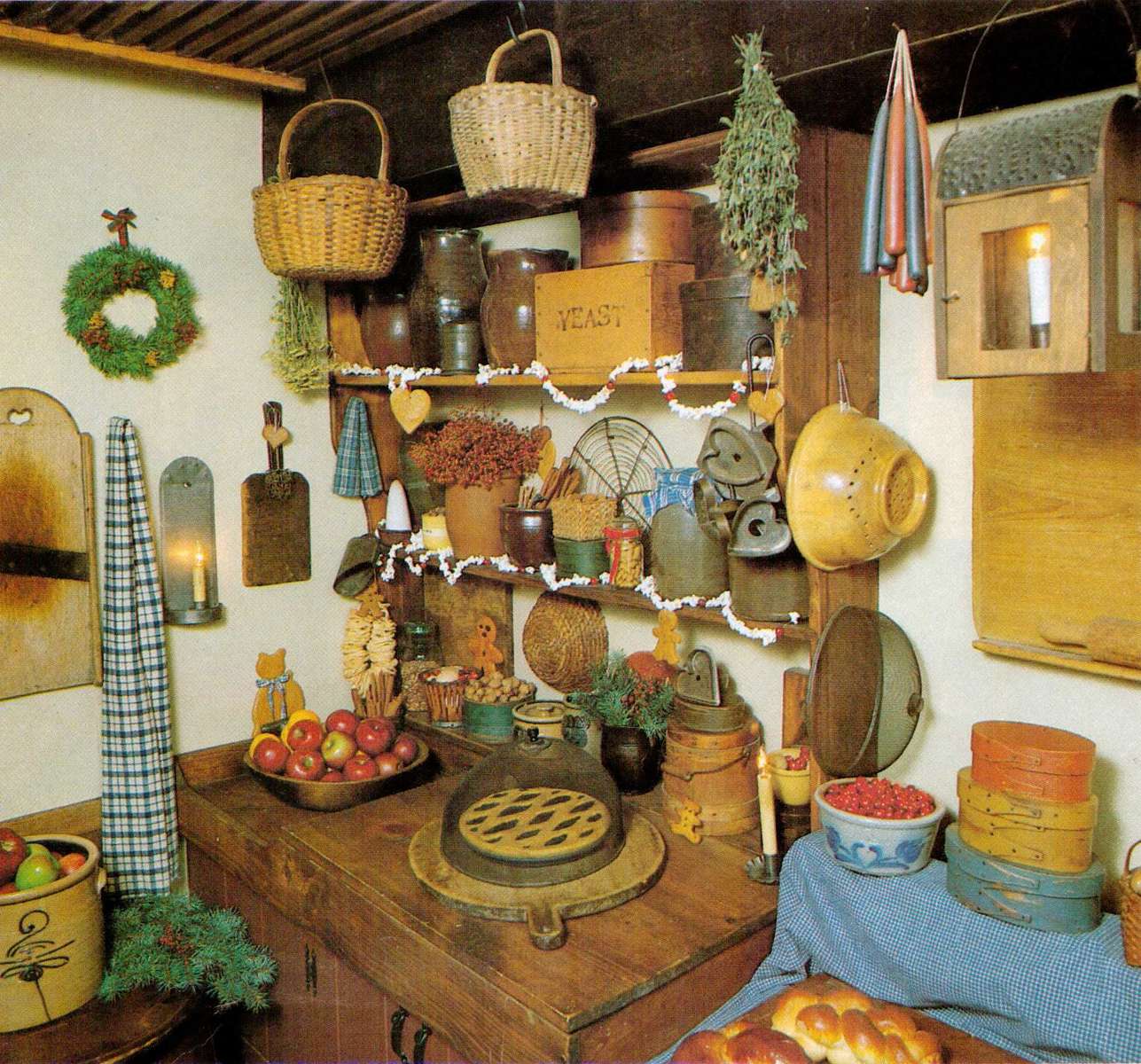
Christmas decorations puzzle online from photo
24Christmas decorationssolved 335 times
Solve puzzle
To eat puzzle online from photo
84To eatsolved 332 times
Solve puzzle
cups online puzzle
252cupssolved 330 times
Solve puzzle
Porcelain online puzzle
80Porcelainsolved 328 times
Solve puzzle
cuisines of the world: mexican online puzzle
88cuisines of the world: mexicansolved 327 times
Solve puzzle
Easter egg puzzle online from photo
48Easter eggsolved 326 times
Solve puzzle
Aspida_Achillea_ Puzzles puzzle online from photo
25Aspida_Achillea_ Puzzlessolved 325 times
Solve puzzle
Mish mash puzzle online from photo
255Mish mashsolved 324 times
Solve puzzle

Online puzzle Porcelain

Porcelain

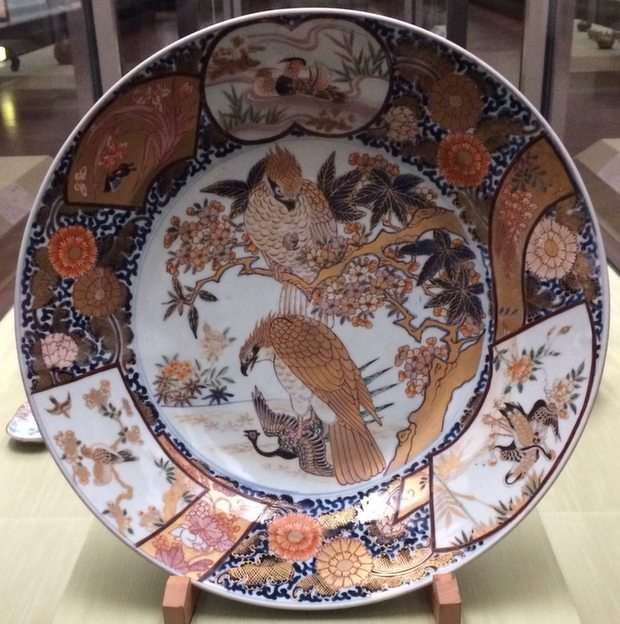
Porcelain () is a ceramic material made by heating raw materials, generally including kaolinite, in a kiln to temperatures between 1,200 and 1,400 °C (2,200 and 2,600 °F). The greater strength and translucence of porcelain, relative to other types of pottery, arise mainly from vitrification and the formation of the mineral mullite within the body at these high temperatures. End applications include tableware, decorative ware such as figurines, and products in technology and industry such as electrical insulators and laboratory ware.

The manufacturing process used for porcelain are similar to those used for earthenware and stoneware, the two other main types of pottery, although it can be more challenging to produce. It has usually been regarded as the most prestigious type of pottery due to its delicacy, strength, and high degree of whiteness. It is frequently both glazed and decorated.

Though definitions vary, porcelain can be divided into three main categories: hard-paste, soft-paste, and bone china. The categories differ by the composition of the body and the firing conditions.

Porcelain slowly evolved in China and was finally achieved (depending on the definition used) at some point about 2,000 to 1,200 years ago. It slowly spread to other East Asian countries, then to Europe, and eventually to the rest of the world. The European name, porcelain in English, comes from the old Italian porcellana (cowrie shell) because of its resemblance to the surface of the shell. Porcelain is also referred to as china or fine china in some English-speaking countries, as it was first seen in imports from China during the 17th century. Properties associated with porcelain include low permeability and elasticity; considerable strength, hardness, whiteness, translucency, and resonance; and a high resistance to corrosive chemicals and thermal shock.

Porcelain has been described as being "completely vitrified, hard, impermeable (even before glazing), white or artificially coloured, translucent (except when of considerable thickness), and resonant". However, the term "porcelain" lacks a universal definition and has "been applied in an unsystematic fashion to substances of diverse kinds that have only certain surface-qualities in common".Traditionally, East Asia only classifies pottery into low-fired wares (earthenware) and high-fired wares (often translated as porcelain), the latter also including what Europeans call "stoneware", which is high-fired but not generally white or translucent. Terms such as "proto-porcelain", "porcellaneous", or "near-porcelain" may be used in cases where the ceramic body approaches whiteness and translucency.In 2021, the global market for porcelain tableware was estimated to be worth US$22.1 billion.