Porcelain - online puzzles
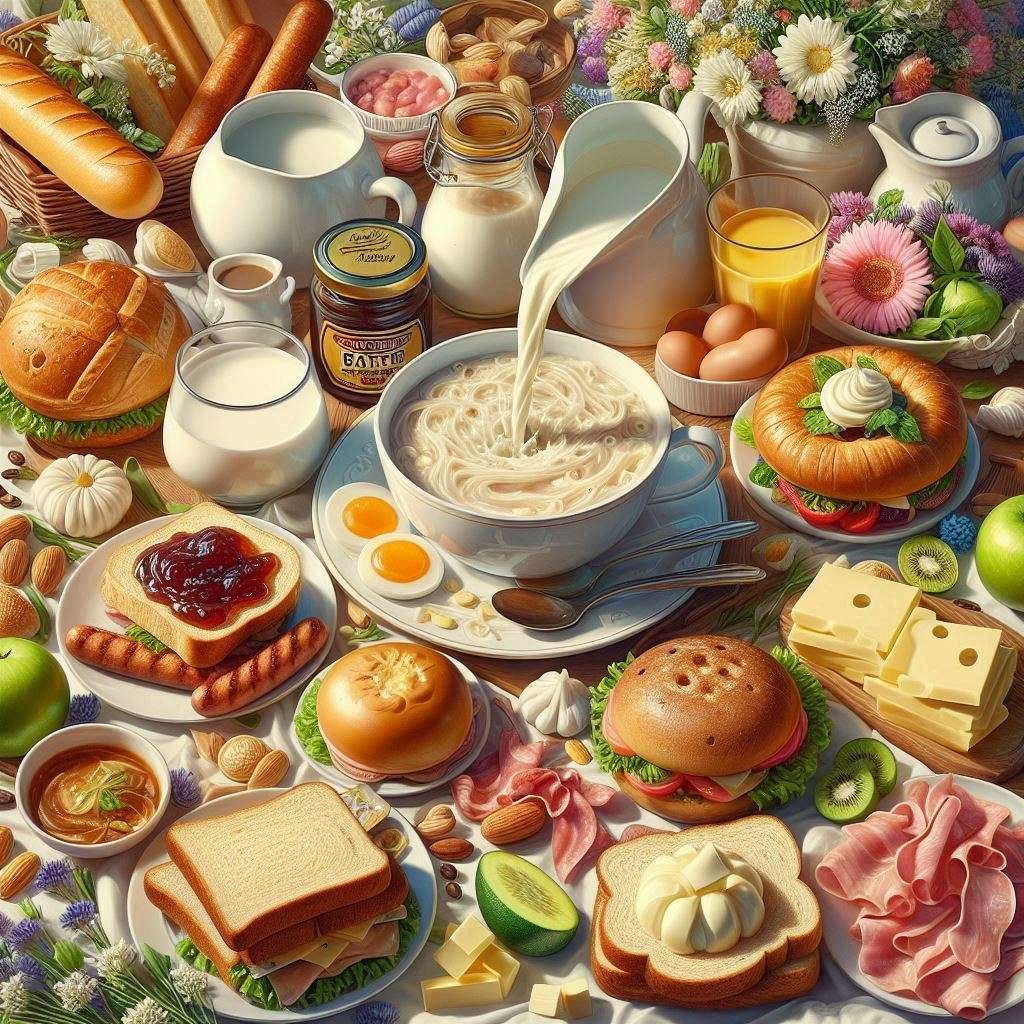
Guten Appetit puzzle online from photo
169Guten Appetitsolved 857 times
Solve puzzle
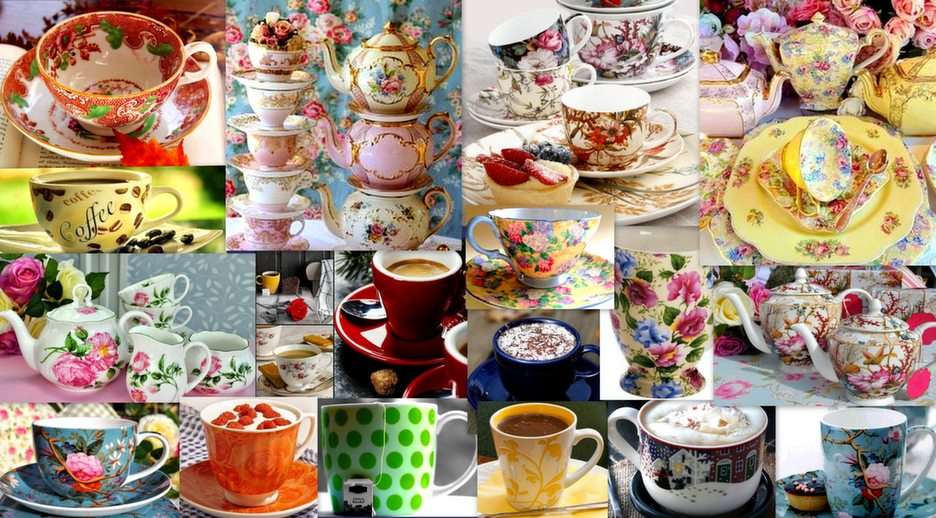
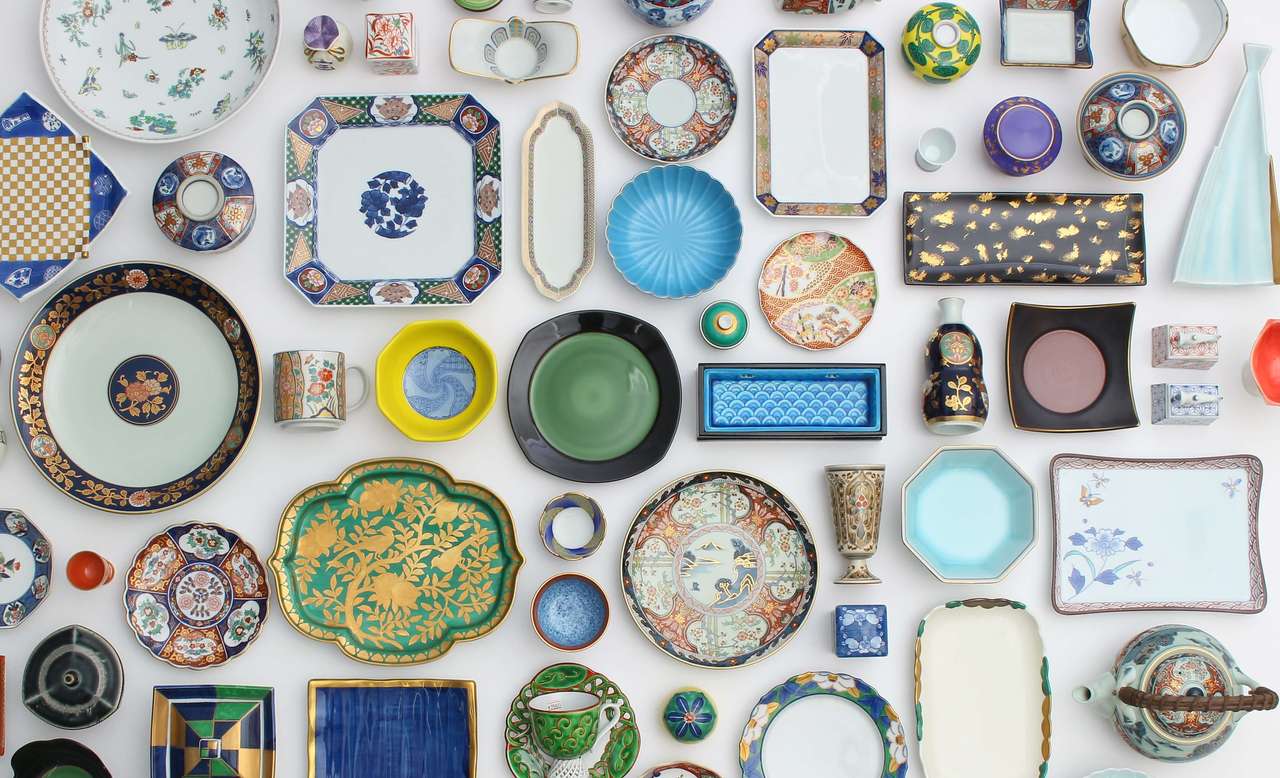
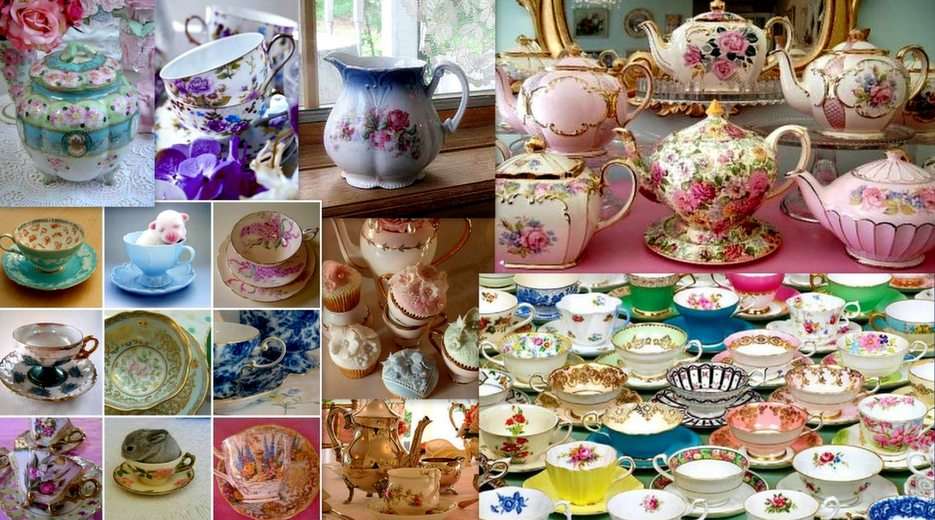
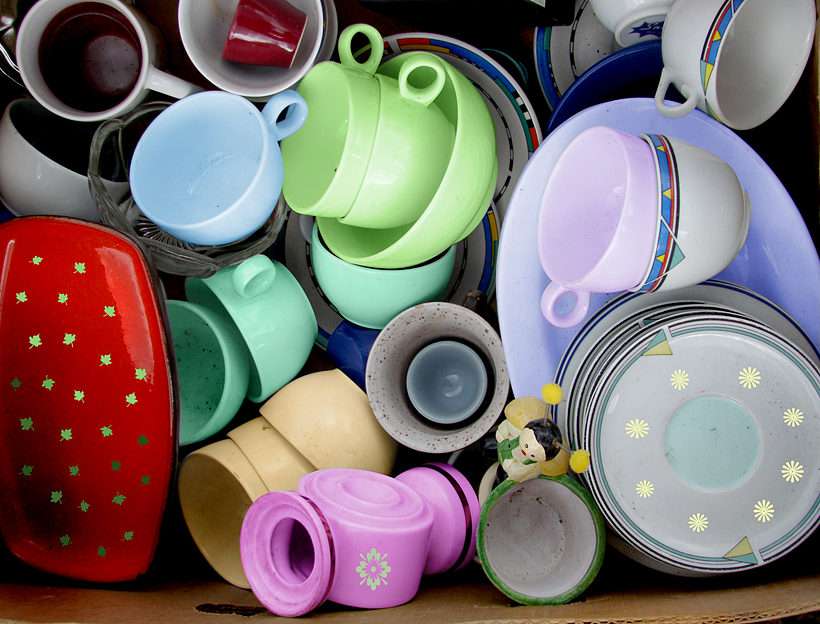
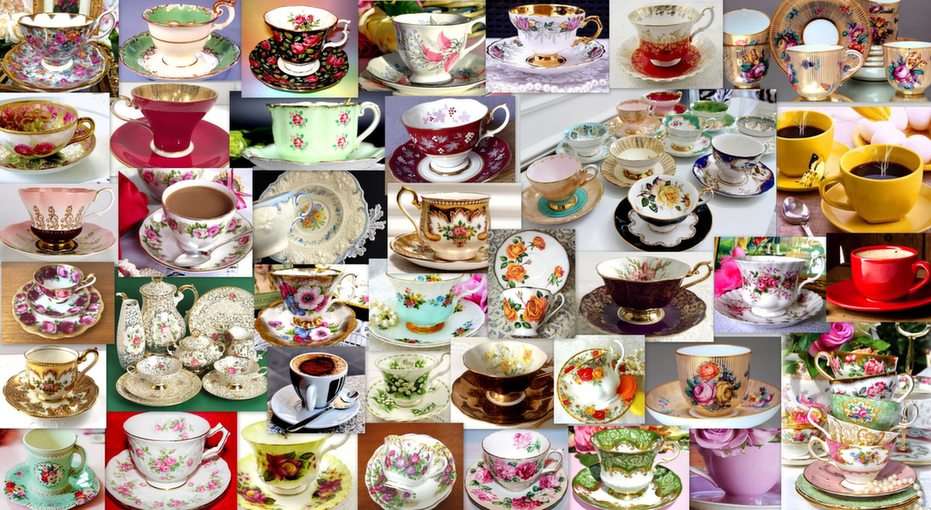
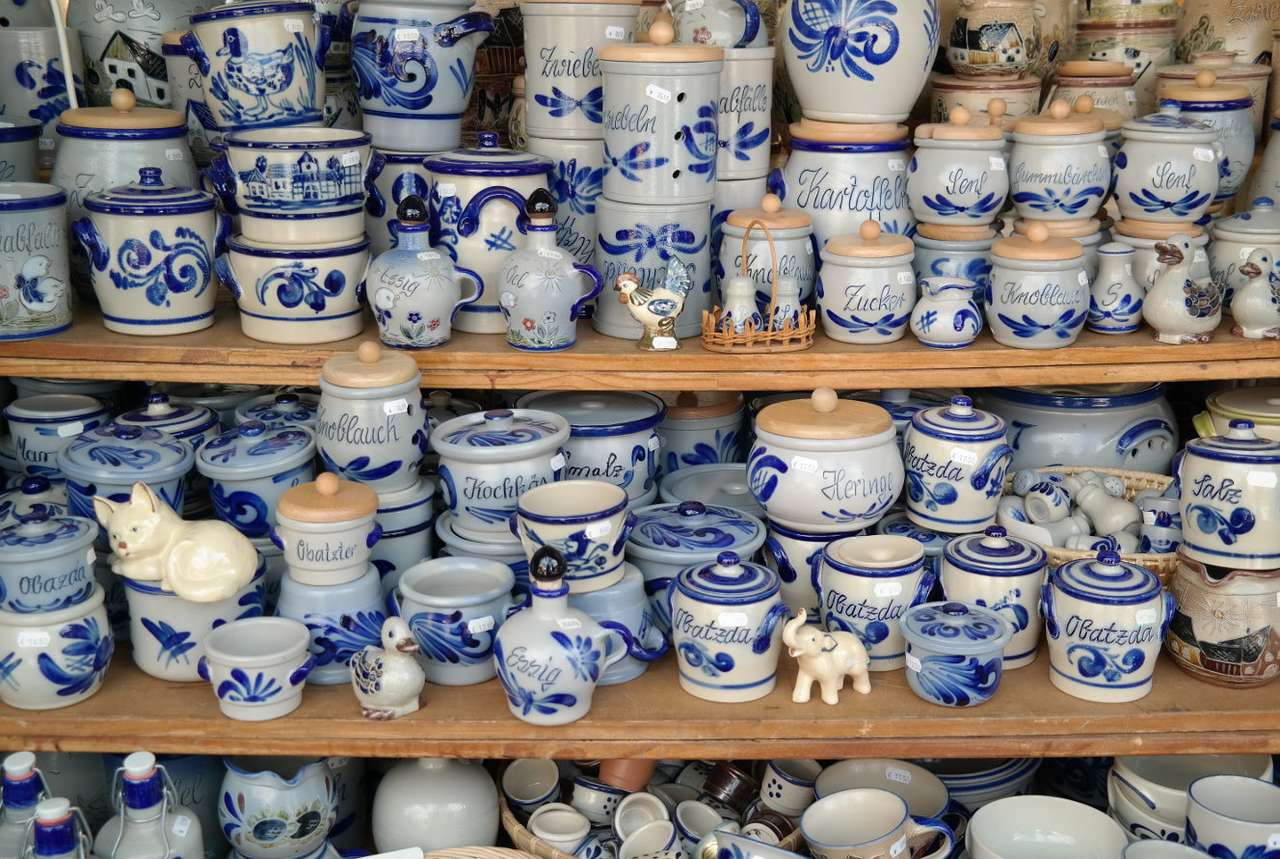
Porcelain online puzzle
60Porcelainsolved 848 times
Solve puzzle
Śniadanko in the Monastery online puzzle
28Śniadanko in the Monasterysolved 848 times
Solve puzzle
Easter card online puzzle
15Easter cardsolved 844 times
Solve puzzle
Soup - cream online puzzle
96Soup - creamsolved 844 times
Solve puzzle
Christmas balls online puzzle
16Christmas ballssolved 841 times
Solve puzzle
Images puzzle online from photo
255Imagessolved 838 times
Solve puzzle
pottery collection puzzle online from photo
126pottery collectionsolved 835 times
Solve puzzle
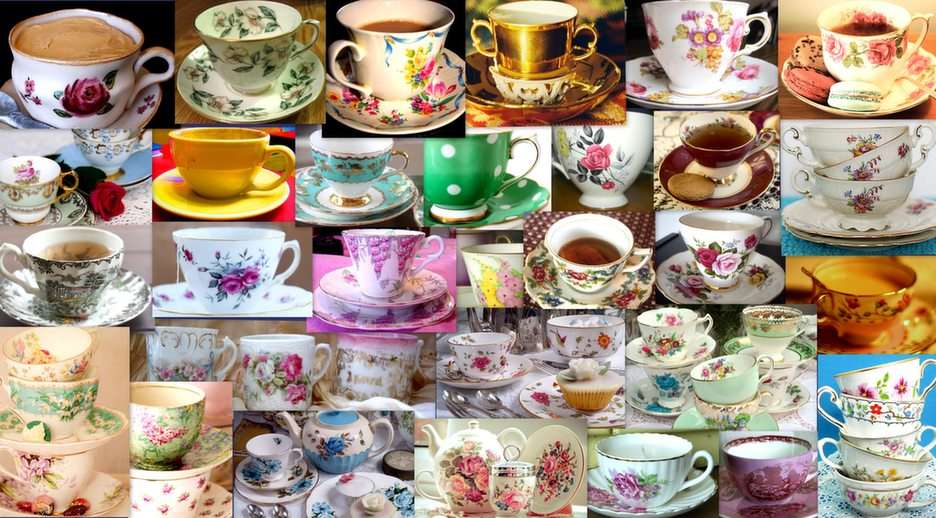
Porcelain puzzle online from photo
60Porcelainsolved 832 times
Solve puzzle
Mish mash puzzle online from photo
60Mish mashsolved 831 times
Solve puzzle
Colorful ceramic containers from Prague puzzle online from photo
150Colorful ceramic containers from Praguesolved 801 times
Solve puzzle
Porcelain ... or rather faience;)) puzzle online from photo
42Porcelain ... or rather faience;))solved 799 times
Solve puzzle
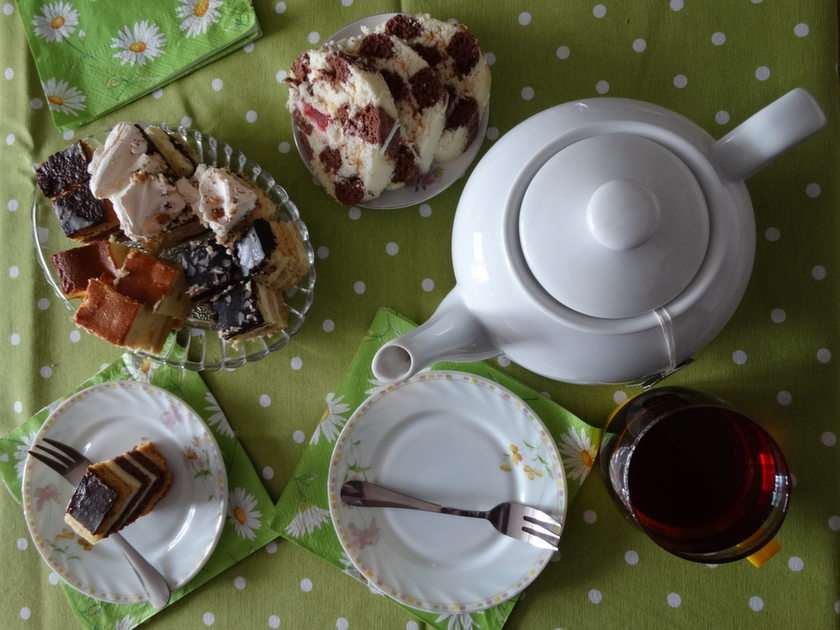
tea and cake online puzzle
48tea and cakesolved 791 times
Solve puzzle
Puzzle Mix puzzle online from photo
216Puzzle Mixsolved 787 times
Solve puzzle
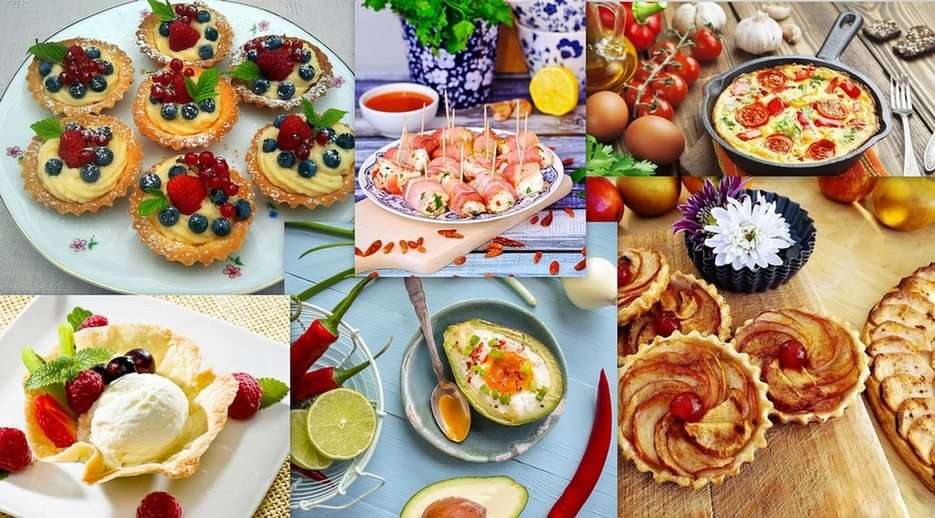
Something tasty for everyone online puzzle
255Something tasty for everyonesolved 777 times
Solve puzzle
Jigsaw Puzzle online puzzle
112Jigsaw Puzzlesolved 775 times
Solve puzzle
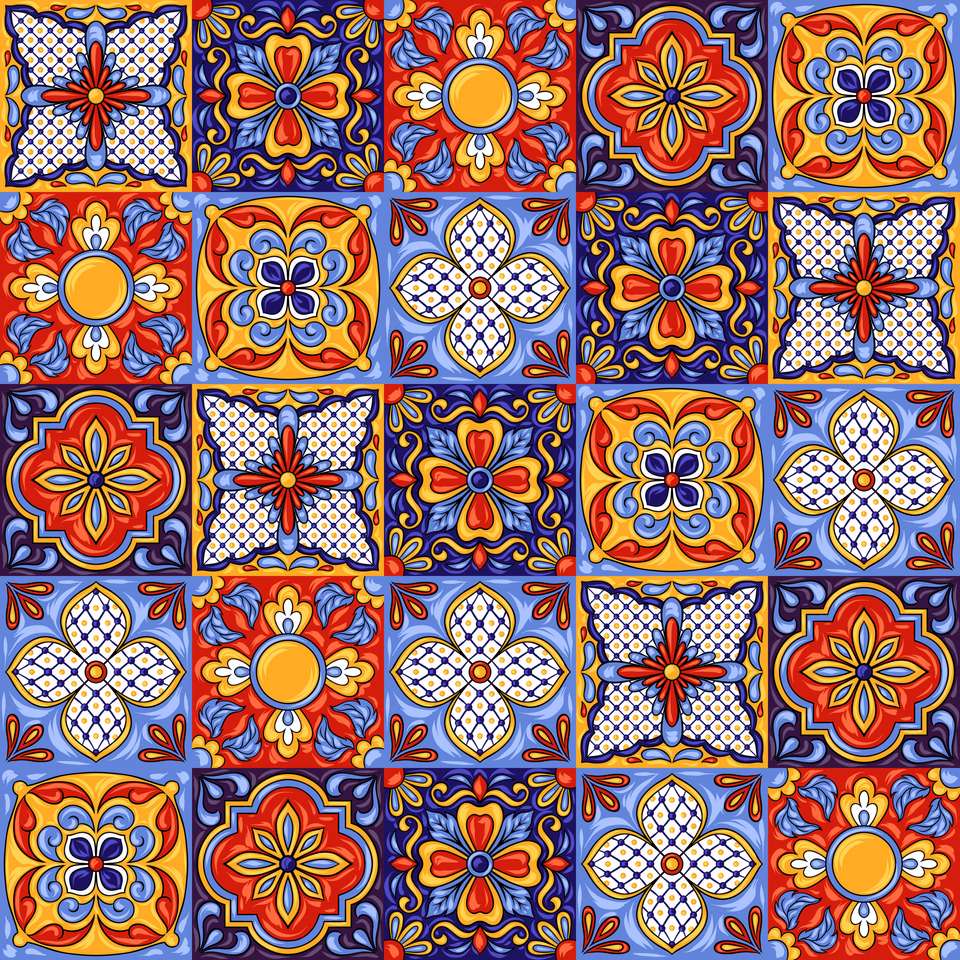
Mexican talavera ceramic tile pattern online puzzle
81Mexican talavera ceramic tile patternsolved 762 times
Solve puzzle
Something tasty for everyone online puzzle
170Something tasty for everyonesolved 753 times
Solve puzzle
Breakfast online puzzle
117Breakfastsolved 752 times
Solve puzzle
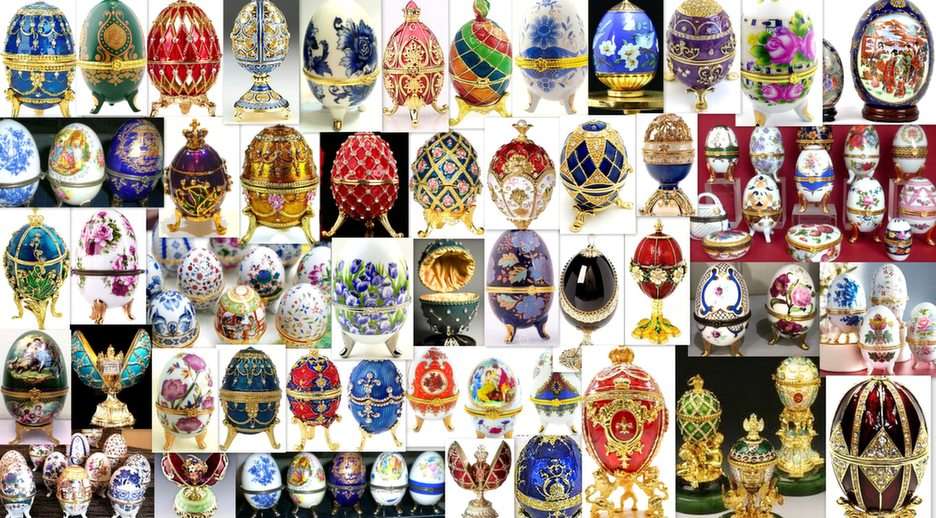
faberge eggs online puzzle
252faberge eggssolved 743 times
Solve puzzle
Ostrava-souvenir shop online puzzle
48Ostrava-souvenir shopsolved 742 times
Solve puzzle
Porcelain online puzzle
112Porcelainsolved 742 times
Solve puzzle
Cups puzzle online from photo
144Cupssolved 742 times
Solve puzzle
porcelain puzzle online from photo
28porcelainsolved 738 times
Solve puzzle
plates online puzzle
96platessolved 730 times
Solve puzzle
Colorful dishes puzzle online from photo
252Colorful dishessolved 730 times
Solve puzzle
Dishes at a stall in Nuremberg (Germany) online puzzle
176Dishes at a stall in Nuremberg (Germany)solved 729 times
Solve puzzle
Porcelain online puzzle
209Porcelainsolved 724 times
Solve puzzle
porcelain puzzle online from photo
252porcelainsolved 722 times
Solve puzzle
For breakfast online puzzle
169For breakfastsolved 721 times
Solve puzzle
Jigsaw Puzzle puzzle online from photo
112Jigsaw Puzzlesolved 716 times
Solve puzzle
Enjoy your meal online puzzle
96Enjoy your mealsolved 715 times
Solve puzzle
Food online puzzle
45Foodsolved 712 times
Solve puzzle
Painting puzzle online from photo
112Paintingsolved 707 times
Solve puzzle
Porcelain 1 puzzle online from photo
70Porcelain 1solved 691 times
Solve puzzle
plates online puzzle
16platessolved 690 times
Solve puzzle
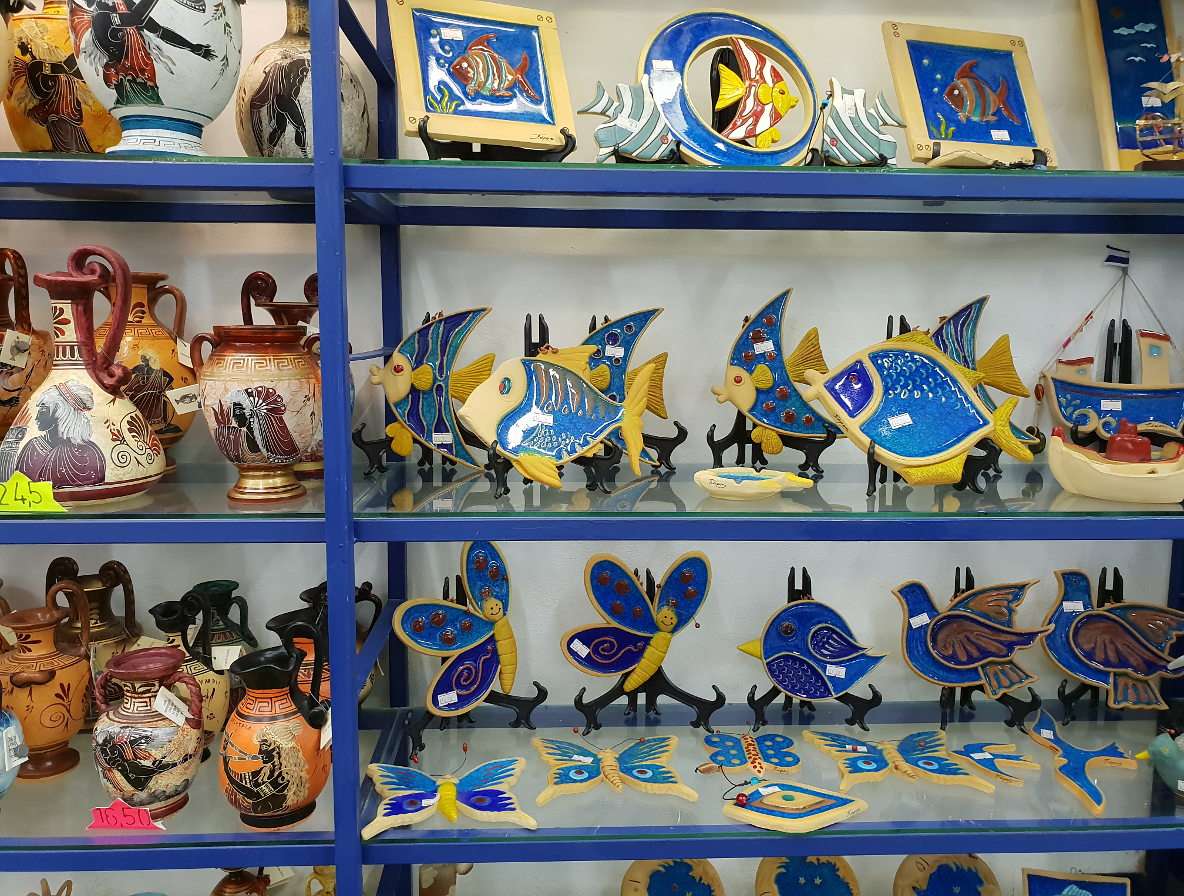
Greek souvenir shop online puzzle
224Greek souvenir shopsolved 684 times
Solve puzzle
porcelain online puzzle
252porcelainsolved 684 times
Solve puzzle
Porcelain online puzzle
221Porcelainsolved 682 times
Solve puzzle
porcelain puzzle online from photo
252porcelainsolved 677 times
Solve puzzle
Porcelain online puzzle
252Porcelainsolved 674 times
Solve puzzle
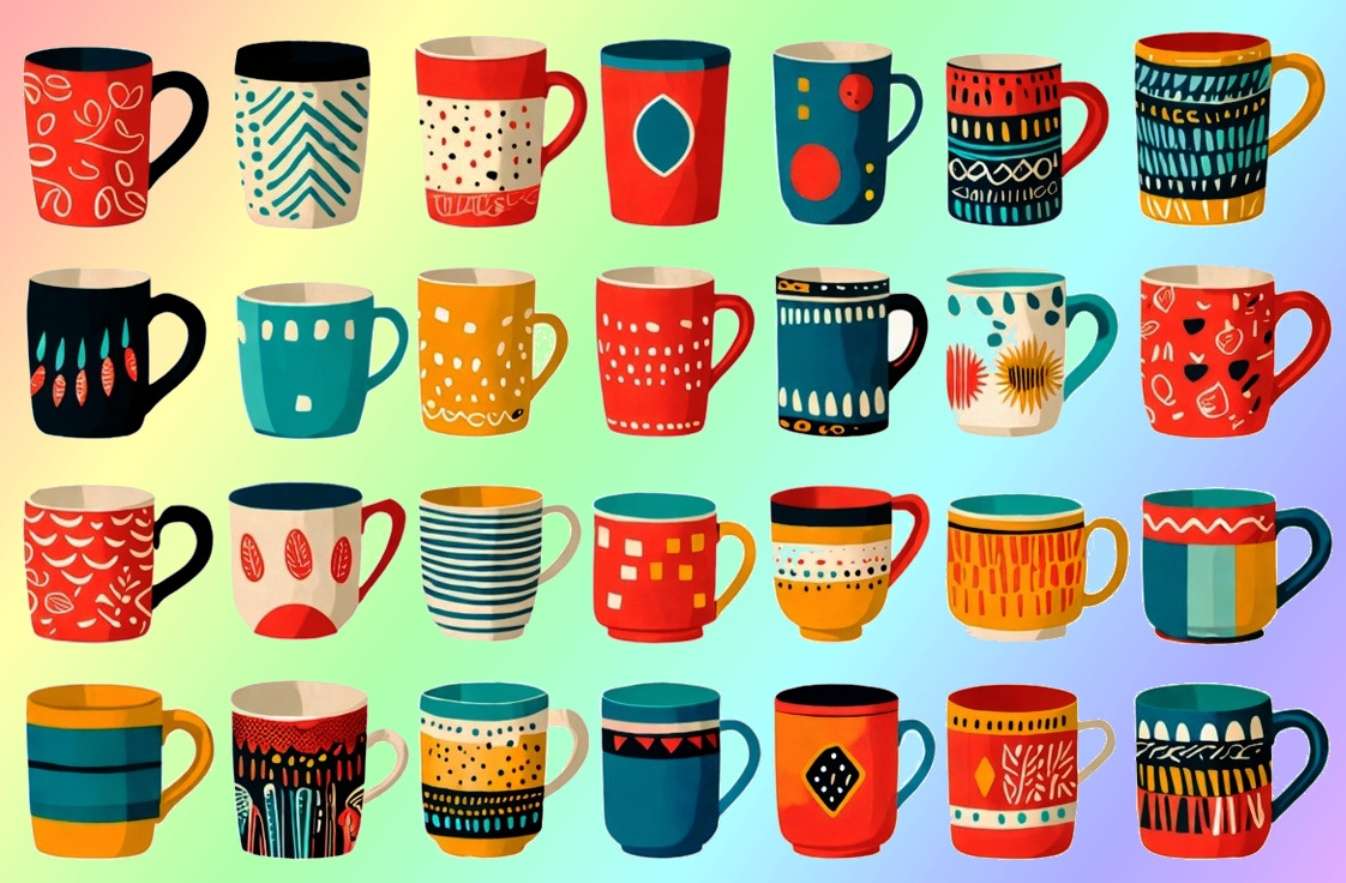
cups puzzle online from photo
88cupssolved 671 times
Solve puzzle
photos online puzzle
20photossolved 669 times
Solve puzzle
Vases puzzle online from photo
60Vasessolved 664 times
Solve puzzle
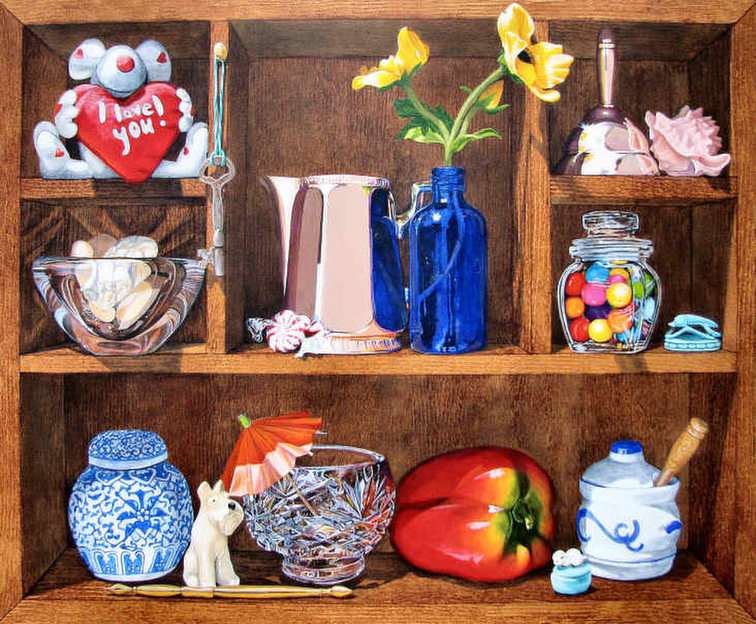
Bric à brac puzzle online from photo
56Bric à bracsolved 657 times
Solve puzzle
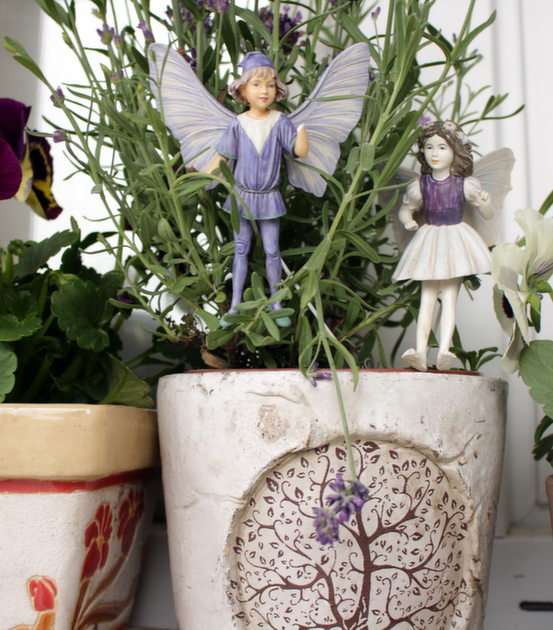
elves online puzzle
70elvessolved 656 times
Solve puzzle
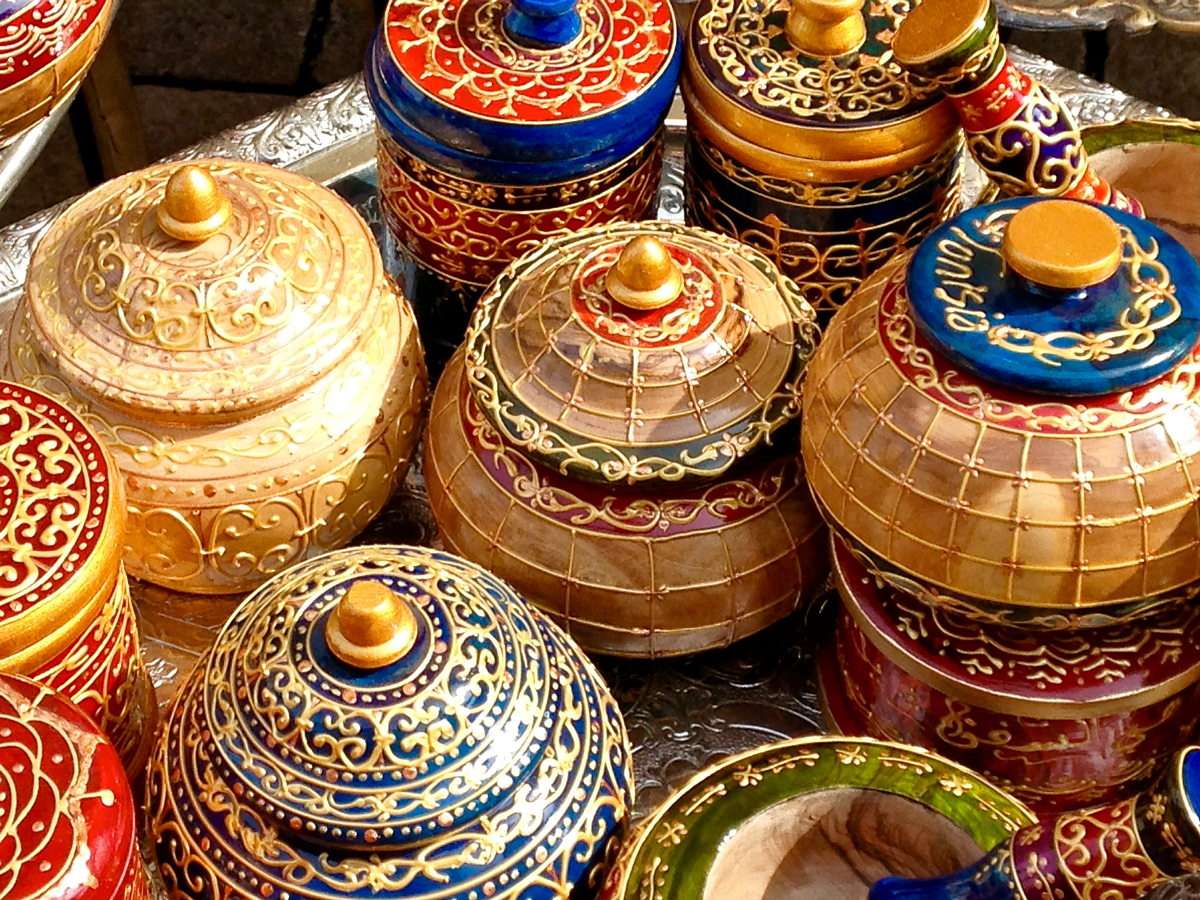
Decorative ceramic tableware, Mediterranean crafts puzzle online from photo
150Decorative ceramic tableware, Mediterranean craftssolved 651 times
Solve puzzle
Still life online puzzle
100Still lifesolved 641 times
Solve puzzle

Online puzzle Porcelain

Porcelain

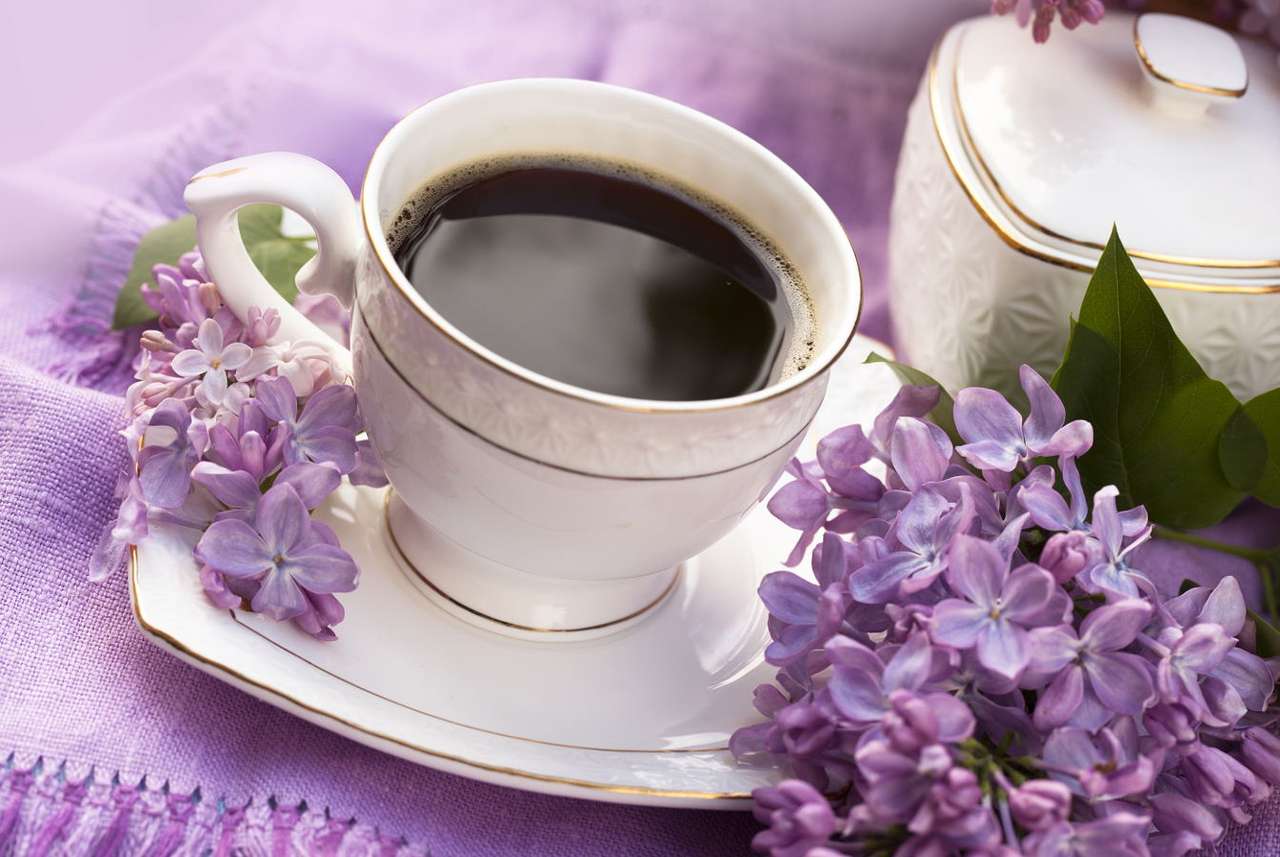
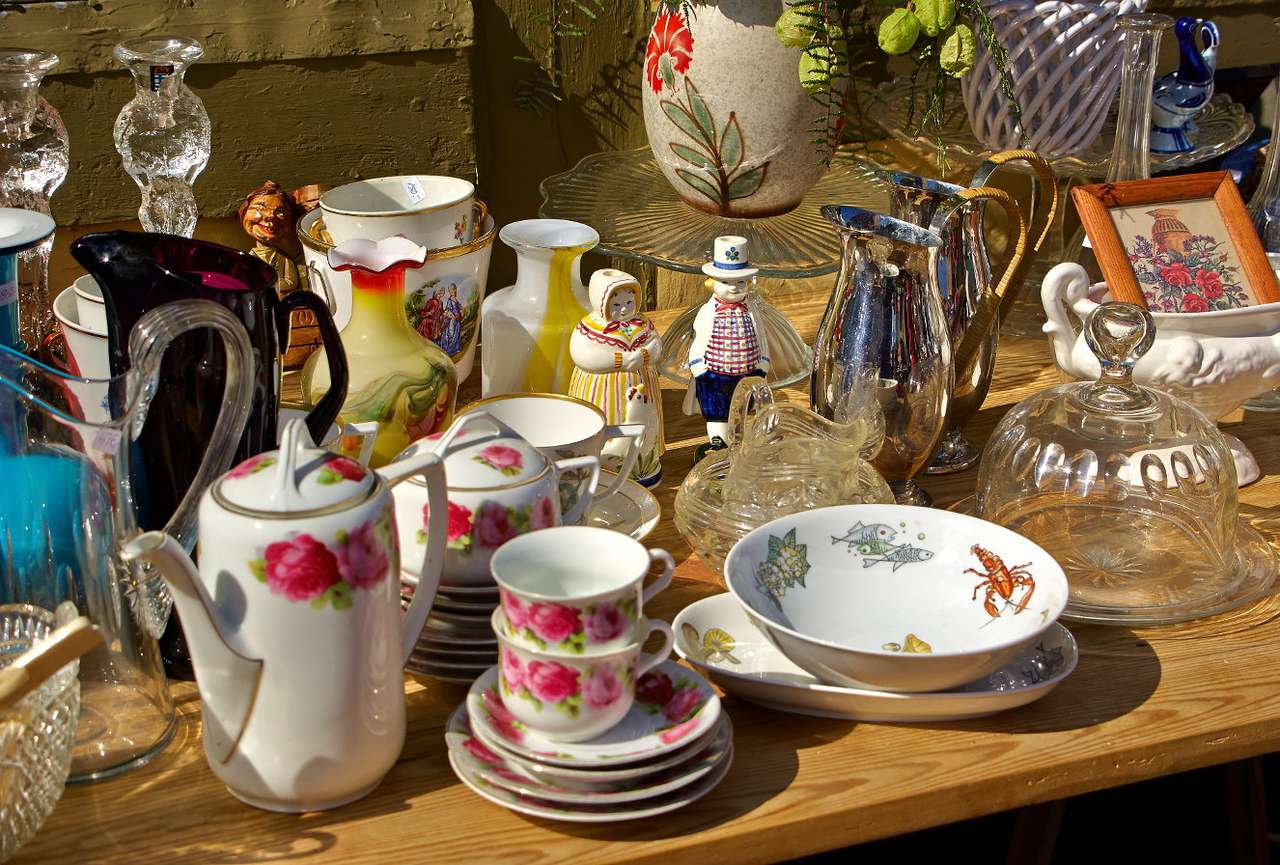
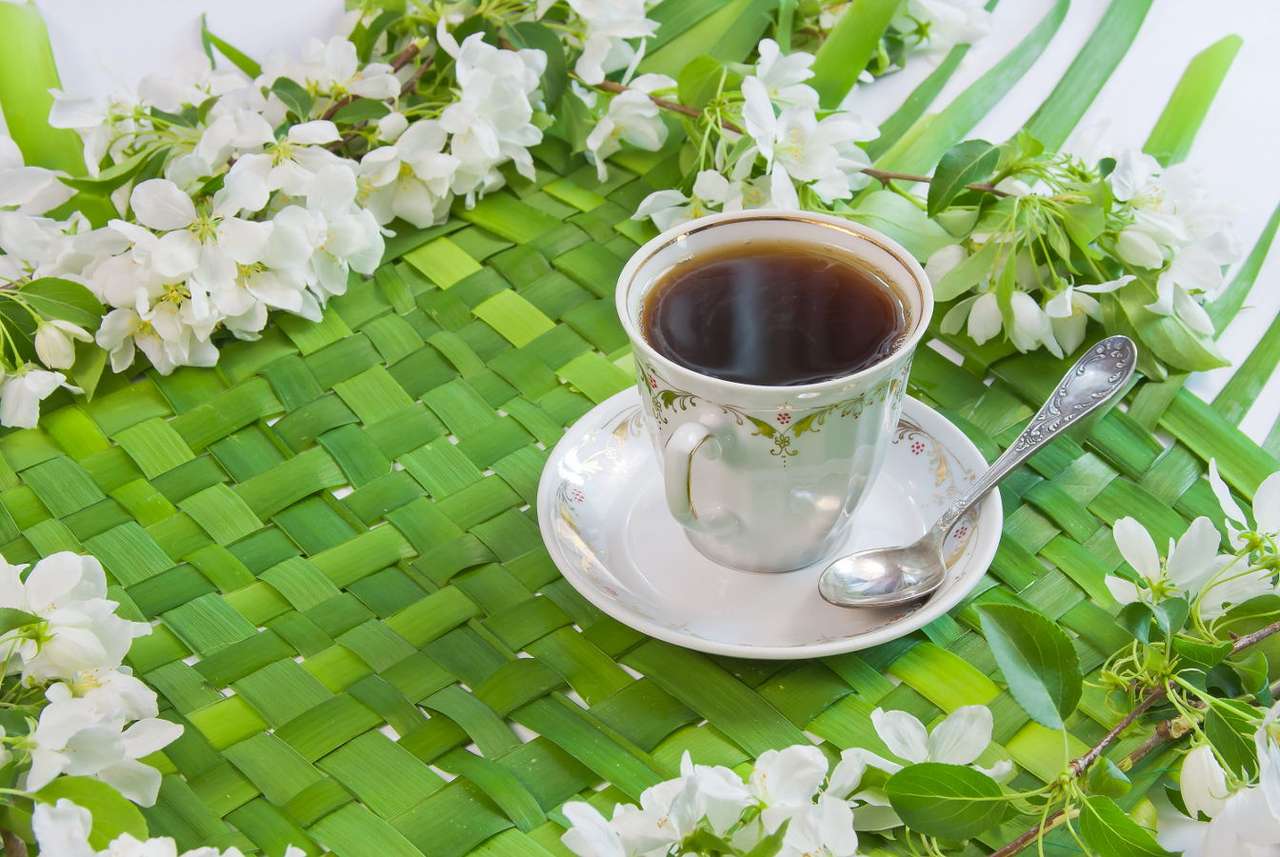
Porcelain () is a ceramic material made by heating raw materials, generally including kaolinite, in a kiln to temperatures between 1,200 and 1,400 °C (2,200 and 2,600 °F). The greater strength and translucence of porcelain, relative to other types of pottery, arise mainly from vitrification and the formation of the mineral mullite within the body at these high temperatures. End applications include tableware, decorative ware such as figurines, and products in technology and industry such as electrical insulators and laboratory ware.

The manufacturing process used for porcelain are similar to those used for earthenware and stoneware, the two other main types of pottery, although it can be more challenging to produce. It has usually been regarded as the most prestigious type of pottery due to its delicacy, strength, and high degree of whiteness. It is frequently both glazed and decorated.

Though definitions vary, porcelain can be divided into three main categories: hard-paste, soft-paste, and bone china. The categories differ by the composition of the body and the firing conditions.

Porcelain slowly evolved in China and was finally achieved (depending on the definition used) at some point about 2,000 to 1,200 years ago. It slowly spread to other East Asian countries, then to Europe, and eventually to the rest of the world. The European name, porcelain in English, comes from the old Italian porcellana (cowrie shell) because of its resemblance to the surface of the shell. Porcelain is also referred to as china or fine china in some English-speaking countries, as it was first seen in imports from China during the 17th century. Properties associated with porcelain include low permeability and elasticity; considerable strength, hardness, whiteness, translucency, and resonance; and a high resistance to corrosive chemicals and thermal shock.

Porcelain has been described as being "completely vitrified, hard, impermeable (even before glazing), white or artificially coloured, translucent (except when of considerable thickness), and resonant". However, the term "porcelain" lacks a universal definition and has "been applied in an unsystematic fashion to substances of diverse kinds that have only certain surface-qualities in common".Traditionally, East Asia only classifies pottery into low-fired wares (earthenware) and high-fired wares (often translated as porcelain), the latter also including what Europeans call "stoneware", which is high-fired but not generally white or translucent. Terms such as "proto-porcelain", "porcellaneous", or "near-porcelain" may be used in cases where the ceramic body approaches whiteness and translucency.In 2021, the global market for porcelain tableware was estimated to be worth US$22.1 billion.