Reptile - online puzzles
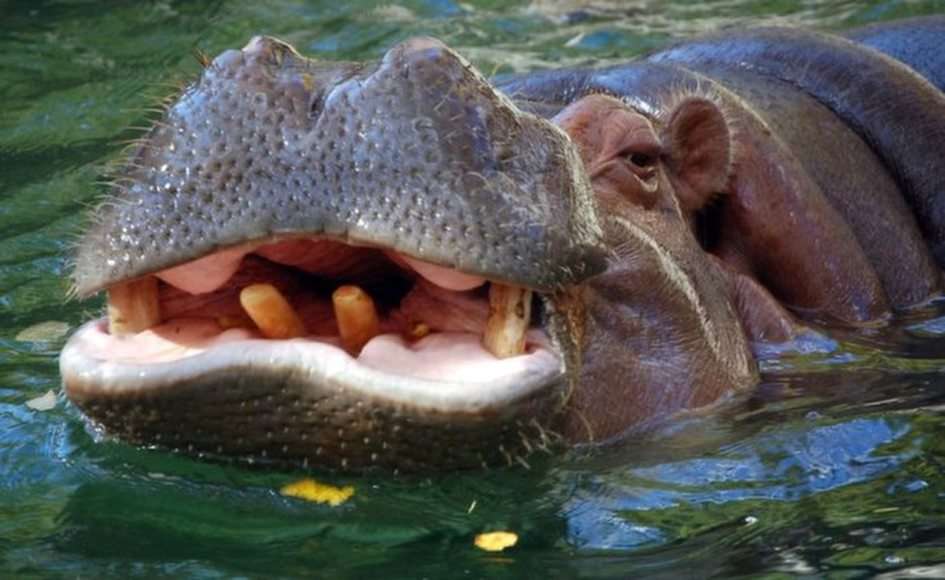
Hippo in water online puzzle
35Hippo in watersolved 21 times
Solve puzzle
Buffalo in water online puzzle
88Buffalo in watersolved 21 times
Solve puzzle
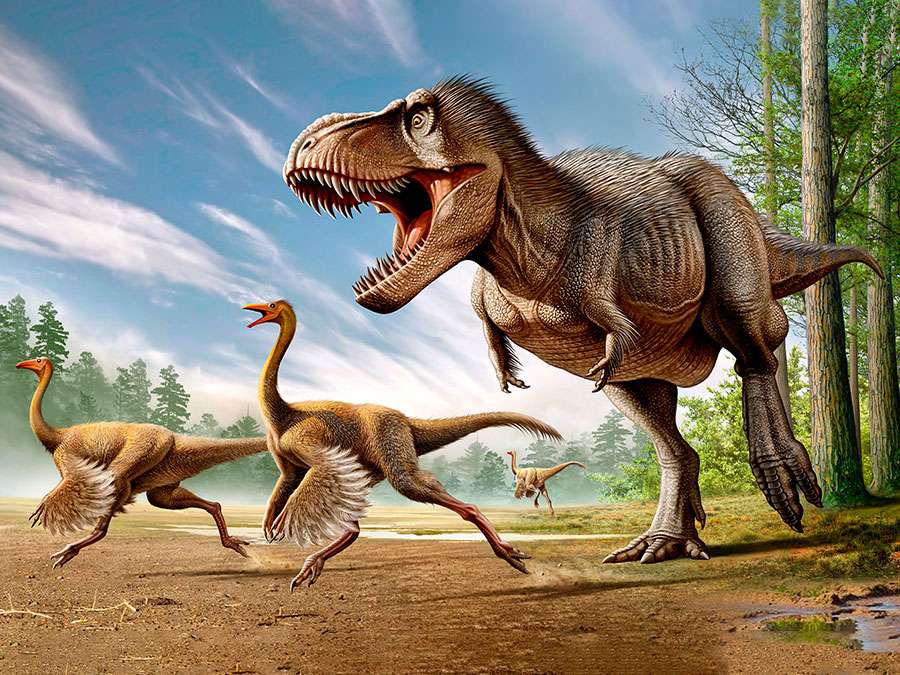
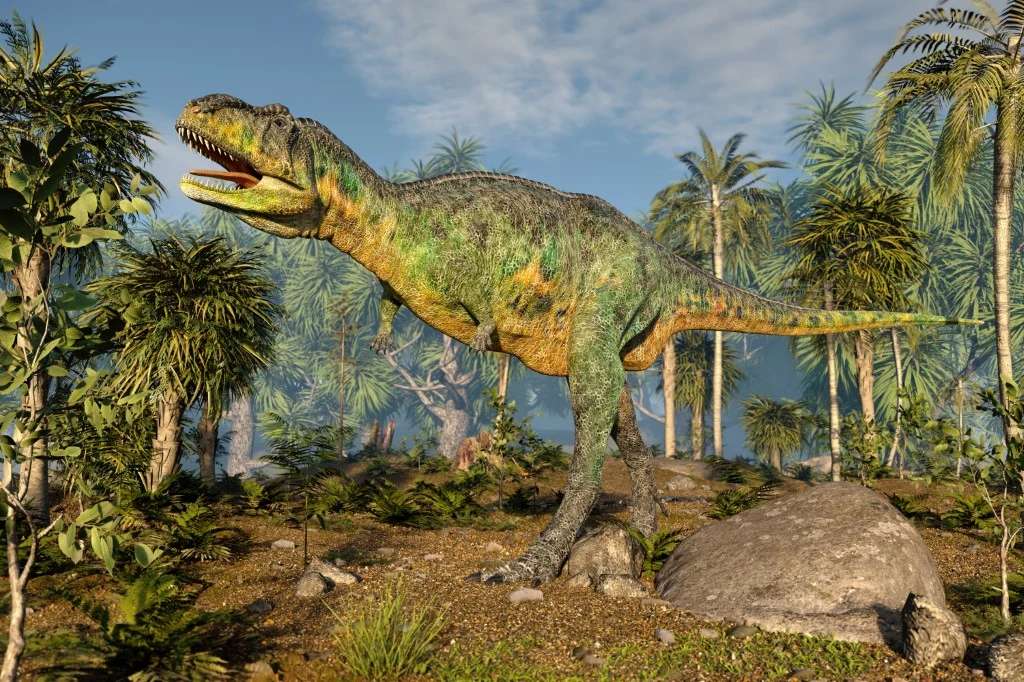
Dinosaur online puzzle
154Dinosaursolved 21 times
Solve puzzle
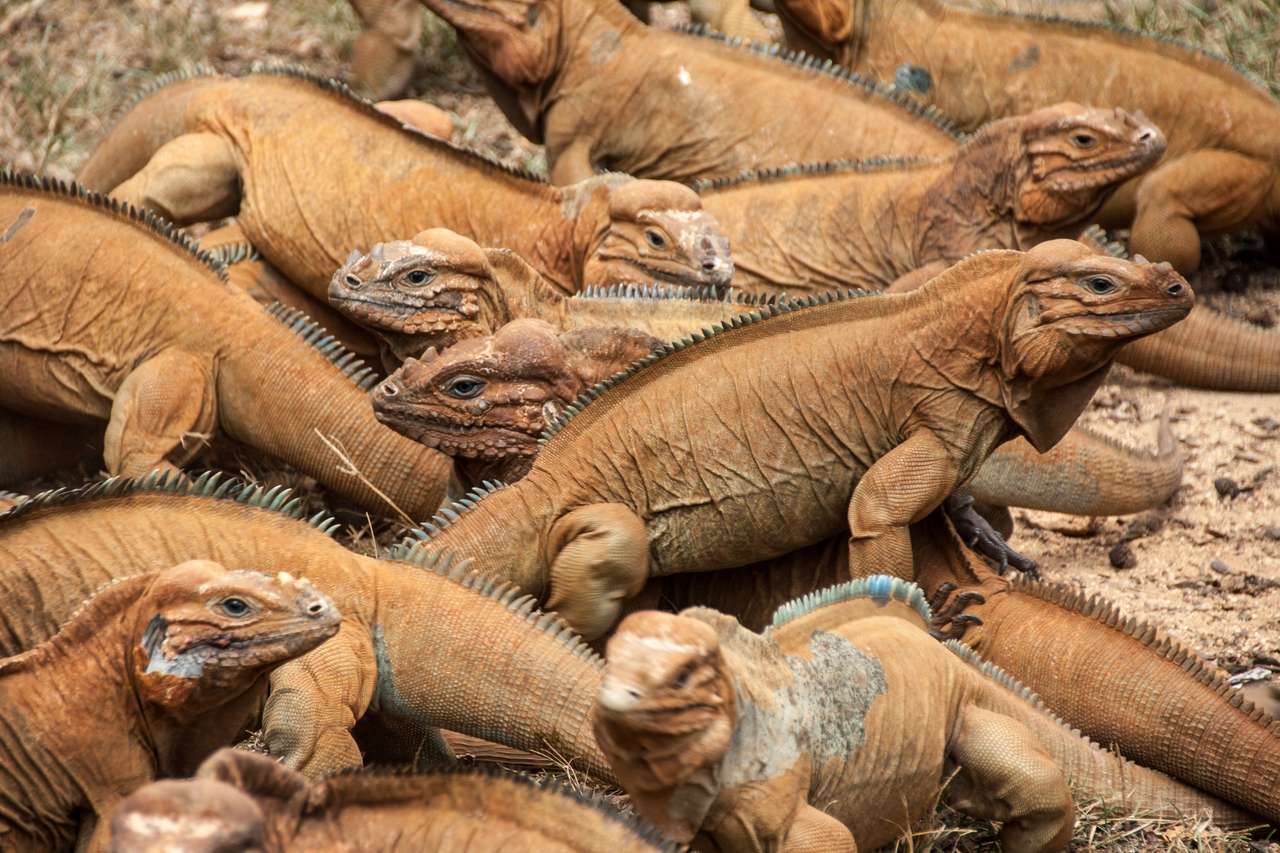
Group of Rhinoceros iguana. Cyclura cornuta online puzzle
70Group of Rhinoceros iguana. Cyclura cornutasolved 21 times
Solve puzzle
cimarron online puzzle
30cimarronsolved 21 times
Solve puzzle
let's save our home puzzle online from photo
36let's save our homesolved 21 times
Solve puzzle
Keys in Hands online puzzle
40Keys in Handssolved 21 times
Solve puzzle
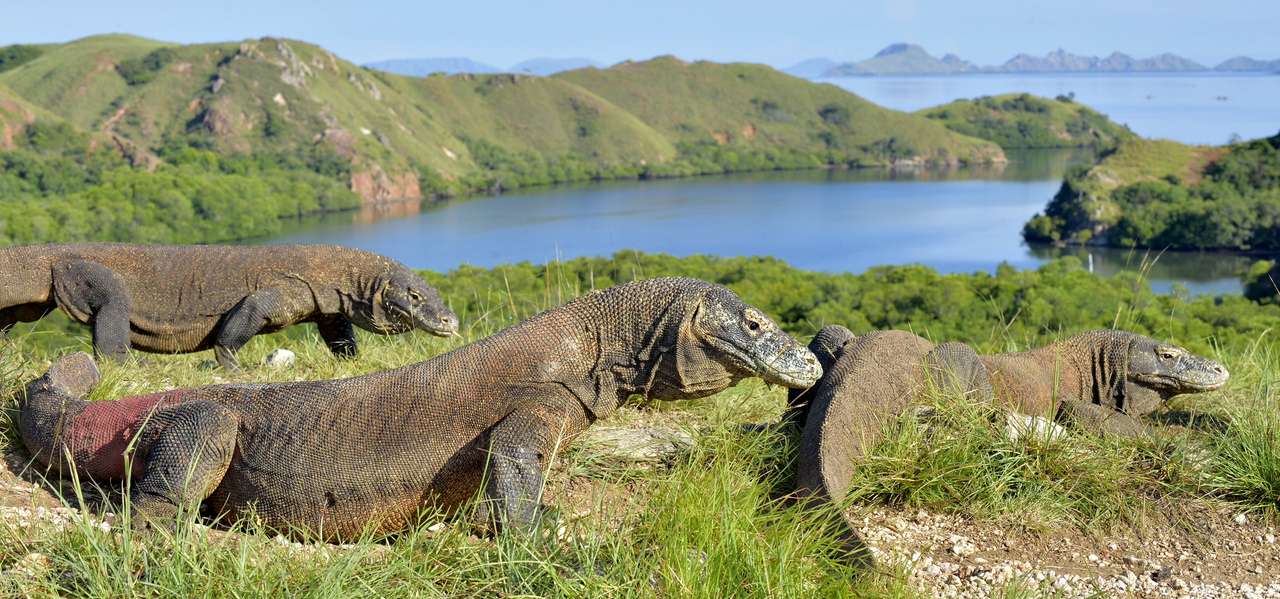
Komodo Dragon puzzle online from photo
154Komodo Dragonsolved 21 times
Solve puzzle
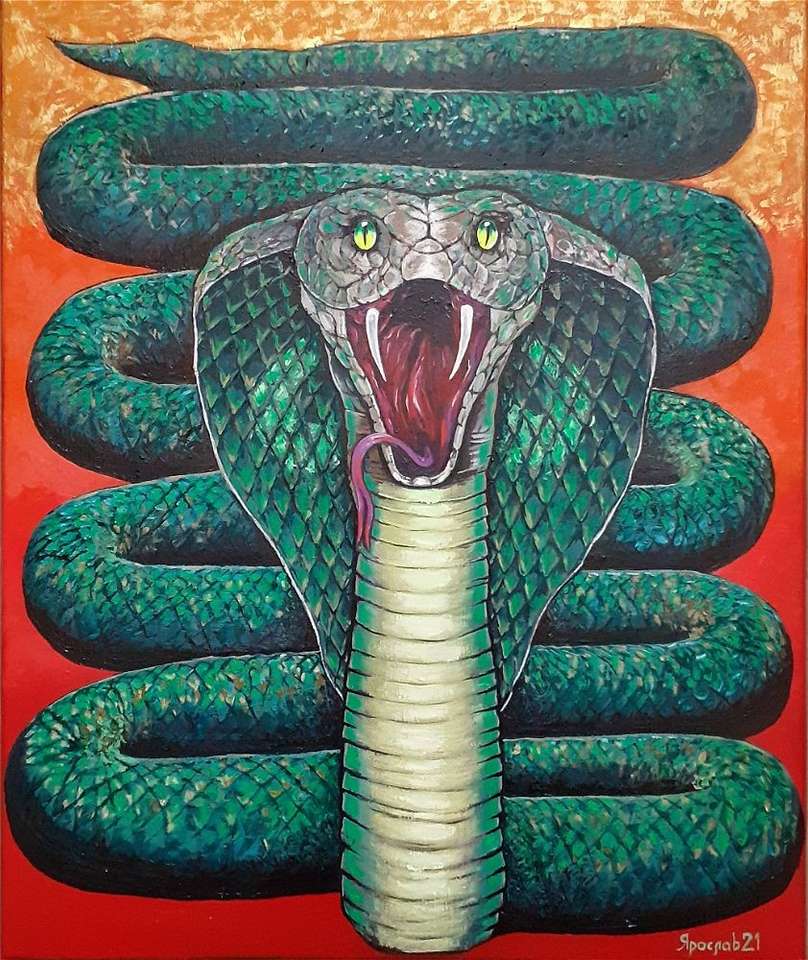
Colorful snake puzzle online from photo
154Colorful snakesolved 21 times
Solve puzzle
For my brother 22 online puzzle
170For my brother 22solved 21 times
Solve puzzle
Reptile Puzzle puzzle online from photo
110Reptile Puzzlesolved 21 times
Solve puzzle
Dinosaurs puzzle online from photo
35Dinosaurssolved 21 times
Solve puzzle
Prugne dirigibile online puzzle
180Prugne dirigibilesolved 21 times
Solve puzzle
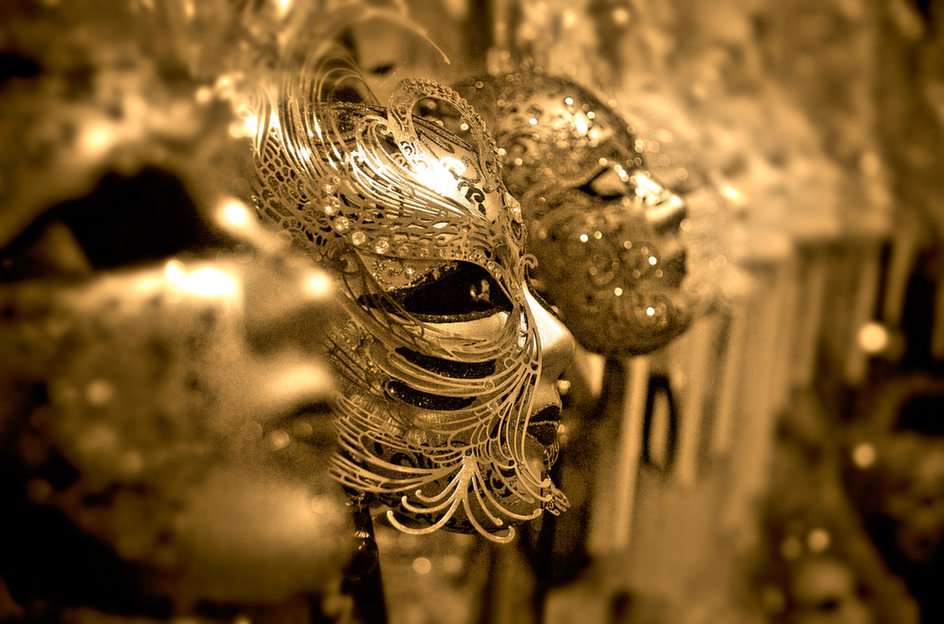
Masquerade online puzzle
48Masqueradesolved 20 times
Solve puzzle
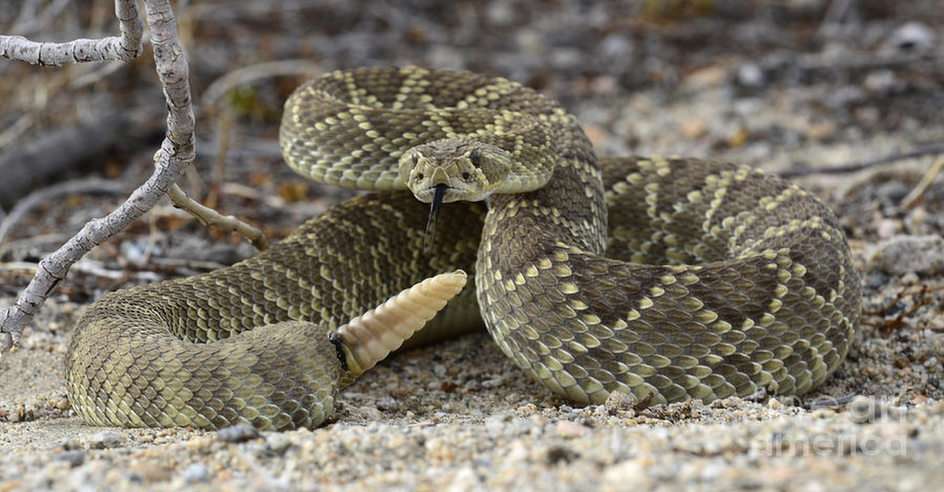
Rattlesnake online puzzle
48Rattlesnakesolved 20 times
Solve puzzle
Finding Nemo online puzzle
144Finding Nemosolved 20 times
Solve puzzle
qsdfghjkl puzzle online from photo
28qsdfghjklsolved 20 times
Solve puzzle
Coed logo online puzzle
144Coed logosolved 20 times
Solve puzzle
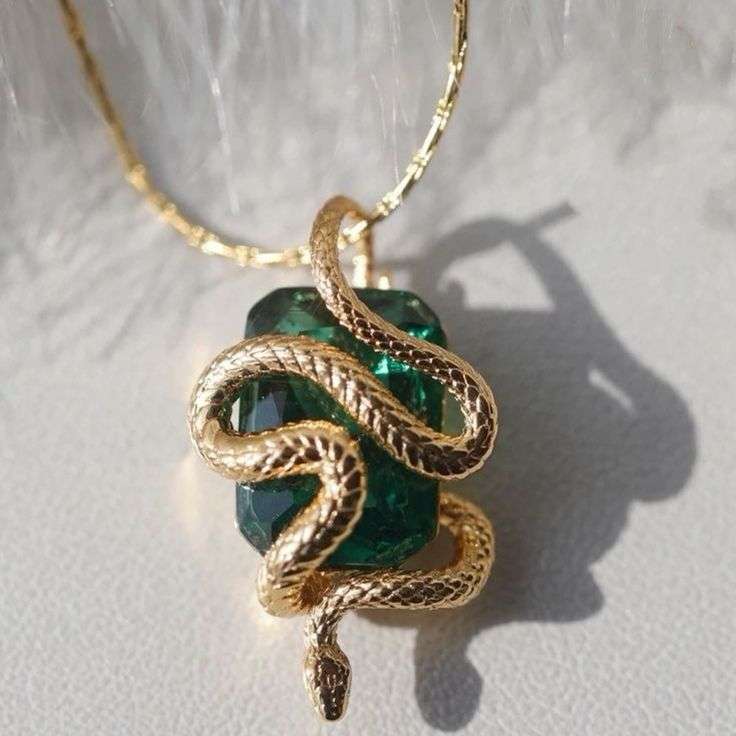
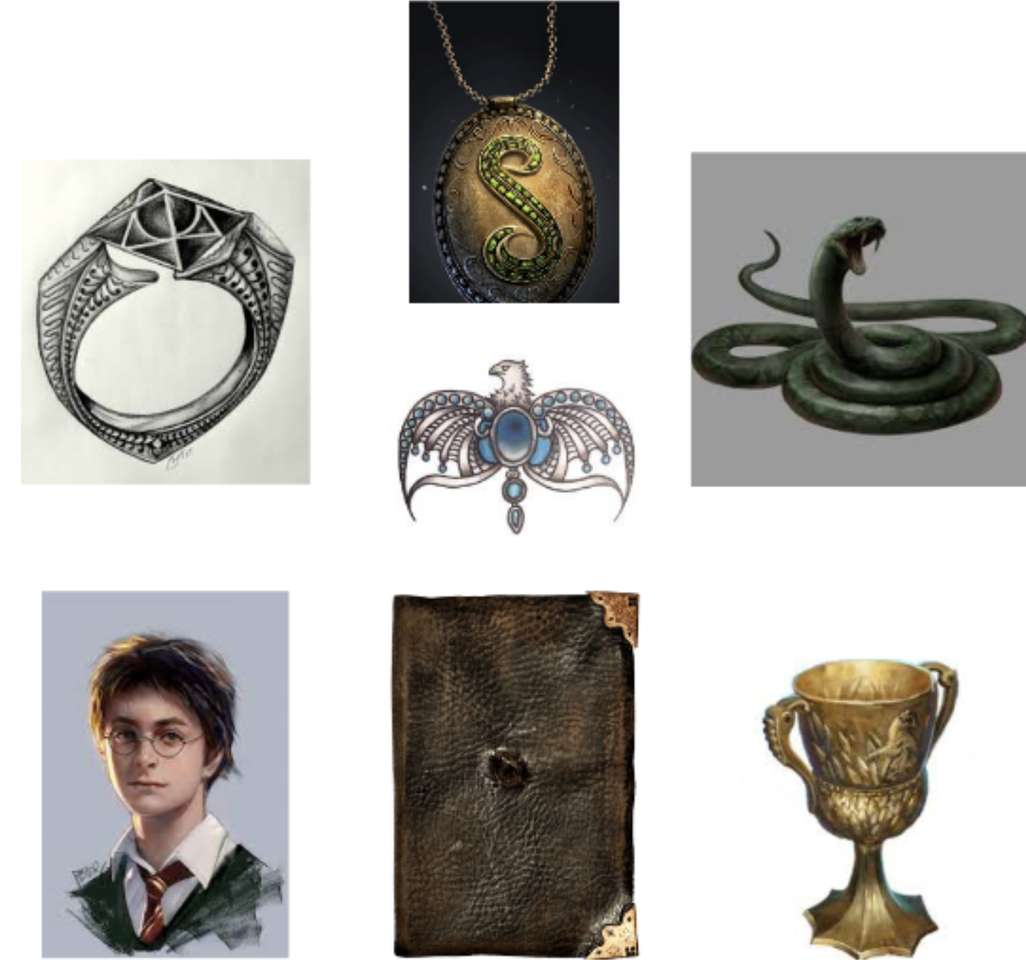
Fun Slytherin puzzle online from photo
169Fun Slytherinsolved 20 times
Solve puzzle
logoour online puzzle
121logooursolved 20 times
Solve puzzle
flamingo puzzle online from photo
16flamingosolved 20 times
Solve puzzle
safe shelly puzzle online from photo
16safe shellysolved 20 times
Solve puzzle
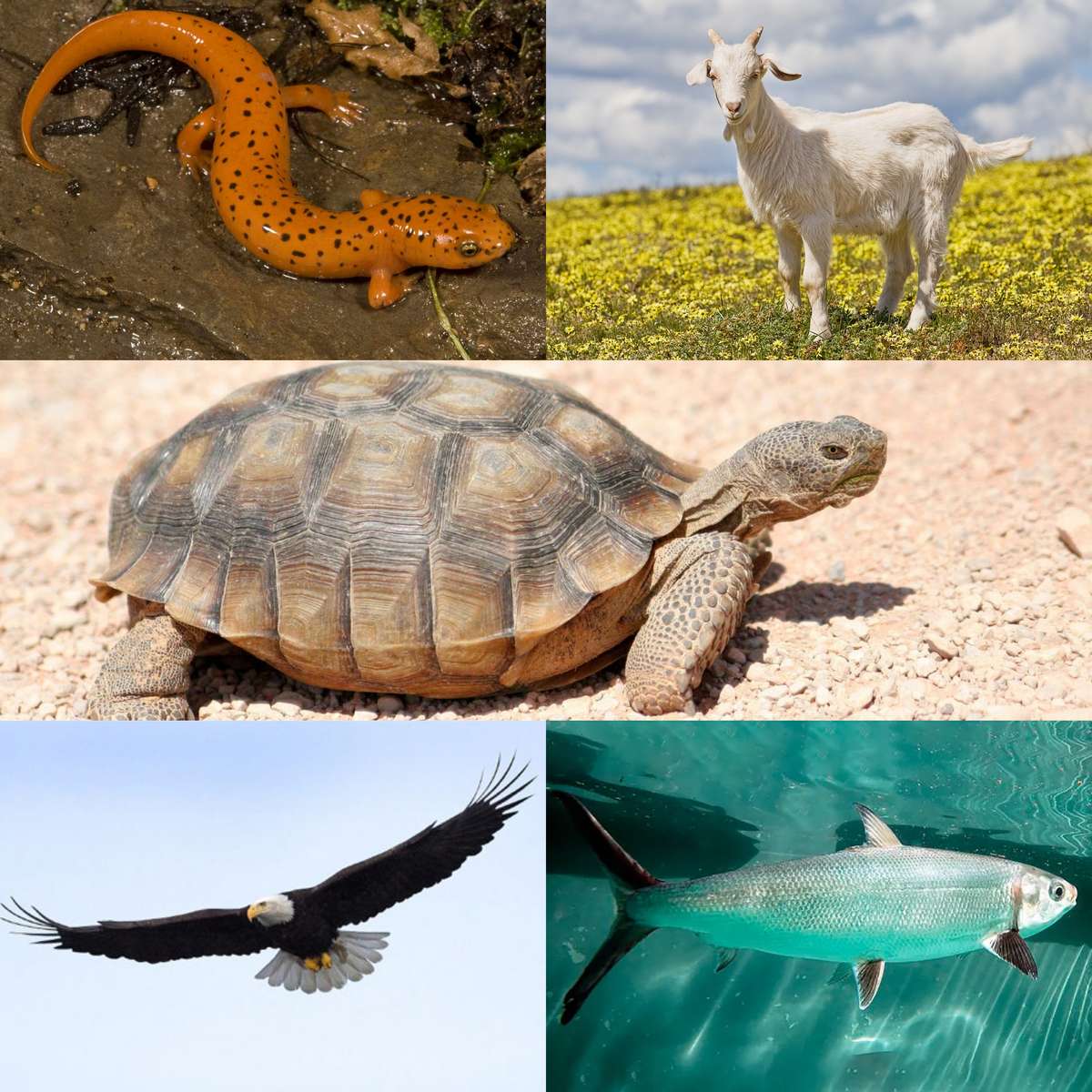
The Vertebrates puzzle online from photo
169The Vertebratessolved 20 times
Solve puzzle
Ninja Cat 2 online puzzle
144Ninja Cat 2solved 20 times
Solve puzzle
TURTLE - CHILDREN puzzle online from photo
110TURTLE - CHILDRENsolved 20 times
Solve puzzle
snake in elegance online puzzle
121snake in elegancesolved 20 times
Solve puzzle
Danger Below puzzle online from photo
48Danger Belowsolved 19 times
Solve puzzle
animals 5 online puzzle
35animals 5solved 19 times
Solve puzzle
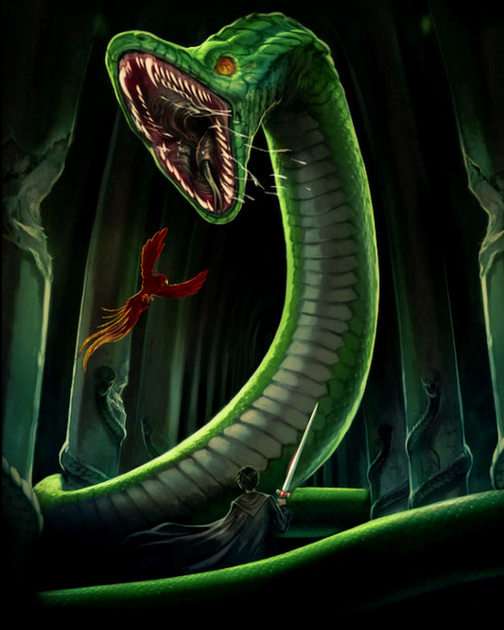
the chamber of Secrets online puzzle
63the chamber of Secretssolved 19 times
Solve puzzle
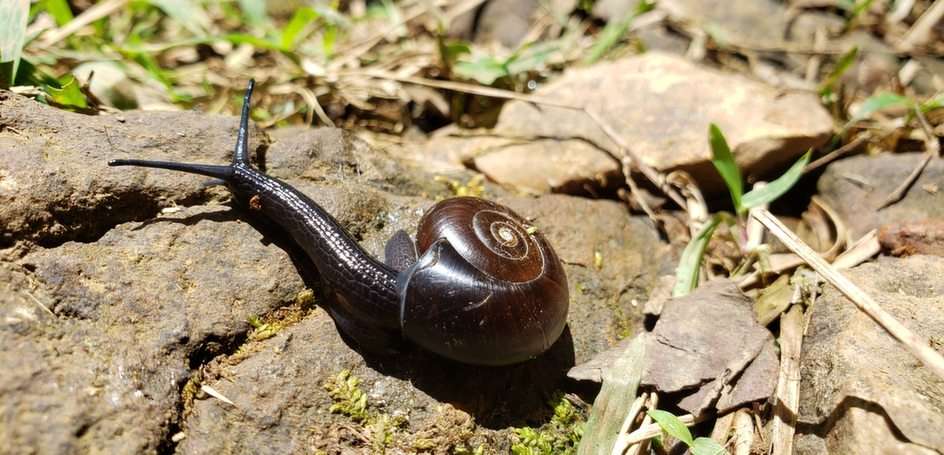
Caracol puzzle online from photo
40Caracolsolved 19 times
Solve puzzle
Fry puzzle online from photo
100Frysolved 19 times
Solve puzzle
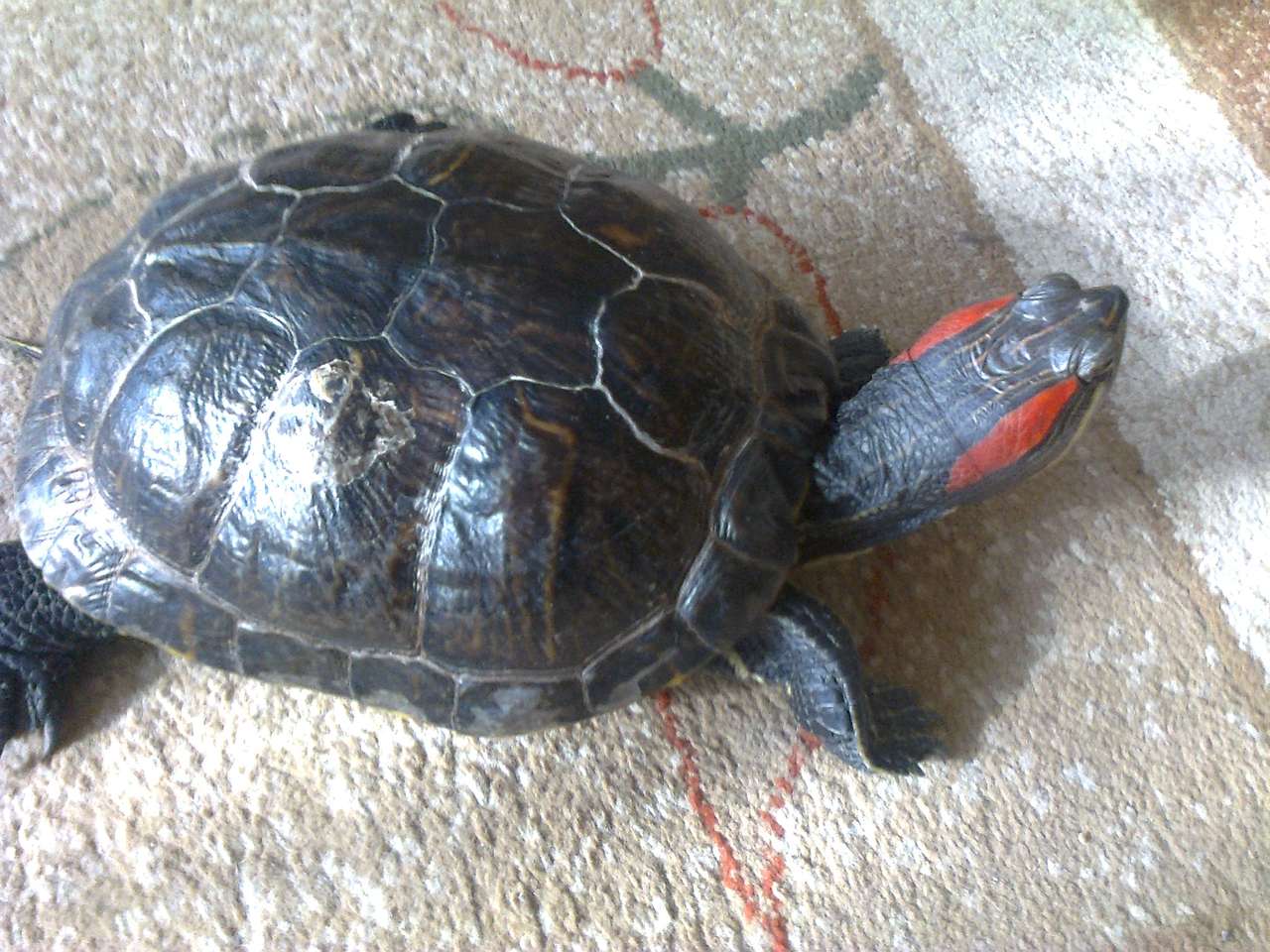
Red -landed turtle puzzle online from photo
154Red -landed turtlesolved 19 times
Solve puzzle
Komodo dragon in natural habitat online puzzle
136Komodo dragon in natural habitatsolved 19 times
Solve puzzle
dinosaurs puzzle online from photo
121dinosaurssolved 19 times
Solve puzzle
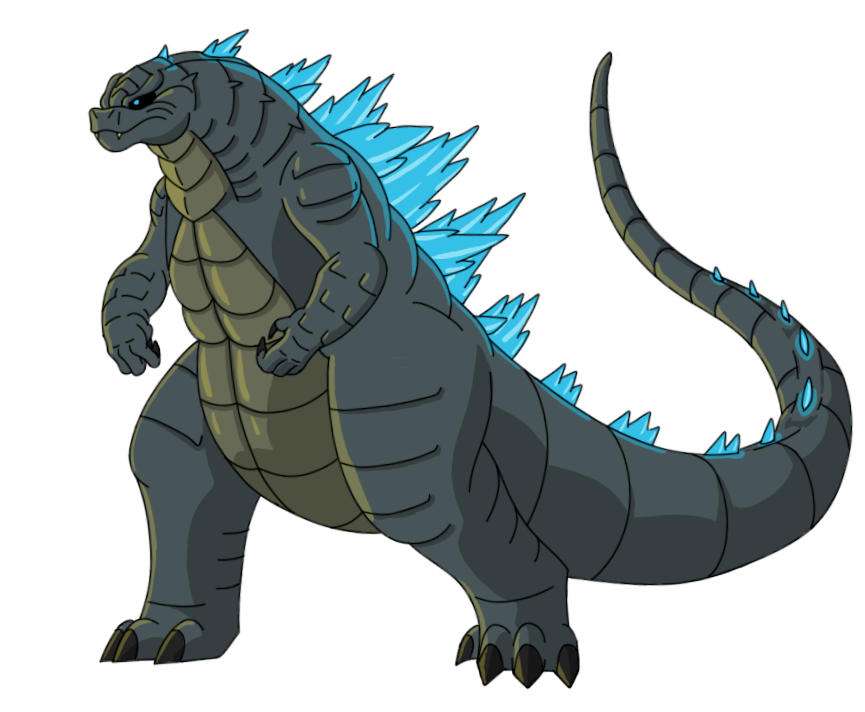
Godzilla puzzle puzzle online from photo
90Godzilla puzzlesolved 19 times
Solve puzzle
From the islands puzzle online from photo
42From the islandssolved 18 times
Solve puzzle
Popiełek online puzzle
35Popiełeksolved 18 times
Solve puzzle
Desert Habitat online puzzle
154Desert Habitatsolved 18 times
Solve puzzle
Group 1 Puzzle online puzzle
130Group 1 Puzzlesolved 18 times
Solve puzzle
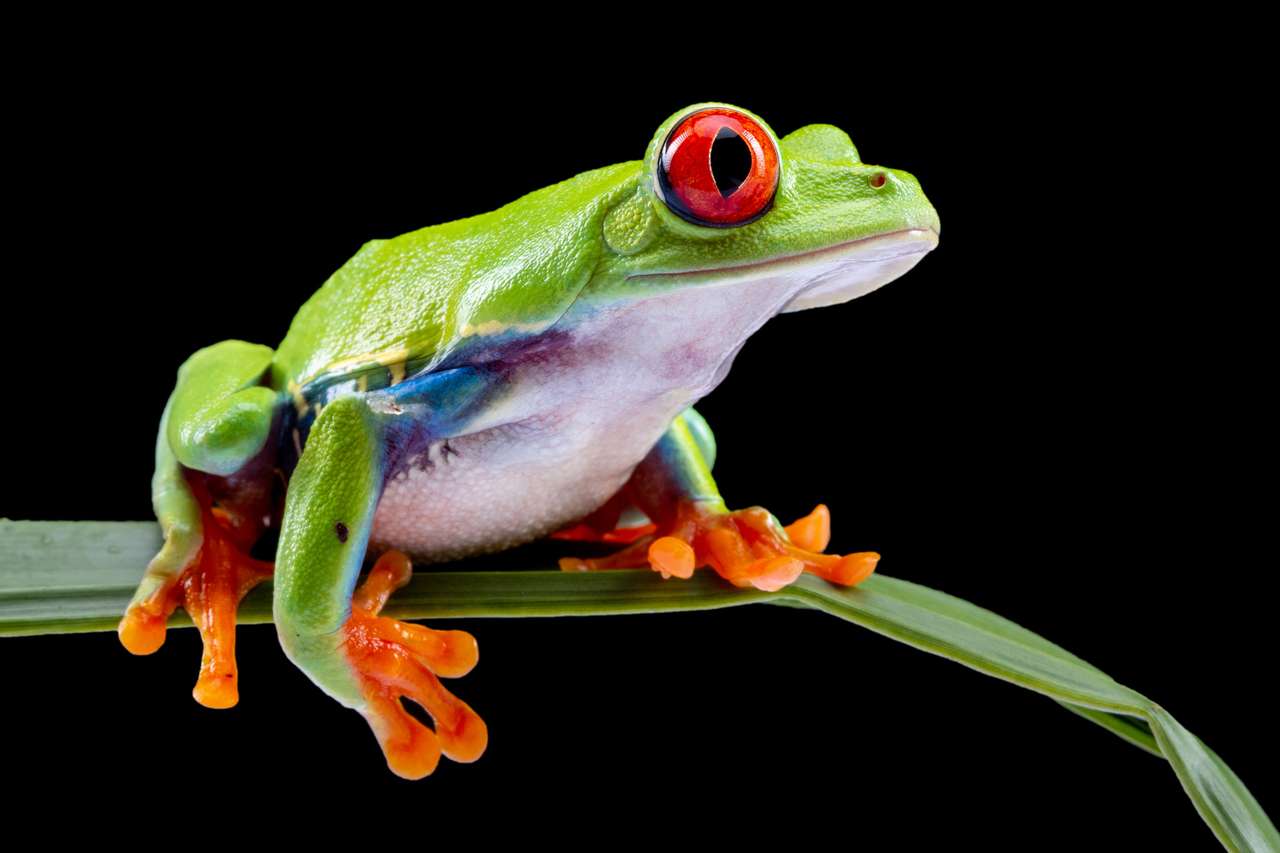
Red Eyed Tree Frog online puzzle
150Red Eyed Tree Frogsolved 18 times
Solve puzzle
girls’ brigade puzzle online from photo
198girls’ brigadesolved 18 times
Solve puzzle
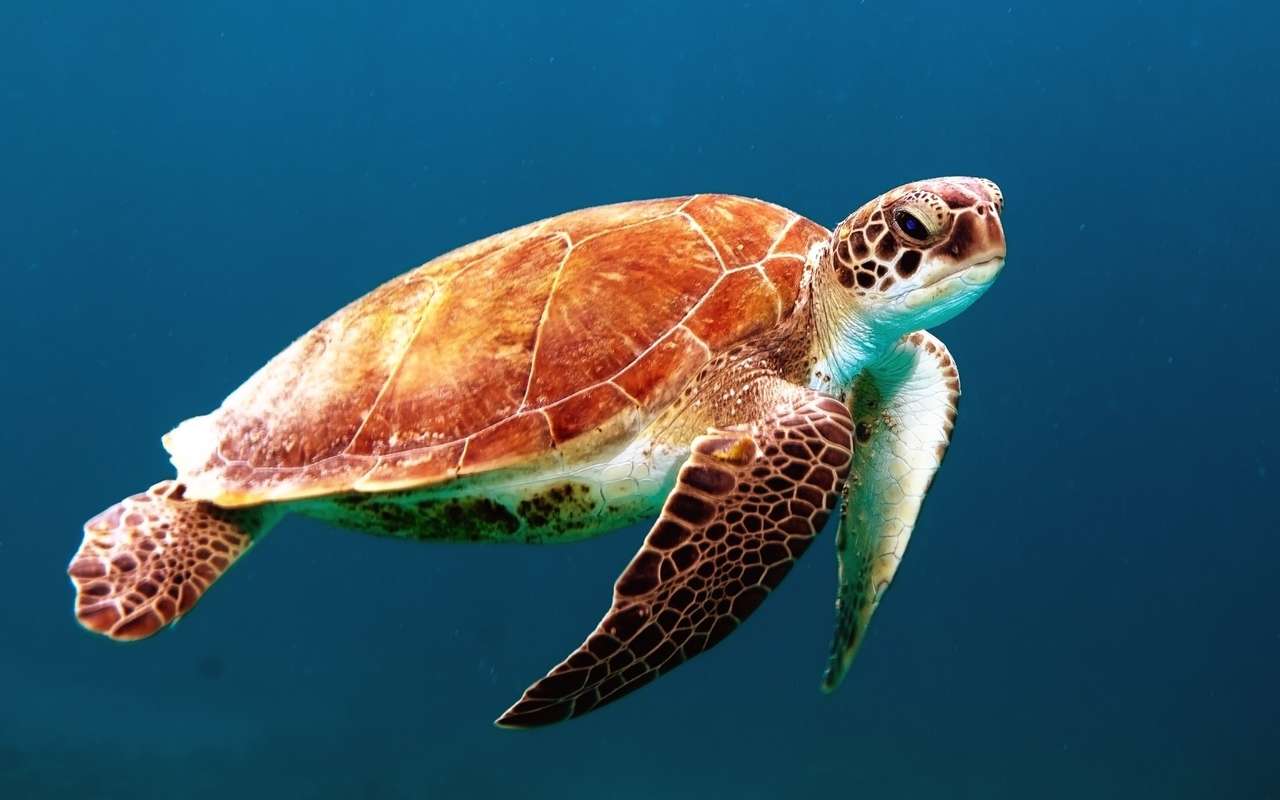
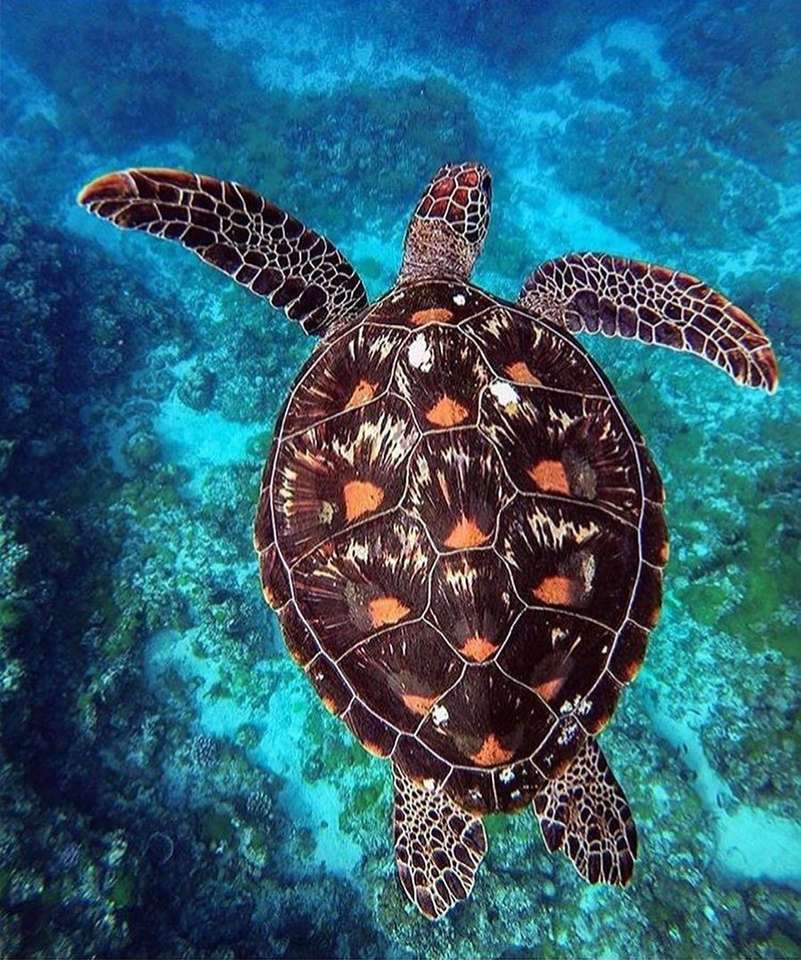
Sea Turtle online puzzle
120Sea Turtlesolved 18 times
Solve puzzle
Chinese New Year online puzzle
156Chinese New Yearsolved 18 times
Solve puzzle
Changing of the Tide puzzle online from photo
15Changing of the Tidesolved 17 times
Solve puzzle
Digger | Western Hognose Snake puzzle online from photo
48Digger | Western Hognose Snakesolved 17 times
Solve puzzle
bungaunga puzzle online from photo
551bungaungasolved 17 times
Solve puzzle
jijjiojkl. online puzzle
144jijjiojkl.solved 17 times
Solve puzzle
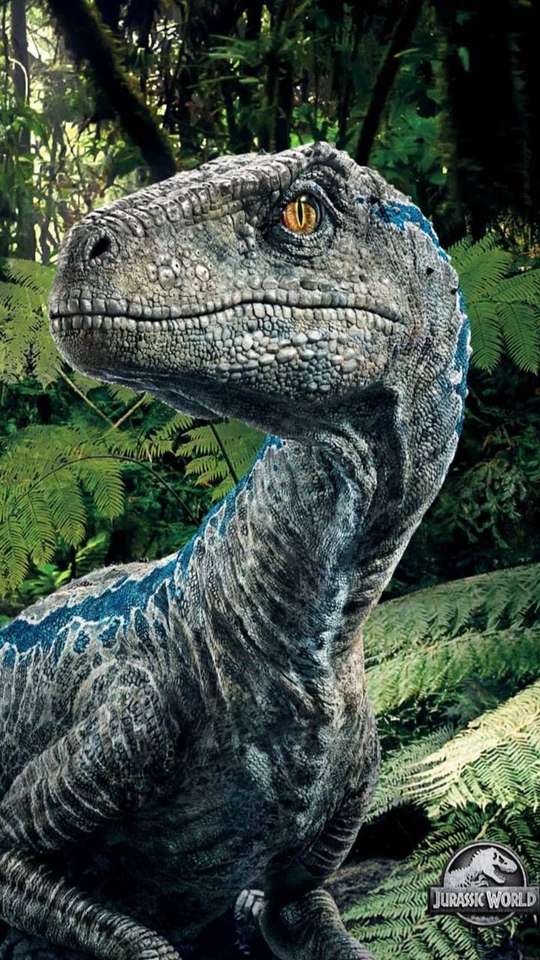
Dinosp pedro online puzzle
143Dinosp pedrosolved 17 times
Solve puzzle

Online puzzle Reptile

Reptile

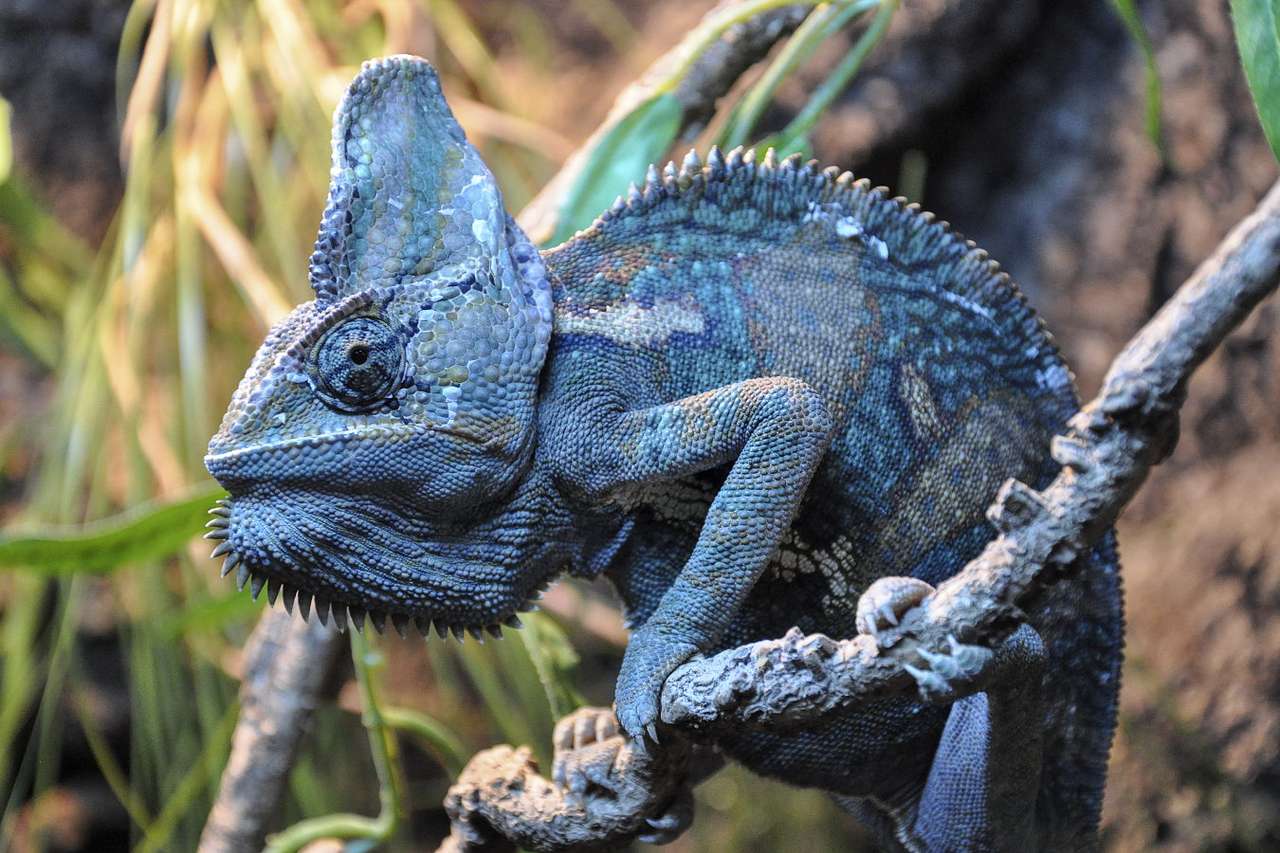
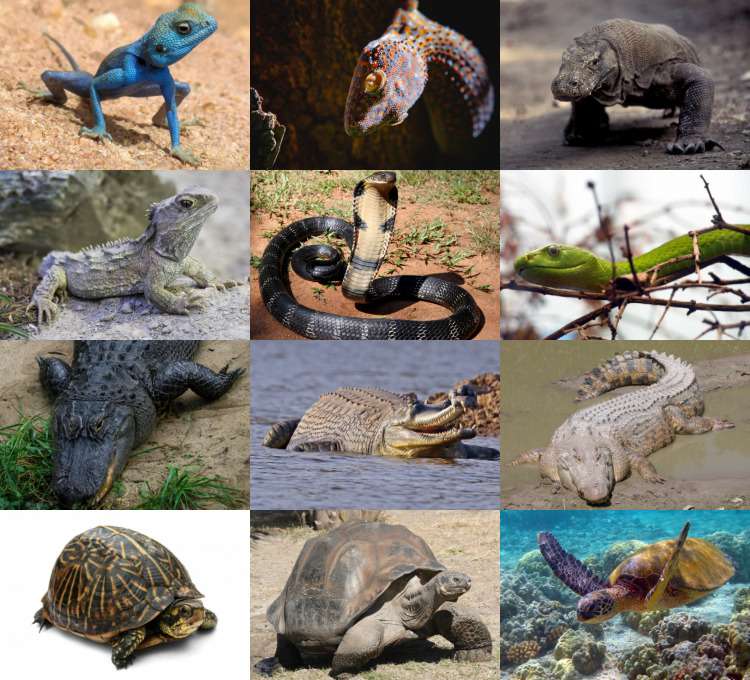
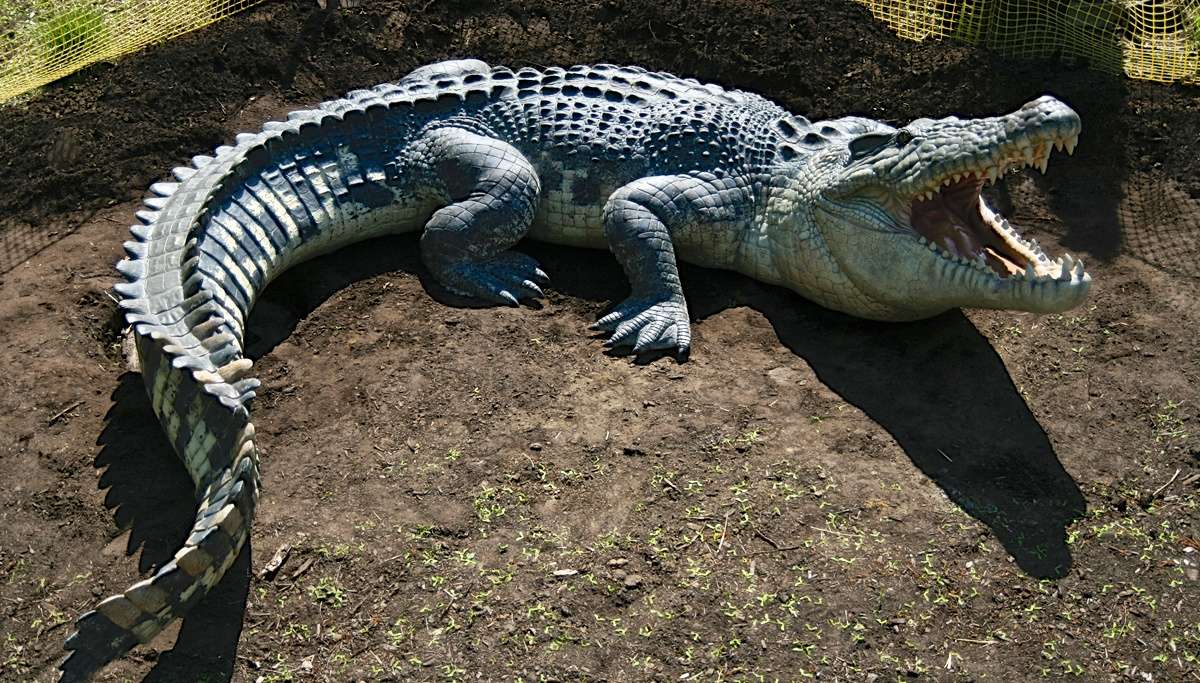
Reptiles, as most commonly defined, are the animals in the class Reptilia ( rep-TIL-ee-ə); a paraphyletic grouping comprising all sauropsids except birds. Living reptiles comprise turtles, crocodilians, squamates (lizards and snakes) and rhynchocephalians (tuatara). As of May 2023, the Reptile Database includes about 12,000 species. Reptilia has been subject to numerous conflicting taxonomic definitions. In the traditional Linnaean classification system, birds are considered a separate class to reptiles. However, crocodilians are more closely related to birds than they are to other living reptiles, and so modern cladistic classification systems include birds within Reptilia, redefining the term as a clade. Other cladistic definitions abandon the term reptile altogether in favor of the clade Sauropsida, which refers to all amniotes more closely related to modern reptiles than to mammals. The study of the traditional reptile orders, customarily in combination with the study of modern amphibians, is called herpetology.

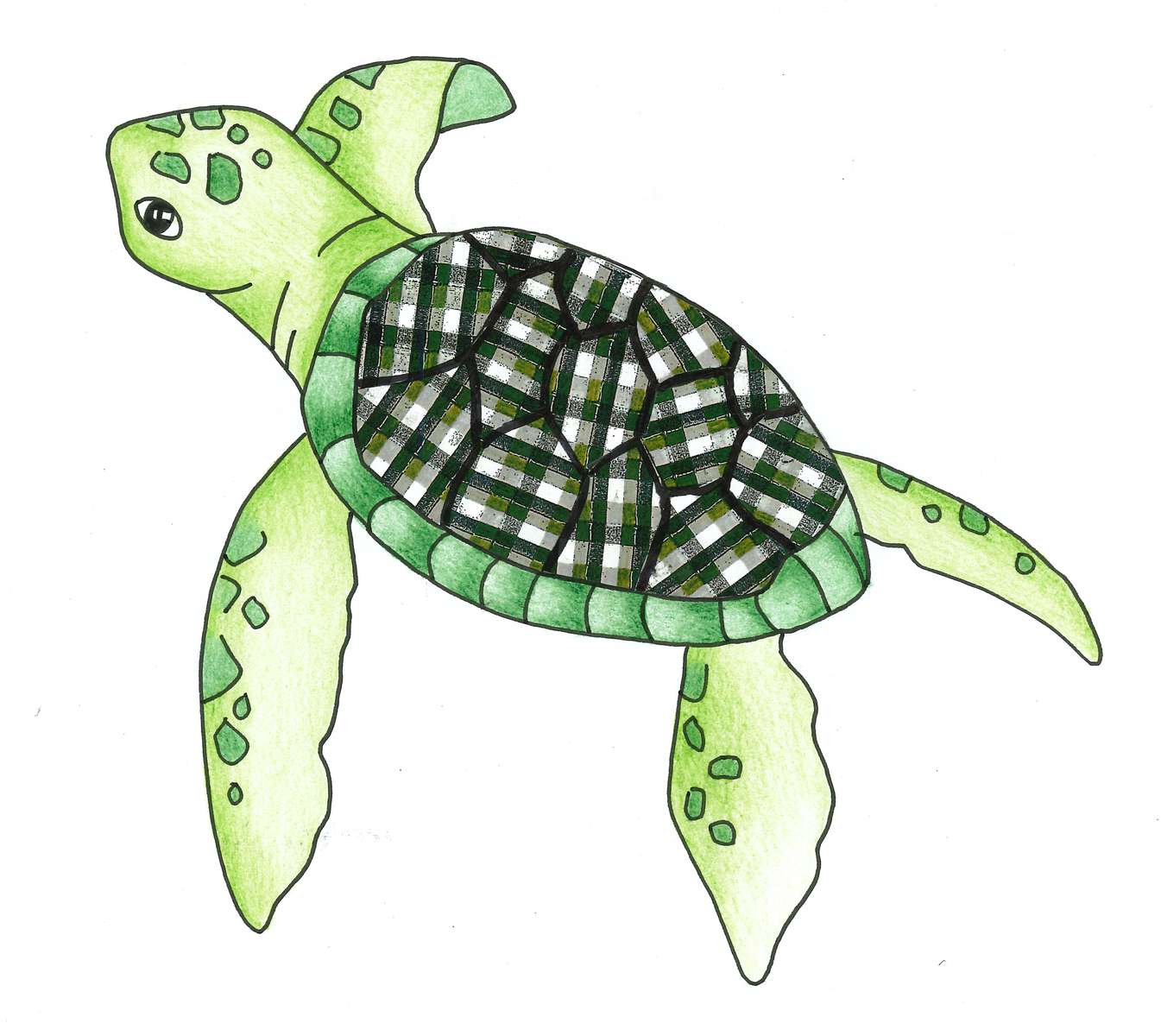
The earliest known proto-reptiles originated around 312 million years ago during the Carboniferous period, having evolved from advanced reptiliomorph tetrapods which became increasingly adapted to life on dry land. The earliest known eureptile ("true reptile") was Hylonomus, a small and superficially lizard-like animal. Genetic and fossil data argues that the two largest lineages of reptiles, Archosauromorpha (crocodilians, birds, and kin) and Lepidosauromorpha (lizards, and kin), diverged near the end of the Permian period. In addition to the living reptiles, there are many diverse groups that are now extinct, in some cases due to mass extinction events. In particular, the Cretaceous–Paleogene extinction event wiped out the pterosaurs, plesiosaurs, and all non-avian dinosaurs alongside many species of crocodyliforms, and squamates (e.g., mosasaurs). Modern non-bird reptiles inhabit all the continents except Antarctica.

Reptiles are tetrapod vertebrates, creatures that either have four limbs or, like snakes, are descended from four-limbed ancestors. Unlike amphibians, reptiles do not have an aquatic larval stage. Most reptiles are oviparous, although several species of squamates are viviparous, as were some extinct aquatic clades  – the fetus develops within the mother, using a (non-mammalian) placenta rather than contained in an eggshell. As amniotes, reptile eggs are surrounded by membranes for protection and transport, which adapt them to reproduction on dry land. Many of the viviparous species feed their fetuses through various forms of placenta analogous to those of mammals, with some providing initial care for their hatchlings. Extant reptiles range in size from a tiny gecko, Sphaerodactylus ariasae, which can grow up to 17 mm (0.7 in) to the saltwater crocodile, Crocodylus porosus, which can reach over 6 m (19.7 ft) in length and weigh over 1,000 kg (2,200 lb).