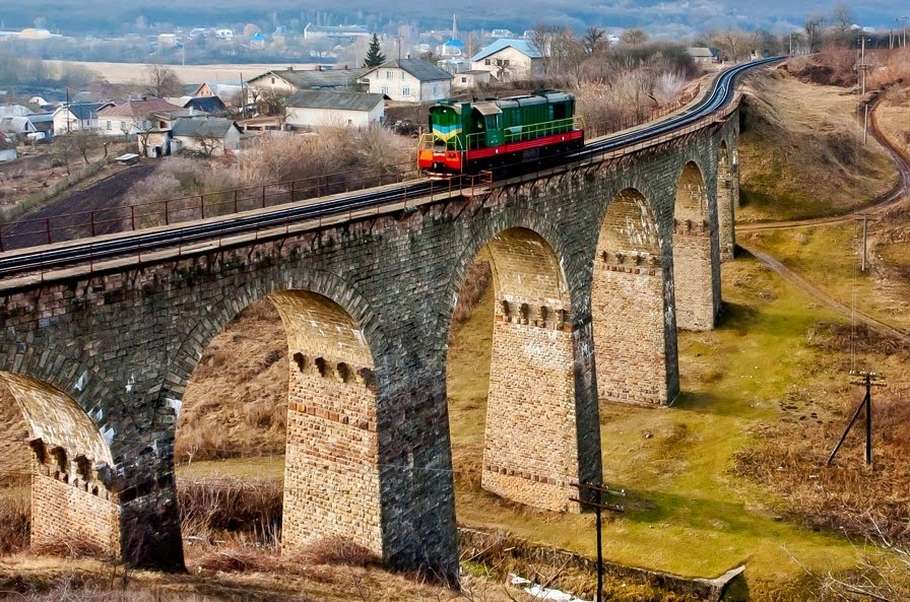
Train - online puzzles
Hotel online puzzle
48Hotelsolved 111 times
Solve puzzle
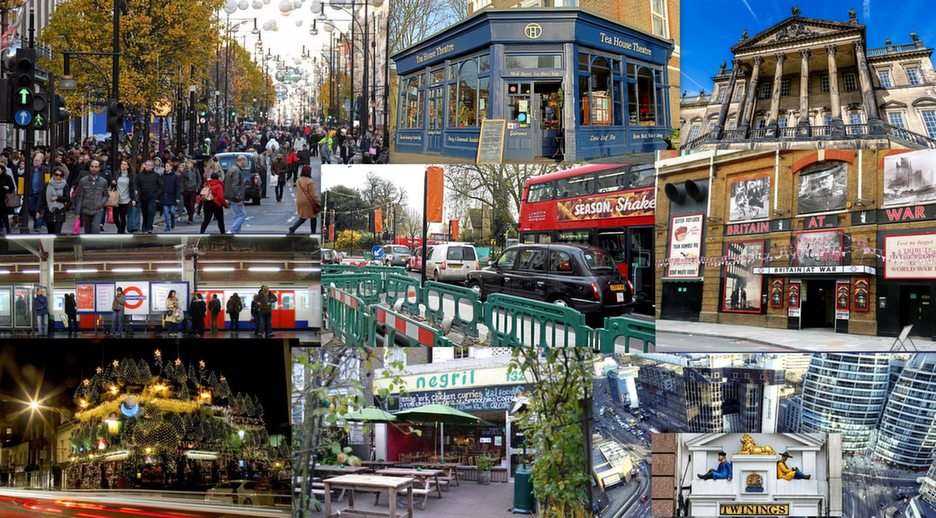
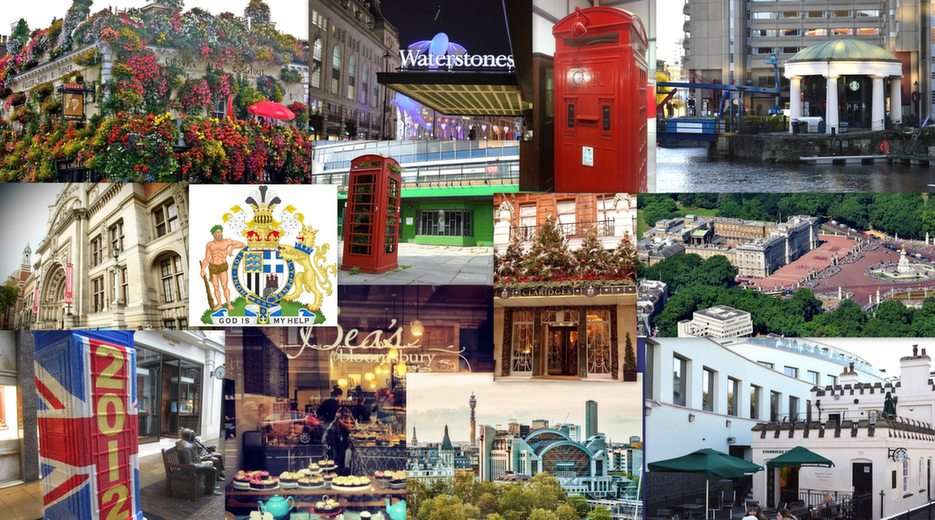
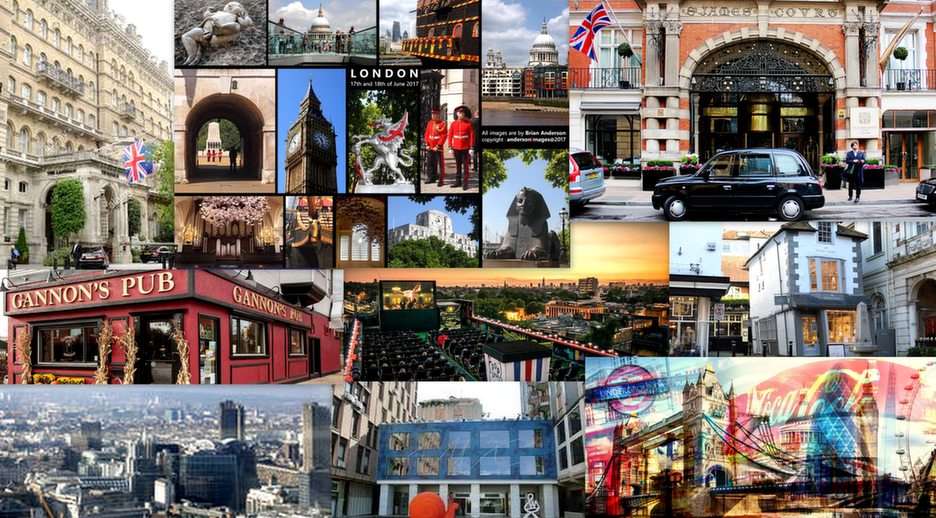
London collage puzzle online from photo
252London collagesolved 111 times
Solve puzzle
Pastel online puzzle
63Pastelsolved 111 times
Solve puzzle
Paris puzzle online from photo
208Parissolved 111 times
Solve puzzle
UNEX puzzle online from photo
96UNEXsolved 111 times
Solve puzzle
PUZZLE SIRAH NABAWI puzzle online from photo
54PUZZLE SIRAH NABAWIsolved 111 times
Solve puzzle
Gniezno online puzzle
154Gnieznosolved 110 times
Solve puzzle
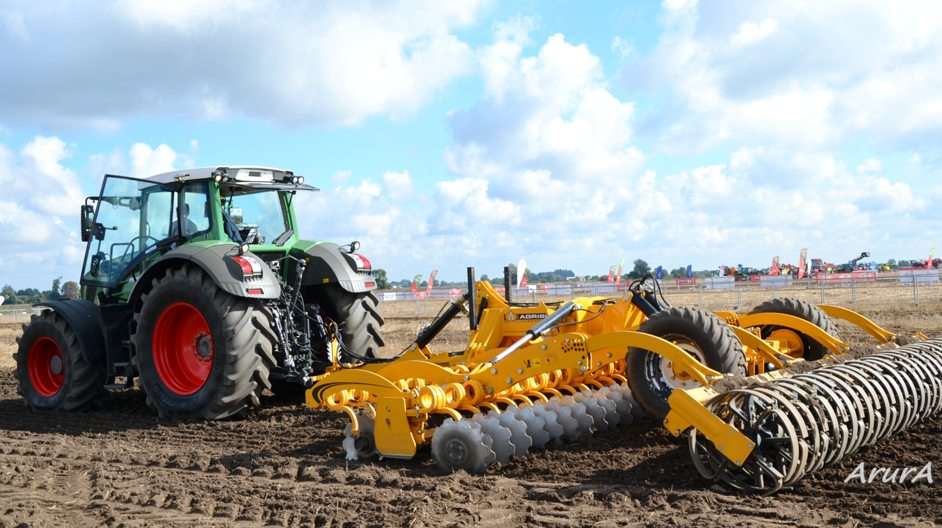
Fendt puzzle online from photo
24Fendtsolved 110 times
Solve puzzle
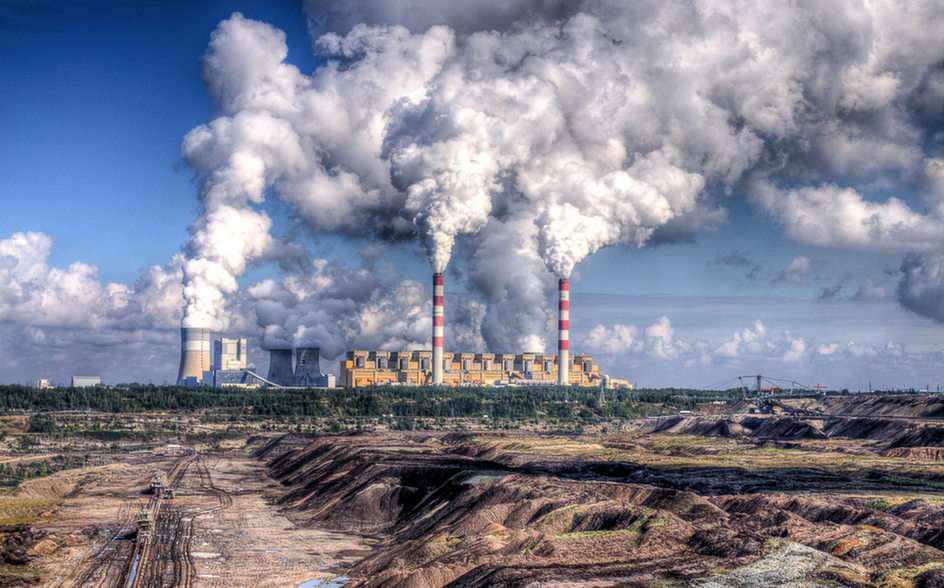
KWB Bełchatów puzzle online from photo
48KWB Bełchatówsolved 110 times
Solve puzzle
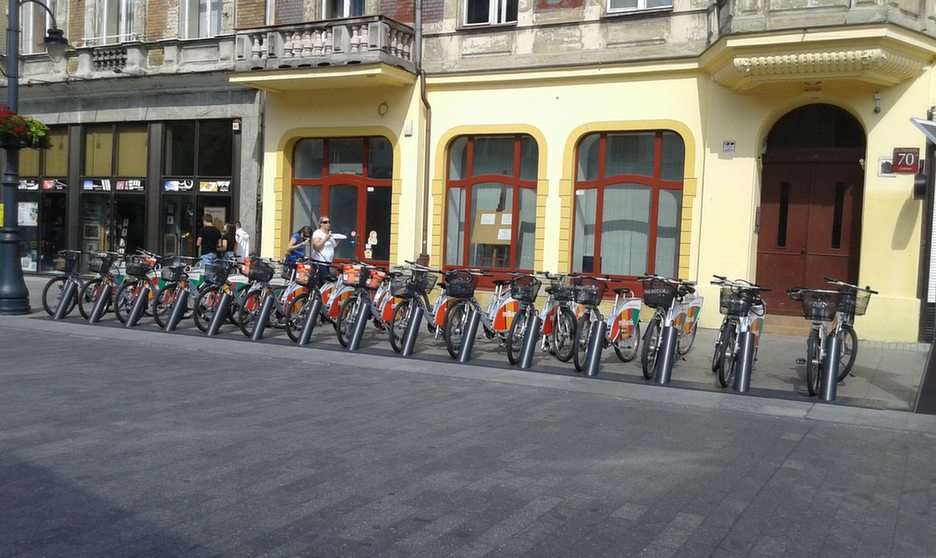
bikes online puzzle
117bikessolved 110 times
Solve puzzle
Armenia - perspective online puzzle
48Armenia - perspectivesolved 110 times
Solve puzzle
Israel 2013 online puzzle
99Israel 2013solved 110 times
Solve puzzle
At the O2 Arena puzzle online from photo
140At the O2 Arenasolved 109 times
Solve puzzle
Summer stop no. 5 - PAWŁOWICE puzzle online from photo
234Summer stop no. 5 - PAWŁOWICEsolved 109 times
Solve puzzle
Train online puzzle
130Trainsolved 109 times
Solve puzzle
We're going to the Beskids! puzzle online from photo
48We're going to the Beskids!solved 109 times
Solve puzzle
London puzzle online from photo
192Londonsolved 109 times
Solve puzzle
Train online puzzle
54Trainsolved 109 times
Solve puzzle
Italian green corner puzzle online from photo
20Italian green cornersolved 109 times
Solve puzzle
London collage online puzzle
221London collagesolved 109 times
Solve puzzle
Black Pearl online puzzle
48Black Pearlsolved 109 times
Solve puzzle
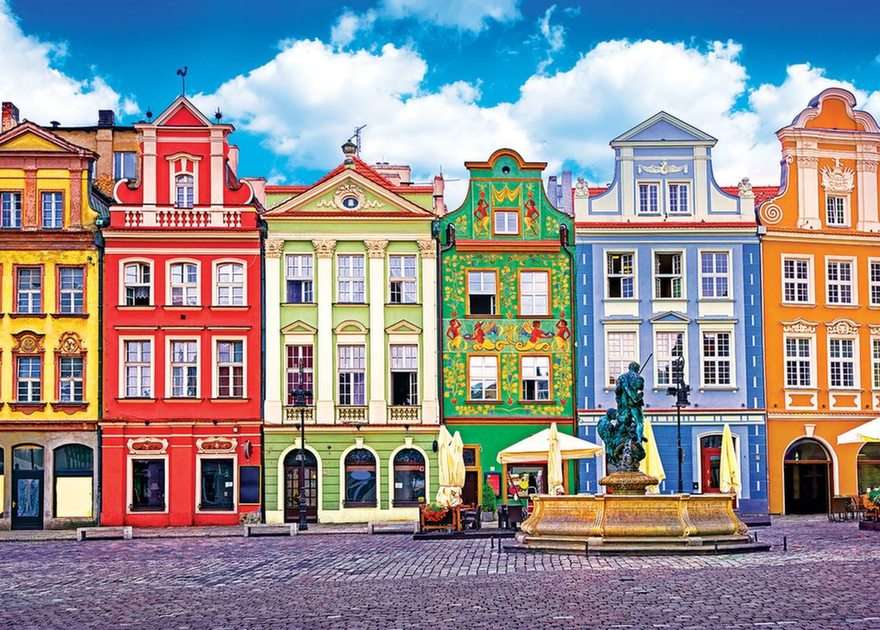
Houses online puzzle
48Housessolved 109 times
Solve puzzle
London collage puzzle online from photo
285London collagesolved 109 times
Solve puzzle
New York online puzzle
20New Yorksolved 109 times
Solve puzzle
London collage online puzzle
45London collagesolved 109 times
Solve puzzle
german town puzzle online from photo
48german townsolved 109 times
Solve puzzle
testnbg a map puzzle online from photo
108testnbg a mapsolved 109 times
Solve puzzle
mrtsh7k66 online puzzle
150mrtsh7k66solved 109 times
Solve puzzle
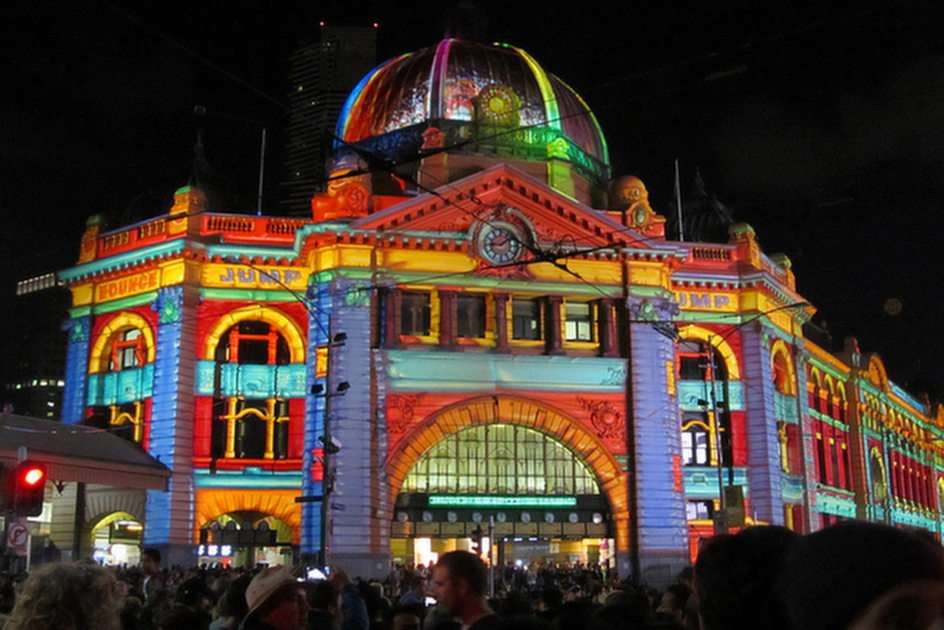
Flinders Street Station Christmas online puzzle
48Flinders Street Station Christmassolved 108 times
Solve puzzle
Bonhoeffer online puzzle
55Bonhoeffersolved 108 times
Solve puzzle
Live here well .... online puzzle
24Live here well ....solved 108 times
Solve puzzle
ART DESIGN MEDIA online puzzle
20ART DESIGN MEDIAsolved 108 times
Solve puzzle
Challenge the Hardest online puzzle
170Challenge the Hardestsolved 108 times
Solve puzzle
Puerta de Atocha puzzle online from photo
77Puerta de Atochasolved 107 times
Solve puzzle
London collage online puzzle
192London collagesolved 107 times
Solve puzzle
Barcelona online puzzle
140Barcelonasolved 107 times
Solve puzzle
Warsaw puzzle online from photo
48Warsawsolved 107 times
Solve puzzle
San Francisco online puzzle
32San Franciscosolved 107 times
Solve puzzle
Claude Richier online puzzle
80Claude Richiersolved 107 times
Solve puzzle
Arc at northspine puzzle online from photo
20Arc at northspinesolved 107 times
Solve puzzle
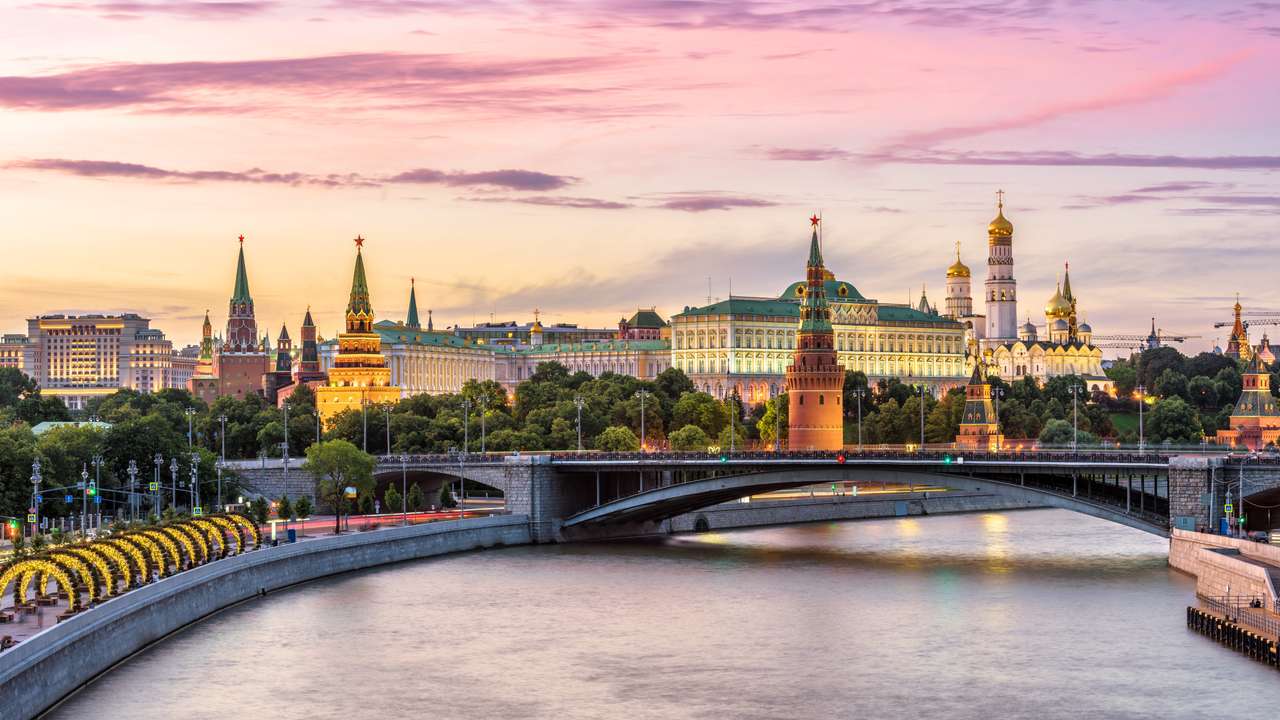
Moscow Kremlin at Moskva River, Russia puzzle online from photo
84Moscow Kremlin at Moskva River, Russiasolved 107 times
Solve puzzle
KotyaAnniv puzzle online from photo
36KotyaAnnivsolved 107 times
Solve puzzle
Colorful Rows online puzzle
128Colorful Rowssolved 107 times
Solve puzzle
Summer stop no. 18 - SZCZECIN puzzle online from photo
300Summer stop no. 18 - SZCZECINsolved 106 times
Solve puzzle
building puzzle online from photo
48buildingsolved 106 times
Solve puzzle
London collage online puzzle
252London collagesolved 106 times
Solve puzzle
pets puzzle online from photo
48petssolved 106 times
Solve puzzle
London collage online puzzle
285London collagesolved 106 times
Solve puzzle

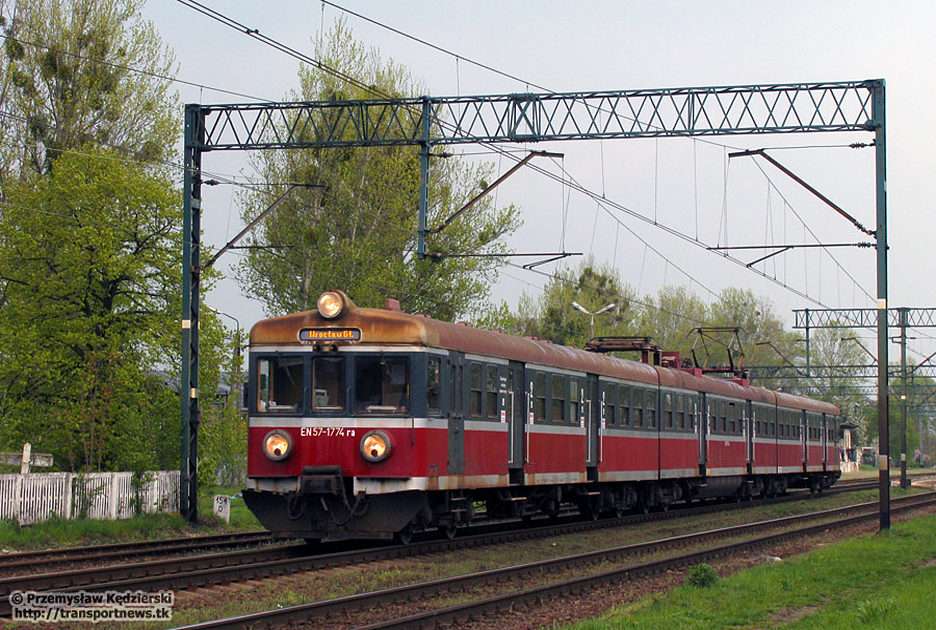
Online puzzle Train

Train

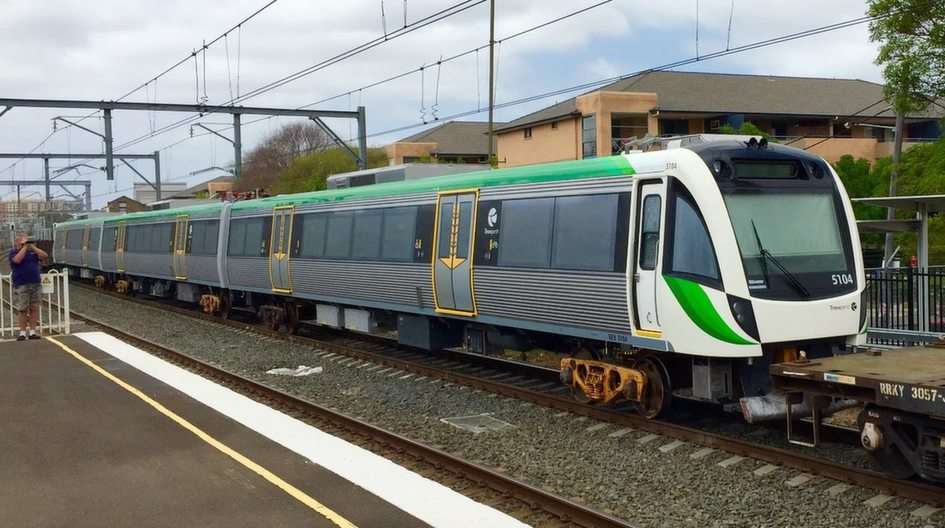
A train (from Old French trahiner, from Latin trahere, "to pull, to draw") is a series of connected vehicles that run along a railway track and transport people or freight. Trains are typically pulled or pushed by locomotives (often known simply as "engines"), though some are self-propelled, such as multiple units. Passengers and cargo are carried in railroad cars, also known as wagons. Trains are designed to a certain gauge, or distance between rails. Most trains operate on steel tracks with steel wheels, the low friction of which makes them more efficient than other forms of transport.
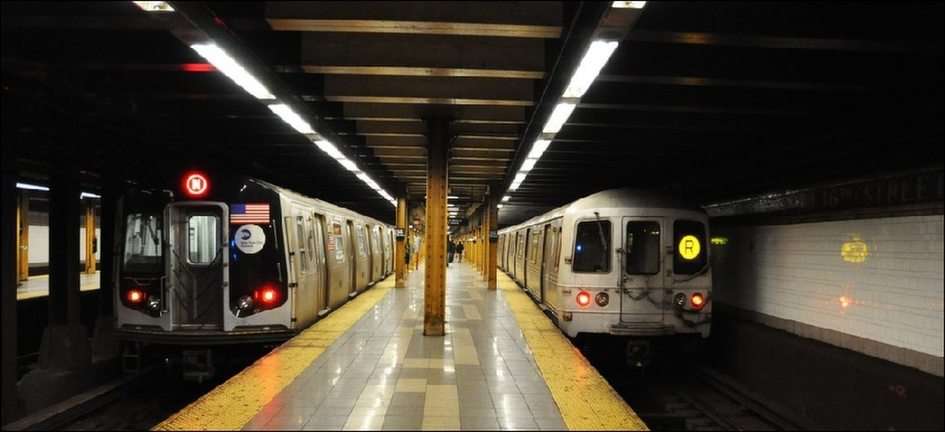
Trains have their roots in wagonways, which used railway tracks and were powered by horses or pulled by cables. Following the invention of the steam locomotive in the United Kingdom in 1804, trains rapidly spread around the world, allowing freight and passengers to move over land faster and cheaper than ever possible before. Rapid transit and trams were first built in the late 1800s to transport large numbers of people in and around cities. Beginning in the 1920s, and accelerating following World War II, diesel and electric locomotives replaced steam as the means of motive power. Following the development of cars, trucks, and extensive networks of highways which offered greater mobility, as well as faster airplanes, trains declined in importance and market share, and many rail lines were abandoned. The spread of buses led to the closure of many rapid transit and tram systems during this time as well.

Since the 1970s, governments, environmentalists, and train advocates have promoted increased use of trains due to their greater fuel efficiency and lower greenhouse gas emissions compared to other modes of land transport. High-speed rail, first built in the 1960s, has proven competitive with cars and planes over short to medium distances. Commuter rail has grown in importance since the 1970s as an alternative to congested highways and a means to promote development, as has light rail in the 21st century. Freight trains remain important for the transport of bulk commodities such as coal and grain, as well as being a means of reducing road traffic congestion by freight trucks.

While conventional trains operate on relatively flat tracks with two rails, a number of specialized trains exist which are significantly different in their mode of operation. Monorails operate on a single rail, while funiculars and rack railways are uniquely designed to traverse steep slopes. Experimental trains such as high speed maglevs, which use magnetic levitation to float above a guideway, are under development in the 2020s and offer higher speeds than even the fastest conventional trains. Trains which use alternative fuels such as natural gas and hydrogen are another 21st-century development.