Arthropod - online puzzles
Animal Escape Room online puzzle
48Animal Escape Roomsolved 206 times
Solve puzzle
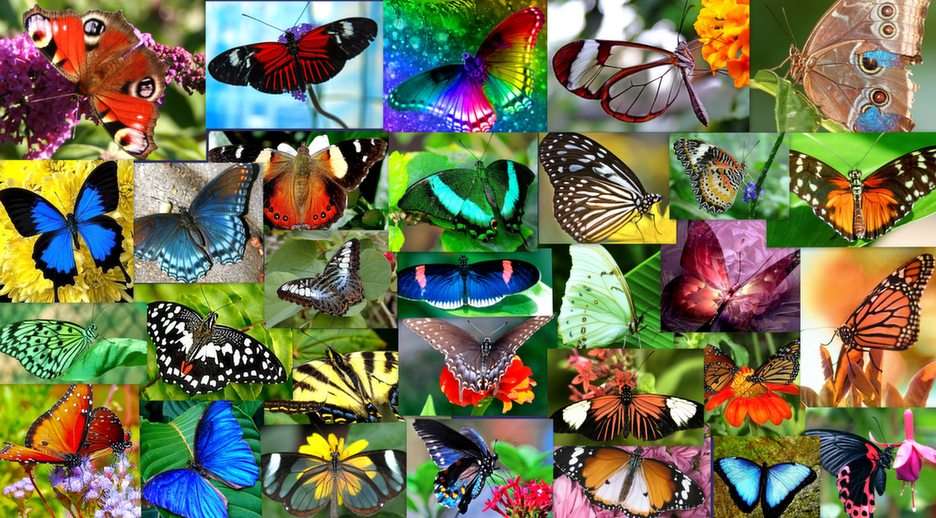
colorful butterflies puzzle online from photo
252colorful butterfliessolved 204 times
Solve puzzle
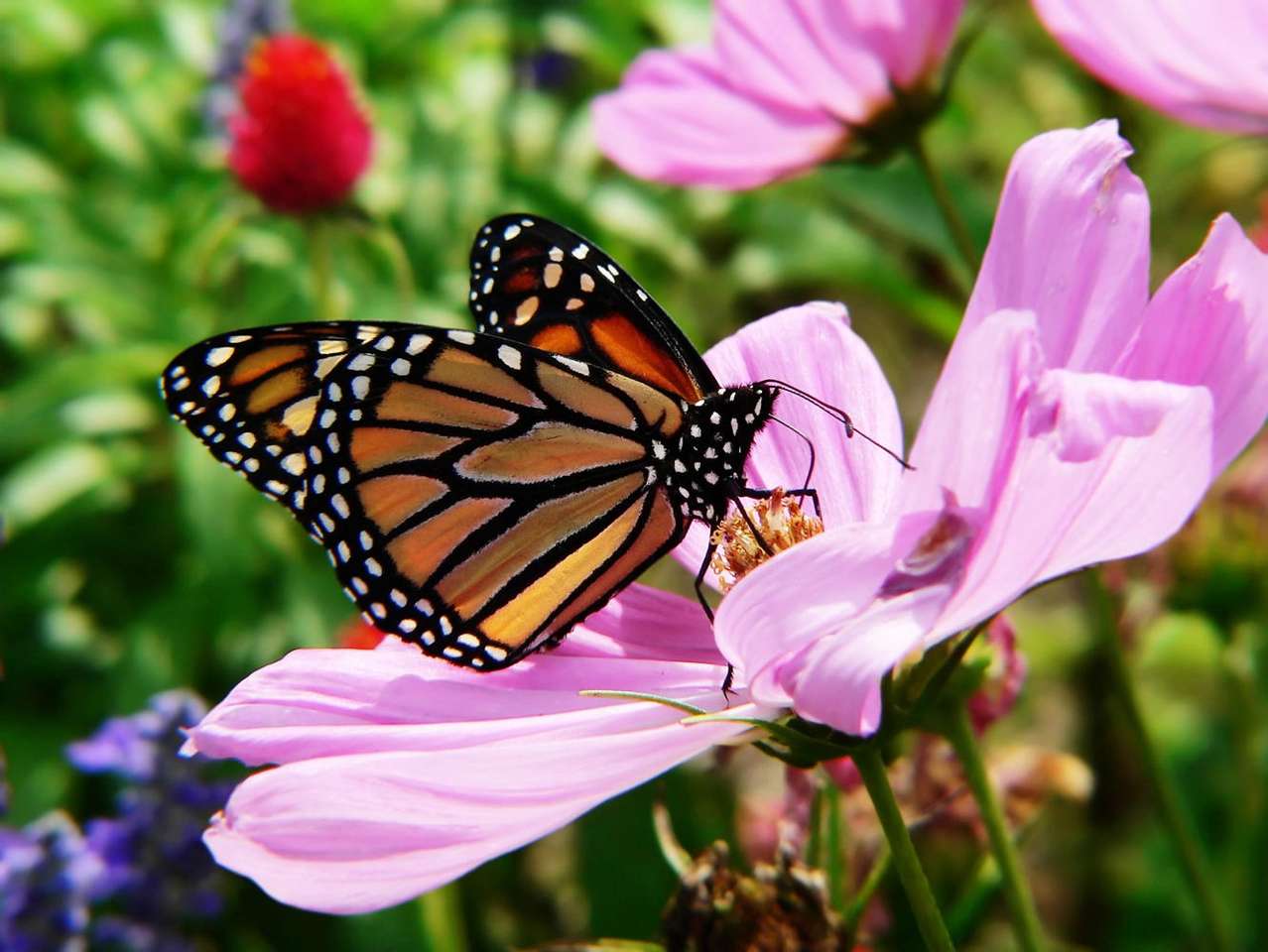
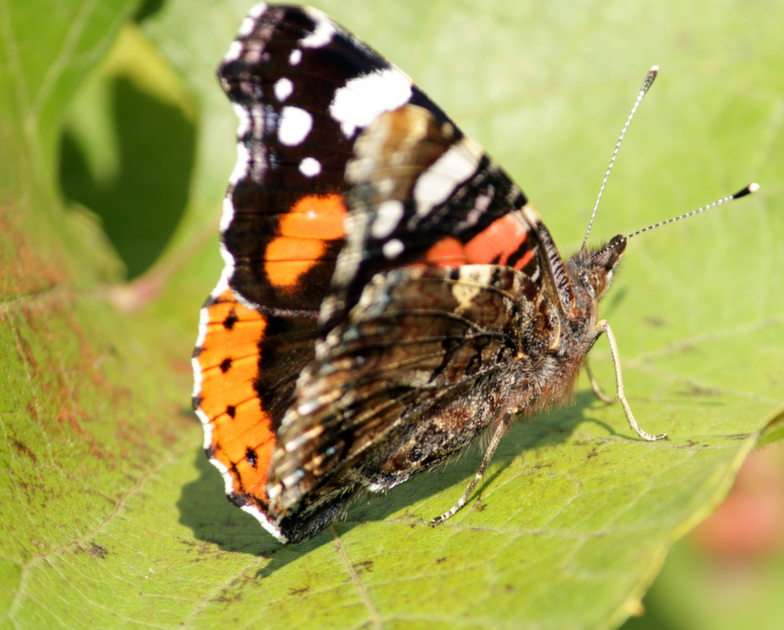
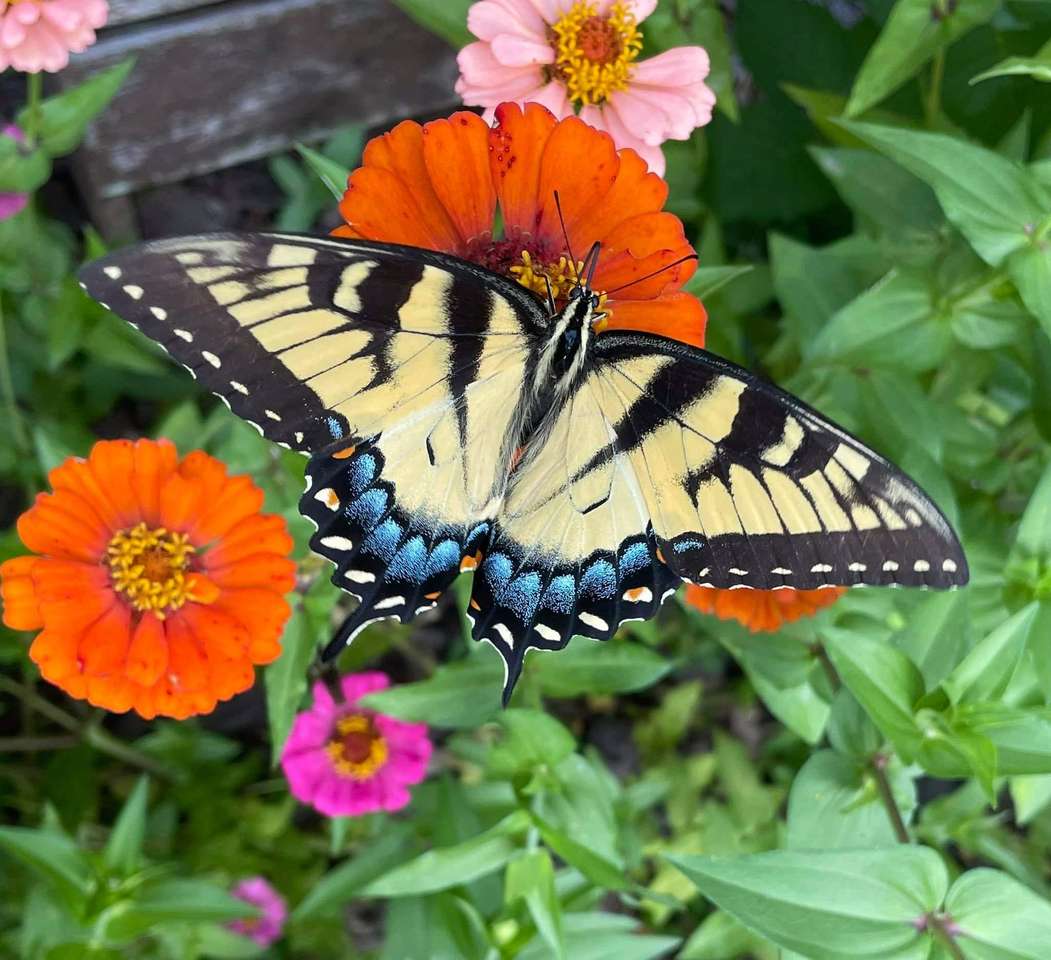
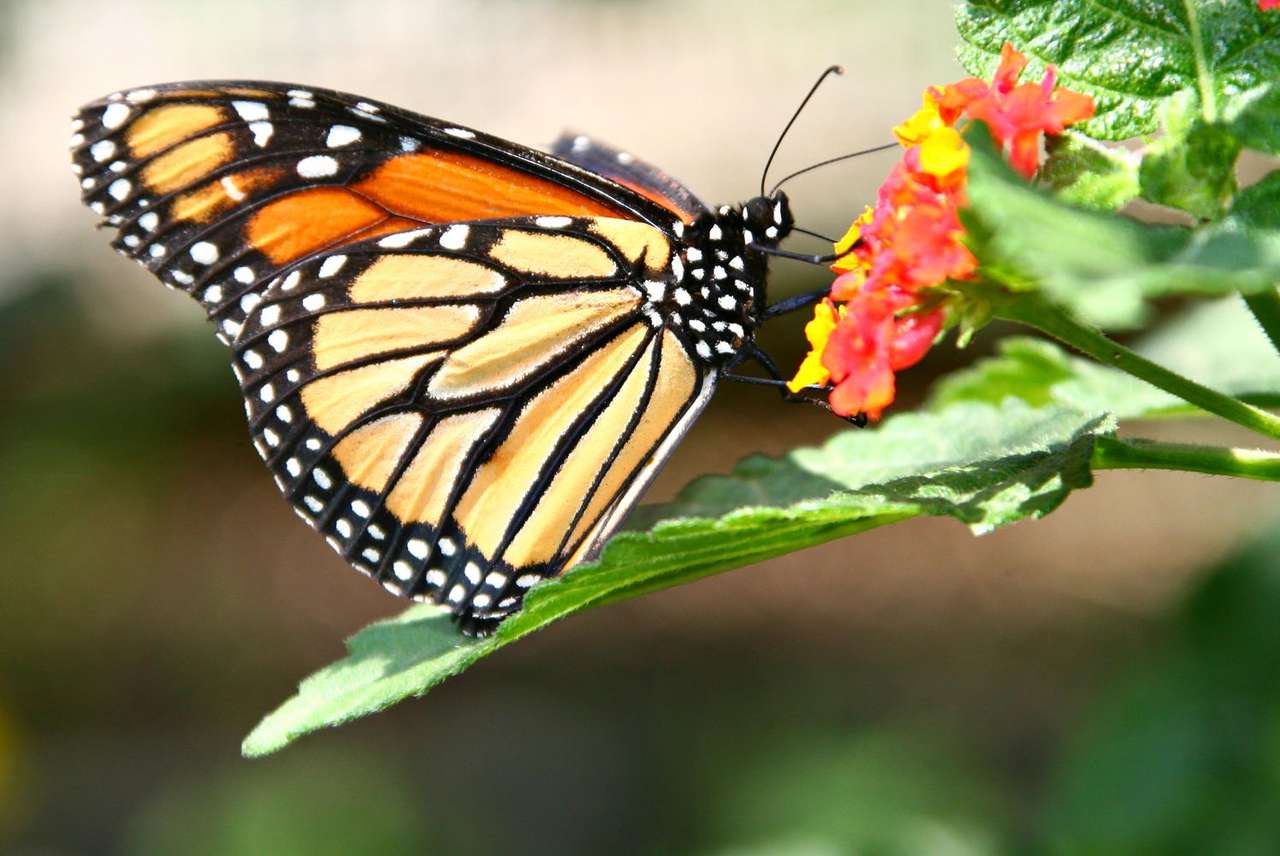
butterfly puzzle online from photo
80butterflysolved 199 times
Solve puzzle
the worm puzzle online from photo
32the wormsolved 199 times
Solve puzzle
Lavender puzzle online from photo
255Lavendersolved 198 times
Solve puzzle
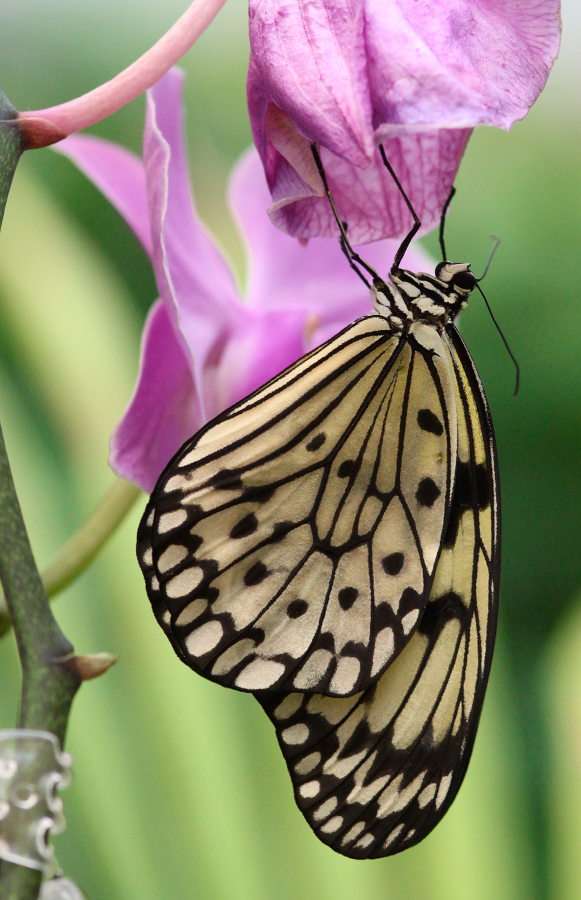
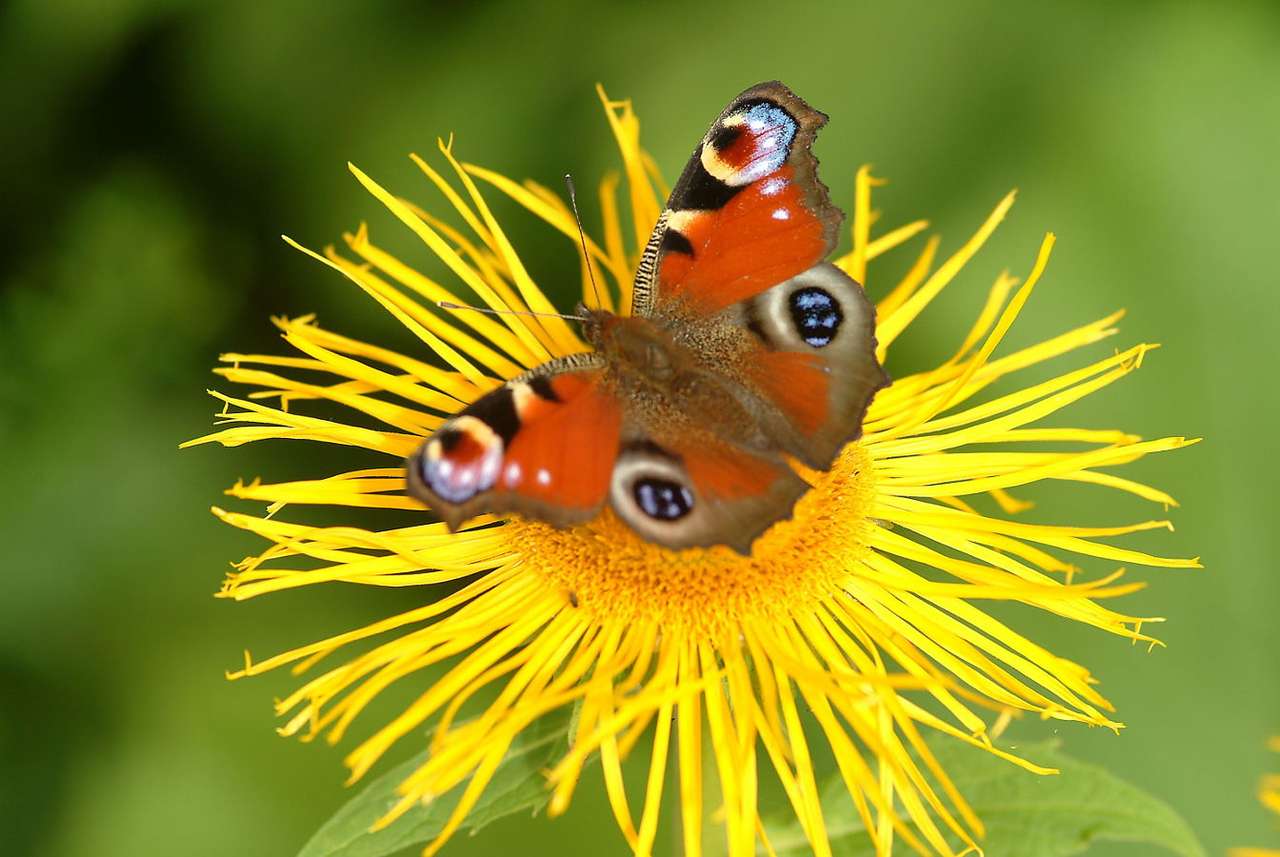
butterfly online puzzle
72butterflysolved 196 times
Solve puzzle
Images puzzle online from photo
255Imagessolved 196 times
Solve puzzle
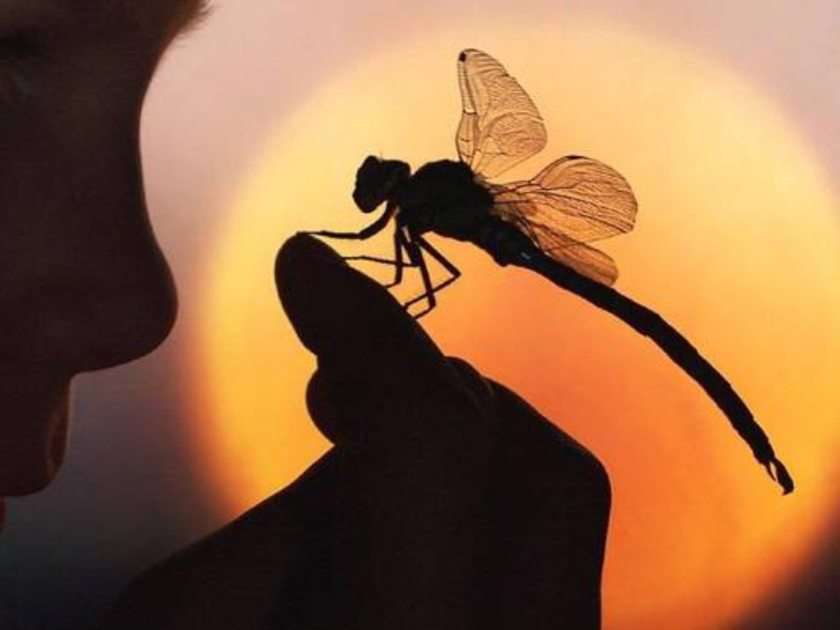
Insect puzzle online from photo
48Insectsolved 194 times
Solve puzzle
MANTIS puzzle online from photo
36MANTISsolved 194 times
Solve puzzle
another butterfly puzzle online from photo
48another butterflysolved 192 times
Solve puzzle
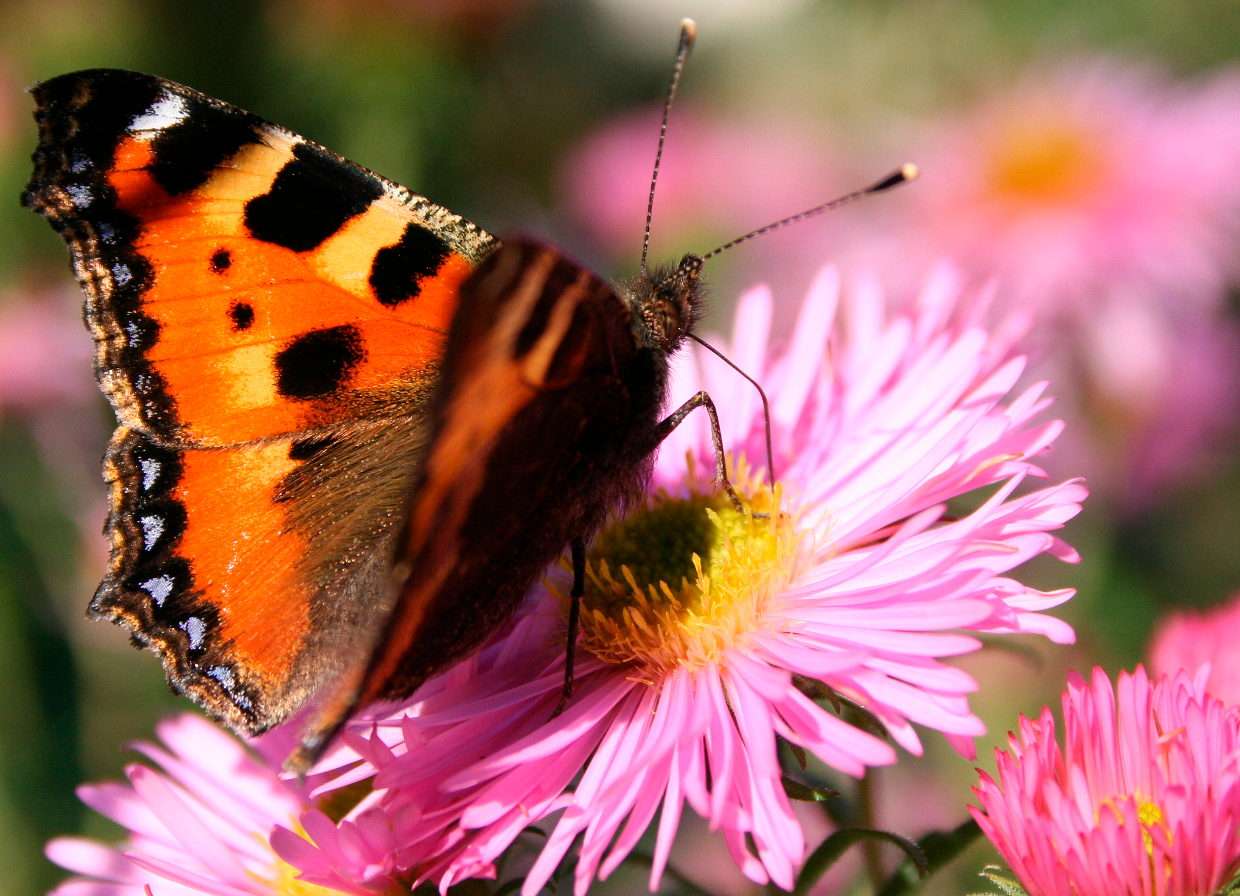
butterfly puzzle online from photo
48butterflysolved 192 times
Solve puzzle
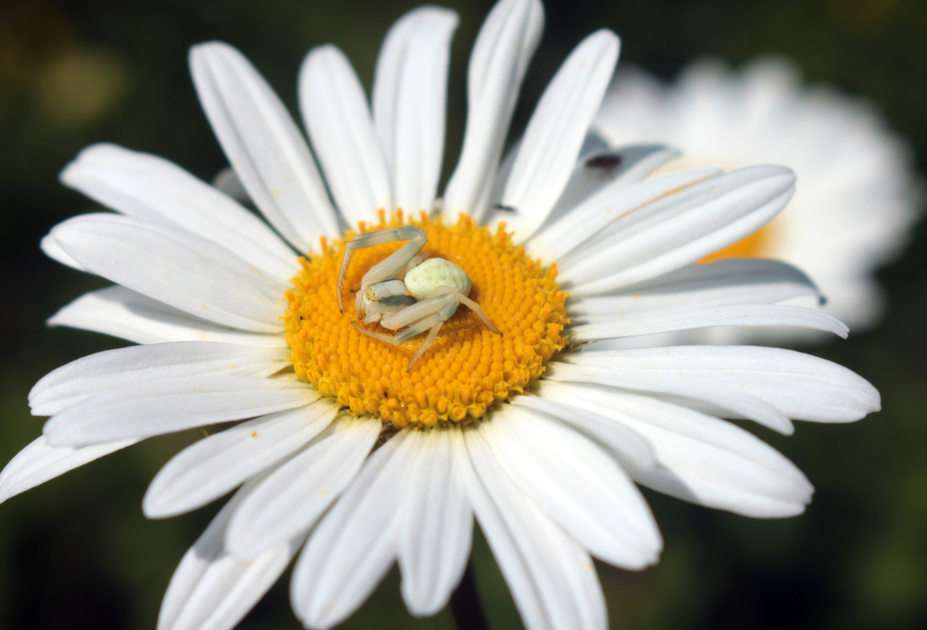
spider online puzzle
63spidersolved 190 times
Solve puzzle
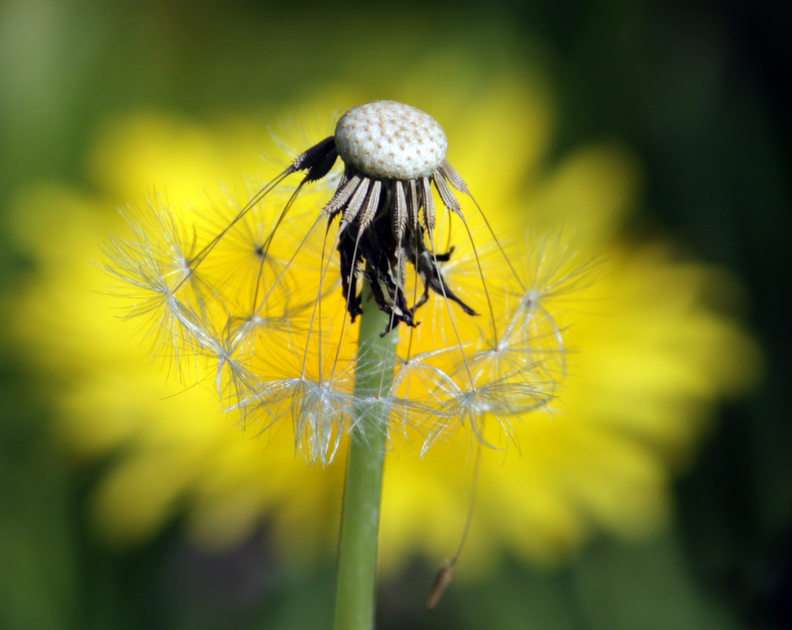
dandelion puzzle online from photo
48dandelionsolved 189 times
Solve puzzle
Floral butterfly puzzle online from photo
64Floral butterflysolved 188 times
Solve puzzle
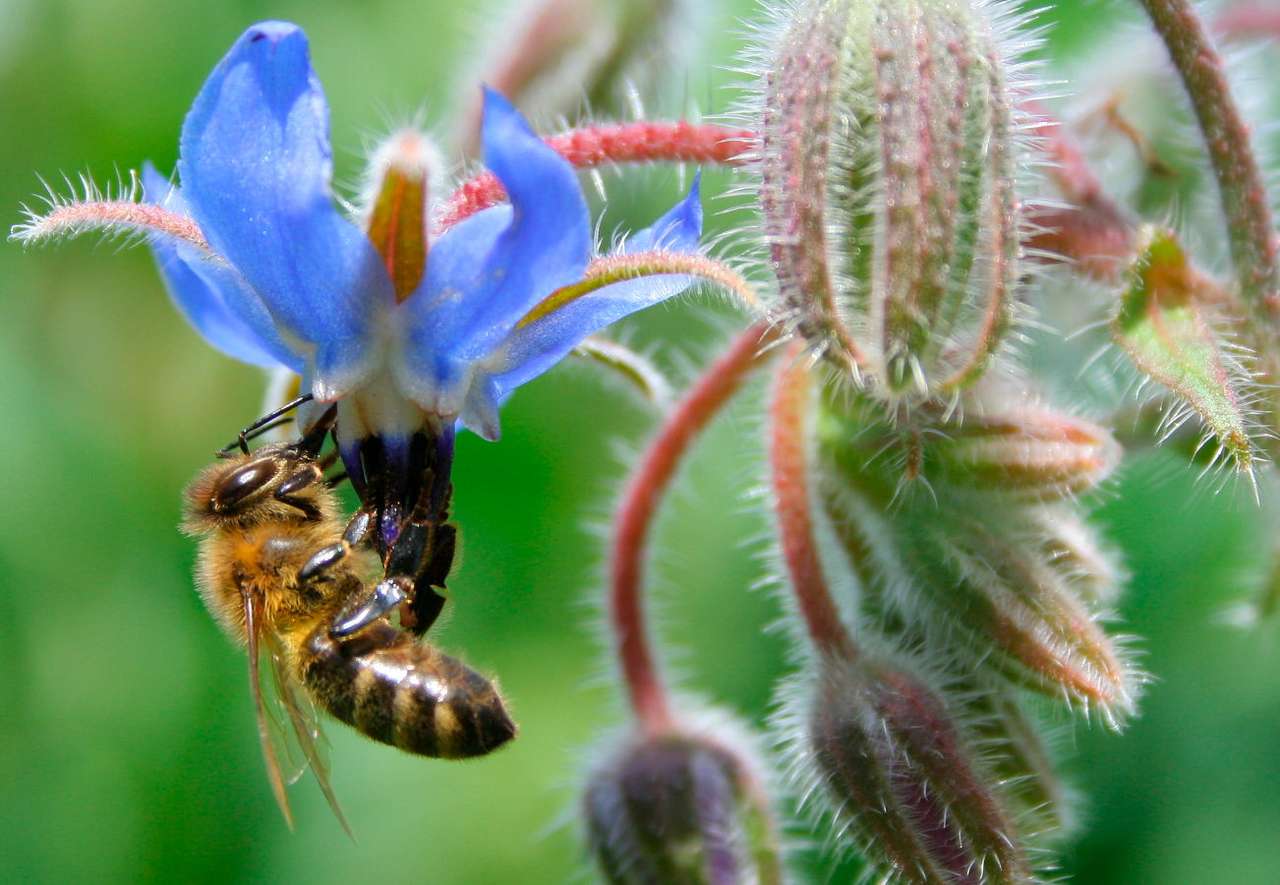
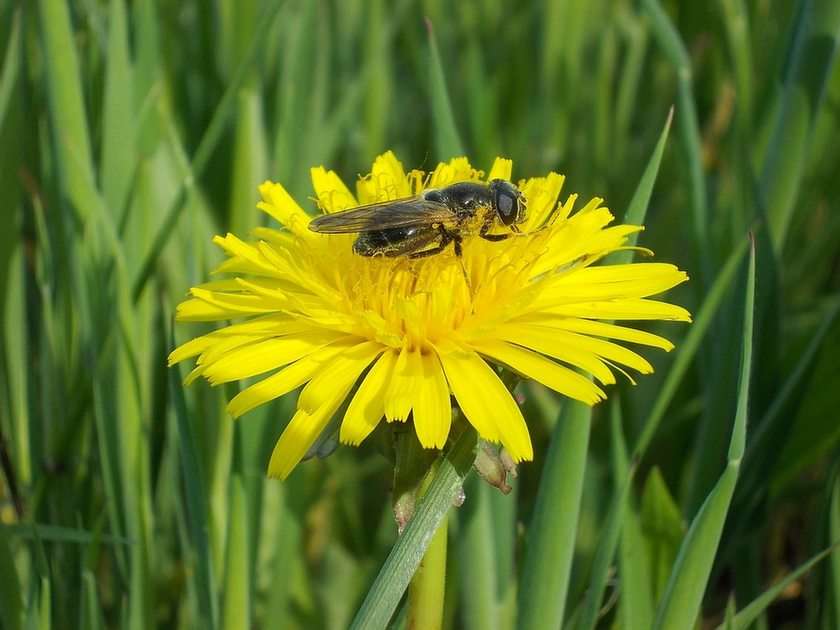
bee online puzzle
72beesolved 187 times
Solve puzzle
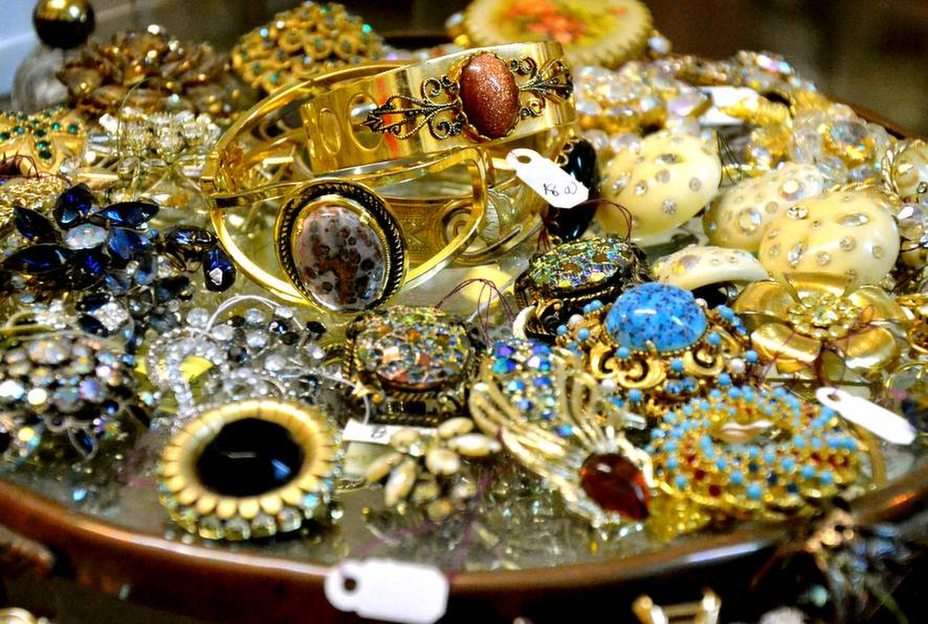
Jewellery online puzzle
192Jewellerysolved 187 times
Solve puzzle
butterfly puzzle online from photo
120butterflysolved 187 times
Solve puzzle
Farfalla online puzzle
15Farfallasolved 187 times
Solve puzzle
Sleeping fairy puzzle online from photo
234Sleeping fairysolved 186 times
Solve puzzle
BUTTERFLY online puzzle
48BUTTERFLYsolved 185 times
Solve puzzle
Bee online puzzle
45Beesolved 184 times
Solve puzzle
Dp group fun puzzle online from photo
340Dp group funsolved 183 times
Solve puzzle
Bee puzzle online from photo
72Beesolved 182 times
Solve puzzle
Butterfly Scene Puzzle puzzle online from photo
20Butterfly Scene Puzzlesolved 181 times
Solve puzzle
DEGETICA online puzzle
24DEGETICAsolved 180 times
Solve puzzle
Two bees puzzle online from photo
48Two beessolved 178 times
Solve puzzle
Butterflies puzzle online from photo
221Butterfliessolved 178 times
Solve puzzle
bumblebee online puzzle
90bumblebeesolved 176 times
Solve puzzle
... and more stained glass windows hanging above the previous ones puzzle online from photo
280... and more stained glass windows hanging above the previous onessolved 174 times
Solve puzzle
Bild puzzle online from photo
48Bildsolved 173 times
Solve puzzle
Insecto puzzle online from photo
15Insectosolved 173 times
Solve puzzle
Lovely nature at its best online puzzle
156Lovely nature at its bestsolved 173 times
Solve puzzle
nature online puzzle
48naturesolved 172 times
Solve puzzle
Mandala, puzzle online puzzle
169Mandala, puzzlesolved 172 times
Solve puzzle
Three Butterflies puzzle online from photo
204Three Butterfliessolved 169 times
Solve puzzle
flowers collage online puzzle
154flowers collagesolved 168 times
Solve puzzle
Magnolia flower online puzzle
48Magnolia flowersolved 167 times
Solve puzzle
Coral color corals puzzle online from photo
143Coral color coralssolved 166 times
Solve puzzle
Butterflies puzzle online from photo
252Butterfliessolved 166 times
Solve puzzle
Rusalka the rider puzzle online from photo
63Rusalka the ridersolved 165 times
Solve puzzle
field poppy online puzzle
48field poppysolved 165 times
Solve puzzle
Pintura de Salvador Dali online puzzle
130Pintura de Salvador Dalisolved 161 times
Solve puzzle
The spider online puzzle
63The spidersolved 161 times
Solve puzzle
Cotillions ... puzzle online from photo
216Cotillions ...solved 161 times
Solve puzzle
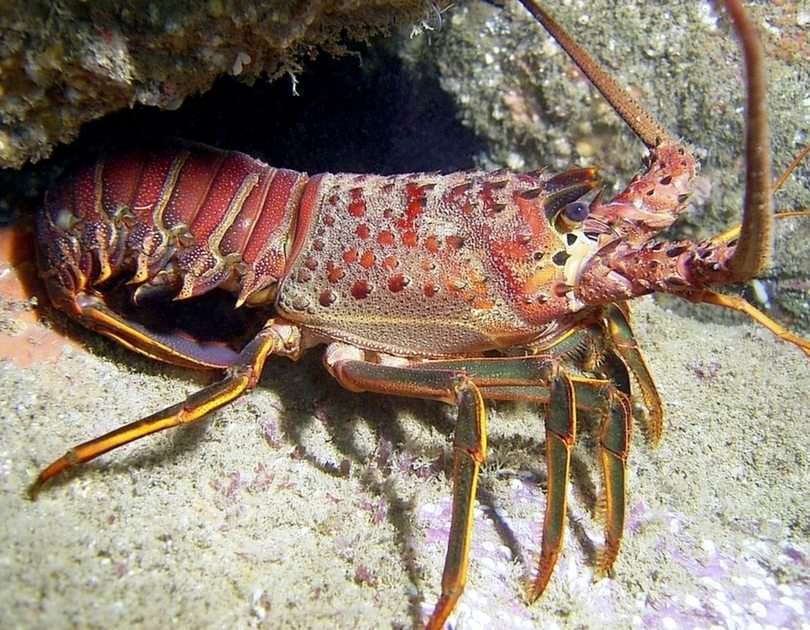
Spiny Lobster puzzle online from photo
15Spiny Lobstersolved 161 times
Solve puzzle
Butterflies 1 online puzzle
221Butterflies 1solved 159 times
Solve puzzle
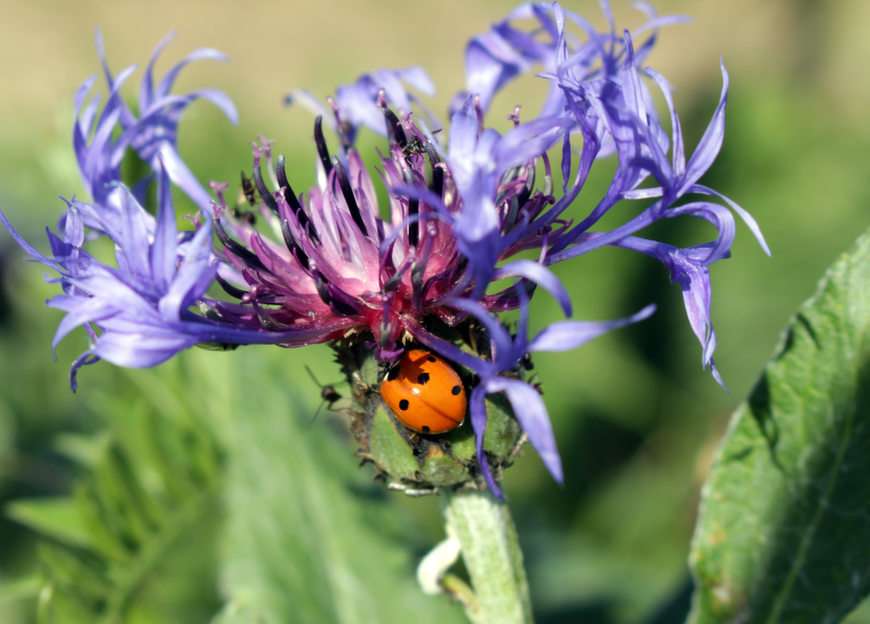
ladybird online puzzle
80ladybirdsolved 159 times
Solve puzzle
Tagetes with a butterfly online puzzle
100Tagetes with a butterflysolved 158 times
Solve puzzle

Online puzzle Arthropod

Arthropod

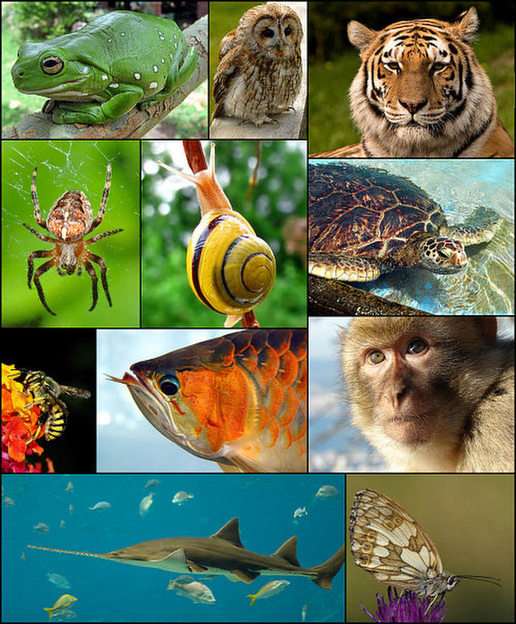
Arthropods (, from Ancient Greek ἄρθρον (arthron) 'joint', and πούς (pous) 'foot' (gen. ποδός)) are invertebrate animals in the phylum Arthropoda. They possess an exoskeleton with a cuticle made of chitin, often mineralised with calcium carbonate, a segmented body, and paired jointed appendages. In order to keep growing, they must go through stages of moulting, a process by which they shed their exoskeleton to reveal a new one. They are an extremely diverse group, with up to 10 million species.

Haemolymph is the analogue of blood for arthropods. An arthropod has an open circulatory system, with a body cavity called a haemocoel through which haemolymph circulates to the interior organs. Like their exteriors, the internal organs of arthropods are generally built of repeated segments. Their nervous system is "ladder-like", with paired ventral nerve cords running through all segments and forming paired ganglia in each segment. Their heads are formed by fusion of varying numbers of segments, and their brains are formed by fusion of the ganglia of these segments and encircle the esophagus. The respiratory and excretory systems of arthropods vary, depending as much on their environment as on the subphylum to which they belong.

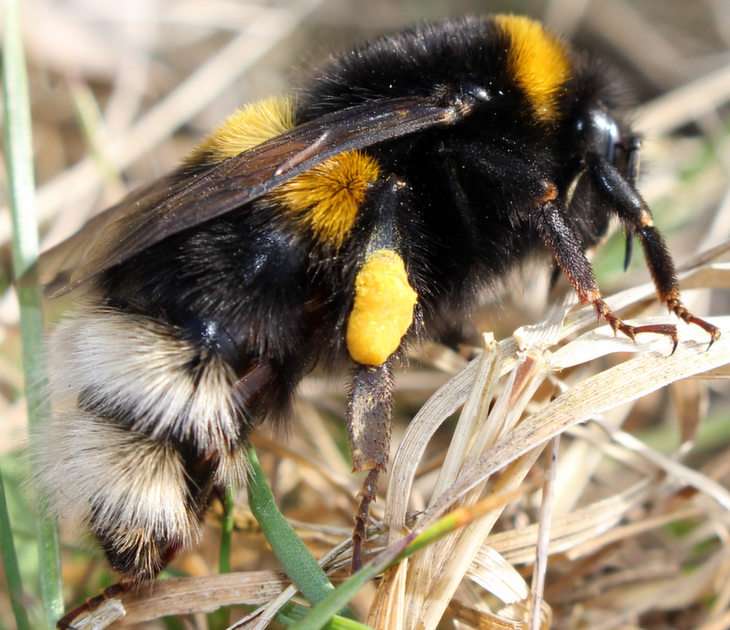
Arthropods use combinations of compound eyes and pigment-pit ocelli for vision. In most species, the ocelli can only detect the direction from which light is coming, and the compound eyes are the main source of information, but the main eyes of spiders are ocelli that can form images and, in a few cases, can swivel to track prey. Arthropods also have a wide range of chemical and mechanical sensors, mostly based on modifications of the many bristles known as setae that project through their cuticles. Similarly, their reproduction and development are varied; all terrestrial species use internal fertilization, but this is sometimes by indirect transfer of the sperm via an appendage or the ground, rather than by direct injection. Aquatic species use either internal or external fertilization. Almost all arthropods lay eggs, but many species give birth to live young after the eggs have hatched inside the mother, and a few are genuinely viviparous, such as aphids. Arthropod hatchlings vary from miniature adults to grubs and caterpillars that lack jointed limbs and eventually undergo a total metamorphosis to produce the adult form. The level of maternal care for hatchlings varies from nonexistent to the prolonged care provided by social insects.
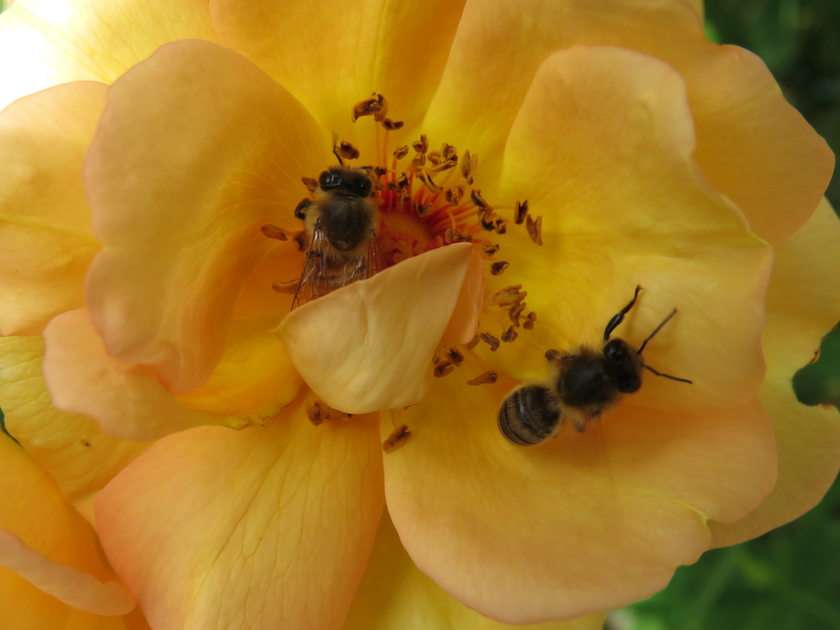
The evolutionary ancestry of arthropods dates back to the Cambrian period. The group is generally regarded as monophyletic, and many analyses support the placement of arthropods with cycloneuralians (or their constituent clades) in a superphylum Ecdysozoa. Overall, however, the basal relationships of animals are not yet well resolved. Likewise, the relationships between various arthropod groups are still actively debated. Today, Arthropods contribute to the human food supply both directly as food, and more importantly, indirectly as pollinators of crops. Some species are known to spread severe disease to humans, livestock, and crops.