Clock - online puzzles

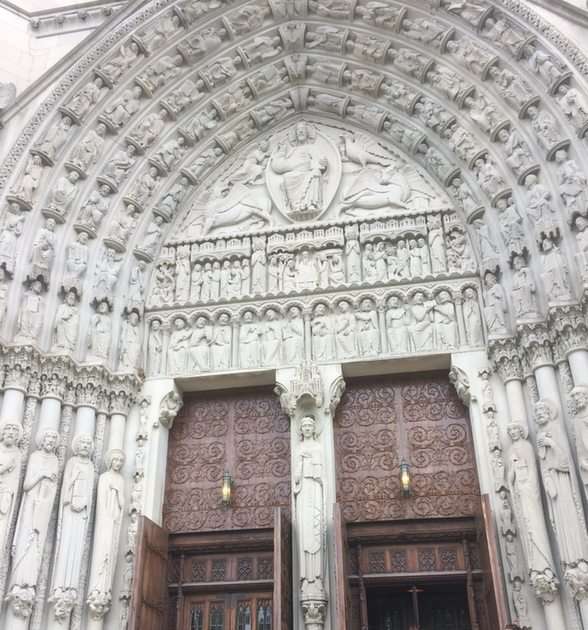
New York online puzzle
16New Yorksolved 239 times

Solve puzzle
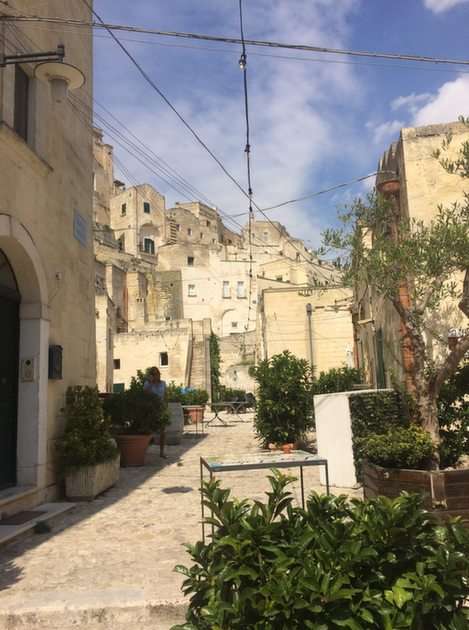
Matera puzzle online from photo
20Materasolved 239 times
Solve puzzle
Alberobello puzzle online from photo
28Alberobellosolved 239 times
Solve puzzle
Athens..... puzzle online from photo
48Athens.....solved 238 times
Solve puzzle
Vault puzzle online from photo
182Vaultsolved 238 times
Solve puzzle
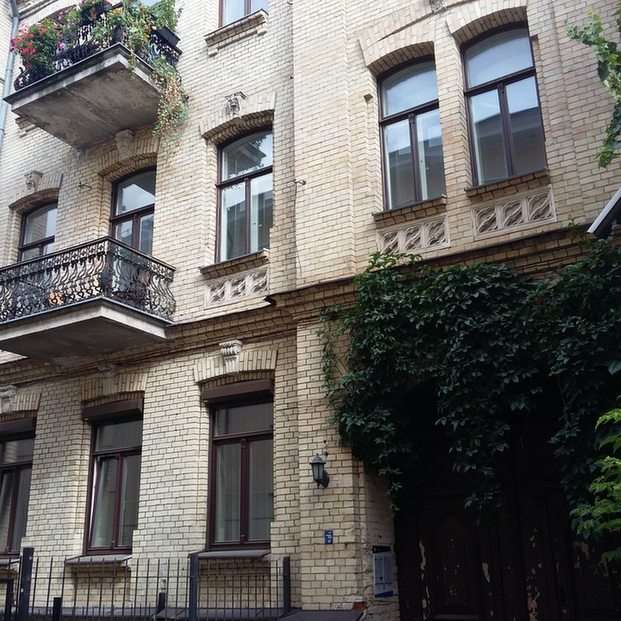
Tenement house puzzle online from photo
20Tenement housesolved 238 times
Solve puzzle
Hotelik puzzle online from photo
20Hoteliksolved 238 times
Solve puzzle
Brooklyn puzzle online from photo
20Brooklynsolved 238 times
Solve puzzle
New York puzzle online from photo
20New Yorksolved 238 times
Solve puzzle
Organs online puzzle
16Organssolved 238 times
Solve puzzle
Bergamo puzzle online from photo
20Bergamosolved 238 times
Solve puzzle
New York puzzle online from photo
20New Yorksolved 238 times
Solve puzzle
New York puzzle online from photo
28New Yorksolved 238 times
Solve puzzle
Bergamo online puzzle
20Bergamosolved 238 times
Solve puzzle
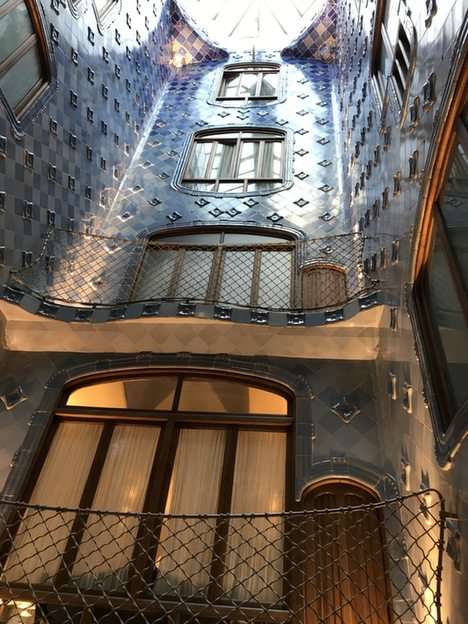
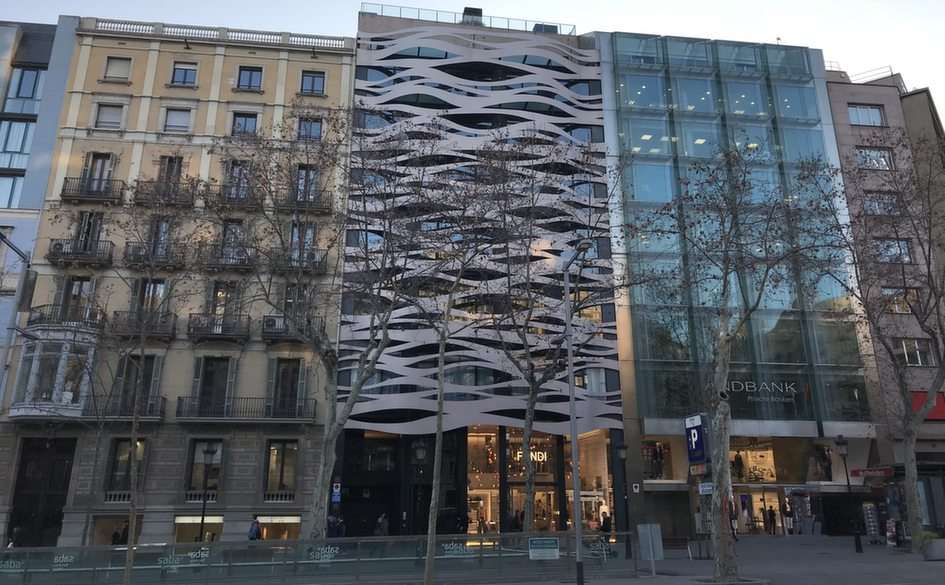
Barcelona puzzle online from photo
24Barcelonasolved 238 times
Solve puzzle
Barcelona online puzzle
20Barcelonasolved 238 times
Solve puzzle
Polignano a Mare online puzzle
20Polignano a Maresolved 238 times
Solve puzzle
Matera online puzzle
24Materasolved 238 times
Solve puzzle
Matera puzzle online from photo
16Materasolved 238 times
Solve puzzle
Sitges puzzle online from photo
20Sitgessolved 238 times
Solve puzzle
Grill puzzle online from photo
28Grillsolved 238 times
Solve puzzle
Parish and church in Lisia Góra online puzzle
48Parish and church in Lisia Górasolved 237 times
Solve puzzle
palace online puzzle
48palacesolved 237 times
Solve puzzle
Bear online puzzle
63Bearsolved 237 times
Solve puzzle
Palace online puzzle
28Palacesolved 237 times
Solve puzzle
Mansion puzzle online from photo
48Mansionsolved 237 times
Solve puzzle
Cagliari puzzle online from photo
24Cagliarisolved 237 times
Solve puzzle
Cagliari online puzzle
20Cagliarisolved 237 times
Solve puzzle
Balconies puzzle online from photo
20Balconiessolved 237 times
Solve puzzle
Garden on the terrace online puzzle
16Garden on the terracesolved 237 times
Solve puzzle
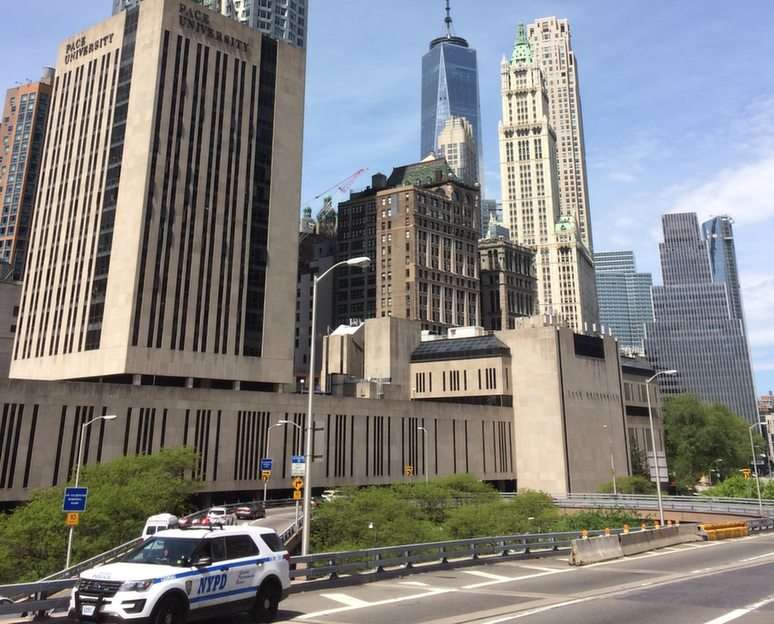
New York puzzle online from photo
20New Yorksolved 237 times
Solve puzzle
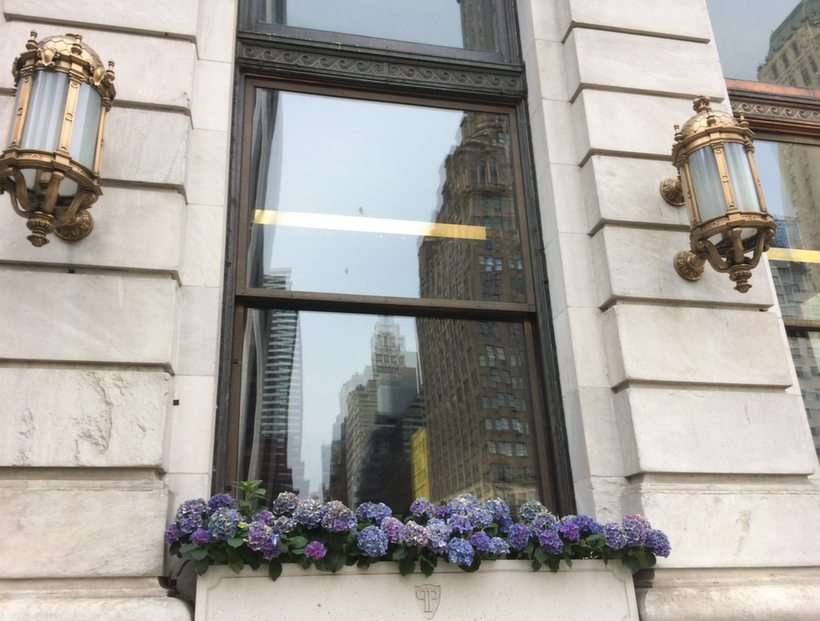
New York online puzzle
24New Yorksolved 237 times
Solve puzzle
Pulpit online puzzle
28Pulpitsolved 237 times
Solve puzzle
Barcelona online puzzle
20Barcelonasolved 237 times
Solve puzzle
Barcelona puzzle online from photo
20Barcelonasolved 237 times
Solve puzzle
Otranto puzzle online from photo
24Otrantosolved 237 times
Solve puzzle
Ostuni puzzle online from photo
24Ostunisolved 237 times
Solve puzzle
Sagrada Familia online puzzle
24Sagrada Familiasolved 237 times
Solve puzzle
Barcelona online puzzle
20Barcelonasolved 237 times
Solve puzzle
The Old Town of Olsztyn puzzle online from photo
70The Old Town of Olsztynsolved 236 times
Solve puzzle
Church in Kościelisko puzzle online from photo
192Church in Kościeliskosolved 236 times
Solve puzzle
London online puzzle
252Londonsolved 236 times
Solve puzzle
Cross from the Parish Church in Lubawa puzzle online from photo
15Cross from the Parish Church in Lubawasolved 236 times
Solve puzzle
mask online puzzle
63masksolved 236 times
Solve puzzle
Bridge online puzzle
20Bridgesolved 236 times
Solve puzzle
Gdansk puzzle online from photo
20Gdansksolved 236 times
Solve puzzle
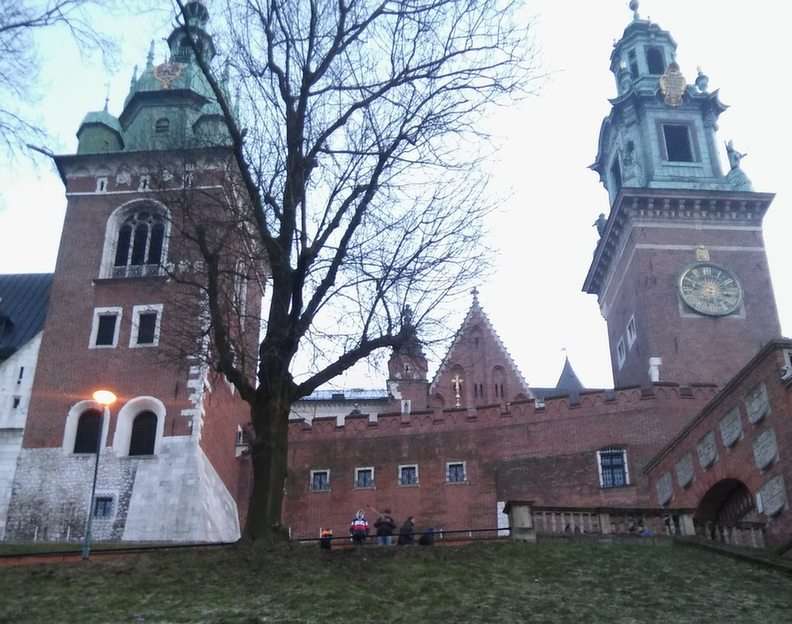
Wawel puzzle online from photo
24Wawelsolved 236 times
Solve puzzle
Sardinia puzzle online from photo
16Sardiniasolved 236 times
Solve puzzle

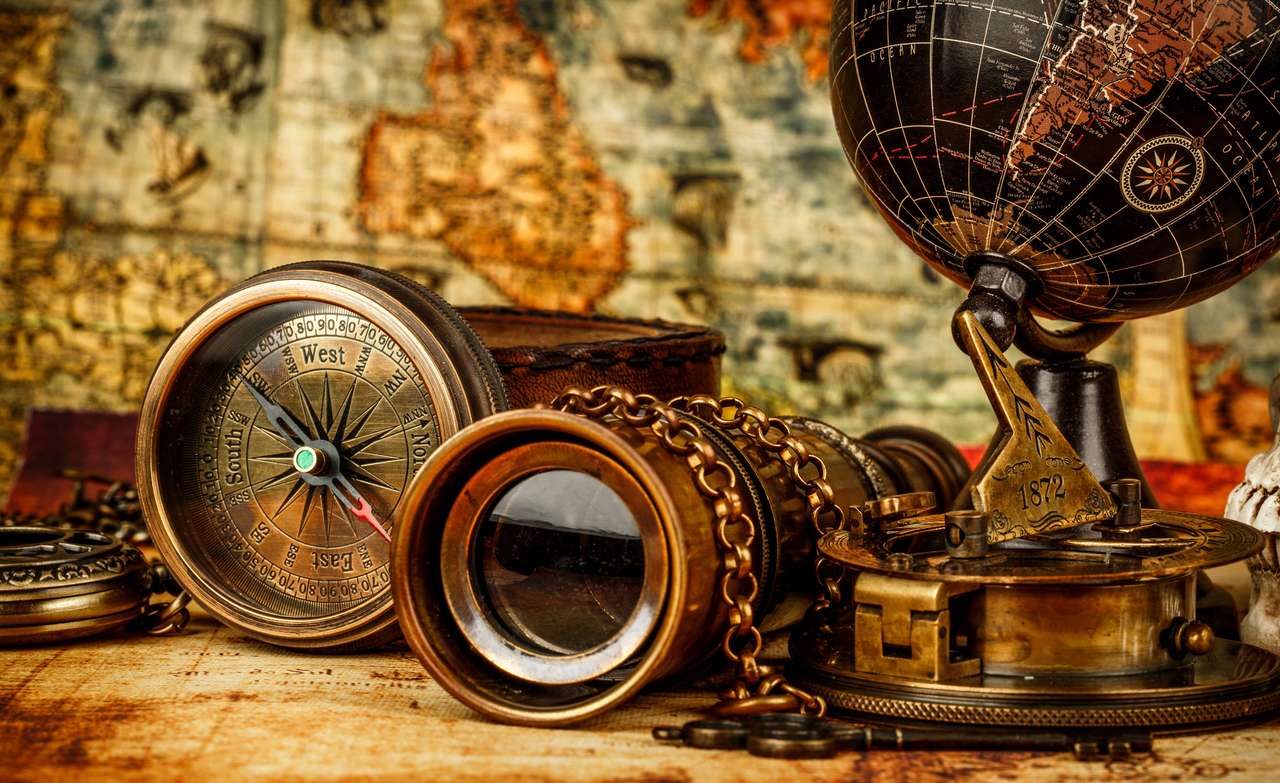
Online puzzle Clock

Clock

A clock, or a timepiece, is a device used to measure and indicate time. The clock is one of the oldest human inventions, meeting the need to measure intervals of time shorter than the natural units such as the day, the lunar month, and the year. Devices operating on several physical processes have been used over the millennia.

Some predecessors to the modern clock may be considered "clocks" that are based on movement in nature: A sundial shows the time by displaying the position of a shadow on a flat surface. There is a range of duration timers, a well-known example being the hourglass. Water clocks, along with sundials, are possibly the oldest time-measuring instruments. A major advance occurred with the invention of the verge escapement, which made possible the first mechanical clocks around 1300 in Europe, which kept time with oscillating timekeepers like balance wheels.Traditionally, in horology (the study of timekeeping), the term clock was used for a striking clock, while a clock that did not strike the hours audibly was called a timepiece. This distinction is no longer made. Watches and other timepieces that can be carried on one's person are usually not referred to as clocks. Spring-driven clocks appeared during the 15th century. During the 15th and 16th centuries, clockmaking flourished. The next development in accuracy occurred after 1656 with the invention of the pendulum clock by Christiaan Huygens. A major stimulus to improving the accuracy and reliability of clocks was the importance of precise time-keeping for navigation. The mechanism of a timepiece with a series of gears driven by a spring or weights is referred to as clockwork; the term is used by extension for a similar mechanism not used in a timepiece. The electric clock was patented in 1840, and electronic clocks were introduced in the 20th century, becoming widespread with the development of small battery-powered semiconductor devices.

The timekeeping element in every modern clock is a harmonic oscillator, a physical object (resonator) that vibrates or oscillates at a particular frequency.

This object can be a pendulum, a tuning fork, a quartz crystal, or the vibration of electrons in atoms as they emit microwaves, the last of which is so precise that it serves as the definition of the second.

Clocks have different ways of displaying the time. Analog clocks indicate time with a traditional clock face and moving hands. Digital clocks display a numeric representation of time. Two numbering systems are in use: 12-hour time notation and 24-hour notation. Most digital clocks use electronic mechanisms and LCD, LED, or VFD displays. For the blind and for use over telephones, speaking clocks state the time audibly in words. There are also clocks for the blind that have displays that can be read by touch.