Garden roses - online puzzles














Online puzzle Garden roses
Garden roses
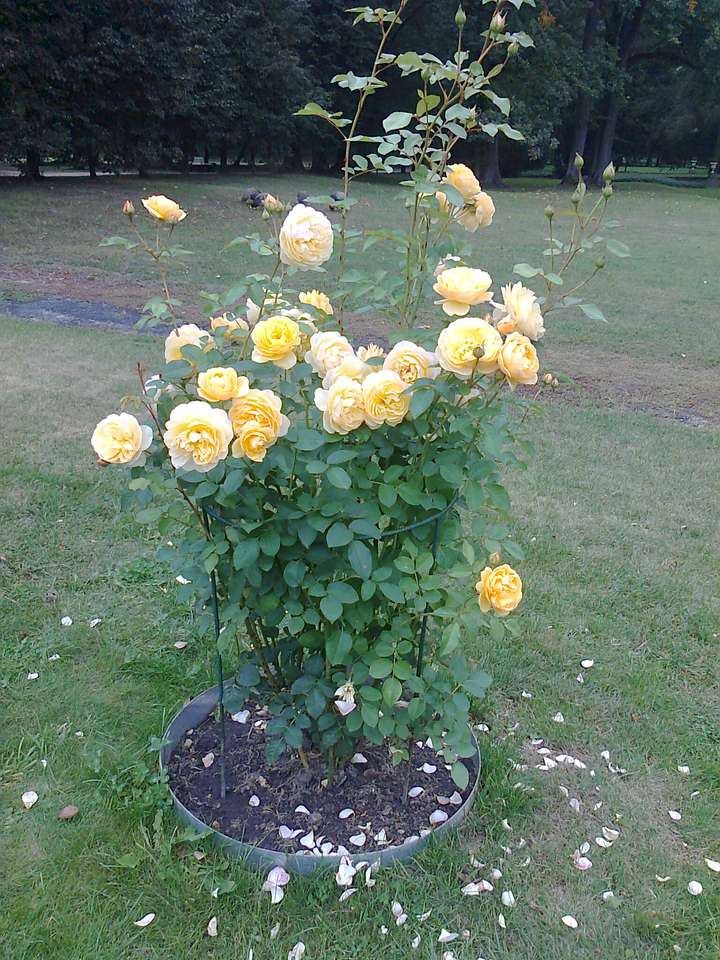
Garden roses are predominantly hybrid roses that are grown as ornamental plants in private or public gardens. They are one of the most popular and widely cultivated groups of flowering plants, especially in temperate climates. An enormous number of garden cultivars have been produced, especially over the last two centuries, though roses have been known in the garden for millennia beforehand. While most garden roses are grown for their flowers, often in dedicated rose gardens, some are also valued for other reasons, such as having ornamental fruit, providing ground cover, or for hedging.
The cultivars are classified in a number of different and overlapping ways, generally without much reference to strict botanical principles. Taking overall size and shape, the most common type is the bush rose, a rounded plant from 2 foot up to about 7 foot tall, above which height roses generally fall into the "'climbing and rambling'" class, the latter spreading wider; support is needed for these. There are also miniature roses, generally small bushes, and low sprawling ground cover roses, both up to about 15 inches tall. Most modern roses are propagated by budding onto rootstocks much closer to wild species; in "standard" shapes there is a single bare stem, with the graft at the top of that. Shrub roses are a rather loose category that include some of the original species and cultivars closely related to them, plus cultivars that grow rather larger than most bush roses. Technically all roses are shrubs. In terms of ancestry, roses are often divided into three main groups: Wild, Old Garden, and Modern Garden roses, with many subdivisions of these.
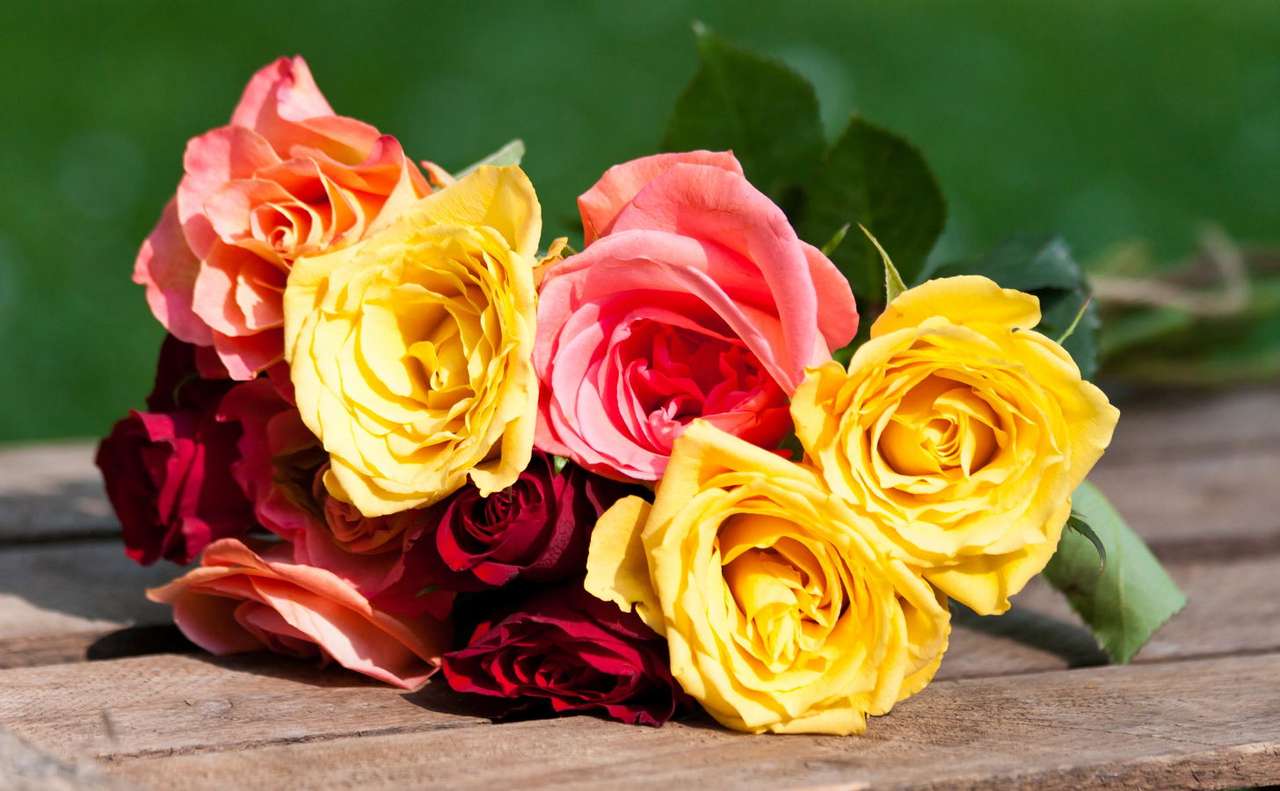
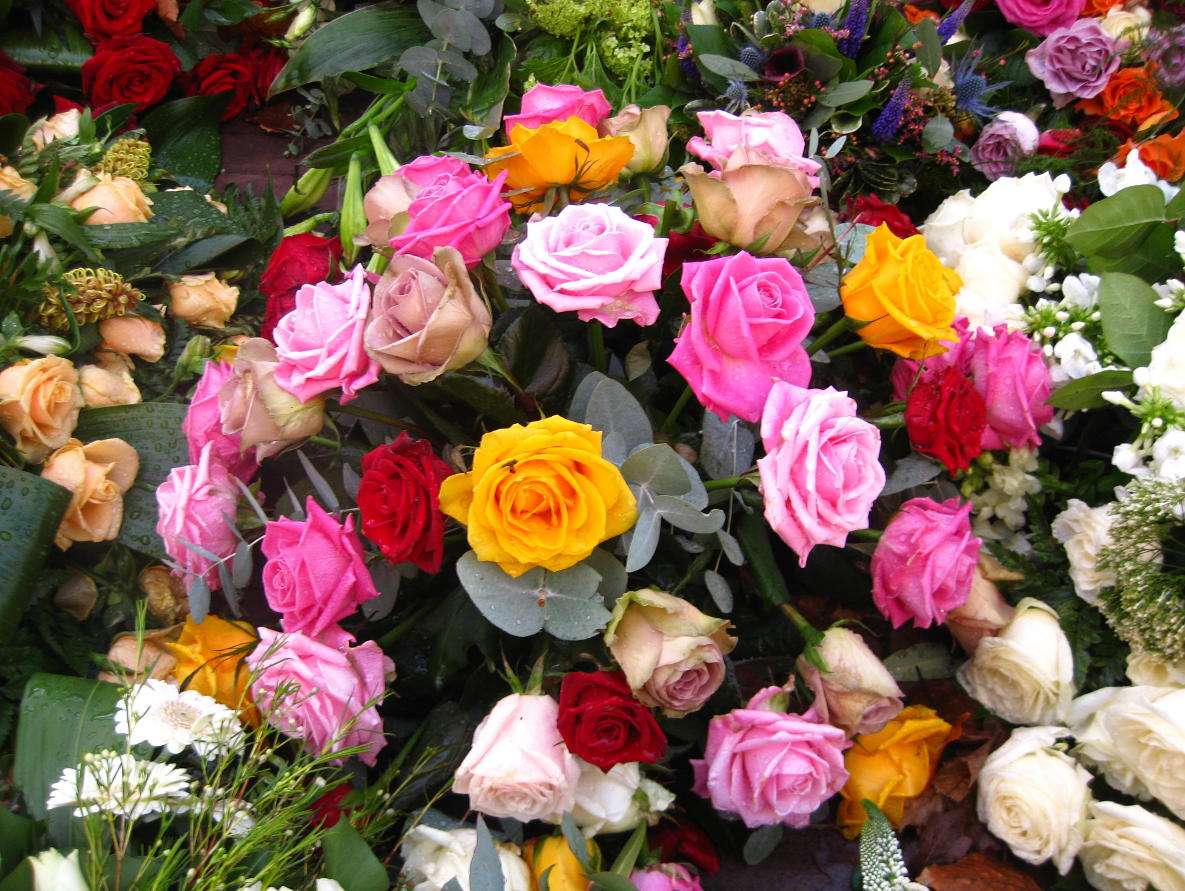
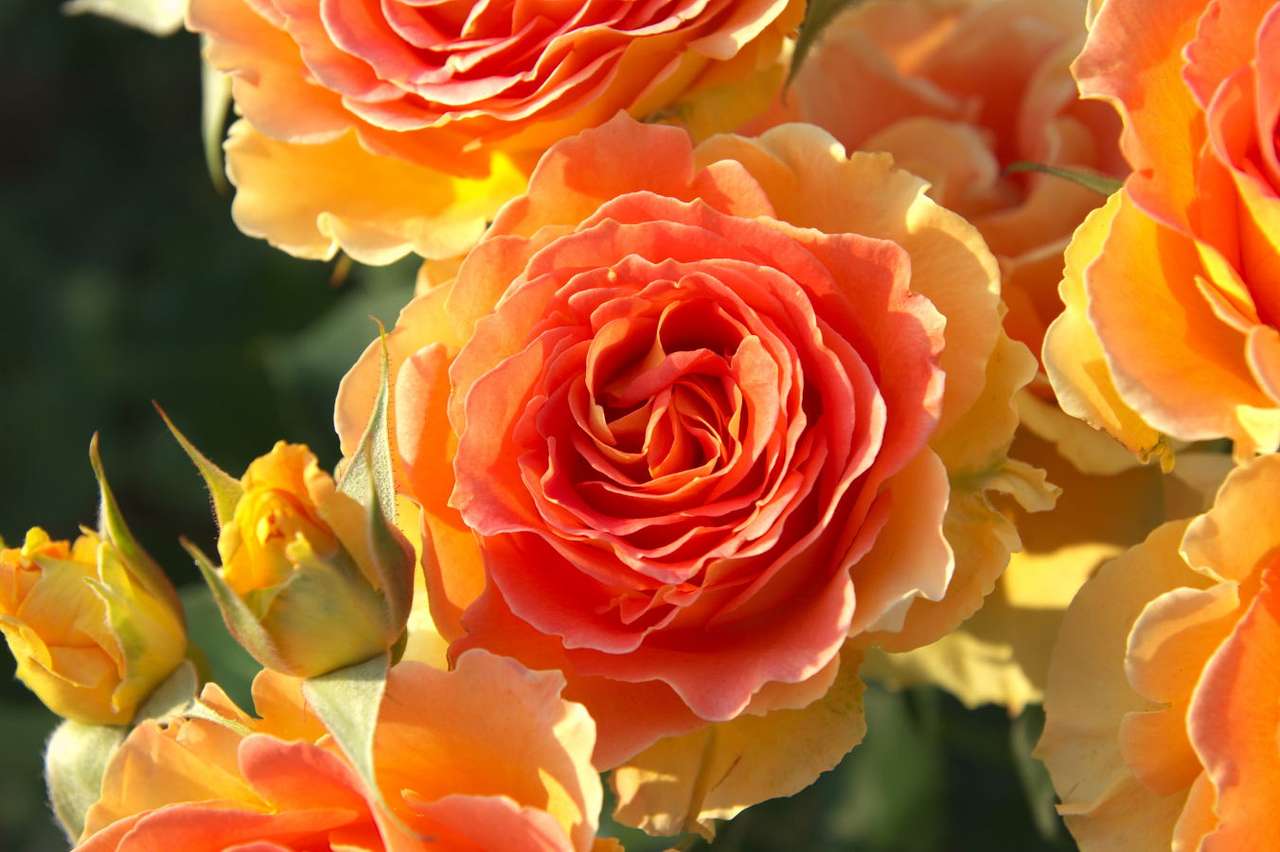
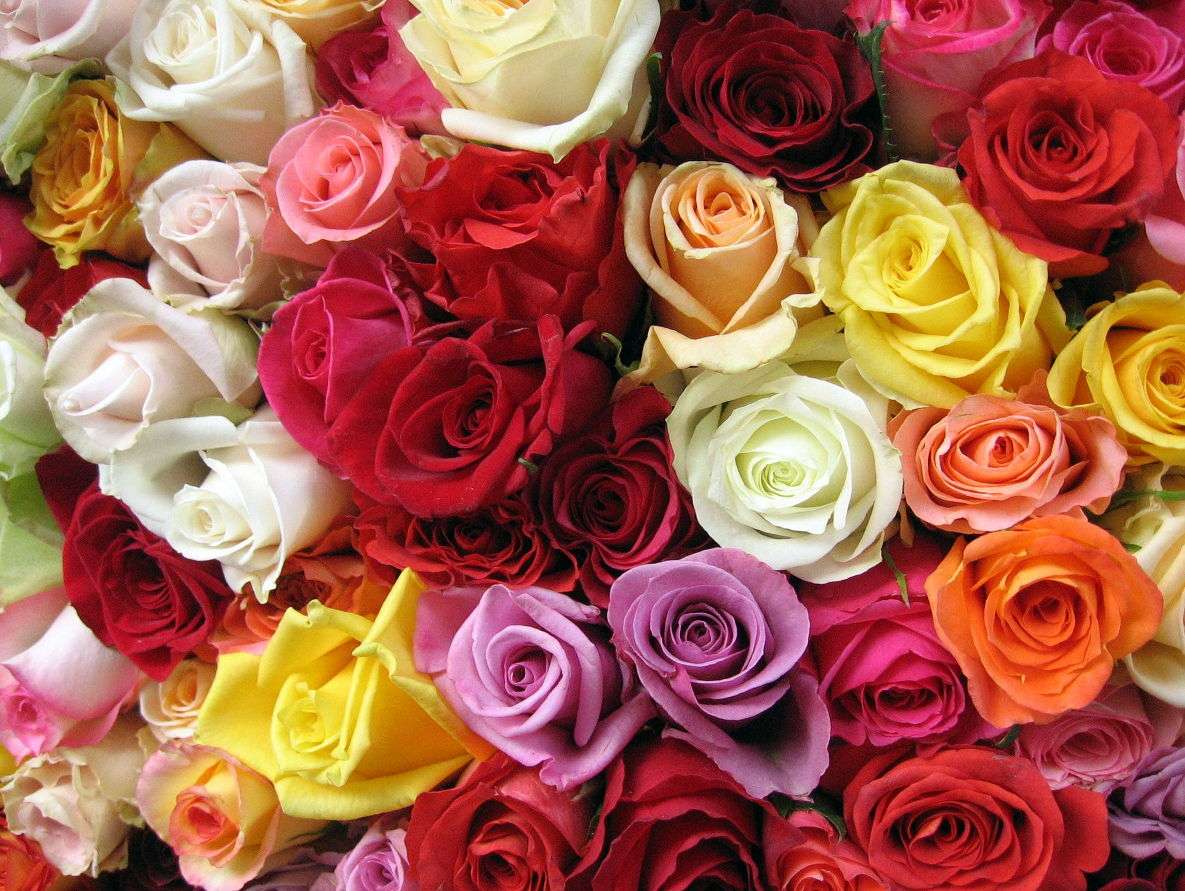
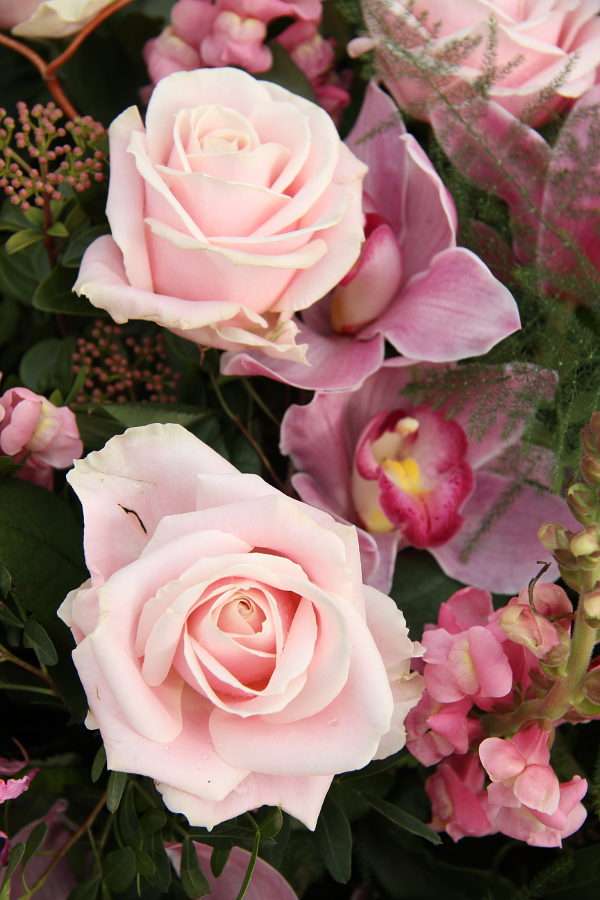
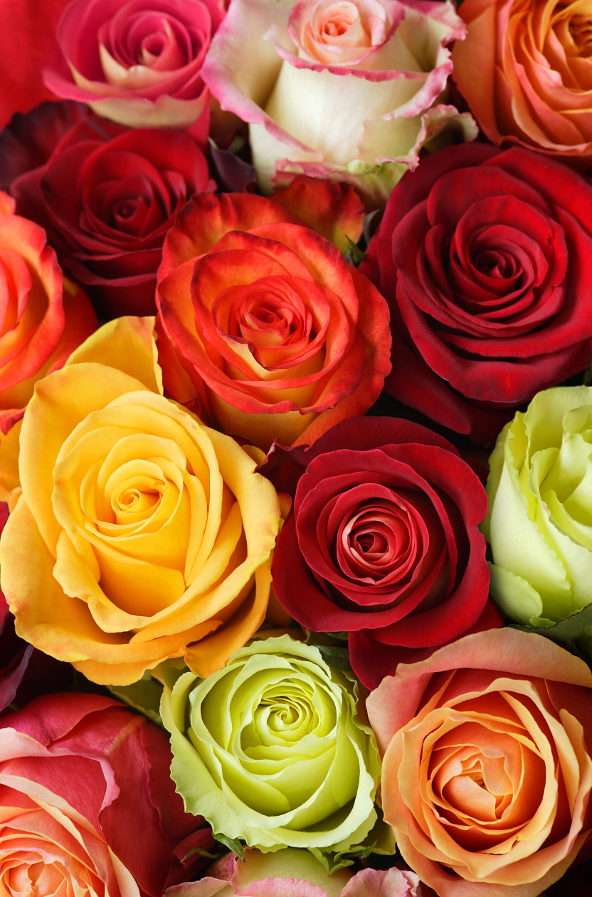
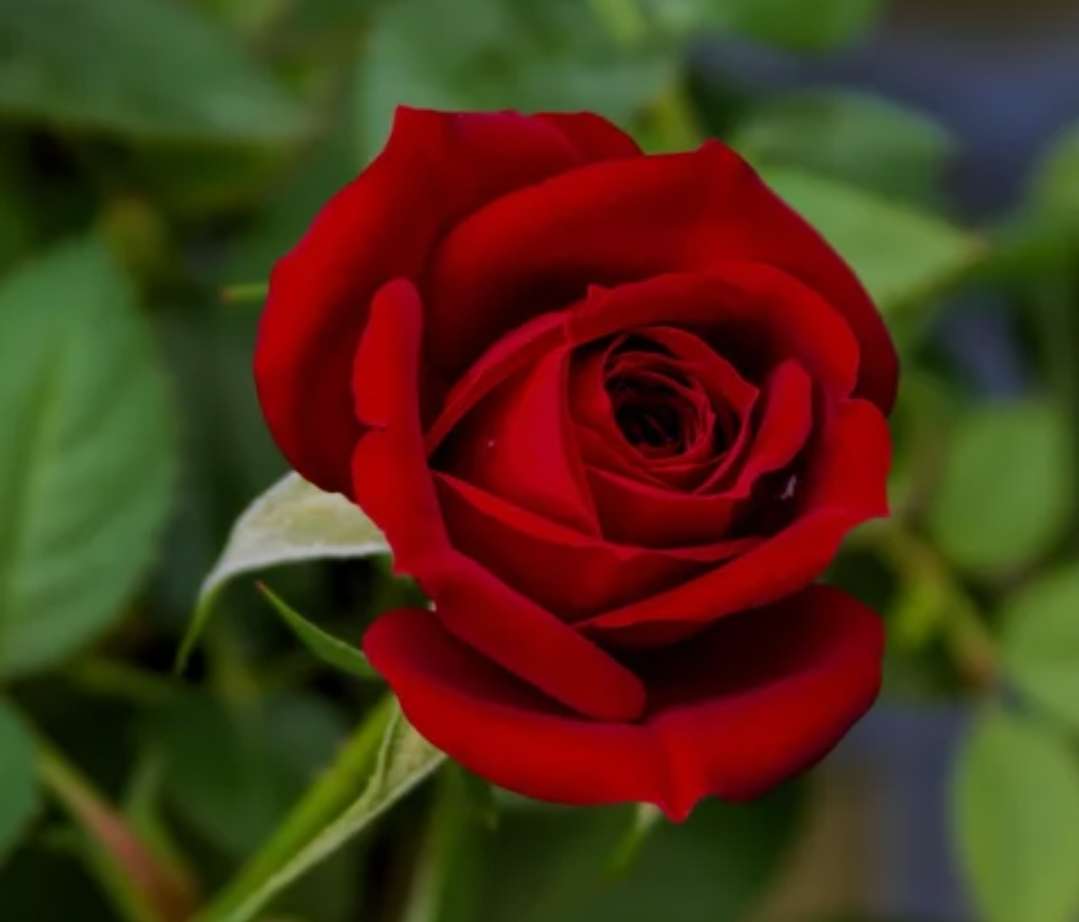
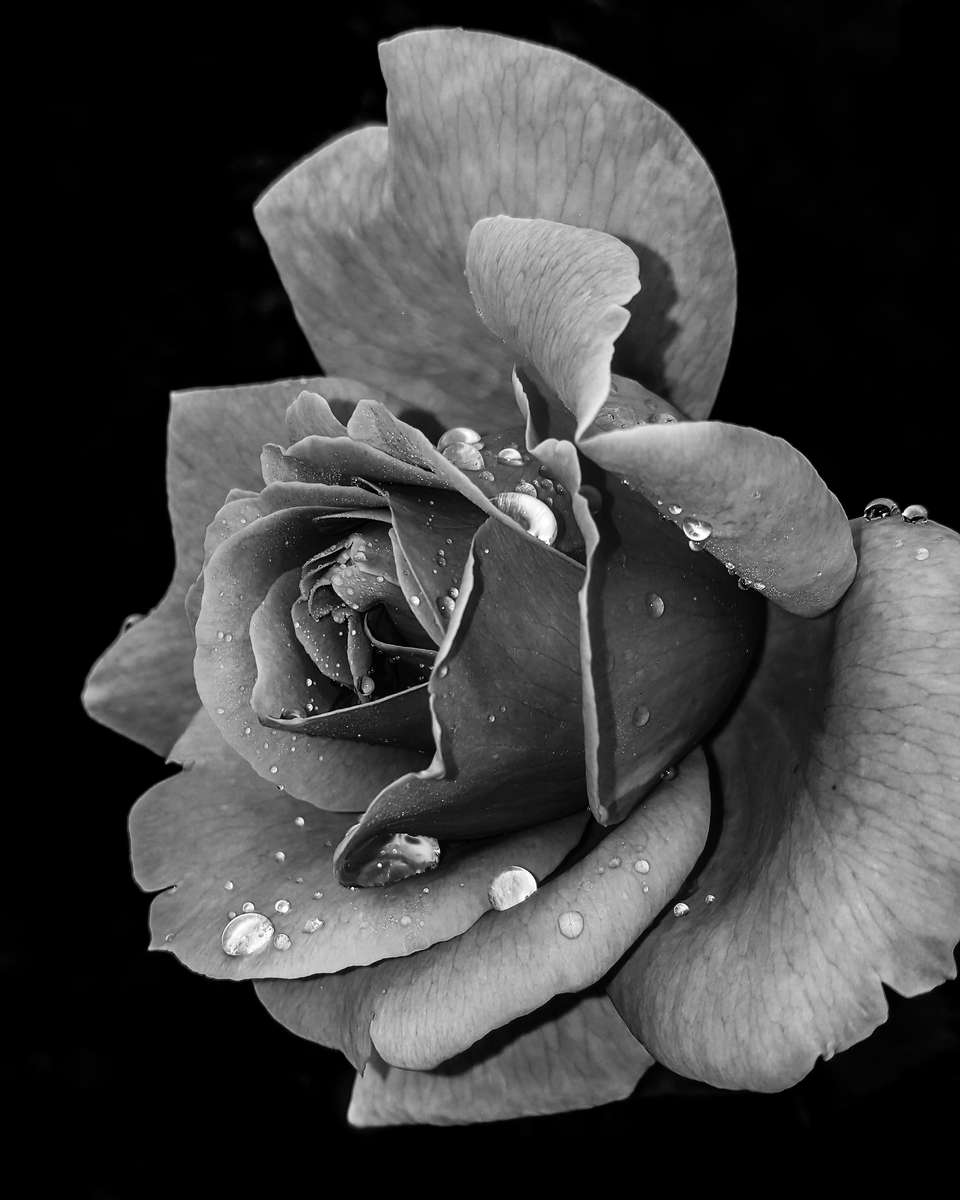
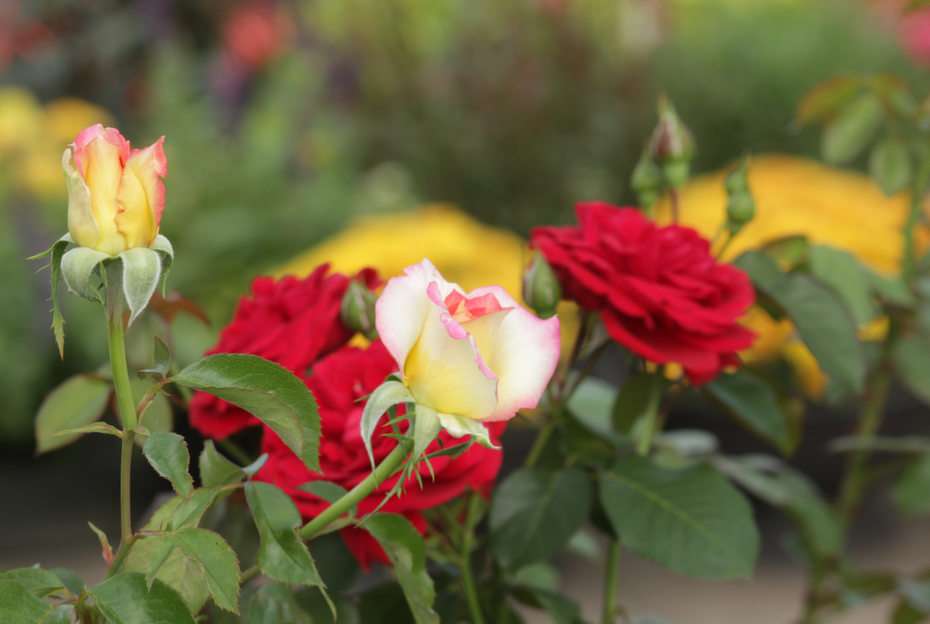
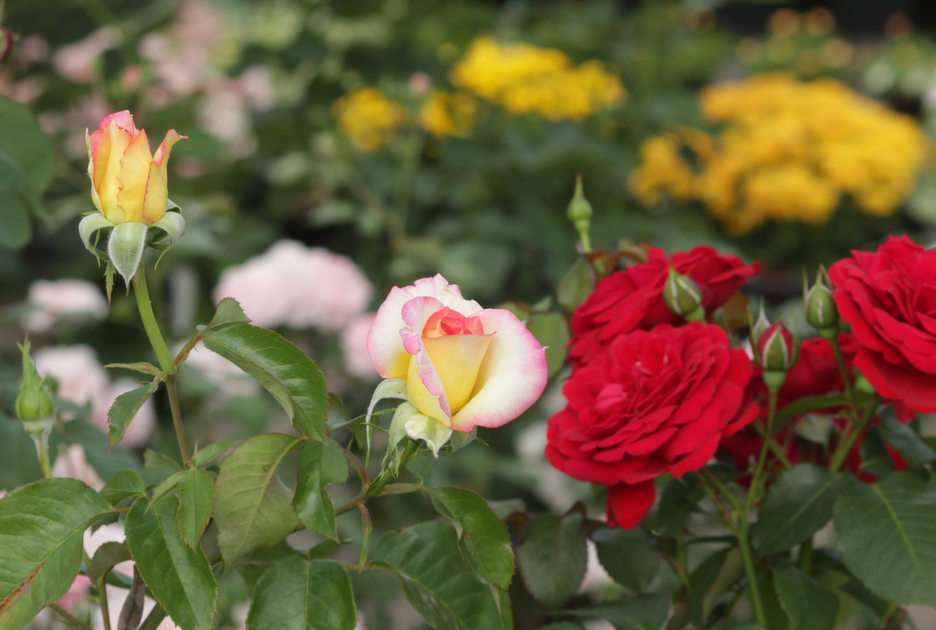
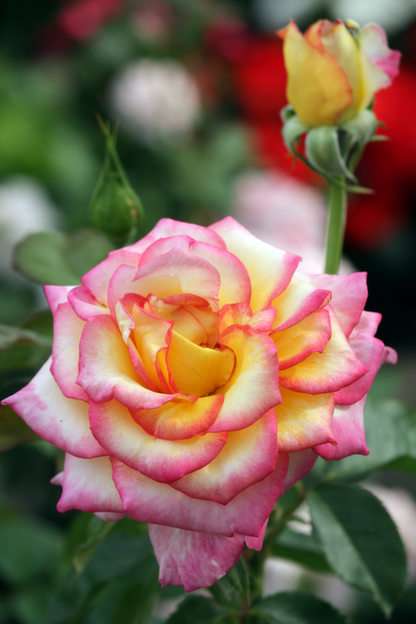
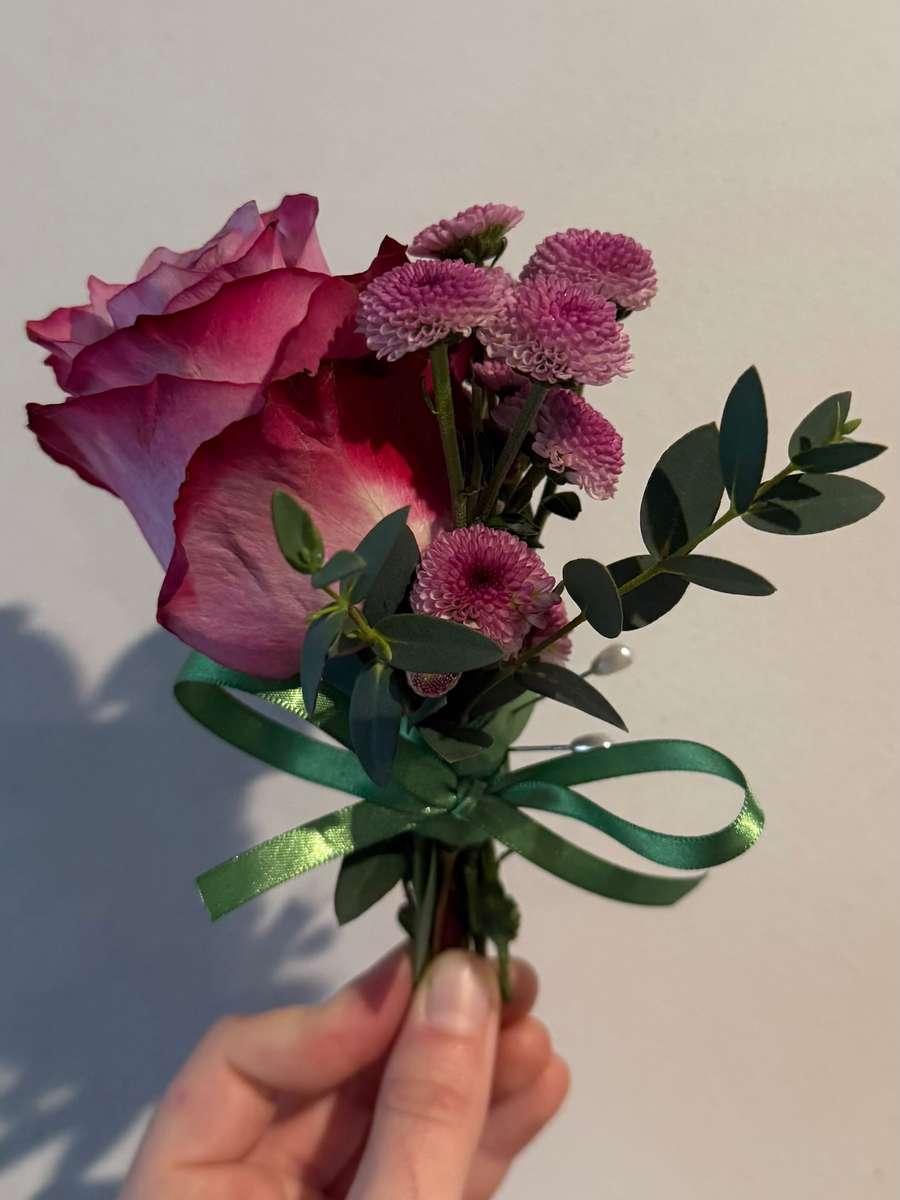
Gardeners most value roses for their large and brightly coloured flowers, which exist in every colour in the white to yellow to red part of the colour spectrum. A truly blue rose has yet to be bred, but there are a number of shades of purple. There are single or double-flowered varieties, with the latter much more popular. The petals are typically of a single colour, although bi-colour, striped and blended varieties exist. The classic hybrid tea rose flower shape, pointing up, tightly curled in the centre, with the outer petals spreading wide, is the most popular for gardens, and even more dominant in florists. But there are many alternatives. Most of the wild parent species are single-flowered with flat blooms, flowering only once, and many are still grown in gardens. Most varieties produce a single flower on a stem, but floribunda roses, introduced in the early 20th century, have a spray of several flowers, and are highly popular; they also have more continuous flowering. Most garden varieties still have thorns, though fewer than those in wild species, but some are thornless. It is often complained that modern varieties are deficient in scent from the flowers, and many are. An important development in recent decades has been extending the flowering season, in some cases to eight months in the right conditions, though the flower display still tends to be best in one or two "flushes", the first in late spring.
Roses are relatively easy to grow compared to many large-flowered garden plants, with the main effort, apart from basic watering and feeding, going into the pruning that most varieties need, and the training that many do. At least bush varieties are usually deadheaded, although some varieties are left for their decorative (and medicinal) rosehips. Roses are successfully grown in four continents, although a tropical climate is not ideal.