Porcelain - online puzzles
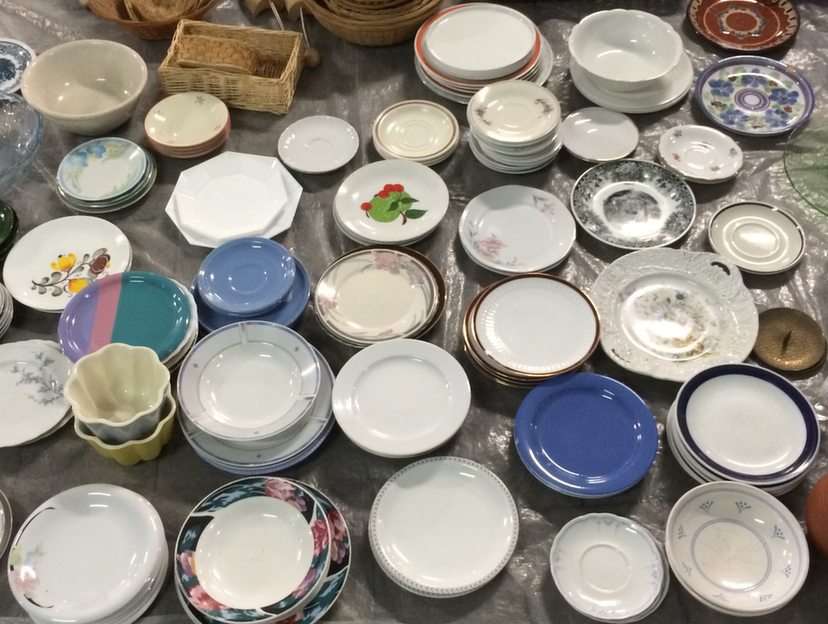
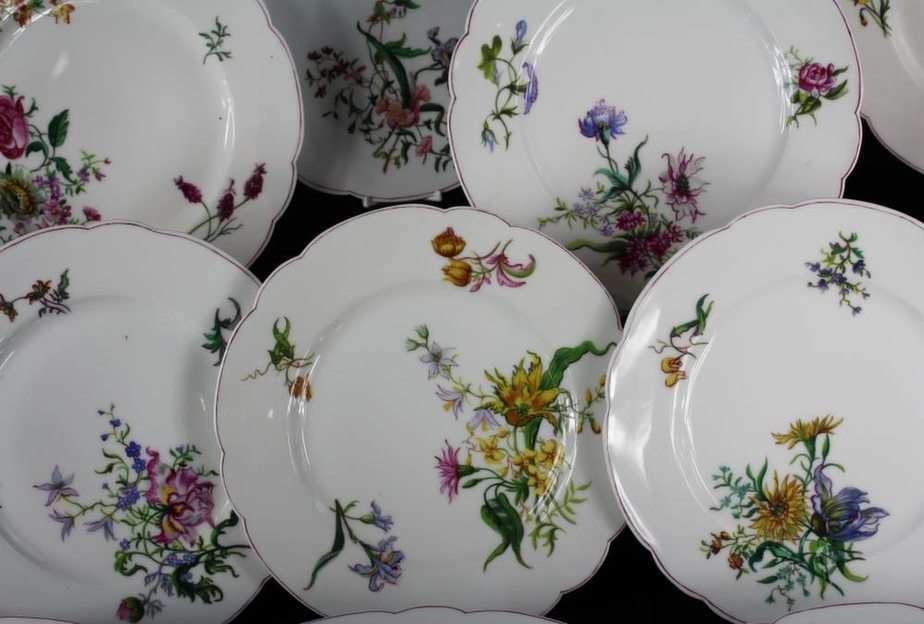
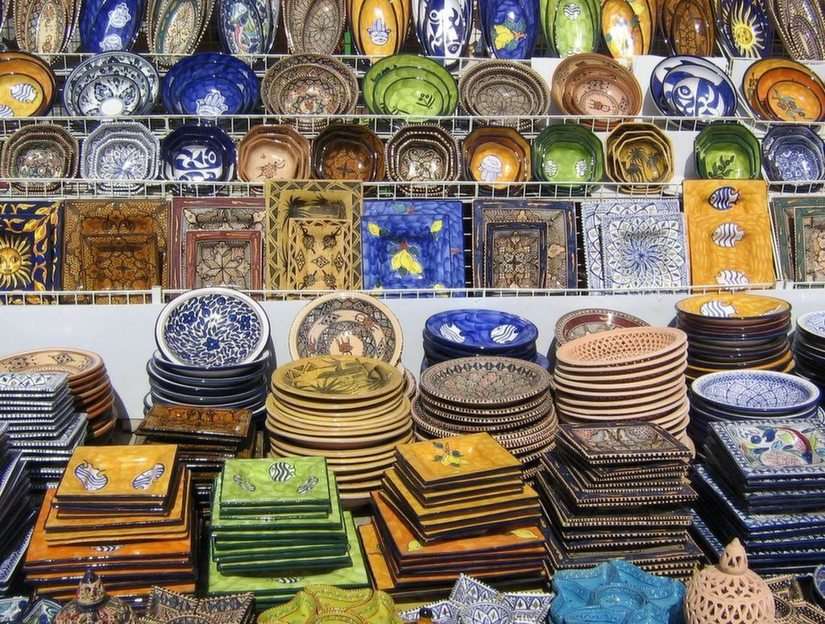
plates online puzzle
144platessolved 146 times
Solve puzzle
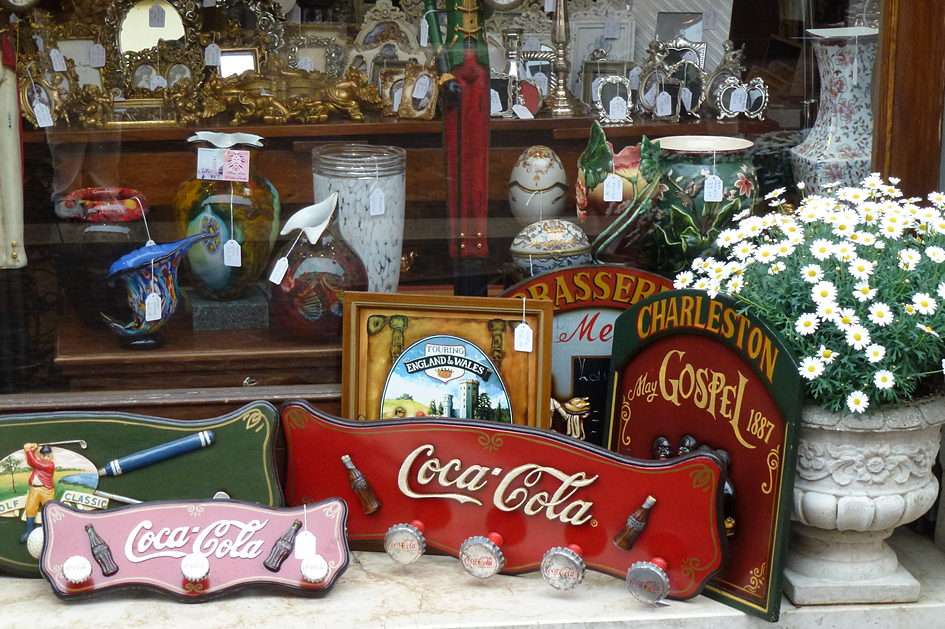
Historic cans online puzzle
144Historic canssolved 146 times
Solve puzzle
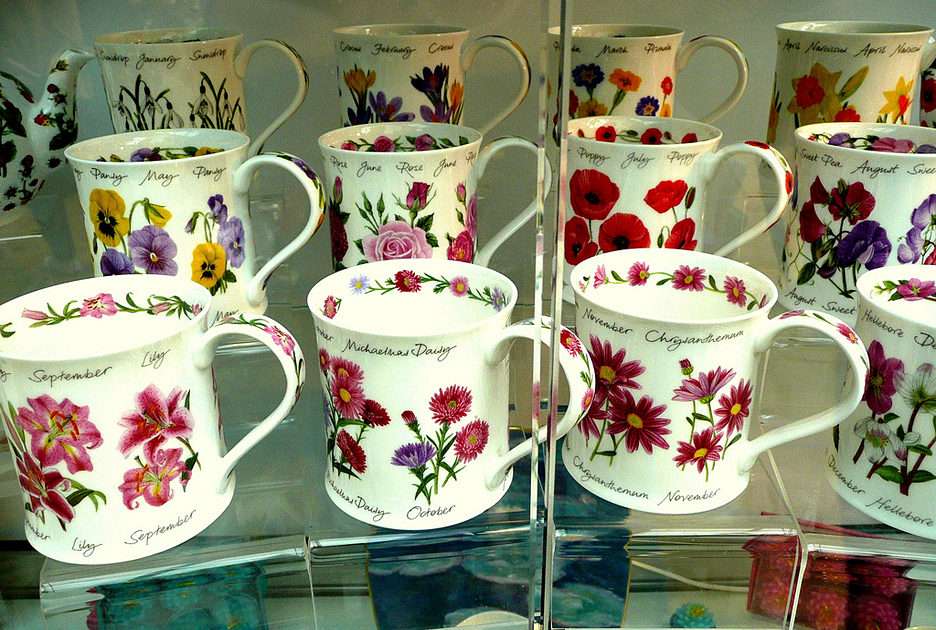
POMERANIAN MUGS puzzle online from photo
330POMERANIAN MUGSsolved 145 times
Solve puzzle
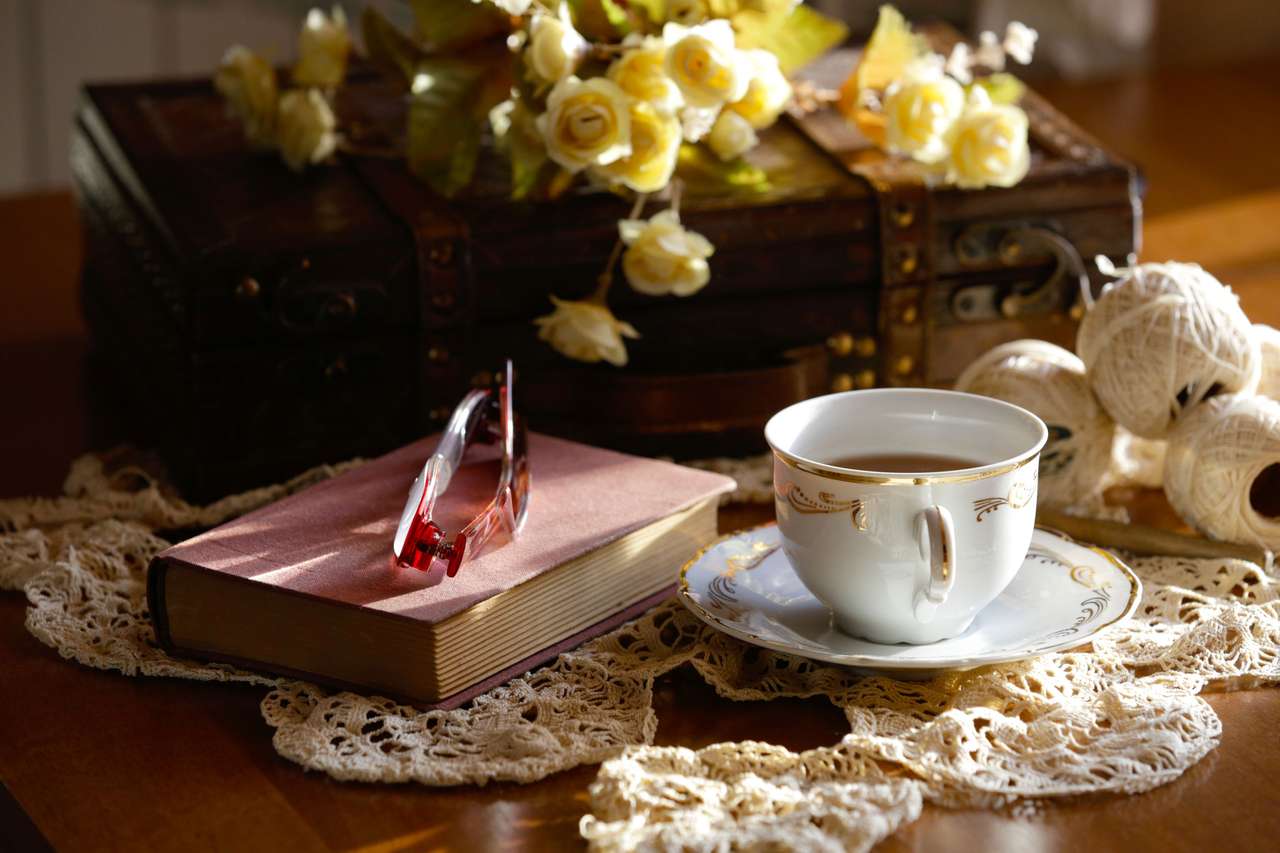
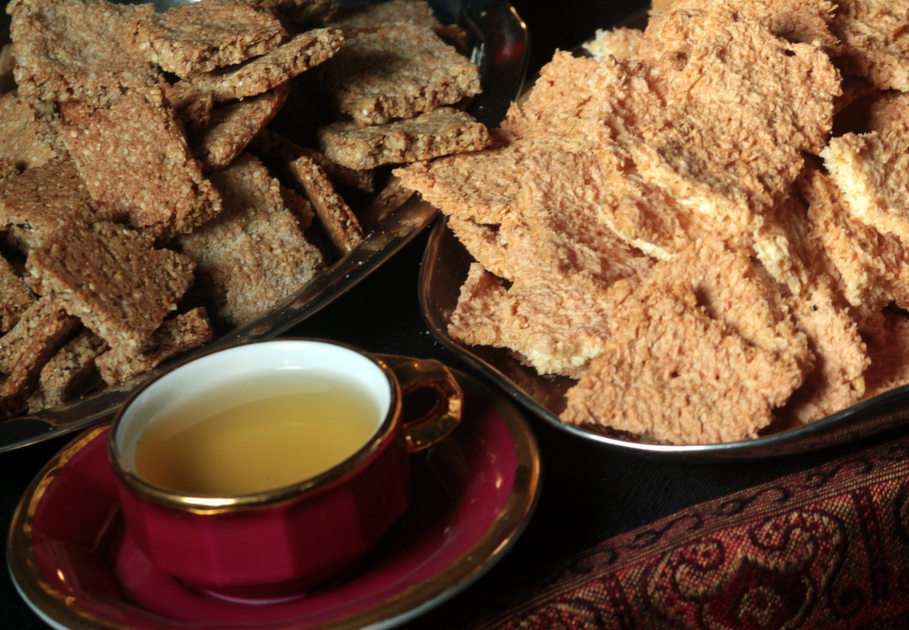
Tea book puzzle online from photo
70Tea booksolved 145 times
Solve puzzle
The Gingerbread Man online puzzle
40The Gingerbread Mansolved 145 times
Solve puzzle
yutyugfhjb puzzle online from photo
48yutyugfhjbsolved 144 times
Solve puzzle
painting online puzzle
169paintingsolved 144 times
Solve puzzle
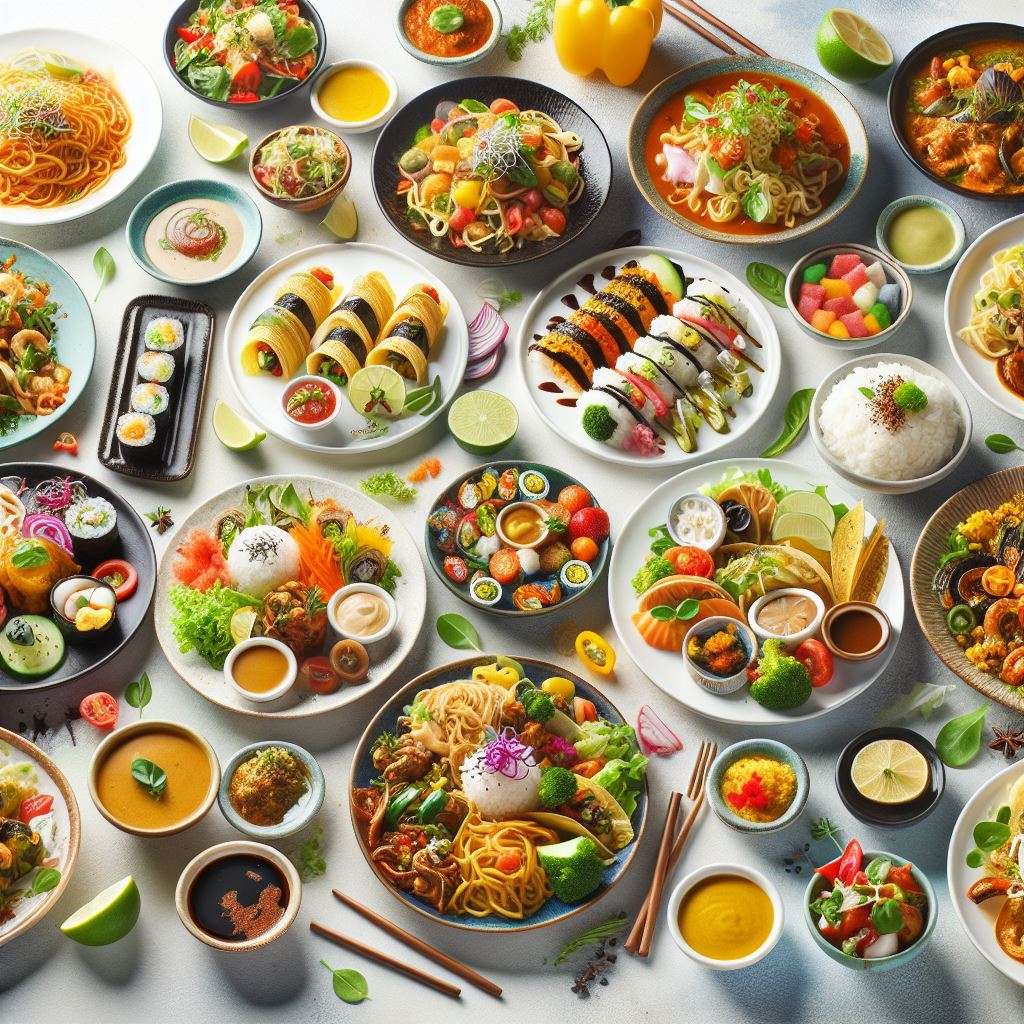
Tasty dishes online puzzle
225Tasty dishessolved 143 times
Solve puzzle
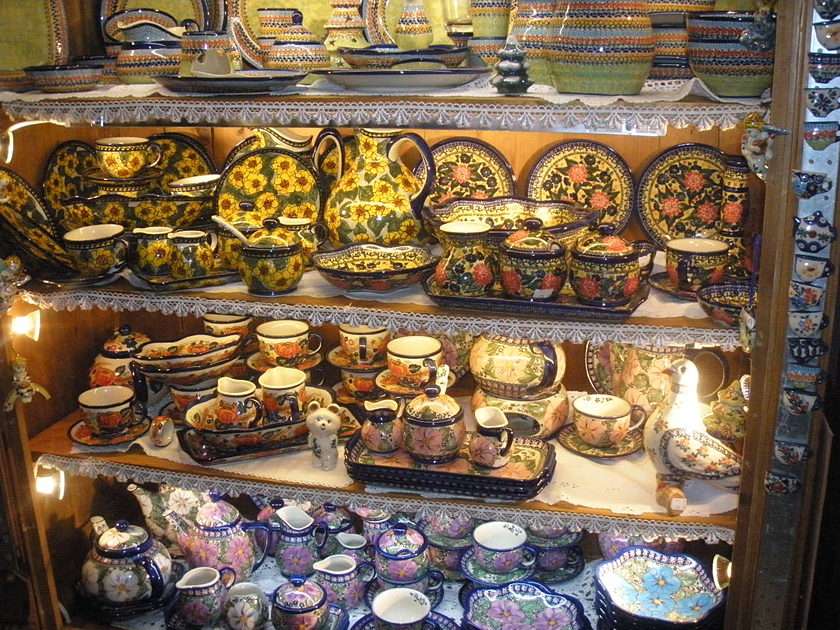
ceramics puzzle online from photo
225ceramicssolved 142 times
Solve puzzle
Two Ladies 2 puzzle online from photo
300Two Ladies 2solved 142 times
Solve puzzle
Golden siagon puzzle online from photo
24Golden siagonsolved 142 times
Solve puzzle
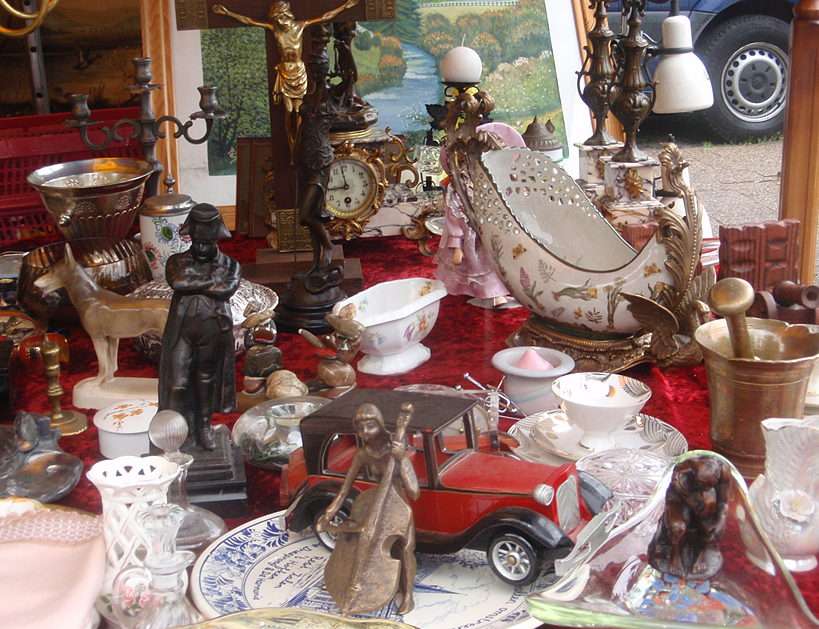
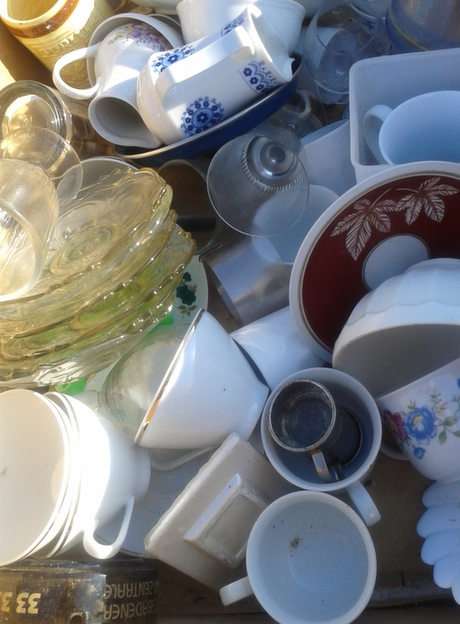
flea market puzzle online from photo
120flea marketsolved 141 times
Solve puzzle
dishes online puzzle
144dishessolved 141 times
Solve puzzle
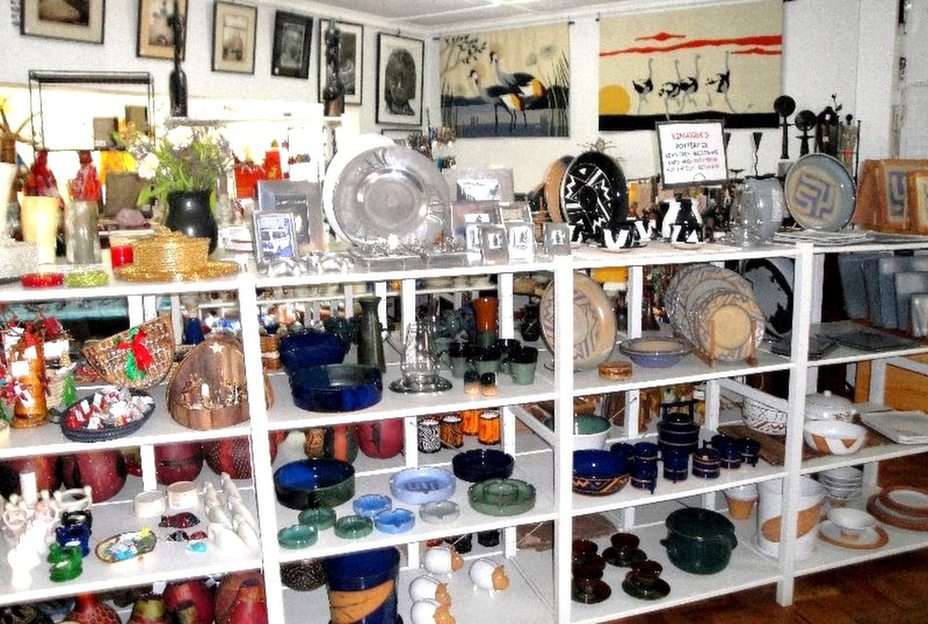
In the shop... puzzle online from photo
192In the shop...solved 141 times
Solve puzzle
Such nice lamps online puzzle
273Such nice lampssolved 140 times
Solve puzzle
At the bazaar in Tunis puzzle online from photo
192At the bazaar in Tunissolved 140 times
Solve puzzle
Basar online puzzle
63Basarsolved 140 times
Solve puzzle
samovar online puzzle
24samovarsolved 140 times
Solve puzzle
Devotional articles online puzzle
288Devotional articlessolved 139 times
Solve puzzle
Café chocolat puzzle online from photo
35Café chocolatsolved 139 times
Solve puzzle
estanteria de porcelanas puzzle online from photo
48estanteria de porcelanassolved 138 times
Solve puzzle
Cups ... puzzle online from photo
252Cups ...solved 137 times
Solve puzzle
Site online puzzle
192Sitesolved 136 times
Solve puzzle
festively puzzle online from photo
24festivelysolved 136 times
Solve puzzle
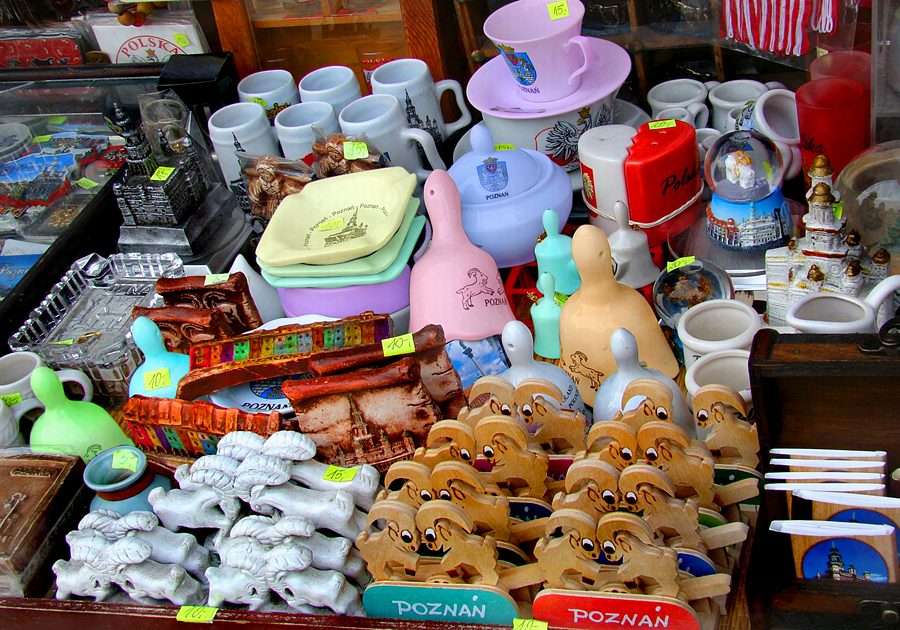
Souvenirs online puzzle
357Souvenirssolved 135 times
Solve puzzle
site online puzzle
132sitesolved 135 times
Solve puzzle
At the exhibition online puzzle
168At the exhibitionsolved 135 times
Solve puzzle
cookies for art puzzle online from photo
63cookies for artsolved 135 times
Solve puzzle
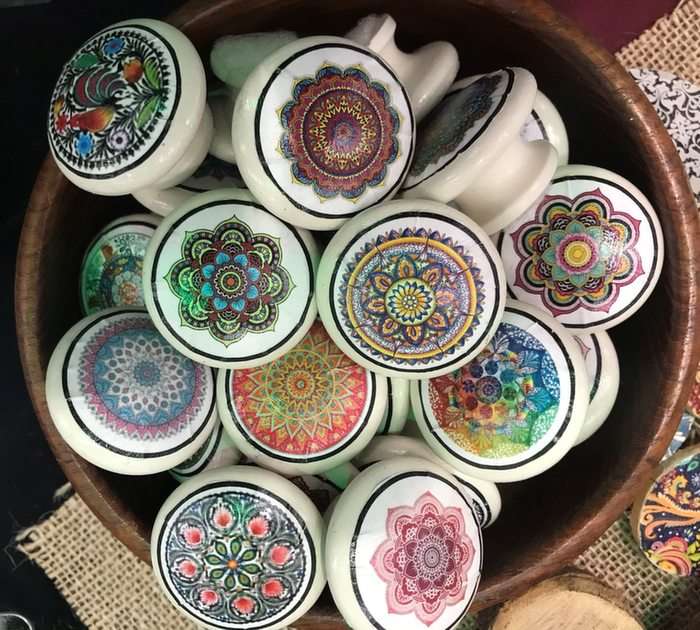
Mandala Knobs puzzle online from photo
64Mandala Knobssolved 135 times
Solve puzzle
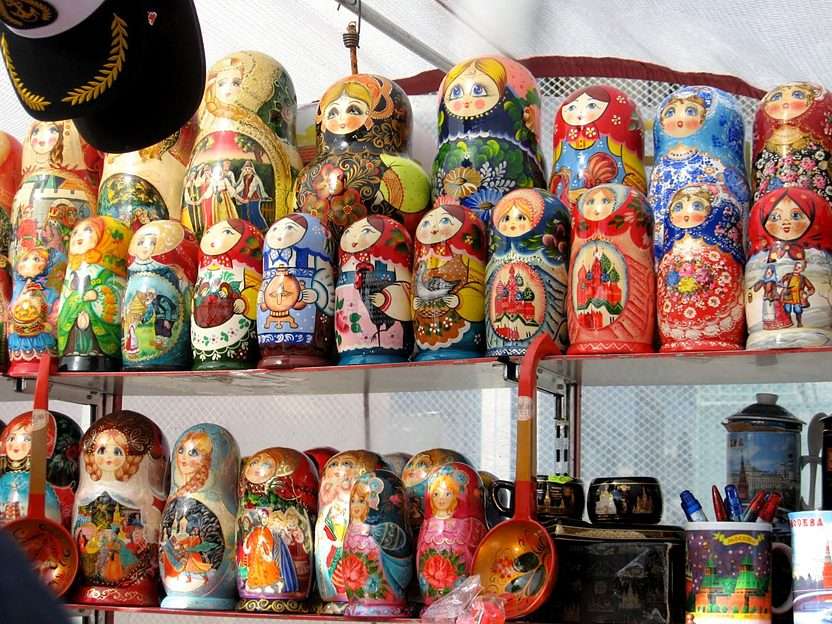
Matryoshka dolls puzzle online from photo
192Matryoshka dollssolved 132 times
Solve puzzle
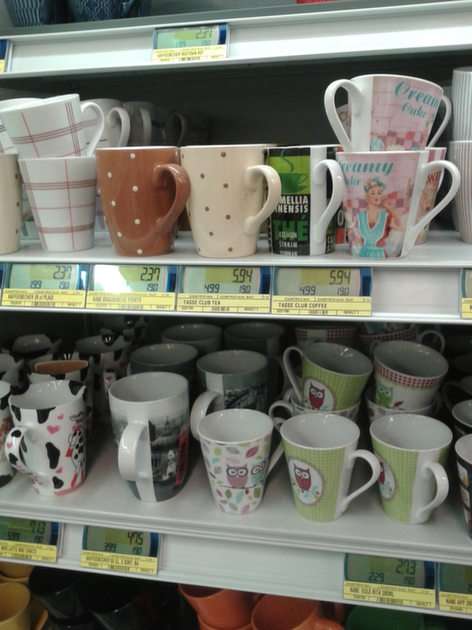
cups puzzle online from photo
80cupssolved 132 times
Solve puzzle
Morning coffee online puzzle
96Morning coffeesolved 132 times
Solve puzzle
Inside an artist's studio online puzzle
340Inside an artist's studiosolved 131 times
Solve puzzle
Tyrecka ceramics puzzle online from photo
140Tyrecka ceramicssolved 130 times
Solve puzzle
Herbs in pots online puzzle
144Herbs in potssolved 130 times
Solve puzzle
Dominican Fair online puzzle
216Dominican Fairsolved 129 times
Solve puzzle
In the shop... online puzzle
320In the shop...solved 129 times
Solve puzzle
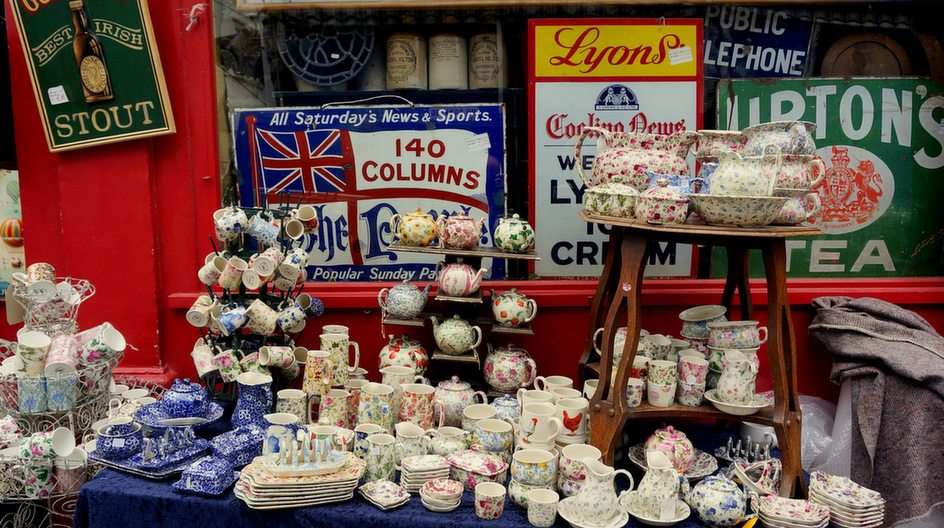
London-Portobello road online puzzle
374London-Portobello roadsolved 129 times
Solve puzzle
Belgian lace online puzzle
306Belgian lacesolved 129 times
Solve puzzle
Paston Treasure online puzzle
15Paston Treasuresolved 129 times
Solve puzzle
ceramics online puzzle
196ceramicssolved 127 times
Solve puzzle
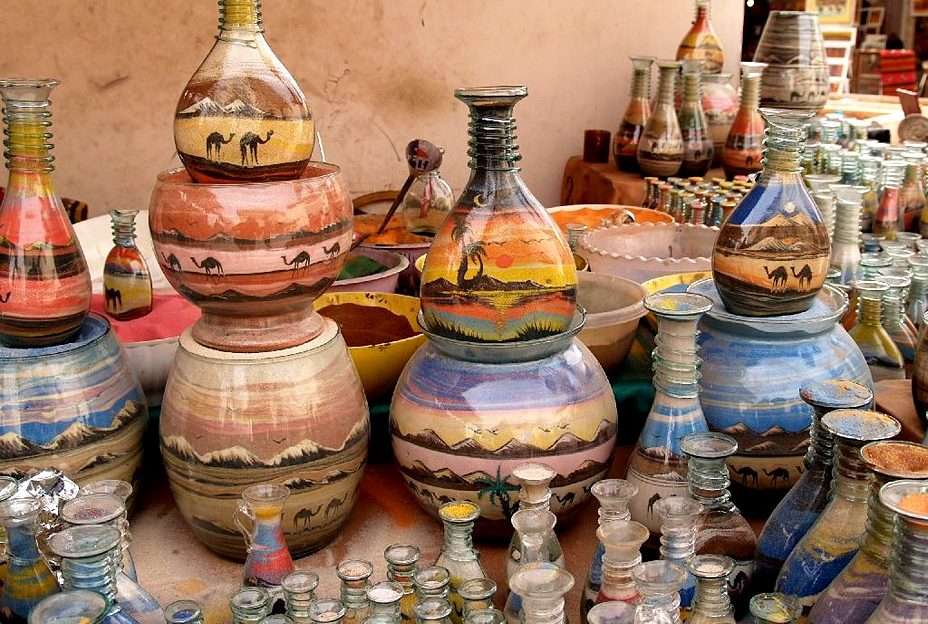
Maybe buy a bottle? puzzle online from photo
294Maybe buy a bottle?solved 126 times
Solve puzzle
Angels puzzle online from photo
234Angelssolved 126 times
Solve puzzle
coffee, chocolate online puzzle
121coffee, chocolatesolved 126 times
Solve puzzle
PCHLI TARG 2 puzzle online from photo
264PCHLI TARG 2solved 125 times
Solve puzzle
Festival of Lights Jigsaw online puzzle
150Festival of Lights Jigsawsolved 125 times
Solve puzzle
CAPS, HATS and HATS puzzle online from photo
40CAPS, HATS and HATSsolved 124 times
Solve puzzle
soft happy bathroom puzzle online from photo
336soft happy bathroomsolved 123 times
Solve puzzle

Online puzzle Porcelain

Porcelain

Porcelain () is a ceramic material made by heating raw materials, generally including kaolinite, in a kiln to temperatures between 1,200 and 1,400 °C (2,200 and 2,600 °F). The greater strength and translucence of porcelain, relative to other types of pottery, arise mainly from vitrification and the formation of the mineral mullite within the body at these high temperatures. End applications include tableware, decorative ware such as figurines, and products in technology and industry such as electrical insulators and laboratory ware.

The manufacturing process used for porcelain are similar to those used for earthenware and stoneware, the two other main types of pottery, although it can be more challenging to produce. It has usually been regarded as the most prestigious type of pottery due to its delicacy, strength, and high degree of whiteness. It is frequently both glazed and decorated.

Though definitions vary, porcelain can be divided into three main categories: hard-paste, soft-paste, and bone china. The categories differ by the composition of the body and the firing conditions.

Porcelain slowly evolved in China and was finally achieved (depending on the definition used) at some point about 2,000 to 1,200 years ago. It slowly spread to other East Asian countries, then to Europe, and eventually to the rest of the world. The European name, porcelain in English, comes from the old Italian porcellana (cowrie shell) because of its resemblance to the surface of the shell. Porcelain is also referred to as china or fine china in some English-speaking countries, as it was first seen in imports from China during the 17th century. Properties associated with porcelain include low permeability and elasticity; considerable strength, hardness, whiteness, translucency, and resonance; and a high resistance to corrosive chemicals and thermal shock.

Porcelain has been described as being "completely vitrified, hard, impermeable (even before glazing), white or artificially coloured, translucent (except when of considerable thickness), and resonant". However, the term "porcelain" lacks a universal definition and has "been applied in an unsystematic fashion to substances of diverse kinds that have only certain surface-qualities in common".Traditionally, East Asia only classifies pottery into low-fired wares (earthenware) and high-fired wares (often translated as porcelain), the latter also including what Europeans call "stoneware", which is high-fired but not generally white or translucent. Terms such as "proto-porcelain", "porcellaneous", or "near-porcelain" may be used in cases where the ceramic body approaches whiteness and translucency.In 2021, the global market for porcelain tableware was estimated to be worth US$22.1 billion.