Fur - online puzzles















Online puzzle Fur
Fur
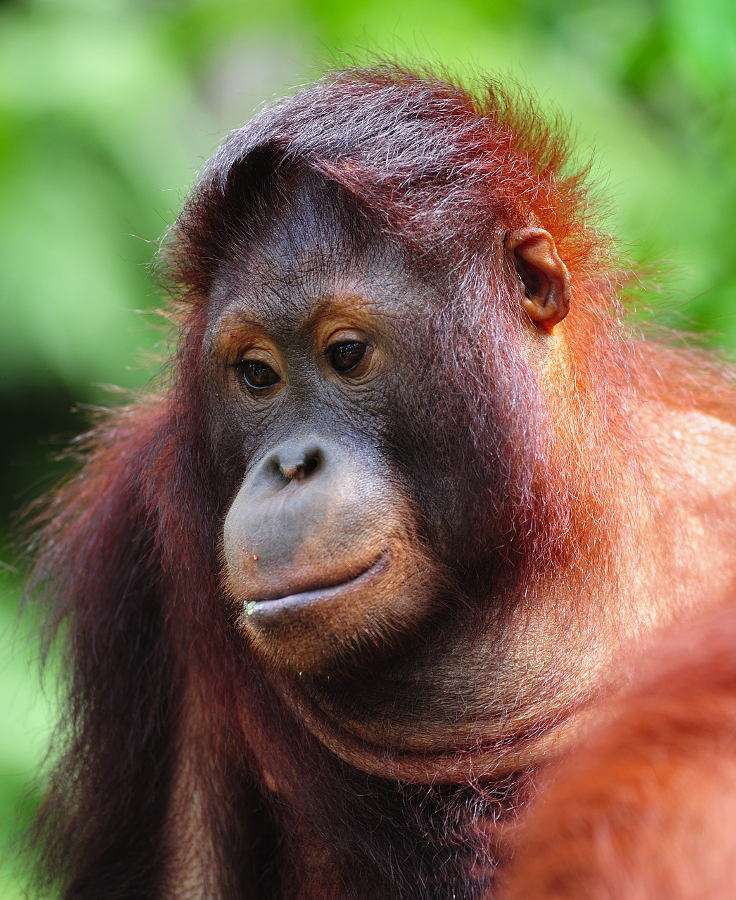
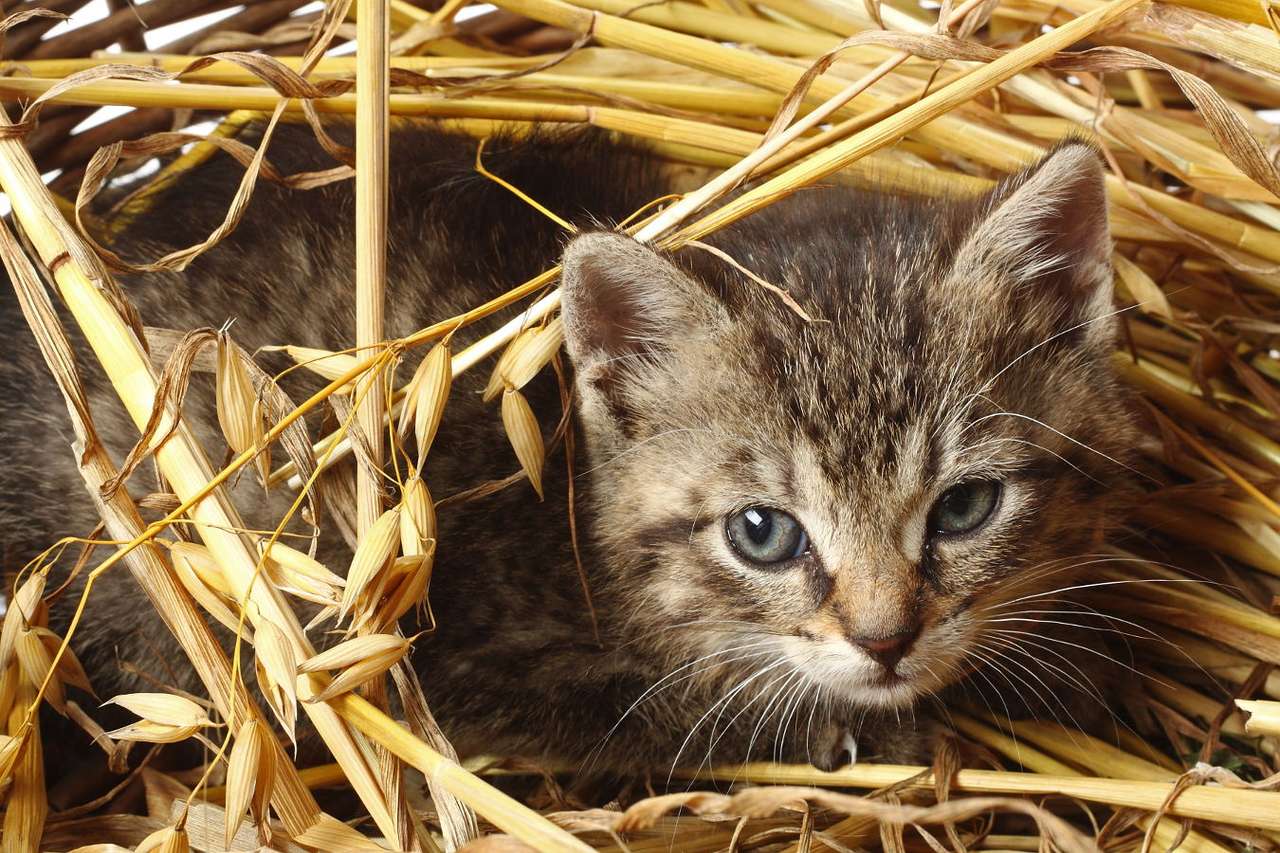
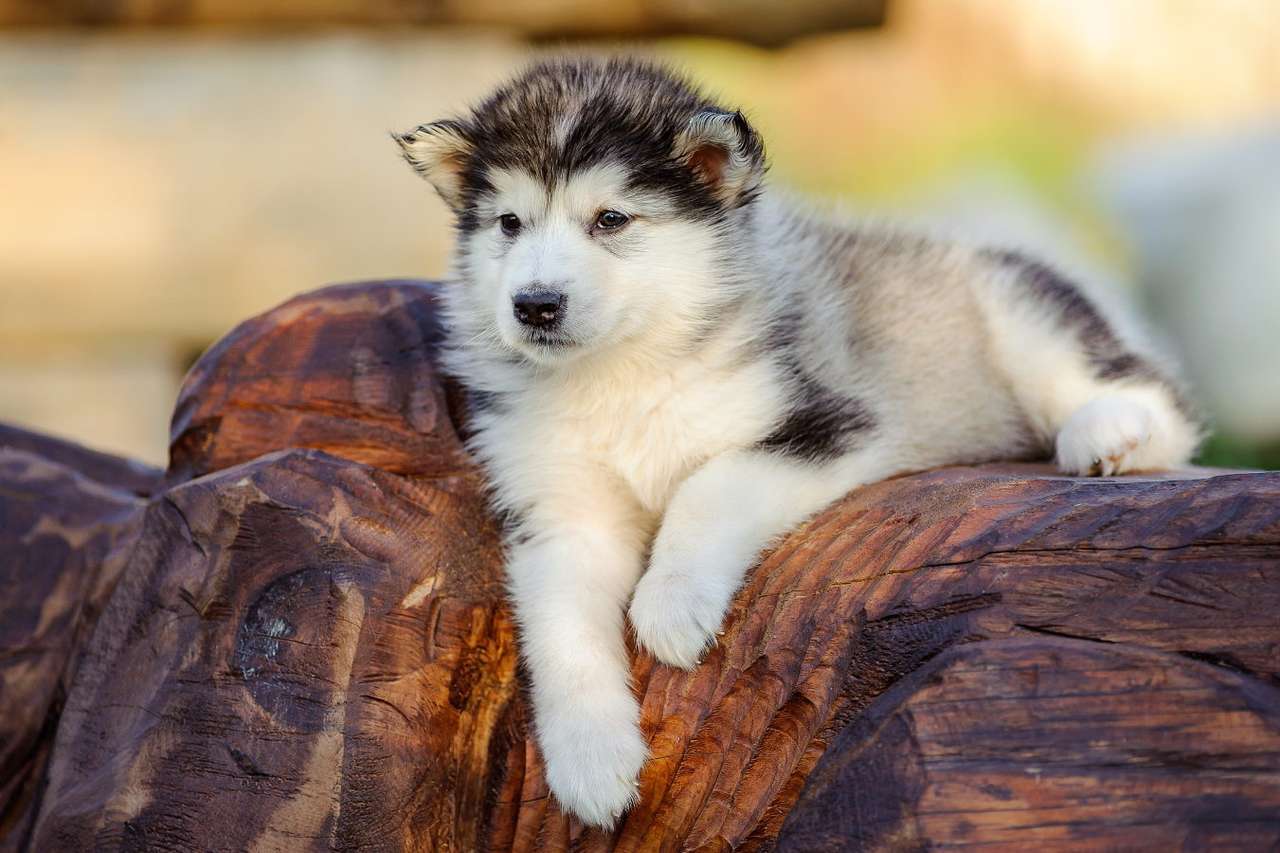
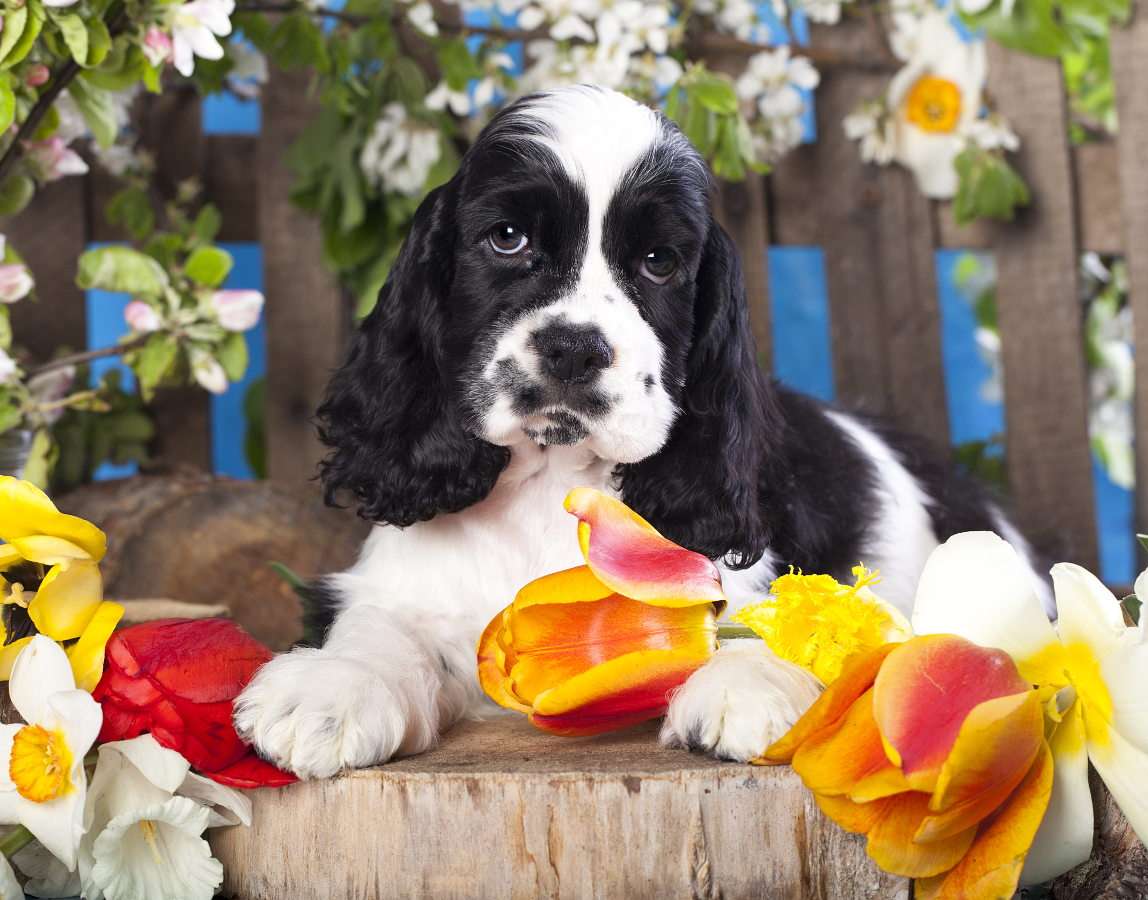
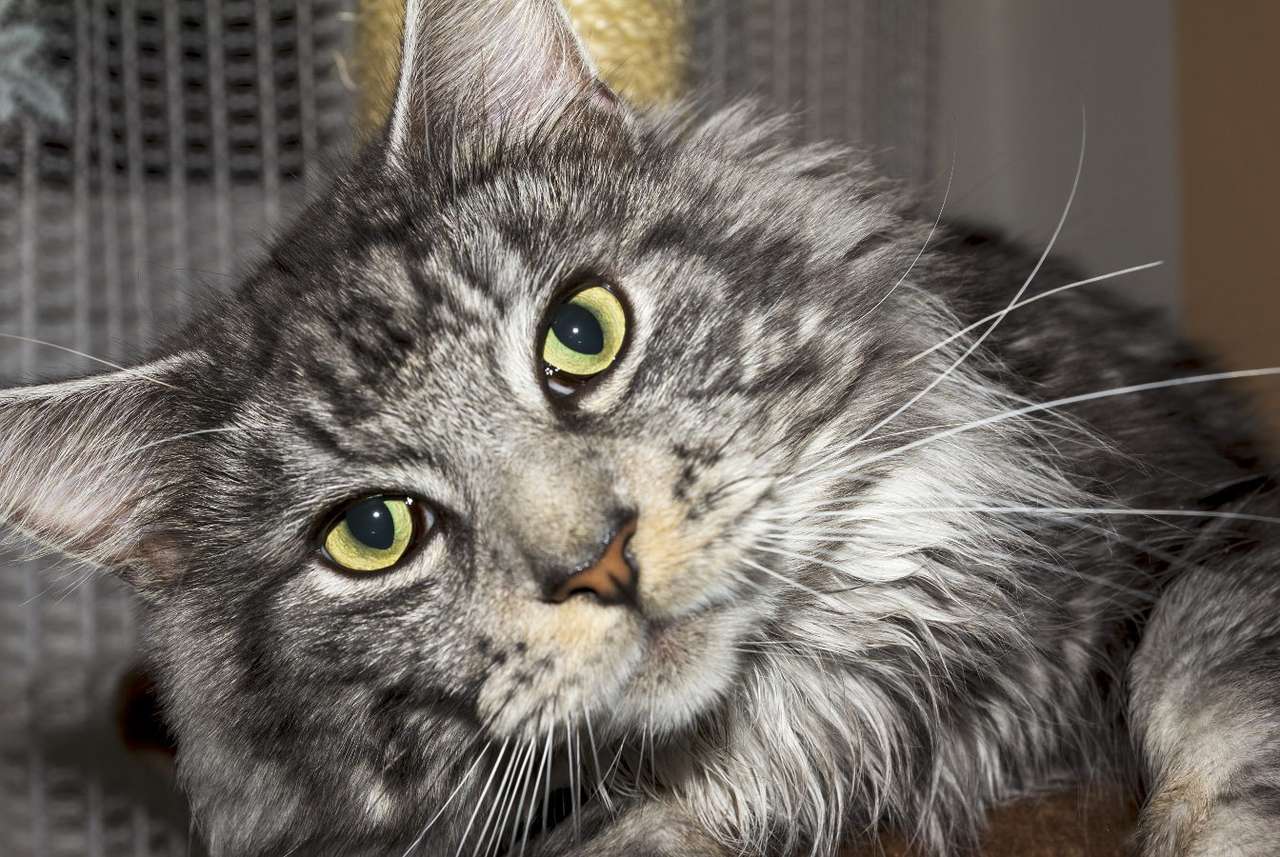
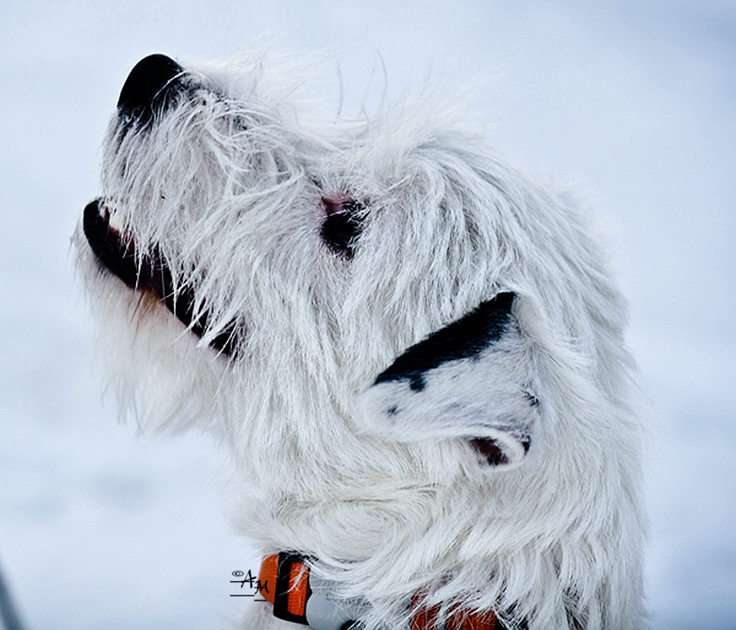
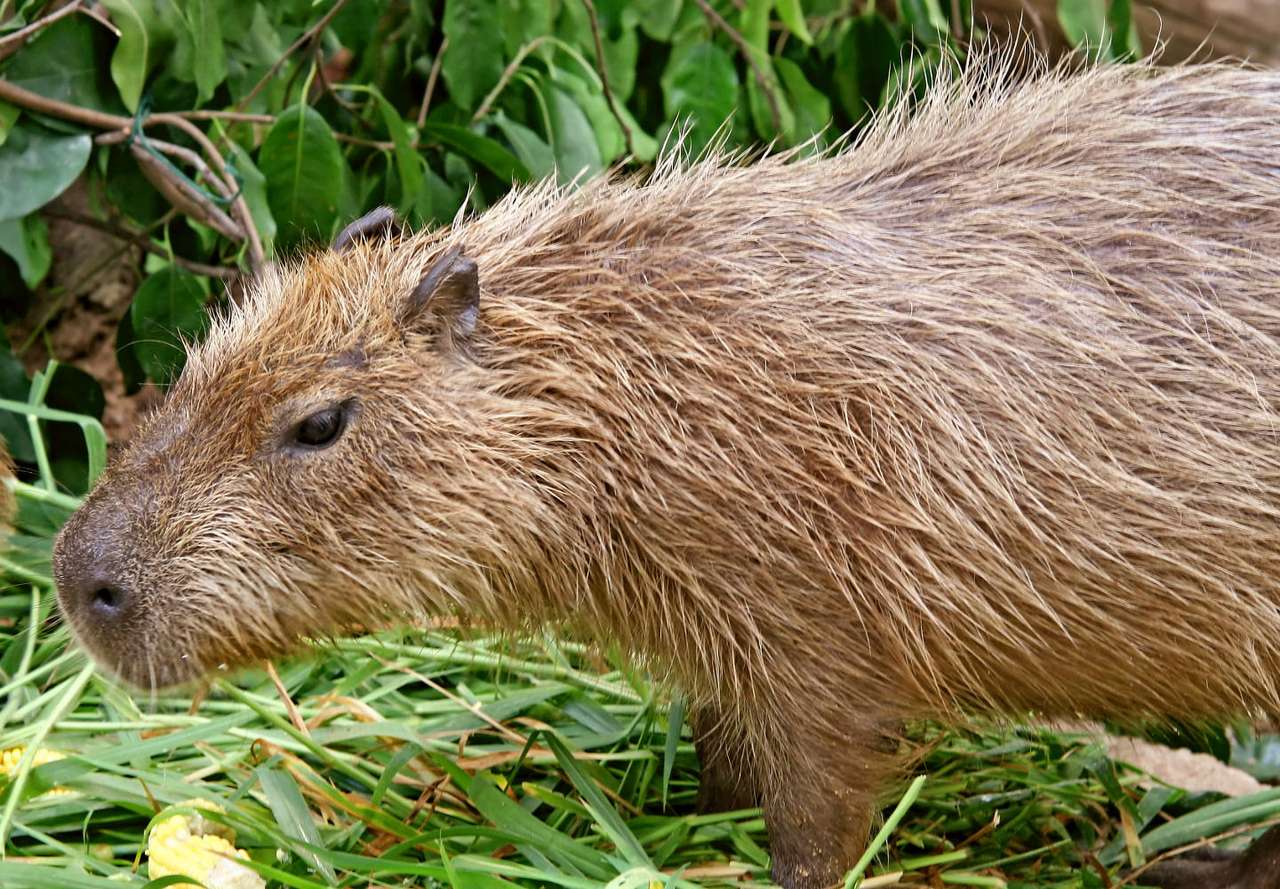
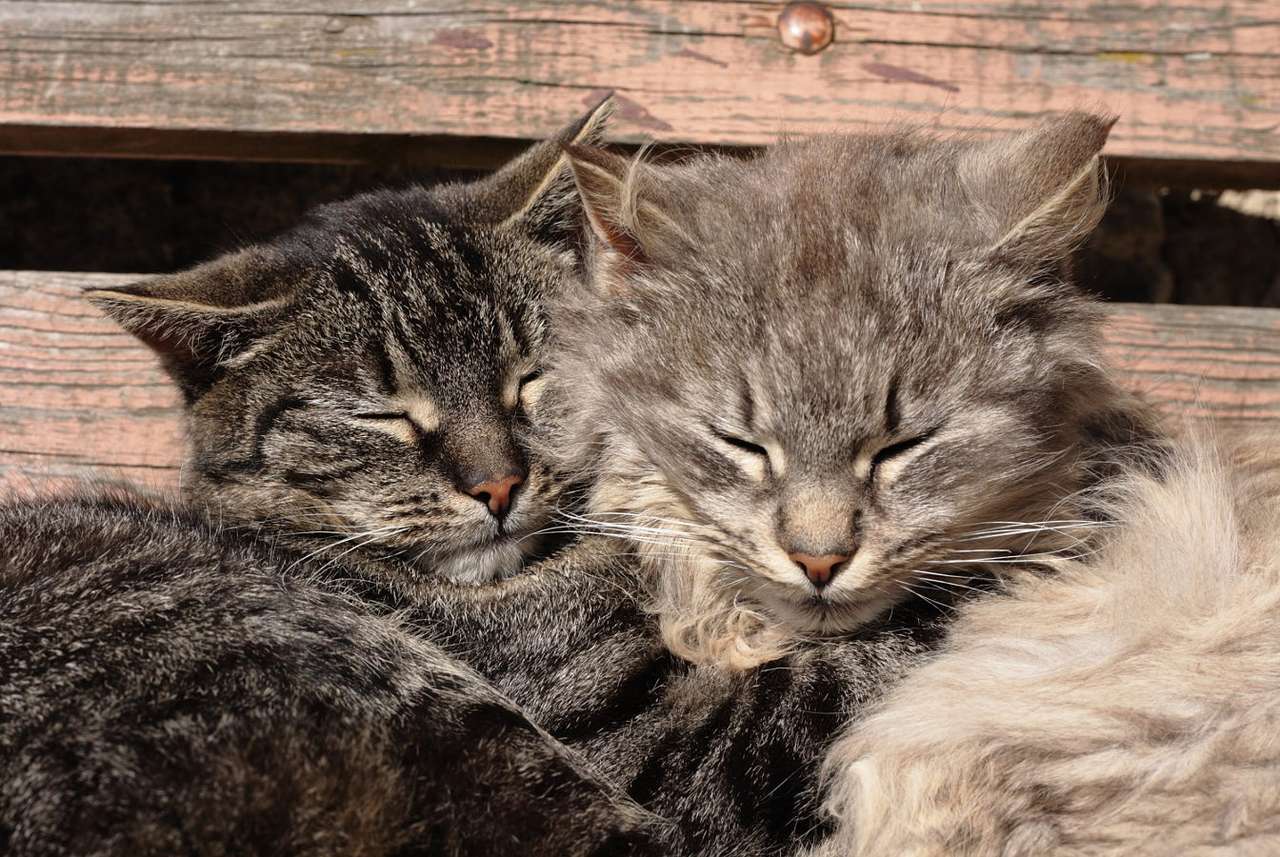
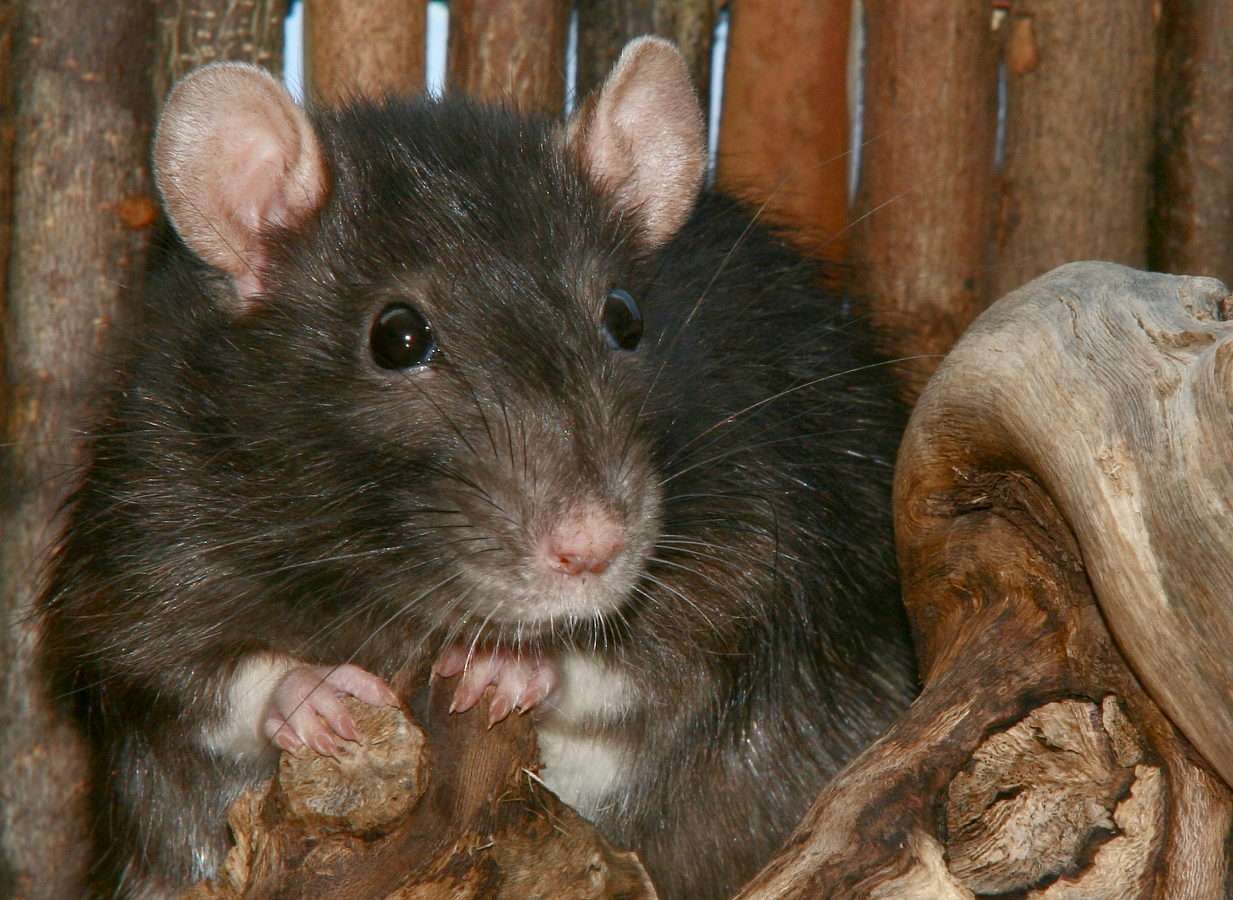
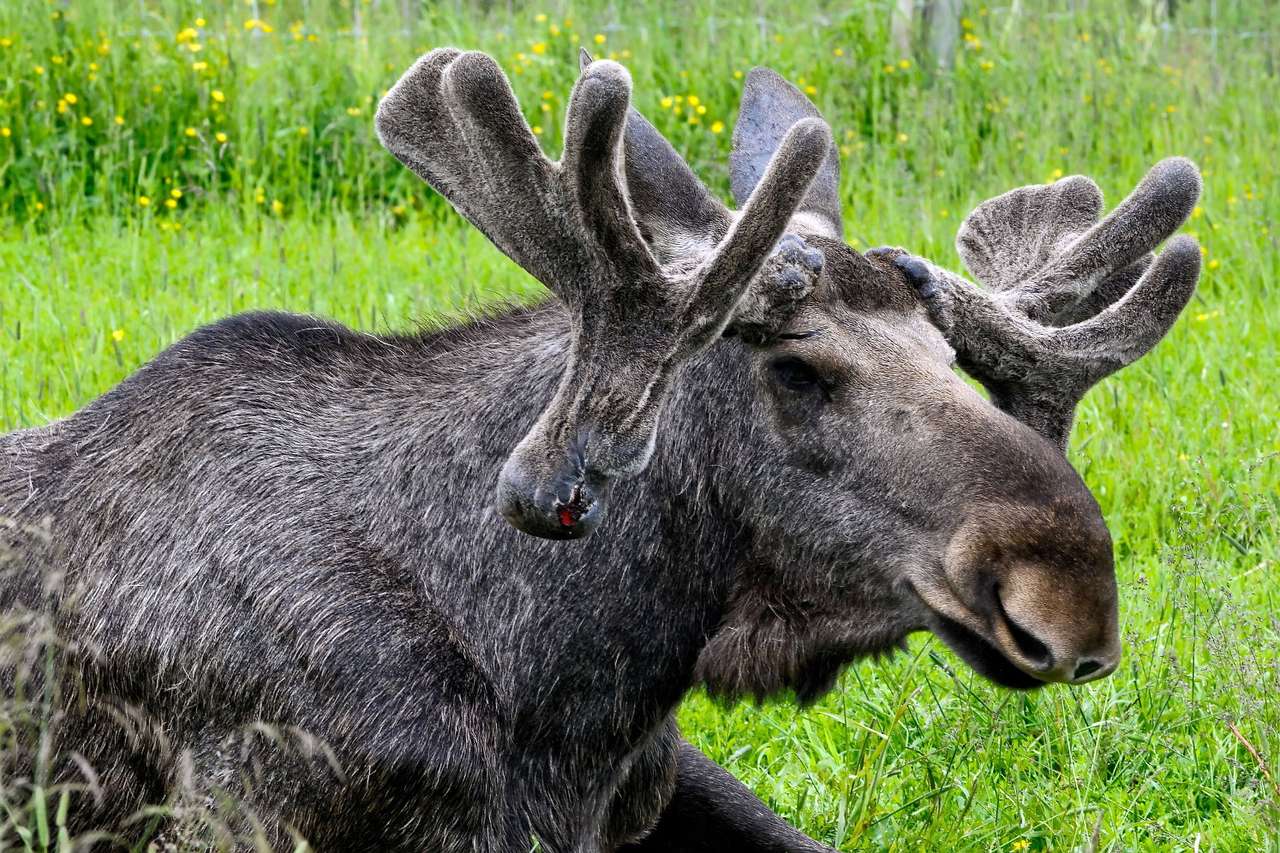
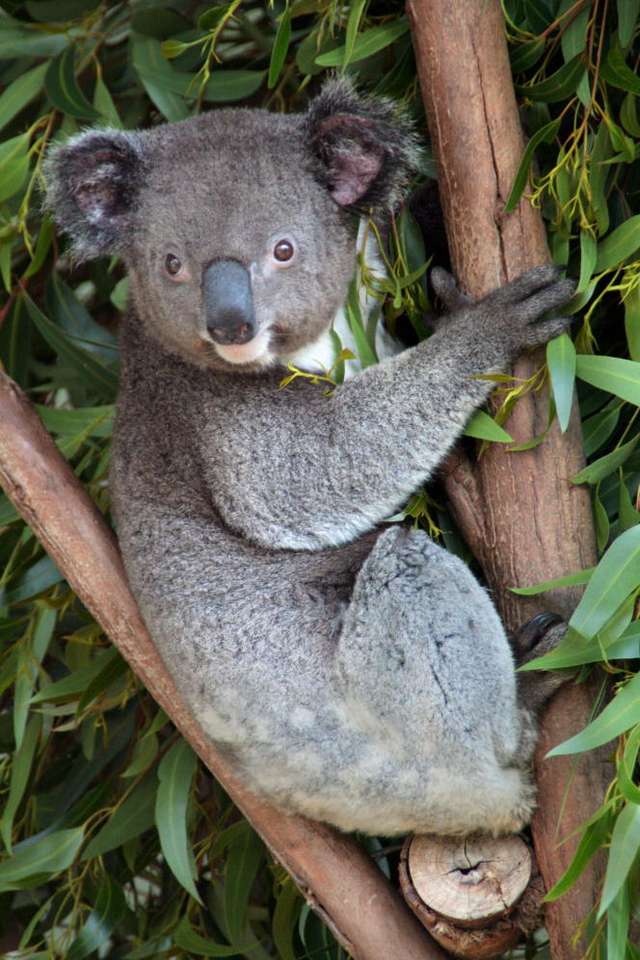
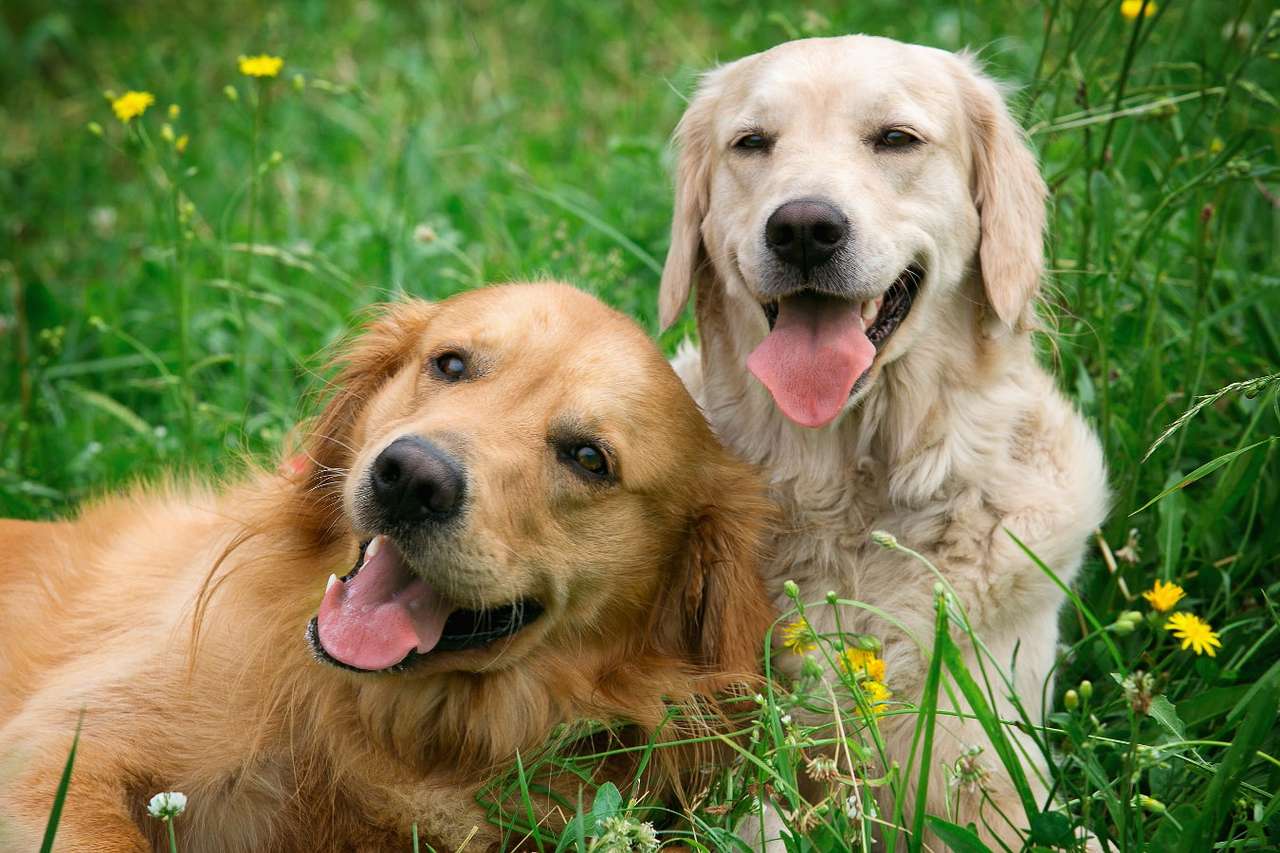
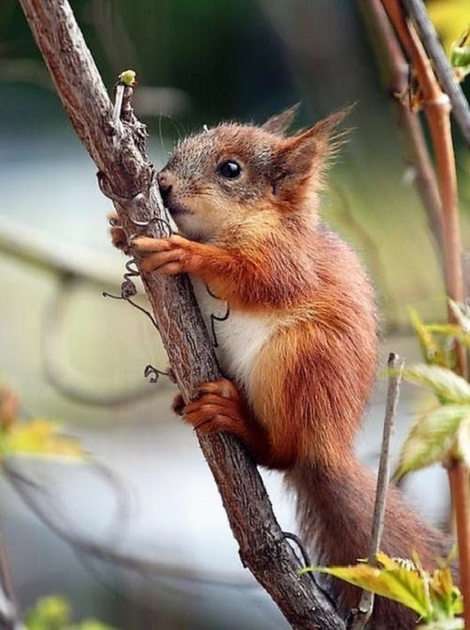
Fur is a thick growth of hair that covers the skin of mammals. It consists of a combination of oily guard hair on top and thick underfur beneath. The guard hair keeps moisture from reaching the skin; the underfur acts as an insulating blanket that keeps the animal warm.The fur of mammals has many uses: protection, sensory purposes, waterproofing, and camouflaging, with the primary usage being thermoregulation. The types of hair include: 99
definitive, which may be shed after reaching a certain length;
vibrissae, which are sensory hairs and are most commonly whiskers;
pelage, which consists of guard hairs, under-fur, and awn hair;
spines, which are a type of stiff guard hair used for defense in, for example, porcupines;
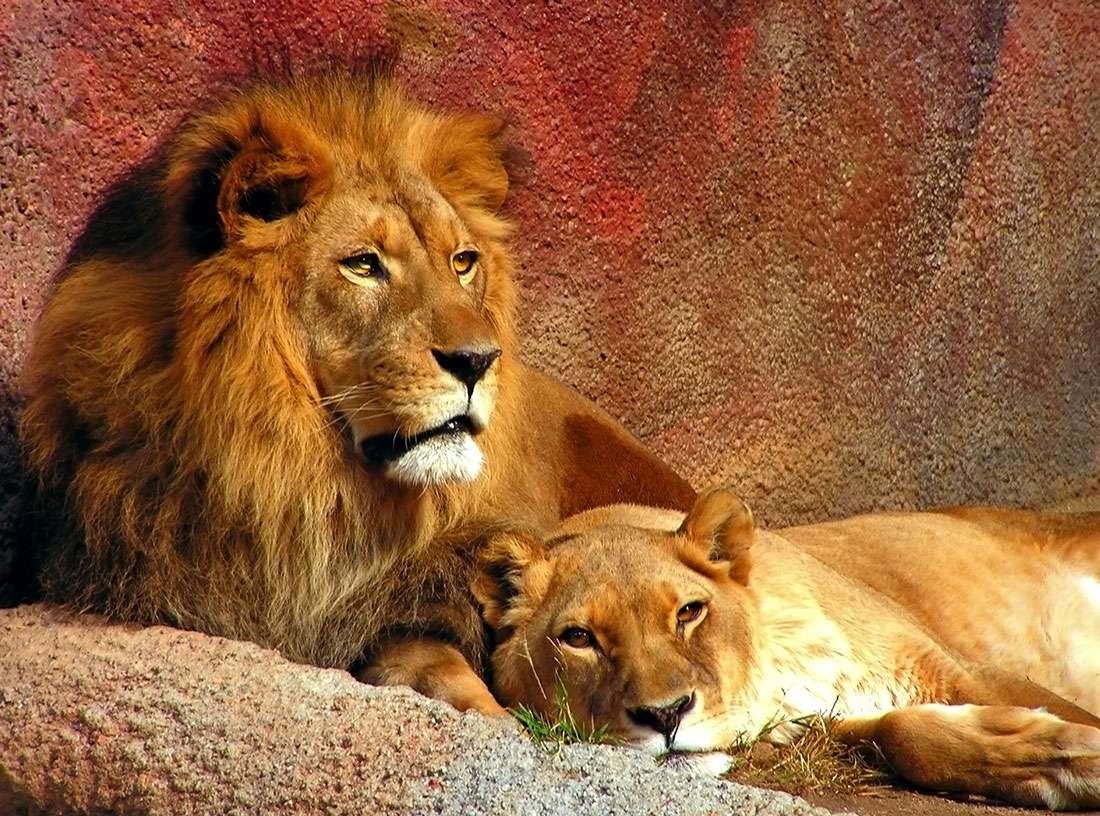
bristles, which are long hairs usually used in visual signals, such as the mane of a lion;
velli, often called "down fur", which insulates newborn mammals; and
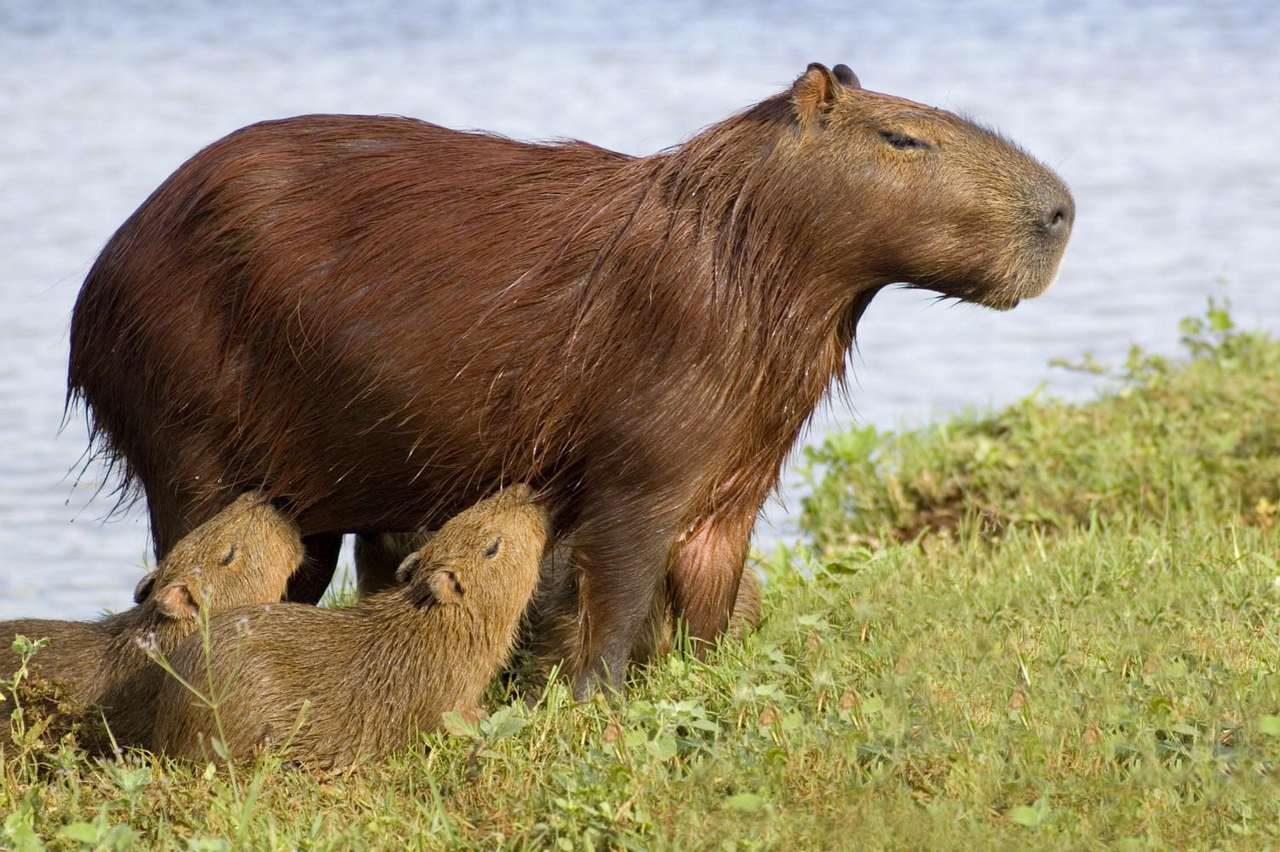
wool, which is long, soft, and often curly.Hair length is negligible in thermoregulation, as some tropical mammals, such as sloths, have the same fur length as some arctic mammals but with less insulation; and, conversely, other tropical mammals with short hair have the same insulating value as arctic mammals. The denseness of fur can increase an animal's insulation value, and arctic mammals especially have dense fur; for example, the musk ox has guard hairs measuring 30 cm (12 in) as well as a dense underfur, which forms an airtight coat, allowing them to survive in temperatures of −40 °C (−40 °F).: 162–163 Some desert mammals, such as camels, use dense fur to prevent solar heat from reaching their skin, allowing the animal to stay cool; a camel's fur may reach 70 °C (158 °F) in the summer, but the skin stays at 40 °C (104 °F).: 188 Aquatic mammals, conversely, trap air in their fur to conserve heat by keeping the skin dry.: 162–163
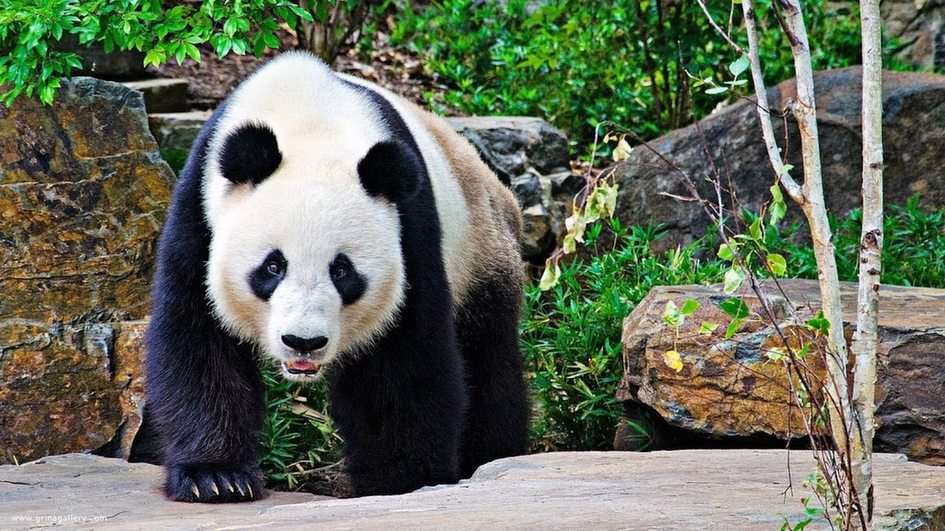
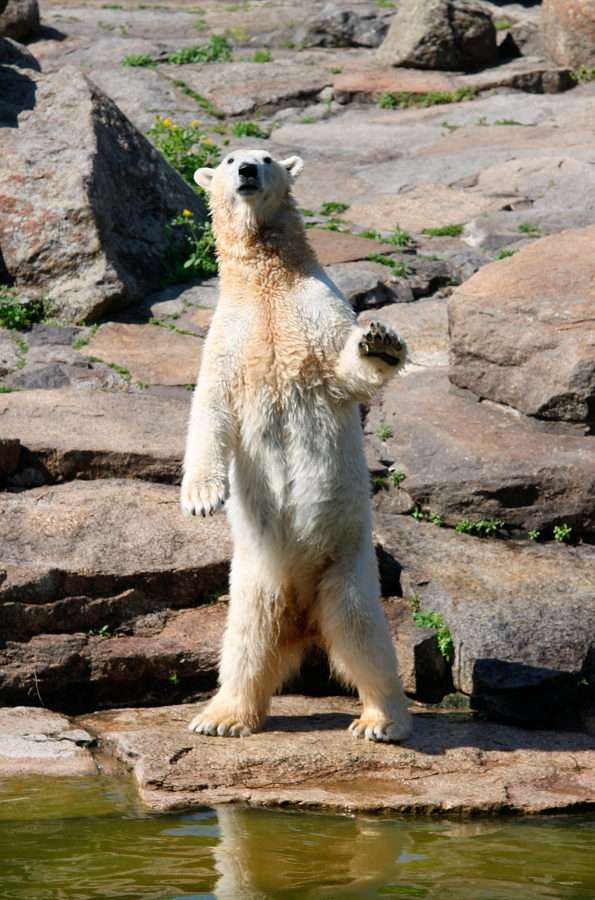
Mammalian coats are colored for a variety of reasons, the major selective pressures including camouflage, sexual selection, communication, and physiological processes such as temperature regulation. Camouflage is a powerful influence in many mammals, as it helps to conceal individuals from predators or prey. Aposematism, warning off possible predators, is the most likely explanation of the black-and-white pelage of many mammals which are able to defend themselves, such as in the foul-smelling skunk and the powerful and aggressive honey badger. In arctic and subarctic mammals such as the arctic fox (Vulpes lagopus), collared lemming (Dicrostonyx groenlandicus), stoat (Mustela erminea), and snowshoe hare (Lepus americanus), seasonal color change between brown in summer and white in winter is driven largely by camouflage. Differences in female and male coat color may indicate nutrition and hormone levels, important in mate selection. Some arboreal mammals, notably primates and marsupials, have shades of violet, green, or blue skin on parts of their bodies, indicating some distinct advantage in their largely arboreal habitat due to convergent evolution. The green coloration of sloths, however, is the result of a symbiotic relationship with algae. Coat color is sometimes sexually dimorphic, as in many primate species. Coat color may influence the ability to retain heat, depending on how much light is reflected. Mammals with darker colored coats can absorb more heat from solar radiation and stay warmer; some smaller mammals, such as voles, have darker fur in the winter. The white, pigmentless fur of arctic mammals, such as the polar bear, may reflect more solar radiation directly onto the skin.: 166–167
The term pelage – first known use in English c. 1828 (French, from Middle French, from poil for 'hair', from Old French peilss, from Latin pilus) – is sometimes used to refer to an animal's complete coat. The term fur is also used to refer to animal pelts which have been processed into leather with their hair still attached. The words fur or furry are also used, more casually, to refer to hair-like growths or formations, particularly when the subject being referred to exhibits a dense coat of fine, soft "hairs". If layered, rather than grown as a single coat, it may consist of short down hairs, long guard hairs, and in some cases, medium awn hairs. Mammals with reduced amounts of fur are often called "naked", as with the naked mole-rat, or "hairless", as with hairless dogs.
An animal with commercially valuable fur is known within the fur industry as a furbearer. The use of fur as clothing or decoration is controversial; animal welfare advocates object to the trapping and killing of wildlife, and to the confinement and killing of animals on fur farms.