Arthropod - online puzzles
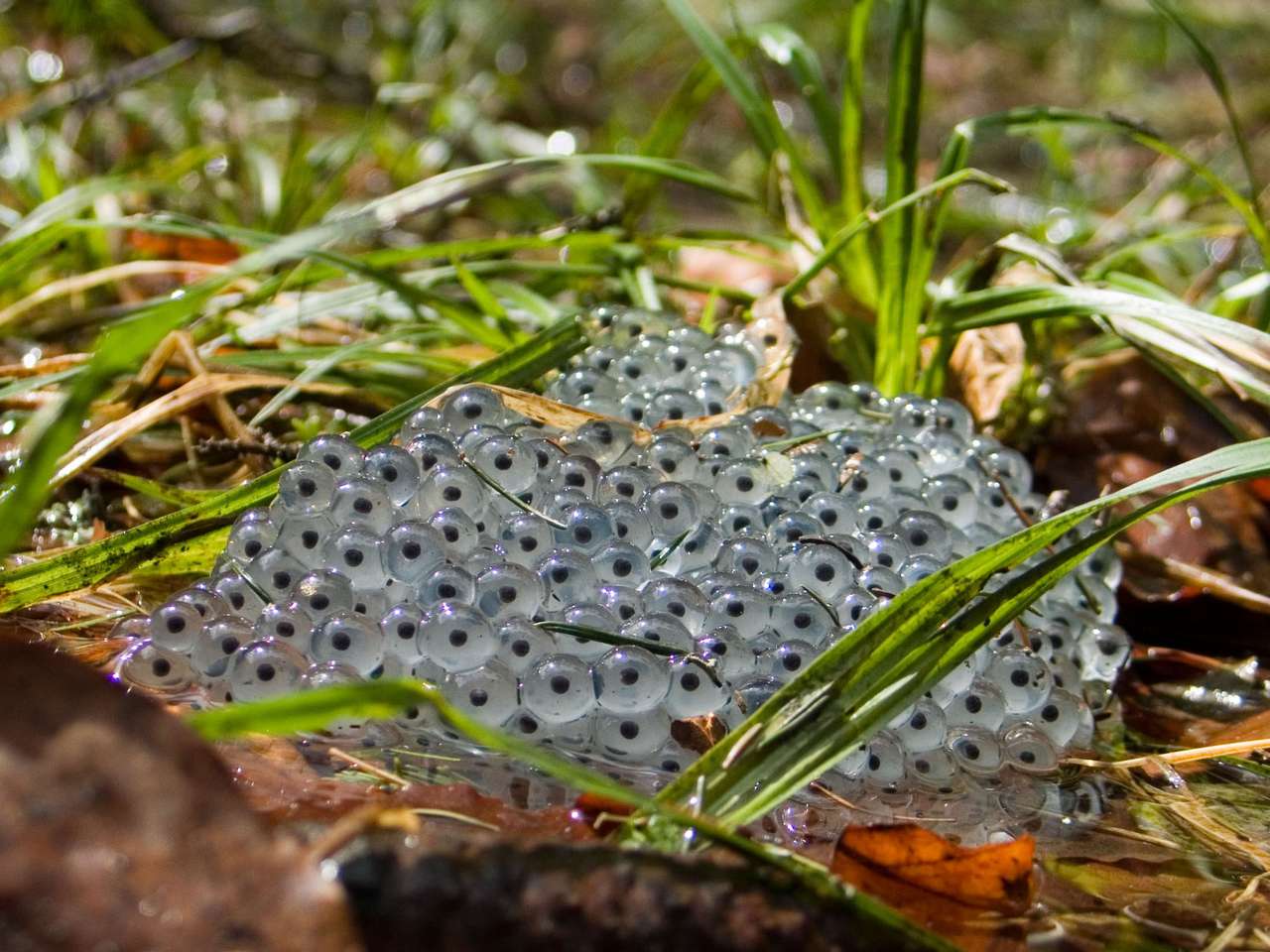
Frail puzzle online from photo
20Frailsolved 14 times
Solve puzzle
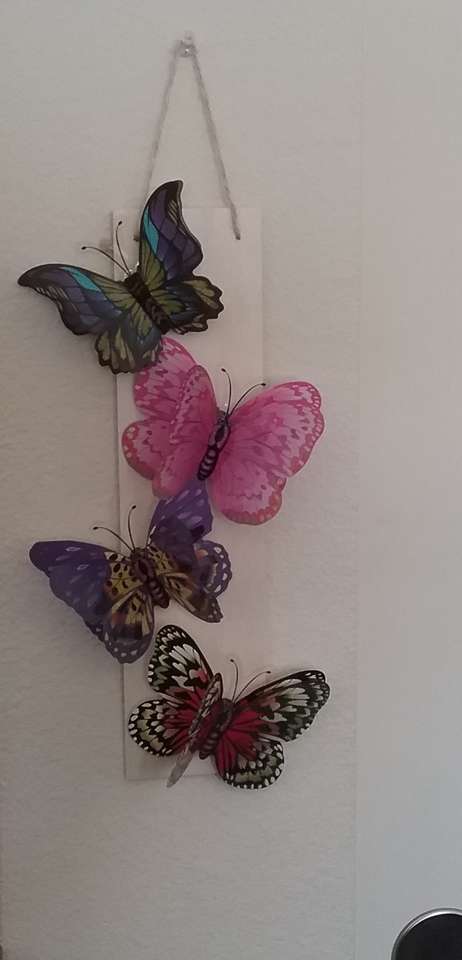
Butterflies online puzzle
180Butterfliessolved 14 times
Solve puzzle
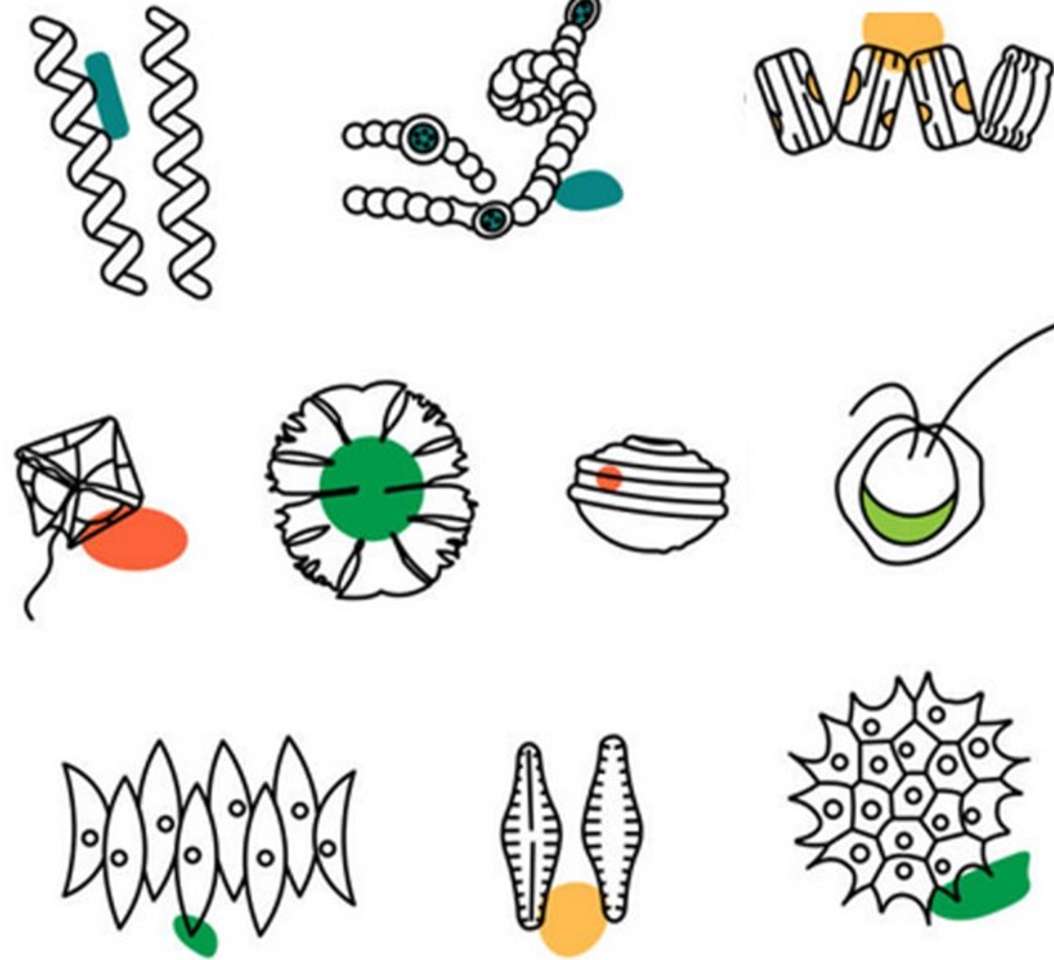
fitoplancton online puzzle
16fitoplanctonsolved 14 times
Solve puzzle
butterfly online puzzle
143butterflysolved 14 times
Solve puzzle
Sample SAMPLE SAMPLE puzzle online from photo
143Sample SAMPLE SAMPLEsolved 14 times
Solve puzzle
Fabiana Cantilo online puzzle
225Fabiana Cantilosolved 14 times
Solve puzzle
Subjek imlak online puzzle
169Subjek imlaksolved 14 times
Solve puzzle
AI Test Puzzle puzzle online from photo
16AI Test Puzzlesolved 14 times
Solve puzzle
Perches puzzle online from photo
63Perchessolved 13 times
Solve puzzle
spider's web puzzle online from photo
80spider's websolved 13 times
Solve puzzle
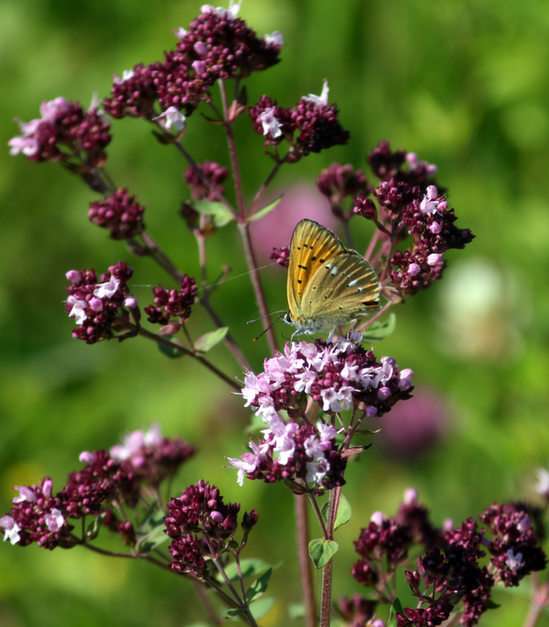
origan online puzzle
99origansolved 13 times
Solve puzzle
nature online puzzle
88naturesolved 13 times
Solve puzzle
duju kum online puzzle
88duju kumsolved 13 times
Solve puzzle
Caleb Widogast puzzle online from photo
294Caleb Widogastsolved 13 times
Solve puzzle
Derechos de los niños online puzzle
154Derechos de los niñossolved 13 times
Solve puzzle
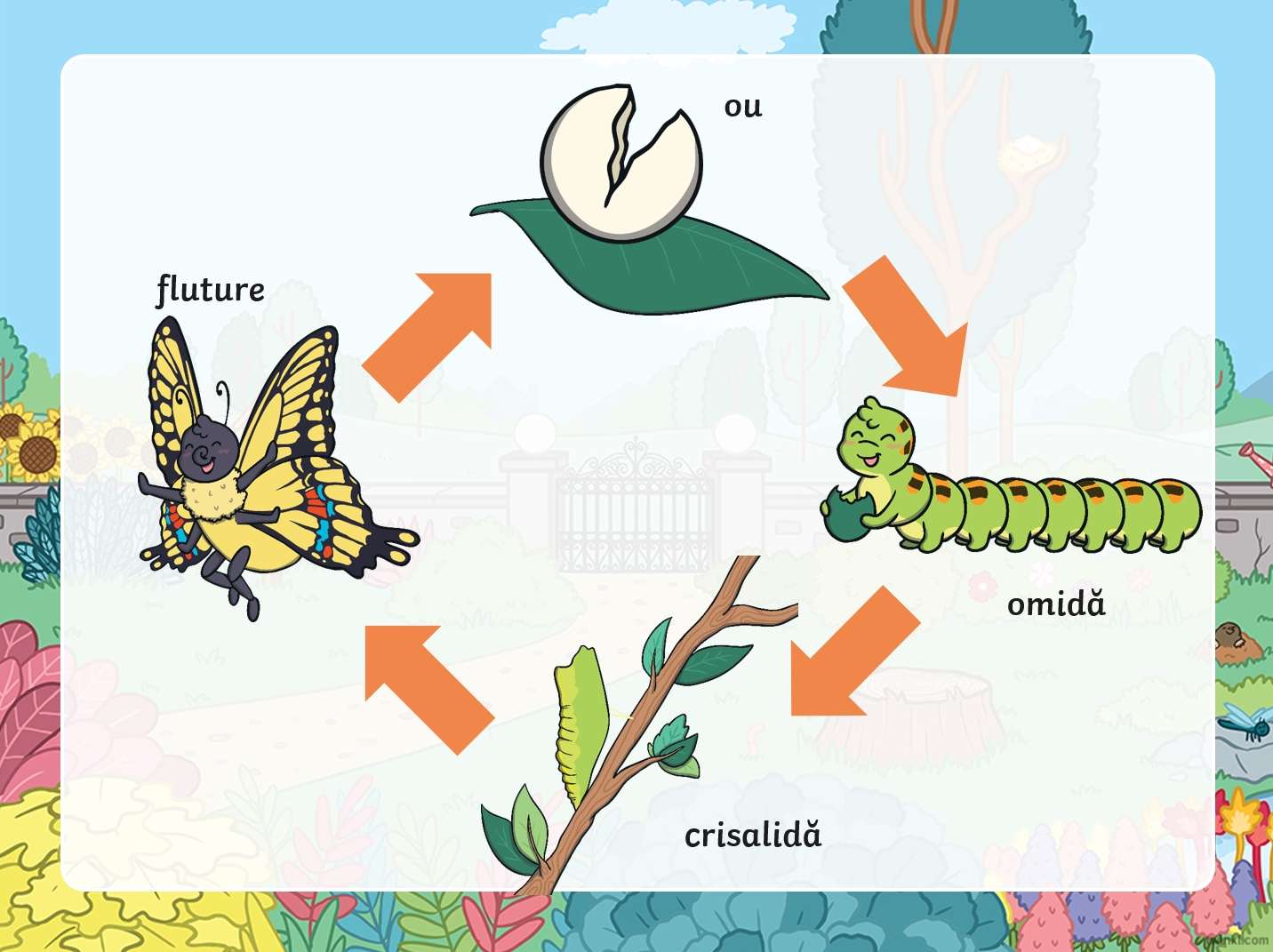
butterfly lifecycle online puzzle
143butterfly lifecyclesolved 13 times
Solve puzzle
Sherinselas online puzzle
16Sherinselassolved 13 times
Solve puzzle
ants puzzle online from photo
165antssolved 12 times
Solve puzzle
flower puzzle online from photo
96flowersolved 12 times
Solve puzzle
nature puzzle online from photo
84naturesolved 12 times
Solve puzzle
Game for fun puzzle online from photo
289Game for funsolved 12 times
Solve puzzle
Hello You online puzzle
121Hello Yousolved 12 times
Solve puzzle
Ladybug puzzle online from photo
28Ladybugsolved 12 times
Solve puzzle
Beetlenn puzzle online from photo
130Beetlennsolved 12 times
Solve puzzle
tree frog puzzle online from photo
169tree frogsolved 12 times
Solve puzzle
flowers on garden puzzle online from photo
100flowers on gardensolved 12 times
Solve puzzle
Axolotl. online puzzle
144Axolotl.solved 12 times
Solve puzzle
A happy bee puzzle online from photo
20A happy beesolved 12 times
Solve puzzle
* Butterfly, Butterfly * puzzle online from photo
176* Butterfly, Butterfly *solved 12 times
Solve puzzle
assembly online puzzle online from photo
140assembly onlinesolved 12 times
Solve puzzle
Draakon nr 1 puzzle online from photo
169Draakon nr 1solved 12 times
Solve puzzle
Fly-on-Pop puzzle online from photo
900Fly-on-Popsolved 12 times
Solve puzzle
ciclu de viata fluture online puzzle
20ciclu de viata fluturesolved 12 times
Solve puzzle
Flying butterflies online puzzle
228Flying butterfliessolved 11 times
Solve puzzle
D1- Art Puzzle 1 online puzzle
391D1- Art Puzzle 1solved 11 times
Solve puzzle
Erasmus: P online puzzle
54Erasmus: Psolved 11 times
Solve puzzle
ladybutt puzzle online from photo
16ladybuttsolved 11 times
Solve puzzle
moon wof puzzle online from photo
49moon wofsolved 11 times
Solve puzzle
Remember to spread your legs online puzzle
150Remember to spread your legssolved 11 times
Solve puzzle
Diaper cake nautical puzzle online from photo
24Diaper cake nauticalsolved 11 times
Solve puzzle
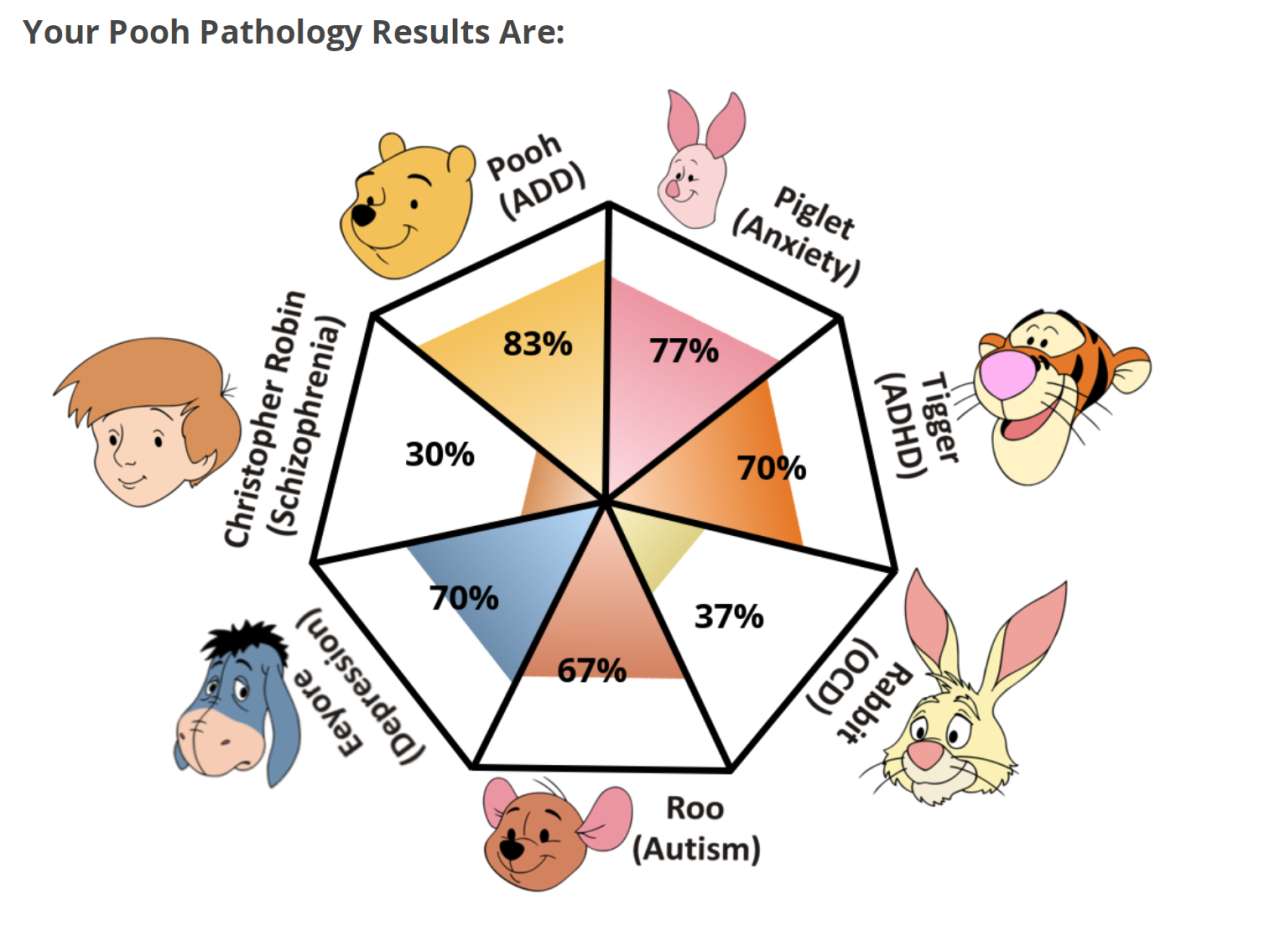
winnie the pooh online puzzle
20winnie the poohsolved 11 times
Solve puzzle
Butterfly puzzle online from photo
432Butterflysolved 11 times
Solve puzzle
Butterfly Life Cycle Puzzle puzzle online from photo
25Butterfly Life Cycle Puzzlesolved 11 times
Solve puzzle
Tulang dada online puzzle
144Tulang dadasolved 11 times
Solve puzzle
tenmoth online puzzle
169tenmothsolved 10 times
Solve puzzle
axolotl. puzzle online from photo
28axolotl.solved 10 times
Solve puzzle
Tree from up north online puzzle
80Tree from up northsolved 10 times
Solve puzzle

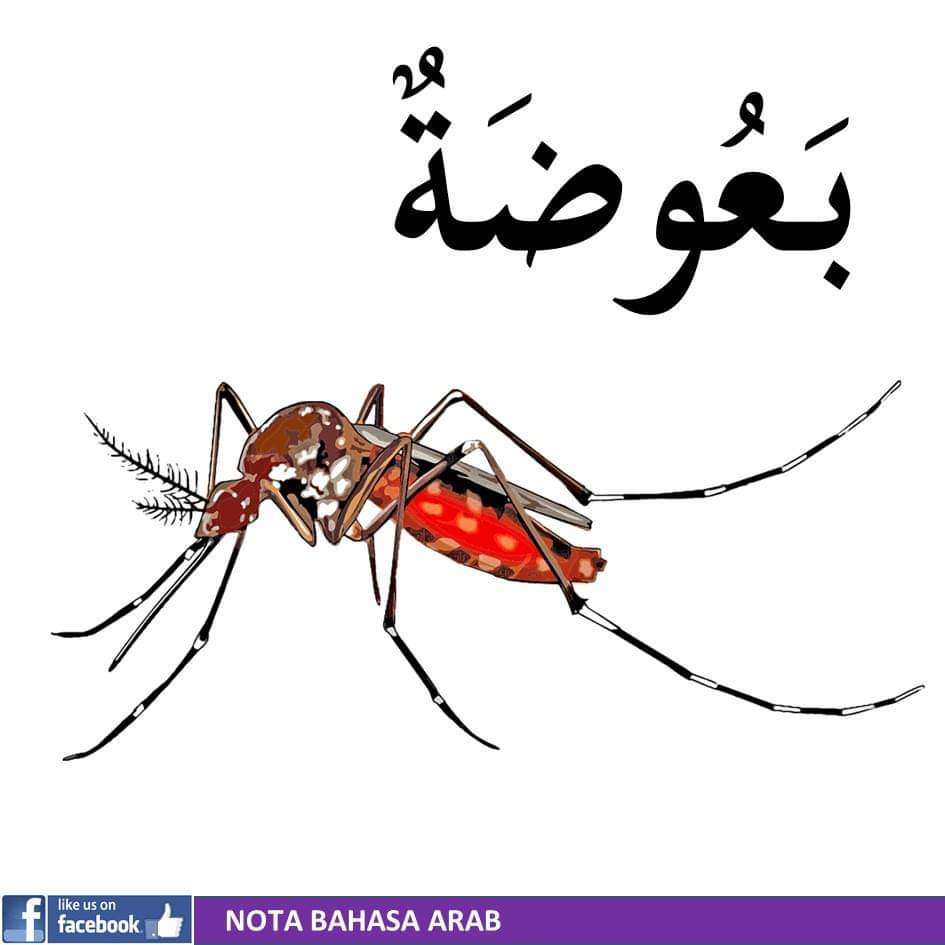
Online puzzle Arthropod

Arthropod

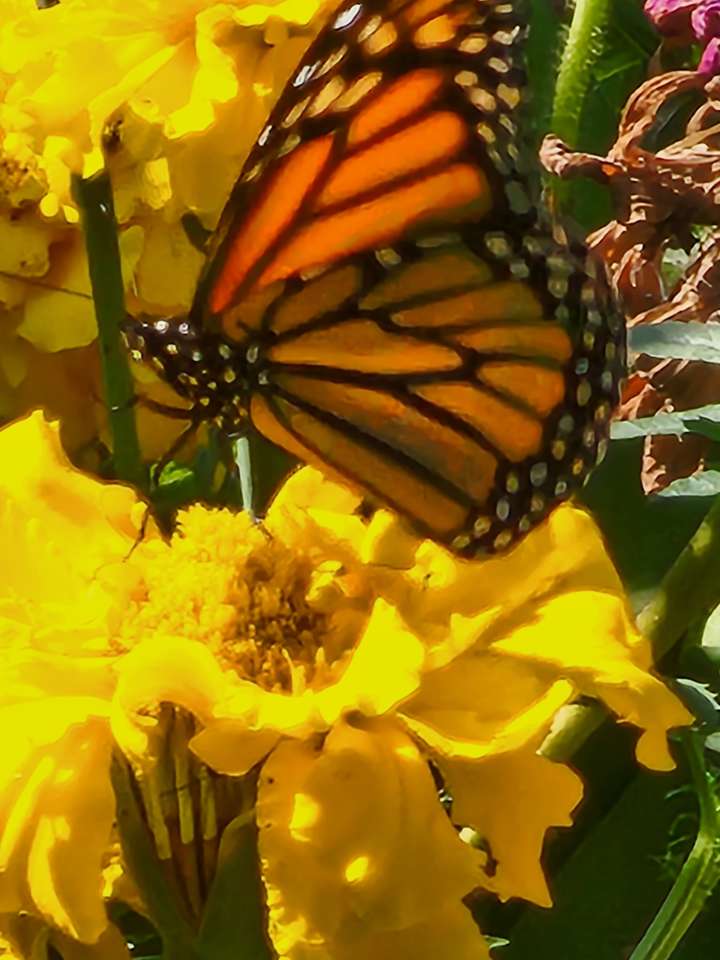
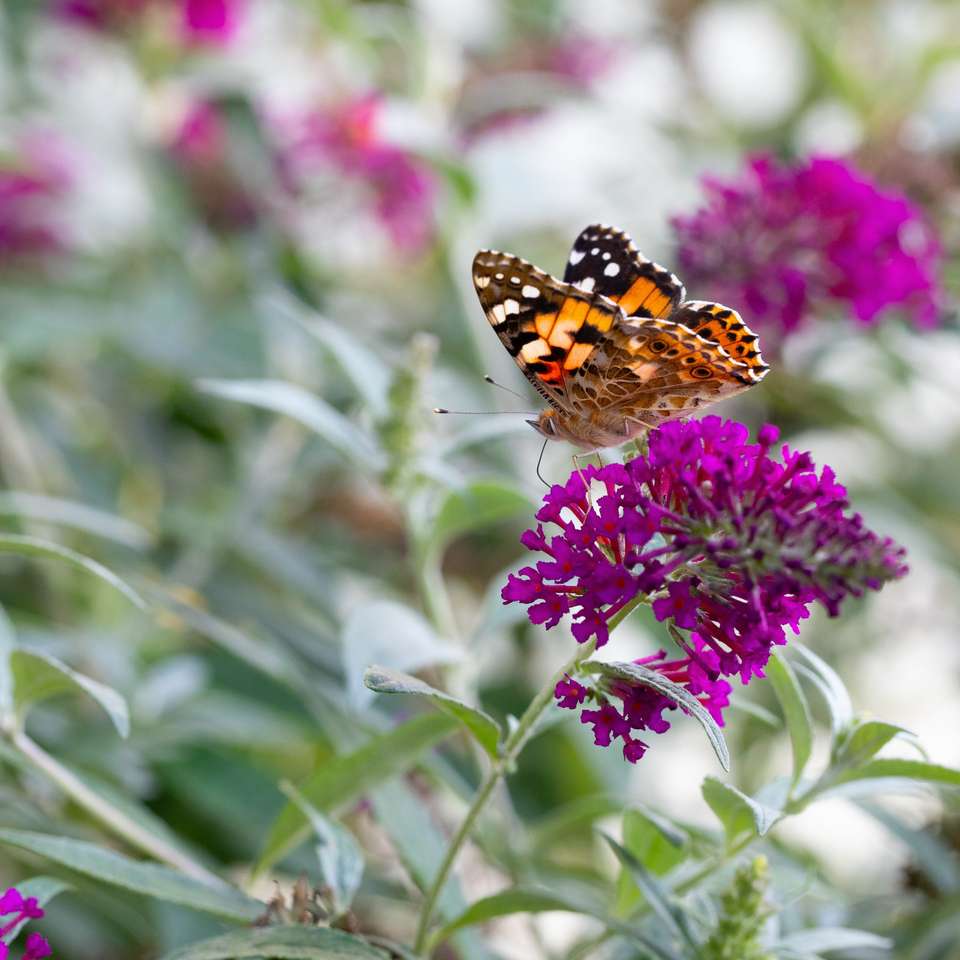
Arthropods (, from Ancient Greek ἄρθρον (arthron) 'joint', and πούς (pous) 'foot' (gen. ποδός)) are invertebrate animals in the phylum Arthropoda. They possess an exoskeleton with a cuticle made of chitin, often mineralised with calcium carbonate, a segmented body, and paired jointed appendages. In order to keep growing, they must go through stages of moulting, a process by which they shed their exoskeleton to reveal a new one. They are an extremely diverse group, with up to 10 million species.

Haemolymph is the analogue of blood for arthropods. An arthropod has an open circulatory system, with a body cavity called a haemocoel through which haemolymph circulates to the interior organs. Like their exteriors, the internal organs of arthropods are generally built of repeated segments. Their nervous system is "ladder-like", with paired ventral nerve cords running through all segments and forming paired ganglia in each segment. Their heads are formed by fusion of varying numbers of segments, and their brains are formed by fusion of the ganglia of these segments and encircle the esophagus. The respiratory and excretory systems of arthropods vary, depending as much on their environment as on the subphylum to which they belong.

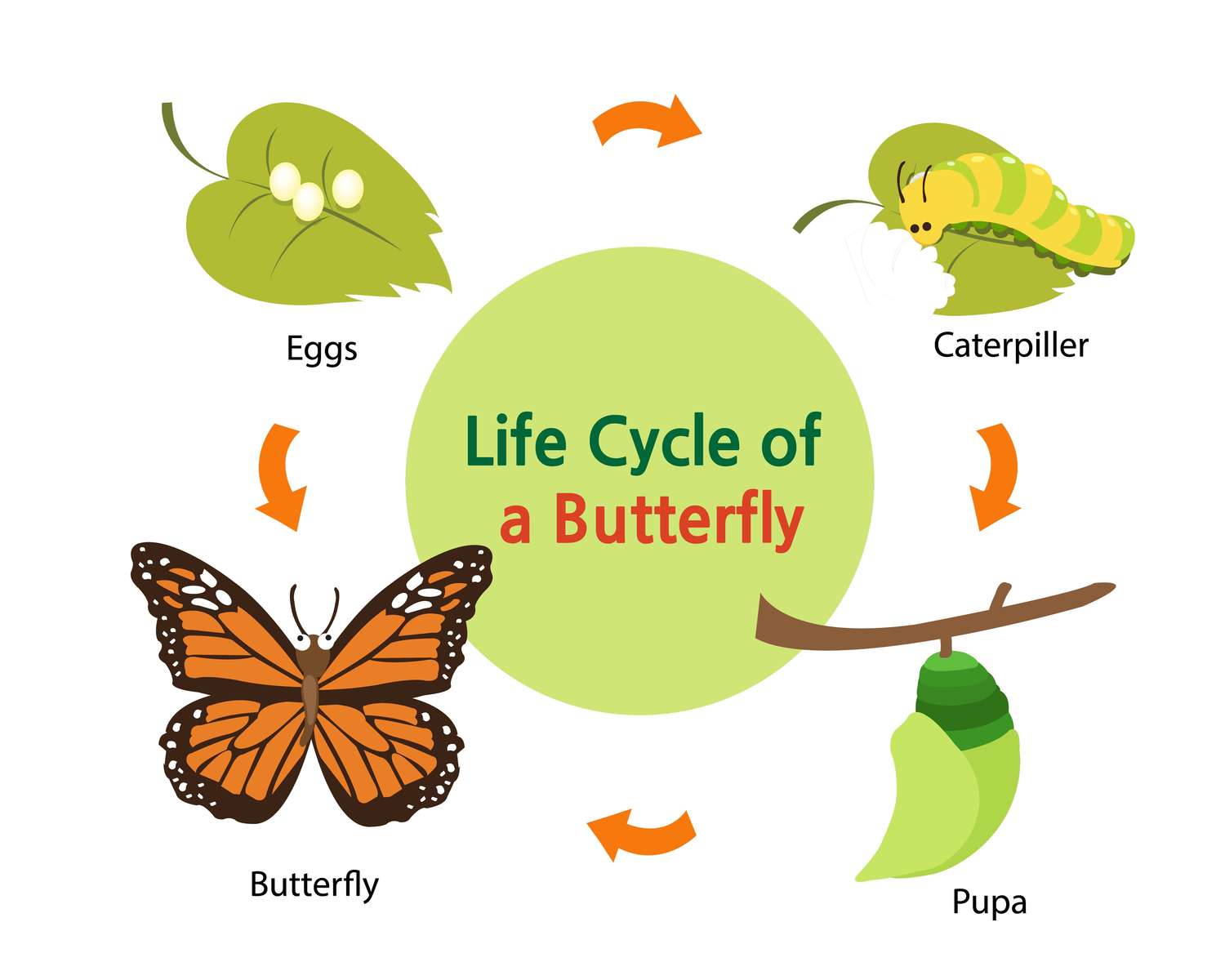
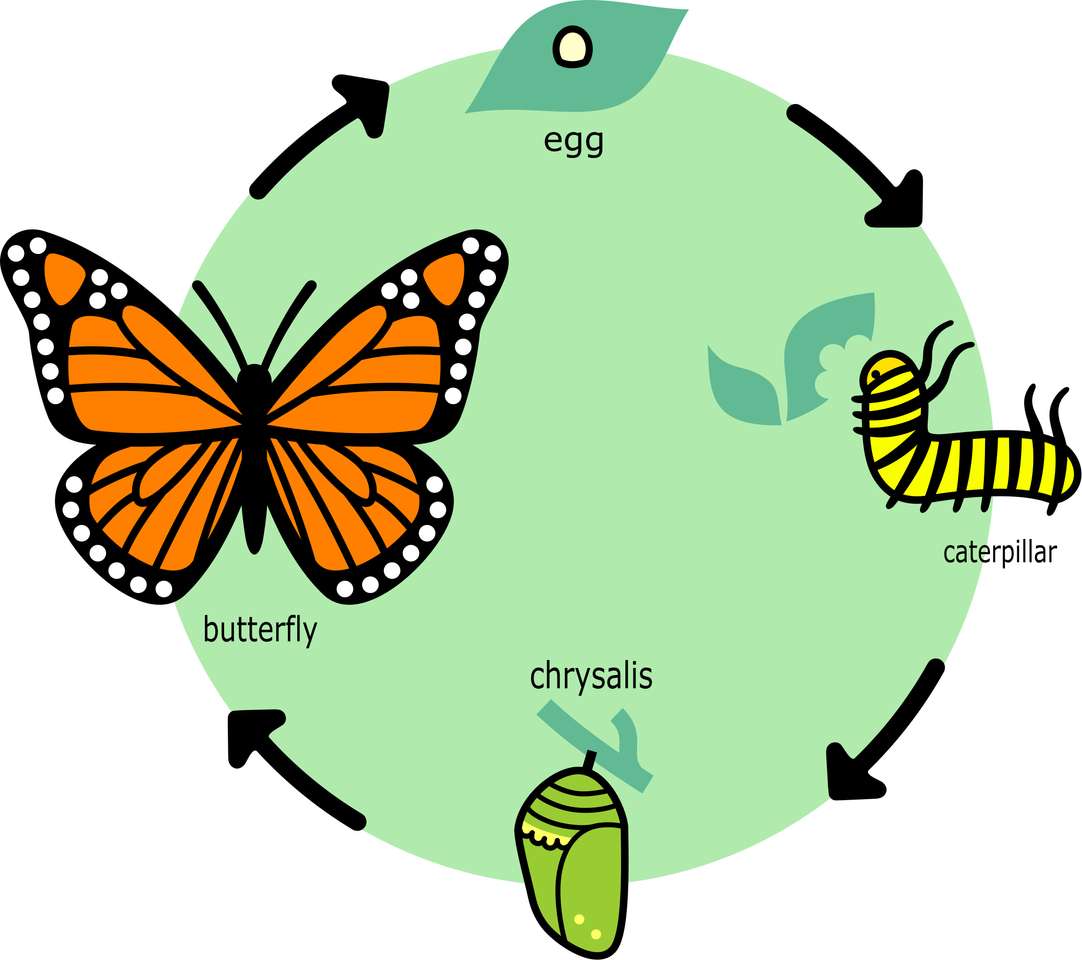
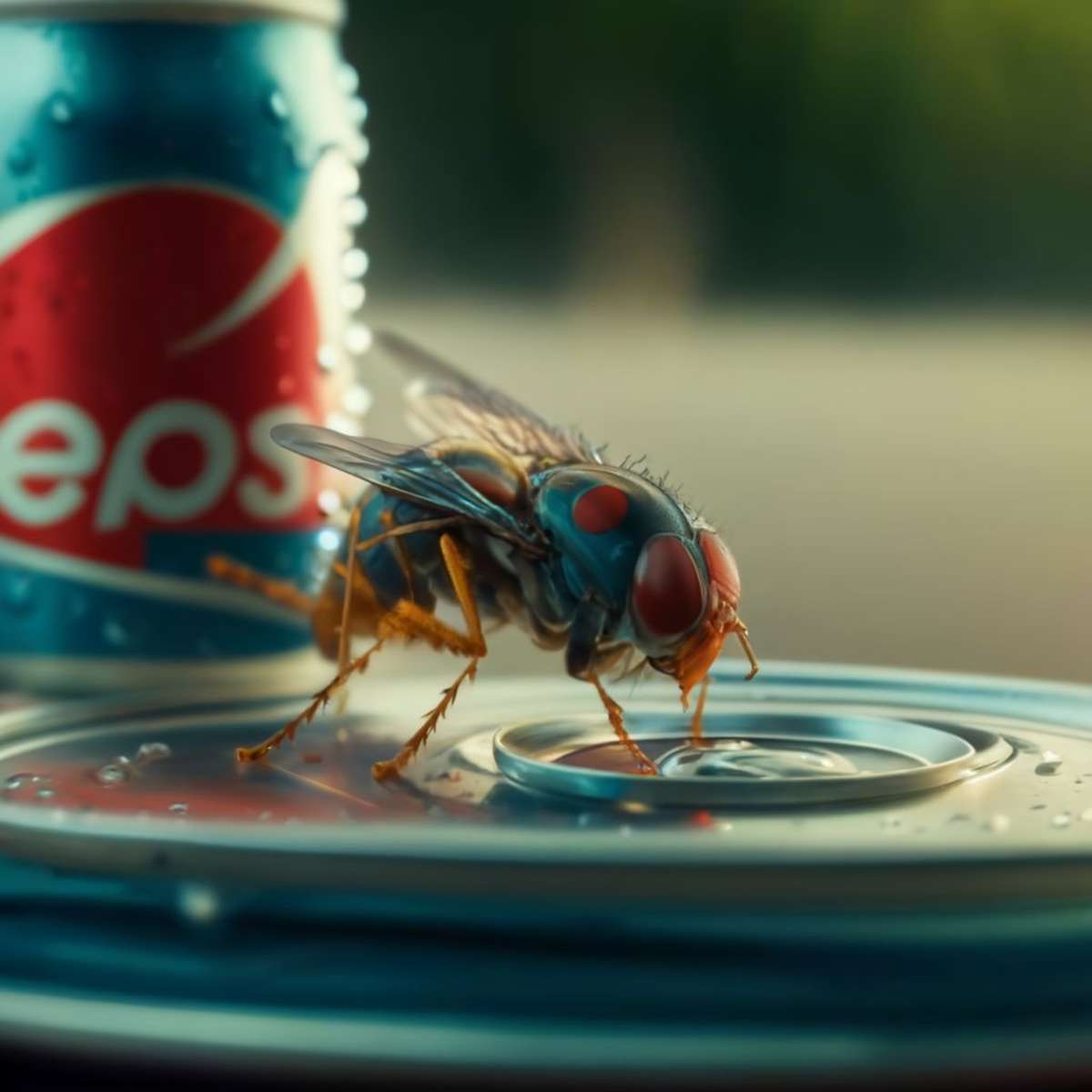
Arthropods use combinations of compound eyes and pigment-pit ocelli for vision. In most species, the ocelli can only detect the direction from which light is coming, and the compound eyes are the main source of information, but the main eyes of spiders are ocelli that can form images and, in a few cases, can swivel to track prey. Arthropods also have a wide range of chemical and mechanical sensors, mostly based on modifications of the many bristles known as setae that project through their cuticles. Similarly, their reproduction and development are varied; all terrestrial species use internal fertilization, but this is sometimes by indirect transfer of the sperm via an appendage or the ground, rather than by direct injection. Aquatic species use either internal or external fertilization. Almost all arthropods lay eggs, but many species give birth to live young after the eggs have hatched inside the mother, and a few are genuinely viviparous, such as aphids. Arthropod hatchlings vary from miniature adults to grubs and caterpillars that lack jointed limbs and eventually undergo a total metamorphosis to produce the adult form. The level of maternal care for hatchlings varies from nonexistent to the prolonged care provided by social insects.
The evolutionary ancestry of arthropods dates back to the Cambrian period. The group is generally regarded as monophyletic, and many analyses support the placement of arthropods with cycloneuralians (or their constituent clades) in a superphylum Ecdysozoa. Overall, however, the basal relationships of animals are not yet well resolved. Likewise, the relationships between various arthropod groups are still actively debated. Today, Arthropods contribute to the human food supply both directly as food, and more importantly, indirectly as pollinators of crops. Some species are known to spread severe disease to humans, livestock, and crops.